Top 8 Caves in Naturpark Bayerische Rhön
Best caves in Naturpark Bayerische Rhön are found within a diverse landscape characterized by volcanic origins and protected natural areas. The region features unique geological formations, including basalt rock and red sandstone, contributing to its status as a biosphere reserve. This area offers a variety of natural and historical sites for exploration. It is known for its distinct geological features and preserved natural environment.
Best caves in Naturpark Bayerische Rhön
- The most popular caves is Wichtelhöhlen Rock Formations, a…
Last updated: July 5, 2026
Teufelskeller (Devil’s Cellar)
Highlight • Cave
Translated by Google •
Tip by

Wichtelhöhlen Rock Formations
Highlight • Natural Monument
Translated by Google •
Tip by

Sign up now to discover places like this
Get recommendations on the best single tracks, peaks, & plenty of other exciting outdoor places.
Sign up for free
Eisgraben Nature Reserve
Highlight • Forest
Translated by Google •
Tip by

Women's Cave (Klefallsloch)
Highlight • Cave
Translated by Google •
Tip by
Moritz Visitor Mine (Lignite Tunnel)
Highlight • Historical Site
Translated by Google •
Tip by

Sign up for free to discover even more caves in Naturpark Bayerische Rhön.
Sign up for free
Already have an account?
Start today with a free account
Your next adventure awaits.
Login or Signup
Popular around Naturpark Bayerische Rhön
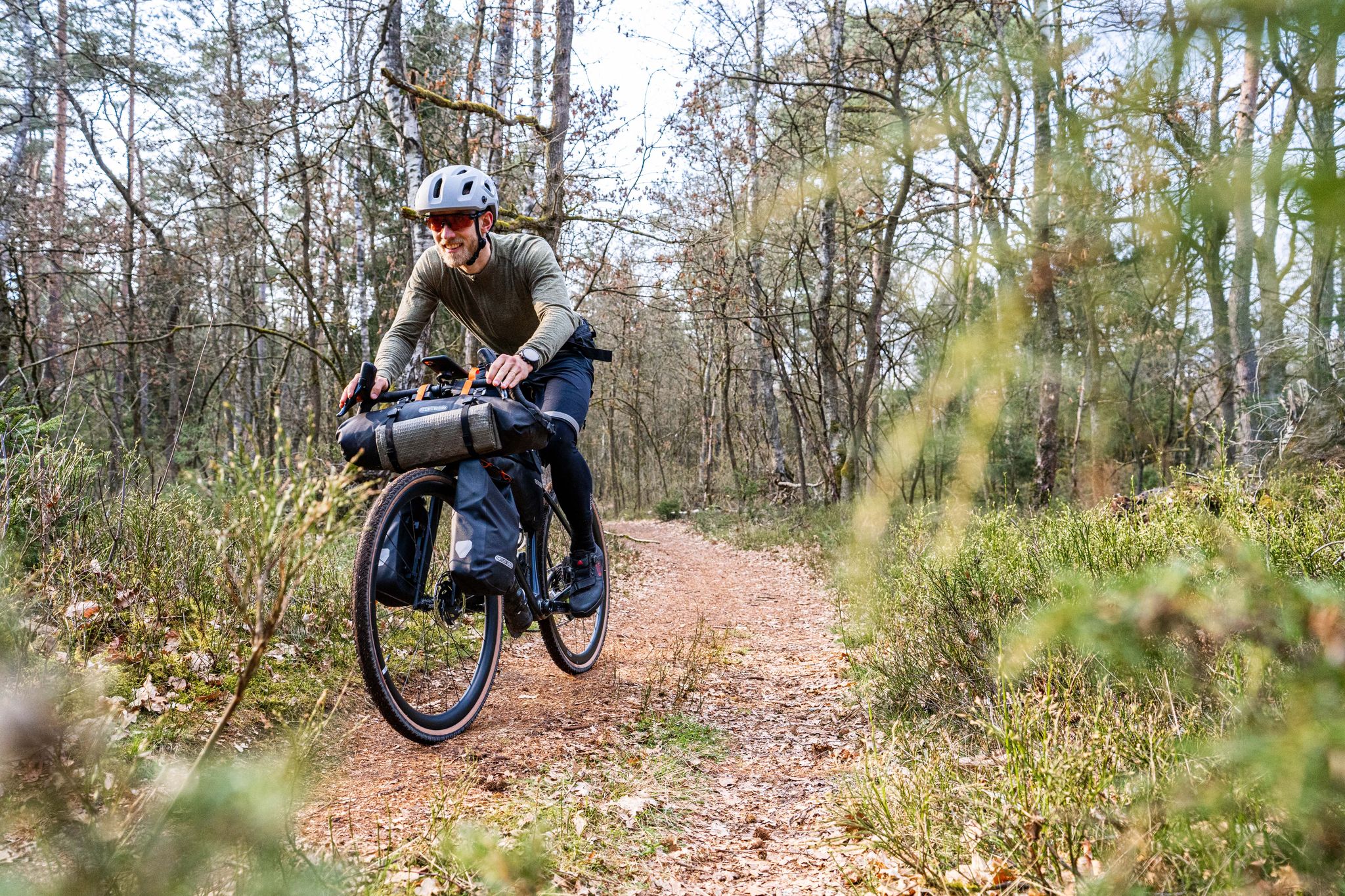
Gravel bikepacking from Hamburg to Munich
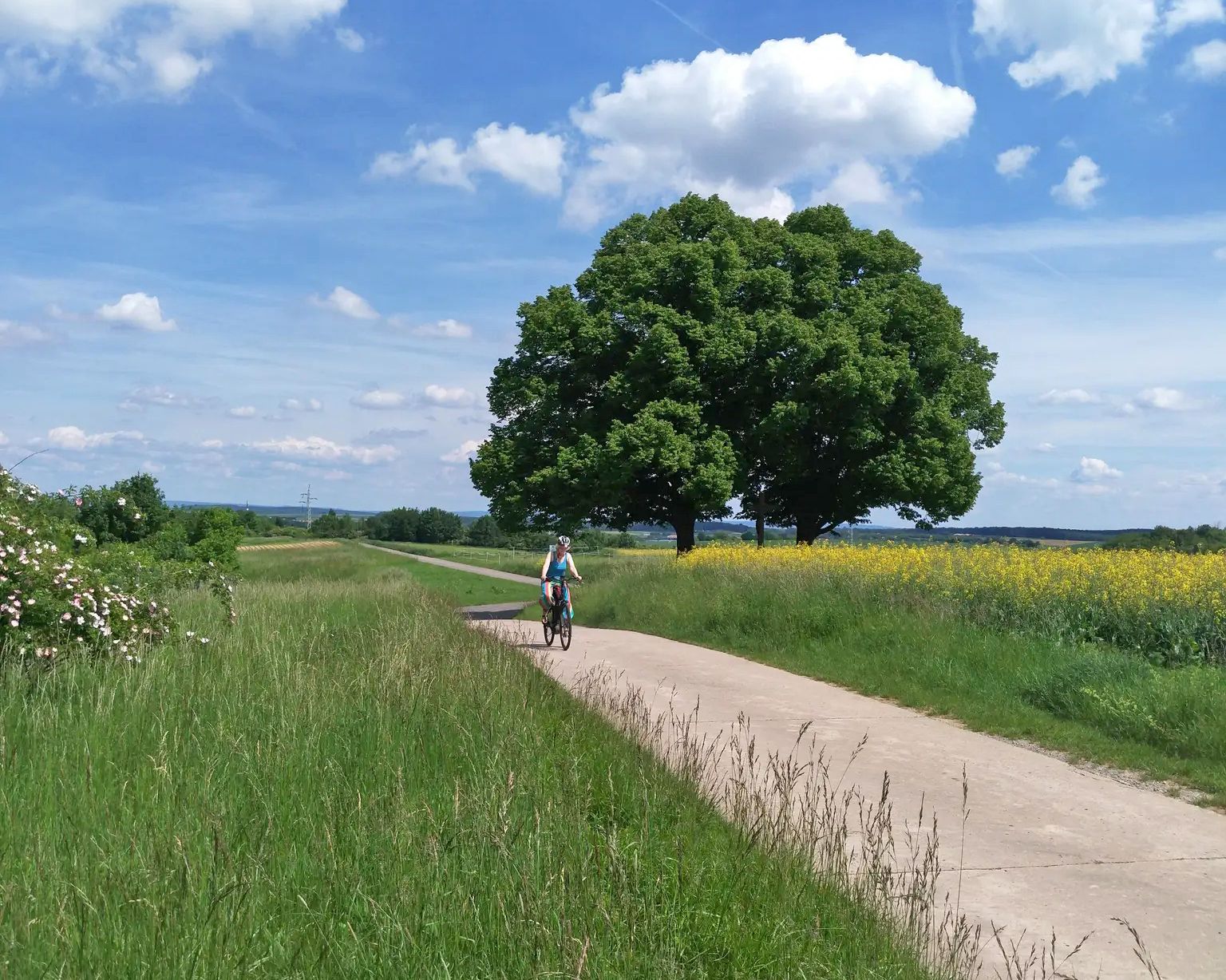
Main-Werra cycle path – From river to river
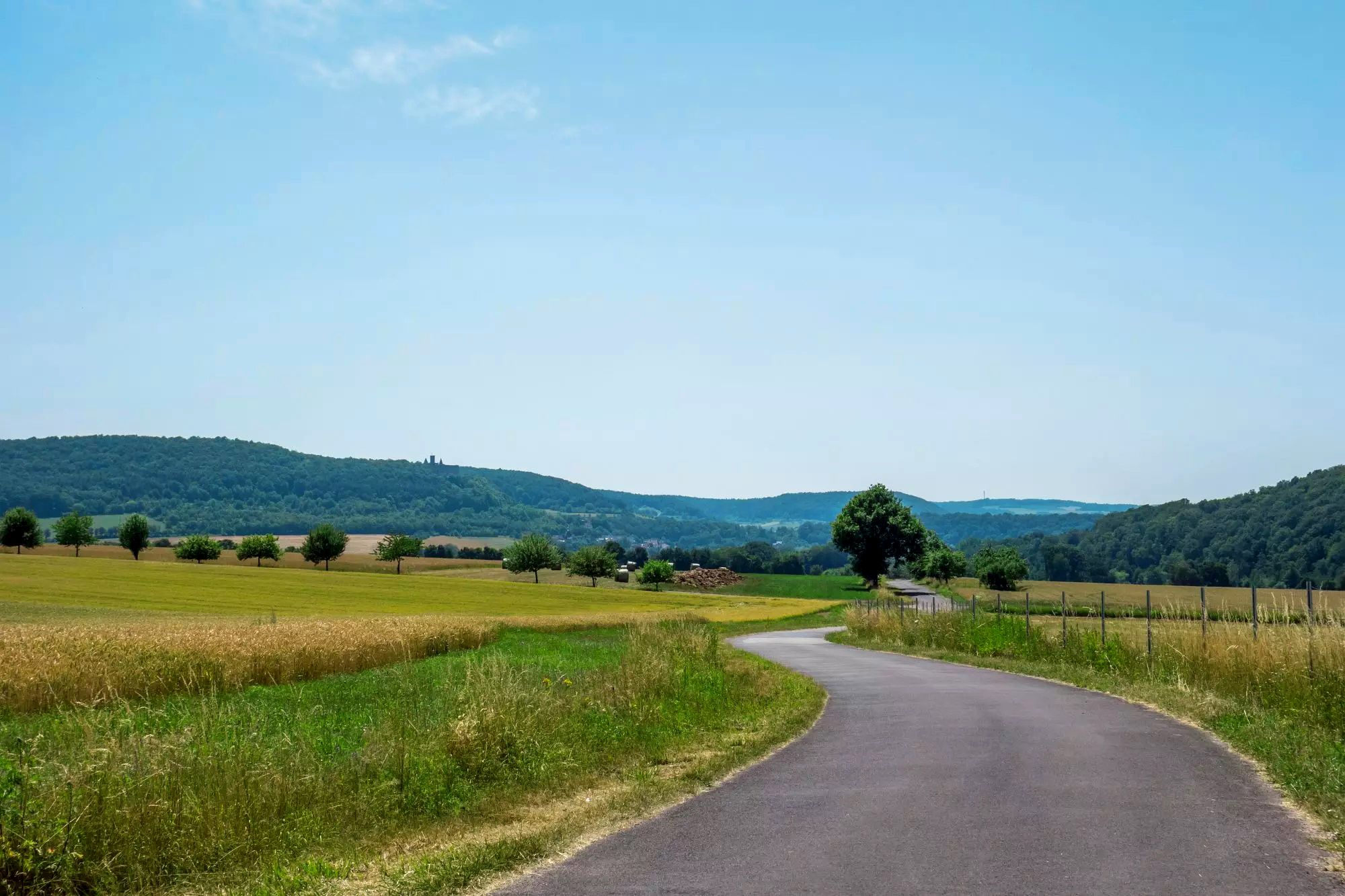
Rhön Cycleway in Germany – Cycling in the Land of Open Distances
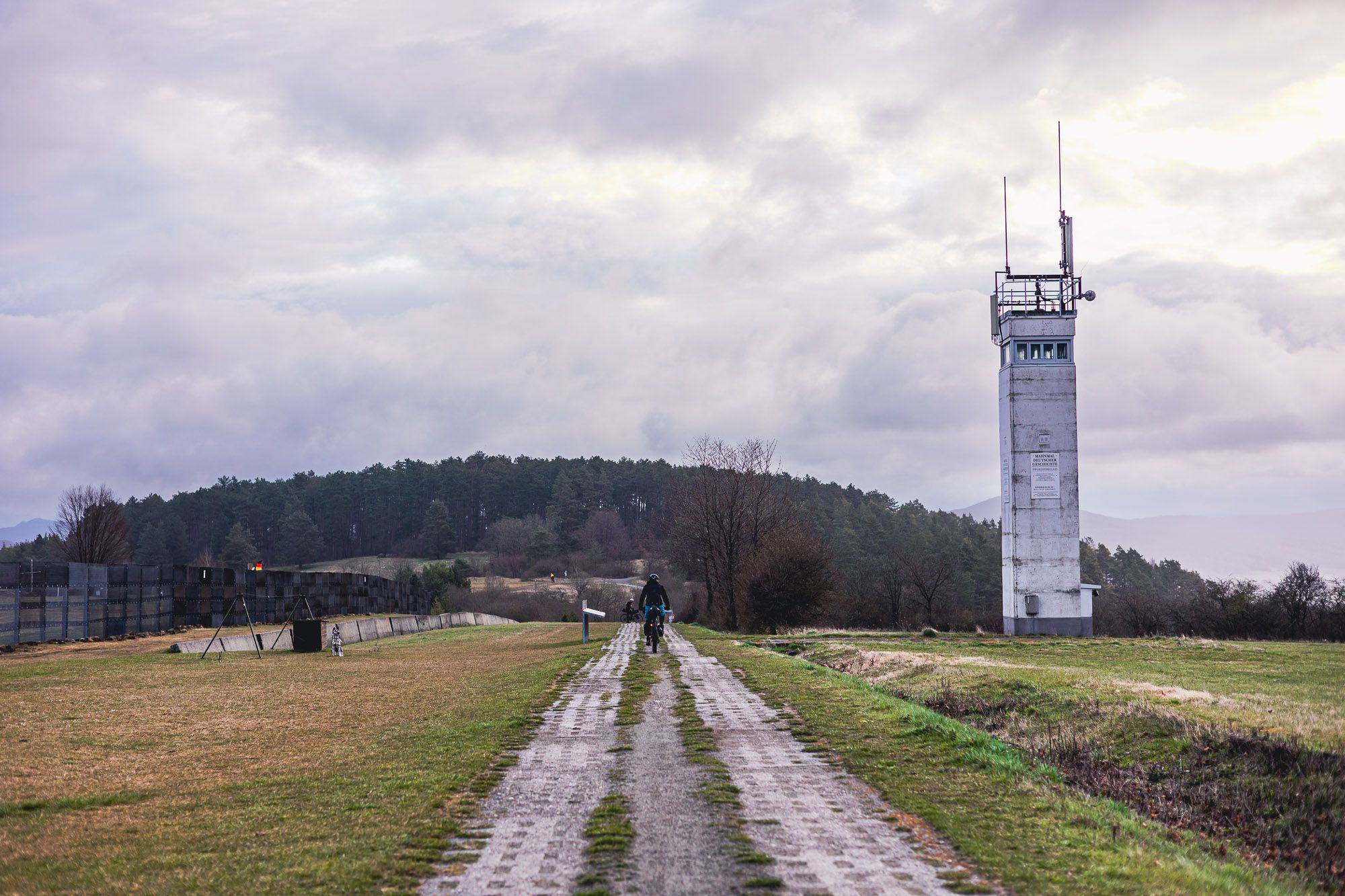
The Baltic Sea to Vogtland – 8 days along Germany's green former border
Stages of the HOCHRHÖNER Premium Hiking Trail
The National Natural Landscapes in Hessen
The National Natural Landscapes in Bavaria
Ride from Grabfeld to the Main in Germany – Franconian Saale Cycle Route
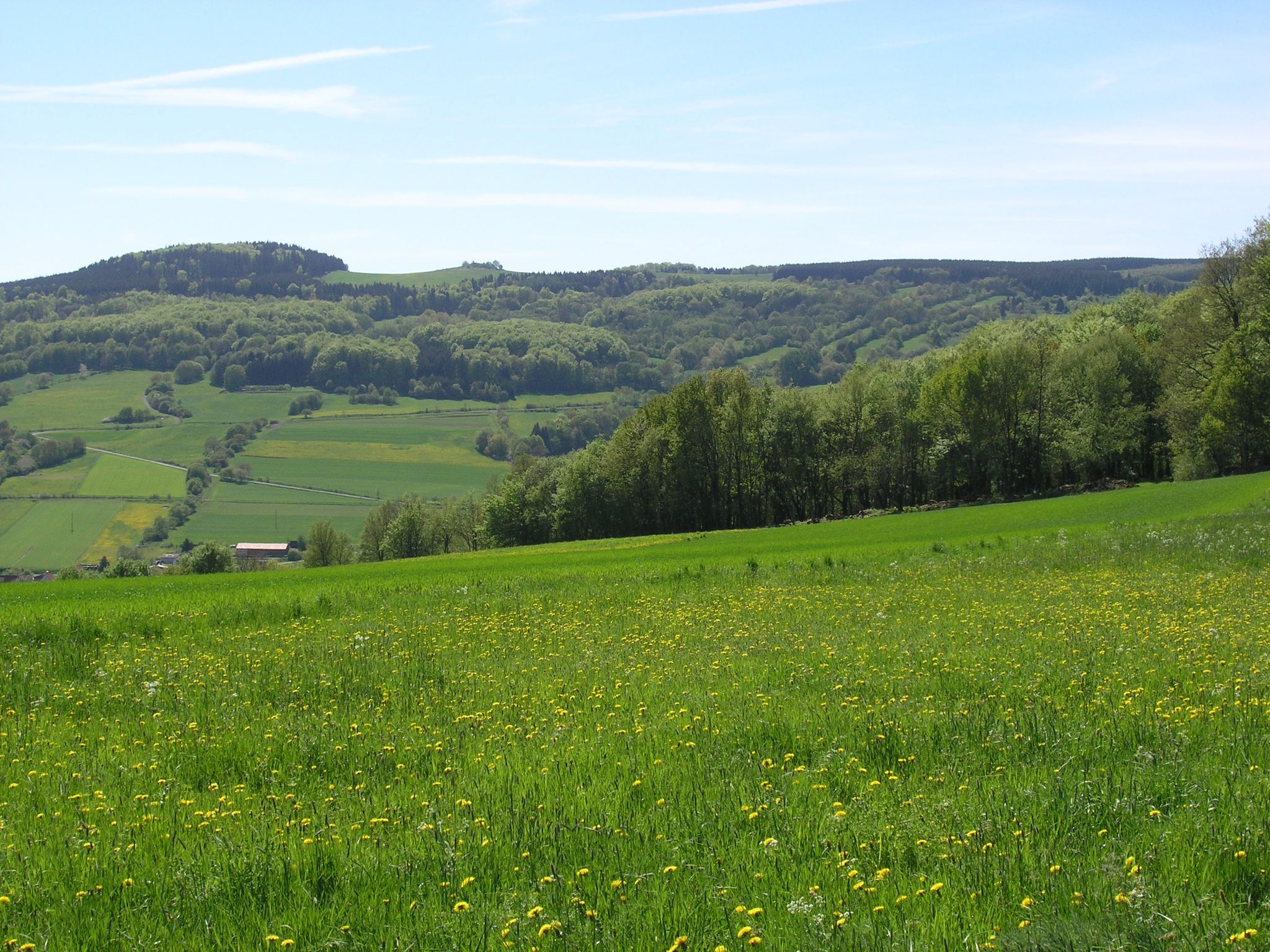
Extra tours South - Excellent premium hiking trails of the Rhön
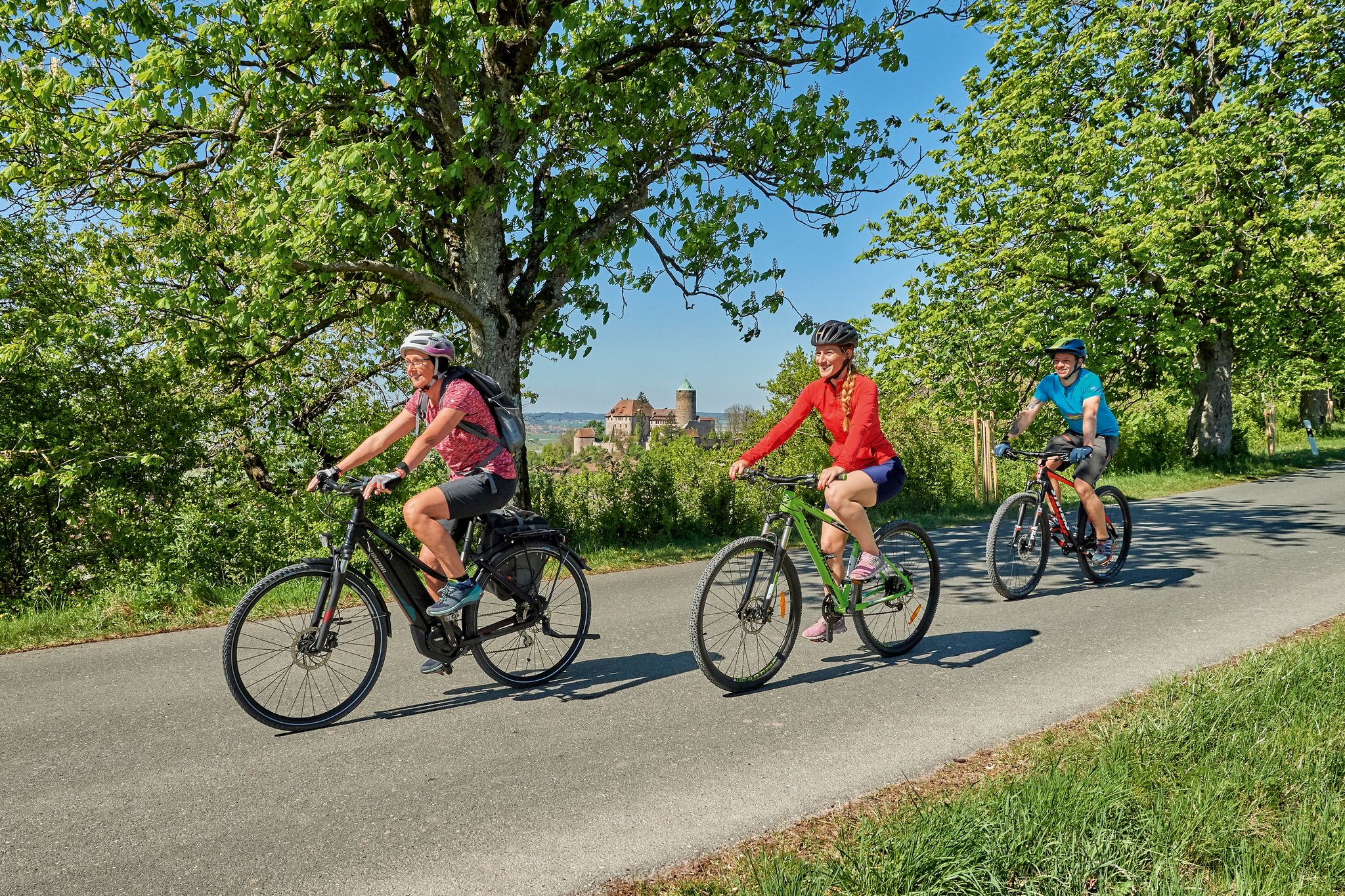
Sustainable cycling holidays — e-bike Tours through Franconia
Other adventures in Naturpark Bayerische Rhön


Tips from the Community

The Wichtelhöhlen (Gnome Caves) near Bad Kissingen are an impressive rock formation made of red sandstone, created by erosion. It's especially lovely to take a few minutes to explore the winding caves and crevices up close. The place has a mystical quality and invites you to linger for a while. The Wichtelhöhle (Gnome Cave) is also a little adventure for children, as there's so much to discover.
8
0
At the Wichtelhöhlenhütte (Witch Cave Hut), there's a lovely seating area with benches, perfect for a short rest. If you take your time, you can not only enjoy the view of the rock formations, but with a little luck, you might also hear the birds chirping in the quiet forest. Ideal for a quick break with provisions before continuing on.
7
0

A beautiful piece of nature. Highly recommended.
1
0

Transcript of the information board. The Women's Cave When the old Hildenburg Castle was devastated and set on fire, the Lord of Hildenburg and all his servants and men perished in a cruel manner. The young lady and her maids, however, fled with great treasures into a walled underground passage. The end of the passage is the women's cave in the ice ditch, which was also called Klefalls or Klefallsloch. However, the lady from Hillenberg and her ladies did not reach this exit. They all died in the underground passage. To this day they guard their treasures. Every seven years they are allowed to emerge from their underground kingdom and show themselves to people. They sit on a pile of wood or on a heap of brushwood and sing such beautiful tunes that the hearts of those who hear them tremble. Many people have already tried to get through the Klefallsloch into the underground passage and to the great treasures. But no one has managed it so far. After just a few steps you come to an iron door or plate. It is also said to be very dangerous to look for the treasure down there. The women's cave, one of the rare natural caves in the basalt. It is also protected by law as a natural monument. Its name is partly explained by the fact that women used this cave to hide from the cruelty of the Mercenaries were hiding there. Others said that the Women's Cave was the end of the underground passage that leads from Hildenburg. The legend, which has often been laughed at by "enlightened" contemporaries and dismissed with a pitying shrug, was confirmed when Hermann Happel from Mühlbach discovered a new entrance in 1965 next to the previously known eight-meter-deep cave that ended in a six-cubic-meter-large room. The cave, also called "Klefallsloch", was examined and measured by speleologists from Düsseldorf in 1972. They discovered a cave system 50 cm long and 20 m deep. The cave consists of narrow crevices, collapsed passages and two small rooms. In the lower part there is a canyon about 5 m long and 1.5 m deep. No traces of human hands were discovered. The entrance to the Women's Cave is walled up. It is strongly advised to exercise caution in the area, as deep crevices in the rocks are dangerous and there is a risk of collapse in some places. Bavarian Rhön Nature Park Association
1
0
www.biosphaere-rhoen.de Information from panel no. 2 Eisgraben - cold wind, natural forests The water of the Aschelbach, which flows over and between the basalt blocks of the Eisgraben, comes from the Black Moor on top of the Hohe Rhön - one of the last intact raised bogs in Germany. Cold air also flows from there down the valley channel. The Eisgraben owes its name to this, because it ensures that the frost lasts here well into spring. Large areas of the Eisgraben are designated as a natural forest reserve and enjoy special protection as a core zone of the UNESCO Rhön Biosphere Reserve. Leaving the moor, the Aschelbach initially meanders quietly through the landscape and finally plunges down a 4-meter-high waterfall. When it enters the forest, the stream is then called Eisgraben. It meanders between the trees and in places drops steeply by up to 10 meters on the side. Every spring, the floods of melting snow transform the narrow summer stream into a raging torrent that cuts ever deeper into the ground. An extreme storm on July 26, 1834 gave the Eisgraben its current appearance. Torrential rain caused a massive landslide that buried the town of Hausen. The catastrophe washed out brown coal in some places, which was then mined. A considerable system of tunnels was created. However, the brown coal was still quite young and therefore of poor quality, so mining was soon stopped. The women's cave is located in the lower part of the Eisgraben. At this point, the water has dug a 50-meter-long and 20-meter-deep cave into the rock. According to legend, this cave was a refuge for the women from the hamlet of Hillenberg in times of trouble. Today, the cave is no longer accessible. Also nearby are a hunter's hut and the ruins of Hildenburg.
1
0

One of the few known caves in the Rhön
1
0

The women's cave or the entrance, which is closed by a grille, is quite inconspicuous. But caves are rare in basalt rock and in this respect it is something special. It was probably created by shifting earth and was scientifically examined and measured in detail in 1972.
4
0
The Aschelbach, which comes from the Rhön high plateau, has created the deep valley of the Eisgraben here. There is a reason for the name Eisgraben: the cool stream water and the accompanying cold air currents ensure that the temperature along the stream is a few degrees lower than in the surrounding area.
4
0
Frequently Asked Questions
Are there family-friendly caves to explore in Naturpark Bayerische Rhön?
Yes, the Wichtelhöhlen Rock Formations offer a fun adventure for children with their winding caves and crevices. The Moritz Visitor Mine (Lignite Tunnel) is also family-friendly, providing an educational insight into the region's history and geology.
What kind of geological features can I expect to see in the caves of Naturpark Bayerische Rhön?
Naturpark Bayerische Rhön, with its volcanic origins, features unique geological formations. You can explore impressive red sandstone formations at the Wichtelhöhlen Rock Formations and encounter basalt rock in the gorge at Eisgraben Nature Reserve.
Are there any historical or legendary caves in the region?
Yes, the Teufelskeller (Devil’s Cellar) is a legendary site known for its historical narratives and tightly packed stones. Additionally, the Women's Cave (Klefallsloch) is a natural cave under conservation, where women reportedly hid during wartime.
What is the typical difficulty level for exploring caves in Naturpark Bayerische Rhön?
The difficulty varies. Sites like the Wichtelhöhlen Rock Formations are generally accessible and family-friendly. However, some areas like the Teufelskeller (Devil’s Cellar) and Women's Cave (Klefallsloch) are categorized as challenging due to their natural, untamed terrain.
What outdoor activities can I do near the caves in Naturpark Bayerische Rhön?
The region offers a variety of outdoor activities. You can find numerous hiking trails, including moderate routes like the Extratour Kreuzbergtour. For cycling enthusiasts, there are gravel biking routes, and running trails are also available throughout the Naturpark Bayerische Rhön.
Are there any visitor mines or historical industrial sites related to caves in the area?
Yes, the Moritz Visitor Mine (Lignite Tunnel) offers a glimpse into the region's mining history. It features a nature trail with information about the area's geology and past work life.
What should I wear when visiting caves in Naturpark Bayerische Rhön?
Given the natural and sometimes challenging terrain, it's advisable to wear sturdy footwear suitable for hiking. Layers of clothing are also recommended, as temperatures inside caves can be cooler than outside, even in summer.
What do visitors enjoy most about the caves in Naturpark Bayerische Rhön?
Visitors appreciate the mystical quality and the opportunity to discover something new, especially at sites like the Wichtelhöhlen Rock Formations. The natural beauty, unique geological formations, and the sense of adventure are frequently highlighted.
Is it possible to visit caves in Naturpark Bayerische Rhön during winter?
While some natural outdoor rock formations and caves are accessible year-round, conditions can vary. It's best to check local conditions and accessibility for specific sites during winter, as paths might be icy or snow-covered. Visitor mines like the Moritz Visitor Mine (Lignite Tunnel) may have specific opening hours.
Are there any hidden or less-known caves worth exploring in the region?
The Women's Cave (Klefallsloch) is described as small and inconspicuous, often easy to miss, making it a more 'hidden' natural cave for those looking for less-trafficked spots. It's under conservation, so its natural state is preserved.
How long does it typically take to explore the caves in Naturpark Bayerische Rhön?
The duration depends on the specific site. Exploring the winding crevices of the Wichtelhöhlen Rock Formations might take an hour or two, especially if combined with a rest at the nearby hut. Larger areas or those requiring hikes, such as the Teufelskeller (Devil’s Cellar) within the biosphere reserve, could be part of a longer half-day or full-day excursion.
Most popular routes in Naturpark Bayerische Rhön
Most popular attractions in Naturpark Bayerische Rhön

Get inspired with the komoot mobile app


Explore more
Extend your search for the best caves by checking out these guides of the top ones in Naturpark Bayerische Rhön:
