Top 7 Castles in Bergpark Wilhelmshöhe
Castles in Bergpark Wilhelmshöhe offer a blend of historical architecture and cultural significance within a UNESCO World Heritage site in Kassel, Germany. The park features diverse architectural styles, from neoclassical palaces to neo-Gothic castle ruins. Visitors can explore these structures, which house art collections and historical furnishings, set within a landscape known for its water features and scenic views. The area provides opportunities to engage with centuries of history and design.
Best castles in Bergpark Wilhelmshöhe
- The most popular castle is Wilhelmshöhe Palace, a neoclassical palace built between 1786 and 1798. It functions as a museum, housing significant art and cultural collections, including the Gemäldegalerie Alte Meister with works by Rembrandt and Rubens.
- Another must-see spot is Löwenburg (Wilhelmshöhe Mountain Park), a neo-Gothic artificial castle ruin constructed between 1793 and 1801. Visitors can explore its princely apartments, armory, and castle chapel, which blend historical authenticity with romanticized ruin aesthetics.
- Visitors also love Löwenburg, Kassel, a romantic knight's castle from the Middle Ages. It offers picturesque settings within the Bergpark and is a popular spot for relaxation and photography.
- Bergpark Wilhelmshöhe is known for its neoclassical palaces and neo-Gothic castle ruins. These structures offer insights into different architectural periods and historical uses.
- The castles in Bergpark Wilhelmshöhe are appreciated by the komoot community, with over 1870 upvotes and more than 1400 photos shared across the highlights.
Last updated: July 5, 2026
Wilhelmshöhe Palace
Highlight • Castle
Especially the middle part of the castle was completely destroyed during World War II. Between 1968 and 1974, the building was rebuilt and redesigned for a museum use.
Today, the Schloss Wilhelmshöhe accommodates an antique collection, the Gemäldegalerie Alte Meister, the Graphische Sammlung and a library. In addition, the museum offers space for special exhibitions.
Castle rooms in the narrower sense can be visited in the Weißenstein wing.
Translated by Google •
Tip by

Löwenburg (Wilhelmshöhe Mountain Park)
Highlight • Castle
It represents an important individual element in the Gesamtkunstwerk Wilhelmshöhe Mountain Park.
Landgrave Wilhelm IX (reigned 1785–1821, later Elector Wilhelm I) commissioned his court architect Heinrich Christoph Jussow (1754–1825) to build it. The castle served the Landgrave both as a pleasure palace and as a symbol of the historical significance of the House of Hesse, which had ruled since the Middle Ages.
The interior of the complex, which externally resembles a dilapidated knight's castle, follows the typical spatial layout of a Baroque pleasure and country palace. In addition to the princely apartments, it includes an armory and a neo-Gothic castle chapel. The lord of the castle also found his final resting place in the crypt beneath the chapel.
The immediate surroundings of the castle were also incorporated into the production, with the creation of an ancient-looking castle garden, a vineyard, a tournament grounds, and a zoo. The Wolf's Gorge below was even intended to feature a monumental waterfall, which would have become an essential part of the romantic water features in the Bergpark. However, construction was quickly halted.
The castle's ruinous appearance became a sad reality with the destruction of the keep and other parts of the building during World War II. Current restoration work is aimed at rebuilding the keep, preserving the existing structures, and re-equipping the interior with their original furnishings.
This will allow visitors to once again experience the Löwenburg as it did during the time of Elector Wilhelm I.
museum-kassel.de/de/museen-schloesser-parks/unesco-welterbe-bergpark-wilhelmshoehe/loewenburg
Translated by Google •
Tip by

Sign up now to discover places like this
Get recommendations on the best single tracks, peaks, & plenty of other exciting outdoor places.
Sign up for free
Löwenburg, Kassel
Highlight • Castle
Translated by Google •
Tip by

Lac (Wilhelmshöhe Palace Park)
Highlight • Lake
Translated by Google •
Tip by

Wolfsschlucht Stairway to Löwenburg
Highlight (Segment) • Trail
Translated by Google •
Tip by
Sign up for free to discover even more castles in Bergpark Wilhelmshöhe.
Sign up for free
Already have an account?
Start today with a free account
Your next adventure awaits.
Login or Signup
Popular around Bergpark Wilhelmshöhe
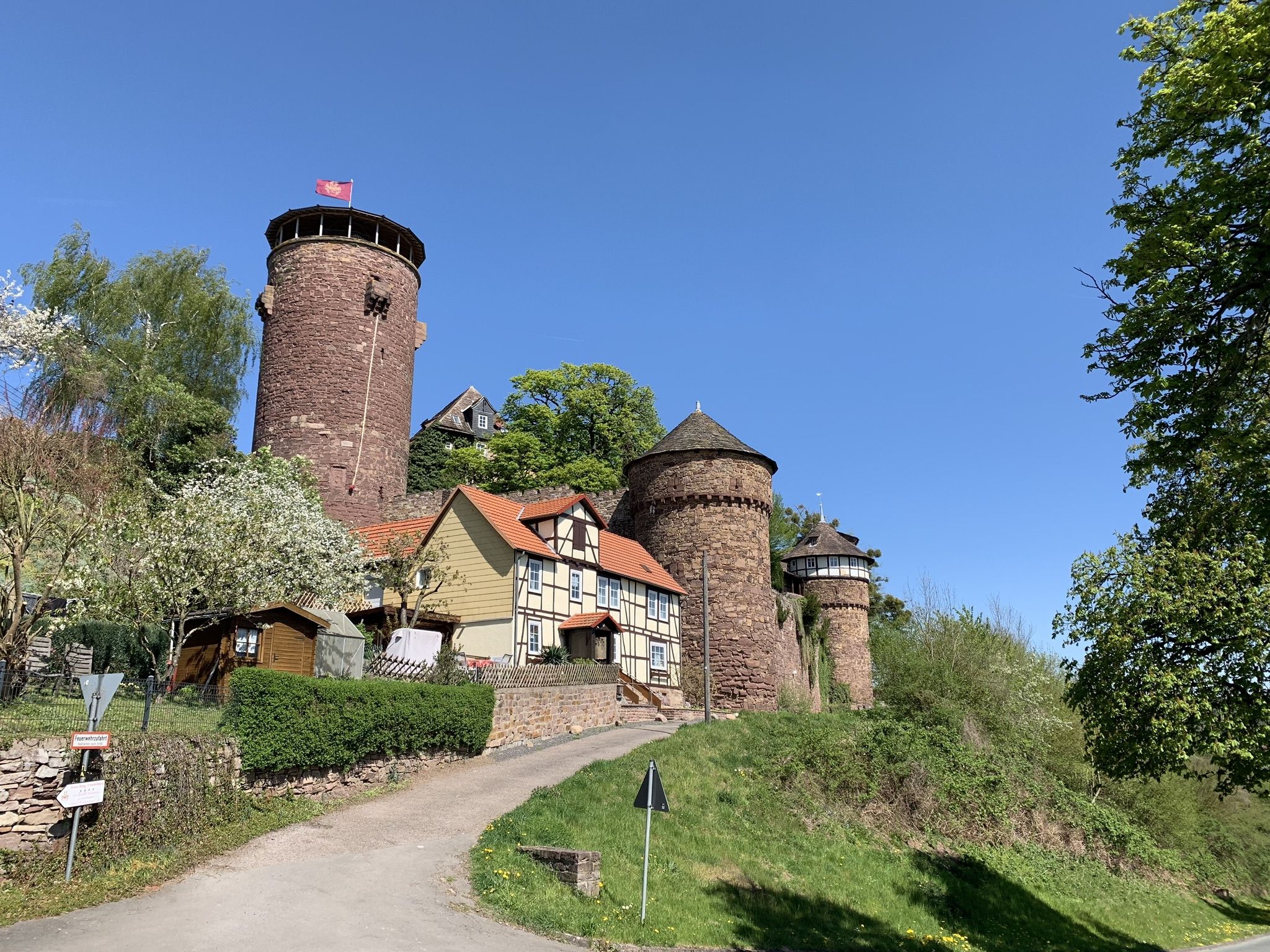
Hike the Fairy Tale Route – Enchanting days in Germany
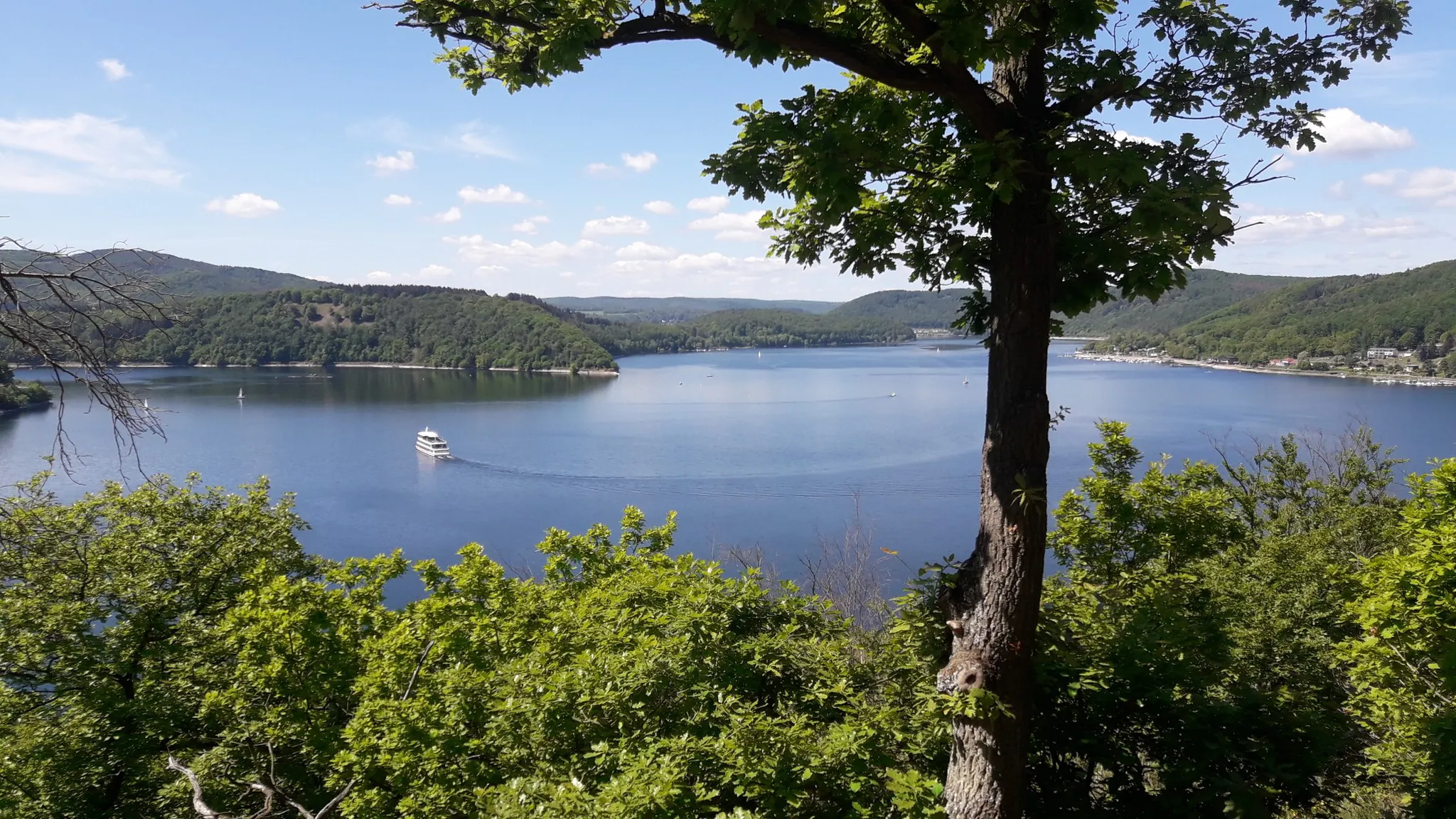
Ederseeweg trail — three stages from the city to the lake
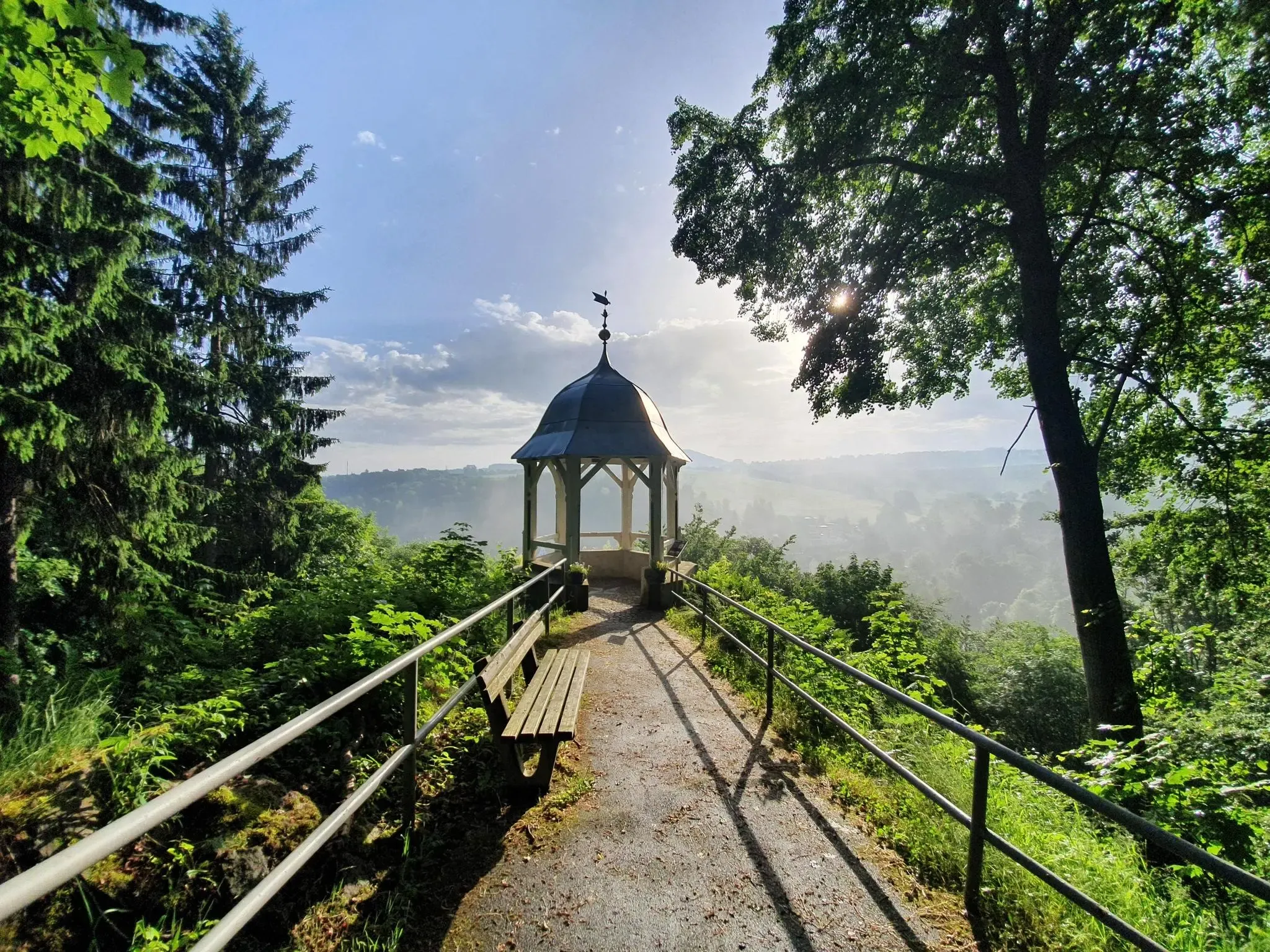
#GoFurther – discover the views of Germany!
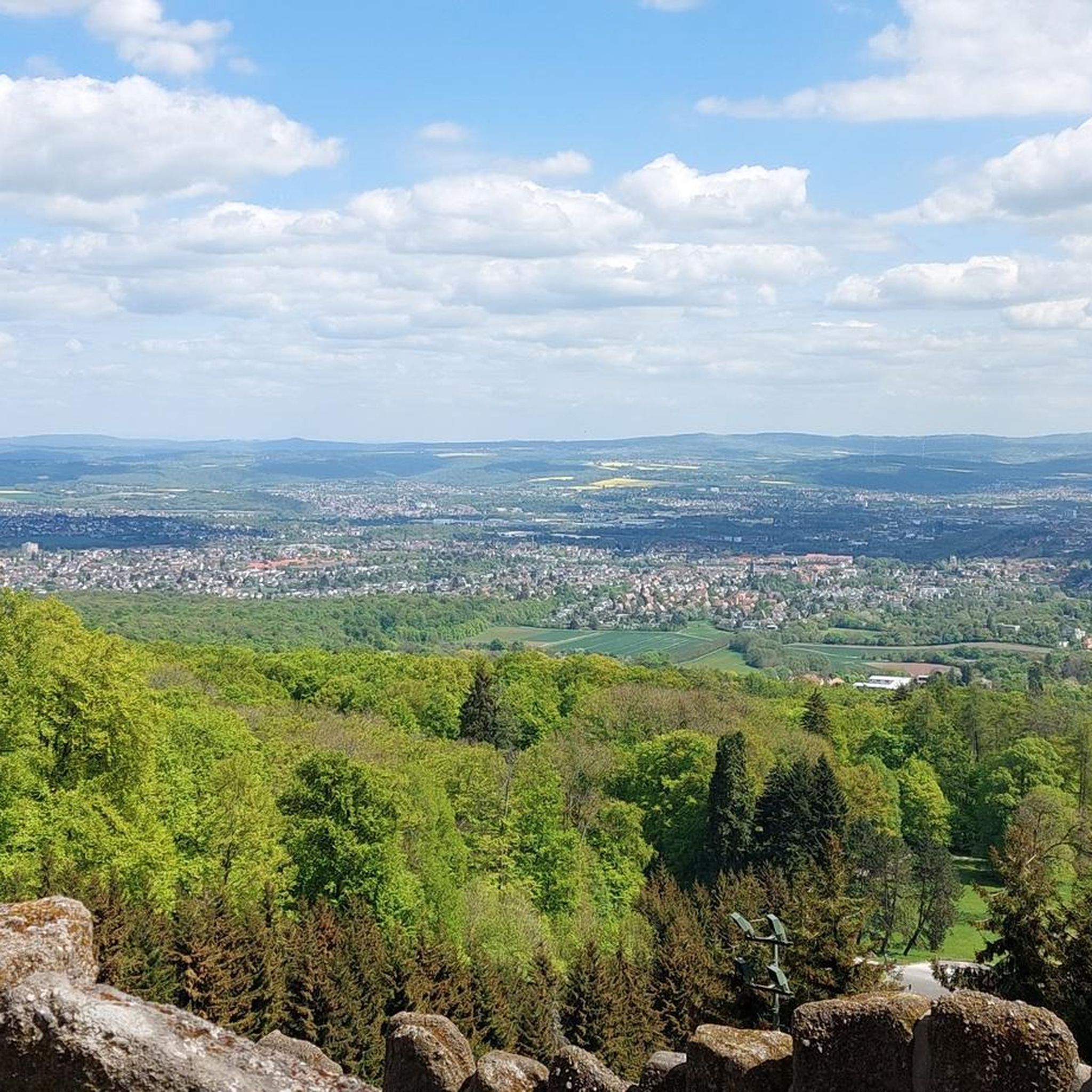
Road Cycling Routes in Bergpark Wilhelmshöhe
Hiking in Bergpark Wilhelmshöhe
MTB Trails in Bergpark Wilhelmshöhe
Gravel biking in Bergpark Wilhelmshöhe
Running Trails in Bergpark Wilhelmshöhe
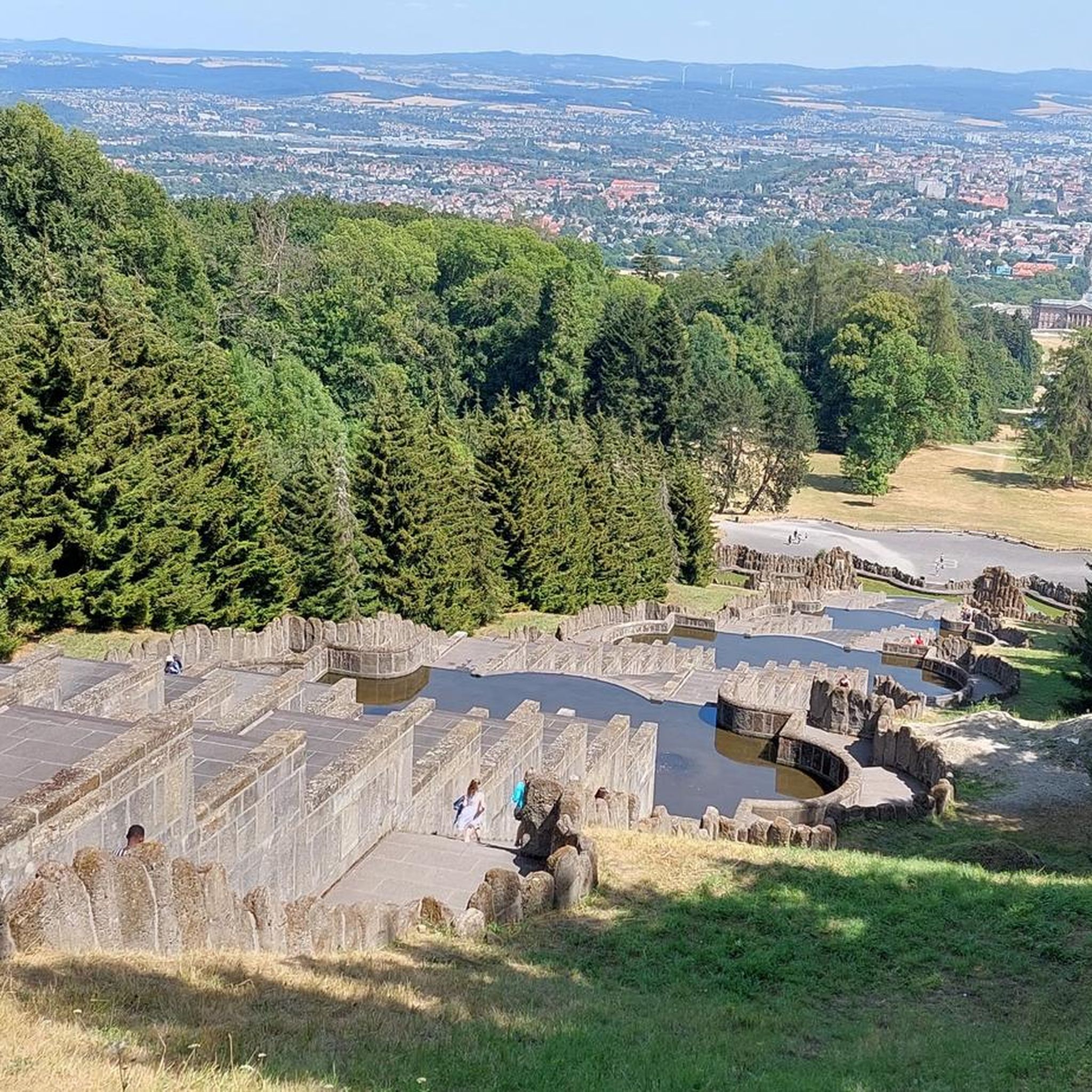
Cycling in Bergpark Wilhelmshöhe
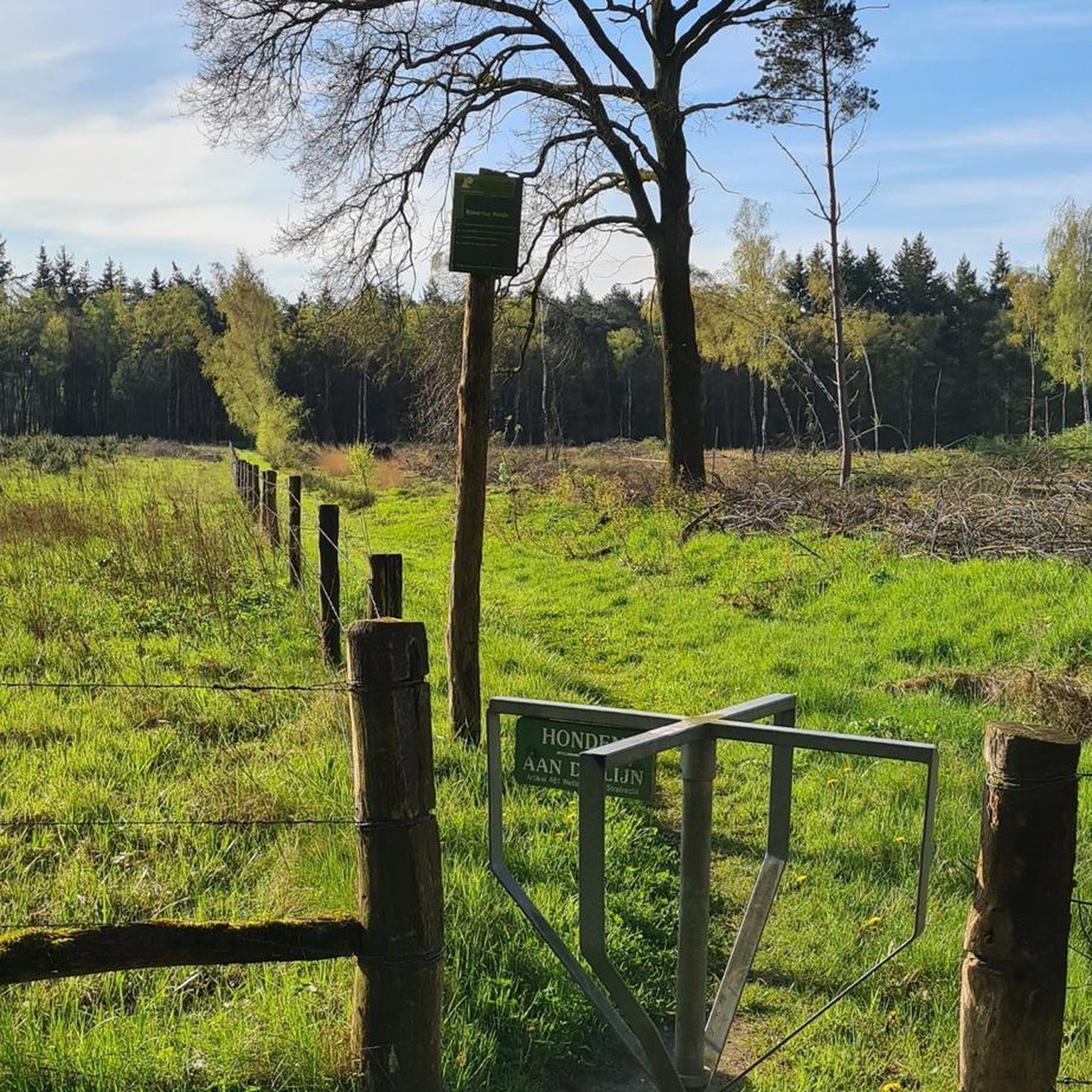
Mountain Hikes in Bergpark Wilhelmshöhe


Tips from the Community

The current palace, designed in the classicist style, was built between 1786 and 1794 for Landgrave Wilhelm IX of Hesse-Kassel (from 1803 Elector Wilhelm I) based on designs by the architects Simon Louis du Ry (Weißenstein wing and church wing) and Heinrich Christoph Jussow (central wing). The electors and landgraves of Hesse-Kassel spent their "summer holidays" in Wilhelmshöhe Palace, which is over 200 years old. Today it is a museum for important art and cultural collections. Landgrave Wilhelm IX had Wilhelmshöhe Palace built as the center of his mountain park. Originally it consisted of three individual buildings. Later, Elector Wilhelm II had these buildings connected. This is how the palace acquired its current closed and massive appearance. The imperial family used Wilhelmshöhe Palace as a summer residence until 1918. It was badly damaged in the Second World War and gradually rebuilt from 1945 onwards. Today the left wing serves as an administration building. The central building houses unique collections such as the Old Masters Picture Gallery. The museum in the right part of the building (Weißenstein wing) is currently being renovated and normally displays the historically furnished rooms of the Landgraves. Source: https://www.heritage-kassel.de/standorte/schloss-wilhelmshoehe
3
1
The Lac is the largest of the ponds, it is located below Wilhelmshöhe Palace and is surrounded by a walking path and old trees. It was created between 1785 and 1791 by Heinrich Christoph Jussow. There are several benches right on the dam where visitors can sit down and enjoy a beautiful view of the small lake. On the south-west bank facing the mountain is the rose garden, which was created in 1790 and is particularly notable for its diverse collection of different roses.
2
0

Long, also somewhat steep, stone staircase through the Wolfsschlucht. But it runs without problems. The Löwenburg, which is well worth seeing, awaits the hiker at the top.
5
1

Several museums and collections are housed in Wilhelmshöhe Palace: in the middle section is the famous picture gallery of the old masters, the collection of antiquities and the graphic collection. The castle museum can be found in the Weißenstein wing. And the chapel in the church wing is popular for weddings.
13
0
Embedded in the mountain park above Wilhelmshöhe Castle, the Löwenburg was built between 1793 and 1801 as one of the first pseudo-medieval castle ruins in Europe. It represents an important individual element in the Wilhelmshöhe mountain park as a whole. On the one hand, the castle served the landgrave as a pleasure palace, on the other hand, it was intended to reflect the historical importance of the House of Hesse, which had ruled since the Middle Ages.
2
1

A beautiful castle 👍😉🏰
3
2

Woooow, like a movie set. The sight knocks every ambitious hiker's socks off 😍
16
1

Only online viewing, that's really annoying if you had a long journey. Well, you could have informed yourself in advance on the website. But all the beauties around it make it a nice experience anyway.
17
1
Frequently Asked Questions
What are the main differences between Wilhelmshöhe Palace and Löwenburg Castle?
Wilhelmshöhe Palace is a grand neoclassical palace built in the late 18th century, functioning today as a museum with significant art collections, including Old Masters. In contrast, Löwenburg Castle is an artificial neo-Gothic ruin from the same period, designed to look like a medieval knight's castle, complete with princely apartments and an armory.
What kind of art and historical collections can I see at Wilhelmshöhe Palace?
Wilhelmshöhe Palace houses the Gemäldegalerie Alte Meister (Old Masters Picture Gallery), featuring works by artists like Rembrandt and Rubens. It also includes an antiquities collection with sculptures and artifacts, a graphic arts collection, and the Weißenstein Wing, which contains original furnishings from the palace's early history.
Is Löwenburg Castle a real medieval castle?
No, Löwenburg Castle is not a real medieval castle. It was built between 1793 and 1801 as an artificial ruin in the neo-Gothic style, designed to evoke the romantic image of a knight's castle. Despite its appearance, it contained princely living quarters and served as a pleasure palace.
Are there family-friendly activities at the castles in Bergpark Wilhelmshöhe?
Yes, both Wilhelmshöhe Palace and Löwenburg Castle are considered family-friendly highlights within Bergpark Wilhelmshöhe. The park itself offers plenty of space for children to explore, and the unique architecture of Löwenburg can spark imagination. Check the official websites for specific family programs or events.
What outdoor activities can I do near the castles in Bergpark Wilhelmshöhe?
The Bergpark Wilhelmshöhe area offers a variety of outdoor activities. You can enjoy mountain hikes, road cycling, and gravel biking. For detailed routes and difficulty levels, explore the guides for Mountain Hikes in Bergpark Wilhelmshöhe, Road Cycling Routes in Bergpark Wilhelmshöhe, and Gravel biking in Bergpark Wilhelmshöhe.
Are there easy hiking trails in Bergpark Wilhelmshöhe with castle views?
Yes, Bergpark Wilhelmshöhe features several easy hiking trails that offer beautiful views, including those of the castles. For example, the 'View of the Hercules Monument loop' is an easy mountain hike. You can find more options in the Mountain Hikes in Bergpark Wilhelmshöhe guide.
How can I get to Wilhelmshöhe Palace and Löwenburg Castle by public transport?
Both Wilhelmshöhe Palace and Löwenburg Castle are accessible via public transport in Kassel. The Bergpark Wilhelmshöhe is well-connected by tram and bus services. It's advisable to check local transport schedules for the most current routes and stops.
What is the best time of year to visit the castles in Bergpark Wilhelmshöhe?
The Bergpark Wilhelmshöhe and its castles are beautiful year-round. Spring and summer offer lush greenery and the famous water features in full operation. Autumn provides stunning foliage, while winter can offer a magical, snow-covered landscape. The water features typically run from May to October.
Are there cafes or restaurants near Löwenburg Castle?
Yes, there are cafes and restaurants within Bergpark Wilhelmshöhe and in the surrounding Kassel area. While Löwenburg Castle itself doesn't have a restaurant inside, you'll find options for refreshments and meals within walking distance or a short drive within the park and nearby Wilhelmshöhe district.
Can I visit the interior of Löwenburg Castle?
Yes, visitors can explore the well-preserved interiors of Löwenburg Castle, including its princely apartments, armory, and the neo-Gothic castle chapel. The crypt beneath the chapel also serves as the burial place of Landgrave Wilhelm IX.
Is Bergpark Wilhelmshöhe a UNESCO World Heritage site?
Yes, Bergpark Wilhelmshöhe, which includes Wilhelmshöhe Palace and Löwenburg Castle, was recognized as a UNESCO World Heritage Site on June 23, 2013. This acknowledges its unique cultural landscape and architectural significance.
What natural features can I see near the castles?
Beyond the castles, Bergpark Wilhelmshöhe is famous for its impressive water features, including the Steinhöfer Waterfall. You can also find the Lac (Wilhelmshöhe Palace Park), which offers beautiful views and is a natural monument within the park.
Most popular routes in Bergpark Wilhelmshöhe
Most popular attractions in Bergpark Wilhelmshöhe

Get inspired with the komoot mobile app


Explore more
Looking for the best castles somewhere else? Discover other guides in Bergpark Wilhelmshöhe:
