The best MTB trails around Hohenberg-Krusemark
4.5
(47)
172
riders
25
rides
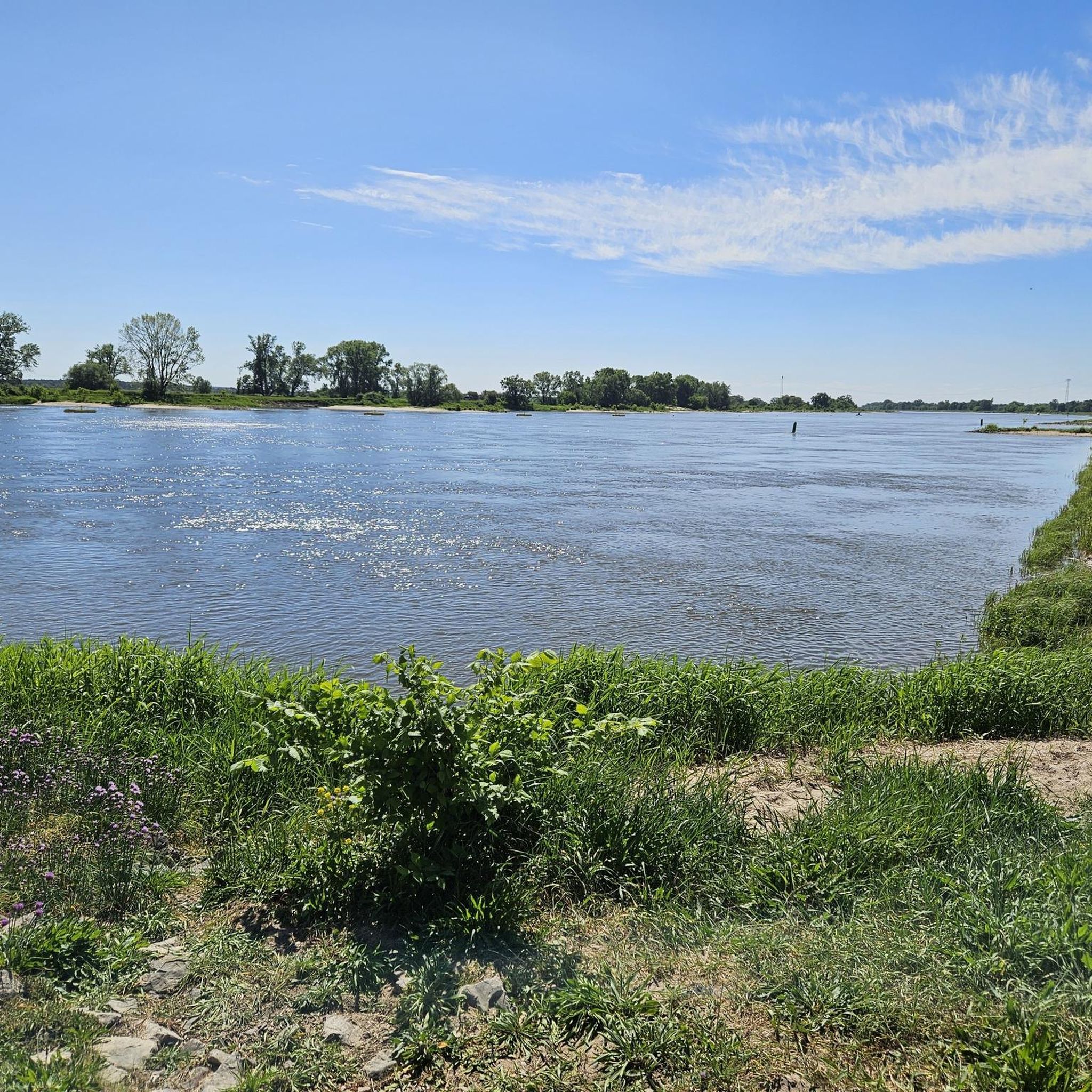
Mountain biking around Hohenberg-Krusemark offers routes through the flat plains of the Altmark region, characterized by the Elbe River and its surrounding natural landscapes. The terrain is generally flat, with an average elevation of 32 meters, making it suitable for relaxed cycling rather than demanding technical mountain biking. The area features a mix of open fields, historic villages, and riverine environments.
Best mountain bike trails around Hohenberg-Krusemark
- The most popular mountain bike trail is Havelberg Campsite – B107 Bridge over…
Last updated: August 21, 2026
4.7
(11)
25
riders
45.5km
02:28
60m
60m
Moderate mountain bike ride. Good fitness required. Suitable for all skill levels.
5.0
(3)
23
riders
74.8km
04:11
120m
120m
Moderate mountain bike ride. Good fitness required. Suitable for all skill levels.

Sign up for free
5.0
(4)
17
riders
39.2km
02:15
90m
90m
Moderate mountain bike ride. Good fitness required. Suitable for all skill levels.
4.5
(8)
17
riders
Easy mountain bike ride. Great for any fitness level. Suitable for all skill levels.
4.5
(4)
5
riders
28.7km
02:03
70m
70m
Moderate mountain bike ride. Good fitness required. Suitable for all skill levels.
Get access to more routes and recommendations from other explorers.
Sign up for free
Already have an account?
Our route recommendations are based on thousands of hikes, rides, and runs completed by other people on komoot.
Start today with a free account
Your next adventure awaits.
Login or Signup
Other adventures around Hohenberg-Krusemark

Tips from the Community

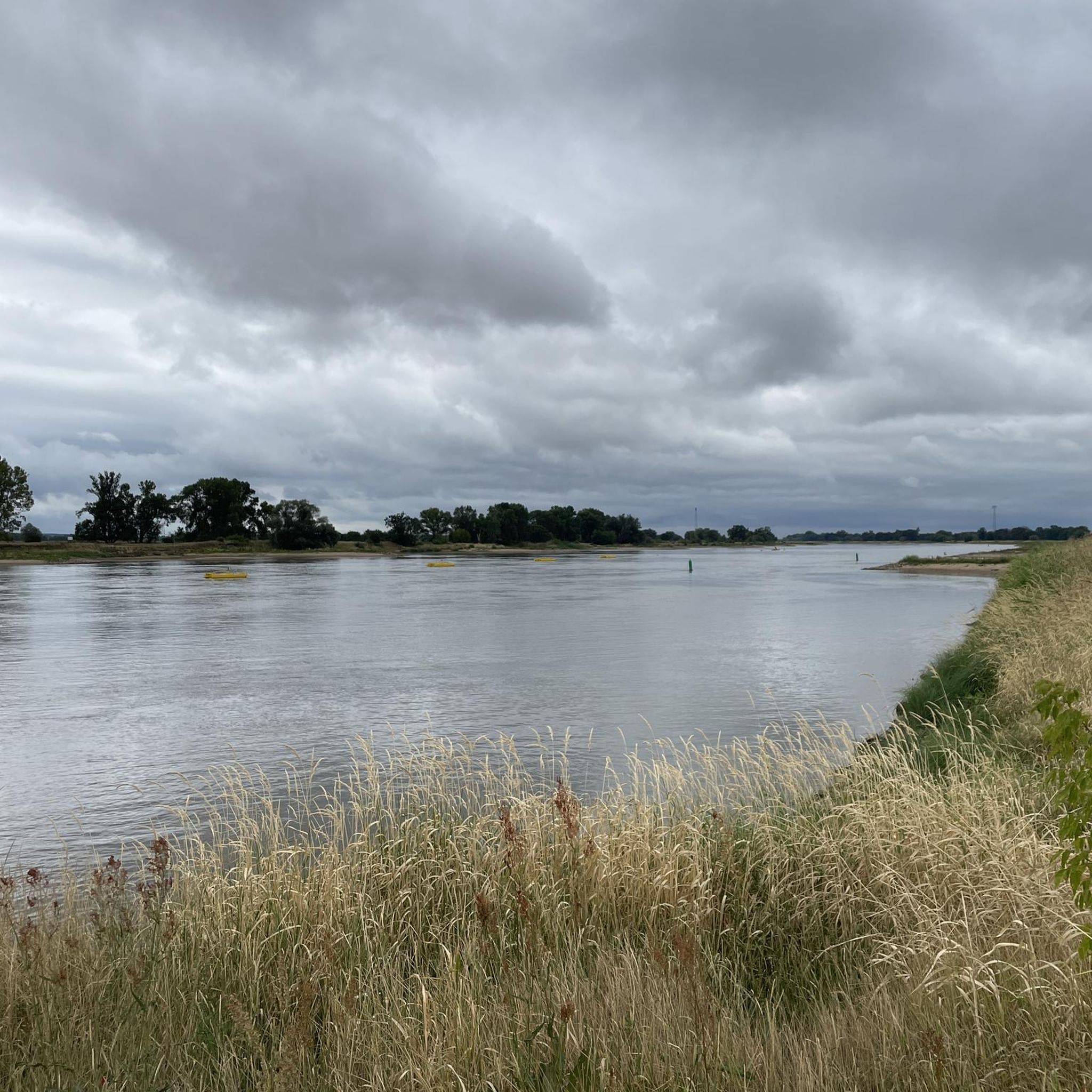
From here you can observe birds or simply enjoy the landscape and silence. There is plenty of it.
0
0

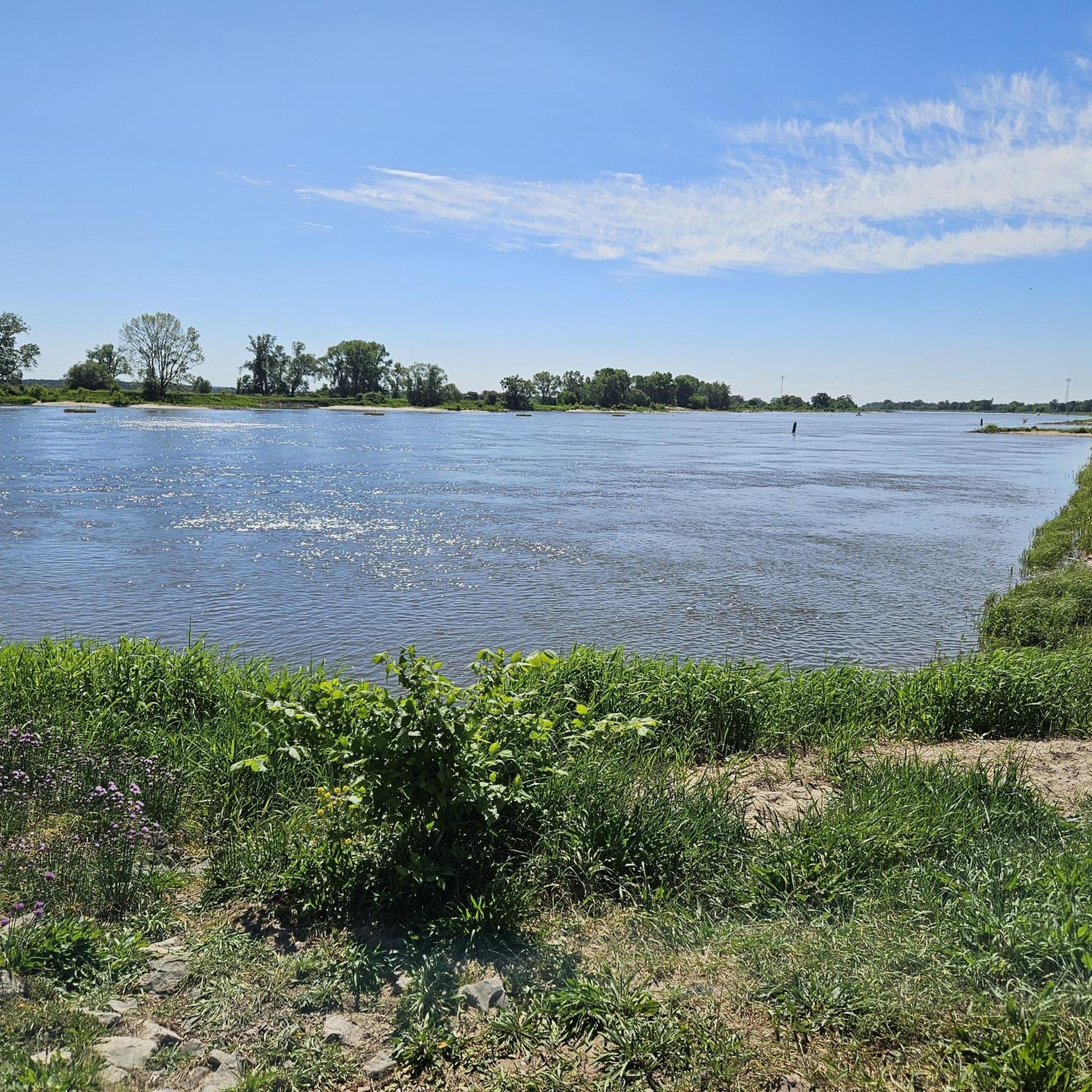
The bridge can be used by cyclists and pedestrians. It is open, as of 2026. From here, of course, you have a good view of the Elbe meadows and the city.
0
0
beautiful bridge over the Havel with a good view of the city's churches.
1
0

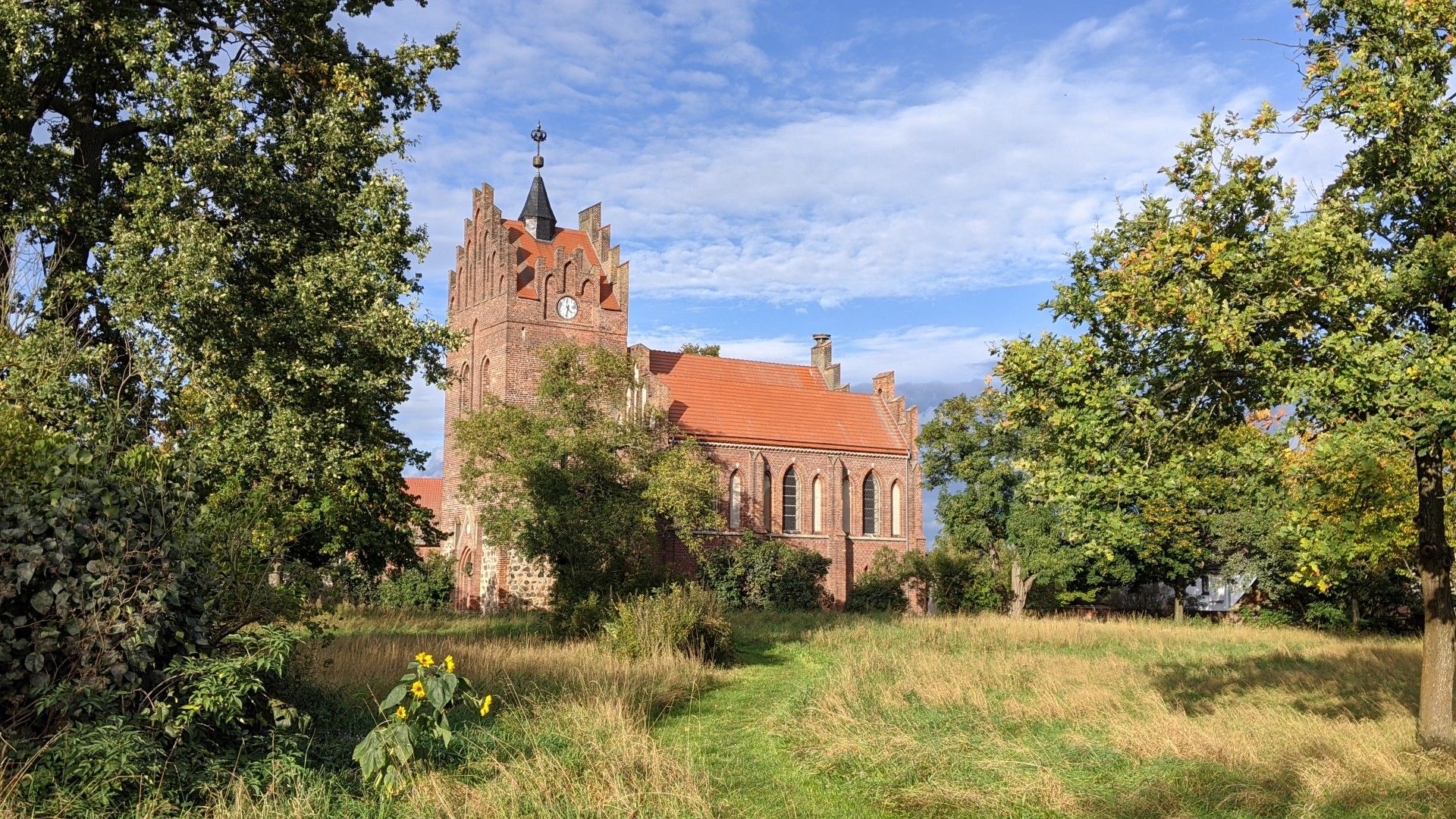
The oriented brick church was built according to the plans of architect Kurt Matern, cathedral master builder of the Paderborn diocese. The house of worship, with its distinctive tower, was erected in the Neo-Romanesque style and offers 223 seats.
1
0

The Gnevsdorf drainage canal is an approximately eleven-kilometer-long, artificially constructed canal between the Havel and Elbe rivers, serving as an additional outlet into the Elbe. Its design aimed to shift the Elbe's backwater level downstream to a lower level, thus effectively relieving pressure on the Lower Havel during floods. Simultaneously, the canal improves the flow of Havel water to the Elbe, which has a steeper gradient. The Gnevsdorf drainage canal is part of a comprehensive flood protection system that also includes several weirs and the Havelberg lock.
0
0
Rühstädt is known throughout Germany as the "Stork Village"—a reputation this idyllic Elbe village owes to its exceptionally high number of breeding white storks. Since 1996, Rühstädt has officially held the title "European Stork Village," awarded by the European Natural Heritage Foundation (Euronatur), and has since been considered an outstanding example of successful coexistence between people and nature. A central feature of the village is the NABU Visitor Center, which provides vivid information about the lives of storks and the ecological importance of the Elbe floodplains. A highlight of the year is the popular Stork Festival, which attracts visitors from near and far and celebrates the close connection between the village and its feathered summer guests. Today, Rühstädt stands as a symbol of successful species conservation and sustainable, nature-oriented village development. It impressively demonstrates how careful land use, dedicated nature conservation, and village tradition can work together to preserve a unique habitat—for storks and people alike.
0
0
The bridge over the Stepenitz is an important crossing just before the river flows into the Elbe. It connects central urban areas with adjacent residential and recreational areas and is used by vehicular traffic, pedestrians, and cyclists. Its location in the river and floodplain landscape offers unobstructed views of the Stepenitz and the surrounding countryside. It is a defining element of Wittenberge's cityscape.
1
0

Coming from the Elbe Cycle Path, the classic "entrance door" to Wittenberge.
2
0
Frequently Asked Questions
How many mountain bike trails are available around Hohenberg-Krusemark?
There are over 25 mountain bike trails around Hohenberg-Krusemark. These routes cater to various skill levels, primarily focusing on easy and moderate rides through the scenic Altmark region.
What is the typical terrain like for mountain biking in Hohenberg-Krusemark?
The terrain around Hohenberg-Krusemark is generally flat, with an average elevation of 32 meters. You can expect routes through open fields, historic villages, and along the Elbe River, making it ideal for relaxed cycling rather than demanding technical mountain biking.
Are there mountain bike trails suitable for beginners or families?
Yes, Hohenberg-Krusemark offers 11 easy mountain bike trails, making it a great destination for beginners and families. The flat landscape and well-maintained paths ensure an enjoyable experience for all skill levels.
What kind of natural attractions can I expect to see along the trails?
The region is known for its untouched nature and original natural treasures, particularly along the Elbe River. You might encounter the Cycle Path between the Elbe and the Havel, the Historic Havel River Mouth, or even the unique Fairy-tale Tree.
Are there any historical landmarks or interesting places to explore near the mountain bike routes?
Absolutely. You can cycle to the charming Havelberg Old Town and Cathedral, visit the picturesque Elbe Gate in Werben, or discover historical sites like the Büttnershof Manor. The region is rich in history, with many traditional manor houses and brick churches.
Can I find circular mountain bike routes in Hohenberg-Krusemark?
Yes, many routes in the area are designed as loops. For example, the moderate route Havelberg Campsite – B107 Bridge over the Havel loop from Havelberg offers a 28.2-mile circular tour, and the Uenglinger Gate – Neustädter Gate, Tangermünde loop from Hassel is another popular 25.2-mile loop.
What do other mountain bikers say about the trails in Hohenberg-Krusemark?
The mountain bike trails in Hohenberg-Krusemark are highly rated by the komoot community, with an average score of 4.6 stars from over 40 reviews. Many visitors appreciate the serene backdrop of untouched nature and the well-suited paths for relaxed cycling adventures.
Is it possible to combine mountain biking with river crossings?
Yes, the Elbe River is a dominant feature, and cyclists can utilize cable ferries, such as the Räbel Reaction Ferry, to cross the Elbe. This adds a unique and scenic element to many routes in the region.
Are there any off-road sections on the mountain bike trails?
While the terrain is generally flat, many routes incorporate paths through fields and natural areas, offering a pleasant off-road cycling experience without significant technical challenges. The focus is on exploring the natural landscapes of the Altmark.
When is the best time of year to go mountain biking in Hohenberg-Krusemark?
The region is enjoyable for cycling throughout the warmer months, from spring to autumn, when the weather is mild and the landscapes are vibrant. The flat terrain also makes it accessible for winter rides, though conditions may vary.
Are there any longer mountain bike routes for experienced riders looking for a full day out?
Yes, for those seeking a longer ride, the B107 Bridge over the Havel – Stepenitz Bridge loop from Havelberg is a moderate 46.6-mile (75.1 km) path that offers expansive views and a full day of exploration along the river and through the Altmark landscape.
Most popular attractions around Hohenberg-Krusemark

Get inspired with the komoot mobile app


Explore more
Browse the best MTB trails in other regions.
