Wurmtal Südlich Herzogenrath, Einschließlich Meisbach, Würselen
Wurmtal Südlich Herzogenrath, Einschließlich Meisbach, Würselen
Attractions and Places To See in Wurmtal Südlich Herzogenrath, Einschließlich Meisbach, Würselen - Top 20
Best attractions and places to see in Wurmtal Südlich Herzogenrath, Einschließlich Meisbach, Würselen, is a region defined by the meandering Wurm River and its protected valley. This area offers a blend of historical landmarks and diverse natural landscapes. The Wurmtal is recognized as a significant natural and recreational area in North Rhine-Westphalia, featuring meadows, forests, and wetlands. It provides numerous points of interest for visitors seeking outdoor activities and cultural insights.
Best attractions and places to see in Wurmtal Südlich…
Last updated: May 8, 2026
Würselen–Aachen Cycle Expressway
Highlight (Segment) • Cycleway
Translated by Google •
Tip by

Wilhelmstein Castle
Highlight • Castle
Translated by Google •
Tip by

Sign up now to discover places like this
Get recommendations on the best single tracks, peaks, & plenty of other exciting outdoor places.
Sign up for free
Wurm River near Würselen
Highlight • River
Translated by Google •
Tip by

Wolfsfurth Bridge over the Wurm River
Highlight • Bridge
Translated by Google •
Tip by

Natural Section of the Wurm River
Highlight • River
During this section the narrow hiking trails always go up and down.
Very nice.
Translated by Google •
Tip by

Sign up for free to discover even more attractions in Wurmtal Südlich Herzogenrath, Einschließlich Meisbach, Würselen.
Sign up for free
Already have an account?
Start today with a free account
Your next adventure awaits.
Login or Signup
Popular around Wurmtal Südlich Herzogenrath, Einschließlich Meisbach, Würselen
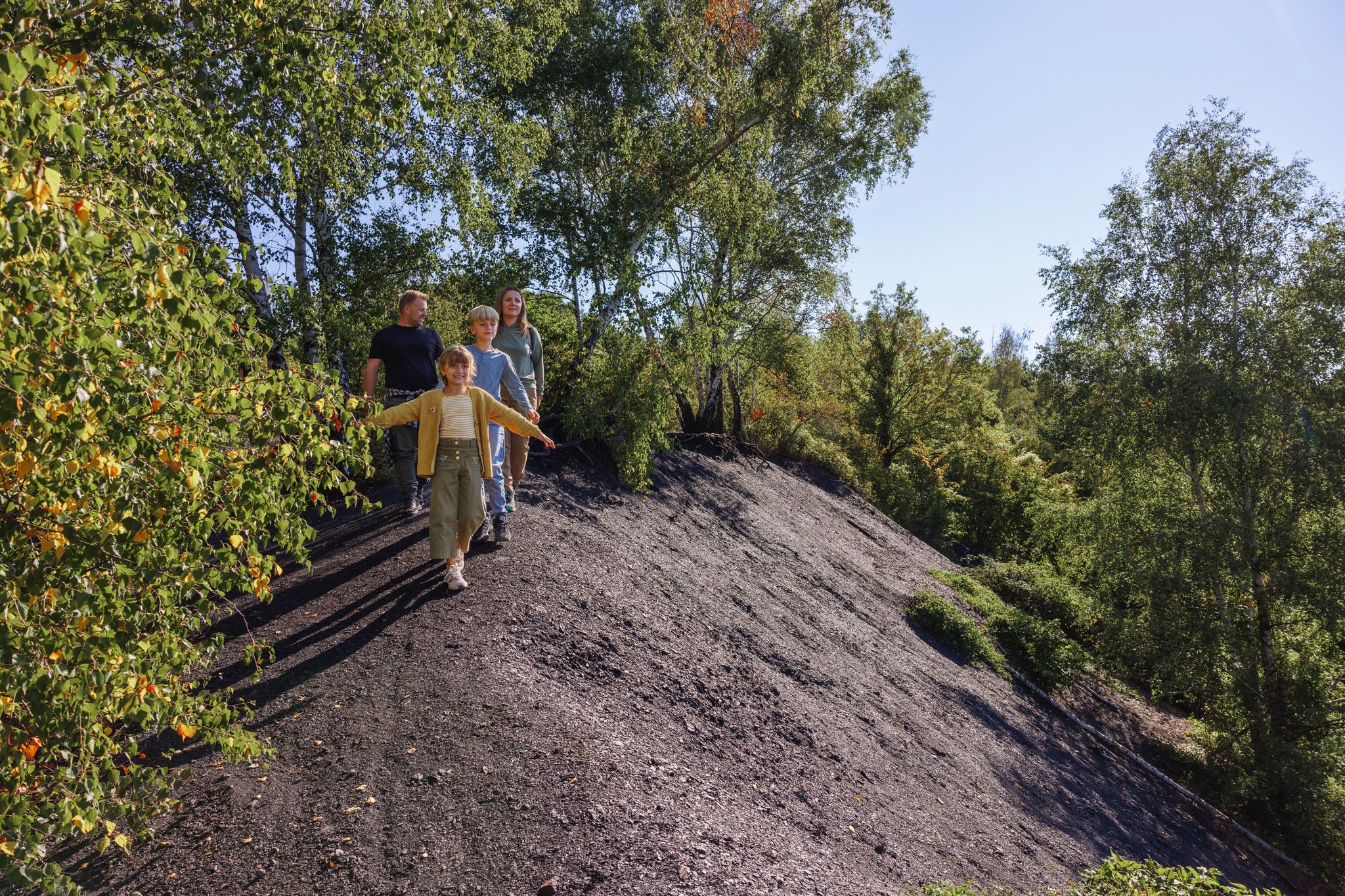
From coal to natural treasures – hiking in the Aachen Region
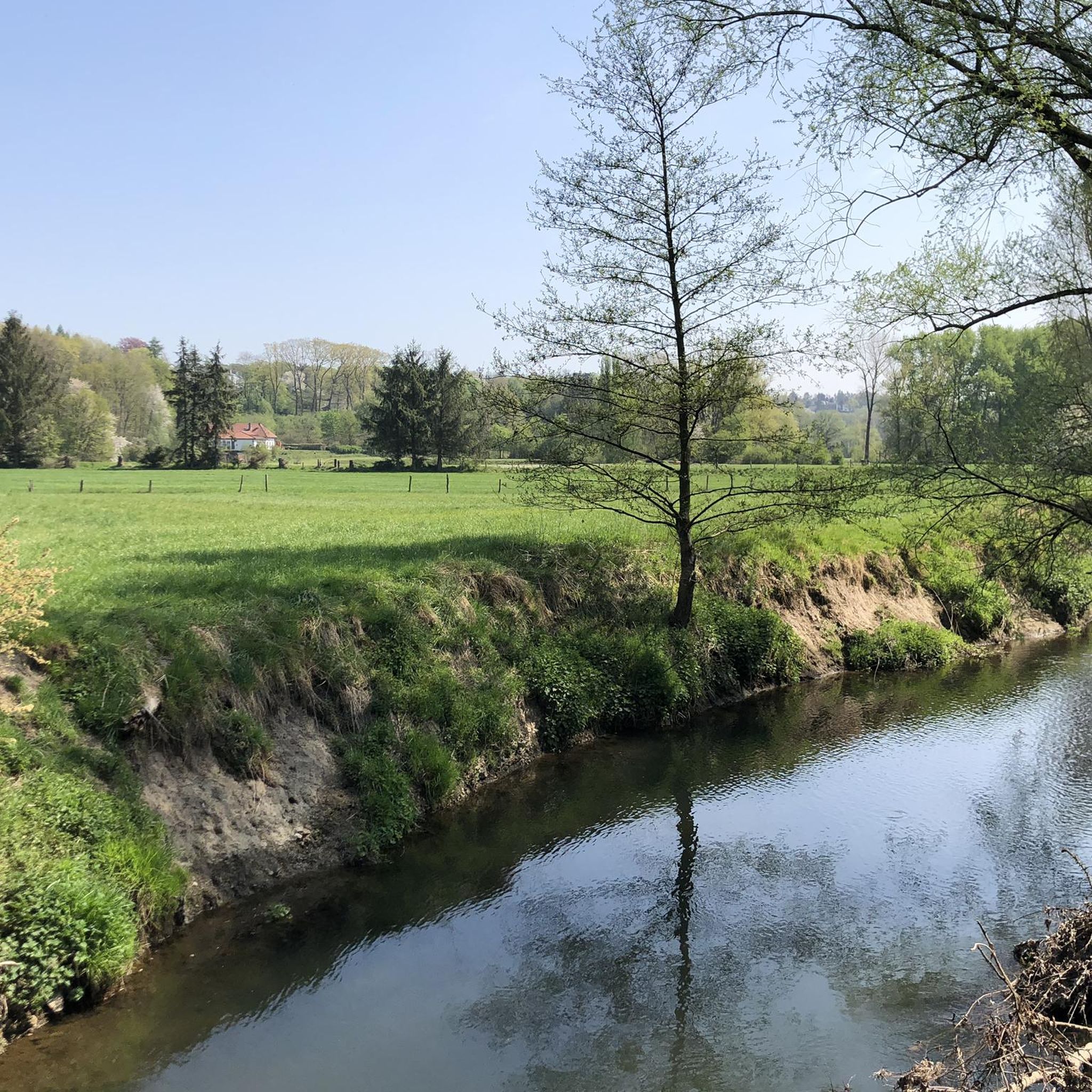
Cycling in Wurmtal Südlich Herzogenrath, Einschließlich Meisbach, Würselen
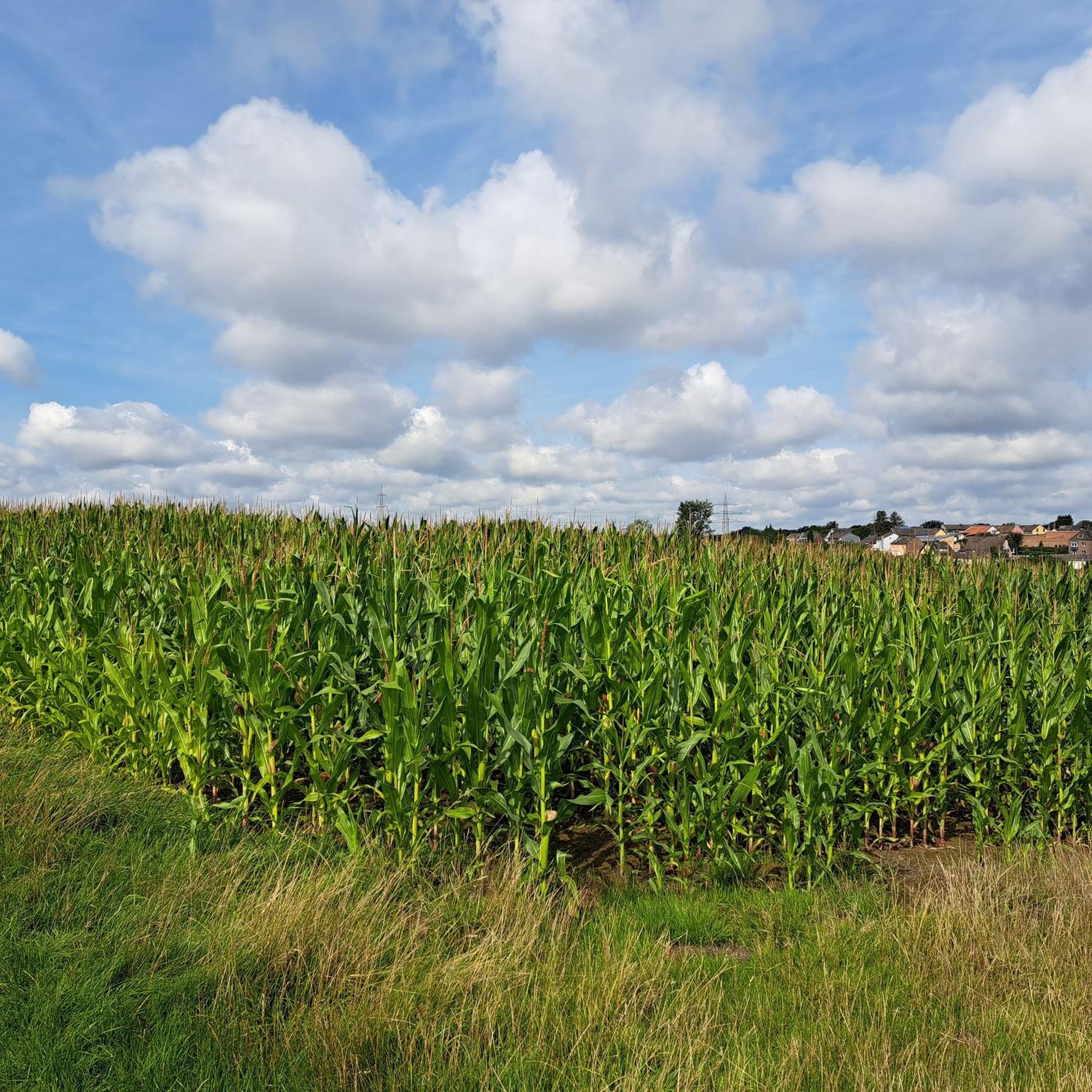
Hiking in Wurmtal Südlich Herzogenrath, Einschließlich Meisbach, Würselen
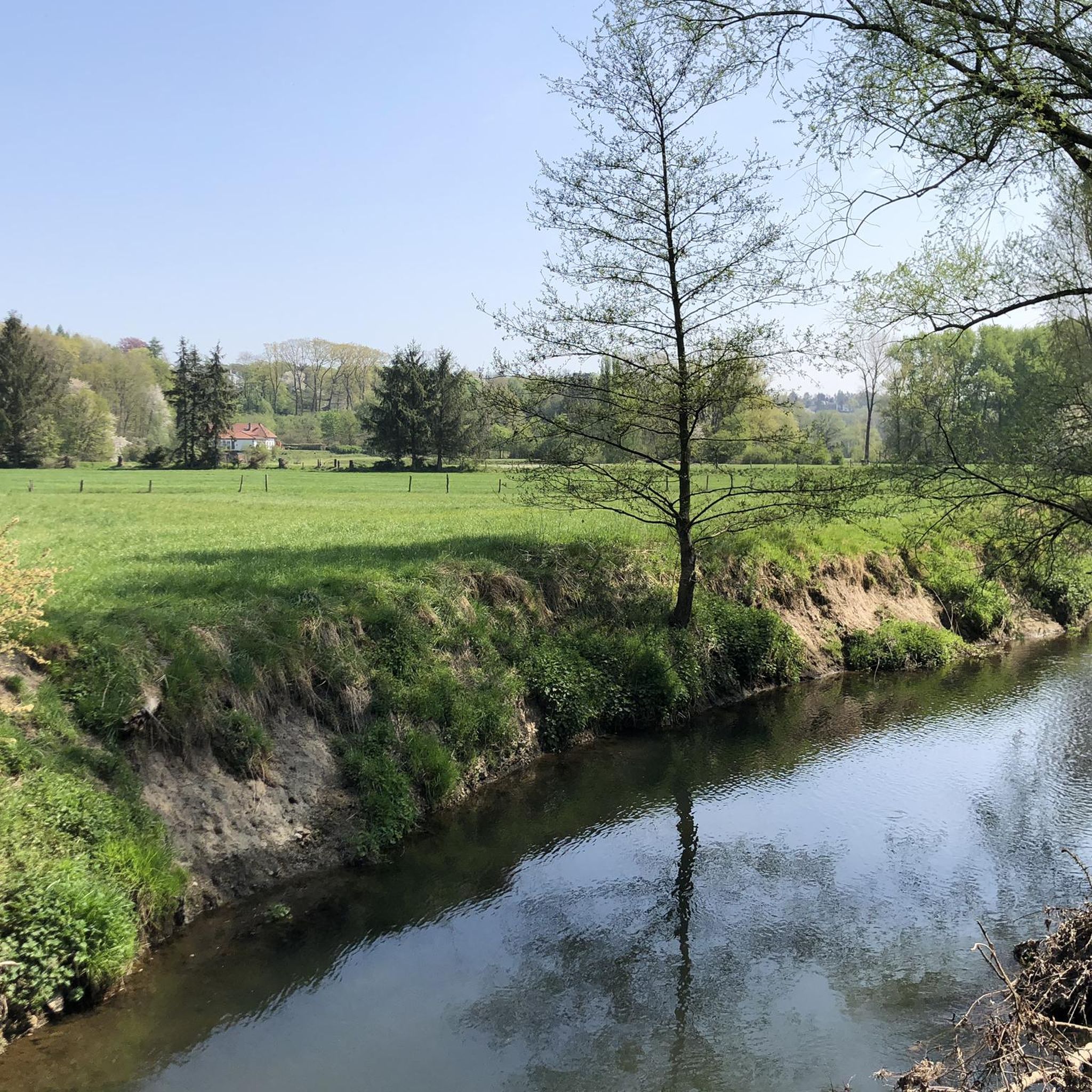
Running Trails in Wurmtal Südlich Herzogenrath, Einschließlich Meisbach, Würselen
Road Cycling Routes in Wurmtal Südlich Herzogenrath, Einschließlich Meisbach, Würselen
MTB Trails in Wurmtal Südlich Herzogenrath, Einschließlich Meisbach, Würselen
Gravel biking in Wurmtal Südlich Herzogenrath, Einschließlich Meisbach, Würselen
Other adventures in Wurmtal Südlich Herzogenrath, Einschließlich Meisbach, Würselen

Tips from the Community

The Wurm River, largely in its natural state, exhibits an impressive flow dynamic that is unparalleled nationwide. Driven by the force of the flowing water, the river's course is constantly changing, creating new channels, gravel bars, eroding banks, abandoned riverbeds, and new floodplain forests. The abundance of food in the Wurm's gravel and sand deposits makes the river particularly attractive to certain, sometimes rare, bird species. For example, the rare kingfisher finds ideal nesting opportunities in the eroded banks of the Wurm. Beavers have also returned to the Wurm in recent years.
0
0

The Wurmtal - a great local recreation area
4
0

Beautiful to see how the river meanders through the landscape.
0
0

Beautiful Nordic tour through Wurmtal in Aachen. Also suitable for cyclists and strollers. There are also bridle paths and mountain bike trails from the hiking trails
1
0

Nice bike path to get from Aachen to the former north district. At the end of the section there is a wide choice: Should it go to Alsdorf or Herzogenrath or Stolberg or Eschweiler. The incline is easy. In the Würselener Stadtgarten you have to be considerate of the people walking and playing, but that works very well.
6
0

Good bridge next to the sewage treatment plant. Turning point on the 5 km round from Teuter Hof through the Wurmtal.
2
0

A very original section near the closed development.
1
0

A narrow path leads here parallel to the course of the river.
1
0
Frequently Asked Questions
What historical sites can I explore in the Wurmtal region?
The Wurmtal is rich in history. You can visit Wilhelmstein Castle, a medieval border castle whose ruins now host cultural events. Other historical points of interest include the Wolfsfurth Bridge over the Wurm River, near a former water mill that is now a Lipizzaner stud farm. You can also find remnants of the Aachener Landgraben, a historical border fortification, and traces of the Westwall fortifications.
What natural features define the Wurmtal?
The Wurmtal is characterized by the meandering Wurm River, recognized as the last near-natural lowland river in North Rhine-Westphalia. The valley is a protected natural area (Naturschutzgebiet) with diverse landscapes of meadows, forests, and wetlands. Its dynamic river flow constantly reshapes the landscape, creating unique channels and riparian forests.
Where can I experience the Wurm River in its most natural state?
For a truly natural experience of the river, visit the Natural Section of the Wurm River. This area features narrow hiking trails that go up and down, offering scenic views of the river as it flows freely. The section between the Wolfsfurth Bridge and Herzogenrath is also considered particularly beautiful.
Are there any special natural habitats or wildlife to observe?
Yes, the Wurmtal is a vital habitat for diverse flora and fauna. The "Kälberbend" Wetland near Herzogenrath is notable for its unique occurrence of orchids, specifically the Spotted Orchid. It also hosts various bird species like the Tree Falcon and Kingfisher, and reptiles such as the Grass Snake. Beavers have also returned to the Wurm in recent years, and special biotopes exist for rare toads and amphibians.
What outdoor activities are popular in the Wurmtal?
The Wurmtal is ideal for various outdoor activities. You can enjoy extensive walks and jogging along the river. Cycling is popular, especially on the Würselen–Aachen Cycle Expressway, which partly follows an old railway line. There are also numerous hiking trails for different fitness levels. For more specific routes, you can explore guides for hiking, mountain biking, and road cycling in the region.
Are there family-friendly attractions in Wurmtal Südlich Herzogenrath?
Absolutely! Many attractions in the Wurmtal are suitable for families. Wilhelmstein Castle is a great historical site that often hosts family-friendly events. The Würselen–Aachen Cycle Expressway offers a pleasant and accessible route for family bike rides. The Wurm River near Würselen and its surrounding trails are also considered family-friendly, offering opportunities for nature exploration.
What kind of hiking trails can I find in the Wurmtal?
The Wurmtal offers a variety of hiking trails, from easy loops to more challenging sections. Popular routes include the "Gouley Tour Würselen-Morsbacher Heide" and loops along the Wurm River near Würselen. Some sections, like the Natural Section of the Wurm River, feature narrow paths with moderate ascents and descents. The trails traverse woods, meadows, and wetlands within the protected natural area. For detailed routes, refer to the hiking guide.
Can I go cycling in the Wurmtal?
Yes, cycling is a fantastic way to explore the Wurmtal. The Würselen–Aachen Cycle Expressway is a well-developed path, partly following an old railway line, offering a pleasant route, especially through the Würselener Stadtgarten. The region also has various MTB trails and road cycling routes for different preferences.
Are there any unique cultural or art installations in the landscape?
Yes, the Wurmtal features "Dinoeier" Würselen, a natural monument with marble egg-shaped sculptures. These modern art pieces are integrated into the landscape, creating an interesting dialogue between nature and art for visitors to discover.
What is the best time to visit the Wurmtal?
The Wurmtal is beautiful year-round, but the summer months are particularly vibrant, with Wilhelmstein Castle hosting cultural events like concerts and open-air cinema. Spring brings blooming orchids to the "Kälberbend" Wetland, while autumn offers picturesque foliage. The diverse landscapes make it suitable for outdoor activities in most seasons, though checking local weather is always recommended.
Are there any accessible paths for wheelchairs or strollers?
Yes, some areas in the Wurmtal are designed to be accessible. The Würselen–Aachen Cycle Expressway is well-developed and suitable for wheelchairs and strollers. Additionally, parts of the Wurm River near Würselen also offer accessible paths, allowing more visitors to enjoy the natural beauty of the valley.
What can I learn about the region's industrial past?
The Wurmtal has a rich mining history dating back to the 12th century. You can still find remnants of this industrial past, including old tunnels and various heaps (Halden) that serve as reminders of the region's coal mining heritage. Additionally, old quarries and stone pits offer insights into the geological history of the area.
Most popular routes in Wurmtal Südlich Herzogenrath, Einschließlich Meisbach, Würselen
Most popular attractions in Wurmtal Südlich Herzogenrath, Einschließlich Meisbach, Würselen

Get inspired with the komoot mobile app


Explore more
Still not found the Highlight you’re looking for? See guides of the top attractions in other regions:
