The best road cycling routes in Kerkener Bruch
4.4
(438)
5,948
riders
564
rides
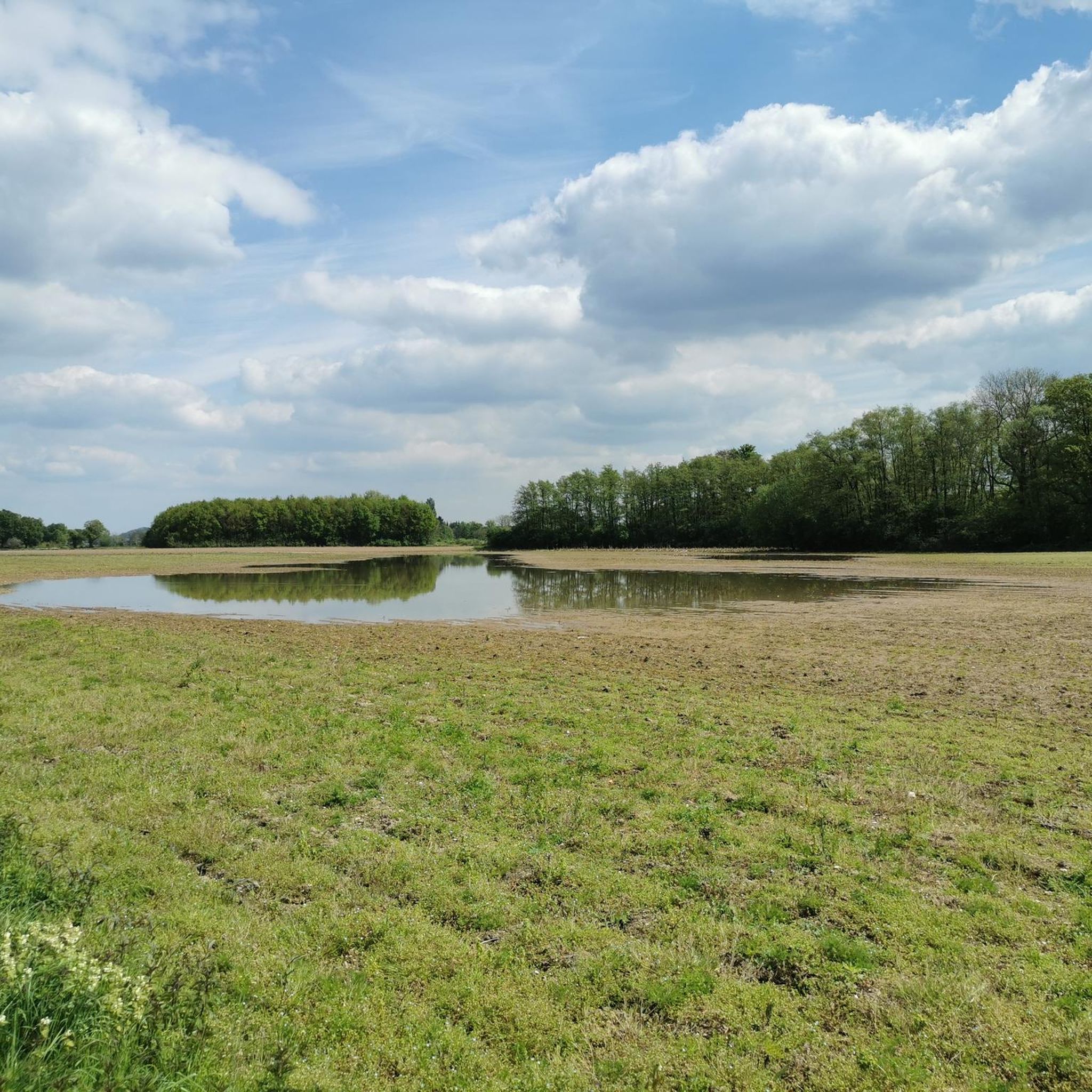
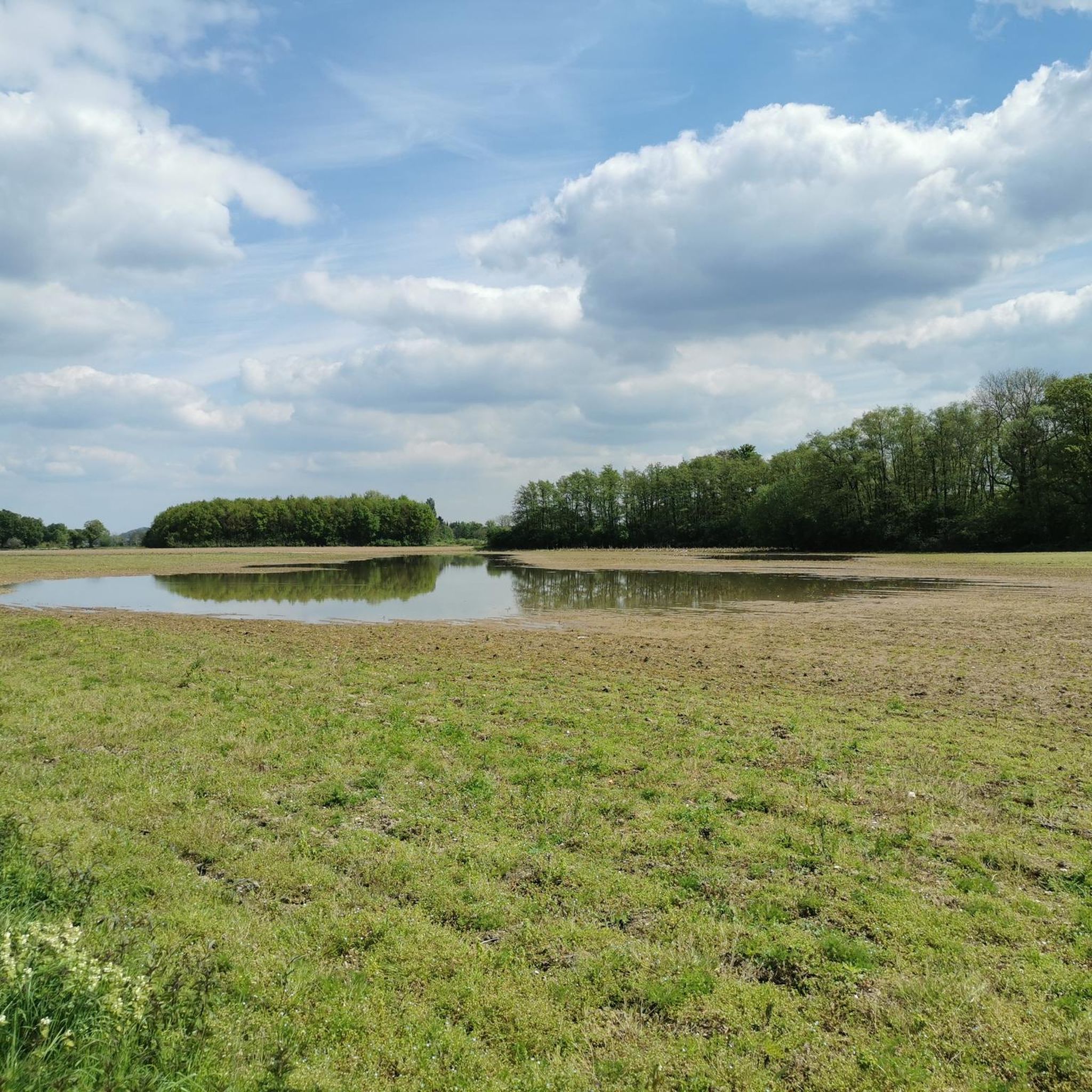
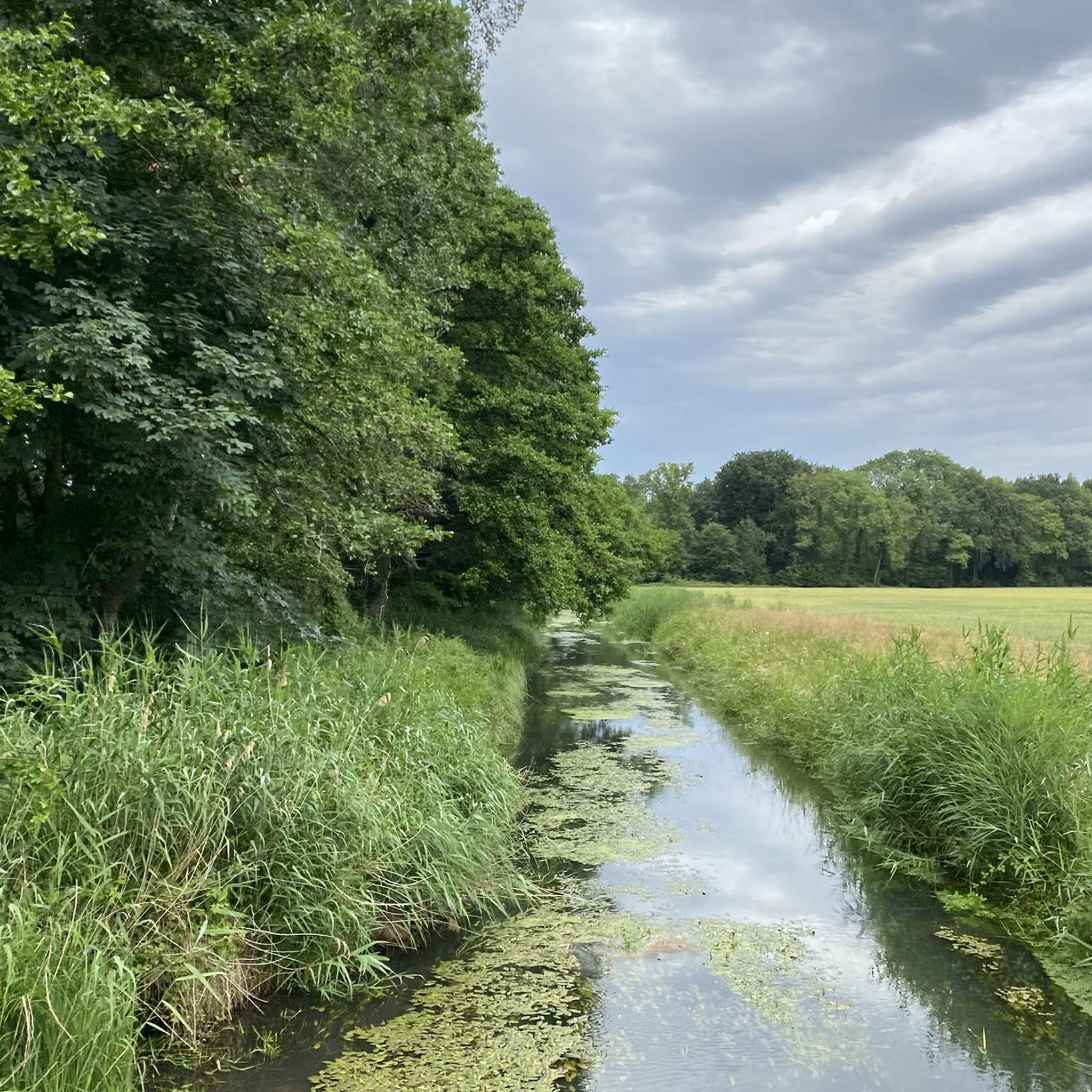
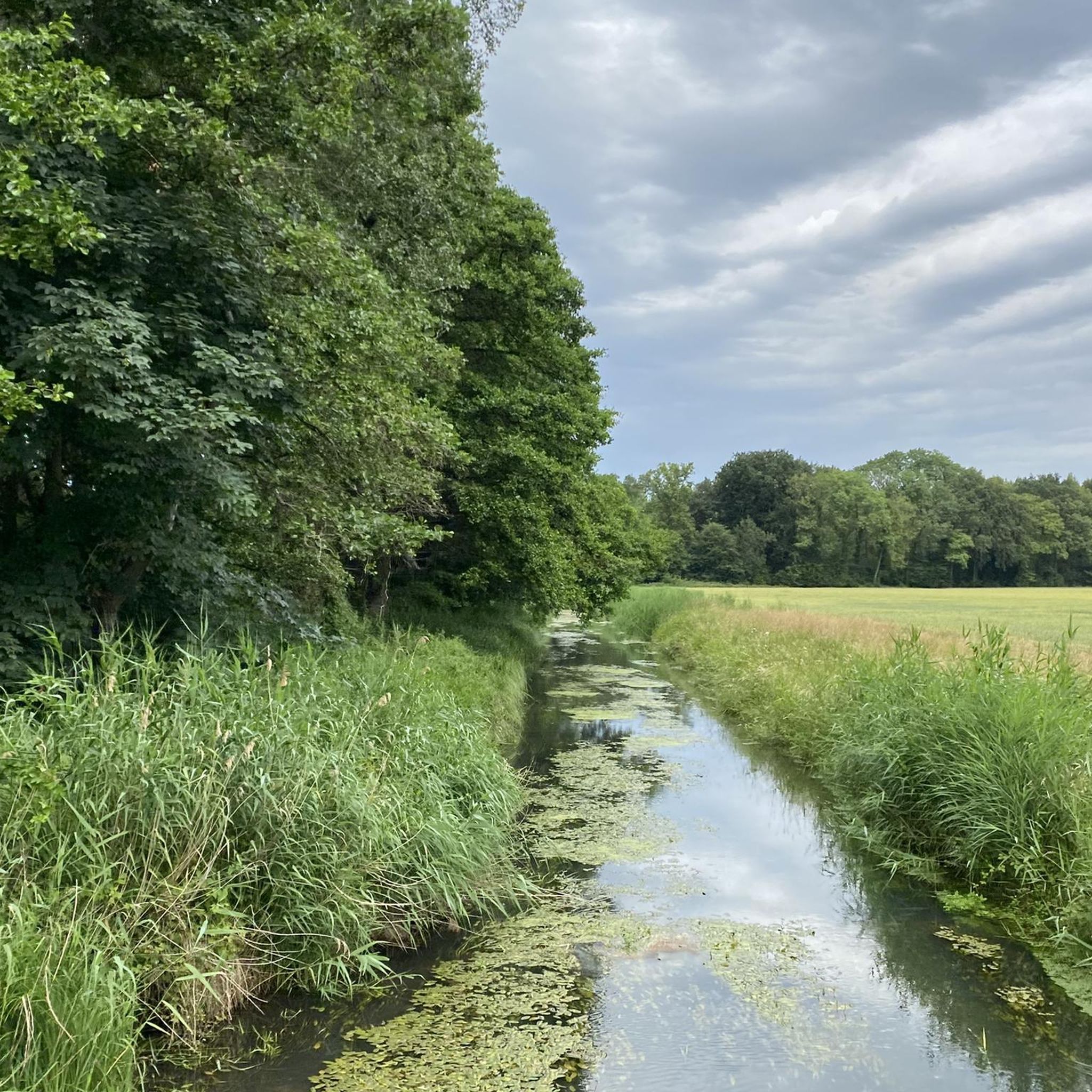
Road cycling in Kerkener Bruch is characterized by its diverse and verdant landscapes, offering well-established cycling routes. The region, historically a wetland, now features varied "Bruch" areas such as Winternamer, Nieukerker, Eyller, and Aldekerker Bruch. These areas provide a continuously changing scenic backdrop for road cyclists, often featuring wide, asphalted paths. The terrain is generally flat, with minimal elevation changes, making it accessible for various fitness levels.
Best road cycling routes in Kerkener Bruch
- The most popular road cycling route…
Last updated: May 14, 2026
5.0
(1)
34
riders
Moderate road ride. Good fitness required. Mostly well-paved surfaces and easy to ride.
17
riders
Moderate road ride. Good fitness required. Some segments of this route may be unpaved and difficult to ride.

Sign up for free
15
riders
59.7km
02:21
150m
150m
Moderate road ride. Good fitness required. Mostly well-paved surfaces and easy to ride.
22
riders
Moderate road ride. Good fitness required. Some segments of this route may be unpaved and difficult to ride.
5.0
(1)
21
riders
51.3km
02:00
110m
110m
Moderate road ride. Good fitness required. Mostly well-paved surfaces and easy to ride.
Get access to more routes and recommendations from other explorers.
Sign up for free
Already have an account?
Our route recommendations are based on thousands of hikes, rides, and runs completed by other people on komoot.
Start today with a free account
Your next adventure awaits.
Login or Signup

Tips from the Community

Great stretch through flat landscape.
13
0

"...The parish of Kevelaer was established in 1472 by separating from the parish of Weeze. The small, east-facing, Gothic village church, built around 1450, remained unchanged until the 19th century. The reconstructed remains of this building are integrated into the current modern church interior and are used as a chapel. A larger, magnificently designed, neo-Gothic church with the approximate floor plan of the present main building was erected only after the construction of the Basilica of Our Lady and was consecrated in 1904. During the Second World War, the church was largely destroyed and rebuilt in 1952. In order to bring the church into compliance with the requirements of the Second Vatican Council, a comprehensive renovation, particularly of the chancel, took place in 1972 (i.e., for the 500th anniversary of the parish's founding). On January 13, 1982, the church burned down to its foundations; only the outer walls of the chapel, the baptistery, the sacristy, and the chancel survived." The chancel and the tower. The modern new building, constructed on the historical foundations, was designed by Dieter Georg Baumewerd. Renowned artists such as Theo Heiermann, Bert Gerresheim, and Joachim Klos created the interior furnishings. On January 17, 1987, the rebuilt church was consecrated by Bishop Reinhard Lettmann. In addition to its regular use as a parish church, St. Antonius, due to its convenient location at the end of the park-like open-air Stations of the Cross, is a popular choice for pilgrimage groups from afar as the site for their final prayers… https://de.wikipedia.org/wiki/St._Antonius_(Kevelaer)
0
0
"The current church building dates back to the early 15th century. The core has a late Gothic appearance, while the church tower is unmistakably Neo-Gothic. The church building originates from an early 15th-century church. The core has a late Gothic appearance, while the church tower is unmistakably Neo-Gothic. The parish church of St. Peter and Paul immediately captivates its visitors and is of historical significance for the entire Lower Rhine region. Interesting guided tours, filled with stories, reveal beautiful, sometimes hidden, details." https://www.niederrhein-tourismus.de/attraktion/st.-peter-und-paul-a7d292c910
2
0

In 1890, the tower was built in its current form; it is 63 meters high. The parish church is open to visitors before and after services. Tours can be booked through the local history society or the parish office.
14
0

Around 1300, he became truly fashionable as a patron saint in the Lower Rhine region. Farmers, in particular, hoped for his assistance, having seen ancient depictions of the saint with a pig on a rope, which is said to mean that he had a firm rein in evil and could control it. Farmers therefore called on Saint Anthony for assistance when their pigs became sick. In the Middle Ages and even later, there was often only one pig in the stable, and if it became ill, it was an economic disaster for the farmer. As late as the first third of the last century, there was a custom for farmers in a parish to select a piglet as St. Anthony's pig, which was then fattened up by all the villagers. When it was ready for slaughter, the poorest families received the meat free of charge. Source: https://www.antonius-kevelaer.de/unsere-kirchen-und-kapellen/unser-pfarrpatron/
1
0
Already on the way to the main portal, "Ferke(l) s Tön," the patron saint of the parish, greets churchgoers high above on a stele. Saint Anthony (the Great) is the father of monks. His feast day is January 17th. He was born in 251 or 252 in Kome in Middle Egypt. His parents were quite wealthy Christians. After their deaths, he gave away all his possessions and lived a very ascetic life in various places in the desert. He quickly became famous. Disciples gathered around him because they wanted to live like him; others sought his advice or his prayers for healing. Even Emperor Constantine and his sons exchanged letters with Anthony. He died at the age of 105. What is his significance? He gathered individual hermits into hermit communities and gave them guidelines for how they should live. In essence, he was the "inventor" of monasticism.
1
0

In beautiful cycling weather, we took a bike tour along the Castles & Palaces Route on the Lower Rhine. The journey is well worth it for a day trip, so we grabbed our bikes and enjoyed the sunny day in the beautiful landscape. We discovered many sights along the way. I'll show you which moated castles typical of the Lower Rhine are located along the bike route. Learn how we took the ferry, where we discovered the Lower Rhine gold, and where pilgrims have been making pilgrimages for centuries: https://www.netreisetagebuch.de/burgen-und-schloesser-route/
2
0

Chicken and fries restaurant, very family friendly.
0
0
Frequently Asked Questions
What is the typical terrain and difficulty for road cycling in Kerkener Bruch?
Kerkener Bruch is known for its generally flat terrain, making it accessible for various fitness levels. Most routes feature wide, asphalted paths with minimal elevation changes. While the majority of routes are rated as easy to moderate, some longer tours might require good fitness. For example, the St. Peter's Church, Aldekerk – Kamper Klosterberg loop from Aldekerk is an easy route, while the Heerenven Observation Tower – Fleuthkulen Nature Reserve loop from Aldekerk is considered moderate.
What natural features and landmarks can I expect to see while cycling in Kerkener Bruch?
The region is characterized by its diverse and verdant "Bruch" landscapes, including Winternamer, Nieukerker, Eyller, and Aldekerker Bruch. You can also discover the scenic Eyller Lake, which is often included in routes and offers beautiful views. Historical elements like earth monuments and charming town centers such as Nieukerk add to the experience. The Fleuthkulen Nature Reserve – House Langendonk Tower Ruin loop from Aldekerk, for instance, passes by a historical tower ruin.
Are there any specific points of interest or attractions along the road cycling routes?
Yes, several routes pass by notable attractions. You might encounter the Eyller Lake, which is a significant natural feature. The Heerenven Observation Tower – Fleuthkulen Nature Reserve loop from Aldekerk offers views from an observation tower. Additionally, the Cemetery Chapel Oberweg and St. Anthony's Chapel, Eyll are religious buildings you might spot. The St. Hubertuskapelle in Aldekerker Bruch also provides a peaceful resting spot.
Where can I park my car when starting a road cycling tour in Kerkener Bruch?
Several starting points offer convenient parking. For example, you can find parking at the Schadbruch Trailhead Parking at St. Hubert. Many routes also begin in charming town centers like Nieukerk or Aldekerk, where public parking options are typically available.
What do other road cyclists enjoy most about road cycling in Kerkener Bruch?
The area is highly rated by the komoot community, with an average score of 4.4 stars from over 300 reviews. Cyclists often praise the continuously changing and scenic backdrop provided by the varied "Bruch" landscapes, the tranquility of the routes, and the well-maintained, often asphalted paths that make for smooth riding. The region's green views and accessible terrain are frequently highlighted.
Are there any family-friendly road cycling routes in Kerkener Bruch?
Yes, due to the generally flat terrain and wide, asphalted paths, many routes in Kerkener Bruch are suitable for families. Routes with minimal elevation and shorter distances are ideal. For instance, the St. Peter's Church, Aldekerk – Kamper Klosterberg loop from Aldekerk is rated as easy and could be a good option for a family outing.
Can I bring my dog on road cycling trails in Kerkener Bruch?
While road cycling routes are generally on paved surfaces, dogs are typically welcome in the natural areas of Kerkener Bruch, provided they are kept on a leash and you adhere to local regulations. Always ensure your dog is comfortable with the pace and distance, and carry enough water for both of you. It's best to check specific local signage for any restrictions.
Are there any cafes or pubs along the road cycling routes in Kerkener Bruch?
Yes, the charming town centers that often serve as starting or ending points for tours, such as Nieukerk and Aldekerk, offer a selection of gastronomic establishments where you can refuel. The The Ranch House is one such restaurant in the area. Additionally, the Eyller See area, often included in routes, also has gastronomic options nearby.
What is the best time of year to go road cycling in Kerkener Bruch?
Kerkener Bruch offers pleasant road cycling conditions for much of the year. Spring and autumn generally provide comfortable temperatures and beautiful scenery with changing foliage. Summer is also suitable, though it can be warmer. The region's green landscapes are particularly vibrant during the warmer months, ensuring an engaging experience.
How many road cycling routes are available in Kerkener Bruch?
Komoot lists over 570 road cycling routes in Kerkener Bruch, catering to various preferences and fitness levels. This includes a significant number of easy and moderate routes, ensuring there's something for everyone, from casual riders to more experienced cyclists.
Are there any circular road cycling routes in Kerkener Bruch?
Yes, many of the road cycling routes in Kerkener Bruch are designed as loops, allowing you to start and end at the same point. Examples include the Erprathsweg – Blue Lagoon loop from Aldekerk and the Dassendaler Weg Sunken Lane – Fleuthkulen Nature Reserve loop from Aldekerk. These circular routes make planning your ride convenient.
How can I access Kerkener Bruch by public transport for cycling?
While specific public transport connections directly to trailheads might vary, the towns surrounding Kerkener Bruch, such as Kerken, Nieukerk, and Aldekerk, are generally accessible by regional buses or trains. From these towns, you can often cycle directly to the start of many routes. It's advisable to check local public transport schedules and bike carriage policies for the most up-to-date information.
Most popular routes in Kerkener Bruch
Most popular attractions in Kerkener Bruch

Get inspired with the komoot mobile app


Explore more
Browse the best Road cycling routes in other regions.
