The best cycling routes in Molenheide
4.4
(3030)
38,262
riders
1,318
rides
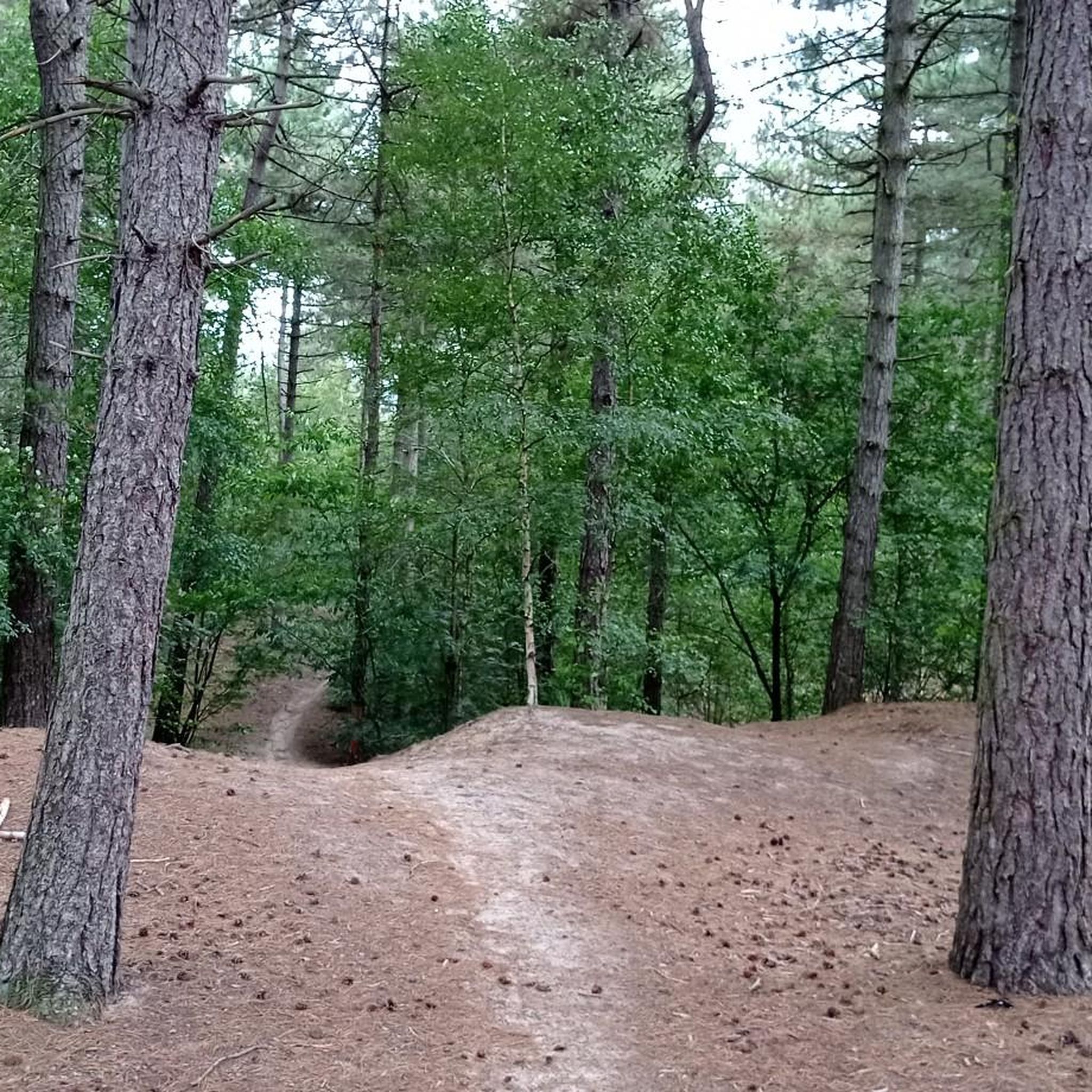
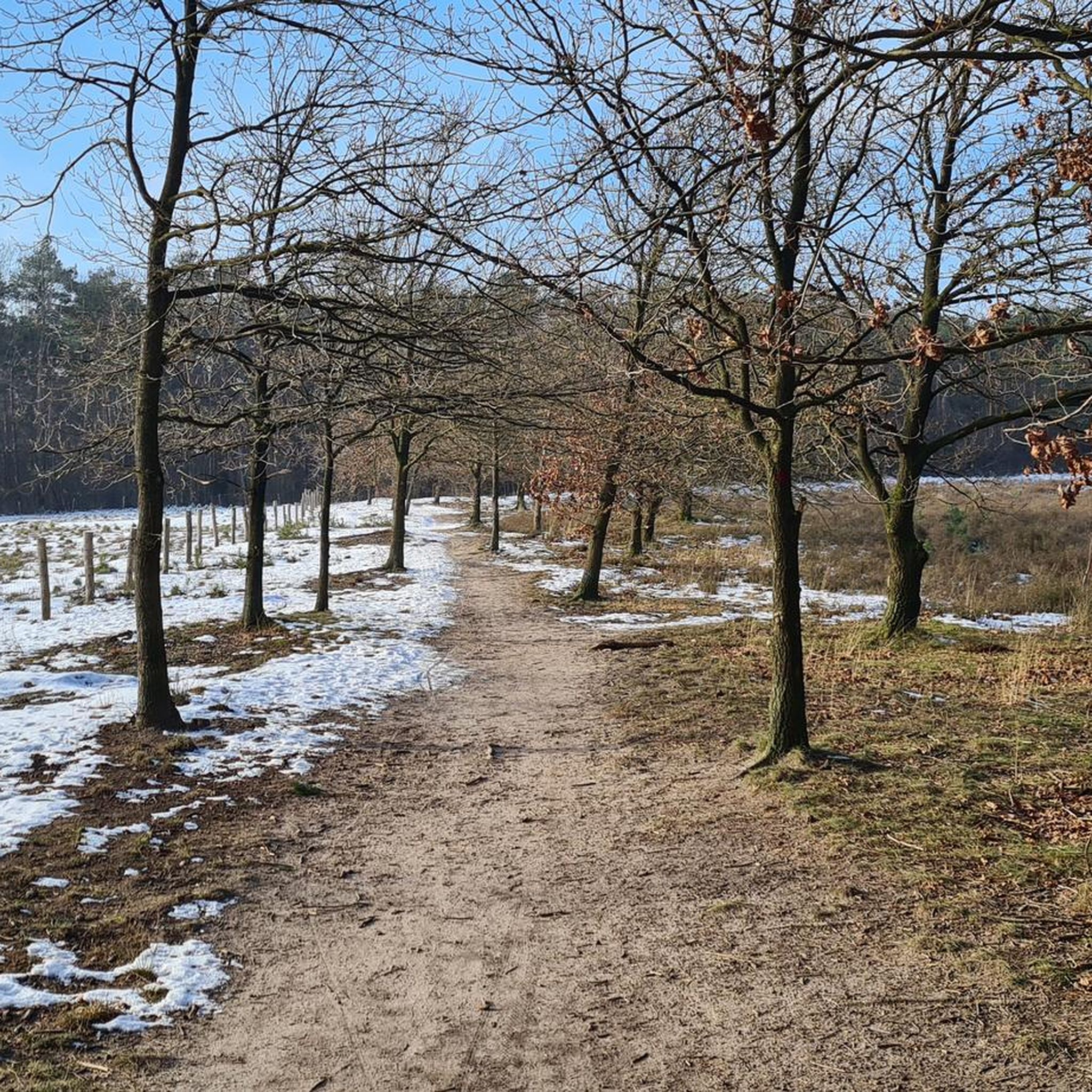
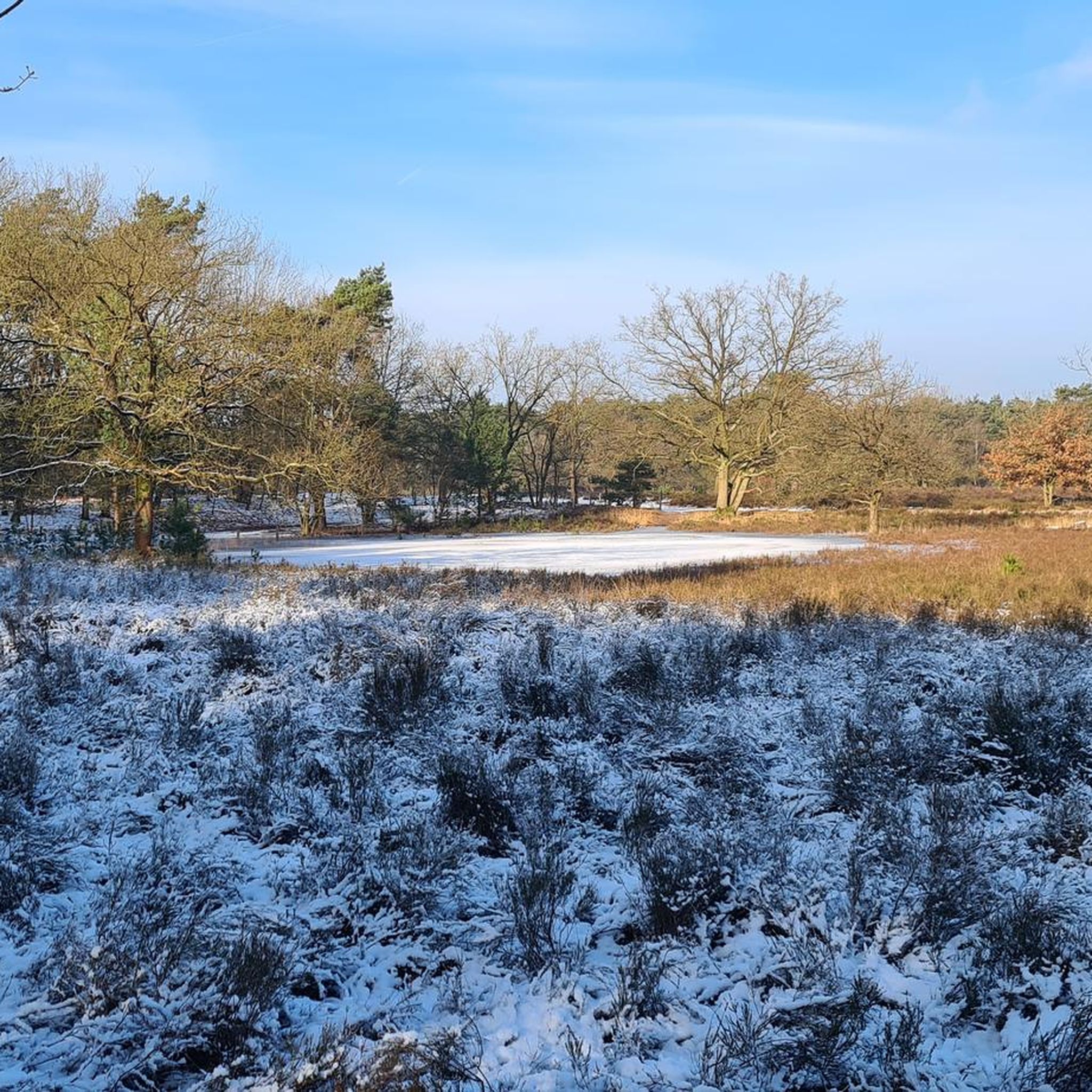
Touring cycling in Molenheide benefits from a well-developed cycling infrastructure within diverse natural landscapes. The region features a mix of dense woodlands, rolling dunes, and expansive heathland, providing varied terrain for exploration. Molenheide is also characterized by wetlands and numerous ponds, contributing to its rich natural tapestry. The broader Limburg region offers luxuriant countryside, cornfields, and shaded lakes, with an extensive network of paved, mostly car-free trails.
Best touring cycling routes in Molenheide
- The most popular touring cycling route is…
Last updated: October 9, 2026
4.5
(11)
58
riders
Easy bike ride. Great for any fitness level. Mostly paved surfaces. Suitable for all skill levels.
44
riders
Easy bike ride. Great for any fitness level. Mostly paved surfaces. Suitable for all skill levels.

4.3
(3)
29
riders
Moderate bike ride. Good fitness required. Mostly paved surfaces. Suitable for all skill levels.
4.0
(3)
30
riders
Easy bike ride. Great for any fitness level. Mostly paved surfaces. Suitable for all skill levels.
5.0
(4)
14
riders
18.0km
01:06
10m
10m
Easy bike ride. Great for any fitness level. Mostly paved surfaces. Suitable for all skill levels.
Get access to more routes and recommendations from other explorers.
Already have an account?
Our route recommendations are based on thousands of hikes, rides, and runs completed by other people on komoot.
Start today with a free account
Your next adventure awaits.
Tips from the Community

Unimaginable and admiration for those who did it and were in the wrong place at the wrong time for our freedom.
18
0

Beautiful, crisp gravel roads perfect for blasting
0
0

In the middle of the center of Geldrop lies Kasteel van Geldrop, surrounded by a beautiful English garden and Bloemenhof. Kasteel Geldrop, as it is called, was built in 1350 by Knight Philips 1 van Geldrop, about whom not much else is known. Meanwhile, the Castle with the gardens around it has become a place where it is wonderful to relax. The little ones will quickly entertain themselves in the petting zoo and the sensory garden. In the Bloemenhof, which is full of blooming flowers in the summer, there are all sorts of seats you can use. The Koetshuis is the home of the IVN, which regularly organizes all sorts of activities. The Castle is fantastic to wander through. Various guided tours can be booked, so you can discover the real treasures. The old cellar with the dungeon, the 19th-century style rooms with authentic furniture, the library with the old books: you will be surprised by what Kasteel Geldrop has to tell. And it may well be that a wedding is just being held: Kasteel Geldrop is a popular place to pledge your love to each other and have a beautiful wedding reportage made. Regularly, there are exhibitions to visit in the Castle. The exhibition rooms of Kasteel Geldrop on the first floor are fully accessible for wheelchairs. The exhibitions are open every Thursday, Friday, and Sunday between 2:00 PM and 5:00 PM. Admission is free. Source and more at https://www.visitgeldropmierlo.nl/nl/wat-te-doen/dagje-uit/landgoed-kasteel-geldrop
1
0
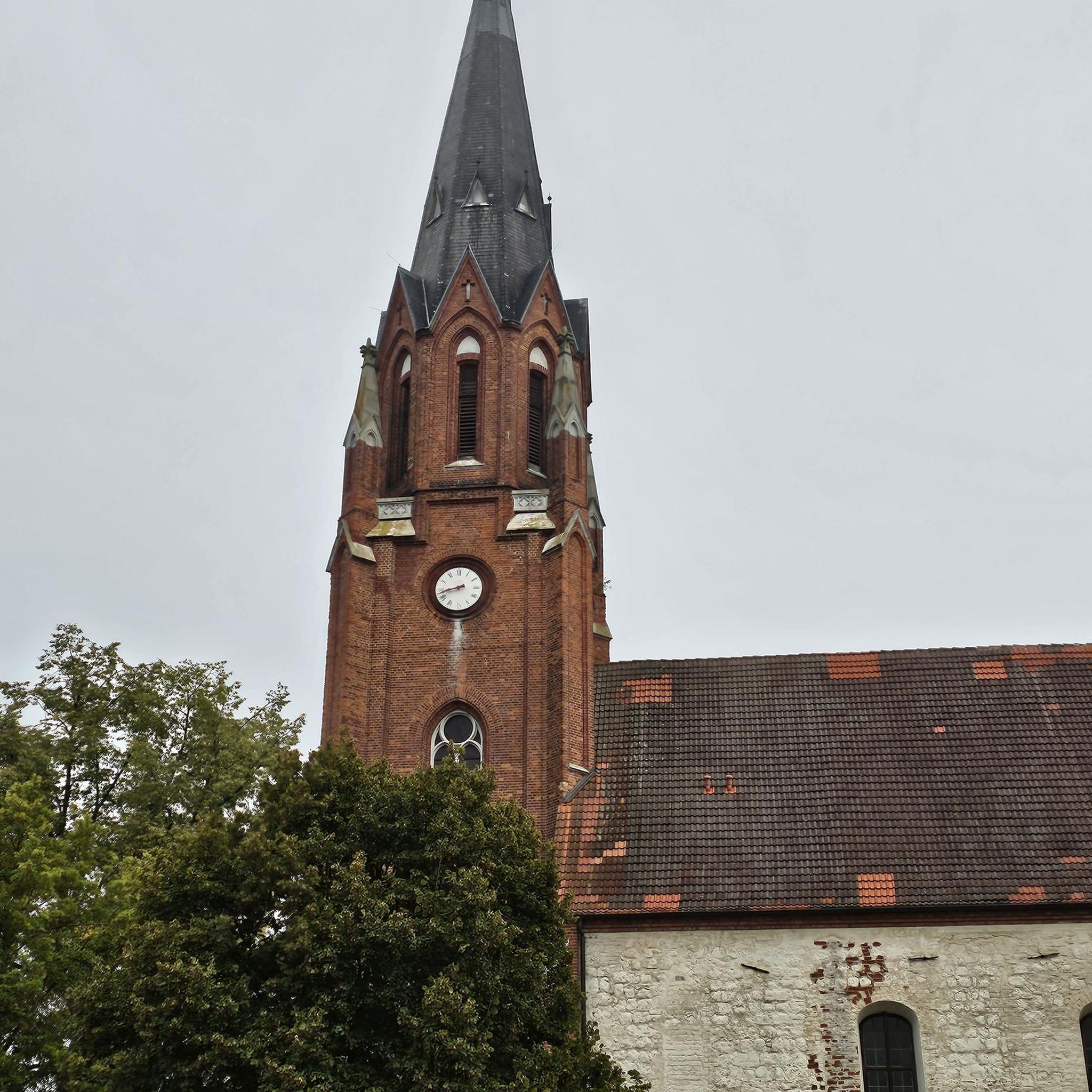
The Holy Brigidakerk, located in the center of Geldrop, is unique in the Netherlands for several reasons. Its shape and architectural style differ completely from other churches built in the Netherlands in the 19th century. The neo-Romanesque Gothic Holy Brigidakerk was designed by Carl Weber and built around 1890. It is one of his most important works. The gigantic octagonal high dome, the 71-meter-high towers, and the intricate layout of the spaces breathe history. Realize, as you walk around, that Allied soldiers were regularly hidden there during World War II. The carillonneurs who play the carillon have won various prizes at national and international level for their organ playing. Concerts are held annually in July and August that you can attend. The change ringing is also unique in the Netherlands, as it is done on the eight largest bells of the Holy Brigida Church. In total, 47 bells hang in the right tower, which are rung every hour (computer-controlled). Source and visitor info at https://www.visitgeldropmierlo.nl/nl/locaties-overzicht/2220054356/heilige-brigidakerk
1
0
De Gijzenrooise Zegge (historically often called Rijzenrooische Zegge) is a nature reserve of approximately 115 hectares on the border of Eindhoven and Geldrop-Mierlo. It is a moist stream valley and landscape project near the hamlet of Gijzenrooi, characterized by wet heathlands and copses.
2
0
For heritage enthusiasts and those who like old farmhouses: the hamlet of Riel has a protected village view. Riel's history dates back to the 12th century. You can find all sorts of things about its history and surroundings at https://www.dorpsgezichtriel.nl/buurt/. Riel is part of Stratum, which in turn is a district of Eindhoven.
2
0

open nature reserve Rijzenrooische Zeggen
0
0

The castle was first mentioned in 1403, but it presumably already existed much longer at that time. After it came into the possession of the Hornes in 1462, it came under Brabant's control. During the Guelders Wars, it was shelled by the Guelders. The castle originally had a high keep, which was certainly still intact until 1825, but was later demolished. Bishop Michael Ophovius of the Diocese of 's-Hertogenbosch, who was driven out of 's-Hertogenbosch by Frederik Hendrik in 1629, found shelter in the castle of Geldrop from 1631 to 1636, before he left for Antwerp. Source and more info: Wikipedia
3
0
Frequently Asked Questions
How many touring cycling routes are available in Molenheide?
Molenheide offers a vast network for touring cyclists, with over 1,250 routes available. These routes cater to various preferences, ranging from easy rides to more challenging excursions.
What kind of terrain can I expect on Molenheide's cycling routes?
The terrain in Molenheide is quite diverse. You'll find a mix of dense woodlands, dynamic rolling dunes, and expansive heathland. The region also features wetlands and numerous ponds, contributing to a rich natural tapestry. Many routes utilize the well-established Limburg cycling network, which consists of paved, mostly car-free trails.
Are there any easy touring cycling routes suitable for beginners in Molenheide?
Yes, Molenheide has a significant number of easy routes, with over 800 options available. An example of an easy route is the Eindhoven Canal – Roof of Brabant loop from Geldrop-Mierlo, which is about 12.3 miles (19.9 km) long and offers a mix of canal-side riding and views of the Brabant landscape.
What natural features or landmarks can I see along the cycling routes?
Molenheide's routes pass through diverse natural environments. You can explore areas like the Duinenpark Molenheide with its dunes and heathland, or the Molenheide Pond (Molenheideven), a fen known for moisture-loving plants. Some routes also offer views of specific natural highlights such as Heathland, View of Lisven, and the Lisven and Molenven lakes. The historic Mierlo War Cemetery is also a notable landmark near some routes.
Are there any circular cycling routes in Molenheide?
Many of the touring cycling routes in Molenheide are designed as loops, allowing you to start and end at the same point. For instance, the Lieropsche Heath Gravel Path – Strabrechtse Heide loop from Kerkakkers is a popular circular route traversing heathland and gravel paths.
What do other touring cyclists enjoy most about cycling in Molenheide?
The touring cycling routes in Molenheide are highly rated by the komoot community, with an average score of 4.4 stars from over 2,300 reviews. Cyclists often praise the well-developed infrastructure, the variety of natural landscapes from woodlands to heathlands, and the mostly car-free trails that make for a pleasant and safe riding experience.
Is Molenheide suitable for family cycling trips?
Yes, Molenheide is well-suited for family cycling. The region's extensive network of paved, mostly car-free trails, combined with numerous easy routes, makes it accessible for cyclists of all ages and skill levels. Additionally, attractions like the Wildlife and Walking Park Molenheide and the playground at Ter Duinen Helchteren offer family-friendly stops.
Are there places to eat or rest along the cycling routes?
While specific cafes are not detailed for every route, the region is well-equipped to support cyclists. The historic Roovert Chapel serves as a significant resting point, and within Duinenpark Molenheide, Ter Duinen Helchteren provides a convenient stop at a former forest café. The broader Limburg region offers amenities to cater to visitors.
What is the best time of year to go touring cycling in Molenheide?
Molenheide's diverse landscapes can be enjoyed throughout much of the year. Spring and autumn offer pleasant temperatures and beautiful scenery as the foliage changes or blooms. Summer is also popular, though it can be warmer. The well-maintained paths generally make cycling feasible in most conditions, but checking local weather forecasts is always advisable.
How can I access the cycling routes in Molenheide?
Molenheide is part of Limburg's innovative cycling network, which uses clearly numbered junctions for straightforward navigation. Bicycle rental services are available locally, making it easy to access the extensive routes. Information on specific parking areas or public transport access points for individual routes can often be found on the respective route pages.
Are there any routes that offer views of the Molenheide Pond or other fens?
Yes, some routes specifically highlight these unique natural features. For example, the View of the Strabrechtse Ven – Strabrechtse Heide and Beuven loop from Geldrop-Mierlo is a route that leads through heathland and past fens, offering picturesque views of these wetland environments.
Can I find routes that combine gravel paths with other terrains?
Absolutely. Molenheide offers routes that blend different surfaces. The Strabrechtse Heide and Beuven – Gravel Path Along the Heath loop from Kerkakkers is a good example, combining gravel paths with sections through heathland, providing a varied cycling experience.
Most popular routes in Molenheide
Most popular attractions in Molenheide

Get inspired with the komoot mobile app


Explore more
Browse the best Cycling routes in other regions.
