The best walks and hikes in Natuurreservaat Vallei Van De Zwarte Beek - Beringen
4.3
(6807)
39,000
hikers
20
hikes
Hiking in Natuurreservaat Vallei Van De Zwarte Beek - Beringen features a diverse landscape, recognized as one of Flanders' most valuable stream valleys. The reserve spans over 1,300 hectares, offering a transition from marshy, peaty brook valleys to dry sandy dunes and extensive heathlands. This varied environment includes forests, tranquil fens, expansive grasslands, lush meadows, and ancient peat bogs. The area also integrates with former mining landscapes, providing trails that explore slag heaps and offer panoramic views.
Best hiking trails…
Last updated: August 27, 2026
3.0
(1)
13
hikers
6.79km
01:44
20m
20m
Easy hike. Great for any fitness level. Easily-accessible paths. Suitable for all skill levels.
5.0
(1)
7
hikers
Moderate hike. Good fitness required. Easily-accessible paths. Suitable for all skill levels.

Sign up for free
8
hikers
Easy hike. Great for any fitness level. Easily-accessible paths. Suitable for all skill levels.
4.5
(2)
7
hikers
14.1km
03:36
50m
50m
Moderate hike. Good fitness required. Easily-accessible paths. Suitable for all skill levels.
3
hikers
Easy hike. Great for any fitness level. Easily-accessible paths. Suitable for all skill levels.
Get access to more routes and recommendations from other explorers.
Sign up for free
Already have an account?
Our route recommendations are based on thousands of hikes, rides, and runs completed by other people on komoot.
Start today with a free account
Your next adventure awaits.
Login or Signup
Popular around Natuurreservaat Vallei Van De Zwarte Beek - Beringen
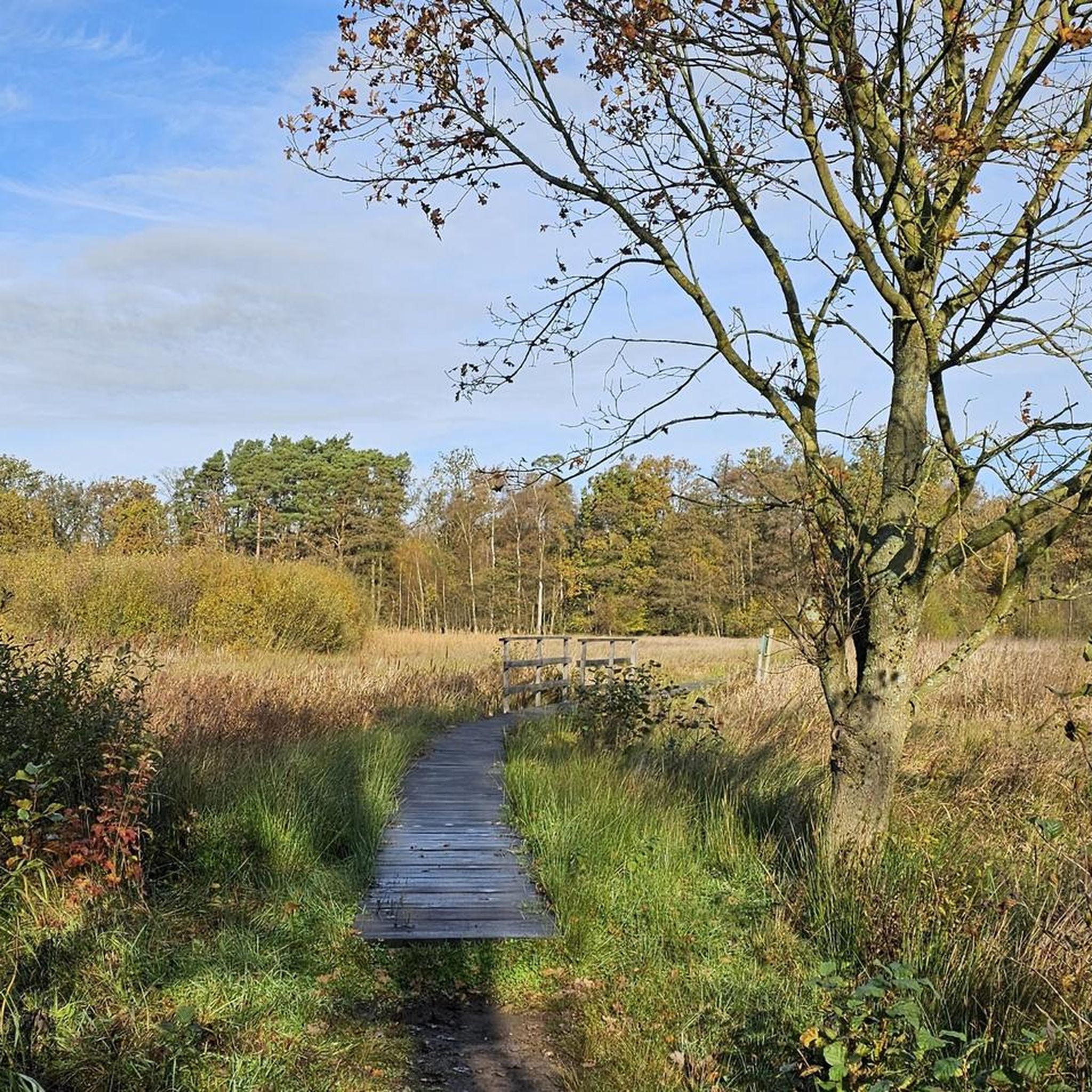
Road Cycling Routes in Natuurreservaat Vallei Van De Zwarte Beek - Beringen
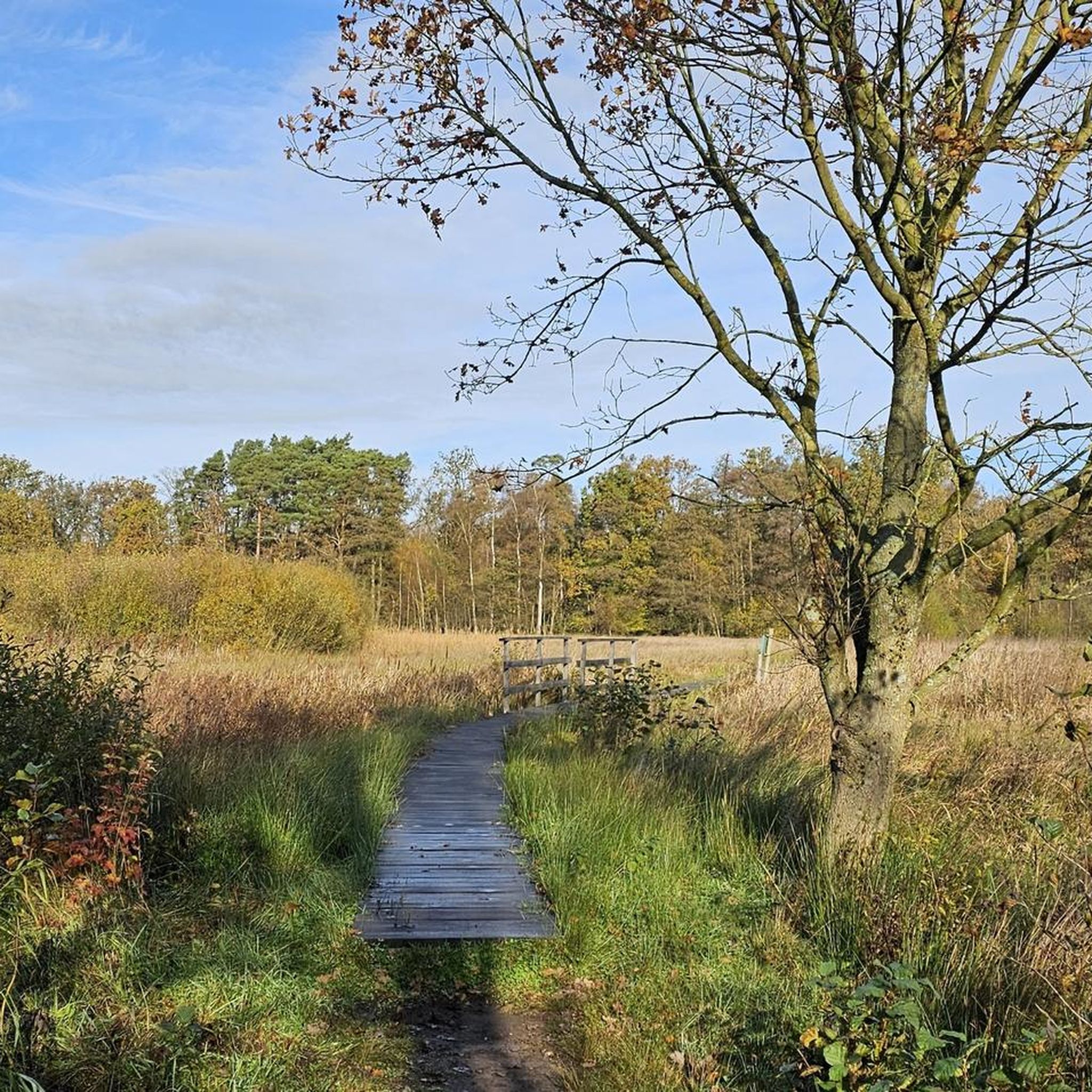
MTB Trails in Natuurreservaat Vallei Van De Zwarte Beek - Beringen
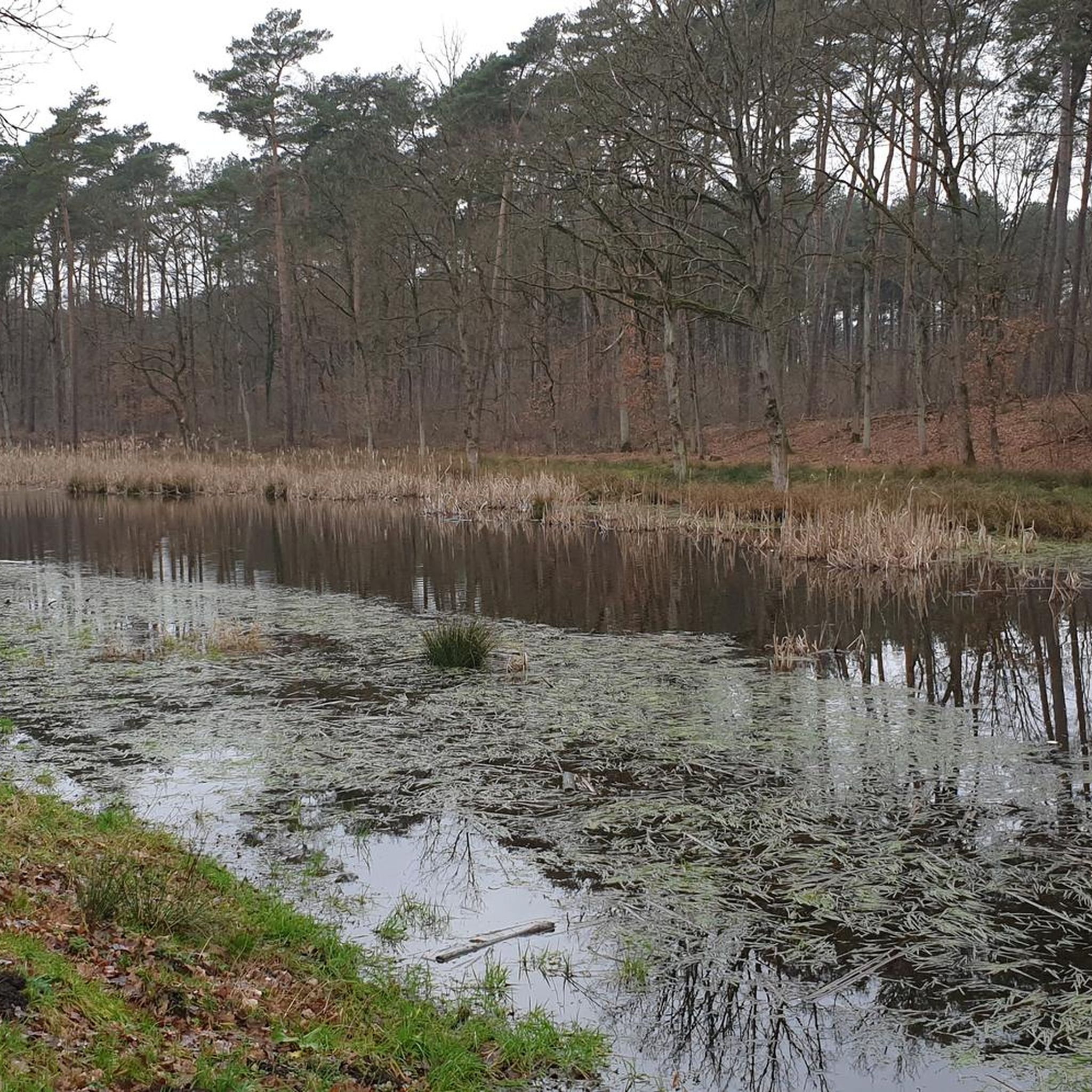
Running Trails in Natuurreservaat Vallei Van De Zwarte Beek - Beringen

Gravel biking in Natuurreservaat Vallei Van De Zwarte Beek - Beringen
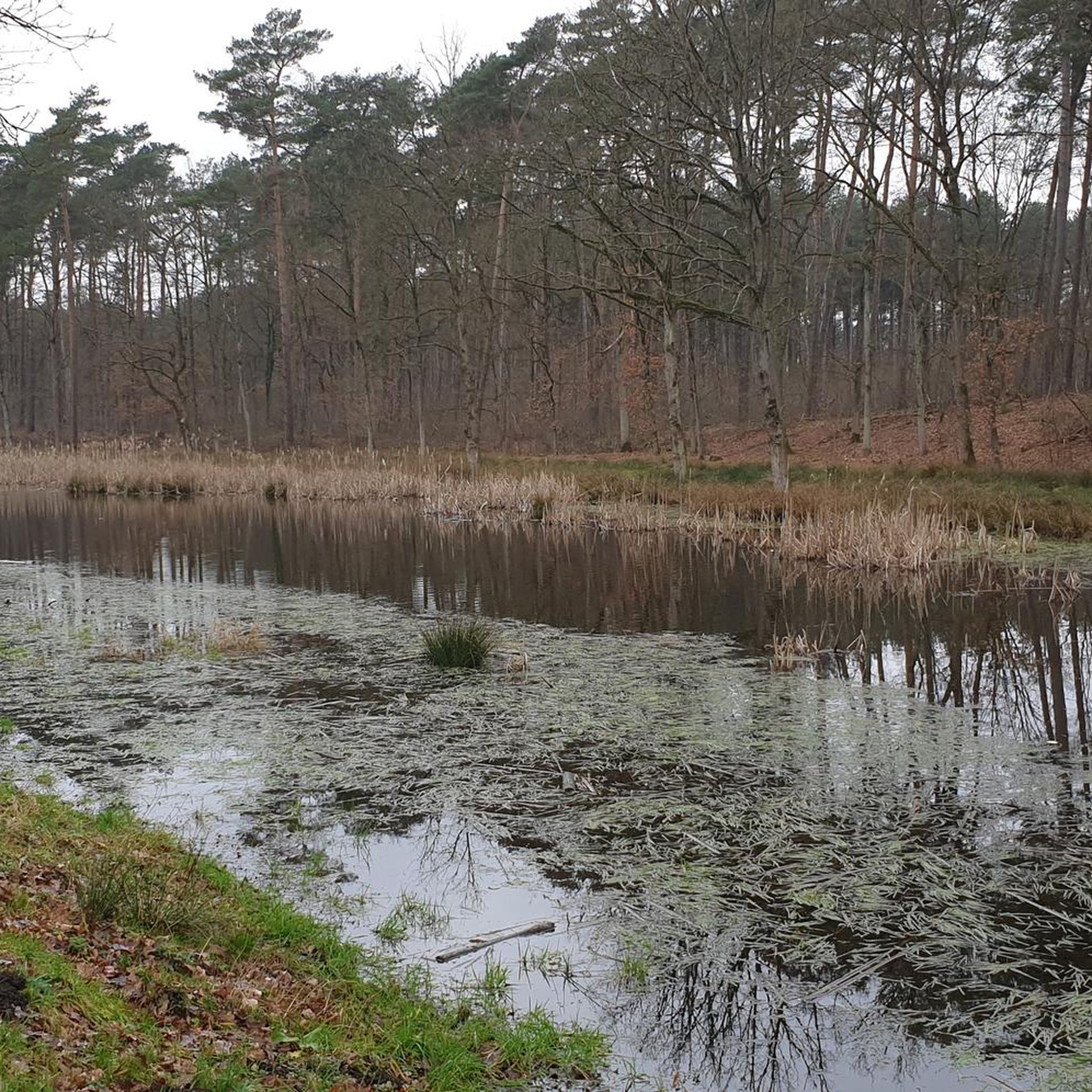
Cycling in Natuurreservaat Vallei Van De Zwarte Beek - Beringen
Tips from the Community

Farmers used this short and straight field path on foot or by cart to milk the cows and transport the milk cans between the surrounding meadows and farms. Hence the name Melkpad (Milk Path).
3
0
The cycle path here is called the Melkpad and crosses a considerable part of the Valley of the Black Brook. It offers a diverse landscape with different types of nature specific to this reserve, including forests, spring areas, and heathland.
3
0
The Beringen slag heap is located in the middle of the Beringen-Beverlo-Koersel triangle and is flanked by the Valley of the Black Stream. The ANB manages this area, which covers an area of 60 hectares. After the mine closure, slag heap 2 and the surrounding land were repurposed as a Flemish nature reserve. Herbs and grass mixtures were sown. Nature also lent a hand thanks to carriers such as wind and animals. On the steep slopes of the Beringen slag heap, groves of summer oak, silver birch, hawthorn, dog rose, and wild clematis thrive. St. John's wort, oxeye daisy, common tansy, yarrow, and wild carrot compete for a spot in the sunnier, open areas. Birds such as the skylark, tree pipit, and meadow pipit enjoy this abundance of herbs. It is an excellent biotope for them to breed in. Moreover, there are snacks galore thanks to the many insects present, including the remarkable blue-winged grasshopper and the swallowtail butterfly.
4
0
Extreme variation, from a sodden, peaty stream valley to the bone-dry sandy dunes on the heath, that is what the Valley of the Black Creek is known for. In the upper reaches, the creek meanders through the military domain "Kamp van Beverlo". Here it has retained its natural meandering. That is why a rare fish species like the brook lamprey feels right at home here. The stream valley gradually transitions into the large heathland: wet heath with fens and dry heath with dunes. Only a few species of plants and animals can withstand the large temperature fluctuations, enormous drought, and very dynamic sand drifts. Between buntgras, ruig haarmos, and heidespurrie, tiger beetles hunt small insects. Wheatears, pipits, and larks, in turn, try to outwit the fast sprinters.
4
0
Extreme variety, from a sodden peat bog valley to the bone-dry sandy dunes on the heath, that is what the Valley of the Black Creek is known for. In the upper reaches, the creek meanders through the military domain “Kamp van Beverlo”. Here it has retained its natural meandering. That is why a rare fish species like the brook lamprey certainly feels at home here. The creek valley gradually transitions into the large heathland area: wet heath with bogs and dry heath with dunes. Only a few species of plants and animals can withstand the large temperature fluctuations, enormous drought, and very dynamic sand drifts. Between purple moor grass, rough haircap moss, and sea sandwort, sand beetles hunt small insects. Wheatears, pipits, and larks, in turn, try to outwit the fast sprinters.
3
0
The pond on the small stream in Korspel (Beringen) is a quiet and green spot located right next to a cycling and walking path. It is an ideal stop for hikers and cyclists to rest for a while.
3
0
The pond by the small stream in Korspel (Beringen) is a quiet and green spot located right next to a cycle path and walking trail. It is an ideal stop for hikers and cyclists to rest for a while.
3
0
Frequently Asked Questions
How many hiking trails are available in Natuurreservaat Vallei Van De Zwarte Beek - Beringen?
Natuurreservaat Vallei Van De Zwarte Beek - Beringen offers an extensive network of over 1,100 hiking routes. These range from easy strolls to more challenging moderate treks, ensuring options for various fitness levels.
What kind of terrain can I expect when hiking in Vallei Van De Zwarte Beek?
The region boasts exceptionally diverse landscapes. You can expect a transition from marshy, peaty brook valleys to dry sandy dunes and extensive heathlands. Trails wind through dense forests, tranquil fens, expansive grasslands, lush meadows, and ancient peat bogs. The area also integrates former mining landscapes, with trails leading over impressive slag heaps offering panoramic views.
What is the best time of year to go hiking in Natuurreservaat Vallei Van De Zwarte Beek?
The Vallei Van De Zwarte Beek is beautiful year-round, but spring and autumn are particularly pleasant. Spring brings blooming flora and active wildlife, while autumn offers vibrant colors. The diverse ecosystems, including peat bogs and heathlands, provide unique scenery in every season. For birdwatching, spring and early summer are ideal as it's a crucial breeding ground for many species.
What do other hikers say about their experience in Natuurreservaat Vallei Van De Zwarte Beek?
The area is highly rated by the komoot community, with an average score of 4.4 stars from over 5,500 reviews. Hikers often praise the varied natural terrain, the well-maintained paths, and the unique combination of natural beauty with historical mining landscapes. Many appreciate the peaceful atmosphere and the opportunities for nature observation.
Are there family-friendly hiking options in Vallei Van De Zwarte Beek?
Yes, the reserve is very family-friendly. The Visitor Center De Watersnip – Forest walking trail loop from Vallei van de Zwarte Beek (Beringen) is a great starting point, featuring an adventurous plank path and a sensory "prikkelpad" designed to be accessible for families, strollers, and wheelchairs. The center also has a playground and a paddling pond, making it an ideal spot for a day out with children.
Can I bring my dog on the hiking trails in Natuurreservaat Vallei Van De Zwarte Beek?
While the region is generally welcoming to dogs, specific rules may apply in certain protected areas to safeguard wildlife. It's always best to keep your dog on a leash and ensure you clean up after them. Check local signage or the official Natuurpunt website for the most current regulations regarding dog access in specific parts of the reserve.
Are there accessible routes for strollers or wheelchairs?
Yes, several paths within the reserve are designed to be accessible. Notably, the Visitor Center De Watersnip offers routes suitable for strollers and wheelchairs, including its sensory "prikkelpad." At the Be-Mine site, there is also a 6.3 km accessible yellow route that follows the former coal track, providing a smooth surface for easier navigation.
What natural features or landmarks can I see while hiking in the Vallei Van De Zwarte Beek?
Hikers can explore a rich tapestry of natural and historical features. The Zwarte Beek itself winds through the valley, creating unique biotopes. You'll find extensive peat bogs, often traversed by boardwalks like the Boardwalk in the Valley of the Zwarte Beek and Oude Beekvallei Boardwalk. Lookout towers, such as those near the visitor center and at Koersel Kapelleke, offer stunning panoramic views. The former mining landscapes, including impressive slag heaps at the Be-Mine site, also provide unique points of interest.
Are there any loop hikes available in Natuurreservaat Vallei Van De Zwarte Beek?
Yes, many of the trails in the reserve are designed as loops, allowing you to start and end at the same point. A popular option is the Hiking loop from Vallei van de Zwarte Beek (Beringen), a moderate 9.9 km route. Another is the Mijnbeeld Beringen – Beringen Coal Mine (be-MINE) loop from Tuinwijk Beverlo, which explores the mining heritage.
Where can I find parking for hiking trails in Vallei Van De Zwarte Beek?
The Visitor Center De Watersnip serves as a primary starting point for many trails and offers parking facilities. Additionally, the Be-Mine site in Beringen provides ample parking, from where you can access various themed routes, including those leading to the slag heaps.
Are there cafes or amenities available near the hiking trails?
Yes, you'll find amenities to enhance your hiking experience. The Visitor Center De Watersnip has a cafe where you can get refreshments. There are also cafes available near the playground, providing convenient spots to relax and refuel during or after your hike.
What kind of wildlife can I spot in Natuurreservaat Vallei Van De Zwarte Beek?
The valley is a haven for valuable flora and fauna, making it an excellent spot for nature observation. It's a cherished resting and breeding ground for many bird species, including the water snipe (after which the visitor center is named), black woodpecker, woodlark, and bluethroat. Cranes have also been breeding here since 2021, highlighting its ecological significance.
How can I reach Natuurreservaat Vallei Van De Zwarte Beek by public transport?
While specific bus routes vary, Beringen is generally accessible by public transport. You can typically reach Beringen by bus from larger towns or train stations in the Limburg province. From Beringen, local bus services or a short taxi ride can take you closer to key entry points like the Visitor Center De Watersnip or the Be-Mine site. For detailed and up-to-date schedules, it's best to consult the local public transport provider's website.
Most popular routes in Natuurreservaat Vallei Van De Zwarte Beek - Beringen
Most popular attractions in Natuurreservaat Vallei Van De Zwarte Beek - Beringen

Get inspired with the komoot mobile app


Explore more
Browse the best Hikes in other regions.
