Top 11 Castles around Am Großen Bruch
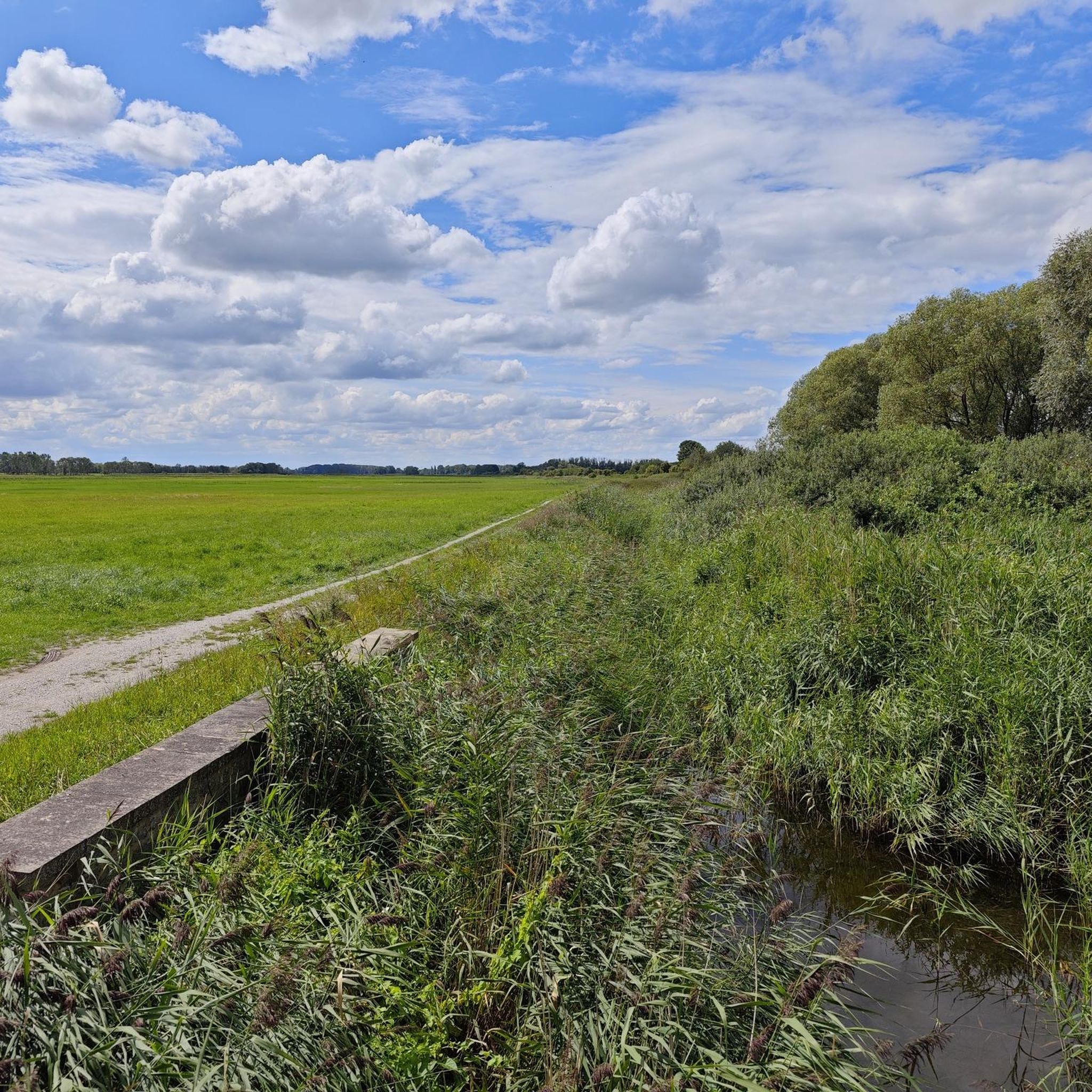
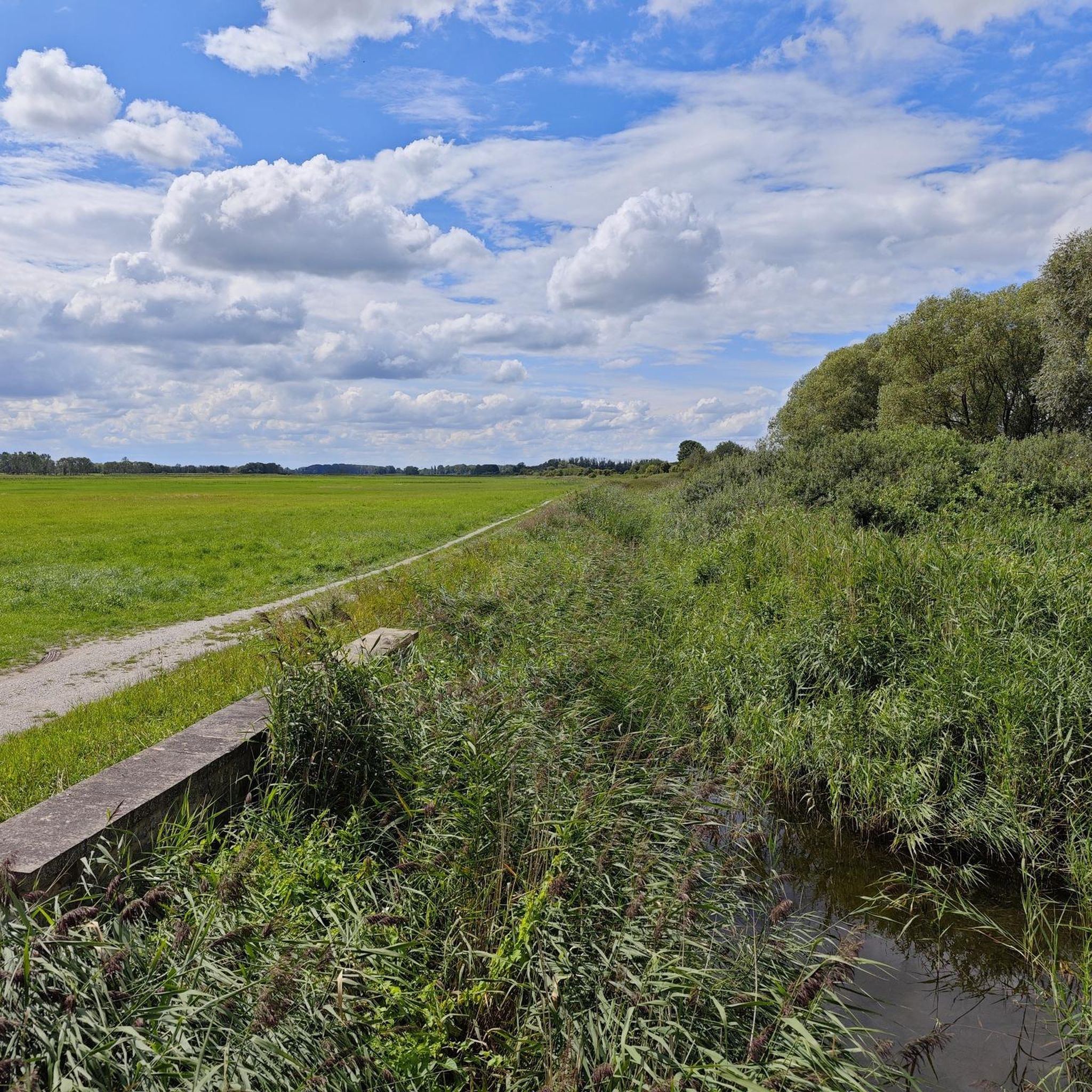
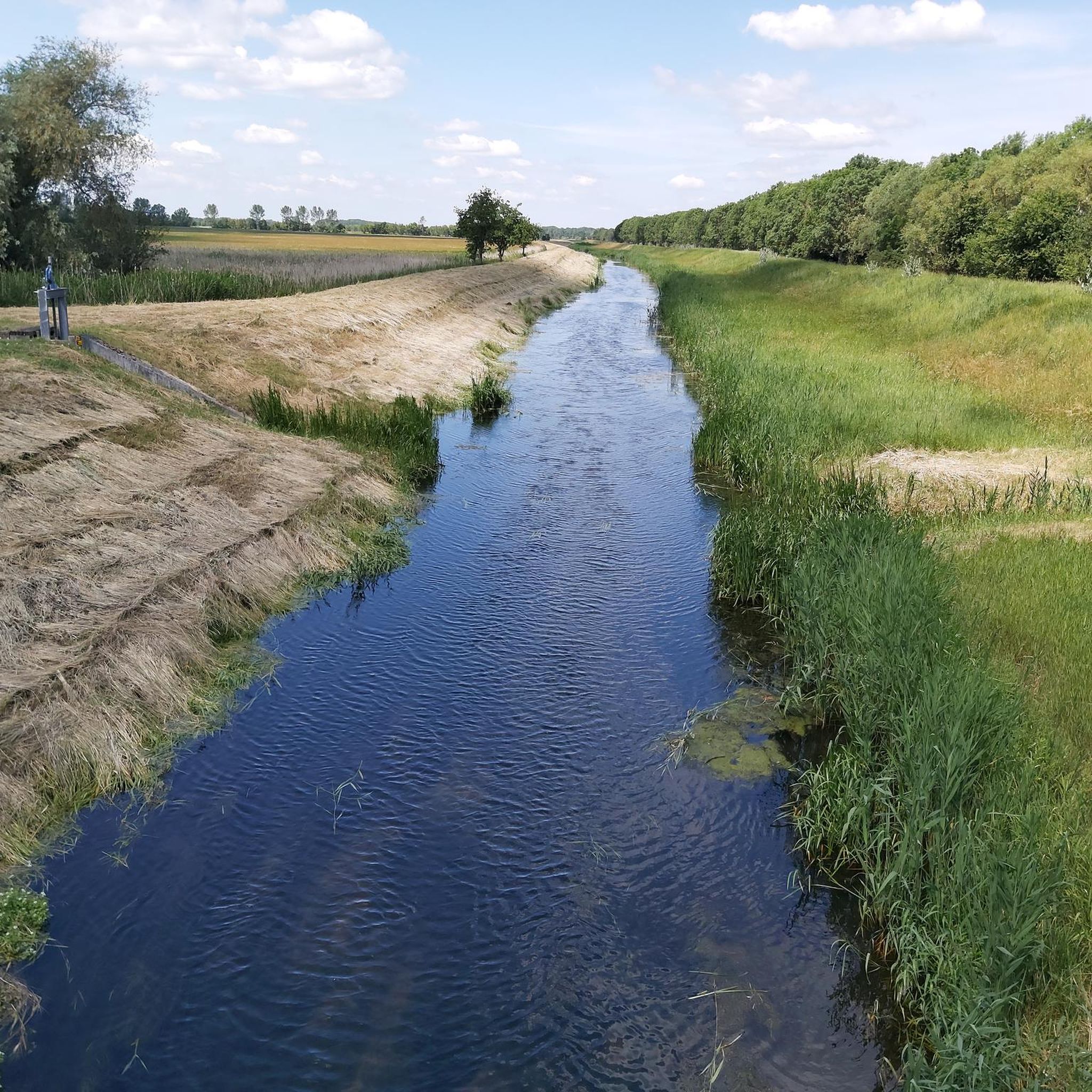
Best castles around Am Großen Bruch are found in a region known for its natural beauty, characterized by meadows, pastures, and water landscapes. This area, a former fen and now a large nature reserve, offers cultural highlights including churches and a telegraph station. While Am Großen Bruch itself is focused on natural landscapes, the broader Börde district features several historically significant castles. These sites provide insight into the region's past and architectural evolution.
Best castles around Am Großen Bruch
- The…
Last updated: June 29, 2026
Benedictine monastery Huysburg (HWN)
Highlight • Religious Site
Translated by Google •
Tip by

Röderhof Manor Ruins
Highlight • Historical Site
Translated by Google •
Tip by

Sign up now to discover places like this
Get recommendations on the best single tracks, peaks, & plenty of other exciting outdoor places.
Sign up for free
Röderhof Castle
Highlight • Castle
Translated by Google •
Tip by

Oschersleben Castle
Highlight • Castle
Translated by Google •
Tip by
Burg Krottorf
Highlight • Castle
Translated by Google •
Tip by
Sign up for free to discover even more castles around Am Großen Bruch.
Sign up for free
Already have an account?
Start today with a free account
Your next adventure awaits.
Login or Signup
Tips from the Community

Krottorf Castle is a lowland castle that was secured by the Bode and the moats fed by it. After the original castle was destroyed in 1363, a fortified complex with buildings in the Renaissance style was not built until the 16th century and expanded by the then owner around 1890; parts of the rampart and moats are still preserved. The castle's enclosed courtyard is open to visitors. Source: Wikipedia
8
0
The monastery complex, enclosed by a dry-stone wall and covering over six hectares, is situated at the highest point of the Huywald forest. The monastery buildings, including the church and cloister, stand to the west on the hilltop. The farm buildings and the monastery garden are located in the area to the east, which lies almost four meters lower. Source: Wikipedia
13
0

With so many windows, the building doesn't look like a castle at all.
7
0

If you like archery, this is the place for you
0
0

The castle has been exceptionally restored. Very interesting ambience with remains of the castle wall and pigeon tower. It's worth it.
2
0

The castle was completely renovated from 2011-2017 and has been used for a variety of purposes ever since.
3
0

Oschersleben Castle, sometimes also known as Oschersleben Castle, is a castle complex in Oschersleben district of Börde in Saxony-Anhalt that dates back to the Middle Ages, but only a few remnants of it have been preserved. The castle was built as a lowland castle in the immediate vicinity of the Bode. It was provided with ramparts and moats. The earliest documented mention dates back to 1205, although the castle is likely to be older. In addition to a core castle, there was an outer bailey to the north, which was later used as a farm yard. (Source: Wikipedia)
1
0

The first documented mention of a castle dates back to 1205 and was owned by the bishops of Halberstadt. In 1896 the castle was demolished except for the stair tower, which has survived to this day. The material from the former castle was used to build the storehouse, which is still preserved today.
3
0
Frequently Asked Questions
What kind of historical sites can I expect to find around Am Großen Bruch?
The region around Am Großen Bruch offers a diverse range of historical sites, including ancient lowland castles, Renaissance palaces, and significant monastic complexes. You'll find structures like the Romanesque Benedictine monastery Huysburg (HWN), the fortified Burg Krottorf, and the impressive Neo-Baroque Schloss Peseckendorf.
Are there any castles with significant historical events or figures associated with them?
Yes, several castles in the broader Börde district have rich histories. For example, Schloss Sommerschenburg, though currently in decay, was gifted to Prussian field marshal August Wilhelm Anton Graf Neidhardt von Gneisenau for his services in the Battle of Leipzig. Its grounds also feature a mausoleum where he is interred. Röderhof Castle also has connections to Karl Friedrich von dem Knesebeck, who received it as a gift from King Frederick William III.
Can I visit the interiors of these historical castles?
Access varies by site. While the monastery church at Benedictine monastery Huysburg (HWN) is a significant monument, some castles like Röderhof Castle and Schlanstedt Castle are privately owned and not open for public visits, though their exteriors can often be viewed. Schloss Peseckendorf's park is freely accessible for external viewing, but the castle building itself is private.
What architectural styles are represented among the castles in the Börde region?
The castles and historical sites in the Börde region showcase a blend of architectural styles. You can see Romanesque architecture at the Benedictine monastery Huysburg (HWN), Renaissance elements at Burg Krottorf and Schlanstedt Castle, and the impressive Neo-Baroque style of Schloss Peseckendorf, often called the 'Sanssouci of the Börde'.
Are there hiking or walking routes near the castles around Am Großen Bruch?
Yes, the Am Großen Bruch region is known for its natural landscapes and offers various hiking opportunities. You can find routes like the 'Picnic Spot by the Lake – Monastery Park Wetlands loop from Hamersleben' or the 'Ancient Pollarded Willows loop from Großes Bruch bei Wulferstedt'. For more options, explore the Hiking around Am Großen Bruch guide.
What other outdoor activities are available in the Am Großen Bruch region?
Beyond visiting castles, the Am Großen Bruch region, with its meadows, pastures, and water landscapes, is ideal for various outdoor activities. You can enjoy gravel biking with routes like the 'Lübbensteine Megalithic Tombs – 1st Walbeck Watchtower loop from Schöningen' or explore running trails such as the 'Running loop from Oschersleben (Bode)'. Check out the Gravel biking around Am Großen Bruch and Running Trails around Am Großen Bruch guides for more details.
Are there family-friendly castles to visit near Am Großen Bruch?
Several sites are noted as family-friendly. Benedictine monastery Huysburg (HWN) and Oschersleben Castle are listed as suitable for families. Burg Krottorf, with its enclosed courtyard open to visitors and its use as a meeting place, also offers an interesting historical experience for all ages.
Are any of the castles around Am Großen Bruch accessible for wheelchairs?
The Benedictine monastery Huysburg (HWN) is noted as wheelchair accessible, making it a good option for visitors with mobility needs. For other sites, it's advisable to check specific accessibility details beforehand, especially for older structures.
Can I bring my dog to the castle grounds or nearby trails?
While specific rules for each castle vary, many outdoor areas and trails in the Am Großen Bruch region are generally dog-friendly. When visiting castle grounds or parks, it's always best to keep dogs on a leash and adhere to any posted regulations. The natural landscapes around Am Großen Bruch offer ample opportunities for walks with your dog.
What is the best time of year to visit the castles and region?
The Am Großen Bruch region, known for its natural beauty, is particularly pleasant during spring and summer when the meadows, pastures, and water landscapes are in full bloom. This allows for comfortable exploration of both the castle exteriors and the surrounding hiking and biking trails. Autumn also offers beautiful scenery with changing foliage.
Are there parking facilities available at the castles?
Parking availability varies by location. For instance, the Benedictine monastery Huysburg (HWN) is noted to have parking facilities. For other sites, especially those that are privately owned or in smaller villages, parking might be available nearby or in designated public areas. It's recommended to check local signage upon arrival.
What do visitors enjoy most about the castles and the Am Großen Bruch region?
Visitors appreciate the blend of historical significance and natural beauty. The castles offer a journey into the past with diverse architectural styles and rich histories. The surrounding Am Großen Bruch region is loved for its tranquil natural landscapes, making it ideal for outdoor activities like hiking and cycling. The komoot community has shared over 1200 photos and given more than 800 upvotes for highlights in the area, reflecting a strong appreciation for its unique character.
Most popular routes around Am Großen Bruch
Most popular attractions around Am Großen Bruch

Get inspired with the komoot mobile app


Explore more
Looking for the best castles somewhere else? Discover other guides around Am Großen Bruch:
