Attractions and Places To See in Abdij Van Westmalle - Top 20
Best attractions and places to see in Abdij Van Westmalle include a blend of historical landmarks, cultural sites, and natural features. This region is centered around the renowned Trappist Abbey, offering visitors a unique cultural experience through its products and serene surroundings. The area features extensive natural reserves and walking routes, providing opportunities to explore its diverse landscapes.
Best attractions and places to see in Abdij Van Westmalle
- The most popular attractions is Molenbos Information Board, a facilities highlight…
Last updated: May 25, 2026
Drieboomkensberg Pilgrimage Site
Highlight (Segment) • Religious Site
Translated by Google •
Tip by

Sint-Bernardus Chapel
Highlight • Religious Site
Translated by Google •
Tip by

Sign up now to discover places like this
Get recommendations on the best single tracks, peaks, & plenty of other exciting outdoor places.
Sign up for free
Hegte Heyde Nature Reserve
Highlight • Natural
Translated by Google •
Tip by

Sanatorium Lizzie Marsily
Highlight • Historical Site
De Dennen has a rich history. It all began in 1913, with the founding of the limited company "Sanatorium der Provincie Antwerpen" by Albert Kreglinger. He purchased a 9-hectare …
Translated by Google •
Tip by

Molenbos Information Board
Highlight • Rest Area
Translated by Google •
Tip by

Sign up for free to discover even more attractions in Abdij Van Westmalle.
Sign up for free
Already have an account?
Start today with a free account
Your next adventure awaits.
Login or Signup

Other adventures in Abdij Van Westmalle

Tips from the Community

The Drieboomkensberg Pilgrimage Site (also spelled Drieboomkesberg) is a historic place of devotion in Westmalle (municipality of Malle), located on the highest point of a group of inland dunes. Dedication: The site is dedicated to Our Lady of Fever (also known as Help of the Sick). Origin of the name: The place is named after three large larch trees that used to stand on the hill. Tradition: For generations, the sick and believers have come together here for reflection and healing. In May, the Marian month, the Sint-Martinus parish of Westmalle still organizes an annual pilgrimage to this place. The Great Crucifix: On the top stands a large blue stone crucifix that was donated in 1948 by Count Thierry de Renesse and blessed by the abbot of the Westmalle Abbey.
7
0

Small chapel in honor of Saint Bernard, it lies on a small side path off the avenue leading to the abbey.
1
0
Information board with a map of the Molenbos and the Westmalle estate.
0
0
sanatorium on the grounds of Westmalle Abbey.
0
0

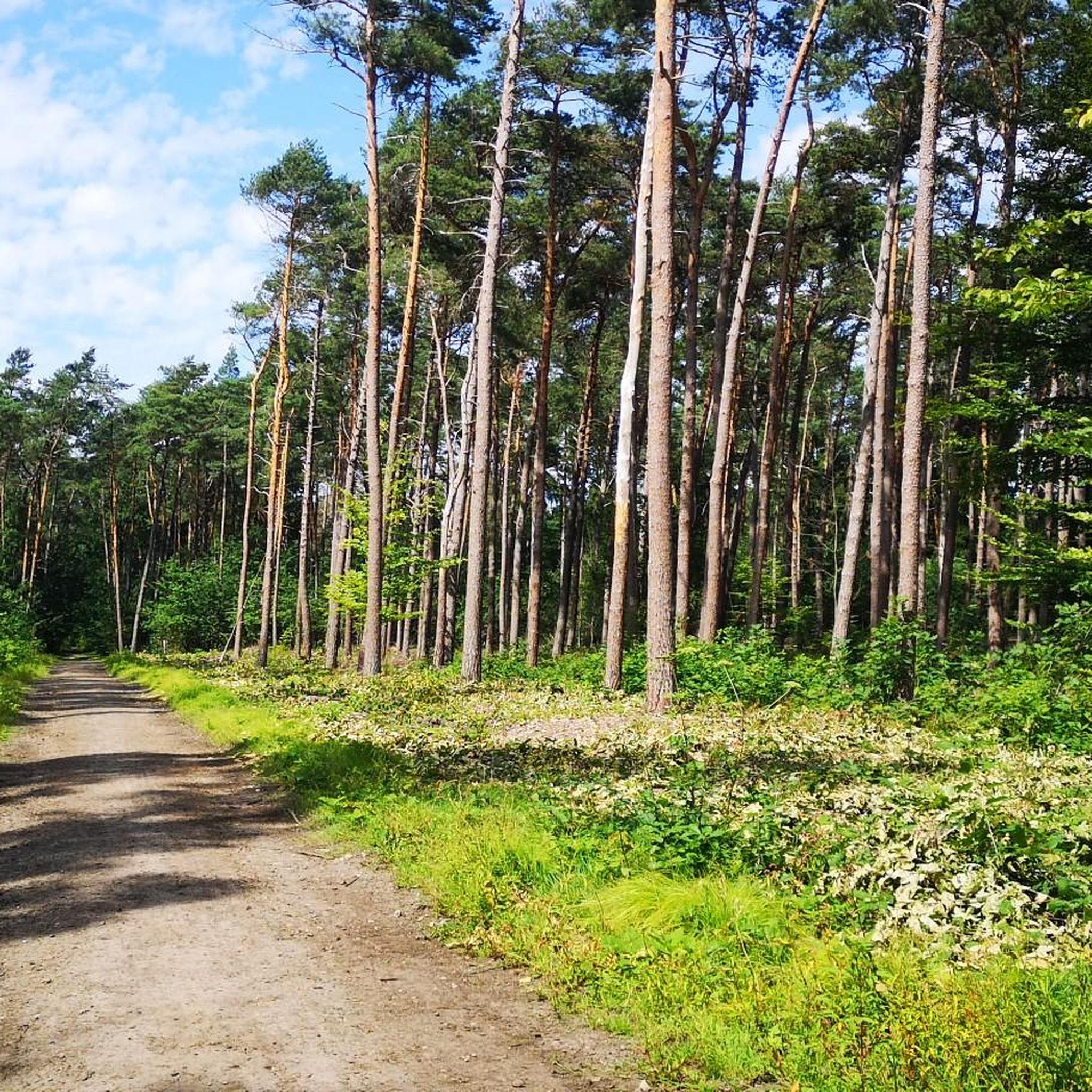
The nature reserve consists of two main parts: grassland and woodland. The poor sandy soil in this area offers only a limited range of plants a chance to thrive. These plants cannot tolerate fertilization and are rare in many places in Flanders. In such "heathless" grasslands, a heather plant occasionally appears. The grassland is mainly surrounded by coniferous forest. Birch, common oak, and rowan trees thrive among the Scots pines. The speckled wood, a woodland butterfly, loves the open spaces in the forest. Dead wood remains in the forest. In a natural forest, no less than 10 to 15% of the wood is dead! This dead wood is a source of life for all kinds of insects and fungi. Slow worms can also find shelter under it. Source: https://natuurpuntvoorkempen.be/gebied-hegte-heyde-detail/
6
0
The memorial chapel is located in the field next to the abbey avenue (the avenue has an entry point opposite Café Trappisten Westmalle). A path lined with hornbeam leads to the chapel. It was built on the site where two British bombers crashed during their mission. Few hikers bother to visit this chapel, but it's definitely worth a look. We Will Remember Them
6
0

The Saint Bernard Chapel is a 20th-century chapel of thanksgiving in the Belgian municipality of Malle. The chapel was built in 1947 by order of the Abbey of Westmalle and was consecrated on 20 August 1947 by the abbot of the abbey.
1
0

This area consists of a heathland landscape, which is still rare in the Kempen and which houses specific plants. The sand blue, a low plant with a blue flower, provides summer colours. (www.natuurpunt.be)
5
0
Frequently Asked Questions
What natural attractions and walking routes can I explore in Abdij Van Westmalle?
The region offers several beautiful natural areas. You can visit the Molenbos Information Board, which marks a 175-hectare nature reserve with forests and peaceful trails. Another highlight is the Hegte Heyde Nature Reserve, known for its heathland landscape, grassland, and woodland, housing specific plants rare in the Kempen region. For walking, consider the 8 km Trappistenpad starting from the abbey's driveway, or explore the scenic abbey walks that offer insights into the abbey's life.
What historical or cultural sites are worth visiting in the Abdij Van Westmalle area?
Beyond the abbey itself, you can visit the Sint-Bernardus Chapel, founded in 1947 to commemorate the crews of two British bombers that crashed nearby during World War II. Another significant site is the Drieboomkensberg Pilgrimage Site, located on the highest peak of undulating inland dunes, offering a place for relaxation in the forest. The former Sanatorium Lizzie Marsily also holds historical significance, dating back to 1913.
Are there family-friendly activities or attractions in Abdij Van Westmalle?
Yes, many of the natural areas and sites are suitable for families. The Molenbos Information Board and Hegte Heyde Nature Reserve offer easy walking paths for all ages. The Drieboomkensberg Pilgrimage Site is also considered family-friendly, providing a relaxing forest environment. Exploring the scenic abbey walks can be an engaging activity for families, with QR codes offering stories about the abbey's life.
Where can I experience the famous Westmalle Trappist products?
While the abbey and brewery are generally not open for tours, you can savor the renowned Westmalle Trappist beers (Dubbel, Tripel, and Extra) and enjoy the abbey's artisanal cheese and cheese croquettes at Café Trappisten, located near the abbey. A limited quantity of the monks' artisanal cheese is also sold directly at the abbey gate, offering a unique opportunity to purchase a product directly from the source.
What outdoor activities, like hiking or cycling, are available near the attractions?
The Abdij Van Westmalle area is excellent for outdoor activities. You can find numerous hiking trails, including the 'Trappist Route Westmalle' which is nearly 9 km long. For cycling enthusiasts, a longer 44 km Trappistenroute is available. There are also several running trails, such as the 'Drieboomkensberg – Rolling Forest Trail loop'. You can find more details and routes in the dedicated guides for Hiking in Abdij Van Westmalle, Cycling in Abdij Van Westmalle, and Running Trails in Abdij Van Westmalle.
What is the best time to visit Abdij Van Westmalle?
The Abdij Van Westmalle area can be enjoyed year-round. Spring and autumn offer pleasant temperatures for walking and cycling through the natural reserves and along the abbey. Summer is ideal for enjoying the outdoor terraces at Café Trappisten. Even in winter, the peaceful forest trails and cultural sites provide a serene experience.
Are there any castles or grand estates nearby?
Yes, approximately 11.6 km from the abbey, you can find Kasteel Borrekens in Vorselaar. This captivating castle offers historical beauty surrounded by picturesque gardens, making for a pleasant excursion from Abdij Van Westmalle.
What kind of wildlife can I expect to see in the nature reserves?
In areas like the Hegte Heyde Nature Reserve, the diverse habitats support various species. The coniferous forests and open spaces are home to woodland butterflies like the speckled wood. Dead wood in the forest provides shelter for insects, fungi, and slow worms. While specific sightings vary, the tranquil environment is conducive to observing local flora and fauna.
What do visitors enjoy most about the Abdij Van Westmalle area?
Visitors particularly appreciate the blend of serene natural beauty and the unique cultural experience centered around the Trappist Abbey. The peaceful walking routes, the opportunity to taste the famous Trappist beers and cheese at Café Trappisten, and the historical significance of sites like the Sint-Bernardus Chapel are frequently highlighted. The overall tranquility and connection to a rich heritage are key draws.
Is there public transport available to Abdij Van Westmalle?
While specific public transport details are best checked with local providers, the area is accessible. Many visitors combine their trip with cycling or walking routes that connect various points of interest, suggesting local transport options or a combination with personal vehicles are common ways to reach the attractions.
Are there options for longer, more challenging hikes or bike rides?
Absolutely. For hikers seeking a challenge, the 'Vraagheide Forest Trails – Kooldries Old Clay Pit Pond loop' is a difficult 20 km route. Cyclists can tackle longer routes like the 'St. Anthony's Chapel, Salphen – Zoersel Gravel Section loop', which spans nearly 38 km. These routes offer more extensive exploration of the region's diverse landscapes. More options can be found in the Hiking and Cycling guides.
Most popular routes in Abdij Van Westmalle

Get inspired with the komoot mobile app


Explore more
Still not found the Highlight you’re looking for? See guides of the top attractions in other regions:
