The best MTB trails in Vallei Van De Kindernouwbeek
4.4
(569)
13,317
riders
317
rides
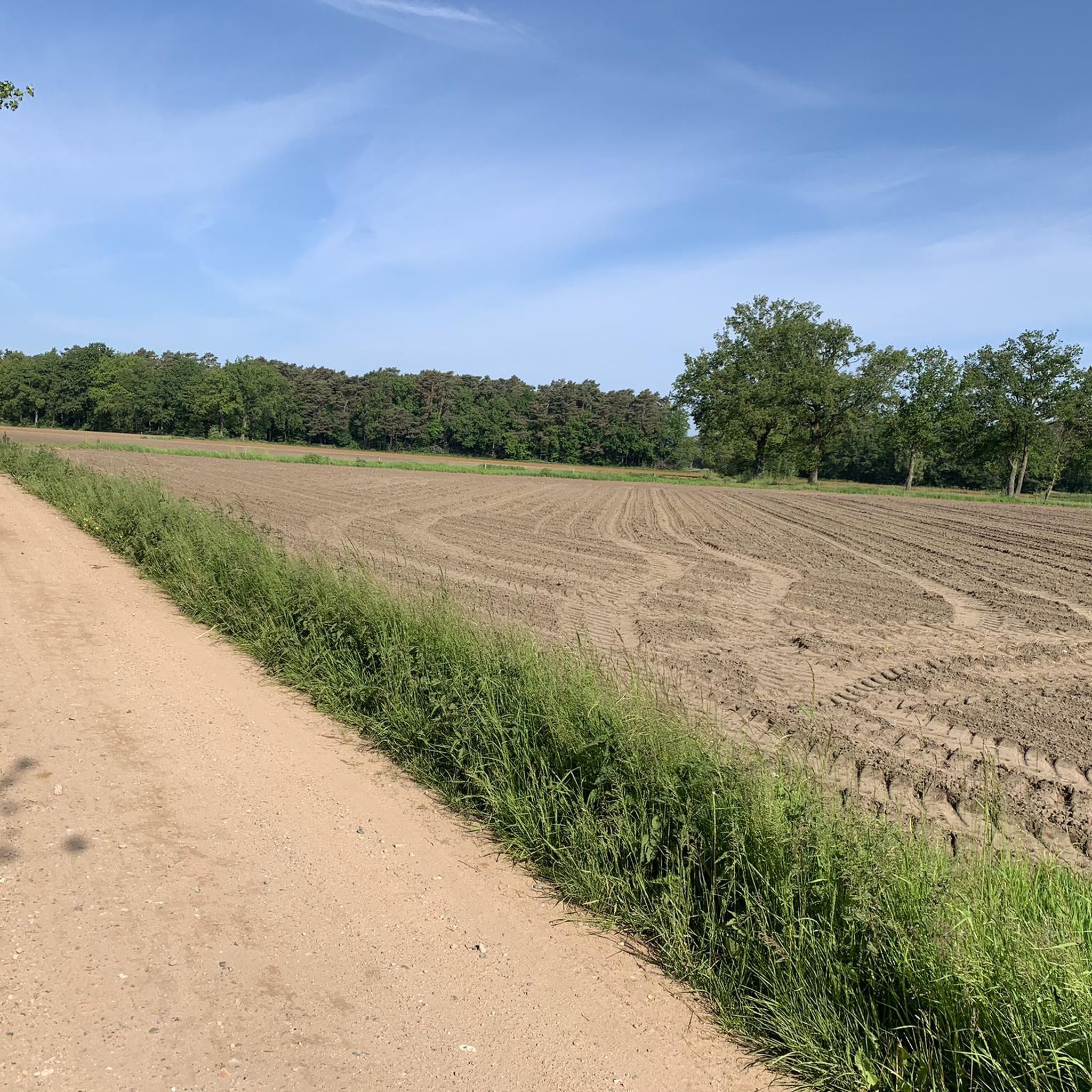
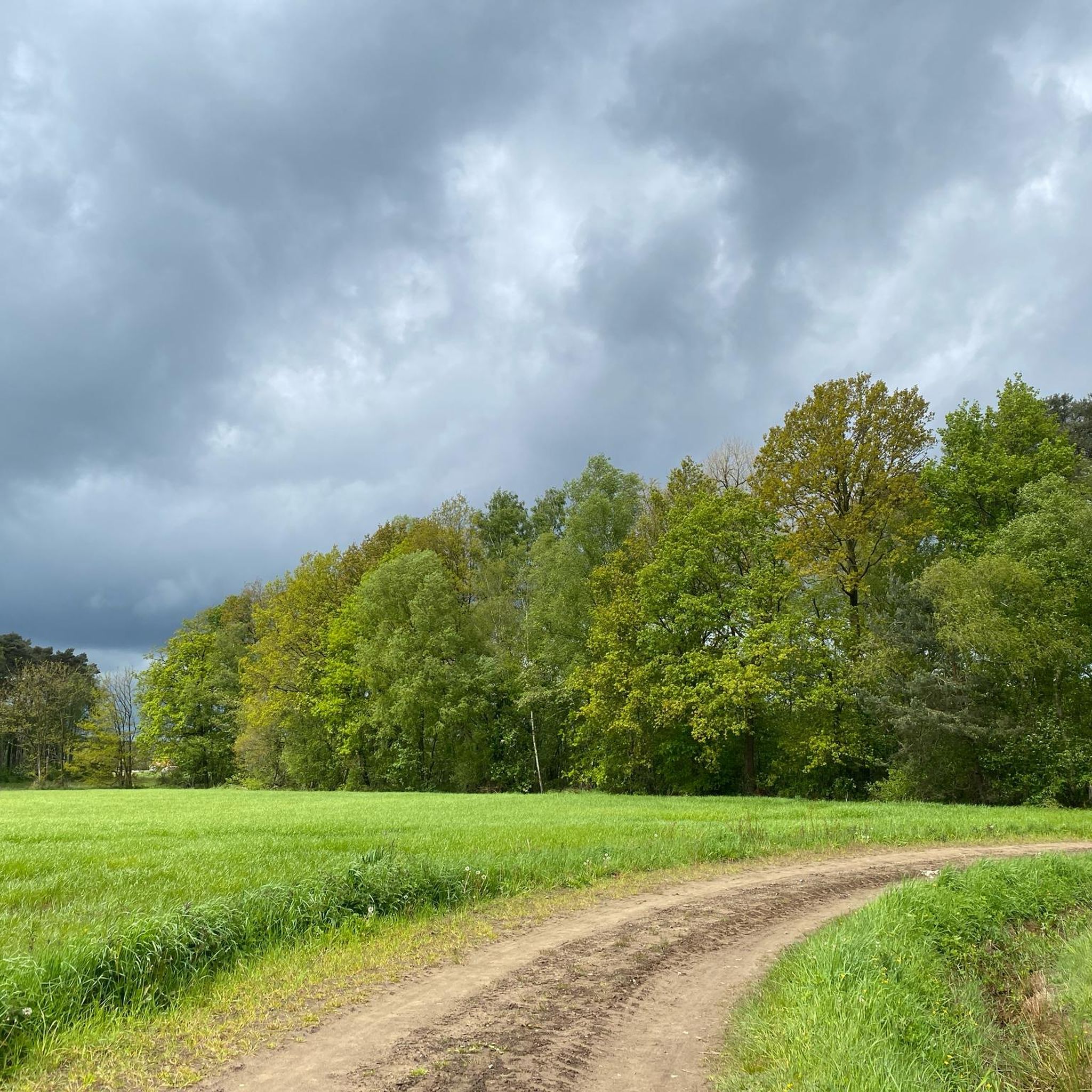
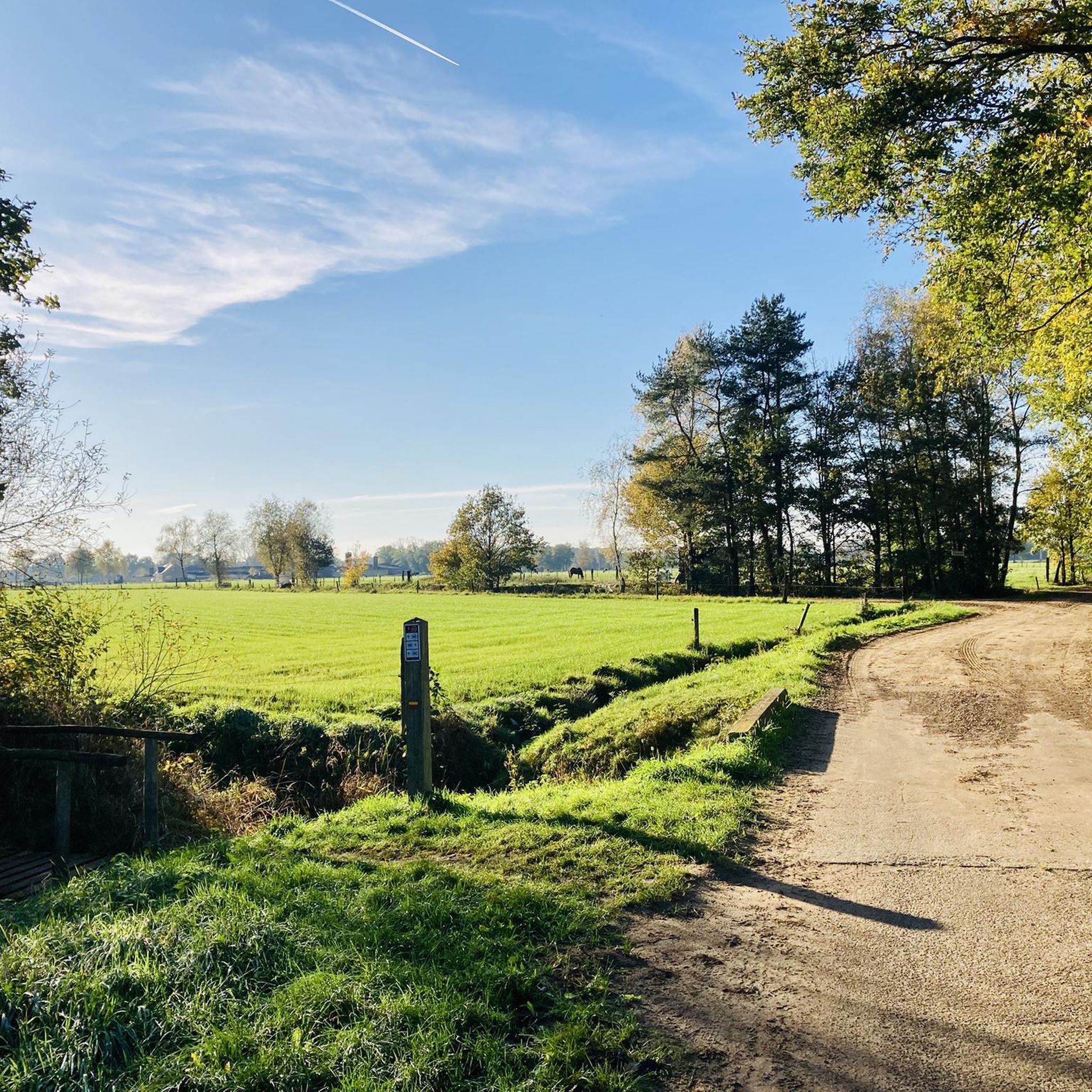
Mountain bike trails in Vallei Van De Kindernouwbeek traverse an intact lowland stream valley characterized by a mosaic of marshes, forests, heathlands, and grasslands. The terrain features an average elevation of 13 to 15 meters above sea level, indicating mostly flat routes with minimal climbing. While dedicated mountain biking singletracks are not explicitly highlighted within this protected nature reserve, general cycling is possible on existing wider paths and gravel roads.
Best mountain bike trails in Vallei Van De Kindernouwbeek
- The…
Last updated: May 27, 2026
5
riders
26.1km
01:25
40m
40m
Hard mountain bike ride. Great for any fitness level. Advanced riding skills necessary. Some portions of the route may require you to push your bike.
3
riders
Moderate mountain bike ride. Good fitness required. Advanced riding skills necessary.

Sign up for free
3
riders
51.0km
02:58
80m
80m
Hard mountain bike ride. Good fitness required. Advanced riding skills necessary. Some portions of the route may require you to push your bike.
3
riders
Moderate mountain bike ride. Good fitness required. Suitable for all skill levels.
2
riders
29.6km
01:41
60m
60m
Hard mountain bike ride. Great for any fitness level. Advanced riding skills necessary. Some portions of the route may require you to push your bike.
Get access to more routes and recommendations from other explorers.
Sign up for free
Already have an account?
Our route recommendations are based on thousands of hikes, rides, and runs completed by other people on komoot.
Start today with a free account
Your next adventure awaits.
Login or Signup
Tips from the Community

pleasant picnic area with brand new oak benches, both under cover and outdoors.
0
0

It's always worth taking a closer look...
0
0

Hof d'Intere is a Renaissance castle in Wechelderzande. It is located at Pastorijstraat 2 and dates back to 1649. The castle's name is older, dating from 1440, when Philip the Good granted the towns of Wechelderzande, Gierle, and Lille as a fief to Ambrosius van Dinther. The "laathof" (court) held its meetings in the local inn, which was called Hof d'Intere or Hof van Dynter, after the name Van Dinther. Later, this fief passed to Johan de Proost, lord of Wechelderzande. He built the current castle on the basis of an existing castle dating back to the 16th century. In 1686, it became the property of the pastor of Wechelderzande after Johan de Proost was forced to sell it. The house then served as a rectory from 1688 to 1964 and then as the town hall until 1977. This was when municipal reorganization took place, and since then it has been a municipal center with a library and park. In 1939, the building was classified as a protected monument. In 2019, it was announced that the library would be closed and that the municipality of Lille would reconsider the castle's future purpose.
8
0

Generations of castle lords and the village community have cared for the magnificent heritage we have today. We must cherish this legacy with care. Everyone has a responsibility in this regard: the government, the owners, and certainly also the visitors. We all want to safeguard this for future generations. VORSELAAR: Proposal to protect the castle "de Borrekens", the rectory, the immediate surroundings of the castle, and the linden avenue as a village landmark. The castle was built in the thirteenth century as a military fortification for the Duke of Brabant, granted as a fief to the Lord Van Rotselaer. The latter gave the fortification, which had the character of a moated castle, the ground plan that can still largely be seen today. Little is known about its evolution since the thirteenth century. The castle is depicted in a print by Ertinger in the second half of the seventeenth century and published by Jacques Le Roy. This shows that the current castle's core still largely reflects this condition. The building's military character was lost in the eighteenth century, and it was converted into a "house of pleasure." This involved the demolition of several surrounding walls and defensive towers, and the moat separating the forecourt from the castle was filled in. Simultaneously or shortly before, several embellishments were carried out on the castle, with J.P. van Baurscheit as the architect. The buildings in the forecourt were constructed during the same period. In the 1850s and 1860s, restoration work was carried out in keeping with the fashion of the time. Several dormers, stepped gables, fireplaces, turrets, and battlements were added in the Neo-Gothic style. The interior was also altered during this period and in the same style. Although this renovation significantly altered the castle's appearance, the renovation itself is remarkable as a testament to the Neo-Gothic style that emerged in our region around 1850.
0
0
On March 13, 1440, Philip the Good granted Wechelderzande, along with Gierle and Lille, as a fief to Ambrosius de Dynter. The court of justice, or the alderman's court, of the feudal lordship was therefore named Hof d'Intere. The court held its meetings in a village inn. The Hof d'Intere building was erected in 1649 by the lord of Wechelderzande, Jonker Jan de Proost or Johan de Proost. The newly built, impressive residence was named Hof d'Intere: partly because it was built on a plot of land that belonged to the fiefdom under the jurisdiction of the Hof d'Intere, and partly because Johan de Proost had acquired the rights to this fiefdom and was therefore entitled to use the title "Lord of Dynter." From 1686 to 1964, Hof d'Intere served as the parsonage of Wechelderzande. Later it served as the town hall of Wechelderzande until the merger in 1977. After that it was used for a while as the municipal council, reception, ceremony and wedding hall of the municipality.
0
0

The castle has been the pride of Vorselaar for centuries. Around 1270, the first stone was laid by the knights of Rotselaar. The ground plan has been largely preserved to this day. The castle houses a treasure trove of history and stories, and has been inhabited by noble families all this time.
6
0

Very beautiful medieval castle in the middle of a beautiful forest. A real relief to come here and walk undisturbed.
5
0
In 1940 a ‘Forest Cross’ was erected here, the crucified Christ as a watchman in the forest to remind the faithful passers-by of the sacrifice of Calvary. The place is known as ‘the Cross’.
8
0
Frequently Asked Questions
Are mountain bikes allowed in Vallei Van De Kindernouwbeek?
While dedicated mountain biking singletracks are not explicitly highlighted within the protected Vallei Van De Kindernouwbeek nature reserve, general cycling is possible on existing wider paths and gravel roads. In Flemish nature reserves, cyclists are typically required to stay on designated paths.
What kind of terrain can I expect on mountain bike trails in Vallei Van De Kindernouwbeek?
The Vallei Van De Kindernouwbeek is characterized as an intact lowland stream valley, featuring a mosaic of marshes, forests, heathlands, and grasslands. The terrain is mostly flat, with an average elevation ranging from 13 to 15 meters above sea level, meaning routes have minimal climbing.
How many mountain bike trails are available in Vallei Van De Kindernouwbeek?
There are over 300 mountain bike routes available in Vallei Van De Kindernouwbeek on komoot, catering to various skill levels. You'll find options for easy, moderate, and difficult rides.
What do other mountain bikers say about the trails in Vallei Van De Kindernouwbeek?
The routes in Vallei Van De Kindernouwbeek are highly rated by the komoot community, with an average score of 4.3 stars from over 580 reviews. Many mountain bikers praise the varied terrain, which includes lowland stream valleys, forests, and heathlands.
Are there any easy mountain bike trails suitable for beginners?
Yes, there are 91 easy mountain bike routes in the area. An example of an easy route is the Vorselaar Castle – Borrekens Castle loop from De Borrekens, which is 20.4 km long and takes about 1 hour 17 minutes to complete.
Are there any longer mountain bike routes for experienced riders?
For more experienced riders, there are 67 difficult routes and 157 moderate routes. A challenging option is the Forest Paths – Vrieselhof Castle loop from Lille, a 51.0 km difficult path that combines forest sections with a loop around Vrieselhof Castle.
What are some scenic highlights or landmarks I can see along the mountain bike trails?
The Vallei Van De Kindernouwbeek offers beautiful natural features. You can explore the Kindernouw itself, enjoy the beautiful sandy paths through the meadows, or discover the ponds in the Kindernouw. The region is known for its diverse ecosystems, including marshes, forests, and heathlands.
Can I find loop mountain bike trails in Vallei Van De Kindernouwbeek?
Yes, many of the mountain bike routes in Vallei Van De Kindernouwbeek are designed as loops. For instance, the Kruis van Blommerschot – Forest Path loop from Antwerp is a 26.1 km difficult trail exploring forest paths, and the Gravel Track Near the Airport – 14 Chapels loop from Lille offers a 49.5 km moderate ride.
Is Vallei Van De Kindernouwbeek suitable for family-friendly mountain biking?
Given the lowland and generally flat terrain, many of the easy and moderate routes could be suitable for families, especially on wider paths and gravel roads. The area's natural beauty and biodiversity also offer opportunities for nature observation during your ride.
What kind of wildlife can I expect to see while mountain biking?
The Vallei Van De Kindernouwbeek is rich in biodiversity. You might spot a variety of rare plants, insects, and birds. It's home to over 40 species of dragonflies, rare butterflies like the small emperor moth, and birds such as the kingfisher and black woodpecker.
Are there any specific rules for mountain biking with dogs in the Vallei Van De Kindernouwbeek?
While the Vallei Van De Kindernouwbeek is a natural area, specific rules for mountain biking with dogs are not explicitly detailed. Generally, in nature reserves, dogs are often required to be on a leash, especially to protect wildlife. It's always best to check local signage or regulations upon arrival.
When is the best time of year to go mountain biking in Vallei Van De Kindernouwbeek?
The Vallei Van De Kindernouwbeek is accessible year-round. However, for the most pleasant experience, spring and autumn offer mild temperatures and beautiful scenery. During these seasons, the diverse flora and fauna are often at their most vibrant. Winter rides are possible, but paths might be muddy or wet.
Are there any mountain bike trails that pass by the '14 Chapels'?
Yes, the 14 Chapels – MTB Trail in Vorselaar loop from Lille is an easy 24.2 km route that includes the '14 Chapels' as a point of interest, offering a cultural element to your ride.
Most popular routes in Vallei Van De Kindernouwbeek
Most popular attractions in Vallei Van De Kindernouwbeek

Get inspired with the komoot mobile app


Explore more
Browse the best MTB trails in other regions.
