The best walks and hikes in De Meetkerkse Moeren
4.4
(7060)
45,940
hikers
831
hikes
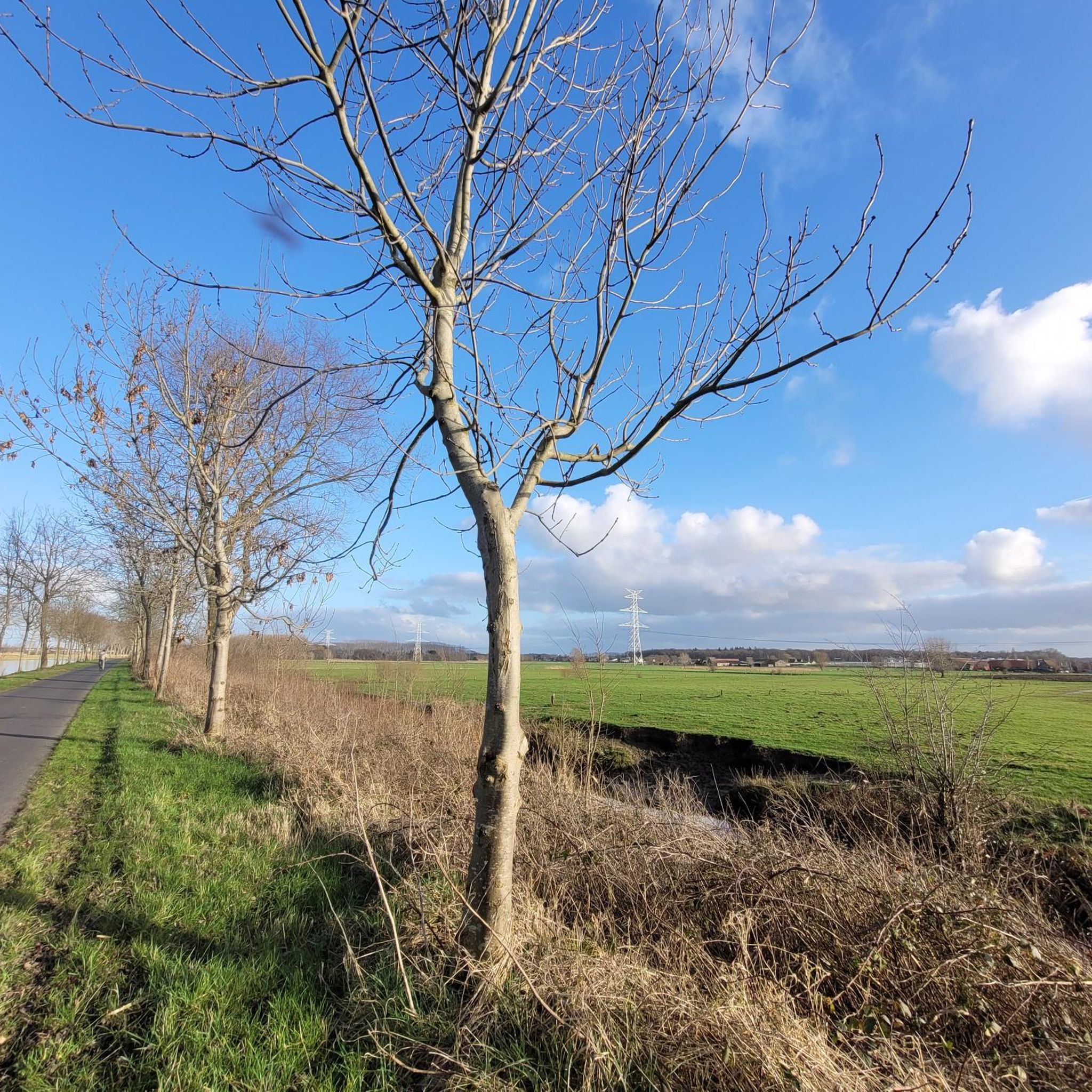
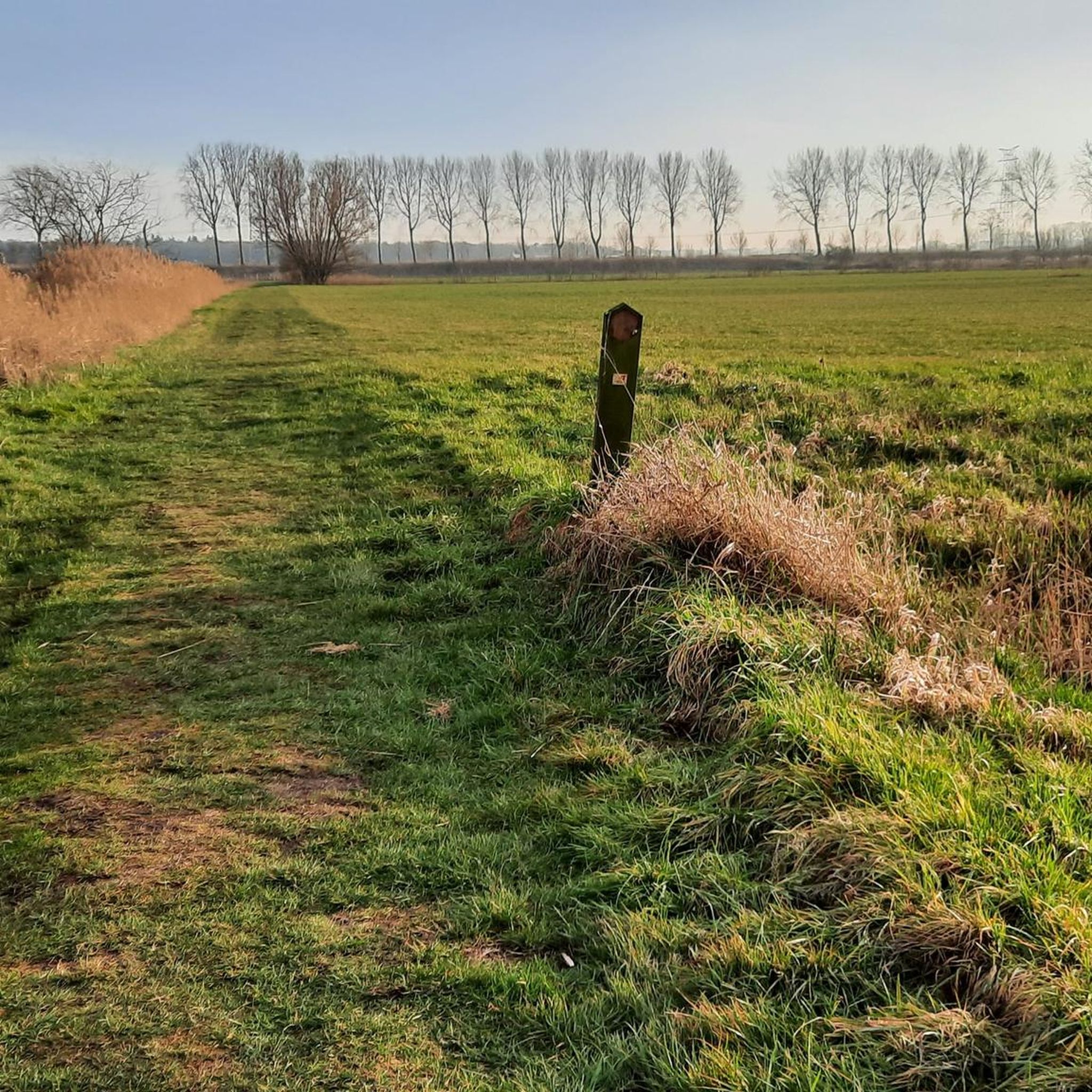
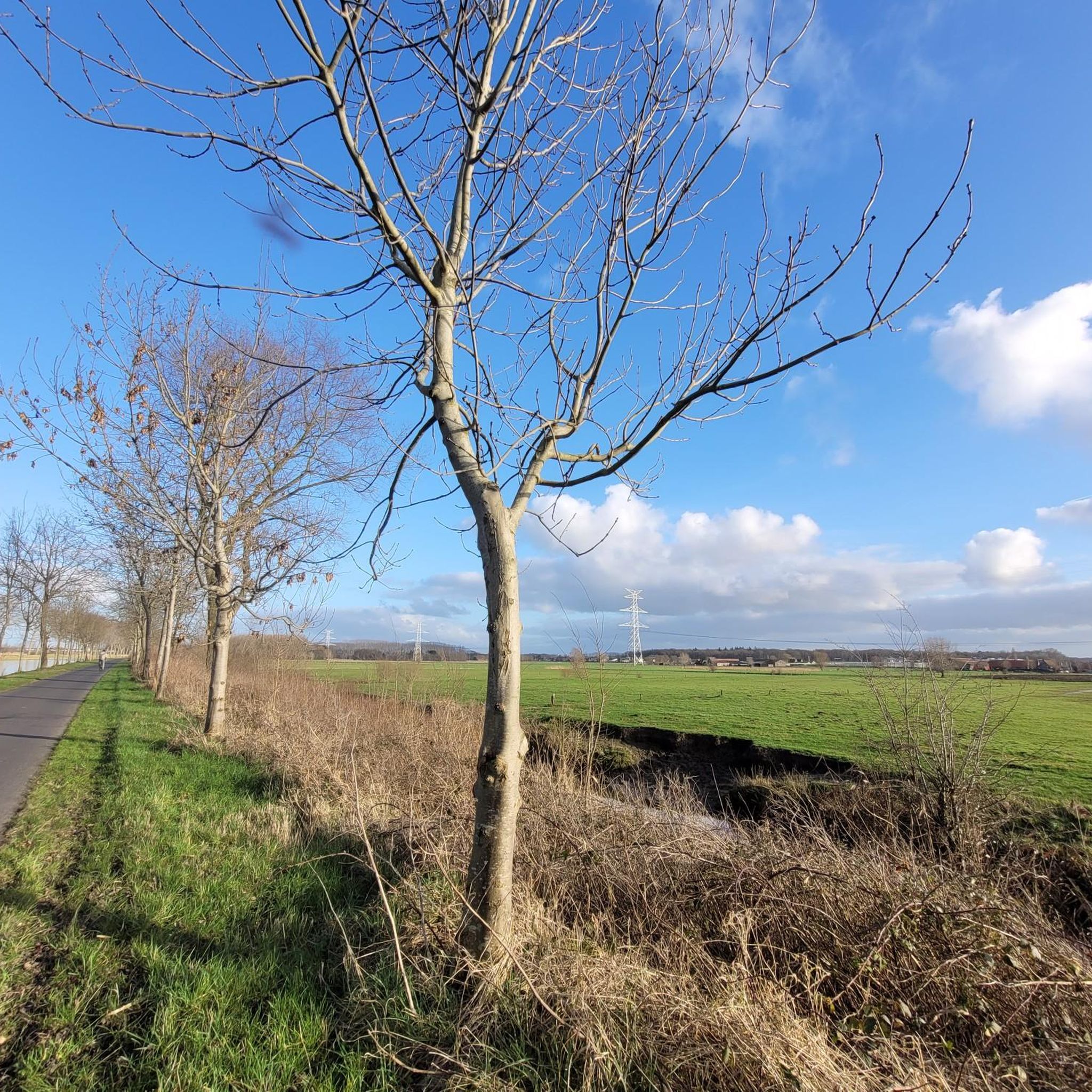
Hiking in De Meetkerkse Moeren offers routes through a distinctive polder landscape, characterized by meadow wetlands and pastures. The area, historically a peat bog, features topography that lies below sea level in some parts, crisscrossed by ditches and streams. The Meetkerkse Moeren Nature Reserve manages nearly 250 hectares, providing a habitat for diverse flora and fauna. This region is well-suited for hiking, with trails guiding visitors through tranquil environments.
Best hiking trails in De Meetkerkse Moeren
- The most popular hiking…
Last updated: July 15, 2026
4.6
(31)
89
hikers
Moderate hike. Good fitness required. Easily-accessible paths. Suitable for all skill levels.
4.5
(55)
341
hikers
16.6km
04:11
10m
10m
Moderate hike. Good fitness required. Mostly accessible paths. Sure-footedness required.

Sign up for free
4.5
(33)
138
hikers
6.91km
01:44
10m
10m
Easy hike. Great for any fitness level. Easily-accessible paths. Suitable for all skill levels.
4.6
(22)
110
hikers
6.32km
01:35
10m
10m
Easy hike. Great for any fitness level. Easily-accessible paths. Suitable for all skill levels.
4.8
(22)
63
hikers
Moderate hike. Good fitness required. Easily-accessible paths. Suitable for all skill levels.
Get access to more routes and recommendations from other explorers.
Sign up for free
Already have an account?
Our route recommendations are based on thousands of hikes, rides, and runs completed by other people on komoot.
Start today with a free account
Your next adventure awaits.
Login or Signup
Tips from the Community

The old lock between the Bruges-Ostend Canal and the Blankenberge Canal is currently undergoing a thorough renovation. After the renovation, this lock will once again play a vital role in the water management of the Uitkerkse polders.
1
0
From the outside there is little to suggest it is a chapel until you take a peek inside.
1
0
This church is often visible from the Uitkerkse polders and is easily recognized by its octagonal tower.
1
0

The Grote Molen (Great Mill) of the Meetkerkse Moeren, or Lage Moere, dates in its current form from 1811. The polder mill and the miller's farm are situated on a roughly triangular plot (sown with grass) bordered by the Moerzwin to the west, the Blankenbergse Vaart to the east, and the Schamelzwin to the south. A vaulted brick arch bridge over the Moerzwin provides access to the site. The mill uses a wooden paddle wheel to pump water into a partially vaulted waterway that connects to the Blankenbergse Vaart, situated higher up. It is the only preserved mill of this type in Flanders. The predecessor of the Grote Molen was built in 1622-1623 together with the Kleine Molen, 200 meters to the south. The Kleine Molen was demolished in 1868 and replaced by a steam-powered pumping station. Source: Heritage Inventory https://inventaris.onroerenderfgoed.be/erfgoedobjecten/57979
2
0

When the Bruges-Ostend canal was constructed around 1620, part of the Meetkerkse Moeren became lower than the canal. Pumping systems with a wooden mill had to protect the areas from flooding. After 1810 the mill burned down and shortly afterwards the current stone mill was built. Until 1928 this mill pumped water from the Meetkerkse Moeren into the Blankenbergse canal. In the meantime mechanical pumps were introduced. The pump house with the installation still exists.
3
0

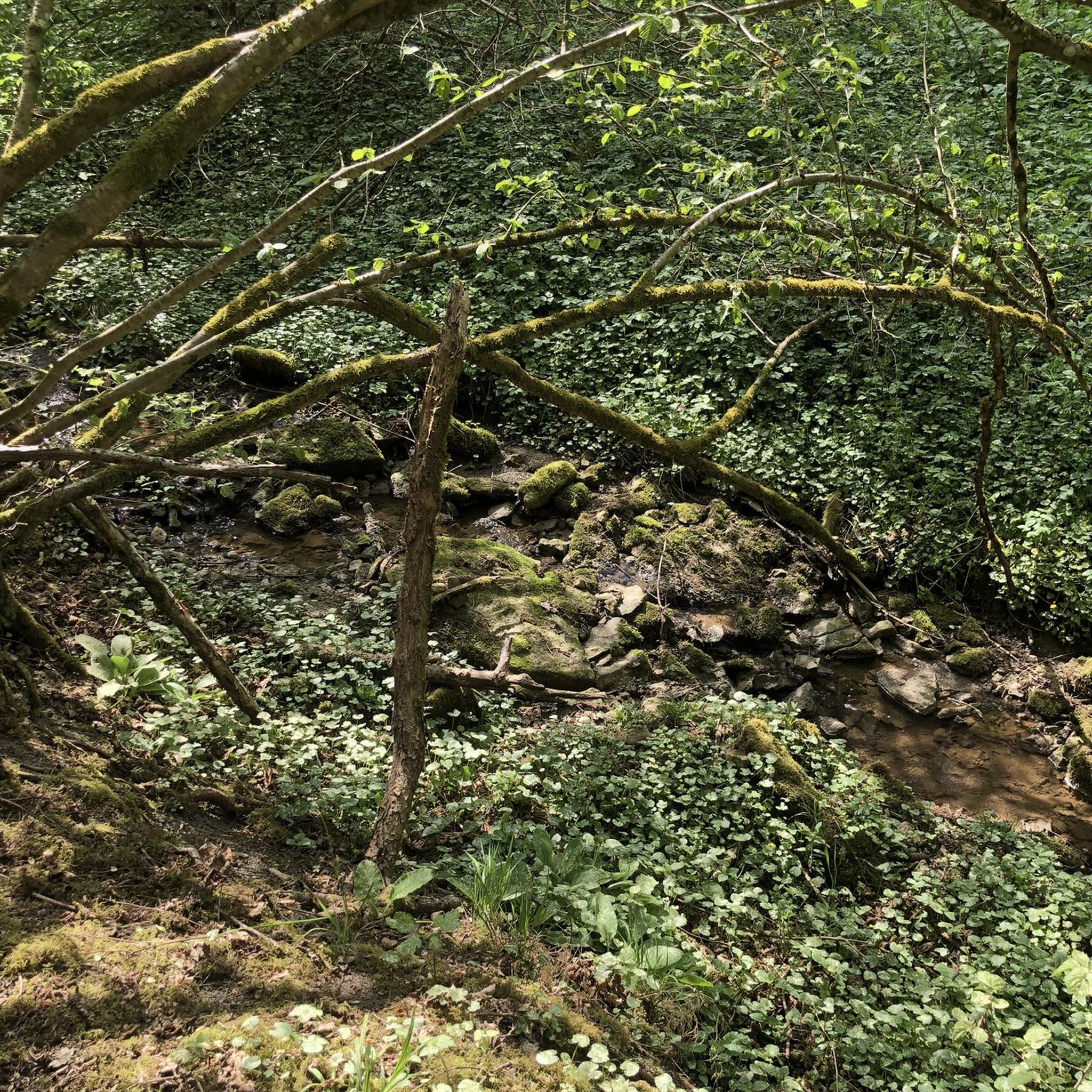
A place to hear running water and, if you are lucky, see kingfishers
0
1
A beautiful place to rest with running water and see different kingfishers
0
1
Frequently Asked Questions
How many hiking trails are available in De Meetkerkse Moeren?
De Meetkerkse Moeren offers a wide variety of hiking options, with over 770 routes available. These range from easy strolls to more moderate excursions, ensuring there's something for every hiker.
What kind of landscape can I expect when hiking in De Meetkerkse Moeren?
You'll experience a unique polder landscape, characterized by expansive meadow wetlands and pastures. The area, historically a peat bog, features topography that lies below sea level in some parts, crisscrossed by numerous ditches and streams. This creates a tranquil environment distinct to the region.
Are there any easy hiking routes suitable for beginners or families?
Yes, De Meetkerkse Moeren has over 500 easy routes. A great option for a relaxed walk is the Shelter and Rest Area – View of Molenweg loop from Meetkerke, which is about 7 km long and takes less than two hours to complete, leading through the polder landscape and past local landmarks.
What interesting landmarks or attractions can I see along the trails?
Along the trails, you can discover several points of interest. The historic Meetkerke Duck Decoy offers insight into past practices, while the Bruges–Ostend Canal provides scenic paths. You might also encounter the restored De Grote Poldermolen, a historical windmill that stands as a landmark in the landscape.
What do other hikers enjoy most about De Meetkerkse Moeren?
The area is highly rated by the komoot community, with an average score of 4.4 stars from nearly 6,000 reviews. Hikers often praise the tranquil nature of the polder landscape, the expansive views, and the opportunity for birdwatching. The well-maintained paths and the unique natural features are frequently highlighted.
Is De Meetkerkse Moeren a good place for birdwatching?
Absolutely. De Meetkerkse Moeren is a haven for diverse bird species, with over 30 different types breeding here annually. You can spot grasshopper warblers, black-tailed godwits, and common redshanks in the moist hayfields, while great reed warblers prefer the reed-covered ditches. During winter, wild geese and other feathered friends like the tundra bean goose are prominent.
Are there any circular hiking routes in De Meetkerkse Moeren?
Yes, many routes in De Meetkerkse Moeren are designed as loops, allowing you to start and end at the same point. An example is the Moerstraat (Zuienkerke) – Picnic Area loop from De Meetkerkse Moeren, a moderate 11.6 km trail that navigates the open polder landscape.
What are the typical surface conditions of the hiking trails?
The trails in De Meetkerkse Moeren primarily consist of rustic farm tracks and paths alongside ditches and canals. Given the wetland nature of the polder landscape, some sections can be muddy, especially after rain or during wetter seasons. Sturdy, waterproof footwear is recommended.
Are there any cafes or places to eat near the hiking trails?
Yes, the routes often pass through charming villages like Meetkerke and Houtave. In Meetkerke, you can find "Het Mortierken," an eatery that provides a potential stop for refreshments during your hike.
What is the best time of year to visit De Meetkerkse Moeren for hiking?
The area is beautiful year-round, but spring and autumn are particularly rewarding. Spring offers vibrant flora and active breeding birds, while autumn provides stunning colors and opportunities to observe migratory birds. Winter also attracts various wildfowl. Be prepared for potentially muddy conditions during wetter months.
Is there public transport available to reach the hiking trails?
While specific public transport details for every trailhead are not readily available, the villages within and around De Meetkerkse Moeren, such as Meetkerke and Zuienkerke, are generally accessible by local bus services. It's advisable to check local transport schedules to plan your journey to the starting points of the routes.
Are dogs allowed on the hiking trails in De Meetkerkse Moeren?
Generally, dogs are welcome on many of the public paths and trails in De Meetkerkse Moeren. However, as it is a nature reserve and home to diverse wildlife, especially ground-nesting birds, it's crucial to keep dogs on a leash to protect the local fauna and flora. Always check local signage for specific restrictions in certain areas, particularly during breeding seasons.
Where can I park my car when visiting De Meetkerkse Moeren for a hike?
Parking is typically available in the villages that serve as starting points for many routes, such as Meetkerke and Zuienkerke. Look for designated parking areas or roadside parking in these communities. For specific routes, details on parking might be provided on the individual komoot tour pages.
Most popular routes in De Meetkerkse Moeren
Most popular attractions in De Meetkerkse Moeren

Get inspired with the komoot mobile app


Explore more
Browse the best Hikes in other regions.
