The best cycling routes in Vallei Van De Zeverenbeek
4.3
(1129)
11,143
riders
539
rides
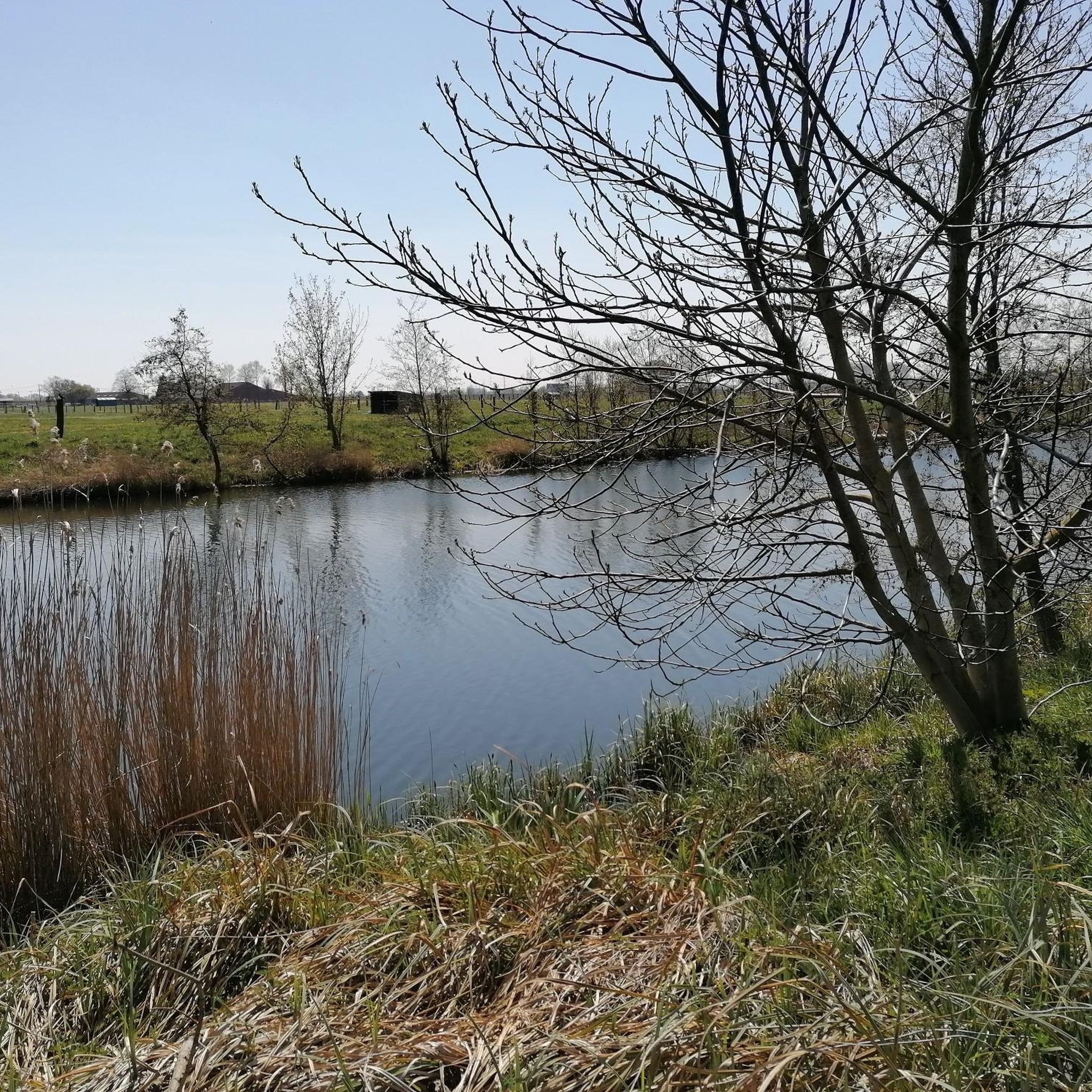
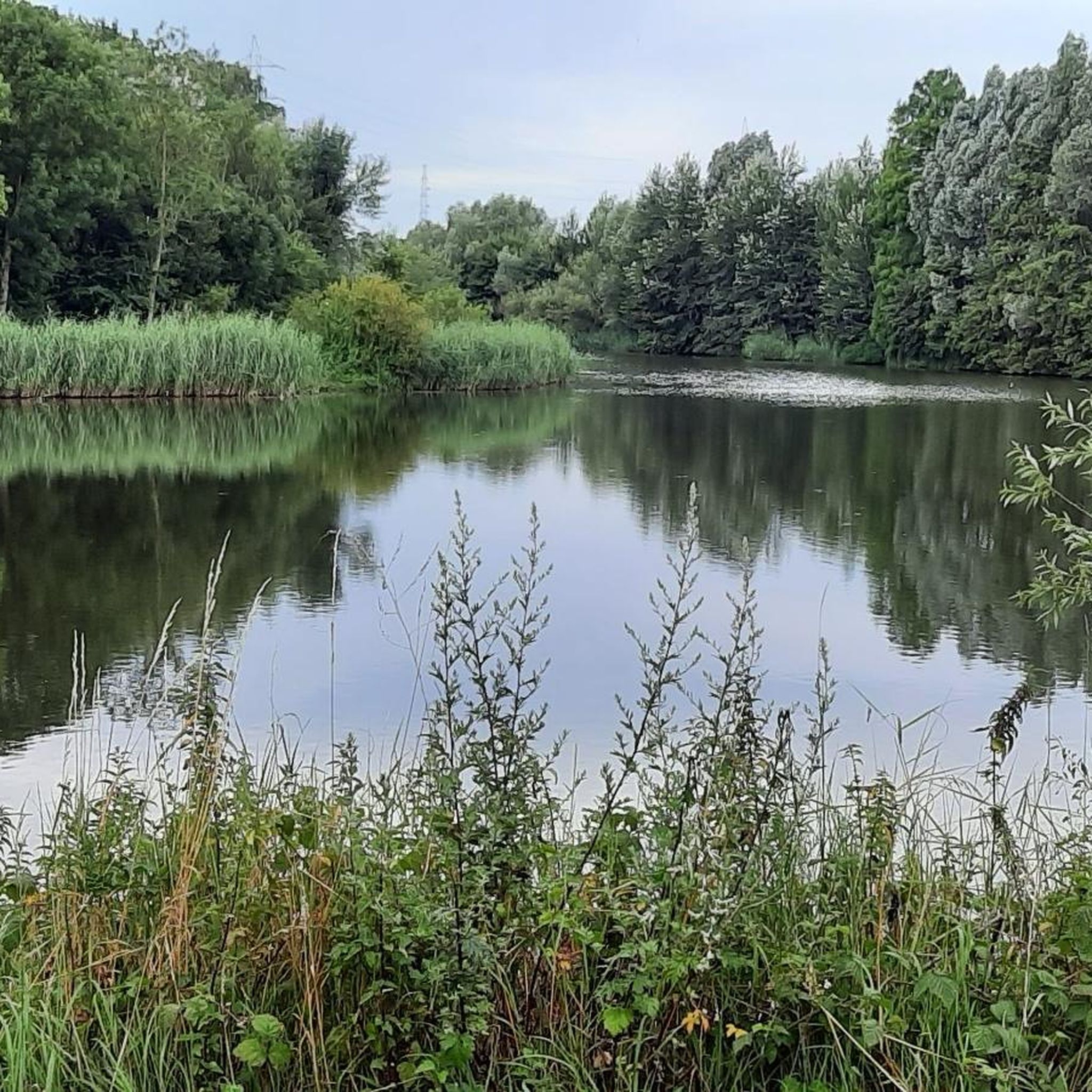
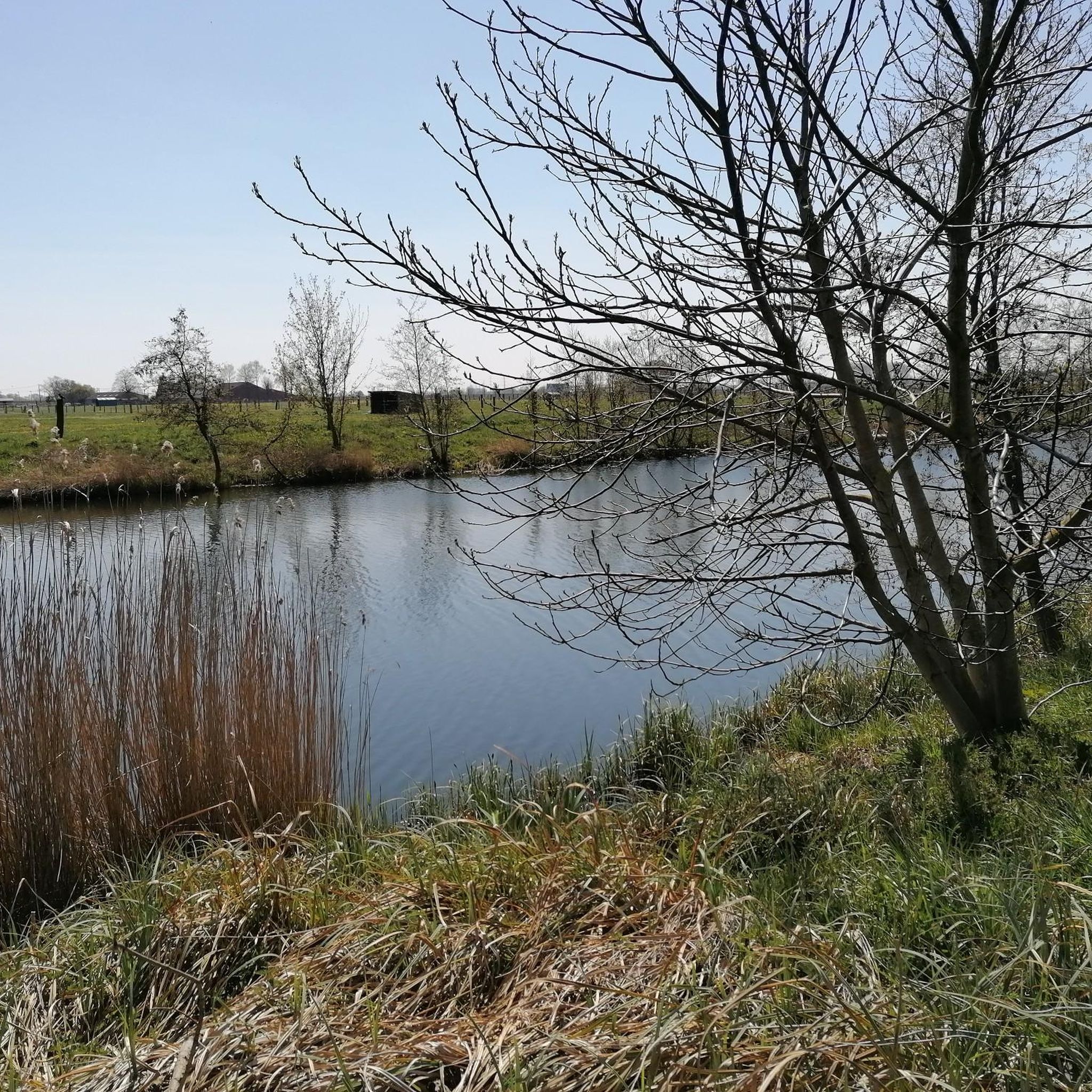
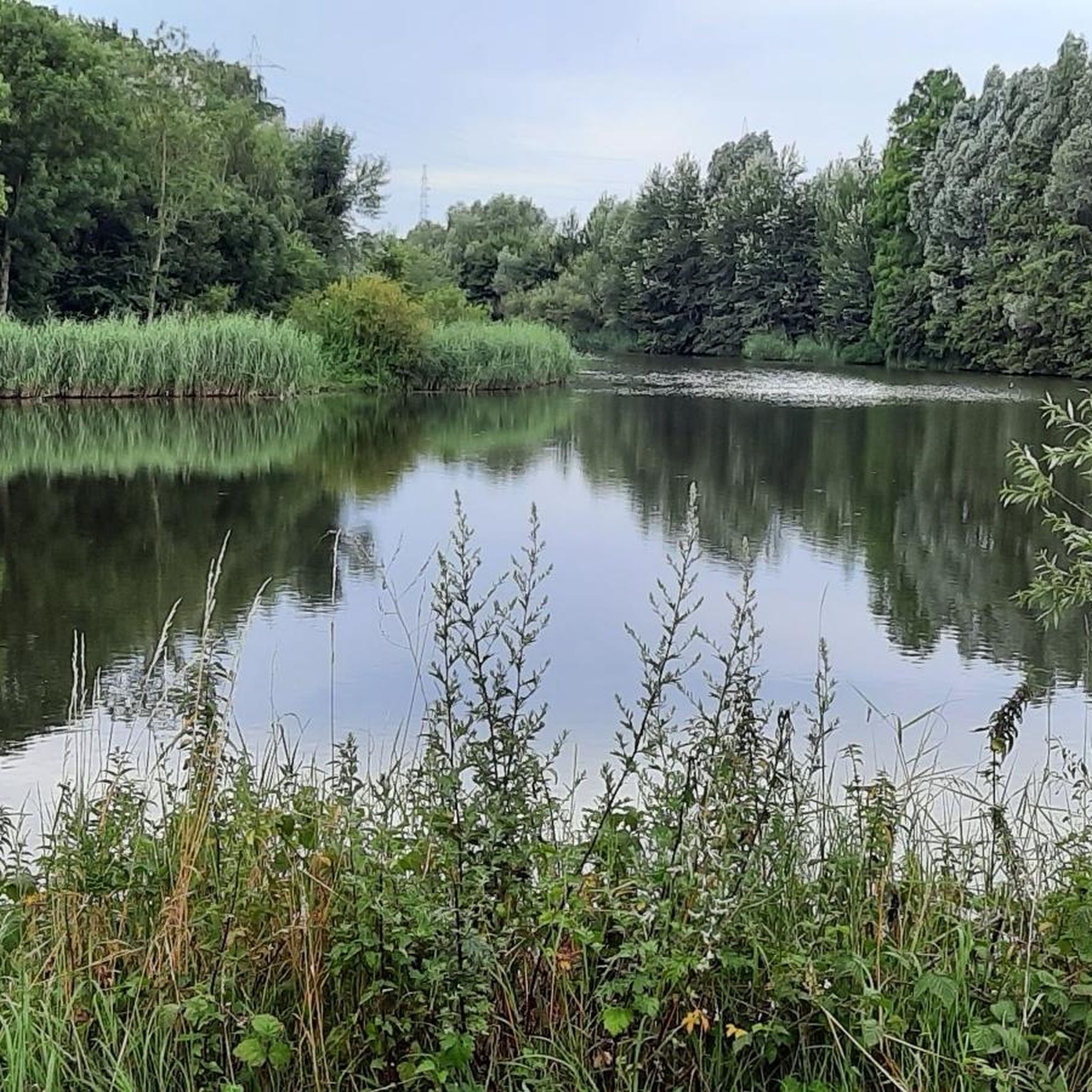
Touring cycling in Vallei Van De Zeverenbeek offers diverse natural landscapes characterized by expansive meadows, marshy forests, and peat bogs. The region features a high groundwater level, supporting unique plant life and creating varied terrain. Sandy-loam ridges transition into the valley, where groundwater seeps upwards, contributing to the distinct ecological profile. Many cycling paths are car-free, providing a safe and enjoyable experience.
Best touring cycling routes in Vallei Van De Zeverenbeek
- The most popular touring cycling route is From Oude…
Last updated: October 8, 2026
4.5
(28)
175
riders
42.5km
02:35
60m
60m
Moderate bike ride. Good fitness required. Mostly paved surfaces. Suitable for all skill levels.
4.3
(6)
28
riders
43.7km
02:32
150m
150m
Moderate bike ride. Good fitness required. Mostly paved surfaces. Suitable for all skill levels.

4.6
(95)
416
riders
49.5km
03:01
80m
80m
Moderate bike ride. Good fitness required. Mostly paved surfaces. Suitable for all skill levels.
4.8
(58)
331
riders
27.9km
01:37
30m
30m
Easy bike ride. Great for any fitness level. Mostly paved surfaces. Suitable for all skill levels.
4.5
(8)
152
riders
43.1km
02:49
220m
220m
Moderate bike ride. Good fitness required. Mostly paved surfaces. Suitable for all skill levels.
Get access to more routes and recommendations from other explorers.
Already have an account?
Our route recommendations are based on thousands of hikes, rides, and runs completed by other people on komoot.
Start today with a free account
Your next adventure awaits.

Tips from the Community

The Drongenplein is the heart of the old village center of Drongen. The design of the Drongenplein with its pollarded lime trees and footpaths is full of nods to the past. The corten steel fencing shows the boundaries of the churchyard that was located here until the 19th century. The paths follow a route that is still visible on old city maps, and the curved bench at the war memorial is a reference to the meandering Leie.
2
0
For those wondering why there was never a wider bridge to connect Assel to the civilized world: this 1927 four-part bridge is a protected monument and was restored quite recently. It therefore remains millimeter work for trucks that need to get to the other side. The name Pontbrug points to a further past when there was only a pontoon or ferry service here.
3
0

Actually, one can praise all the quick routes. Well signposted, away from road traffic, it simply rolls wonderfully on these paths and you make good progress.
0
0

It's very quiet to cycle there.
0
0

Very popular route out of the city, in a safe and efficient way!
0
0


Blissfully straight stretch of gravel!
0
0

beautiful piece of nature and rest stop!
1
0
Frequently Asked Questions
How many touring cycling routes are available in Vallei Van De Zeverenbeek?
There are over 450 touring cycling routes in Vallei Van De Zeverenbeek, offering diverse options for all skill levels. This includes more than 270 easy routes, 160 moderate routes, and nearly 30 more challenging options.
What kind of terrain can I expect on touring cycling routes in Vallei Van De Zeverenbeek?
The terrain in Vallei Van De Zeverenbeek is generally flat, making it ideal for touring cycling. You will encounter a mix of expansive meadows, marshy hayfields, and alder-ash swamp forests. The valley's unique peat layers contribute to a high groundwater level, creating a rich, diverse landscape. Sandy-loam ridges transition into the valley, where groundwater rises to the surface, supporting rare plant life.
Are there easy touring cycling routes suitable for beginners in Vallei Van De Zeverenbeek?
Yes, Vallei Van De Zeverenbeek offers over 270 easy touring cycling routes. An excellent option for beginners is the Astene Avenue – F7 Cycling Highway Gent–Deinze loop from Deinze, which is 28.1 km long with minimal elevation gain, making it a relaxed ride.
What are some popular touring cycling routes in the region?
Among the most popular routes are From Oude Kale to Oude Leie - East Flanders, a 42.5 km journey through varied landscapes, and the Artemeersmolen – Poeke Castle loop from Vinkt, a 41.2 km path featuring scenic views and cultural points of interest like Poeke Castle.
Are there any longer touring cycling routes for experienced cyclists?
For those seeking a longer ride, the Afsnee Ferry – Afsneedijkweg along the Leie loop from Deinze is a great choice. This route covers 63.6 km through riverine landscapes and typically takes around 3 hours and 50 minutes to complete.
What do other touring cyclists enjoy most about cycling in Vallei Van De Zeverenbeek?
The area is highly rated by the komoot community, with an average score of 4.4 stars from over 1,200 reviews. Cyclists often praise the well-preserved natural landscapes, the peaceful car-free paths, and the diverse scenery that includes meadows, forests, and unique wetlands.
Are there any circular touring cycling routes available?
Many routes in Vallei Van De Zeverenbeek are designed as loops, offering convenient circular journeys. Examples include the Artemeersmolen – Poeke Castle loop from Vinkt and the Astene Avenue – F7 Cycling Highway Gent–Deinze loop from Deinze, allowing you to start and end at the same point.
What natural features can I see while cycling in the valley?
The valley is a protected Natura 2000 habitat, rich in biodiversity. You can observe various biotopes, including expansive meadows, marshy hayfields, and alder-ash swamp forests. Keep an eye out for rare plants like marsh marigold and broad-leaved marsh orchid, especially in areas where groundwater rises to the surface. Birdwatchers may spot waterfowl and snipes in the wet meadows.
Is Vallei Van De Zeverenbeek suitable for family-friendly cycling trips?
Yes, the relatively flat terrain and numerous easy routes make Vallei Van De Zeverenbeek very suitable for families. Many paths are car-free, providing a safe and enjoyable environment for cyclists of all ages. Consider shorter, easy loops for a pleasant family outing.
When is the best time of year to go touring cycling in Vallei Van De Zeverenbeek?
The spring and summer months are generally ideal for touring cycling in Vallei Van De Zeverenbeek. During spring, the meadows are vibrant with wildflowers like marsh marigold and cuckooflower. The flat terrain makes it enjoyable even in warmer weather, though it's always wise to check local weather conditions before heading out.
Are there any routes that pass by historical sites or cultural landmarks?
Yes, some routes incorporate historical and cultural elements. For instance, the Artemeersmolen – Poeke Castle loop from Vinkt passes by the scenic Poeke Castle. The region also has a historical context related to medieval linen bleaching practices along the Zeverenbeek, adding a cultural layer to your ride.
Most popular routes in Vallei Van De Zeverenbeek

Get inspired with the komoot mobile app


Explore more
Browse the best Cycling routes in other regions.
