Attractions and Places To See in Slagveld Passendale - Top 16
Attractions and places to see in Slagveld Passendale are primarily dedicated to commemorating the World War I Battle of Passchendaele. The region features numerous historical landmarks, cultural sites, and trails that reflect the conflict's impact. The landscape, though recovered, still bears the marks of the "Battle of the Mud," with undulating terrain and specific features like Polygon Wood. Visitors can explore sites that vividly portray the realities faced by soldiers and the immense human cost of the war.
Best attractions…
Last updated: May 25, 2026
Tyne Cot Cemetery
Highlight • Historical Site
As a visitor, you become acquainted with the horror of the Battle …
Translated by Google •
Tip by

The Road to Passchendaele Australian Walk
Highlight • Trail
Translated by Google •
Tip by
Sign up now to discover places like this
Get recommendations on the best single tracks, peaks, & plenty of other exciting outdoor places.
Sign up for free
Crest Farm Canadian Memorial
Highlight • Monument
𝐃𝐚𝐯𝐢𝐝 𝐂𝐚𝐦𝐩𝐛𝐞𝐥𝐥 comes from Glasgow, Scotland. As a child, he emigrated with his family …
Translated by Google •
Tip by

Strolijn Route (Ieper–Roeselare Former Railway Line)
Highlight (Segment) • Cycleway
Translated by Google •
Tip by

Passchendaele Canadian Memorial and the Canada Gate
Highlight (Segment) • Monument
End of a frenzied offensive…
The Canadian Crest Memorial is located on the highest peak of the ridge around Ypres with a beautiful view of Passchendaele …
Translated by Google •
Tip by
Sign up for free to discover even more attractions in Slagveld Passendale.
Sign up for free
Already have an account?
Start today with a free account
Your next adventure awaits.
Login or Signup

Tips from the Community

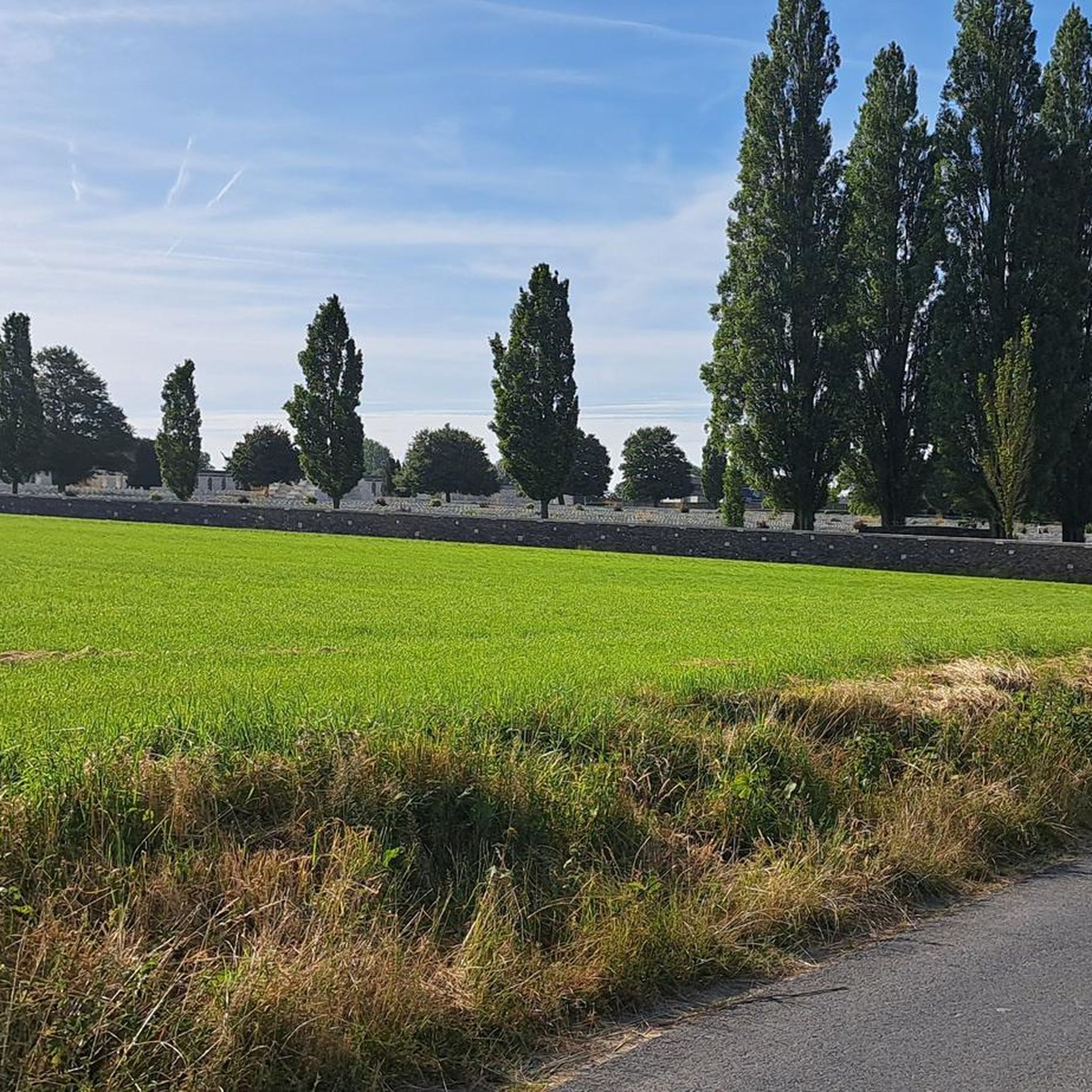
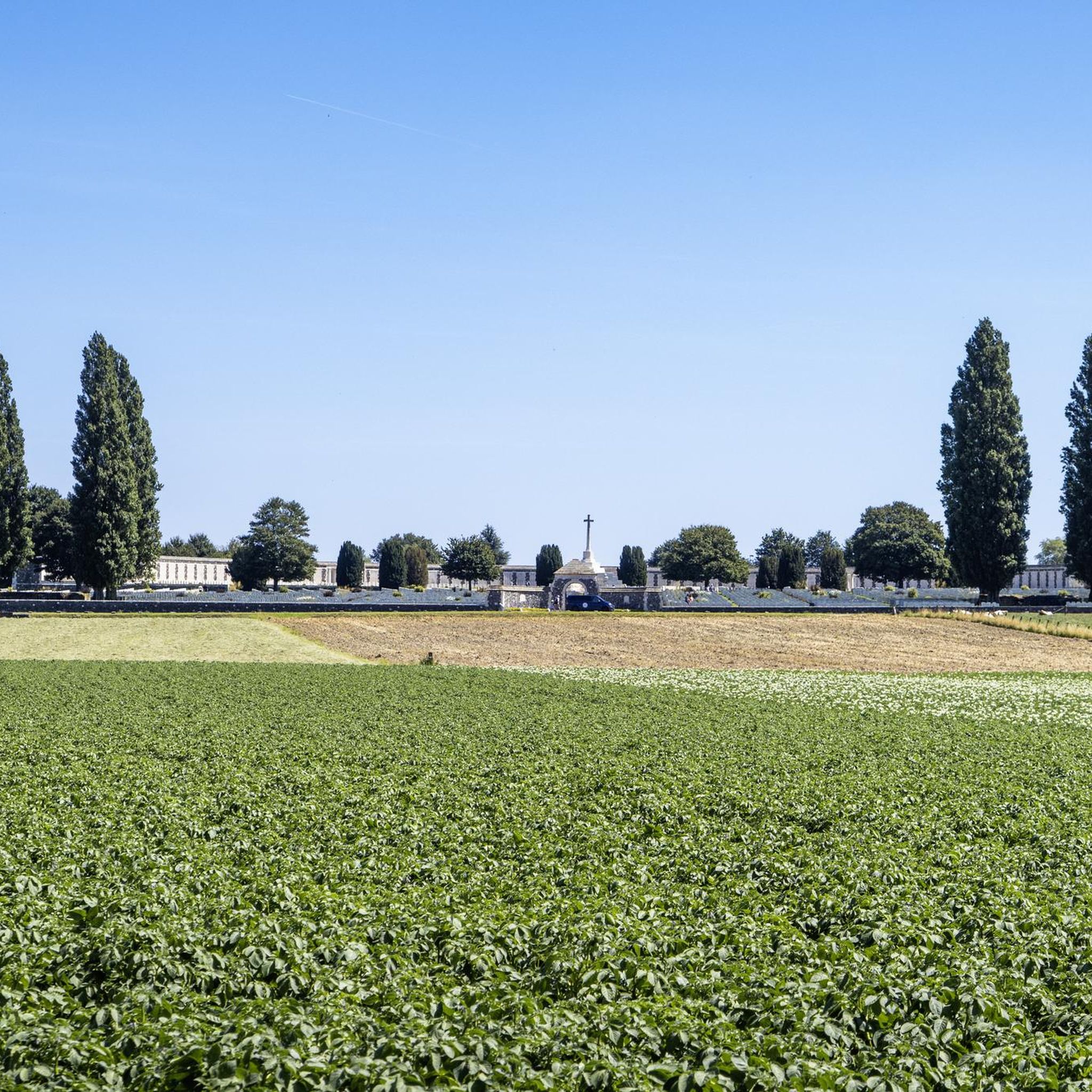
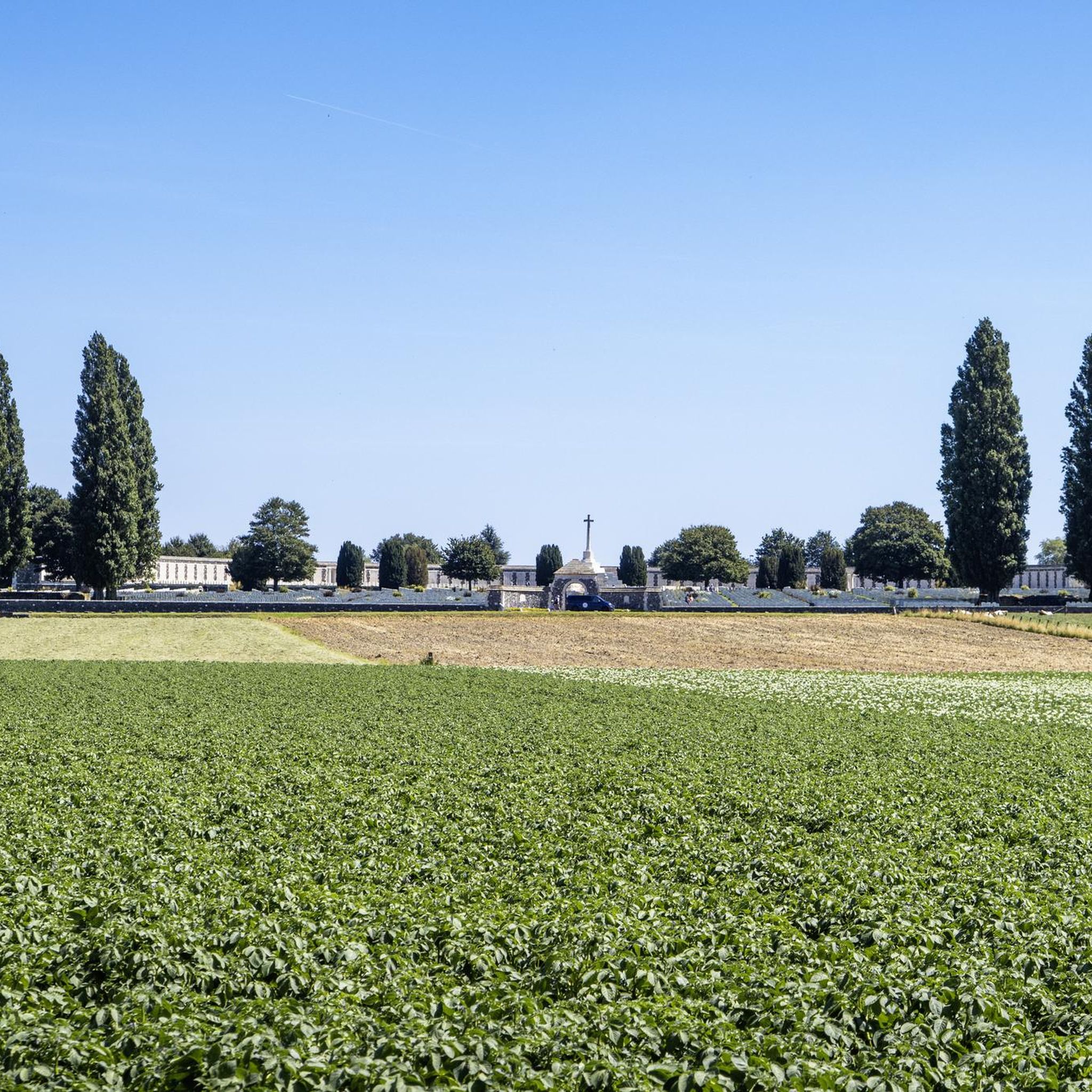
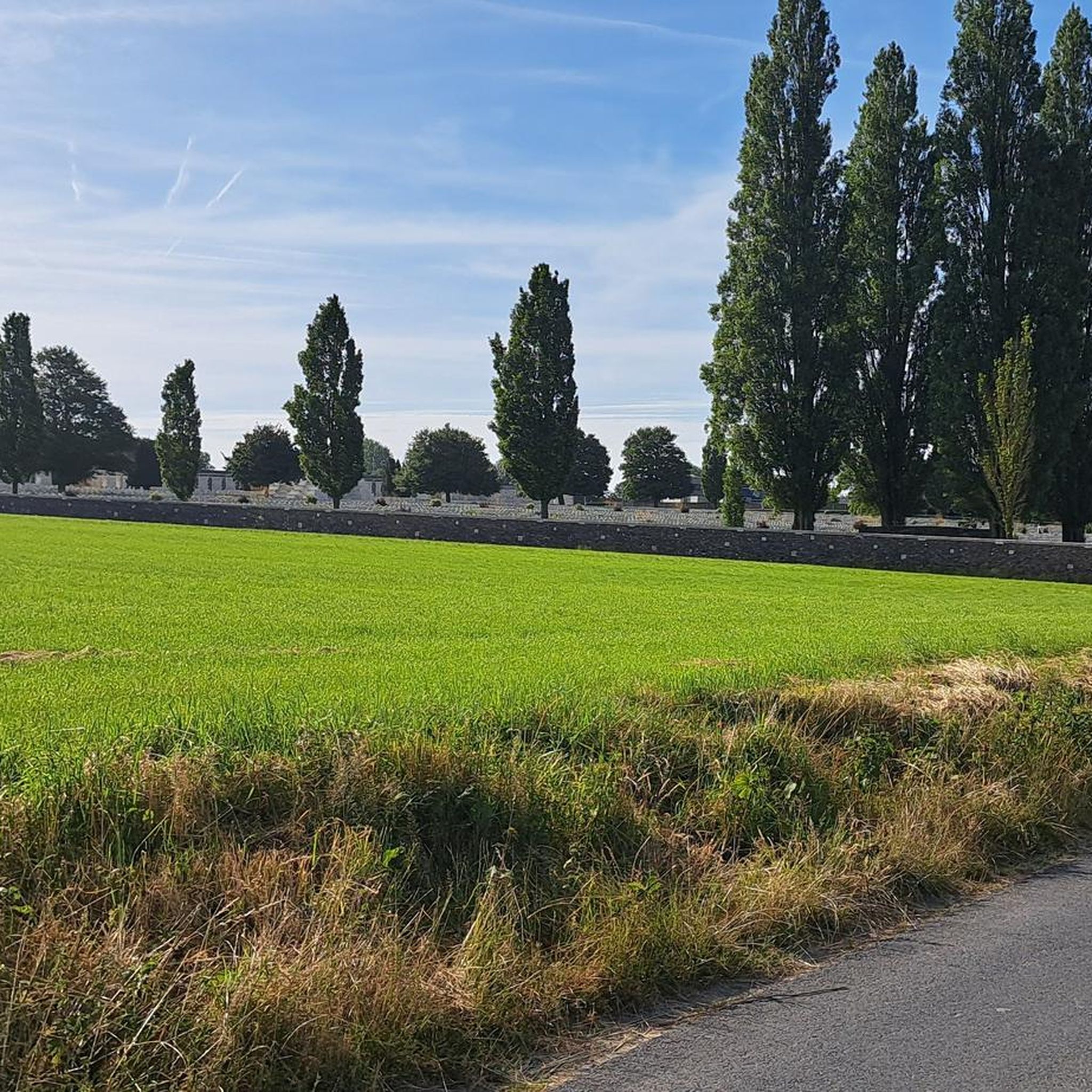
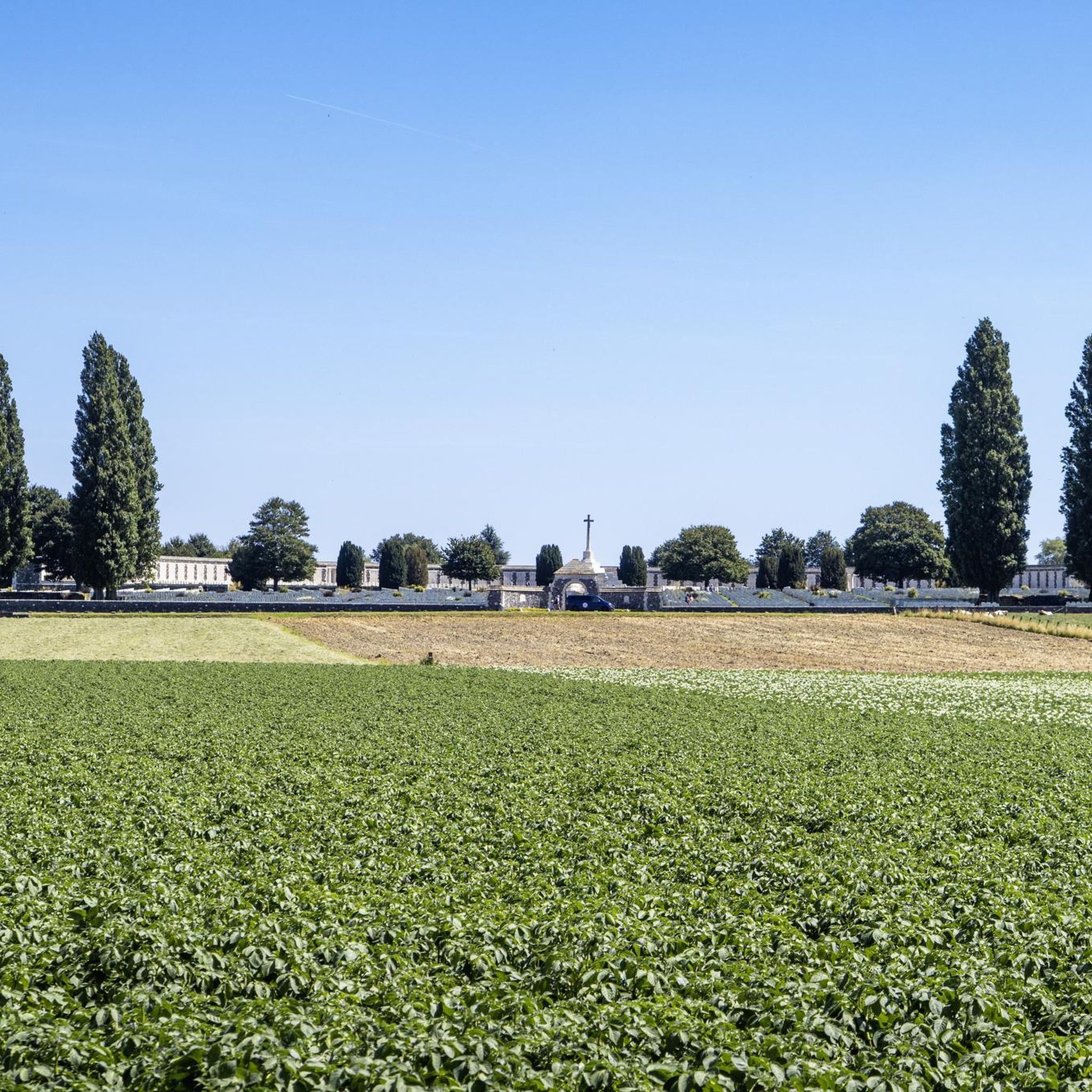
Tyne Cot Cemetery is the largest Commonwealth cemetery in the world, located near Passchendaele. It was established in October 1917 and contains over 11,000 graves of soldiers who died during the First World War. The site was strategically important during the Battle of Passchendaele and was used as an advanced dressing station after its capture by the 3rd Australian Division on 4 October 1917. The cemetery was designed by Sir Herbert Baker and includes an impressive Cross of Sacrifice, built on a former German bunker. The cemetery was significantly expanded after the Armistice to include graves from nearby battlefields and smaller cemeteries.
7
0
The Strolijn in Passendale is a former railway line, known as Spoorlijn 64, which ran between Ypres and Roeselare. This line was used during the First World War for the transport of troops and equipment. After the war, the railway line was transformed into a recreational walking and cycling route, now known as the Stroroute. The name "Strolijn" comes from the fact that the line was often used for the transport of straw and beets. The route connects the Passchendaele Museum with Tyne Cot Cemetery and offers a quiet and green environment for walkers and cyclists.
8
0
A poignant anecdote about Tyne Cot Cemetery concerns the father and son, Lieutenant Colonel Harry Moorhouse and Captain Ronald Moorhouse. Both served with the 4th Battalion, the King's Own Yorkshire Light Infantry, and were killed within an hour of each other during the Third Battle of Ypres. Harry Moorhouse was seeking medical attention for his badly wounded son when he himself was killed. Their bodies were never recovered, but their names are immortalised on the Tyne Cot Memorial.
9
0

The Road to Passchendaele is a stretch of railway between Zonnebeke and Passendale that formed a connection to the front during the First World War. Canadians, Australians and other nationalities of the Commonwealth all travelled via this railway line to Passendale to fight the Germans there. The railway runs along places that each have a special significance in the history of the First World War. More than 90 years after the Third Battle of Ypres, this connection is also becoming important to tourists. Along this route are monuments that were dedicated to the Australian and New Zealand Army Corps (ANZAC), these memorials commemorate the Australian Walk that was completed on 4 October 1917 by these corps. (info railway line 64)
1
0

Monument commemorating the Third Battle of Ypres, in which Passchendaele was captured from the Germans after 100 days and major losses. In the final phase, the Australian and New Zealand troops were relieved by Canadian troops. These reached the hills southwest of Passchendaele (Goudberg and Crest Farm) on October 30. From there, Passchendaele could be reached: a territorial gain of several hundred meters at the cost of 15,000 to 16,000 Canadians killed. Crest Farm, located on a height, was finally captured by the Canadians on November 30. The village, or what was left of it, had to be surrendered to the Germans again in the spring of 1918. The current monument stands on the site where Crest Farm once stood. It was founded after 1923. The monument is a small artificial hill that is accessed via a bluestone staircase. On the hill is a circular platform with a block of Quebec granite in the center. There is also an orientation table and an information table. Source: Wikipedia
2
0

'Silent City Meets Living City' is the experience you will have at Tyne Cot Cemetery. Visitors experience a moment of reflection with the past. Row upon row and side by side, almost 12,000 fallen brotherly rest here at Tyne Cot Cemetery. And line after line, more than 35,000 written names of missing soldiers were forever engraved in the memorial walls and niches. Just madness when you know that young heroes are being commemorated here in a 'silent city'. Visitors experience a moment of reflection with the past. A place of respect, “they gave their young lives for our freedom”. … I myself was present on October 14, 2017 at the vigil, organized by Memorial Museum Passchendaele 1917, and stood at the grave of W.J.EASDEN 22/08/1917. Since then I try to visit this Silent City regularly.
4
0
The Passchendaele Canadian Memorial End of a frenzied offensive… The Canadian Crest Memorial is located on the highest peak of the ridge around Ypres with a beautiful view of Passchendaele church. The memorial park exudes serenity. At the end of Canadalaan is a small heroic arch “The Canada Gate” in memory of those who took part in the frenzied offensive – the 3rd Battle of Passchendaele. The offensive ended at this location on November 10, 1917. After 100 days of fighting, more than 240,000 soldiers were killed on the Allied side. More than 220,000 soldiers were killed on the German side. A high toll for only 8 km of terrain gain.
2
0
Crest Farm - The Passchendaele Canadian Memorial End of a frenzied offensive… The Canadian Crest Memorial is located on the highest peak of the ridge around Ypres with a beautiful view of Passchendaele church. The memorial park exudes serenity. At the end of Canadalaan is a small heroic arch “The Canada Gate” in memory of those who took part in the frenzied offensive – the 3rd Battle of Passchendaele. The offensive ended at this location on November 10, 1917. After 100 days of fighting, more than 240,000 soldiers were killed on the Allied side. More than 220,000 soldiers were killed on the German side. A high toll for only 8 km of terrain gain.
2
0
Frequently Asked Questions
What is the primary focus of attractions in Slagveld Passendale?
The attractions in Slagveld Passendale are primarily dedicated to commemorating the World War I Battle of Passchendaele. Visitors can explore numerous historical landmarks, cultural sites, and trails that vividly portray the realities faced by soldiers and the immense human cost of the war. Key sites include the Memorial Museum Passchendaele 1917, Polygon Wood, and Hill 60, all offering profound insights into the conflict.
Are there any family-friendly attractions in Slagveld Passendale?
Yes, several sites in Slagveld Passendale are considered family-friendly, allowing for a shared educational experience. Tyne Cot Cemetery, Crest Farm Canadian Memorial, and the Strolijn Route (Ieper–Roeselare Former Railway Line) are all categorized as family-friendly. The Memorial Museum Passchendaele 1917 also offers interactive displays and reconstructed trenches that can engage older children.
What kind of outdoor activities can I do near the attractions in Slagveld Passendale?
The region offers various outdoor activities, particularly cycling and mountain biking, often following historical routes. You can explore routes like the "Stroroute Passendale – Tyne Cot Cemetery loop" for cycling or gravel biking. For more options, check out the dedicated guides for Cycling in Slagveld Passendale, MTB Trails in Slagveld Passendale, and Gravel biking in Slagveld Passendale.
Where can I find panoramic views of the former battlefields?
For a comprehensive view of the former battlefields, you can climb the 40-meter-high bell tower of the Zonnebeke Church Tower. It offers a 360-degree panoramic perspective over the landscape that was once a significant part of the Battle of Passchendaele. The Crest Farm Canadian Memorial also provides a beautiful view of Passchendaele church and the surrounding area.
Are there any specific walking trails that follow historical paths?
Yes, the The Road to Passchendaele Australian Walk, also known as the Strolijn, is a former railway line (Spoorlijn 64) that was crucial during WWI for troop and equipment transport. It now serves as a recreational walking and cycling route, connecting the Memorial Museum Passchendaele with Tyne Cot Cemetery and Passchendaele, allowing visitors to follow a historical route on foot.
What is the significance of Tyne Cot Cemetery?
Tyne Cot Cemetery is the largest Commonwealth military cemetery in continental Europe and a profoundly moving site. It is the final resting place for nearly 12,000 soldiers, and its Memorial Wall bears the names of 34,957 missing soldiers who fell after August 15, 1917. A visitor center helps contextualize the horror of the Battle of Passchendaele and provides a space for reflection.
What can I expect to see at the Memorial Museum Passchendaele 1917?
The Memorial Museum Passchendaele 1917 offers an immersive experience into the Third Battle of Ypres. It features interactive displays, historical artifacts, images, and videos. Visitors can explore a reconstructed dugout tunnel, showcasing the miserable living conditions of soldiers underground, and walk through recreated German and British trenches. The museum is situated in the castle grounds of Zonnebeke, a central location of the former battlefield.
What is Polygon Wood and what can I find there?
Polygon Wood was strategically significant during the Battle of Passchendaele. Today, it still contains the remains of several shelters. Deep within the wood, you can find Buttes New British Cemetery and the New Zealand Memorial to the Missing, commemorating 383 New Zealand soldiers. The Memorial to the 5th Australian Division is also located on a hill within Polygon Wood. ANZAC Day services are held here annually.
Are there any specific memorials dedicated to Canadian soldiers in the region?
Yes, the Crest Farm Canadian Memorial commemorates the actions of the Canadian Corps during the Second Battle of Passchendaele. It stands on the former site of Crest Farm, an objective captured by the 4th Canadian Division. Additionally, the Passchendaele Canadian Memorial and the Canada Gate also honor the Canadian soldiers who participated in the Third Battle of Passchendaele.
What is the best time of year to visit Slagveld Passendale?
While the region can be visited year-round, spring and autumn generally offer pleasant weather for exploring the outdoor sites and trails. These seasons avoid the peak heat of summer and the colder, potentially muddier conditions of winter. Visiting during ANZAC Day (April 25) offers a unique opportunity to witness commemorative services at sites like Polygon Wood.
Are there facilities for visitors at the main historical sites?
Yes, at major sites like Tyne Cot Cemetery, there is a visitor center that provides information and context. The Memorial Museum Passchendaele 1917 also offers comprehensive facilities. Many sites are accessible, and information panels are common. It's advisable to check specific opening hours for museums and visitor centers before your visit.
What is the historical significance of Hill 60?
Hill 60 was a crucial strategic point during WWI, captured by the 11th Battalion West Yorkshire Regiment in 1917. It was a site where massive mines were detonated during the Battle of Messines. The 1st Australian Tunnelling Company's memorial is located here, acknowledging their role in blowing a mine with over 53,000 lbs of explosives, creating the notable Caterpillar Crater.
Most popular routes in Slagveld Passendale

Get inspired with the komoot mobile app


Explore more
Still not found the Highlight you’re looking for? See guides of the top attractions in other regions:
