The best cycling routes in Dunbergbroek (Hagelandse Vallei)
4.3
(1813)
28,388
riders
879
rides
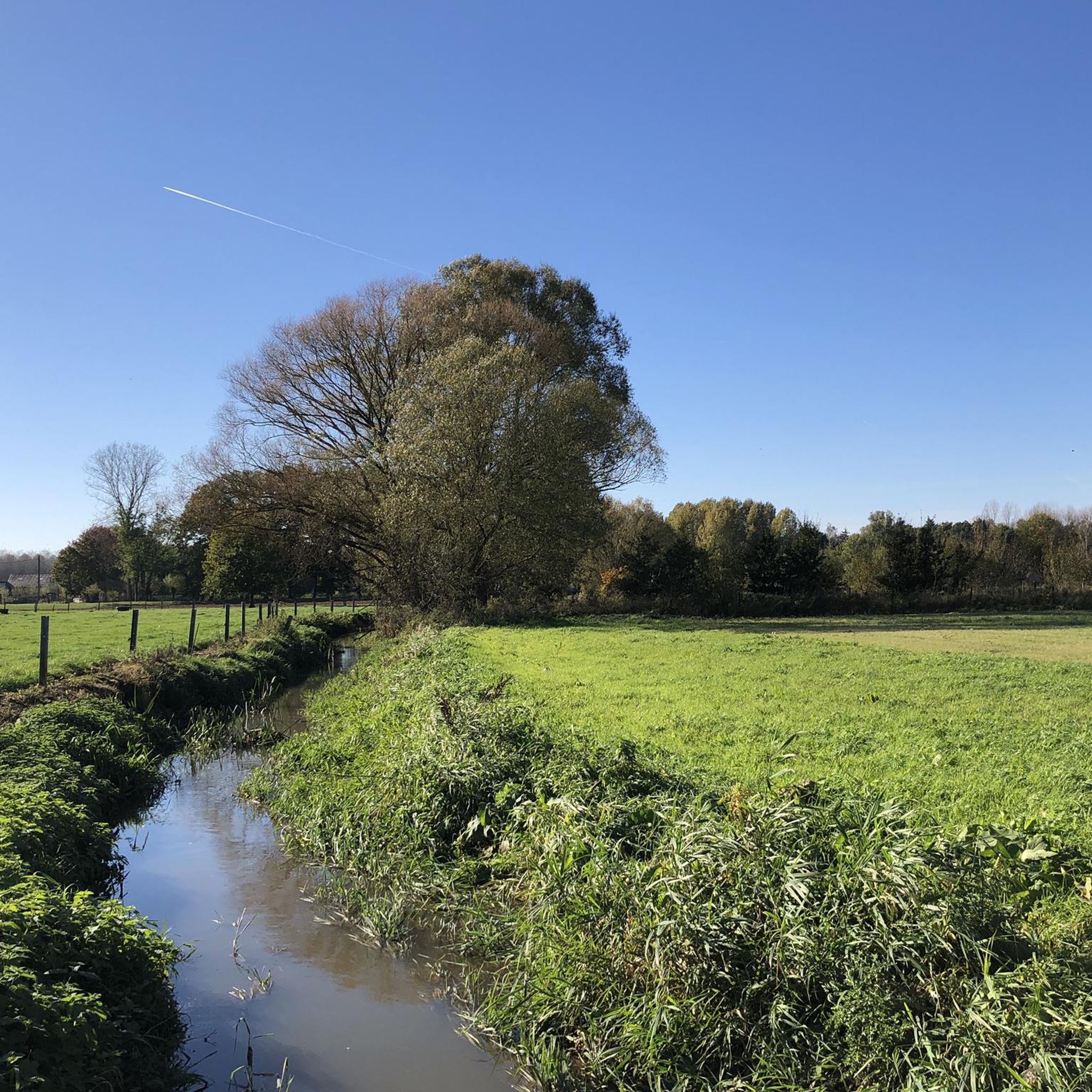
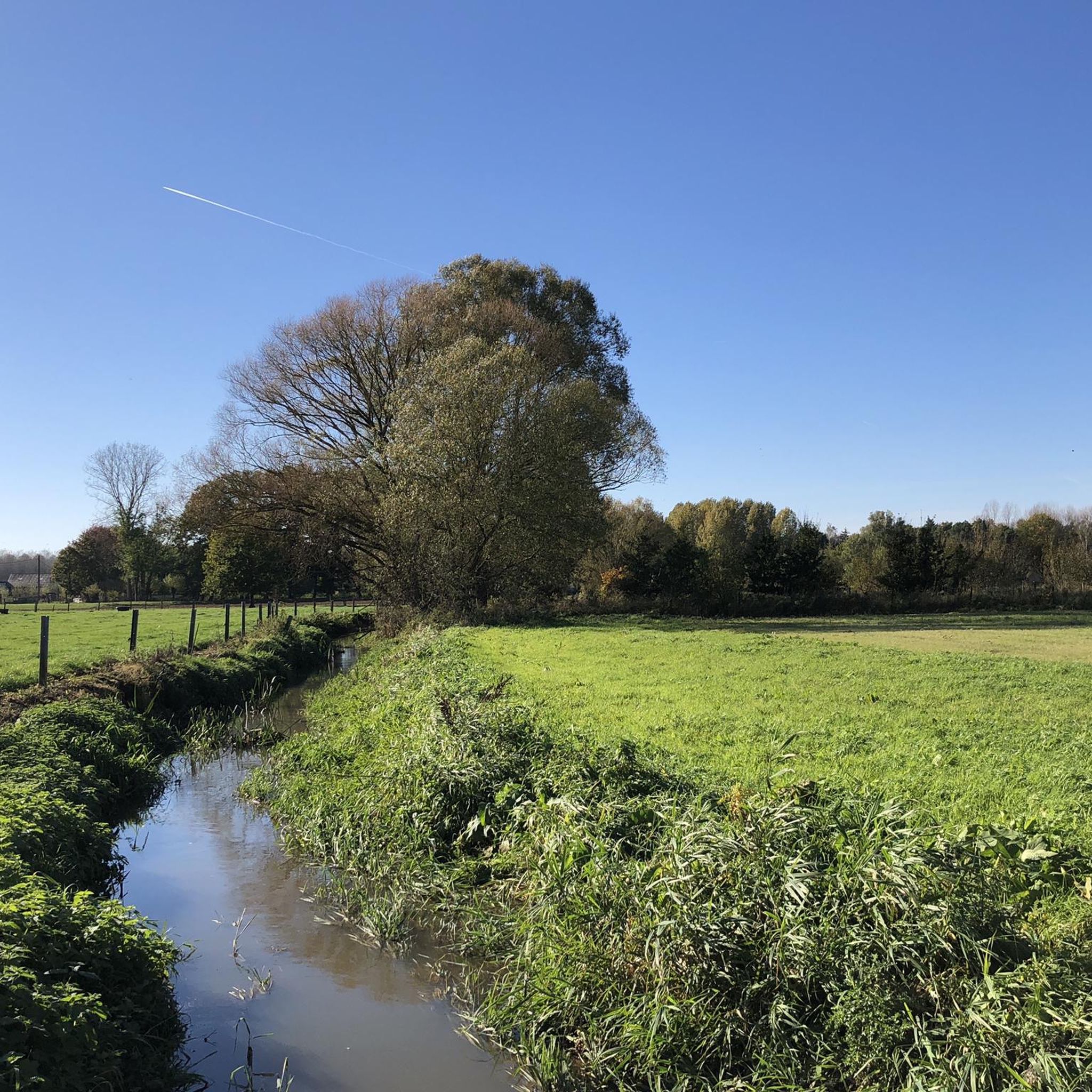
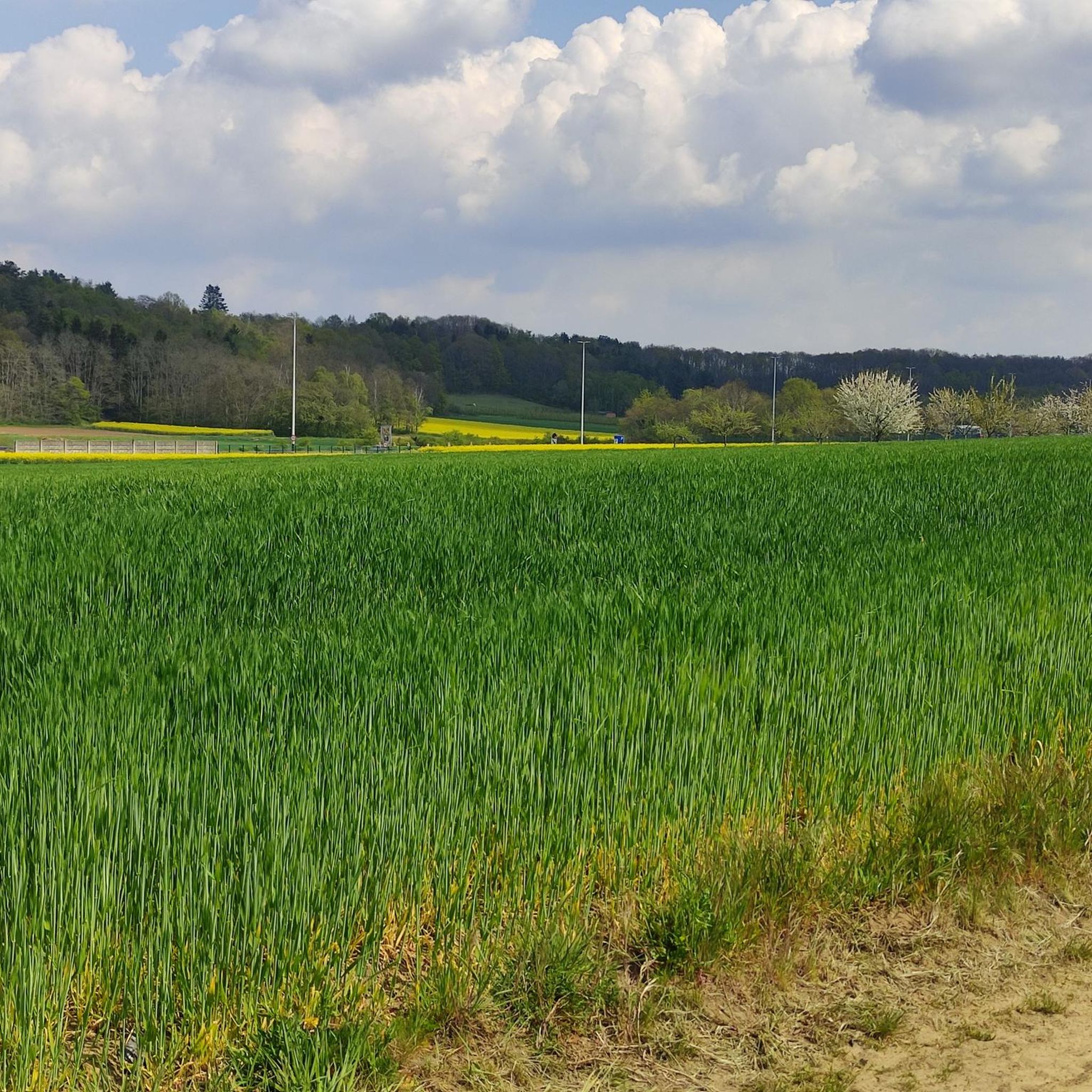
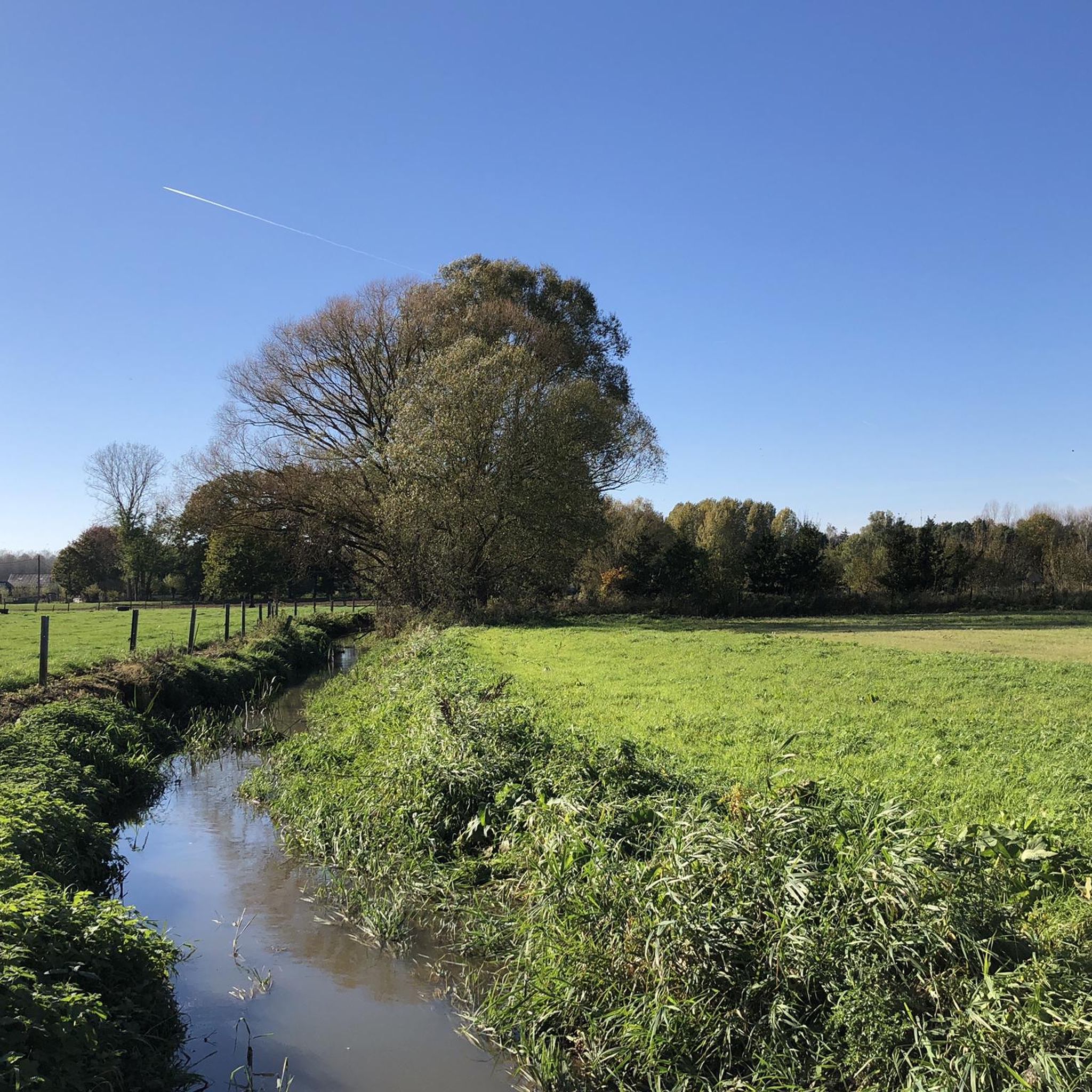
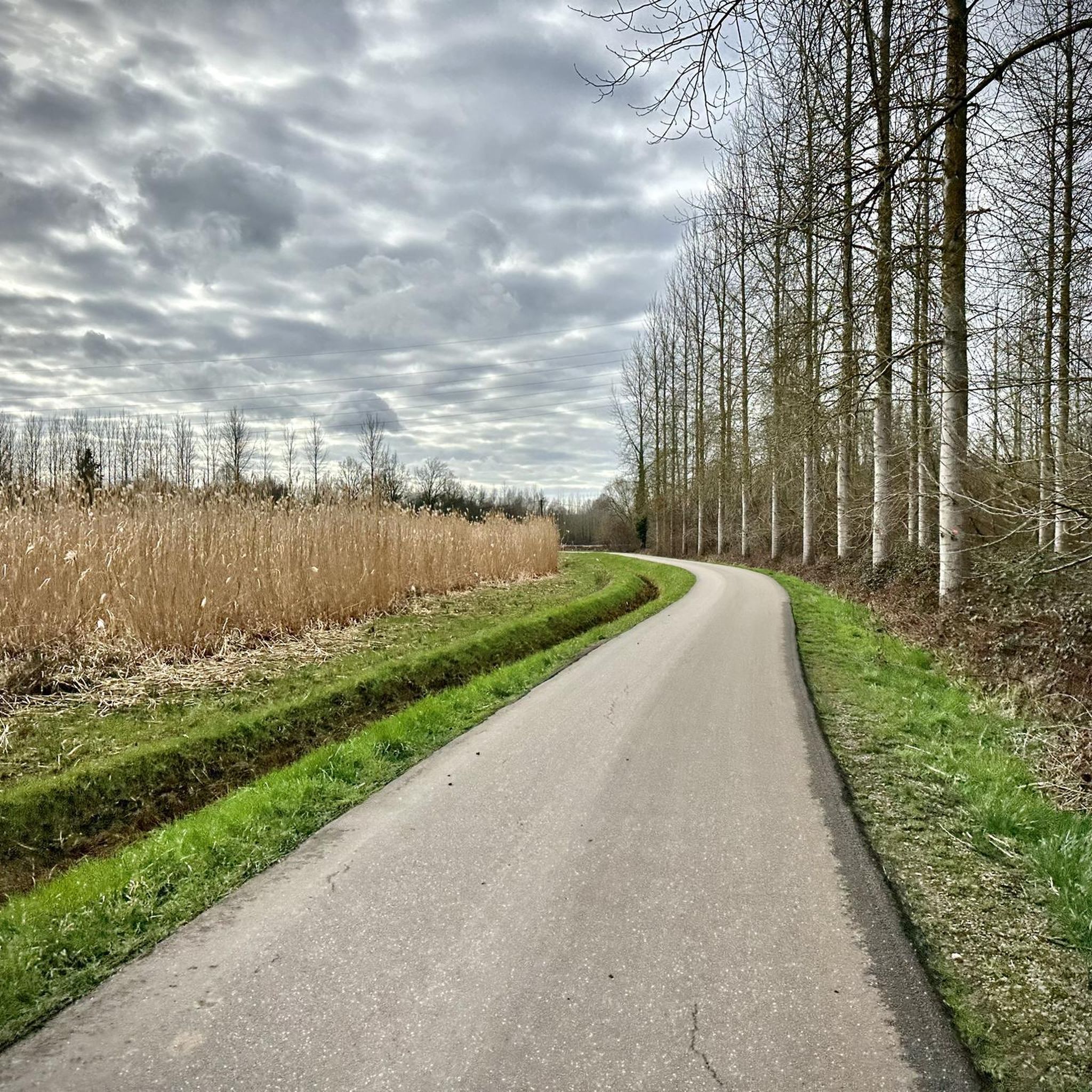
Touring cycling in Dunbergbroek (Hagelandse Vallei) offers a diverse landscape characterized by rolling hills, broad valleys, and a mosaic of forests and fertile fields. Winding streams, such as the Winge and Motte, meander through the region, contributing to its picturesque scenery. The area features an extensive network of well-maintained cycle paths, making it suitable for various skill levels. This region is known for its ecological richness, with pure seepage water supporting diverse flora and fauna.
Best touring cycling routes in…
Last updated: July 10, 2026
4.8
(9)
64
riders
29.8km
01:47
80m
80m
Easy bike ride. Great for any fitness level. Mostly paved surfaces. Suitable for all skill levels.
14
riders
11.7km
00:42
30m
30m
Easy bike ride. Great for any fitness level. Mostly paved surfaces. Suitable for all skill levels.

Sign up for free
3
riders
9.91km
00:35
50m
40m
Easy bike ride. Great for any fitness level. Mostly paved surfaces. Suitable for all skill levels.
11
riders
Easy bike ride. Great for any fitness level. Mostly paved surfaces. Suitable for all skill levels.
8
riders
5.72km
00:22
10m
10m
Easy bike ride. Great for any fitness level. Mostly paved surfaces. Suitable for all skill levels.
Get access to more routes and recommendations from other explorers.
Sign up for free
Already have an account?
Our route recommendations are based on thousands of hikes, rides, and runs completed by other people on komoot.
Start today with a free account
Your next adventure awaits.
Login or Signup
Tips from the Community

Beautiful church, but drove past it.
0
0

The city of Leuven and its surroundings offer superb cycling infrastructure. This impressive crossing of the train station is part of it.
0
0

This monumental pulpit was made for the abbey church (Norbertines) of Ninove and consists of a rock and two palm trees. At the bottom, the conversion of Norbert is depicted, and Peter in a cave. In 1807, it was transferred to St. Peter's Basilica in Leuven. Source and more: https://ornamentsnijder.blogspot.com/2024/05/preekstoel-in-de-collegiale-sint.html
5
0

This bike path, which runs directly over the railway tracks through the main station, is very convenient. Simply take the elevator up, hop on your bike 🚲, and head into the city 👍
1
0
St. Peter's Church is one of those churches with works by several Flemish masters. Dieric Bouts is usually the first to come to mind. You should definitely see the Triptych with the Martyrdom of Saint Erasmus and the Altarpiece of the Holy Sacrament, the latter described as "a milestone in painting in the Low Countries." But there is, of course, much more. The most important pieces and all the information about Bouts's two works can be found at https://www.flemishmastersinsitu.com/nl/locaties/sint-pieterskerk-leuven
8
1
Together with the town hall on the opposite side, the former collegiate church of St. Peter forms the heart of Leuven, situated at the intersection of the roads to Diest, Tienen, Namur, Brussels, and Mechelen. As the city's oldest ecclesiastical institution, St. Peter's Church is located halfway up the hillside east of the Dijle River. The oldest archaeologically attested church on the site dates from the early 11th century and was probably built at the initiative of Lambert I, Count of Leuven. St. Peter's Church received collegiate status in 1054, after Lambert I had already assigned seven canons to the church in 1015. Excavations carried out in 1950 following the damage caused by World War II unearthed the remains of the Romanesque St. Peter's Church. The nave and choir probably belonged to the 11th-century church; The transept, the west building with flanking round stair towers, and the eastern central building with crypt were more recent additions. Inventory of Immovable Heritage: Parish Church of St. Peter, https://id.erfgoed.net/erfgoedobjecten/42127
9
1
The core of Horst Castle probably dates back to the 13th century and is characterised by a square keep. The keep probably belonged to the oldest core that was further expanded into a fortified castle in the 15th century. During the troubles under Maximilian of Austria in 1489, the castle of Horst was taken by the people of Leuven and set on fire. According to literary sources, only the keep, part of the entrance gate and a defensive wall remained standing. The residential and east wing were renovated and expanded in the 16th century. The round tower also dates from this period. The outer wall was provided with a rectangular bay window. The castle lost its military character and became more of a pleasant residential area with a view of the moat, the ponds and the inner courtyard. Brick construction with sandstone layers characterise these buildings. In 1587, however, the castle was set on fire again during the raids of the Geuzen. It was not until the beginning of the 17th century that restoration work began. It is difficult to deduce from the available sources to what extent this involved restoration or an embellishing conversion of the castle complex. Presumably nothing changed in the internal structure, but only after the structurally necessary repairs were the interiors completely refinished. Maria-Anna Van den Tympel had a new chapel built against the keep in the 17th century. At the beginning of the 19th century, the complex must have been damaged by plundering and neglect, and it is possible that it also suffered from plundering during the Brabant Revolution of 1830. Around 1850, the castle must have been habitable again, but the castle buildings only served as a farm. In the land registry, the site around the castle is called "De Notelaren Boomgaerd". Around that time, the most dilapidated part must have been demolished, namely the southern part and the superstructure of the gate. The rest of the complex was probably restored with reused demolition material and in traditional style. The castle was divided in 1880, with one part being registered as a school house. In 1897, a further division followed, with two plots being designated as houses. Several restoration campaigns followed in the 20th century. Inventory of Immovable Heritage: Horst Castle, https://id.erfgoed.net/erfgoedobjecten/43619
6
0
Frequently Asked Questions
How many touring cycling routes are available in Dunbergbroek (Hagelandse Vallei)?
There are over 760 touring cycling routes available in Dunbergbroek (Hagelandse Vallei), offering a wide variety of options for different preferences and skill levels.
What kind of terrain can I expect when touring cycling in Dunbergbroek (Hagelandse Vallei)?
The region is characterized by picturesque rolling hills, broad valleys, and a diverse mosaic of forests, grasslands, and fertile fields. You'll also find winding streams like the Winge and Motte meandering through the landscape, creating scenic views. The extensive cycling network includes well-paved surfaces, making it ideal for touring cyclists.
What do other cyclists say about the touring routes in Dunbergbroek (Hagelandse Vallei)?
The touring cycling routes in Dunbergbroek (Hagelandse Vallei) are highly rated by the komoot community, with an average score of 4.3 stars from over 1600 reviews. Cyclists often praise the varied terrain, well-maintained paths, and the beautiful natural scenery.
Are there touring cycling routes suitable for beginners or families in Dunbergbroek (Hagelandse Vallei)?
Yes, the region offers many easy touring cycling routes, with over 430 paths categorized as easy. These routes are generally flat or feature gentle climbs, making them perfect for families or those new to touring cycling. An example is the Asphalt Path Behind Wingepark loop from Wezemaal, which is a short and easy ride.
Are there any circular touring cycling routes in Dunbergbroek (Hagelandse Vallei)?
Yes, many touring cycling routes in Dunbergbroek (Hagelandse Vallei) are designed as loops, allowing you to start and end at the same point. For instance, the Geestemolenweg – Horst Castle loop from Kortrijk-Dutsel offers a scenic circular ride past a historic landmark.
What interesting landmarks or natural features can I see along the touring cycling routes?
Along the routes, you can discover historical sites such as the Uithemmolen Watermill (Vlasselaar, Wezemaal). Nature enthusiasts will appreciate the diverse nature reserves, rich biodiversity, and in spring, expansive carpets of wood anemones in Dunbergbroek. You might also find charming picnic spots, like the one by the Winge river with kingfisher information panels.
Are there any specific viewpoints along the touring cycling routes?
While specific named viewpoints aren't highlighted, the region's rolling hills and broad valleys naturally offer numerous scenic vistas. Routes often pass through open fields and along winding streams, providing picturesque views of the Hagelandse Vallei's diverse landscape. The Cycling Along the Field – Leuven Town Hall loop from Holsbeek, for example, offers views of open fields and local landmarks.
Is Dunbergbroek (Hagelandse Vallei) suitable for dog-friendly touring cycling?
The extensive network of paths through forests, grasslands, and fields makes Dunbergbroek (Hagelandse Vallei) generally suitable for cycling with dogs, provided they are well-behaved and kept on a leash where required, especially in nature reserves. Always check local regulations for specific areas.
What is the best time of year for touring cycling in Dunbergbroek (Hagelandse Vallei)?
Spring is particularly beautiful, with expansive carpets of wood anemones in bloom. The milder temperatures of spring and autumn generally offer the most comfortable cycling conditions. Summer is also popular, but can be warmer, while winter cycling is possible but may require appropriate gear for colder, potentially wetter conditions.
Are there cafes or restaurants near the touring cycling routes?
Yes, the region has charming villages and towns where you can find cafes, pubs, and restaurants to refuel during or after your ride. While specific locations aren't listed here, the local infrastructure caters to visitors exploring the area.
Where are good starting points for touring cycling routes in Dunbergbroek (Hagelandse Vallei)?
Many routes start from towns and villages within or bordering the region, such as Holsbeek or Kortrijk-Dutsel. These locations often provide convenient access to the cycling network and amenities. For example, the popular Cycling Along the Field – Meesberg Climb loop starts from Holsbeek.
Are there any permits required for cycling in the nature reserves of Dunbergbroek (Hagelandse Vallei)?
Generally, no specific permits are required for cycling on designated paths within the nature reserves of Dunbergbroek (Hagelandse Vallei). However, it's always advisable to stay on marked routes and respect local signage to protect the rich biodiversity of areas like Kloosterbroekbos and Horst.
Most popular routes in Dunbergbroek (Hagelandse Vallei)
Most popular attractions in Dunbergbroek (Hagelandse Vallei)

Get inspired with the komoot mobile app


Explore more
Browse the best Cycling routes in other regions.
