Westhoekduinen, Duinen Van Cabour, De Moeren En Plateau Van Izenberge
Westhoekduinen, Duinen Van Cabour, De Moeren En Plateau Van Izenberge
Attractions and Places To See in Westhoekduinen, Duinen Van Cabour, De Moeren En Plateau Van Izenberge - Top 20
Best attractions and places to see in Westhoekduinen, Duinen Van Cabour, De Moeren En Plateau Van Izenberge offers a diverse landscape ranging from ancient dune systems to historical polder areas and elevated agricultural plateaus. This region features significant natural reserves, including the Westhoekduinen with its varied dune belts and rich biodiversity, and the Duinen Van Cabour, known for its ecological value and historical relics. De Moeren presents a unique drained polder landscape with historical windmills, while the Plateau Van Izenberge…
Last updated: July 5, 2026
Maerebrug (Maere Bridge) over the Nieuwpoort–Dunkirk Canal
Highlight • Bridge
Translated by Google •
Tip by

Belgium–France Border at Grenspad and 1819 Border Marker
Highlight • Monument
Translated by Google •
Tip by

Sign up now to discover places like this
Get recommendations on the best single tracks, peaks, & plenty of other exciting outdoor places.
Sign up for free
Krakeelduinen Nature Reserve
Highlight • Natural
Translated by Google •
Tip by

Nieuwpoort–Dunkirk Canal
Highlight (Segment) • River
Translated by Google •
Tip by

Pier Kloeffe Statue, De Panne
Highlight • Monument
Translated by Google •
Tip by

Sign up for free to discover even more attractions in Westhoekduinen, Duinen Van Cabour, De Moeren En Plateau Van Izenberge.
Sign up for free
Already have an account?
Start today with a free account
Your next adventure awaits.
Login or Signup
Popular around Westhoekduinen, Duinen Van Cabour, De Moeren En Plateau Van Izenberge
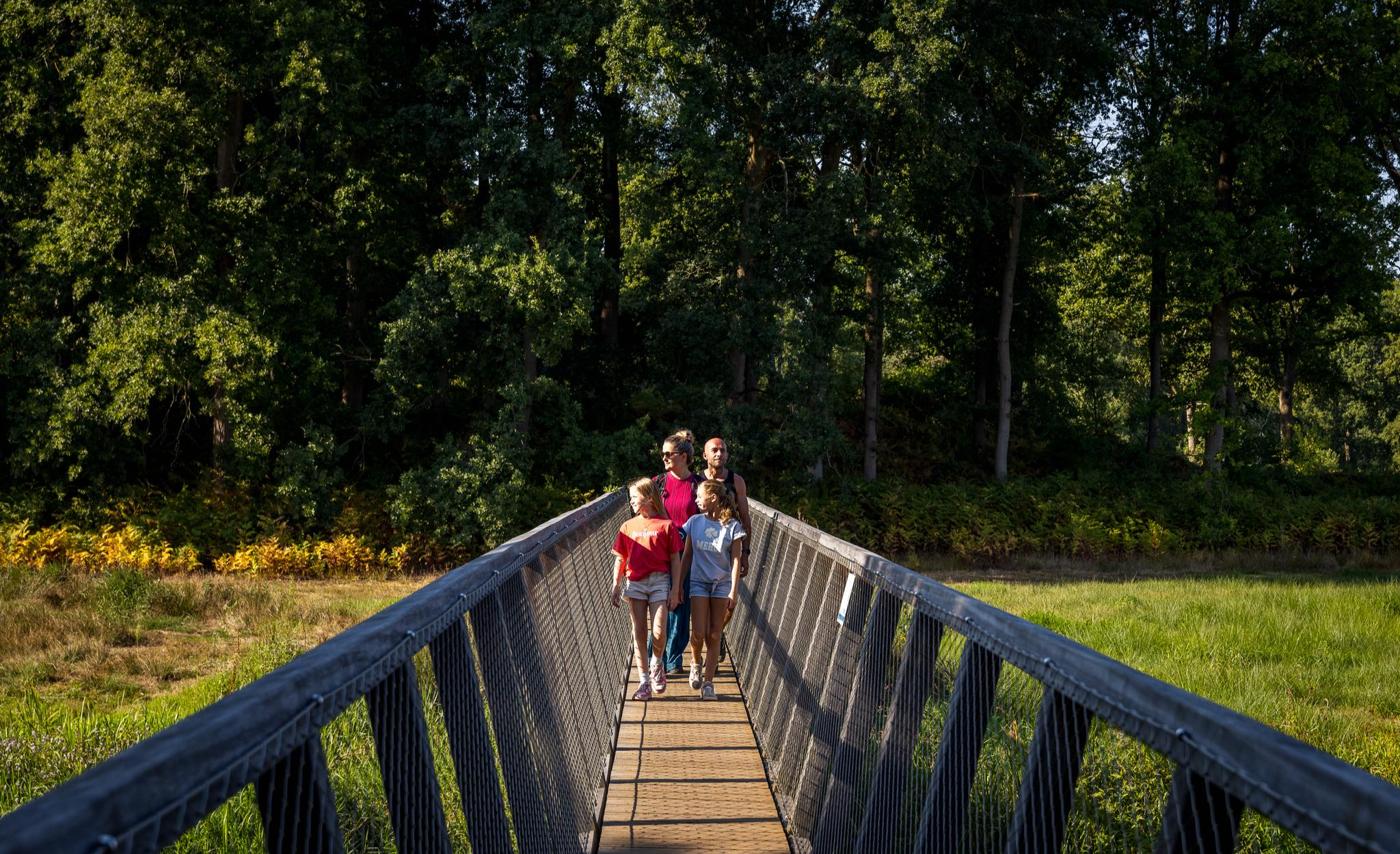
Flanders’ Finest Hiking Routes
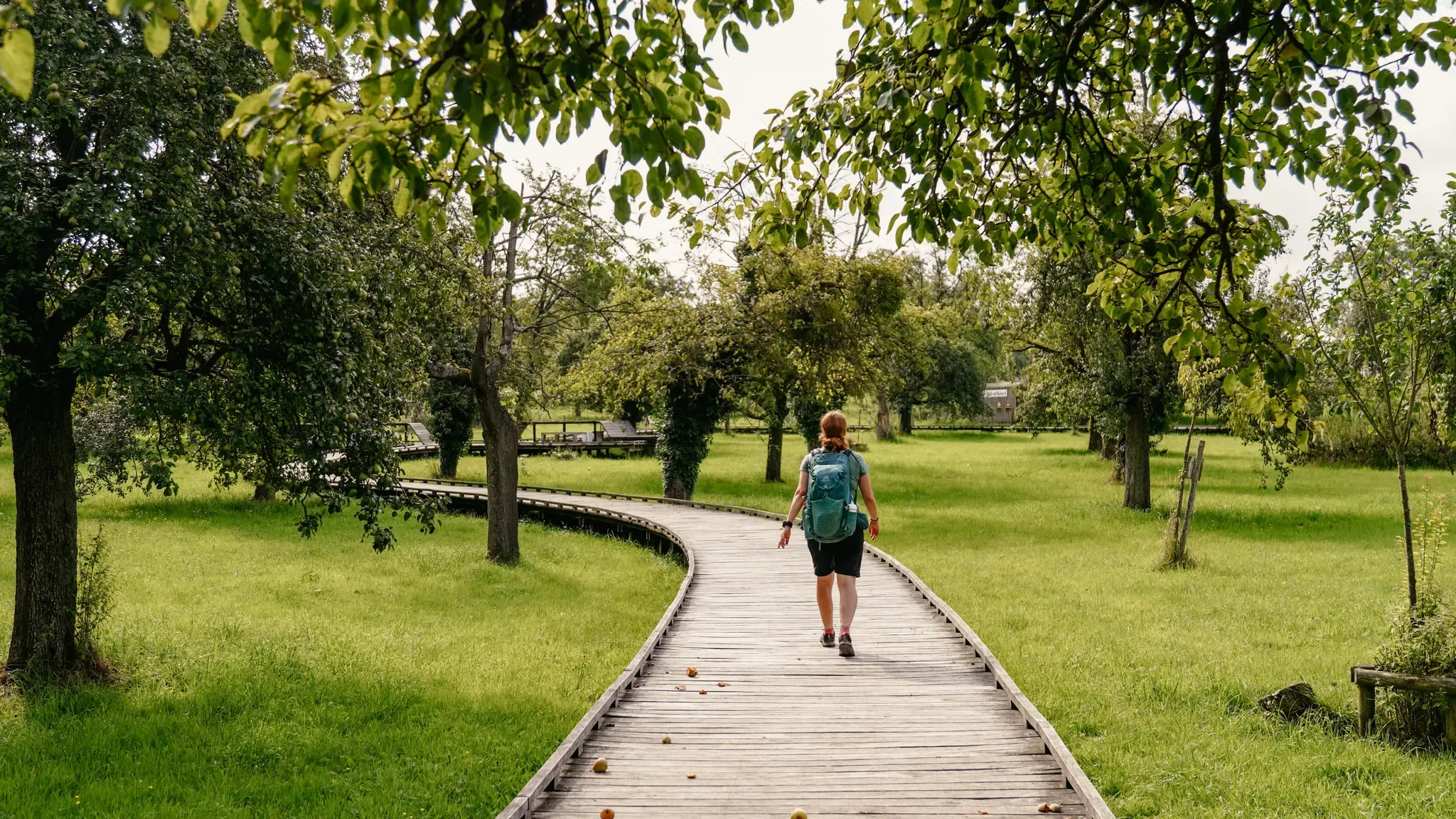
Hiking in Flanders – between dunes, forest and the scenic Meuse
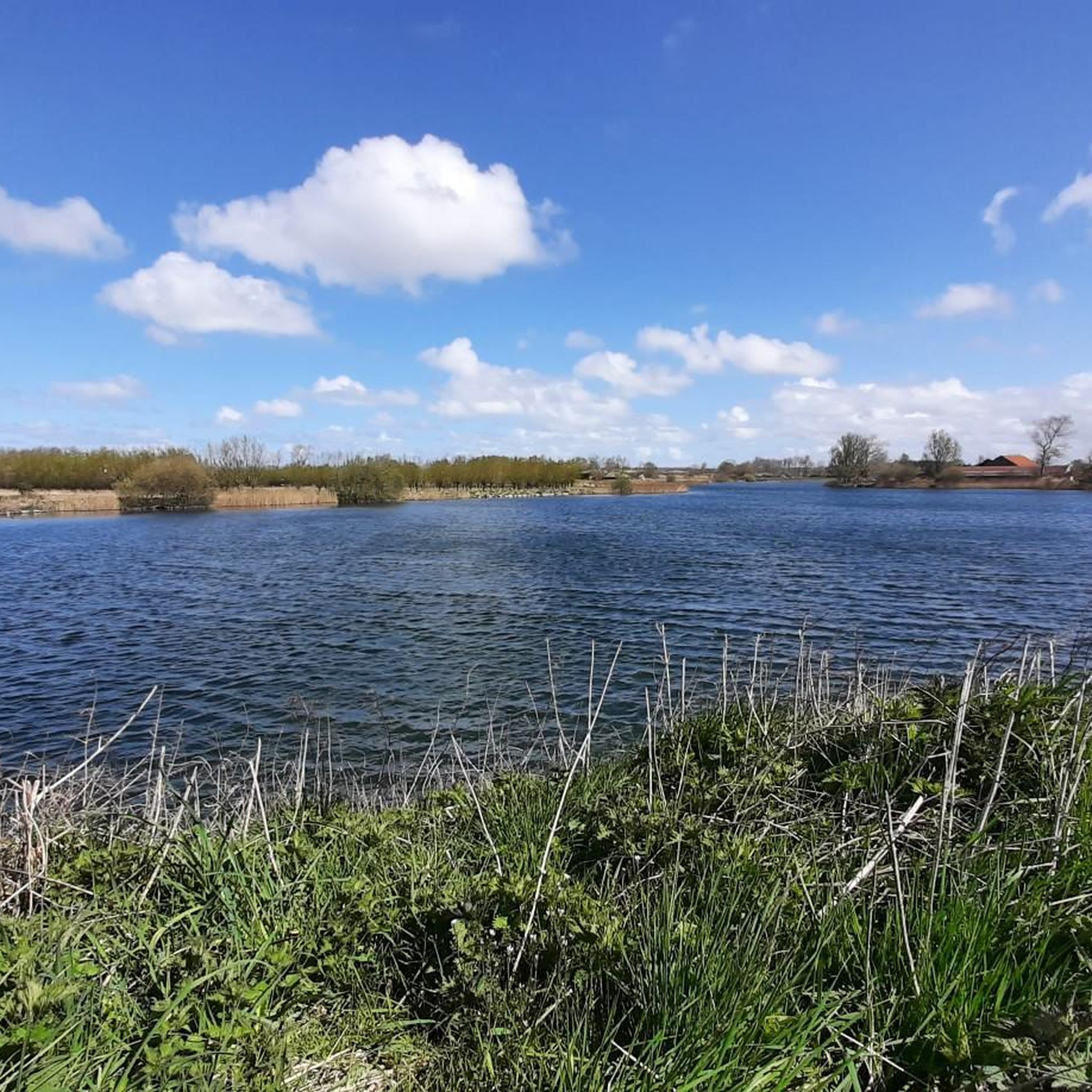
Hiking in Westhoekduinen, Duinen Van Cabour, De Moeren En Plateau Van Izenberge
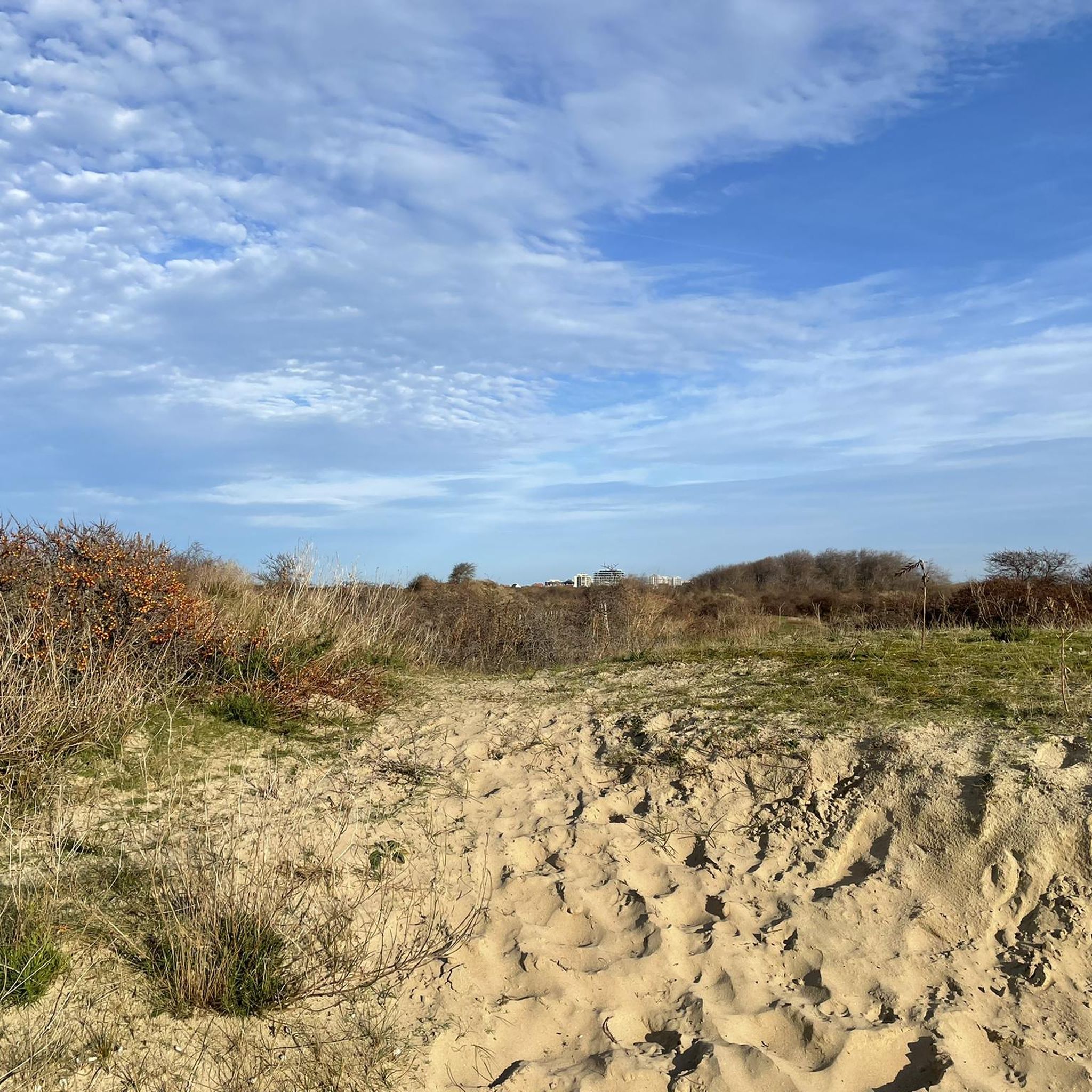
Road Cycling Routes in Westhoekduinen, Duinen Van Cabour, De Moeren En Plateau Van Izenberge
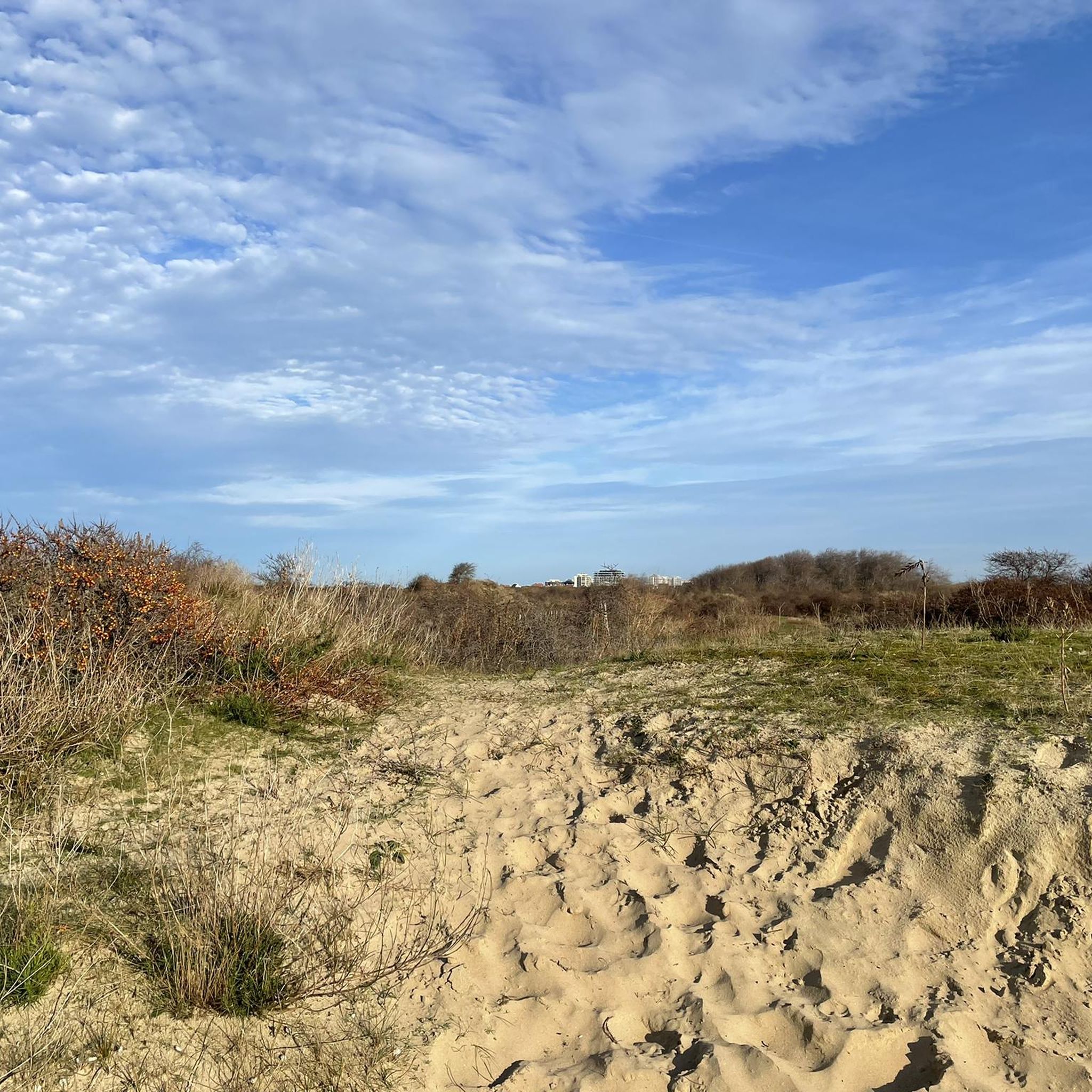
MTB Trails in Westhoekduinen, Duinen Van Cabour, De Moeren En Plateau Van Izenberge
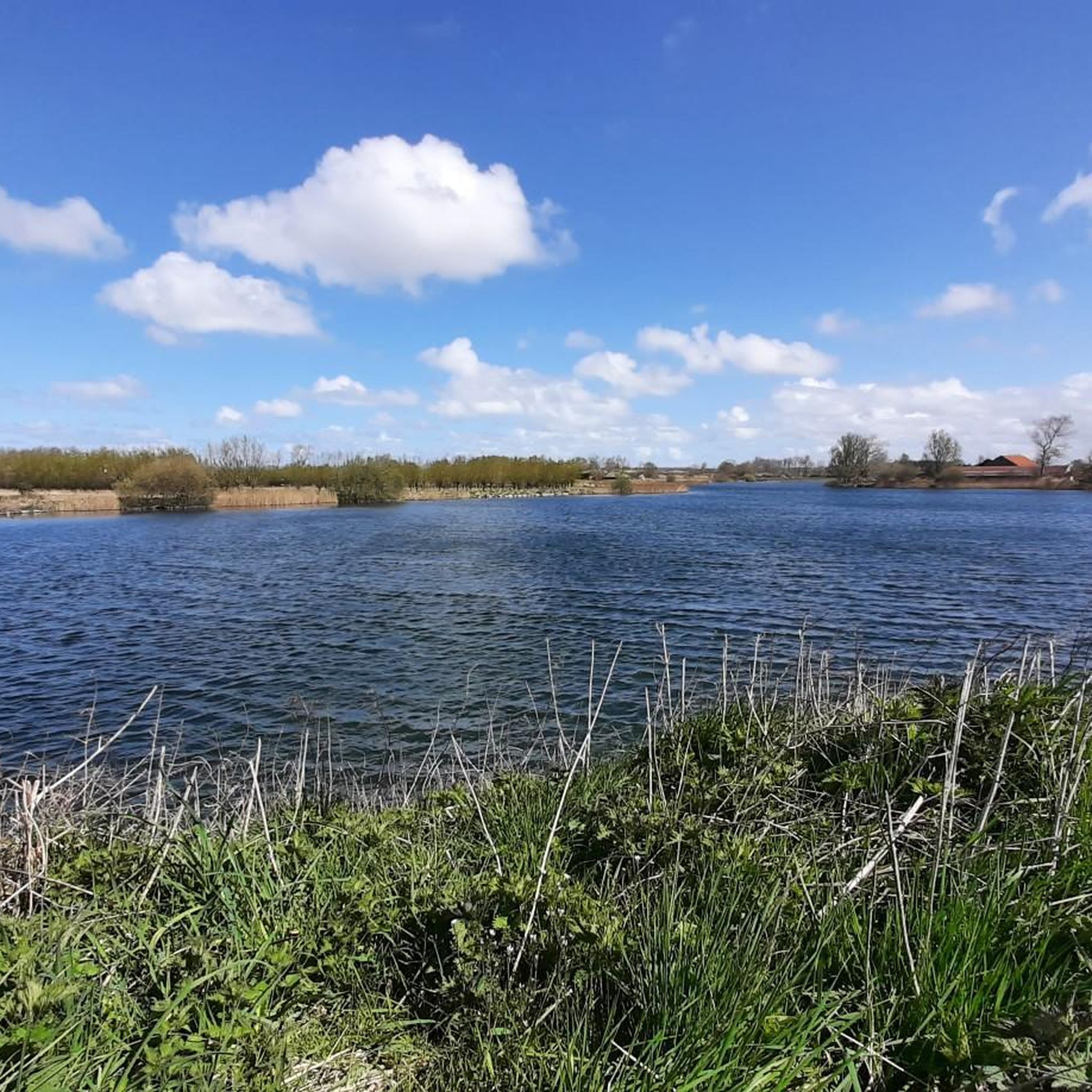
Cycling in Westhoekduinen, Duinen Van Cabour, De Moeren En Plateau Van Izenberge
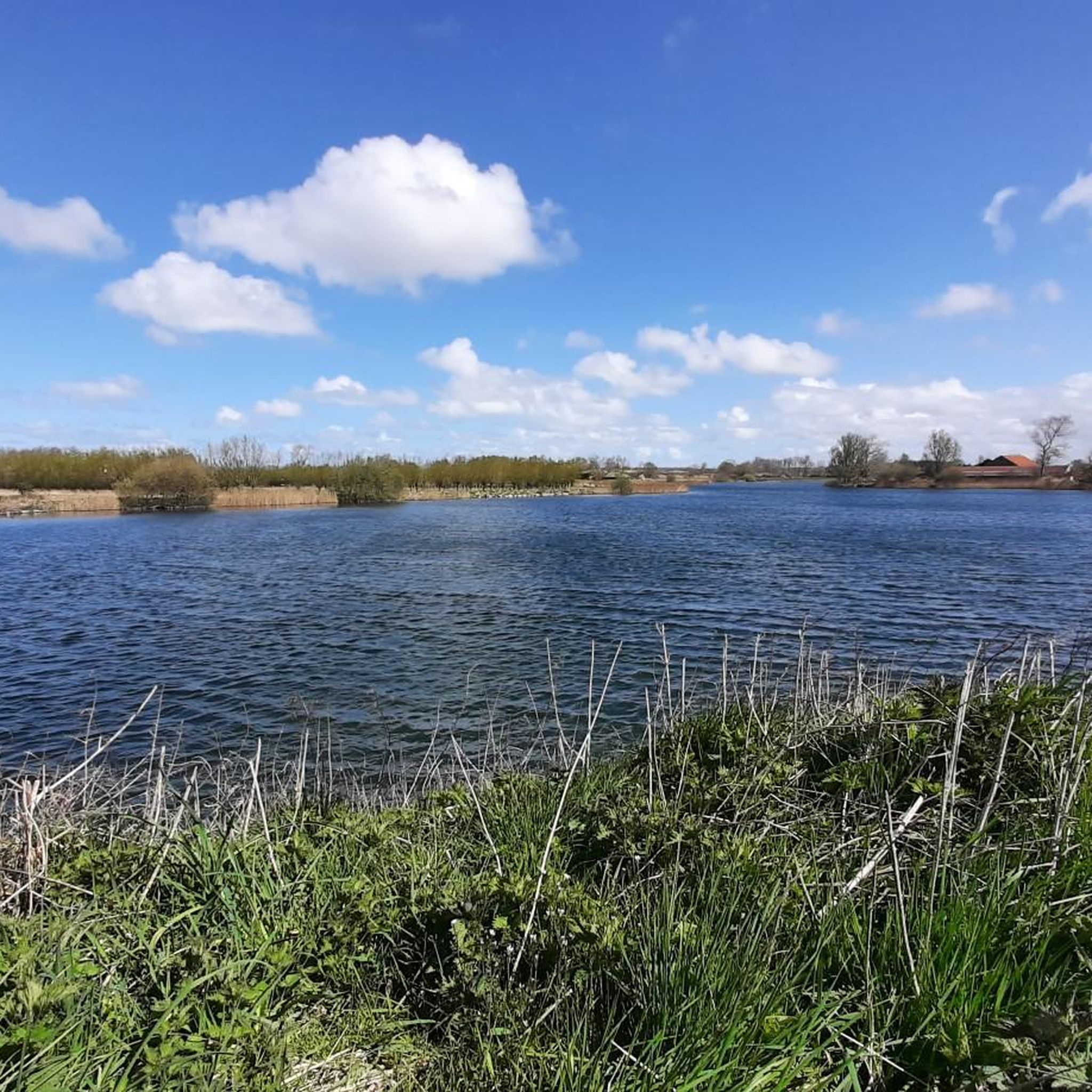
Running Trails in Westhoekduinen, Duinen Van Cabour, De Moeren En Plateau Van Izenberge
Gravel biking in Westhoekduinen, Duinen Van Cabour, De Moeren En Plateau Van Izenberge
Other adventures in Westhoekduinen, Duinen Van Cabour, De Moeren En Plateau Van Izenberge

Tips from the Community

The route contains many sections with cobblestones and a couple of sections of unpaved road. There were also two roadworks, where you had to walk past.
0
0

Petrus Decreton may not sound familiar, but you'll probably recognize his nickname, Pier Kloeffe. The Icelandic explorer who regularly fished on the beach after the First World War was immortalized in a bronze statue by Louis Van Den Eynde. Source: https://www.strandverblijf.be/nl/wandelingen/beeldenroute-de-panne
4
0
First of all, this boundary marker on the beach is completely new, as an earlier one was irreparably damaged in 2021. The date and initials refer to the brief period from 1814 to 1830 when France bordered the Netherlands. The former boundary marker was first erected in 1819. Now, this boundary marker 2.0 marks the border between Belgium and France. The point also indicates the westernmost point of Belgium combined with the northernmost point of mainland France.
5
0

The Maerebrug in De Panne is an elegant steel bridge spanning the Nieuwpoort–Dunkirk Canal and playing a vital role in the Westhoek recreational network. Designed with gentle slopes on both sides, it is easily accessible for cyclists, walkers, and horse riders. With a width of four meters and a span of 33 meters, the bridge offers safe and comfortable passage over the water and forms a link between Belgian and French nature reserves.
1
0

Currently no flags to be seen
2
1

Nature reserve. You're pretty much alone here.
3
0

The Maerebrug was installed in 2013 as part of the functional and recreational cross-border project Dunkirk-De Panne and is a fixed, steel bridge for cyclists, pedestrians and horse riders. There are gentle access ramps on both sides of the bridge so that road users can use the bridge easily. The bridge is 4 meters wide and spans a length of 33 meters. The construction of the bridge was integrated into the rural environment as much as possible. The bridge was given the name 'Maerebrug' as a reference to the connection that this bridge makes to the two parts of the Maerestraat, once one whole, but cut in two by the construction of the Nieuwpoort-Duinkerke canal. 'Maere' refers to 'mer', 'mar' (sea) and 'Moere' (so between the sea and the marshes).
3
1

Together with the IJzermonding and the Zwin, the Krakeelduinen are part of the Natura 2000 area Dune Areas. After WWII the dunes were used as a water extraction area, but nowadays the dune area is being restored to its natural glory. You will now find Scottish Blackface sheep grazing the area and since the concrete has been removed the sand can flow freely again.
3
0
Frequently Asked Questions
What kind of natural landscapes can I explore in Westhoekduinen?
The Westhoekduinen nature reserve offers a dynamic and varied dune landscape, including lyme grass dunes, shifting dunes, and both grey and yellow dunes. You can discover unique vegetation in the dune pans and observe a rich biodiversity, including various bird species and protected amphibians. The area is also home to large grazing animals like Scottish Highland cattle and Konik horses.
Are there historical sites to visit in the Duinen Van Cabour?
Yes, the Duinen Van Cabour hold significant historical relics from both World War I and World War II. You can find remnants of the Atlantic Wall defense system, such as the well-preserved Adinkerke Field Battery. The Domein Cabour was also the site of a military hospital during WWI where Marie Curie tested early X-ray equipment. Additionally, the Museum Cabour WWII & 2/4 Lancers details the history of the regiments and wartime events in the region.
What family-friendly activities are available in the region?
The region offers several family-friendly options. You can visit the Pier Kloeffe Statue in De Panne, which is located on the beach and offers plenty of space for walking and playing. The Belgium–France Border at Grenspad and 1819 Border Marker is another interesting spot for families, offering a historical point of interest. The Openluchtmuseum Bachten De Kupe on the Plateau Van Izenberge provides an interactive glimpse into rural life with activities like photo scavenger hunts.
What cycling opportunities are available, especially in De Moeren?
The flat landscape of De Moeren is ideal for cycling, offering wide horizons and tranquil routes. You can explore the area on routes like the 'white' Rondelenroute, passing historical windmills such as the Sint-Karelsmolen. For more cycling adventures, check out the Cycling in Westhoekduinen, Duinen Van Cabour, De Moeren En Plateau Van Izenberge guide, which includes routes like the 'De Panne Beach Promenade – La Vélomaritime loop'.
Are there hiking trails suitable for different difficulty levels?
Yes, the region offers a variety of hiking trails. In Westhoekduinen, you can find well-marked trails like the Ligusterpad and Westhoek Hiking Trail. For easier walks, consider the 'Westerpunt – View of the Dune Reserve loop' (6.1 km) or the 'Café Au Retour de la Chasse – Fossil Dune Trail loop' (5 km) in Duinen Van Cabour. More moderate options include the 'Krakeelduinen Nature Reserve – Wieltjespad Forest Path loop' (9.2 km). You can find more details in the Hiking in Westhoekduinen, Duinen Van Cabour, De Moeren En Plateau Van Izenberge guide.
What unique cultural experiences can I find on the Plateau Van Izenberge?
On the Plateau Van Izenberge, you can visit the Openluchtmuseum Bachten De Kupe (Open-air Museum Bachten De Kupe). This museum provides a unique insight into regional rural life of the past, featuring an old Flemish farming village with shops, craft houses, and a tavern. It's an excellent place to learn about local heritage and enjoy interactive experiences.
Where can I see the border between Belgium and France?
You can visit the Belgium–France Border at Grenspad and 1819 Border Marker. This man-made monument on the beach signifies the border, featuring a border stone, a border path, and flags. It's the westernmost point of Belgium and the northernmost point of mainland France.
What is the best time to visit the dune areas for hiking and nature observation?
The dune areas, such as Westhoekduinen and Duinen Van Cabour, are beautiful year-round. Spring and early summer are excellent for observing botanical rarities and migratory birds. Autumn offers pleasant temperatures for hiking and unique light conditions. Always check local weather forecasts, as coastal areas can be windy, and dress in layers.
Are there any notable bridges or waterways in the area?
Yes, the Maerebrug (Maere Bridge) over the Nieuwpoort–Dunkirk Canal is a significant steel fixed bridge built in 2013 for cyclists, pedestrians, and riders. It connects two parts of Maerestraat, historically divided by the canal. The Nieuwpoort–Dunkirk Canal itself is a historic waterway connecting the Belgian coast with France, offering pleasant routes along its banks.
What kind of wildlife can I expect to see in the nature reserves?
The nature reserves are rich in biodiversity. In Westhoekduinen, you might spot over 400 species of higher plants, various birds like the Northern Wheatear and European Stonechat, and protected species such as the natterjack toad and crested newt in the dune ponds. De Moeren is known for bird spotting, including pheasants and birds of prey, while Shetland ponies manage vegetation in Duinen Van Cabour.
What is the Krakeelduinen Nature Reserve known for?
The Krakeelduinen Nature Reserve is part of the larger Natura 2000 area Dune Areas. It's known for its ongoing restoration efforts, where concrete has been removed to allow natural sand drift and a parabolic dune has been restored. Scottish Blackface sheep graze the area, contributing to its ecological management, making it a peaceful spot away from the bustling beach.
Can I find any unique local products or crafts in the region?
In De Moeren, you can visit the Kaasboerderij De Moerenaar, a cheese farm where you can learn about cheese making and purchase local dairy products. The Openluchtmuseum Bachten De Kupe on the Plateau Van Izenberge also showcases traditional crafts and has a tavern ('t Oud Wethuys) offering local beers, reflecting the region's cultural heritage.
Most popular routes in Westhoekduinen, Duinen Van Cabour, De Moeren En Plateau Van Izenberge
Most popular attractions in Westhoekduinen, Duinen Van Cabour, De Moeren En Plateau Van Izenberge

Get inspired with the komoot mobile app


Explore more
Still not found the Highlight you’re looking for? See guides of the top attractions in other regions:
