The best cycling routes in Biesbosch
4.3
(1939)
17,744
riders
553
rides
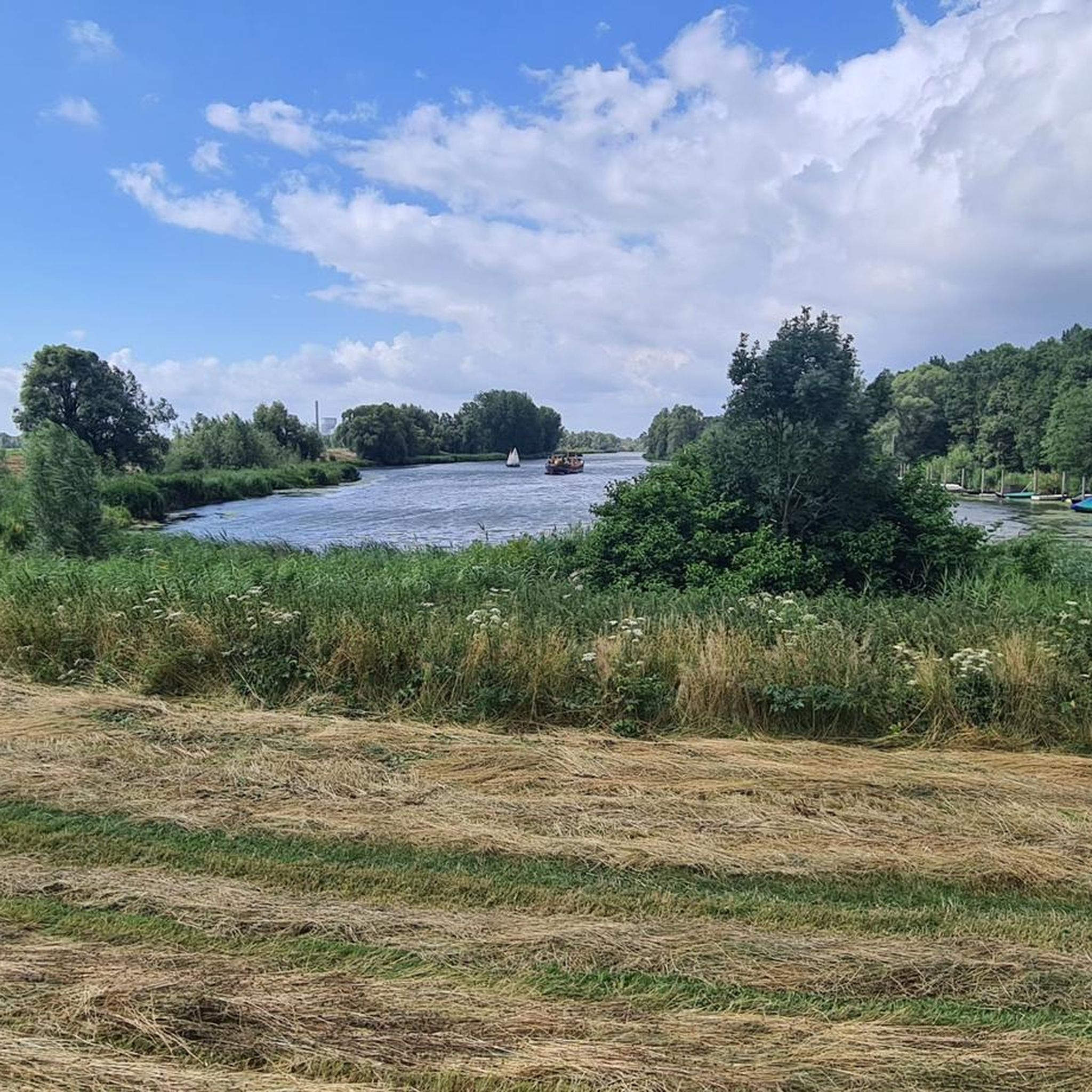
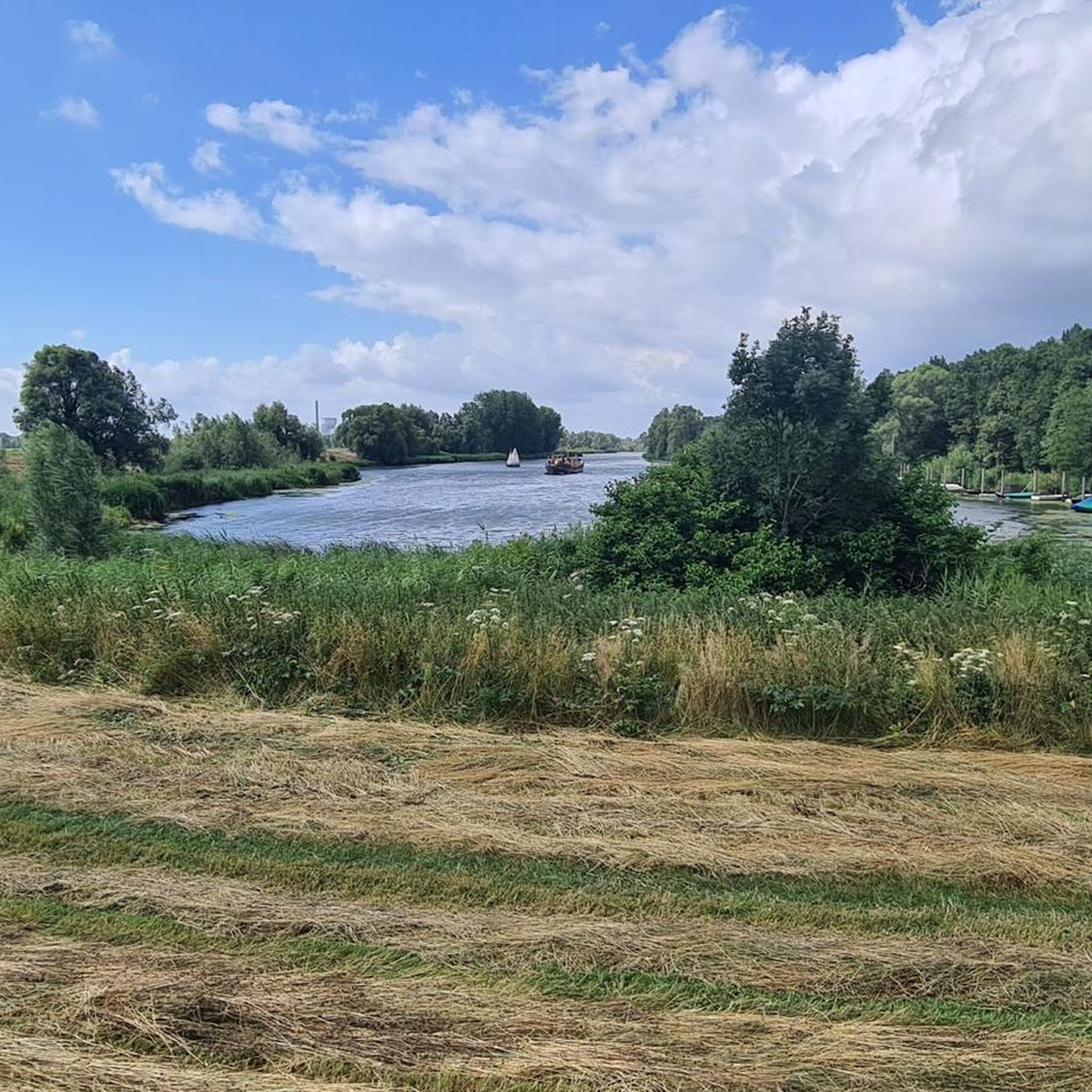
Touring cycling in Biesbosch offers exploration of Europe's largest freshwater tidal area, characterized by a dynamic landscape shaped by the Rhine and Meuse rivers. The region features a labyrinth of small rivers and streams, numerous islets with willows, and extensive reed areas. Cyclists can traverse through swampy forests and wild willow flood forests, experiencing a unique natural environment. The terrain is generally flat, making it suitable for various skill levels.
Best touring cycling routes in Biesbosch
- The most popular touring cycling route is Steur Ferry Crossing – Cycle path along the Steurgat loop from Docks Vissershang, a 13.6 miles (21.8 km) trail that takes 1 hour 14 minutes to complete, offering views of waterways and natural landscapes.
- Another top favourite among local touring cyclists is Fort Bakkerskil – Windmill loop from Werkendam, an easy 7.6 miles (12.2 km) path. This route winds through open polder landscapes and past historical windmills.
- Local touring cyclists also love the Biesbosch National Park – Steur Ferry Crossing loop from Steiger 2, a 17.1 miles (27.5 km) trail leading through the heart of the freshwater delta, often completed in about 1 hour 33 minutes.
- Touring cycling in Biesbosch is defined by serene waterways, lush forests, and extensive reed areas. The network offers options for different ability levels, from easy loops to more moderate distances.
- The routes in Biesbosch are highly rated by the komoot community with an average score of 4.4 stars from over 1,400 reviews. More than 14,000 touring cyclists have used komoot to explore Biesbosch's varied terrain.
Last updated: August 20, 2026
4.6
(5)
49
riders
Easy bike ride. Great for any fitness level. Mostly paved surfaces. Suitable for all skill levels.
31
riders
12.3km
00:43
10m
10m
Easy bike ride. Great for any fitness level. Mostly paved surfaces. Suitable for all skill levels.

Sign up for free
4.5
(2)
28
riders
Easy bike ride. Great for any fitness level. Mostly paved surfaces. Suitable for all skill levels.
5.0
(2)
17
riders
18.7km
01:07
20m
20m
Easy bike ride. Great for any fitness level. Mostly paved surfaces. Suitable for all skill levels.
4.0
(3)
27
riders
Easy bike ride. Great for any fitness level. Mostly paved surfaces. Suitable for all skill levels.
Get access to more routes and recommendations from other explorers.
Sign up for free
Already have an account?
Our route recommendations are based on thousands of hikes, rides, and runs completed by other people on komoot.
Start today with a free account
Your next adventure awaits.
Login or Signup
Tips from the Community

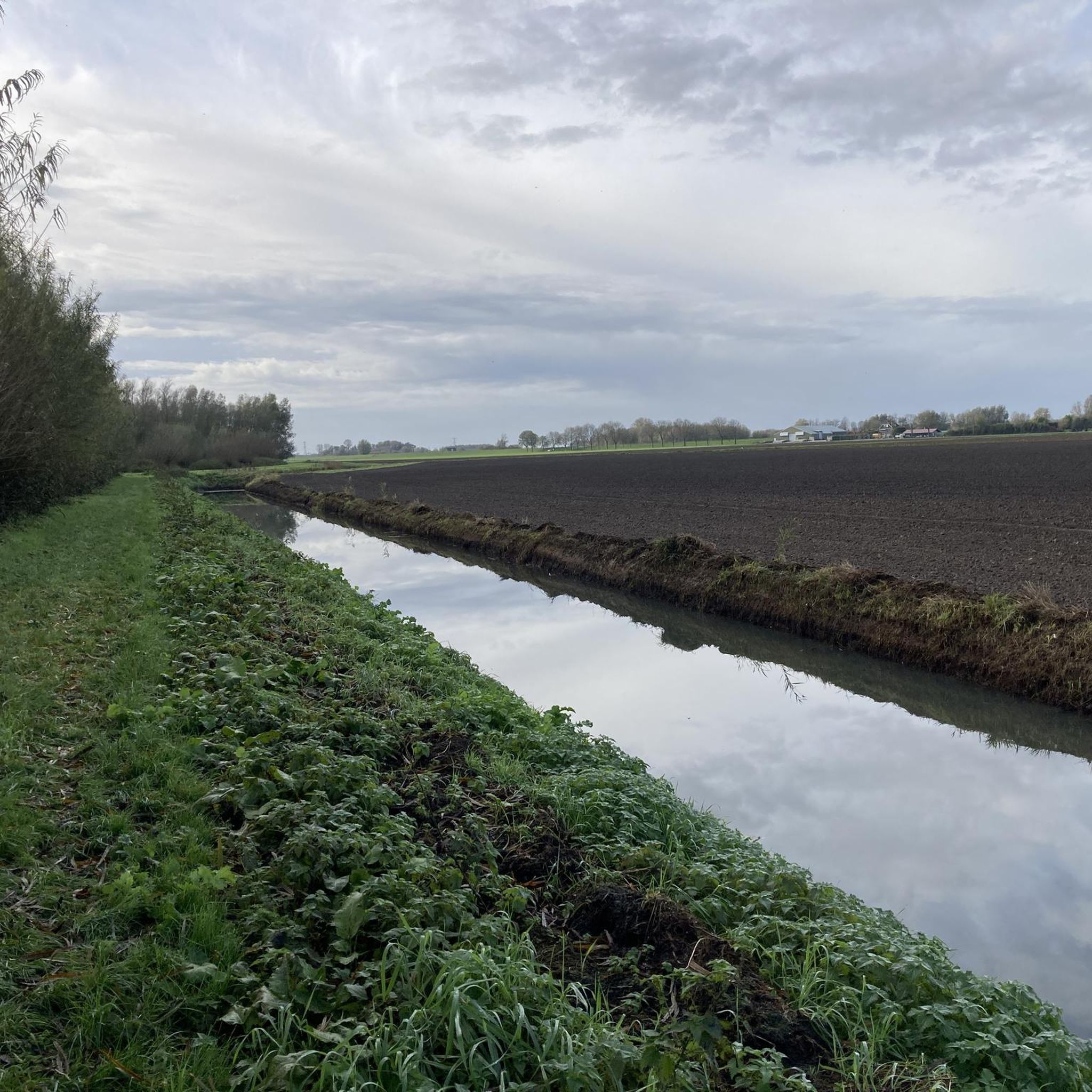
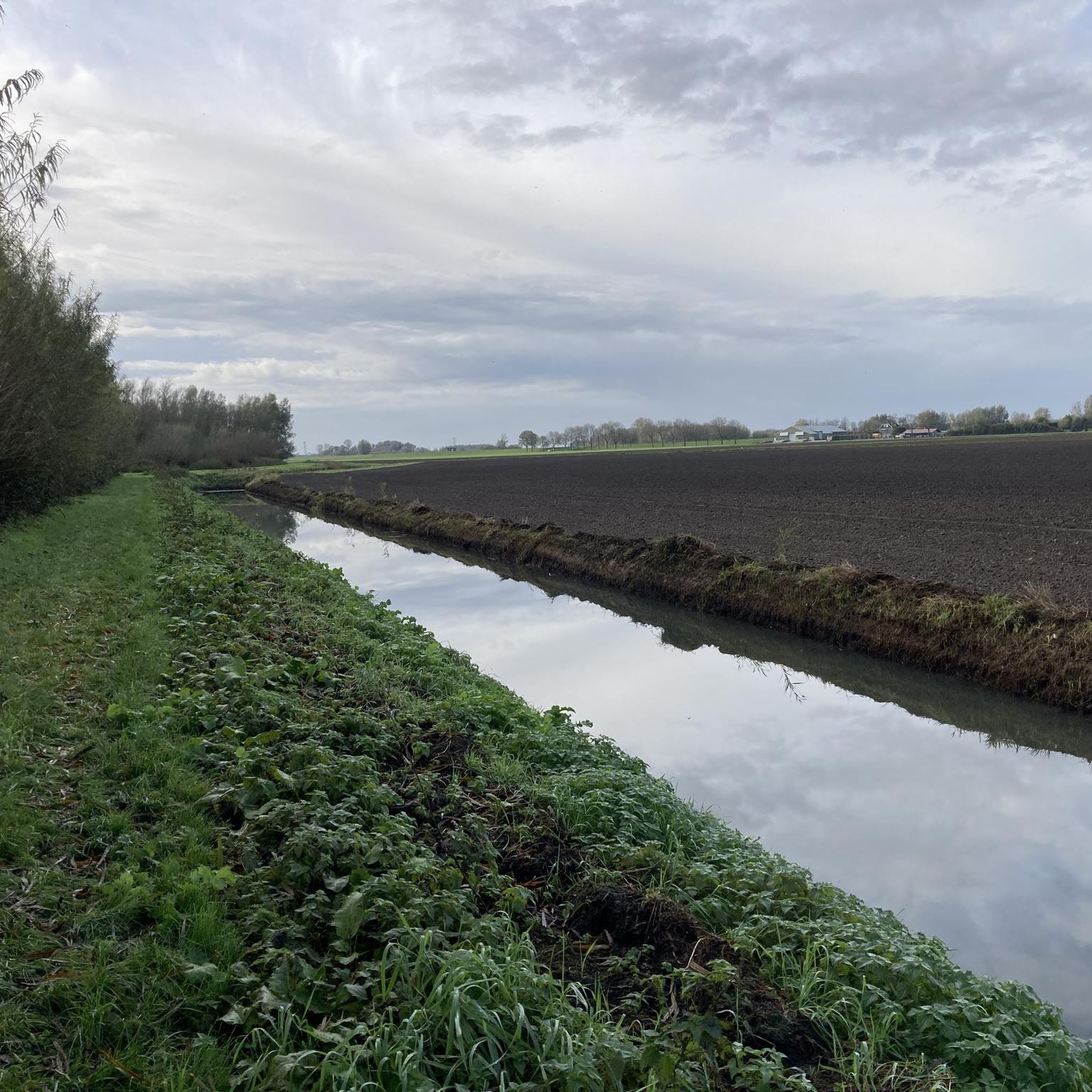
Beautiful dike with water on one side and the polder on the other
0
0
Unfortunately, the sturgeon was removed from its pedestal on August 9, 2026
0
0

The Biesbosch was originally polder land, but after a storm surge, the area transformed into an inland sea. Water from the Maas and Waal rivers transformed it into a freshwater delta. Sand and river silt formed sandbanks, which were particularly suitable for rushes. Hence the name 'Biesbosch'. When the Haringvliet inlet was later closed off, the large differences between high and low tides disappeared. Nature was given free rein, and the area became wilder. Today, sea eagles and ospreys breed here again. A truly special sight!
1
0

The design of almost all the bridges over the canals in Biesbosch is standard – nothing particularly special. However, most offer a nice view of the water.
1
0

A long stretch of bike path without other vehicles. You only encounter other cyclists a few times.
0
0

Perfect cycle path for racing bikes!
1
0

Very varied and lots to observe.
1
0

A highly recommended stopover on the Waterliniepad
0
0
Frequently Asked Questions
How many touring cycling routes are available in Biesbosch?
Biesbosch offers a wide array of touring cycling options, with over 540 routes available on komoot. These range from easy, leisurely rides to more moderate distances, catering to various preferences and skill levels.
What is the general difficulty level of touring cycling routes in Biesbosch?
The terrain in Biesbosch is generally flat, making most touring cycling routes accessible. Out of the available routes, 388 are classified as easy, 132 as moderate, and 21 as difficult. This ensures there are suitable options for cyclists of all experience levels.
Are there many circular touring cycling routes in Biesbosch?
Yes, many touring cycling routes in Biesbosch are designed as loops, allowing you to start and end at the same point. An example is the Biesbosch National Park – Steur Ferry Crossing loop from Steiger 2, which takes you through the heart of the freshwater delta.
Are the touring cycling routes in Biesbosch suitable for families?
Absolutely. The generally flat terrain and well-signposted paths make many routes in Biesbosch ideal for families. With a large number of easy routes available, it's a great place for a relaxed family cycling adventure.
When is the best time of year to go touring cycling in Biesbosch?
Biesbosch is enjoyable for touring cycling throughout much of the year. The dynamic freshwater tidal system means the landscape is constantly changing, offering unique views in every season. Spring and autumn provide pleasant temperatures and beautiful natural scenery, while summer allows for longer days to explore.
What kind of natural features and landscapes can I expect to see while cycling in Biesbosch?
Biesbosch is Europe's largest freshwater tidal area, characterized by a labyrinth of small rivers and streams, countless islets with willows, and extensive reed areas. You'll cycle through swampy forests and wild willow flood forests, experiencing a unique 'jungle-like' atmosphere in parts. The freshwater tidal system creates a constantly changing and diverse environment.
What historical or cultural landmarks can I explore along the cycling routes?
Beyond the natural beauty, you can discover several historical sites. The Biesbosch Dike Cycle Path offers scenic views, and you might encounter sites like Fort Altena and the picturesque fortified town of Geertruidenberg. The Monument Halifax LV905 is another point of interest.
What wildlife might I encounter while touring cycling in Biesbosch?
Biesbosch is a haven for wildlife. The most iconic resident is the beaver, with over 300 in the area. Birdwatchers will be delighted by hundreds of species, including sea eagles, ospreys, egrets, and kingfishers. Deer and foxes can also be spotted, especially in quieter areas.
Are there specific routes that offer good opportunities for wildlife viewing?
Many routes that traverse deeper into the park's natural areas offer excellent wildlife viewing. For instance, the Bruinekil Pumping Station – Haan loop from Docks Vissershang takes you through diverse landscapes where you might spot various birds and other animals.
What do other touring cyclists enjoy most about cycling in Biesbosch?
The komoot community highly rates touring cycling in Biesbosch, with an average score of 4.4 stars from over 1,400 reviews. Cyclists often praise the serene waterways, lush forests, and the well-maintained, easy-to-navigate network of paths. The unique freshwater delta landscape and opportunities for wildlife spotting are also frequently highlighted.
Are there options for longer touring cycling routes in Biesbosch?
While many routes are shorter, Biesbosch's extensive network allows for combining paths to create longer tours. The Bandijk Nature Area, Biesbosch – The Biesbosch Dike loop from Werkendam, for example, offers a substantial ride, and you can extend your journey by connecting to other routes or using the ferries to cross waterways.
Are there facilities like cafes or charging stations for e-bikes along the routes?
Yes, Biesbosch is well-equipped for cyclists. Visitor centers like the Biesbosch Museum Island and those in Dordrecht and Drimmelen often provide facilities such as cafes. For e-bike users, charging stations are available at locations like the Biesbosch Museum Island, ensuring you can keep your battery topped up during your tour.
Most popular routes in Biesbosch
Most popular attractions in Biesbosch

Get inspired with the komoot mobile app


Explore more
Browse the best Cycling routes in other regions.
