Attractions and Places To See in Donkse Laagten - Top 7
Best attractions and places to see in Donkse Laagten include a nature reserve spanning approximately two square kilometers in the Alblasserwaard region of South Holland, Netherlands. This area features a diverse landscape of polders, marshes, reed beds, and open water. It is recognized for its significance in bird conservation and its unique "blauwegrasland" where rare plants thrive. The landscape also includes old river dunes, known as "donken," offering elevated views of the surrounding polder scenery.
Best attractions and places to…
Last updated: October 9, 2026
Donkse Laagten Nature Reserve
Highlight (Segment) • Natural
Translated by Google •
Tip by

Oasen Water Tap Donkse Laagten
Highlight • Rest Area
Tip by

Sign up now to discover places like this
Get recommendations on the best single tracks, peaks, & plenty of other exciting outdoor places.
Broekmolen Donkse Laagten
Highlight • Monument
The Broekmolen is a type of mill known as a "watermill." Watermills were traditionally submerged by water power and used …
Translated by Google •
Tip by

Achterdijk Bridge
Highlight • Bridge
Translated by Google •
Tip by

Wipmolen and Double Asphalt Path, Donkse Laagten
Highlight (Segment) • Structure
Translated by Google •
Tip by

Sign up for free to discover even more attractions in Donkse Laagten.
Already have an account?
Start today with a free account
Your next adventure awaits.
Tips from the Community

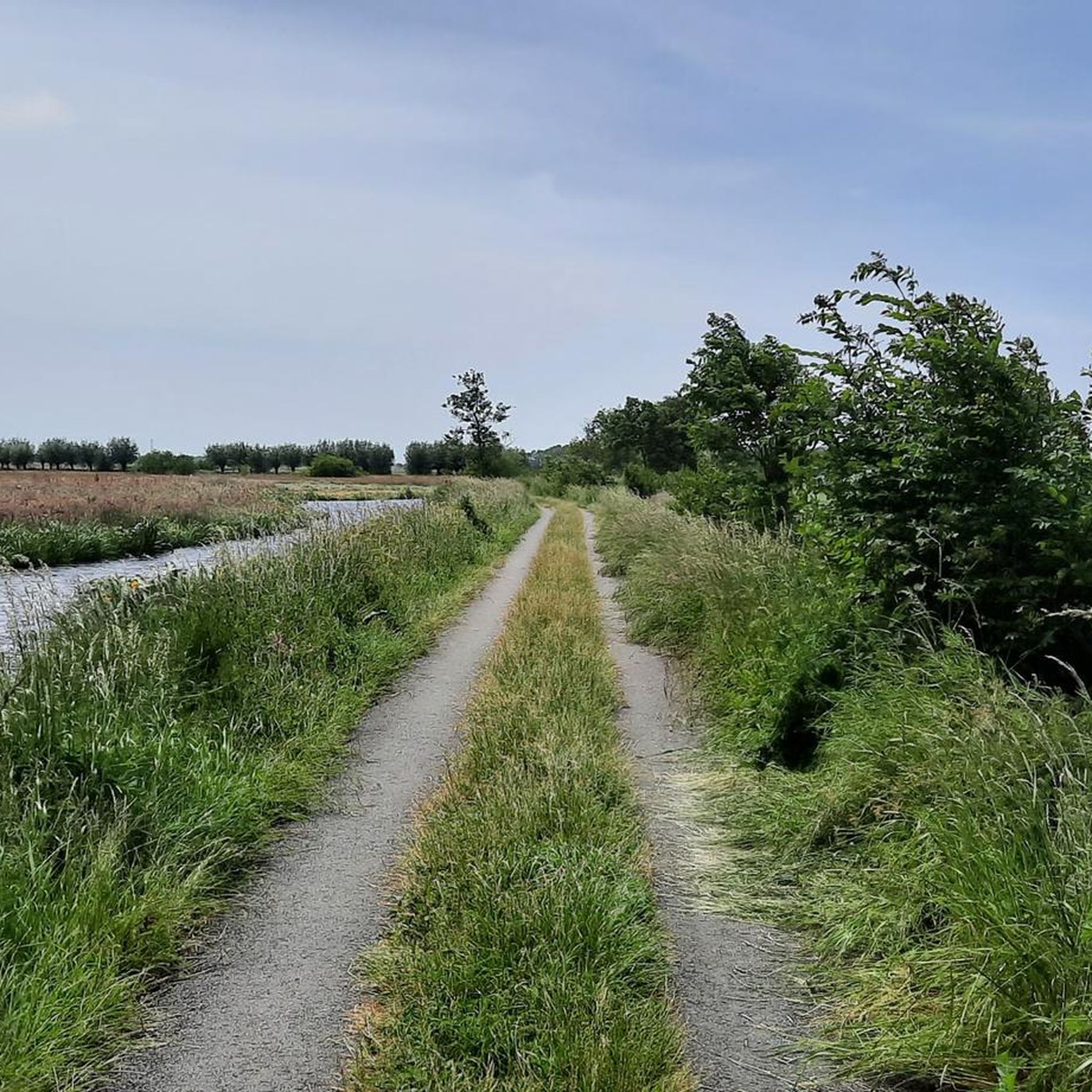
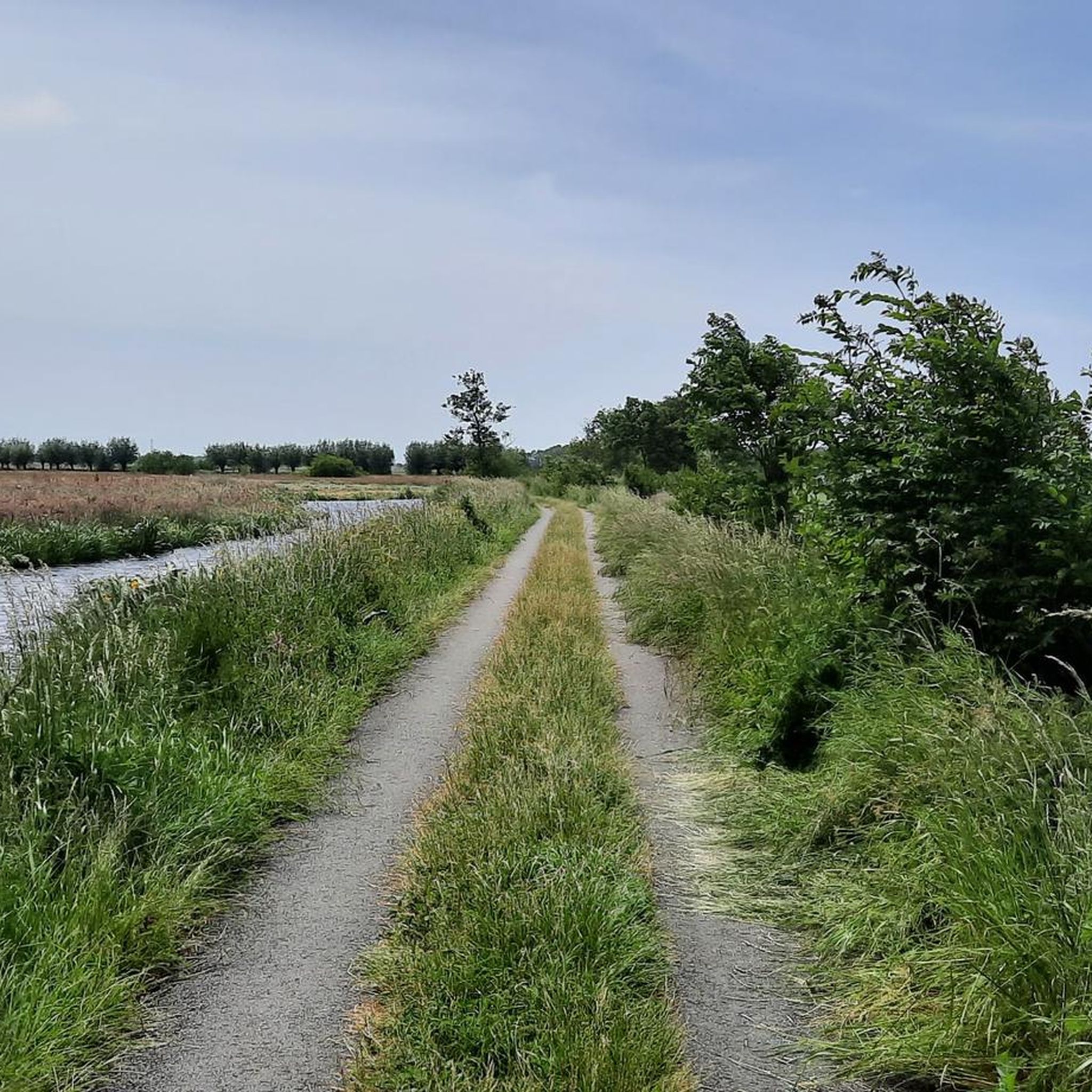
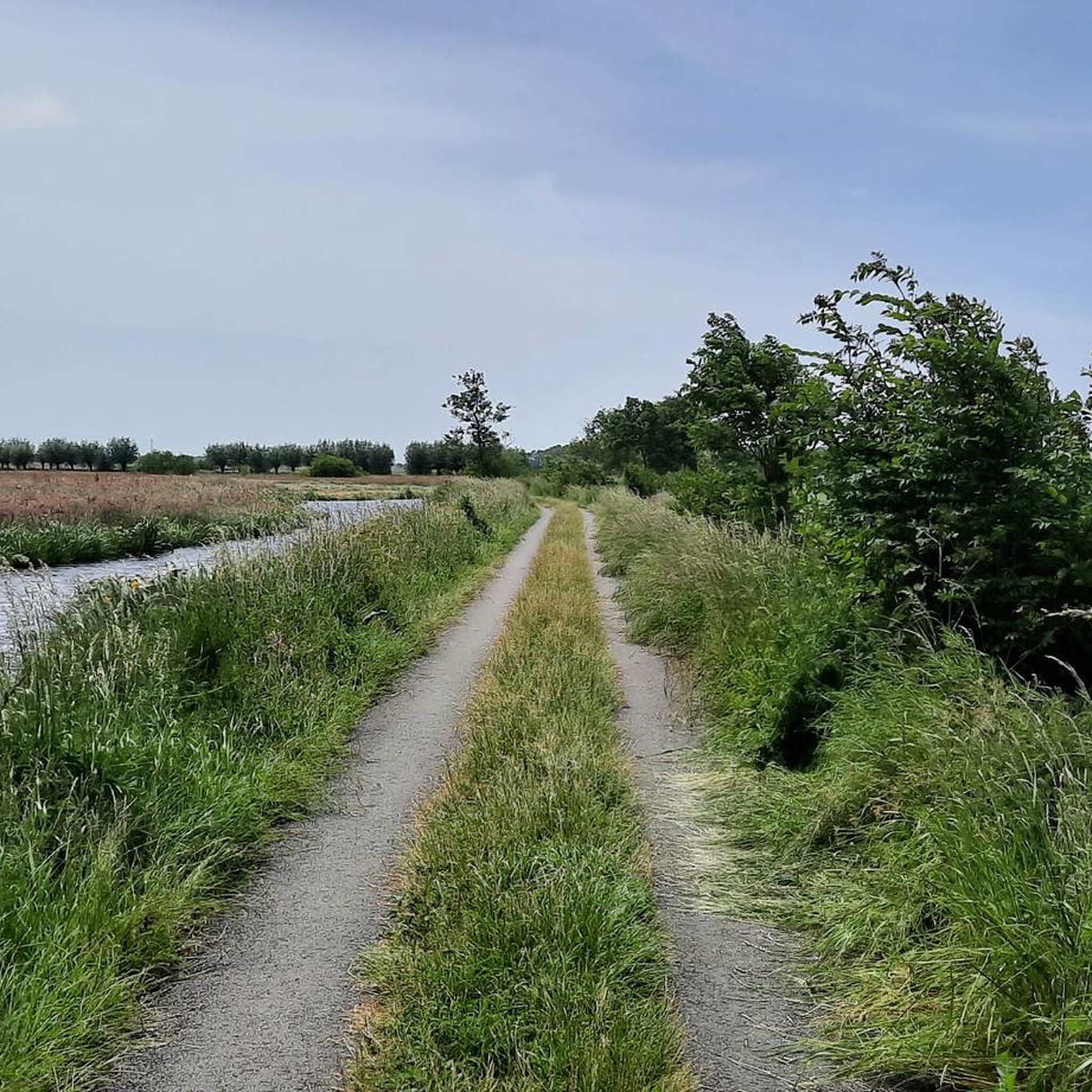
Good asphalt, suitable for all types of bikes. Great alternative to the road. You can see lots of birds and breeding animals.
0
0

De Broekmolen is a historic windmill located in the Netherlands. The Broekmolen is a type of mill known as a "watermill." Watermills were traditionally submerged by water power and used for a variety of purposes such as grinding grain into flour, sawing wood, pressing oil and more. However, the name "Broekmolen" may apply to several mills of that type, there may be several mills with the same name. Each specific Broekmolen can have unique history and characteristics, depending on the location and purpose for which the mill was used.
1
0
In the Netherlands, the first water company was founded in 1853 in Amsterdam. This company, called 'De Duinwater-Maatschappij', collected dune water from the Amsterdamse Waterleidingduinen and supplied it to the city. The success of this initiative inspired other cities and regions to set up reliable water supply networks. The drinking water supply in the Netherlands experienced a growth phase, especially after the Second World War, when industrialization and changing growth took place. To meet the implementation demand for drinking water, various water taps and water treatment plants were set up. These taps, often located in parks, public spaces and recreational areas, provide people with the opportunity to get free and clean drinking water. Care for the environment and sustainability also played a role in the development of water taps. Encouraging bottle reuse and reducing plastic waste became a major motivation for the installation of these points. For example, under the name 'Join the Pipe', public water taps became available in some Dutch cities, which people could use to fill their reusable bottles. This movement not only encouraged sustainability, but also continues to raise awareness of the importance of clean drinking water, both in the Netherlands and worldwide. In short, the development of water taps in the Netherlands arose from the realistic drinking water supply, sustainability and reliability of the environment. These points play an important role in providing clean drinking water to the public and reducing the impact of plastic waste.
1
0

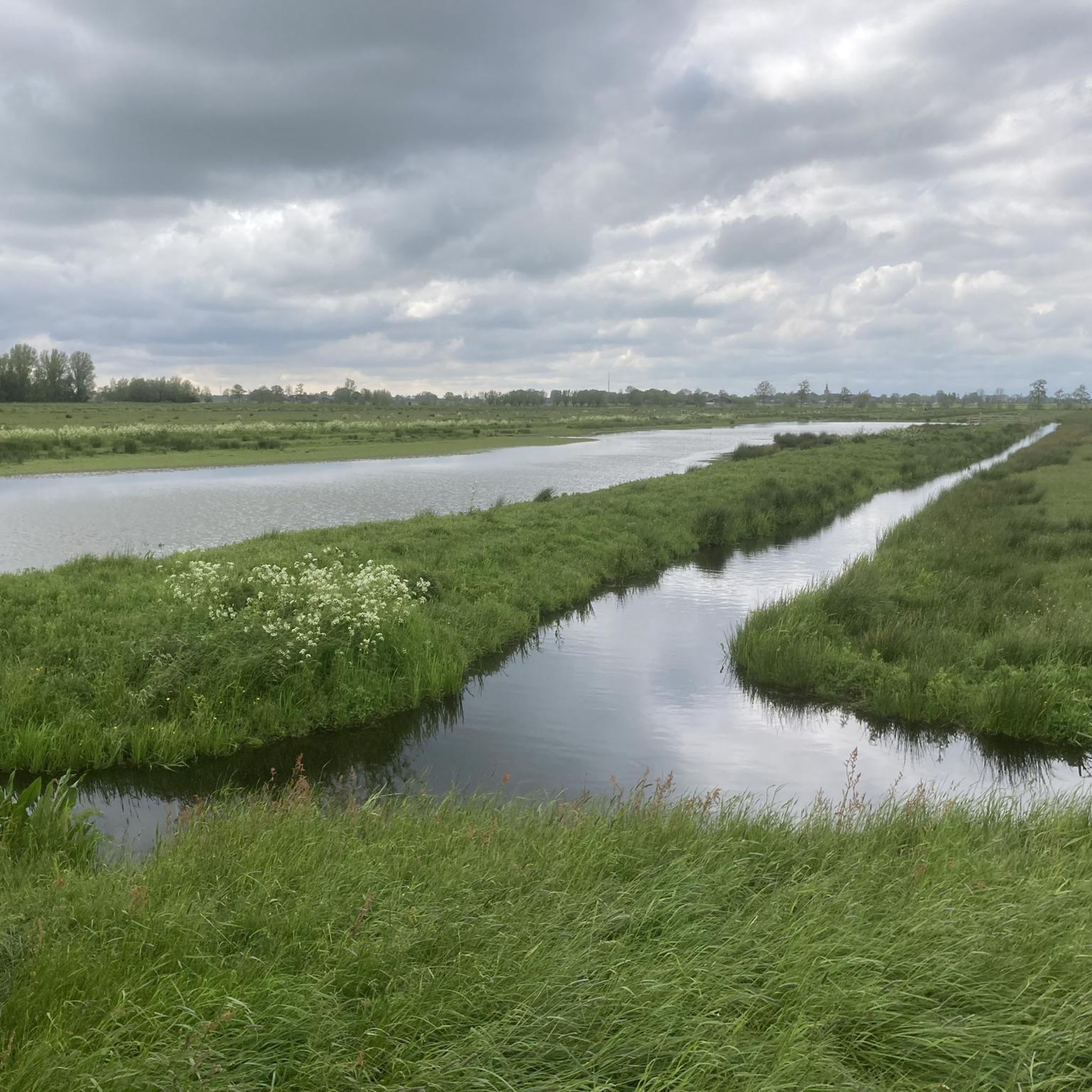
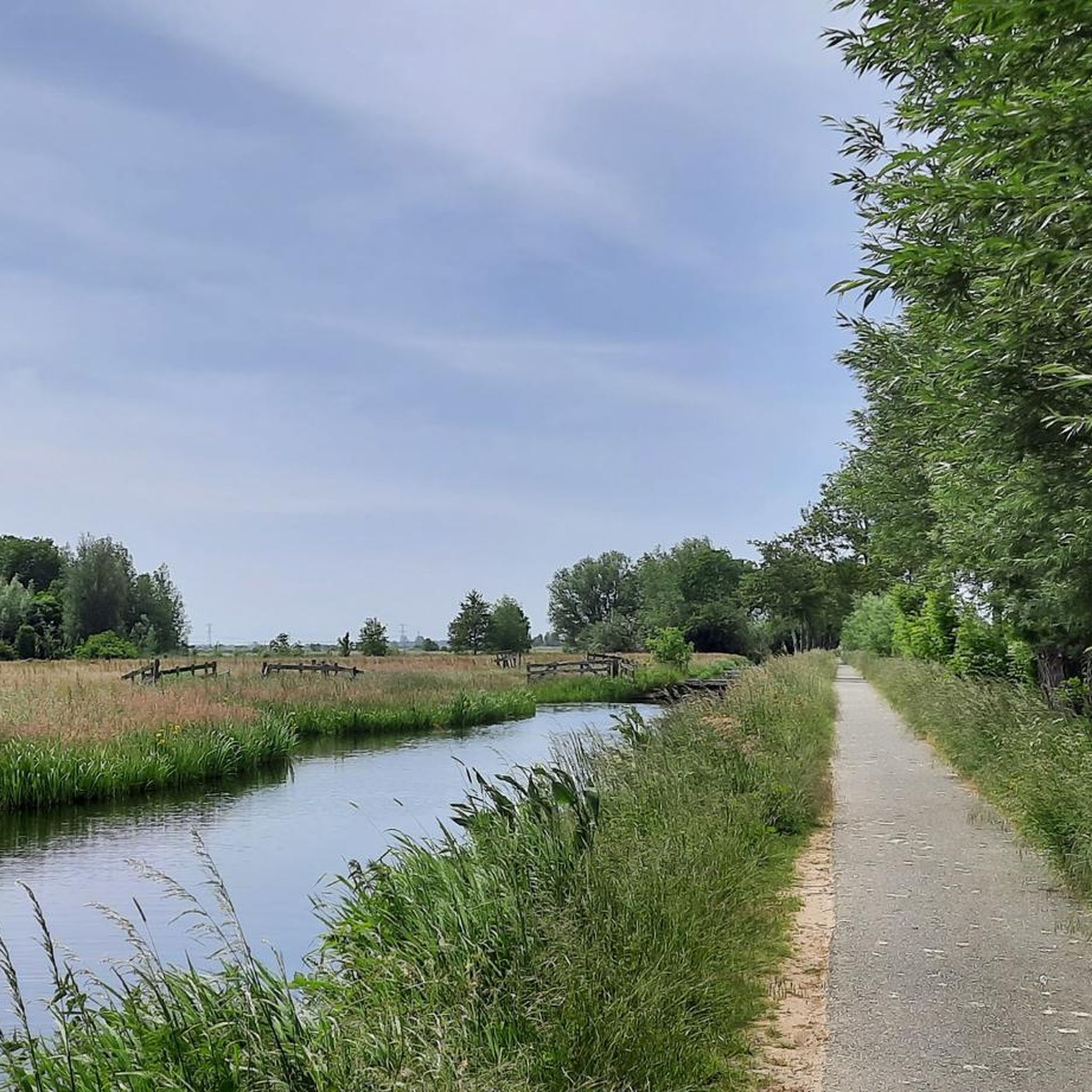
This beautiful nature reserve, located in South Holland, offers an oasis of peace and beauty. Explore the vast swamps, reed beds and ponds while enjoying the rich bird life and diverse flora. Be surprised by rare plant species and spot special birds such as the bluethroat and the spoonbill.
0
0

Exposed, fast and inhabited by a variety of waterfowl, deer and more but no ‘wildroosters’ this is Dutch for cattle grid.
0
0

Free water and with good weather there is a ice cream car present as well.
2
0

Typical high pedestrian boulevard that you see more in this area.
0
0

Frequently Asked Questions
What kind of natural features can I expect to see in Donkse Laagten?
Donkse Laagten is characterized by a diverse landscape of polders, marshes, reed beds, and open water. It's known for its unique "blauwegrasland" where rare plants thrive, and old river dunes called "donken" that offer elevated views. The area is also a significant habitat for various bird species throughout the year. You can explore the core of this natural beauty at the Donkse Laagten Nature Reserve.
Are there any historical sites or unique man-made features to visit in the area?
Yes, Donkse Laagten features several historical man-made structures. You can see the Wipmolen and Double Asphalt Path, which includes a Wipmolen built in 1581 used to drain the Streefkerk polder. Another notable historical windmill is the Broekmolen Donkse Laagten, a traditional watermill.
What outdoor activities are popular in Donkse Laagten?
The Donkse Laagten is excellent for outdoor activities, particularly hiking and cycling. The reserve offers accessible paths for easy exploration. Birdwatching is also a major activity due to the area's importance for bird conservation. For specific routes, you can find various options for cycling, easy hikes, and even MTB trails in the region.
Are there family-friendly options or activities suitable for children?
Yes, Donkse Laagten offers several family-friendly options. The Donkse Laagten Nature Reserve itself is suitable for families to explore. Many of the cycling and walking paths, such as the Wipmolen and Double Asphalt Path and Kortegeer and Geerweg, are designed for easy access and offer beautiful views that can be enjoyed by all ages.
Can I bring my dog to Donkse Laagten?
Yes, dogs are allowed in Donkse Laagten, but they must be kept on a leash. This ensures the protection of the local wildlife, especially the diverse bird populations and rare plant species within the nature reserve.
What is the best time of year to visit Donkse Laagten for birdwatching?
Donkse Laagten is excellent for birdwatching throughout the year. In winter, large numbers of white-fronted and barnacle geese can be observed. Spring brings birds like the godwit, lapwing, and redshank, while reed warblers, sedge warblers, and reed buntings are found in the reed beds during warmer months.
Are there any facilities for refreshments or water in the area?
There are no catering facilities or visitor centers directly within the Donkse Laagten reserve, so it's advisable to bring your own refreshments. However, there is an Oasen Water Tap Donkse Laagten available for free water refills, and an ice cream car is sometimes present during good weather.
Is Donkse Laagten accessible by public transport?
No, there is no public transportation directly to the Donkse Laagten. The area is freely accessible on foot and by bicycle, so planning your visit with personal transport or cycling from nearby towns is recommended.
What kind of terrain can I expect on the trails in Donkse Laagten?
The terrain in Donkse Laagten is generally flat, characteristic of the Dutch polder landscape. You'll find paths through polders, marshes, and reed beds. There are also old river dunes, known as 'donken,' such as Brandwijkse Donk, which offer slight elevations and viewpoints over the surrounding flat meadows.
Are there any specific viewpoints or scenic spots I shouldn't miss?
The 'donken' (old river dunes) provide elevated views of the surrounding Dutch polder scenery, including windmills and farmhouses. The Wipmolen and Double Asphalt Path also offers views over the Donk. Additionally, the Kortegeer and Geerweg is known for beautiful views through the South Holland landscape.
What do visitors enjoy most about Donkse Laagten?
Visitors particularly appreciate the tranquility and natural beauty of Donkse Laagten. The rich bird life, diverse flora, and the peaceful atmosphere of the vast swamps, reed beds, and ponds are frequently highlighted. The historical windmills and scenic cycling paths also contribute to a highly enjoyable experience.
Can I go wild camping in Donkse Laagten?
Yes, Donkse Laagten is one of approximately 40 sites in the Netherlands where wild camping is permitted, authorized by Staatsbosbeheer. This offers a unique opportunity to experience the nature reserve overnight.
Most popular routes in Donkse Laagten

Get inspired with the komoot mobile app


Explore more
Still not found the Highlight you’re looking for? See guides of the top attractions in other regions:
