Attractions and Places To See around Seehausen - Top 20
Best attractions and places to see around Seehausen are found in a region characterized by its historic Hanseatic town features and its location near the Elbe and Havel rivers. This area in Saxony-Anhalt offers a landscape of marshlands and green meadows. It provides opportunities for exploring well-preserved medieval architecture and significant historical sites. The surroundings are suitable for cycling and observing local nature.
Best attractions and places to see around Seehausen
- The most popular attractions is Confluence of the Gnevsdorfer…
Last updated: August 16, 2026
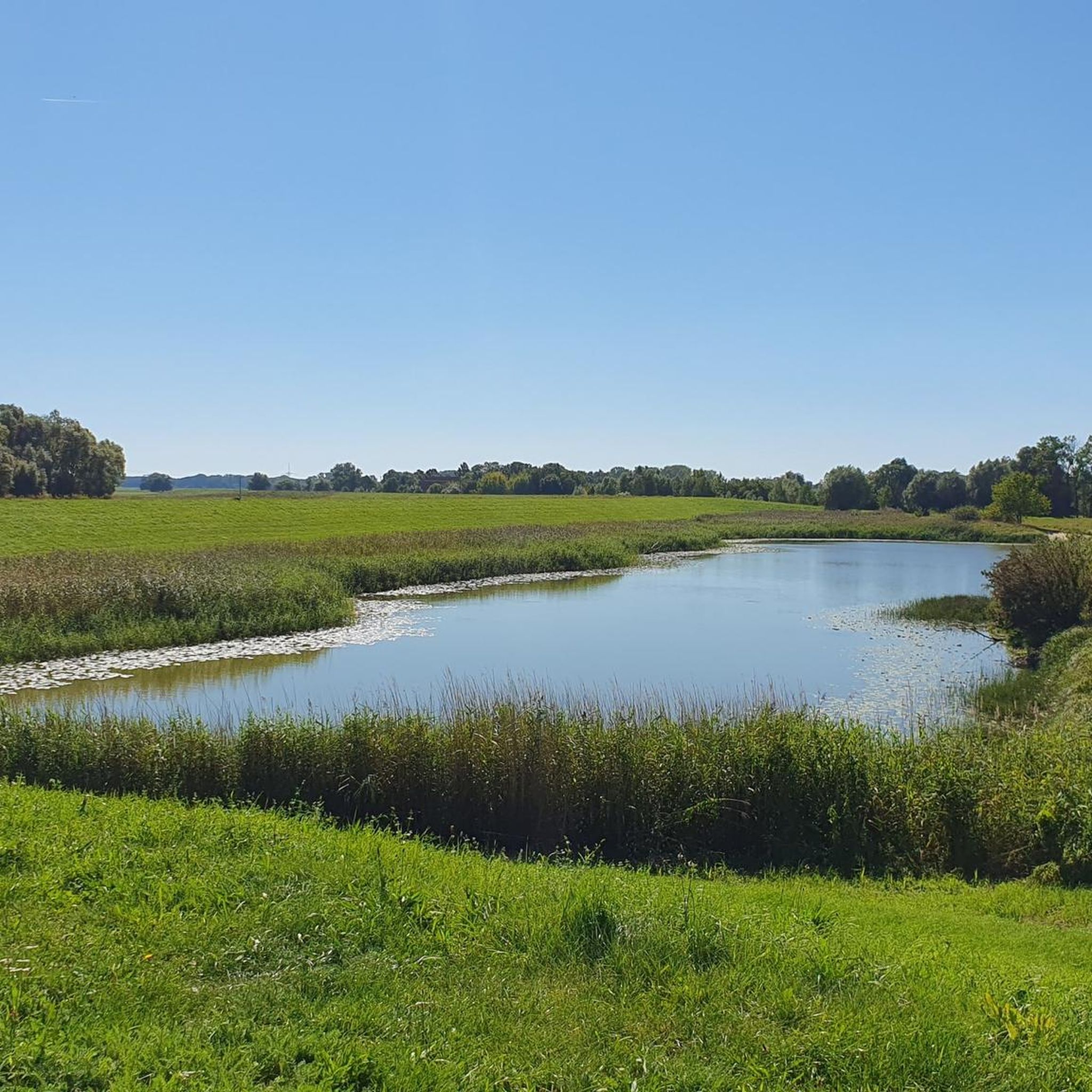
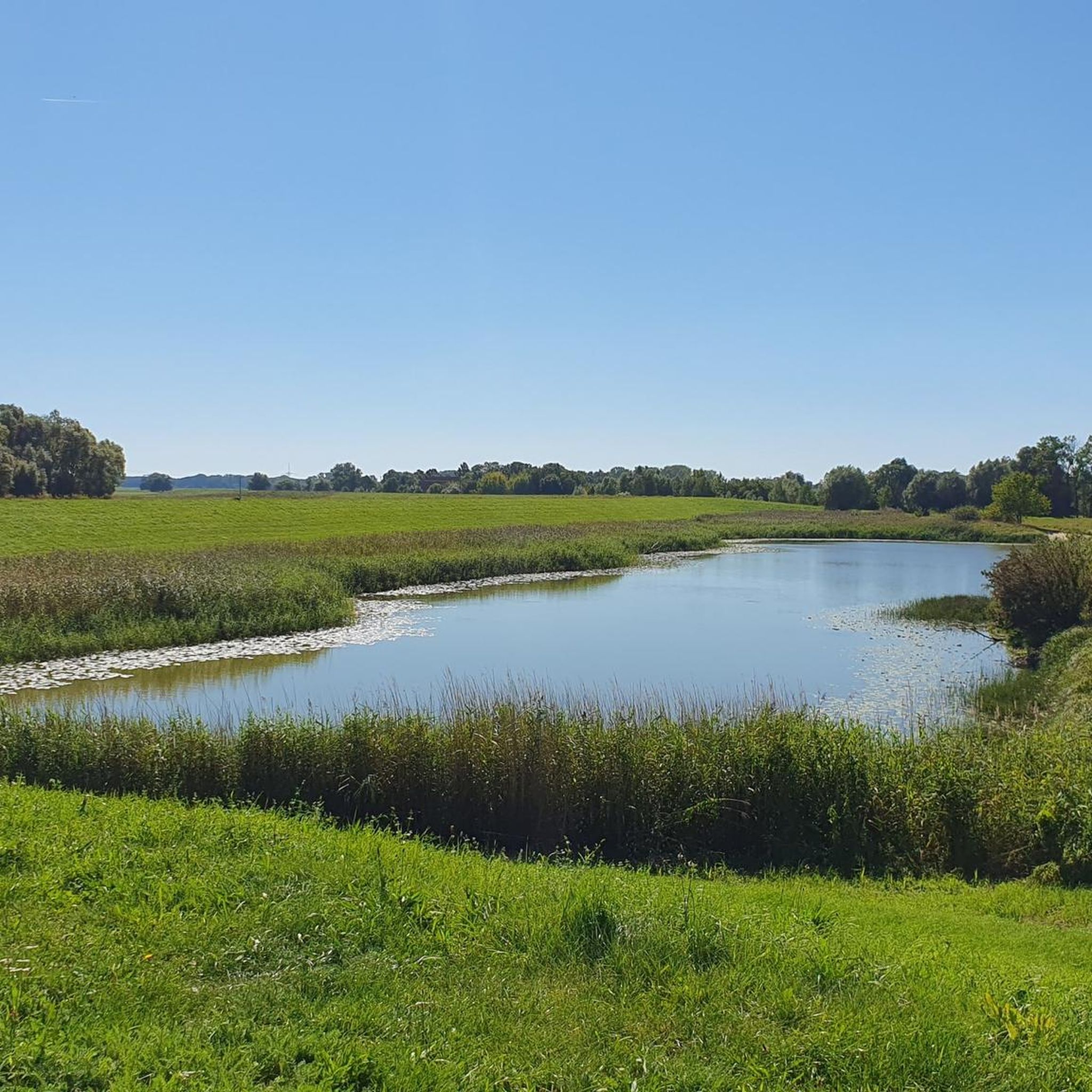
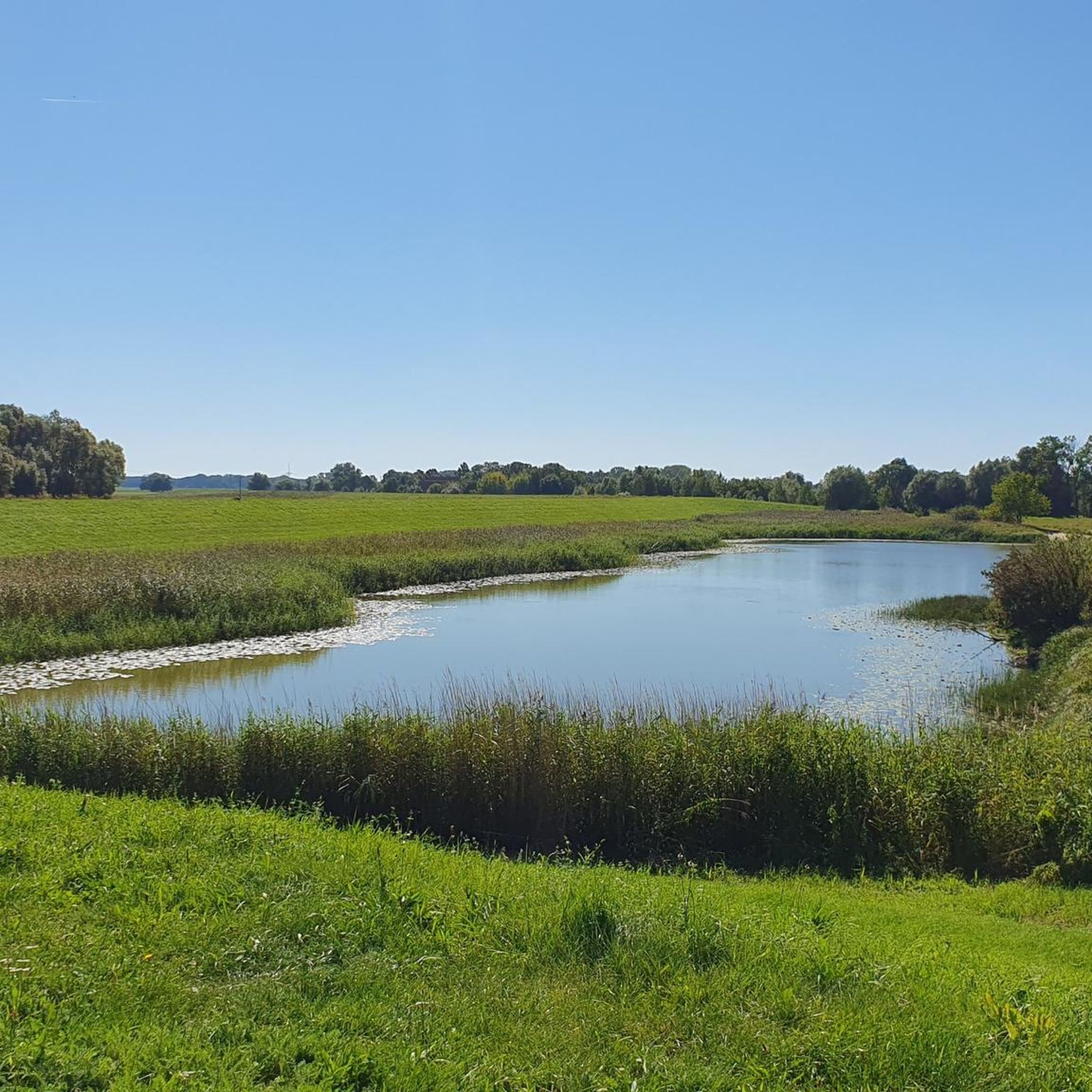
Confluence of the Gnevsdorfer Vorfluter and the Elbe
Highlight • River
Translated by Google •
Tip by

Old Oil Mill Wittenberge
Highlight • Historical Site
Translated by Google •
Tip by

Sign up now to discover places like this
Get recommendations on the best single tracks, peaks, & plenty of other exciting outdoor places.
Sign up for free
View of the confluence of the Elbe and Havel
Highlight • Viewpoint
Translated by Google •
Tip by

Stork Village Rühstädt
Highlight • Settlement
The place is beautifully decorated and offers several options for a good stop.
Translated by Google •
Tip by

Elbe Cycle Route in the Brandenburg Elbe River Landscape Biosphere Reserve
Highlight (Segment) • Cycleway
Translated by Google •
Tip by

Sign up for free to discover even more attractions around Seehausen.
Sign up for free
Already have an account?
Start today with a free account
Your next adventure awaits.
Login or Signup
Other adventures around Seehausen

Tips from the Community

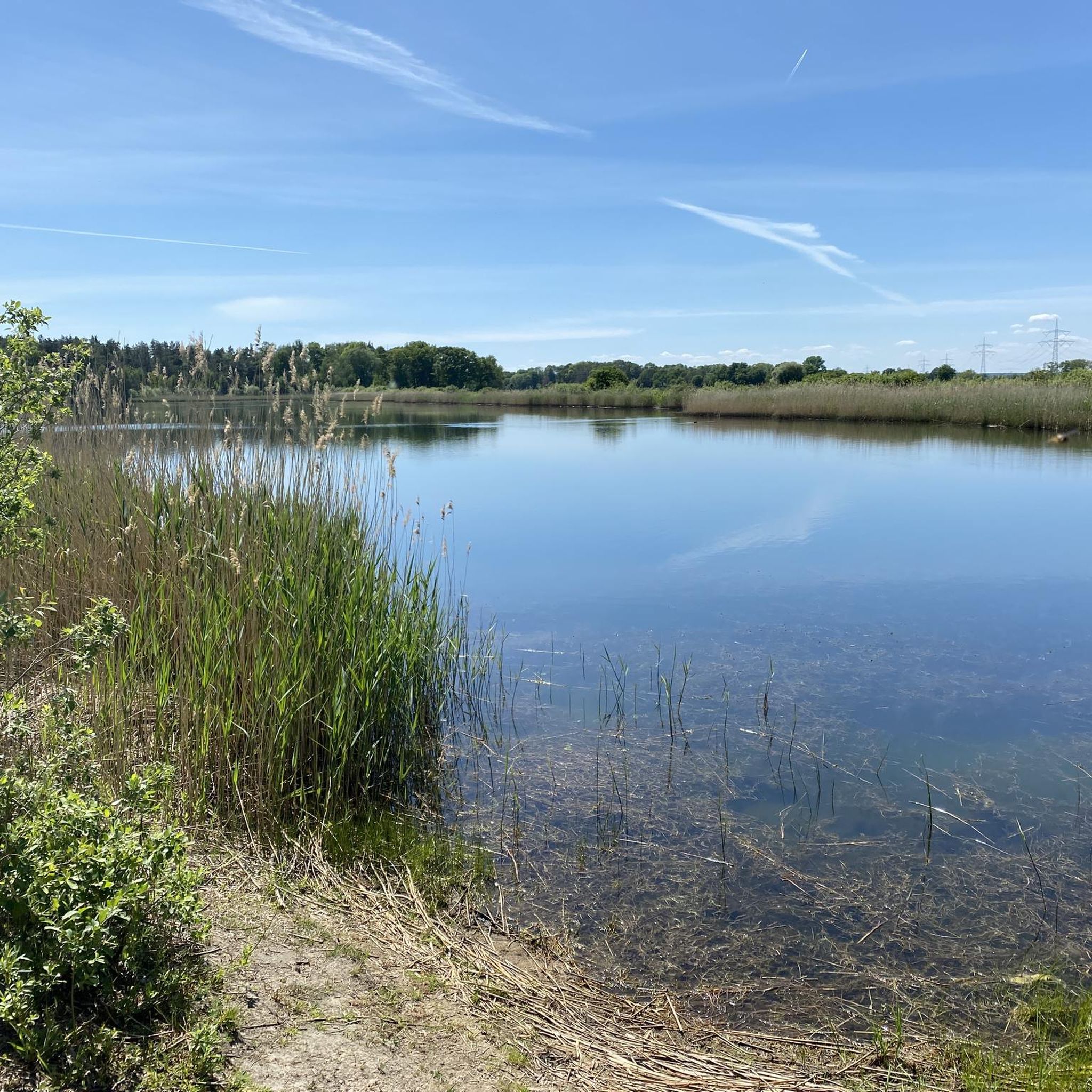
Great natural landscape here, where the rivers run parallel for 20km and then merge.
1
0

I particularly like the cycle path between the Elbe and the Havel tributaries, from Gnevsdorf to Quitzöbel. It's pure nature. There are two observation towers from which you can easily observe many animals, especially birds. Coming from Wittenberge, cycle over the Gnevsdorf weir and at the oxbow weir, return to the mainland to Quitzöbel, then cycle back to Wittenberge or to Netzow and then on to Werben and Havelberg.
1
0

Fantastic views and well-developed cycle paths
3
0

The "Wittenberge Oil Mill" is a listed building in the town of Wittenberge on the Elbe. The building complex, consisting of the administration building, the mill's main body, workshops and storage facilities, was built in the middle of the 19th century to produce crude oil. Oil production was abandoned following German reunification in 1991. A company then took over the use of the buildings and set up the "Zur Alten Ölmühle" hotel in them. A restaurant and a brewery are attached. Delicious beer and great service!
6
0
The Gnevsdorf drainage canal is an approximately eleven-kilometer-long, artificially constructed canal between the Havel and Elbe rivers, serving as an additional outlet into the Elbe. Its design aimed to shift the Elbe's backwater level downstream to a lower level, thus effectively relieving pressure on the Lower Havel during floods. Simultaneously, the canal improves the flow of Havel water to the Elbe, which has a steeper gradient. The Gnevsdorf drainage canal is part of a comprehensive flood control system that also includes several weirs and the Havelberg lock. A fantastic route along the Elbe Cycle Path, a relaxed tour with no significant difficulties. The scenery is beautiful, always by the water, pure nature. The old farmhouses are charming, and the route is very varied.
8
1
Top section of the route! If you don't know the area, you move almost imperceptibly from the Elbe to the Havel. It's good that there is very good signage here in addition to the “Komoot navigation voice”. Fantastic views are guaranteed. It's worth it!
4
1

The Elbe cycle path is a very beautiful and varied river cycle path. Absolute driving recommendation!
1
0
It looks quite interesting when storks become such close neighbors. The clattering could also be funny. Nice to be able to see something like that.
6
0
Frequently Asked Questions
What historical landmarks can I explore in Seehausen (Altmark)?
Seehausen (Altmark) is rich in history. You can visit the impressive St. Petri Church, a Gothic hall church with a Baroque pulpit and 15th-century Dutch wood carvings. Don't miss the 15th-century Beustertor, the only remaining medieval town gate, and sections of the 15th-century town wall. The Town Hall, built in Neo-Gothic brick style, is also a notable sight. For a deeper dive into the region's past, explore the historic Hanseatic town.
Are there any museums in Seehausen (Altmark)?
Yes, Seehausen (Altmark) offers a couple of unique museums. The Turmuhrenmuseum (Church Clock Museum) provides an exhibition of historical timepieces, making the craft of clockmaking tangible. In the incorporated village of Beuster, you can find the Blaulichtmuseum (Blue Light Museum), which houses a collection of army, police, and ambulance vehicles.
Where can I experience nature and wildlife around Seehausen?
The area around Seehausen offers several natural attractions. The Schillerhain is a large public park perfect for relaxation. For wildlife observation, visit Stork Village Rühstädt, known for its high concentration of nesting storks, especially in the Elbtalaue wet meadows. The surrounding marshland and the Aland River also provide opportunities for observing local flora and fauna.
What cycling opportunities are available near Seehausen?
Seehausen is an excellent base for cycling. The famous Elbe Cycle Path (Elbe Cycle Route in the Brandenburg Elbe River Landscape Biosphere Reserve) runs through the area, offering scenic rides along the river and opportunities to observe nature. You can also find various routes for gravel biking and road cycling. For more detailed routes, check out the gravel biking guide or the road cycling guide for Seehausen.
Are there family-friendly attractions in the Seehausen area?
Yes, several attractions cater to families. The Stork Village Rühstädt is a delightful place for all ages to observe storks nesting. The Waldbad, a public outdoor swimming pool located in Schillerhain, is perfect for a family day out. The Confluence of the Gnevsdorfer Vorfluter and the Elbe is also a great spot for a family bike ride, with perfectly paved bicycle roads.
What unique natural features can I visit near Seehausen?
A significant natural and engineering marvel is the Confluence of the Gnevsdorfer Vorfluter and the Elbe, where the Elbe and Havel rivers meet. This location is a key hydraulic engineering project and a convergence point for multiple cycle paths, offering unique views of the river landscape.
Can I find places for outdoor swimming or relaxation in Seehausen?
Yes, the Waldbad, a public outdoor swimming pool, is located within the large public park of Schillerhain in the south of Seehausen. It's a great spot for swimming and relaxation, especially during warmer months.
What kind of architecture can I see in Seehausen (Altmark)?
Seehausen (Altmark) is known for its well-preserved medieval and historic architecture. You can admire the Gothic St. Petri Church, the Neo-Gothic brick Town Hall, and the 15th-century Beustertor. The town also features many well-preserved half-timbered houses, some dating back to around 1750, particularly in Beusterstraße, Steinstraße, and Petristraße. The Salzkirche, a Brick Gothic former monastery church, is another architectural highlight.
Are there any ancient historical sites near Seehausen?
Yes, for those interested in ancient history, you can find two approximately 5,000-year-old Stone Age megalith graves near the village of Bretsch, offering a glimpse into prehistoric times.
What are the options for hiking or walking around Seehausen?
The surroundings of Seehausen are popular for hiking and walking. You can enjoy an idyllic circular walk along sections of the 15th-century Medieval Town Wall and the Aland bypass. The vast marshland with green meadows around the Aland River also provides opportunities for leisurely walks. For more structured routes, explore the running trails guide, which includes various walking options.
What do visitors particularly enjoy about the attractions near Seehausen?
Visitors frequently praise the well-developed cycling paths, especially the Elbe Cycle Route, for its beautiful nature observations and tranquility. The Stork Village Rühstädt is highly appreciated for its unique opportunity to observe stork family life. The historic sites and the peaceful river landscapes are also often highlighted as enjoyable aspects of the region.
What is the 'Old Oil Mill Wittenberge' and what does it offer?
The Old Oil Mill Wittenberge is a listed industrial building that has been given new life. Once a crude oil production facility, it now offers various recreational opportunities, including a climbing tower, a diving tower, a large sauna area, a hotel, a restaurant, and a beach bar. It also serves as a venue for concerts, making it a vibrant hub of activity.
Where can I find information about the Elbe River's significance to the region?
The Elbe River is central to the region's character. You can learn about its significance by visiting the Confluence of the Gnevsdorfer Vorfluter and the Elbe, a major hydraulic engineering project. The Elbe Cycle Route in the Brandenburg Elbe River Landscape Biosphere Reserve also provides insights into the river's unique natural areas and its role in the biosphere.
Most popular routes around Seehausen
Most popular attractions around Seehausen

Get inspired with the komoot mobile app


Explore more
Still not found the Highlight you’re looking for? See guides of the top attractions in other regions:
