The best road cycling routes in Naturschutzgebiet Hevenbruch
4.4
(103)
1,882
riders
79
rides
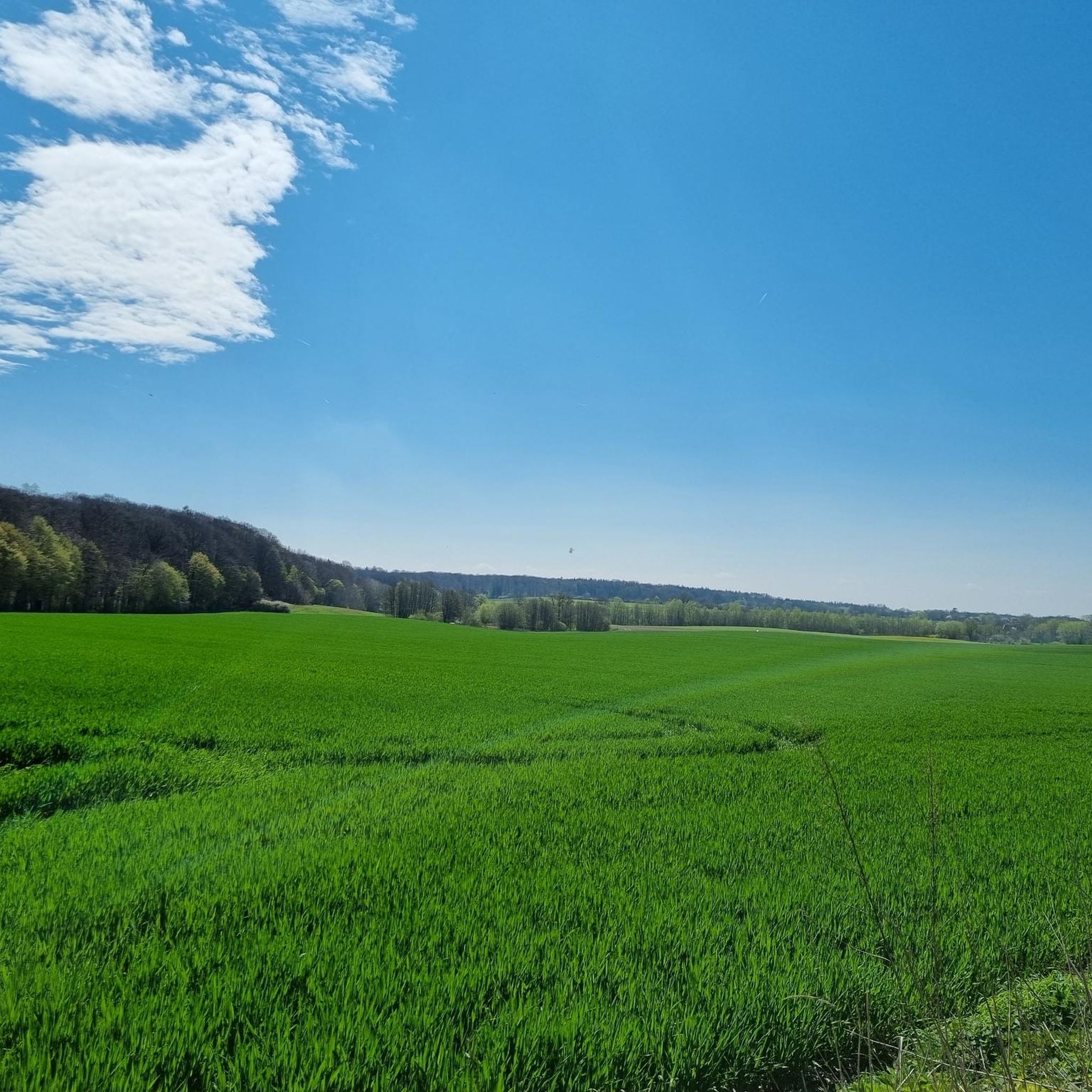
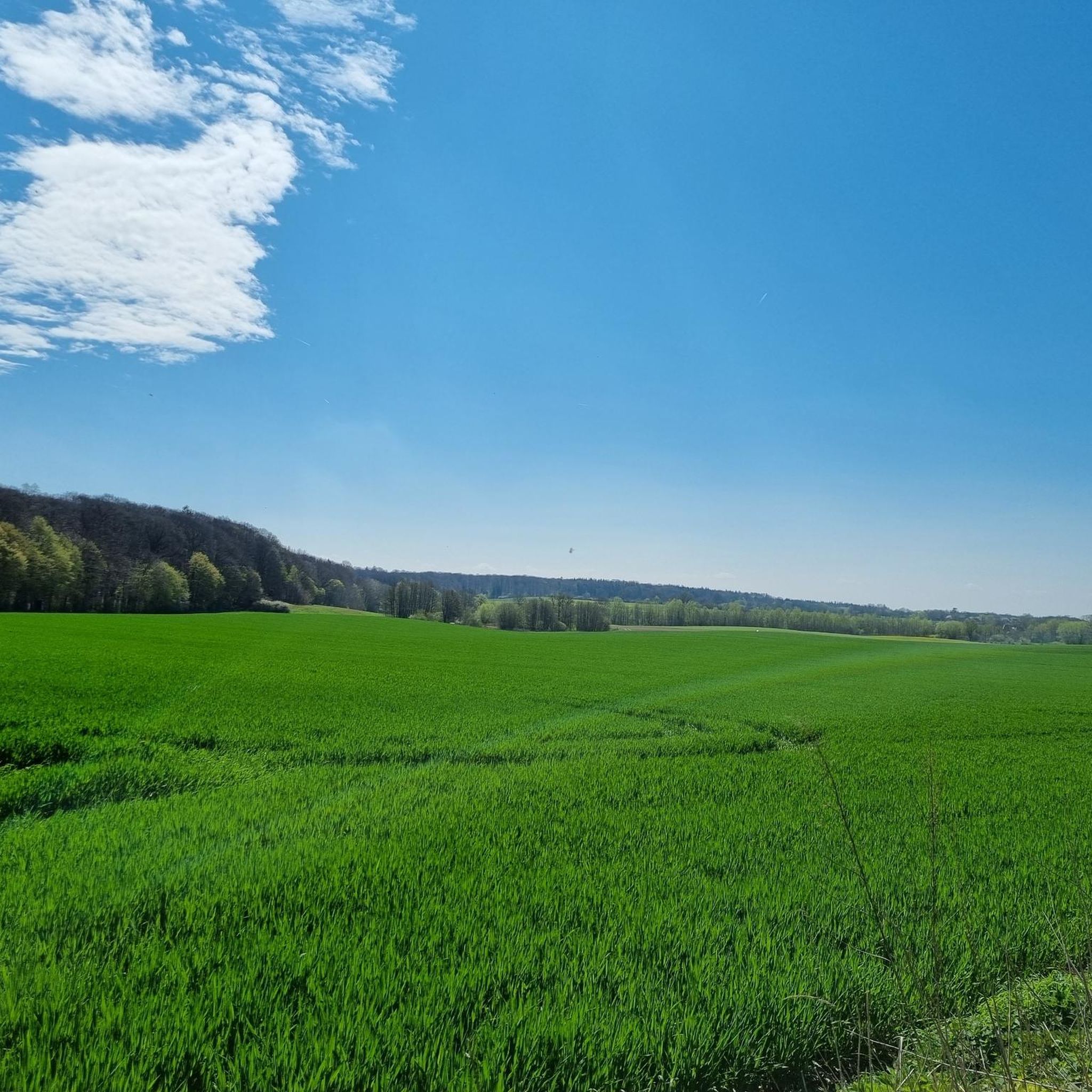
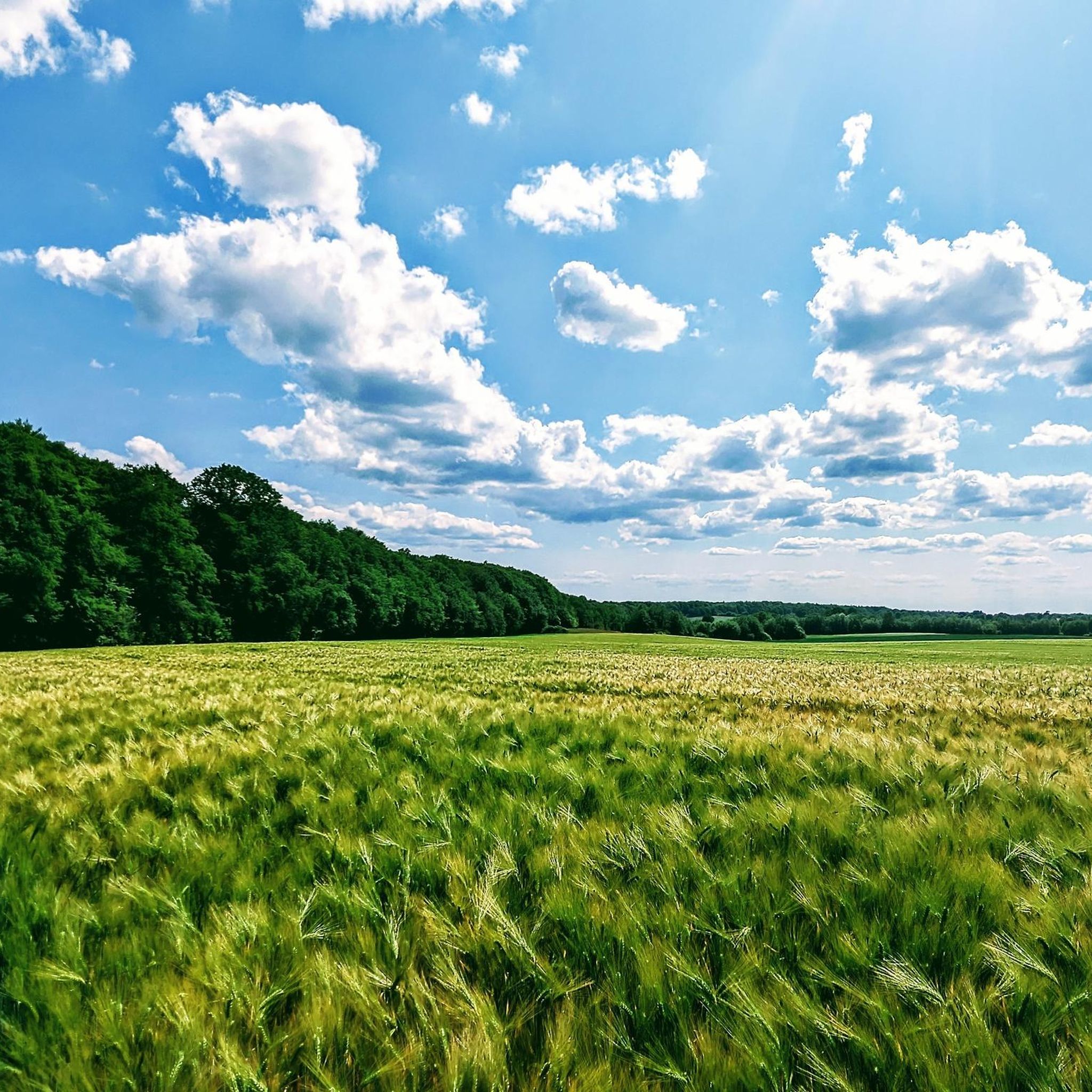
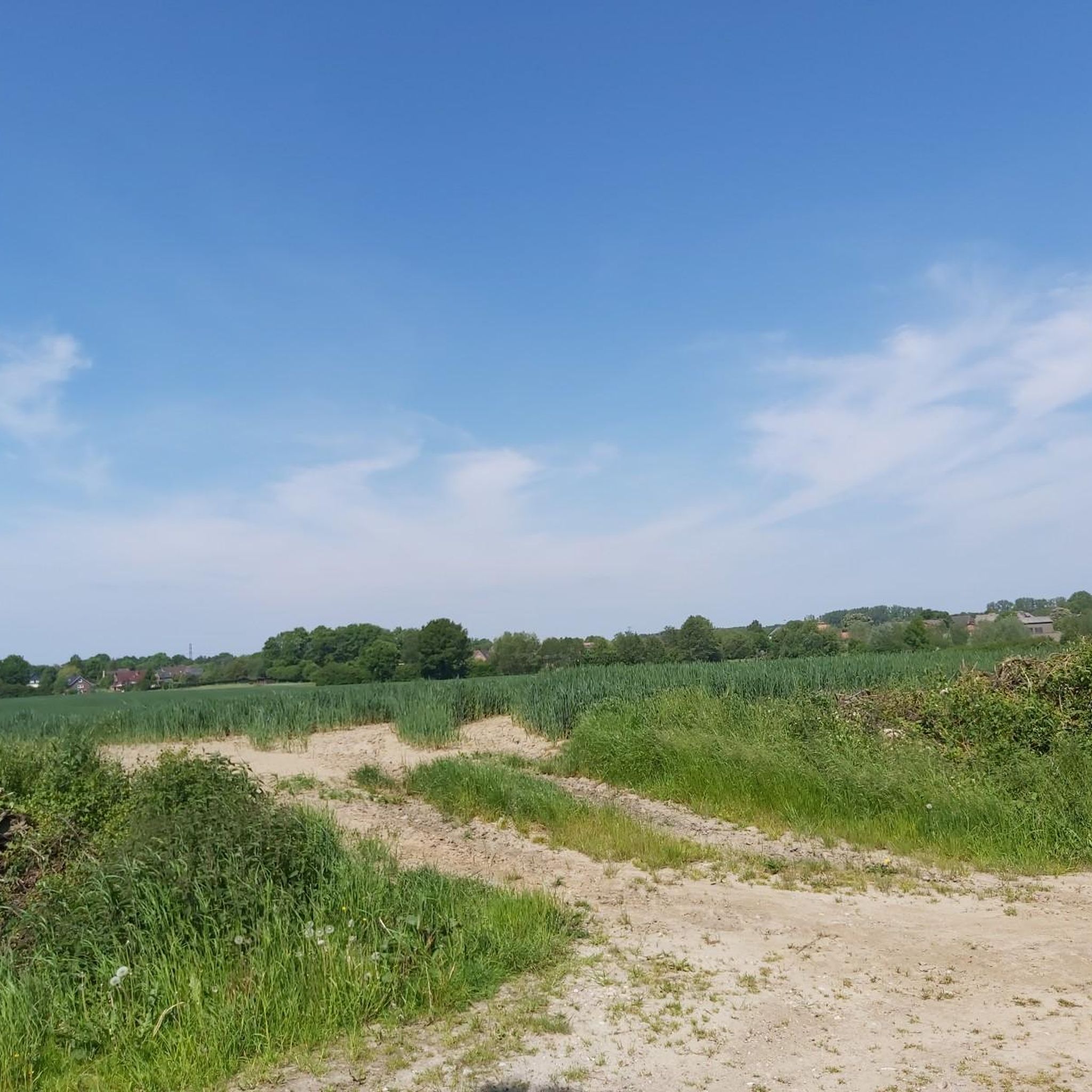
Road cycling routes in Naturschutzgebiet Hevenbruch traverse a moraine landscape in the Herzogtum Lauenburg district of Schleswig-Holstein. The region features an undulating terrain, offering varied experiences for road cyclists. While the core nature reserve protects ancient beech forests, the surrounding areas consist of agricultural land and open countryside. This mosaic of dense woodlands and open fields provides scenic routes on mostly paved surfaces.
Best road cycling routes in Naturschutzgebiet Hevenbruch
- The most popular road cycling route is Sunset View Over…
Last updated: July 3, 2026
1
riders
52.0km
02:35
240m
250m
Moderate road ride. Good fitness required. Some segments of this route may be unpaved and difficult to ride.
3
riders
46.2km
02:01
260m
260m
Moderate road ride. Good fitness required. Mostly well-paved surfaces and easy to ride.

Sign up for free
5.0
(1)
4
riders
31.7km
01:16
120m
120m
Moderate road ride. Great for any fitness level. Some segments of this route may be unpaved and difficult to ride.
11
riders
28.1km
01:12
150m
150m
Easy road ride. Great for any fitness level. Mostly well-paved surfaces and easy to ride.
6
riders
Easy road ride. Great for any fitness level. Mostly well-paved surfaces and easy to ride.
Get access to more routes and recommendations from other explorers.
Sign up for free
Already have an account?
Our route recommendations are based on thousands of hikes, rides, and runs completed by other people on komoot.
Start today with a free account
Your next adventure awaits.
Login or Signup

Tips from the Community

An easy-to-ride stretch
0
0

Beautiful church directly above the Elbe-Lübeck Canal... you can't miss it if you cross the canal on the bridge right in front of it.
1
0

Unfortunately, I found the large church closed (on weekdays). However, there's a lovely bench in front of the church, and the old gravestones and crosses around the church are worth exploring.
1
0


If you don't want to drive on the main road, you should drive here instead.
2
0

The first reliable documented mention of Nusse was in 1194 in a contract between the Ratzeburg bishop and the cathedral chapter. This makes Nusse one of the oldest parishes in the Duchy of Lauenburg district. The original church in Nusse was built around 1250. The first documented mention of the Behlendorf parish, however, only appeared in the Ratzeburg bishop's tax of 1319. The current church replaces the original building, which was demolished in 1837 after a vault collapsed. The new building was built in 1838/39 using the old foundation walls. A three-aisled hall made of fieldstone and brick was created with a raised central nave and a recessed polygonal choir. As a result of the flat angle of inclination of the side roofs, moisture damage occurred to the masonry, so that reconstruction was necessary. In 1914/15, a uniformly high roof was built that arched over all three naves and a mighty tower was built on the west side, which was drawn into the nave. The interior furnishings are essentially from the time when the church was built. The late classicist pulpit altar, which, like the organ, was made by Theodor Vogt from Lübeck, is noteworthy. The classicist vase-shaped baptismal font was also created by C. A: Schönemann in 1839 especially for the new church. It replaced a baptismal font from the 13th century, which was still there but was badly damaged. A wooden crucifix (15th century) and two paintings (Annunciation, 1st half of the 16th century; Last Supper, 17th century) were taken from the previous church. Also worth mentioning is the picture of Pastor Andreas Sartori from 1898. https://www.kirche-ll.de/gemeinden/lauenburg/nusse-behlendorf/gemeindeleben/geschichte.html
2
0
In 1230, the Slavic settlement was first mentioned in the Ratzeburg tithe register as Linowe or Lynowe. The place name goes back to Old Polabian *Linov and is a combination of *lin "tench" and the possessive suffix -ov and means settlement near the tench. Linau is of Slavic origin and lies on the "Limes Saxoniae", the former border between Saxons and Slavs, which enters the administrative area here. According to historical research, it can be assumed that the then "Lynowe" existed as a settlement much earlier. Linau Castle was destroyed in 1291, and the second castle in 1349. The remains of the castle complex are now more clearly visible again, as the foundation of the complex was restored as authentically as possible in a very complex operation in cooperation with the State Archaeological Office. The complex thus gives visitors an idea of its former importance. It is the only castle ruin of its kind in southern Holstein. Linau is located on the edge of the Hahnheide nature reserve and local recreation area, directly on the district border with Stormarn. The community had 543 inhabitants in 1939. After the unspeakable war, there were 1031. Many of them have accepted the community as their new home. Linau has an intact, diverse club life, including a motivated volunteer fire department. This is not least and especially due to the initiative of the Linauers. https://gemeinde-linau.de/unser-dorf/ https://de.wikipedia.org/wiki/Linau
4
0
The wooden bridge leads over the still very young Bille to the castle ruins.
5
0
Frequently Asked Questions
What is the typical terrain like for road cycling in Naturschutzgebiet Hevenbruch?
The region around Naturschutzgebiet Hevenbruch features a scenic moraine landscape, which means you can expect gently undulating terrain. Routes often traverse a mosaic of dense woodlands, agricultural land, and open countryside, providing varied and picturesque views. While the core nature reserve protects ancient beech forests, the cycling routes primarily follow paved surfaces through the surrounding areas.
What is the general difficulty level of road cycling routes in Naturschutzgebiet Hevenbruch?
The road cycling routes in Naturschutzgebiet Hevenbruch cater to a range of abilities. You'll find a good mix of options, with 30 routes classified as easy and 52 as moderate. There are no routes currently listed as difficult, making the area accessible for most road cyclists looking for an enjoyable ride.
Are there any road cycling routes that offer scenic views or natural features?
Yes, many routes showcase the region's natural beauty. For instance, the Sunset View Over Schönautal – Scenic Forest Road loop from Poggensee offers beautiful vistas over the Schönautal. Another route, the Descent Into the Lübeck Basin – Elbe–Lübeck Canal loop from Ritzerau, provides waterside scenery along the Elbe–Lübeck Canal. The moraine landscape itself, with its mix of forests and open fields, ensures scenic backdrops throughout your ride.
What do other cyclists say about road cycling in Naturschutzgebiet Hevenbruch?
The road cycling routes in Naturschutzgebiet Hevenbruch are highly regarded by the komoot community, holding an average rating of 4.4 stars from over 90 reviews. Cyclists often praise the well-maintained, mostly paved surfaces and the peaceful, scenic environment that combines forests, agricultural land, and charming rural areas.
Are the road cycling routes in Naturschutzgebiet Hevenbruch suitable for families?
Yes, with 30 easy routes available, many road cycling paths in the Naturschutzgebiet Hevenbruch area are suitable for families. The gently undulating terrain and mostly paved surfaces make for a pleasant experience. Routes like the View of Nusse – St. John's Church, Nusse loop from Ritzerau, which is classified as easy, could be a good option for a family outing.
Can I bring my dog on the road cycling routes?
While the core Naturschutzgebiet Hevenbruch is a protected area, the surrounding region offers many cycling routes. Generally, dogs are permitted on leashes on public paths. However, it's always best to check local signage for specific regulations, especially when cycling near sensitive natural areas or agricultural land, to ensure a pleasant experience for everyone and to protect wildlife.
Are there any circular road cycling routes available?
Yes, many of the road cycling routes in Naturschutzgebiet Hevenbruch are designed as loops, offering convenient starting and ending points. Examples include the popular Sunset View Over Schönautal – Scenic Forest Road loop from Poggensee and the Café Schnack & Back loop from Poggensee, both starting from Poggensee.
What is the best time of year to go road cycling in Naturschutzgebiet Hevenbruch?
The region is beautiful throughout the warmer months. Spring offers lush greenery and blooming landscapes, while summer provides longer daylight hours. Autumn brings vibrant fall colors to the beech forests and surrounding countryside. Winter cycling is possible, but be prepared for colder temperatures and potentially icy conditions on some paths.
Are there places to stop for refreshments or accommodation near the routes?
Yes, the rural areas surrounding Naturschutzgebiet Hevenbruch have various small towns and villages where you can find cafes, pubs, and guesthouses. For example, the Café Schnack & Back loop from Poggensee specifically highlights a local cafe, indicating that such amenities are available along or near many routes.
What kind of surfaces can I expect on the road cycling routes?
The road cycling routes in the Naturschutzgebiet Hevenbruch area are predominantly on paved surfaces. This ensures a smooth and enjoyable ride suitable for road bikes, allowing you to fully appreciate the scenic moraine landscape and rural charm without encountering significant unpaved sections.
Where can I park my car when visiting for road cycling?
Parking is generally available in the towns and villages near the starting points of many routes, such as Poggensee or Ritzerau. Look for designated parking areas or public parking spaces in these communities. Specific parking information for individual routes can often be found on their respective komoot tour pages.
Can I access the road cycling routes using public transport?
Public transport options exist to reach the general area of Naturschutzgebiet Hevenbruch, primarily through bus services connecting to larger towns. However, direct access to specific route starting points might require some planning. It's advisable to check local bus schedules and routes in advance to see how well they align with your chosen cycling tour.
Most popular routes in Naturschutzgebiet Hevenbruch
Most popular attractions in Naturschutzgebiet Hevenbruch

Get inspired with the komoot mobile app


Explore more
Browse the best Road cycling routes in other regions.
