Naturschutzgebiet Untere Seeveniederung Und Over Plack
Naturschutzgebiet Untere Seeveniederung Und Over Plack
Attractions and Places To See in Naturschutzgebiet Untere Seeveniederung Und Over Plack - Top 20
Best attractions and places to see in Naturschutzgebiet Untere Seeveniederung Und Over Plack, located in Lower Saxony, Germany, encompass a diverse natural landscape shaped by the Seeve river and its tributaries. This nature reserve is recognized for its extensive occurrences of the rare snake's head fritillary, particularly in the Junkernfeld area. The region features various waterways, including the Seeve, Ashauser Mühlengraben, and several lakes like Junkernfeldsee and Steller See. It serves as a significant habitat and feeding ground for numerous…
Last updated: July 5, 2026
Seeve Estuary and Seeve Sluice (Seevesperrwerk)
Highlight • River
An easily navigable farm road leads along the Seeve. The rare checkerboard flower can be seen in the adjacent meadows …
Translated by Google •
Tip by

Junkernfeld chess flower meadow in the Lower Seeve Lowlands
Highlight (Segment) • Natural Monument
Translated by Google •
Tip by

Sign up now to discover places like this
Get recommendations on the best single tracks, peaks, & plenty of other exciting outdoor places.
Sign up for free
Seeve Flood Barrier
Highlight • Monument
Translated by Google •
Tip by

Snake's-head Fritillary Meadow in the Lower Seeve Valley
Highlight • Natural Monument
Translated by Google •
Tip by

Lake Junkernfeld
Highlight • Lake
Translated by Google •
Tip by
Sign up for free to discover even more attractions in Naturschutzgebiet Untere Seeveniederung Und Over Plack.
Sign up for free
Already have an account?
Start today with a free account
Your next adventure awaits.
Login or Signup
Popular around Naturschutzgebiet Untere Seeveniederung Und Over Plack
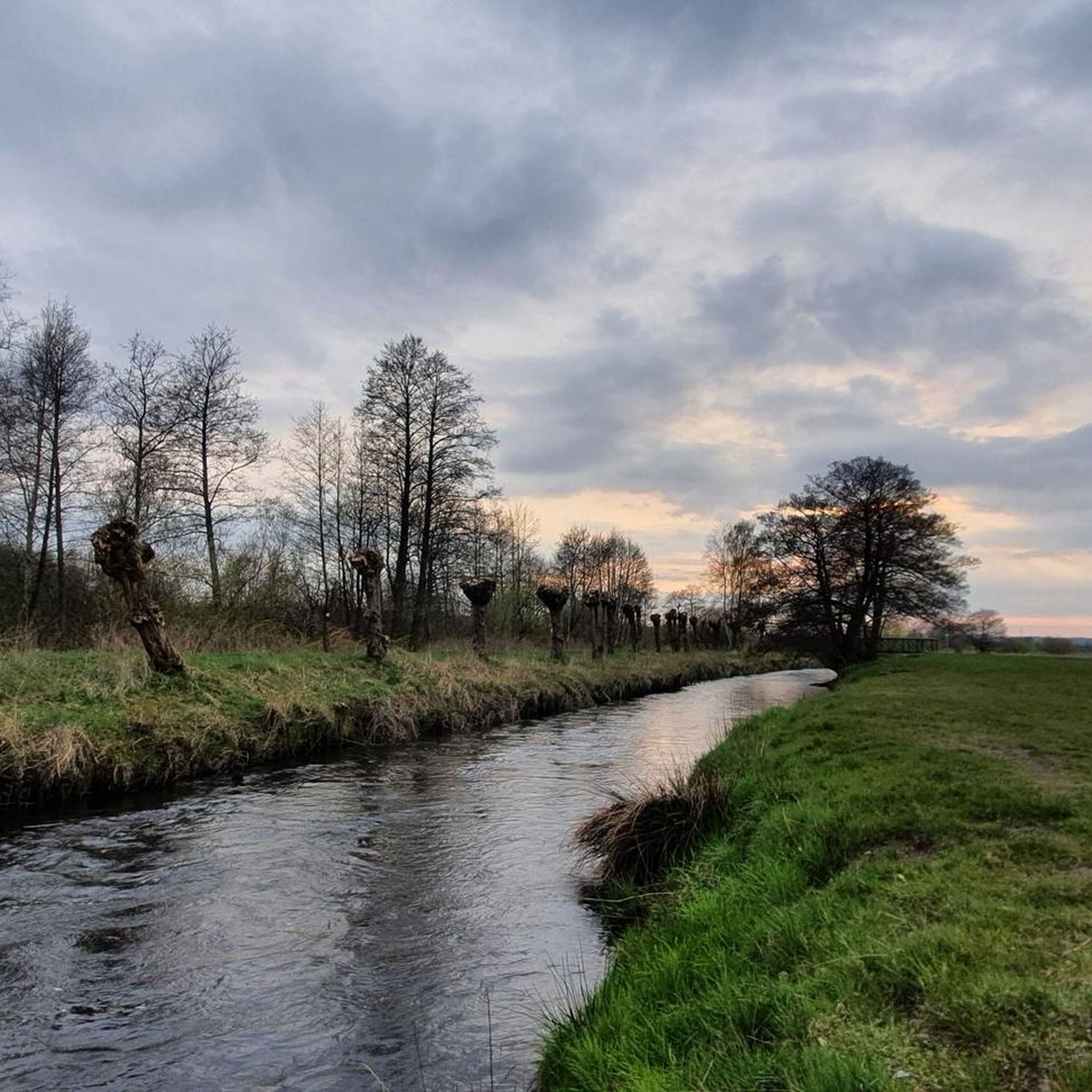
Cycling in Naturschutzgebiet Untere Seeveniederung Und Over Plack
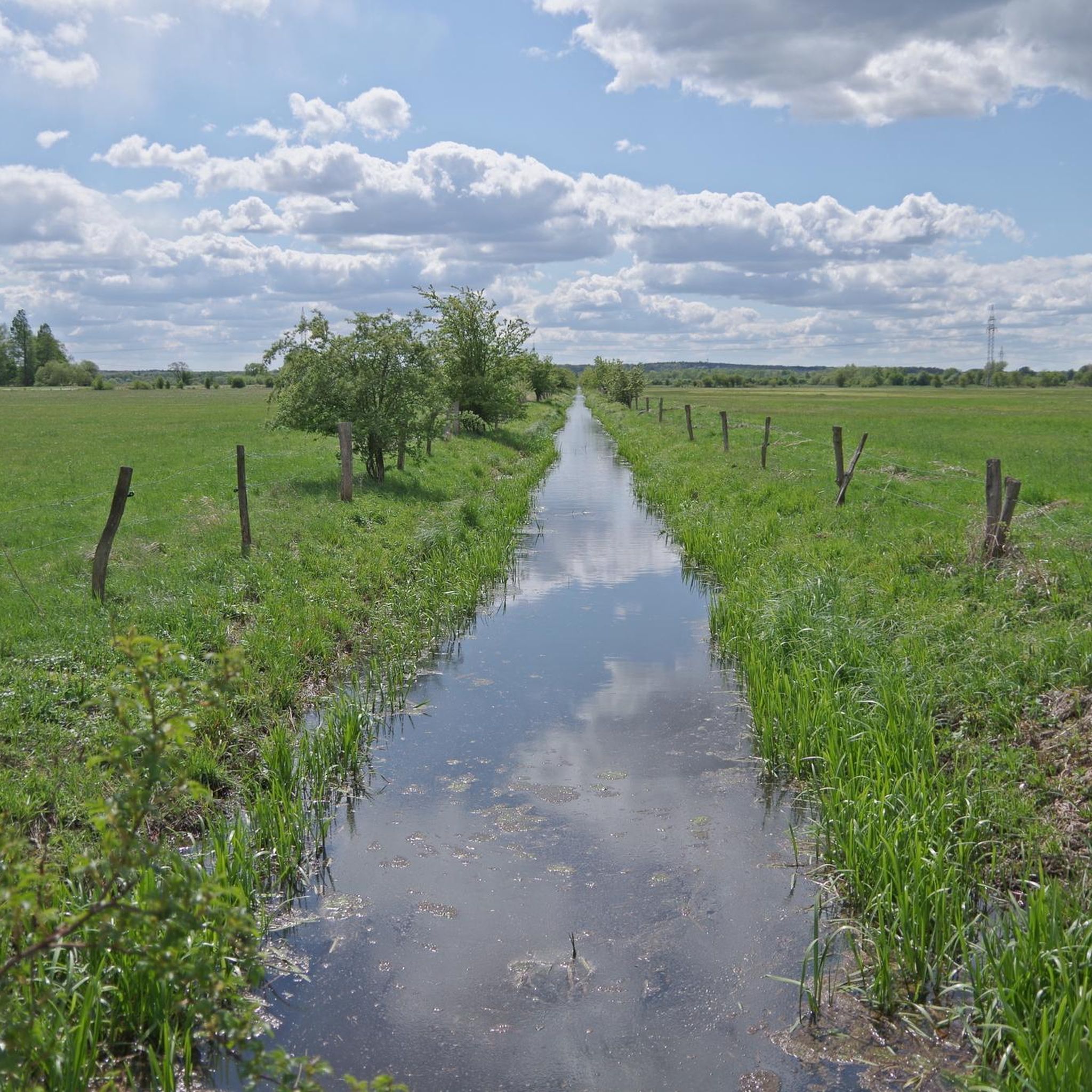
Running Trails in Naturschutzgebiet Untere Seeveniederung Und Over Plack
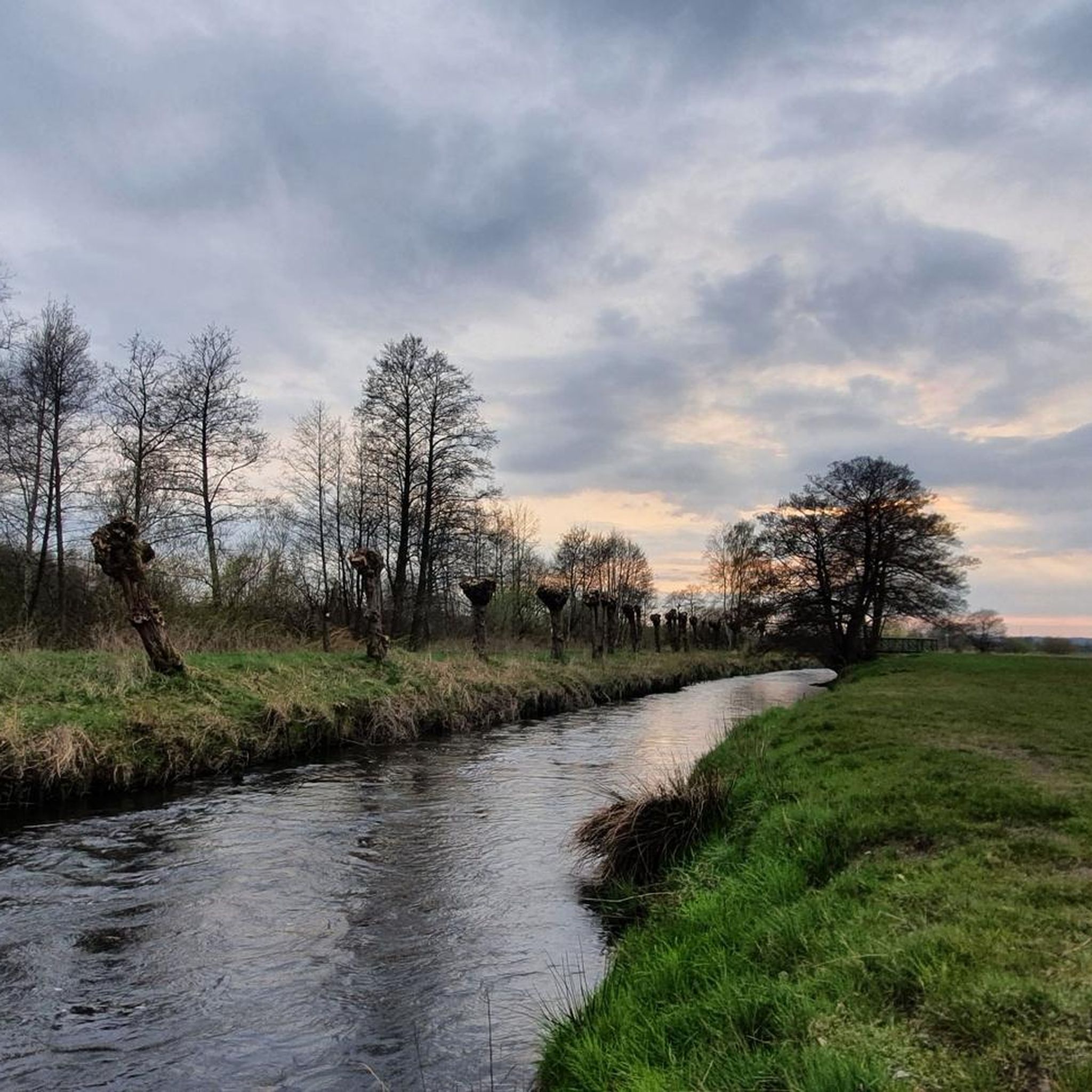
Hiking in Naturschutzgebiet Untere Seeveniederung Und Over Plack
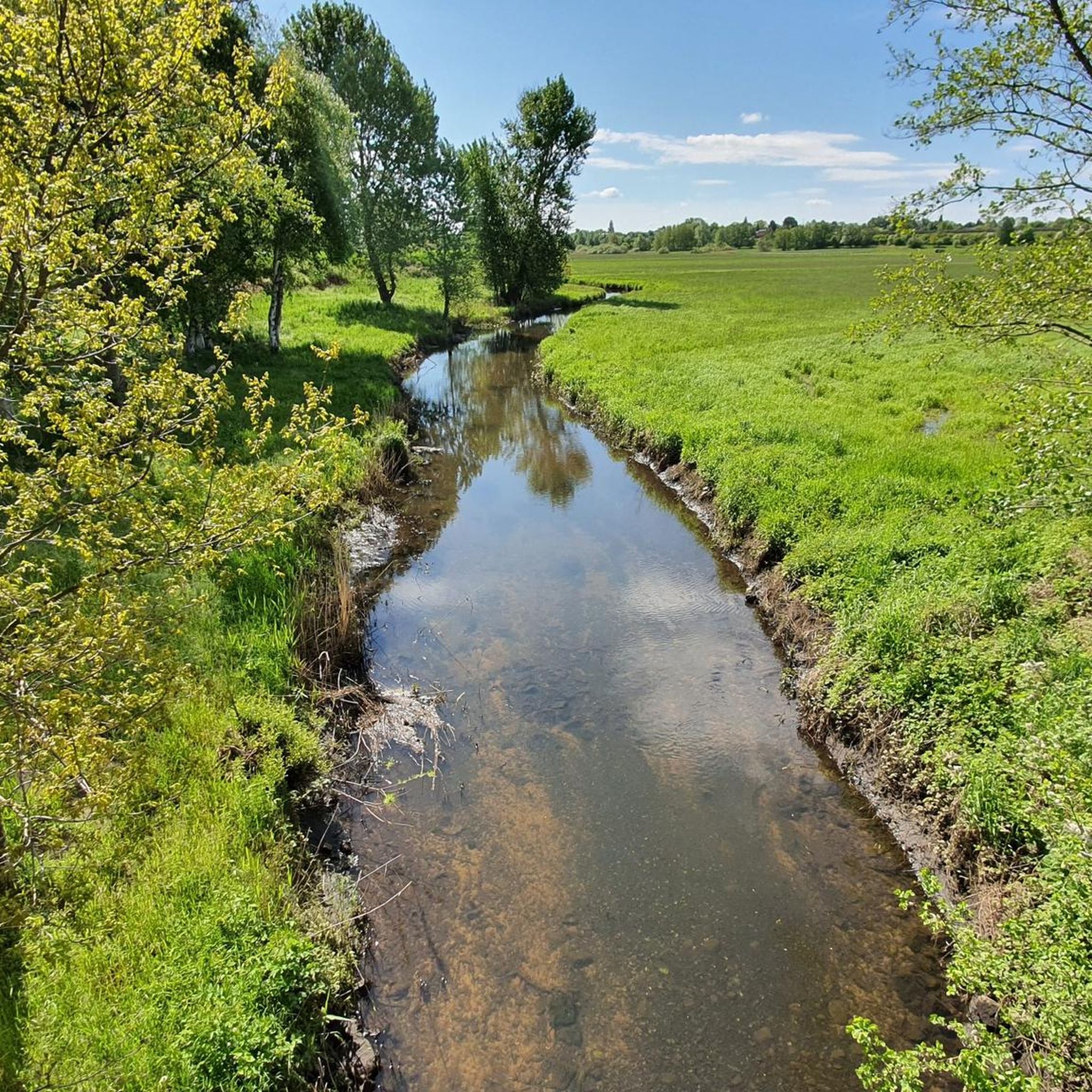
Road Cycling Routes in Naturschutzgebiet Untere Seeveniederung Und Over Plack
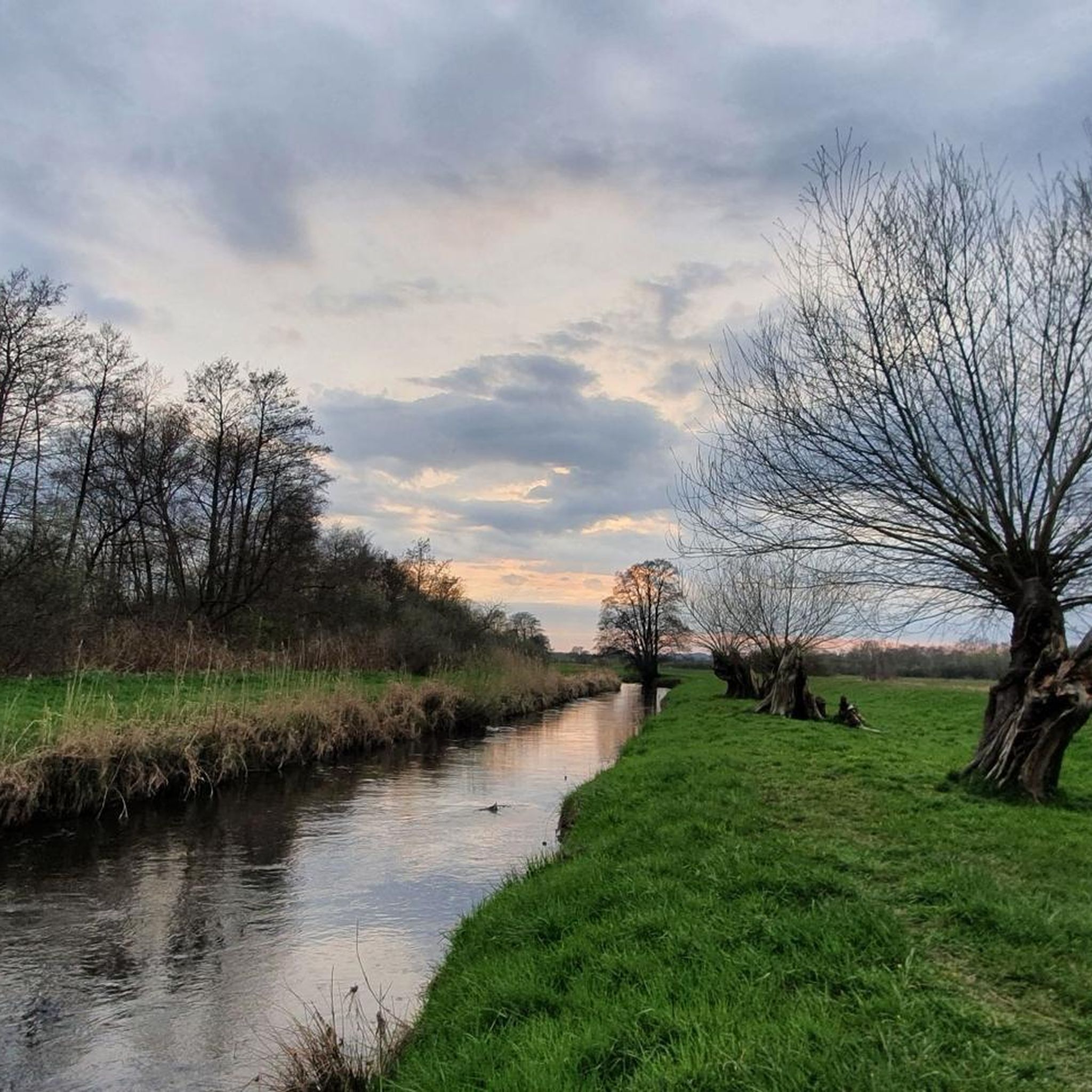
MTB Trails in Naturschutzgebiet Untere Seeveniederung Und Over Plack
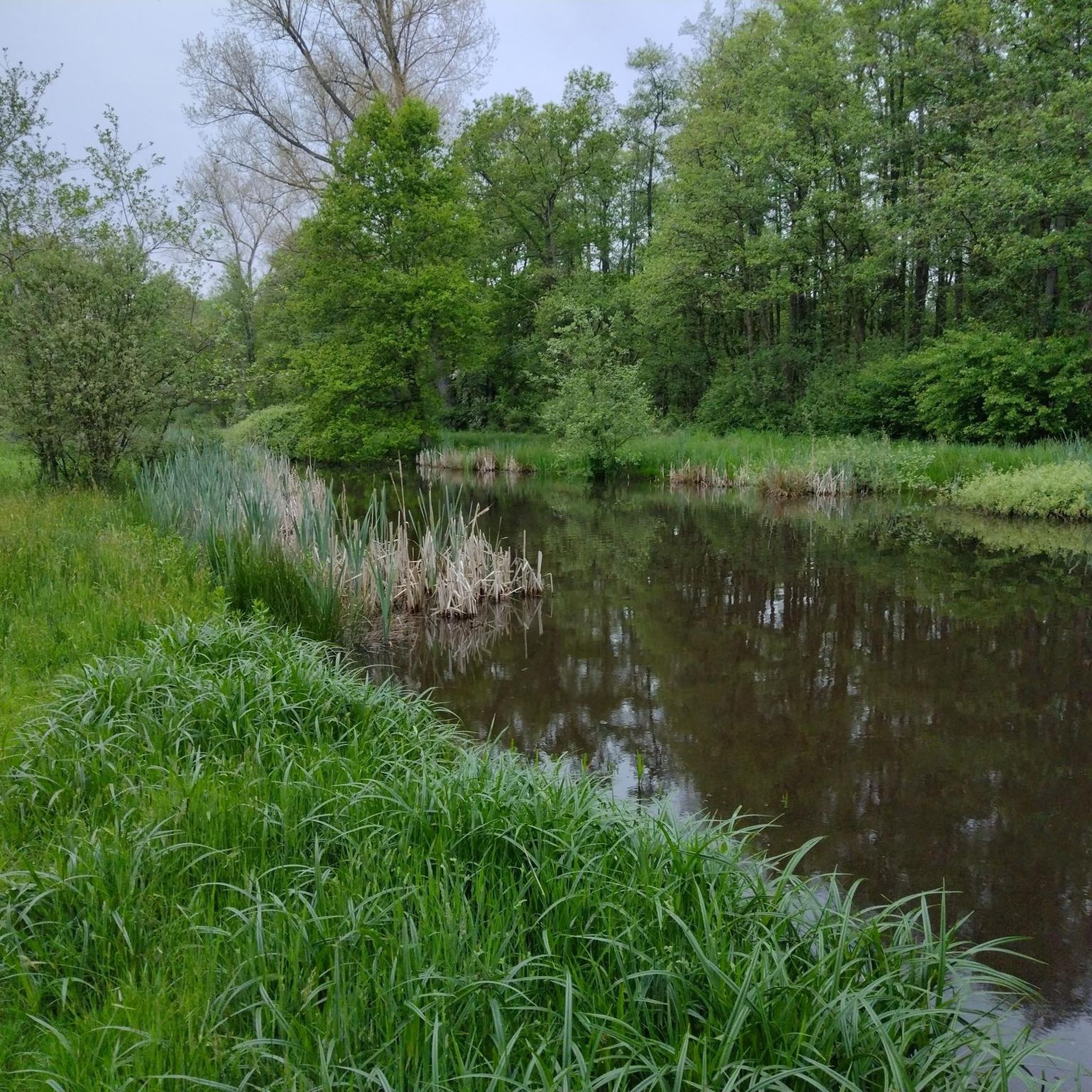
Gravel biking in Naturschutzgebiet Untere Seeveniederung Und Over Plack
Tips from the Community

Beauty in every season - not only when the checkerboard flowers bloom
1
0

As an angler, I am a water fan, so the Speerwerk, as well as the Seeve, the Elbe, the Seeve Canal and all other bodies of water are among the absolute highlights for me.
1
0

Here the Seeve flows into the Elbe.
5
0

Along the Seeve is pure nature, a very nice bike path.
2
0

Here the Seeve flows into the Elbe. There is a nice view of the river from the bridge.
4
0

The Seeve barrage is located where the Seeve flows into the Elbe. It is part of a flood protection concept on the tidal-influenced Lower Elbe from the Geesthacht barrage to the river's mouth in the North Sea, which was developed as a result of the severe storm surge in February 1962. The barrage, built in 1965 and 1966, protects the Seeve lowlands from flooding. Construction costs amounted to the equivalent of around 0.8 million euros. The structure is 43.60 meters wide and 19.90 meters deep. As a sluice, it has sluice gates, but also storm surge-proof lifting gates. That is why it is officially referred to as a "barrage and sluice". The system was automated in 2004. It is always closed when the water level of the Elbe rises above that of the Seeve. The sluice opens automatically again as soon as the water level of the Elbe falls below that of the Seeve. https://de.wikipedia.org/wiki/Seevesperrwerk
4
3

From above you have a great view – including the Steve-Elbe estuary.
3
0

The Seeve barrage. The barrage was built in 1965/66 to protect the inland from flooding and to avoid having to raise the dike 13.2 km in length. The construction costs for the Seeve barrage amounted to 0.8 million euros. The construction work was financed as part of the federal and state coastal protection program of the federal government and the state of Lower Saxony, with 70% federal and 30% state funds. The pairs of swing gates of the Seeve sluice close automatically on the Elbe side when water from the Elbe pushes into the Seeve and the capsize point is exceeded. The three hydraulic lifting gates on the Seeve side, which are automatically controlled, serve as additional safety. If the water level of the Elbe falls below that of the Seeve, the sluice opens again.
4
0
Frequently Asked Questions
What unique natural features can I find in Naturschutzgebiet Untere Seeveniederung Und Over Plack?
The nature reserve is renowned for its extensive Junkernfeld chess flower meadow, home to the rare snake's head fritillary. You'll also find diverse waterways like the Seeve river, Ashauser Mühlengraben, and Kohlenbach, alongside lakes such as Lake Junkernfeld and Steller See.
When is the best time to visit to see the snake's head fritillary flowers?
The snake's head fritillary flowers typically bloom in late April to early May. This period offers the best chance to witness the unique 'checkerboard' pattern of these rare flowers, especially in the Junkernfeld chess flower meadow.
What kind of wildlife can I observe in the nature reserve?
The area is a vital habitat for numerous bird species, including white storks, marsh harriers, red kites, and various meadow birds like curlews and lapwings. You might also spot kingfishers, and the white-tailed eagle uses the area for foraging. Lake Junkernfeld has an observation tower specifically for birdwatching.
Are there any historical or cultural points of interest in the area?
Yes, in the southwest of the reserve, you can find a 'Pferdekopf-Tiefpumpe' (nodding donkey pump), an industrial monument from the region's oil extraction past, with information boards explaining its history. Additionally, the historic Horster Mühle (Horst Mill), dating back to at least 1529, is located nearby on the Seeve river and includes a restaurant.
What outdoor activities are available in Naturschutzgebiet Untere Seeveniederung Und Over Plack?
The nature reserve is ideal for various outdoor activities. You can enjoy cycling on routes like the 'Hoopte Ferry on the River Elbe – Seeve Flood Barrier loop' or 'Lake in the Great Moor – Seevekanal Cycle Path loop'. For hiking, there are easy trails such as the 'Seeve Estuary on the Elbe – Lake Junkernfeld loop'. Find more options in the cycling guide and easy hikes guide.
Are there easy hiking trails suitable for everyone?
Yes, there are several easy hiking trails. For example, the 'Seeve Estuary on the Elbe – Lake Junkernfeld loop' is an easy 7.5 km hike. These paths often follow well-maintained economic roads along the Seeve river, offering pleasant walks for various fitness levels. You can explore more options in the easy hikes guide.
Can I go cycling in the nature reserve?
Absolutely. The area offers numerous cycling opportunities, with routes like the 'Hoopte Ferry on the River Elbe – Seeve Flood Barrier loop from Stelle' (20.3 km, easy) and the 'Lake in the Great Moor – Seevekanal Cycle Path loop from Stelle' (32.8 km, easy). These routes allow you to explore the diverse landscapes. More cycling routes can be found in the cycling guide.
Is Naturschutzgebiet Untere Seeveniederung Und Over Plack suitable for families with children?
Yes, many attractions are family-friendly. The Seeve Estuary and Seeve Sluice offers easily navigable paths, and the Junkernfeld chess flower meadow is a fascinating natural spectacle. The Horster Mühle nearby also has a restaurant and is popular with families.
Are there any wheelchair-accessible paths or attractions?
The Junkernfeld chess flower meadow is noted as wheelchair accessible, allowing visitors to experience the unique flora. Generally, well-maintained economic paths along the Seeve river are also suitable for easier access.
Where can I observe birds in the nature reserve?
The best place for birdwatching is the observation tower at Lake Junkernfeld. From here, you can observe local birdlife without disturbance. The entire Untere Seeveniederung Und Over Plack is a significant habitat and feeding ground for numerous bird species.
What are some popular viewpoints or scenic spots?
The Seeve Estuary and Seeve Sluice offers scenic views where the Seeve flows into the Elbe. The observation tower at Lake Junkernfeld provides panoramic views over the lake and surrounding nature, ideal for birdwatching.
Are dogs allowed in the nature reserve?
When visiting sensitive areas like the Junkernfeld chess flower meadow, it's important to keep dogs on a leash to protect the delicate ecosystem and wildlife. Always adhere to local signage regarding dog regulations.
What are the main waterways in the nature reserve?
The nature reserve is shaped by the Seeve river, known as northern Germany's coldest river, along with the Ashauser Mühlengraben and the Kohlenbach. Additionally, there are two gravel pits, Junkernfeldsee and Steller See, and the Jägermeisterbrack.
Are there any amenities like cafes or restaurants nearby?
Yes, the historic Horster Mühle (Horst Mill), located on the Seeve river, features a restaurant and is a popular spot for visitors. It's a great place to stop for refreshments after exploring the nature reserve.
Most popular routes in Naturschutzgebiet Untere Seeveniederung Und Over Plack
Most popular attractions in Naturschutzgebiet Untere Seeveniederung Und Over Plack

Get inspired with the komoot mobile app


Explore more
Still not found the Highlight you’re looking for? See guides of the top attractions in other regions:
