Attractions and Places To See in Naturschutzgebiet Seeve - Top 20
Best attractions and places to see in Naturschutzgebiet Seeve include a variety of historical landmarks and diverse natural features. The region features the meandering Seeve river, historic mills, and impressive railway viaducts. Visitors can explore wetland landscapes, forests, and habitats for various species. This area offers a blend of cultural significance and natural beauty.
Best attractions and places to see in Naturschutzgebiet Seeve
- The most popular attractions is Railway viaduct over the River Seeve, a bridge that offers a…
Last updated: July 5, 2026
Horster Mill — Watermill and Restaurant
Highlight • Monument
Translated by Google •
Tip by

Railway viaduct over the River Seeve
Highlight • Bridge
Translated by Google •
Tip by

Sign up now to discover places like this
Get recommendations on the best single tracks, peaks, & plenty of other exciting outdoor places.
Sign up for free
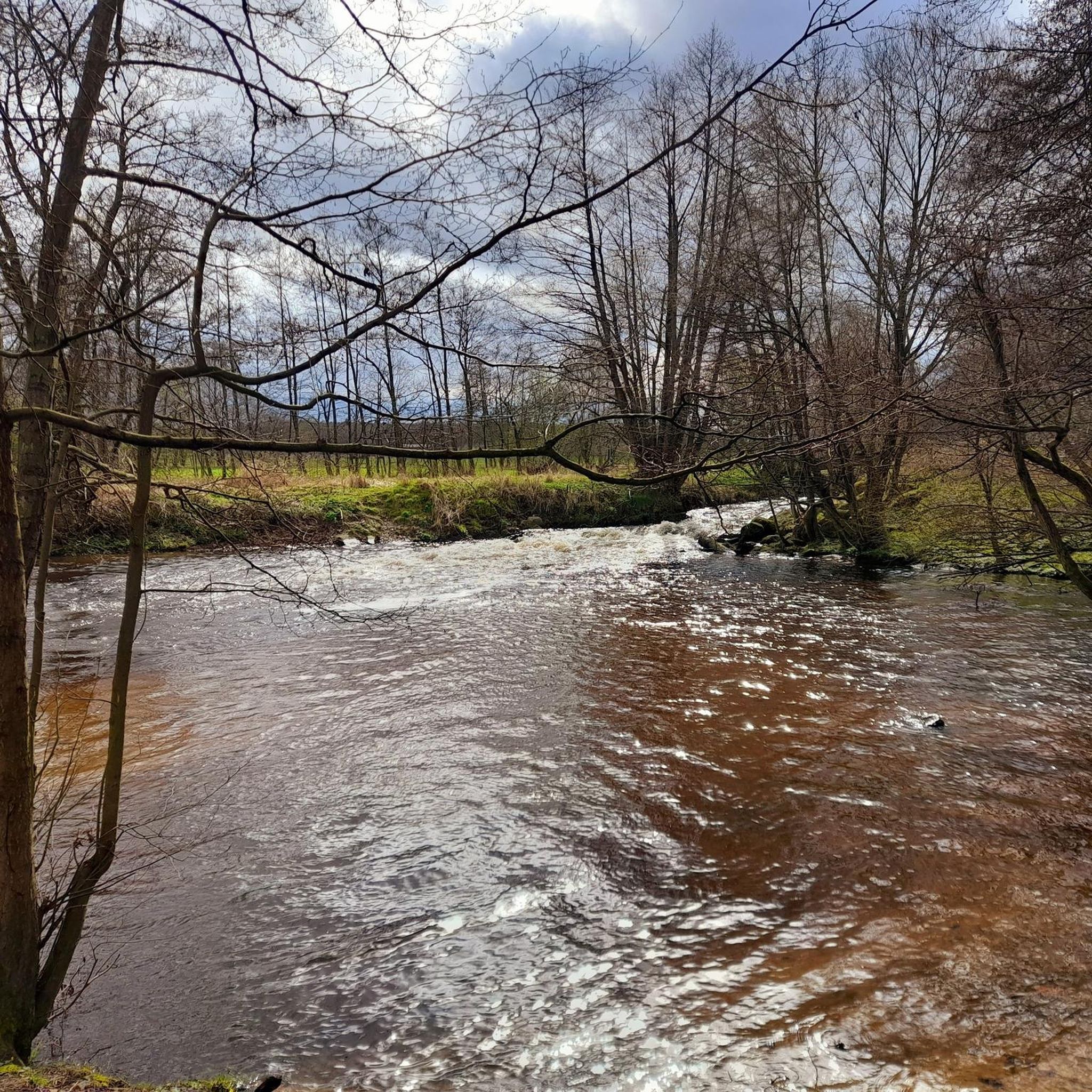
Seeve Stream in Jesteburg
Highlight • River
The Seeve rises between Handeloh and Undeloh and, after having meandered 40 km through the Geest, flows into the Elbe.
Here near Jesteburg you can follow the course …
Translated by Google •
Tip by

Holmer Watermill
Highlight • Monument
Translated by Google •
Tip by
Railroad bridge over the Schmale Aue
Highlight • Bridge
Translated by Google •
Tip by

Sign up for free to discover even more attractions in Naturschutzgebiet Seeve.
Sign up for free
Already have an account?
Start today with a free account
Your next adventure awaits.
Login or Signup
Tips from the Community

Restored railway viaduct over the Schmale Aue, which flows into the Seeve a little later.
3
0
Railway viaduct over the Schmale Aue. Just a few meters further, the Schmale Aue flows into the Seeve.
3
0
Idyllic lake bridge to linger.
1
0

The watermill in Holm is located directly on the Seeve Bridge. The first Holm watermill was probably built by the Winsen bailiff Christoph von Hodenberg, who created a manor from the farming village of Holm in 1567 and likely built a mill right away. The Holm Mill is first mentioned in 1615 in a dispute between the miller Tamke from Bendesdorf. During the Seven Years' War (1756-1763), the French probably burned down the Holm Mill in November 1757, but Baron Ludwig Schenk von Winterstedt, owner of the Holm manor, had it rebuilt in 1758. In the second half of the 19th century, the milling mechanism was completely renovated, so that nothing of the technology from 1758 remains. After the Second World War, the Holmer Mill served as a refugee camp, and grain was only milled occasionally until the mill lay empty and unused in the 1970s. Starting in 1977, after a usage agreement was signed between the mill owner and the History and Museum Association, the mill experienced new life and became the nucleus of our association. By Easter 1981, a new water wheel was installed, and a "demonstration" was held on milling days. By 1993, the water wheel was replaced for the second time in the association's history, this time with a more durable metal structure. Today, the Holmer Mill is used for lectures, art exhibitions, concerts, and monthly milling. https://www.gmv-buchholz.de/seite14.html
3
0


Imposing railway bridge spanning the Seeve
2
0

Very nice and a very good place to take nice photos.
4
0

Cafe Waldperle. Wonderfully decelerated.
1
0
Frequently Asked Questions
What natural features can I explore in Naturschutzgebiet Seeve?
The region is rich in natural beauty, centered around the meandering Seeve river. You can explore the Seeve Stream in Jesteburg, which is known for its clear, cool water and diverse fish species like grayling and trout. The area also features the Schmale Aue river, the Junkernfeldsee lake (a haven for rare species), extensive wetland landscapes, and various forests and moors. In spring, look for the distinctive "Schachblumen" (fritillaries) in the Lower Seeve Lowlands.
Are there historical sites to visit in Naturschutzgebiet Seeve?
Yes, the Naturschutzgebiet Seeve features several historical landmarks. The Horster Mill — Watermill and Restaurant, first mentioned in 1529, operates today as an inn and restaurant. Another historic site is the Holmer Watermill, dating back to 1567, which showcases the region's long history of water power. Additionally, the impressive Railway viaduct over the River Seeve and the restored Railroad bridge over the Schmale Aue are notable man-made structures.
What kind of wildlife can I spot in the Naturschutzgebiet Seeve?
The Seeve river is a vital habitat for various species, including fish like grayling, brown trout, and sea trout. Lucky observers might even spot a kingfisher near the Seeve Stream in Jesteburg. The Junkernfeldsee lake is a haven for numerous rare animal and plant species, and the "Seevengeti" near Steller See is an excellent spot for birdwatching.
Are there family-friendly activities or attractions in Naturschutzgebiet Seeve?
Many attractions in Naturschutzgebiet Seeve are suitable for families. The historic Horster Mill — Watermill and Restaurant offers a pleasant stop with dining options. Exploring the Seeve Stream in Jesteburg from small bridges provides insights into the river habitat. The "Entdeckerort Seeve am Junkernfeld" is a discovery site open year-round and free of charge, perfect for groups, families, and individuals to learn about the area's nature.
What are the best outdoor activities to do near these attractions?
The Naturschutzgebiet Seeve offers ample opportunities for outdoor activities. You can enjoy hiking on trails like the "Trail along the Seeve" or the "Holmer Watermill loop." For more options, explore the various routes available for hiking, easy hikes, and running in the region.
What is the best time of year to visit Naturschutzgebiet Seeve?
The Naturschutzgebiet Seeve is beautiful year-round. Spring is particularly special for observing the distinctive "Schachblumen" (fritillaries) in bloom, with a special observation boardwalk set up. Summer offers pleasant temperatures for exploring the cool Seeve river and its surroundings. Autumn brings colorful foliage, and even winter hikes can be enjoyed, offering a different perspective of the serene landscape.
Are there easy walking trails suitable for all abilities?
Yes, there are several easy walking trails. For instance, the "Trail along the Seeve – Shelter by the Seeve loop from Inzmühlen" is an easy 7.5 km route. Other easy options include the "'Glück zu' pier – Seeve River Near Horst loop" and the "Jesteburg Playground – Café Alte Sägerei loop." You can find more easy hiking routes in the easy hikes guide.
Where can I find a nice viewpoint in the area?
The Railway viaduct over the River Seeve offers a picturesque spot for a break with the sound of rushing water, making it an ideal place to slow down and enjoy the view. The Railroad bridge over the Schmale Aue is also described as a hidden and beautiful spot for observation.
Are there places to eat or have a coffee near the attractions?
Yes, the Horster Mill — Watermill and Restaurant is a lovely spot where you can enjoy coffee and a meal, offering both indoor dining and outdoor seating. The area around the Seeve Stream in Jesteburg also has options like Cafe Waldperle for a relaxing break.
What makes the Seeve river special?
The Seeve river is special because it is a summer-cool lowland river, considered Northern Germany's coldest with an average temperature of 6-8°C. It meanders for 40 km through the Geest, providing a vital habitat for various fish species and the kingfisher. Its clear, oxygen-rich water and natural course with alternating slopes and sandy-gravelly bottom make it a typical, near-natural Geestbach.
Can I bring my dog to the Naturschutzgebiet Seeve?
While specific dog-friendly regulations can vary, nature reserves generally welcome dogs on a leash. The numerous hiking and walking trails, such as those found in the hiking guide, provide ample opportunities for you and your dog to explore the natural beauty of the region. Always ensure to keep your dog under control and clean up after them to protect the wildlife and environment.
What is the 'Entdeckerort Seeve am Junkernfeld'?
The 'Entdeckerort Seeve am Junkernfeld' (Discovery Site Seeve at Junkernfeld) is a significant area within the nature reserve, spanning 500 hectares near the Junkernfeldsee. It's part of a network of sites that tell stories about the region, located on the northern section of the Seeve cycle path. It's open year-round, free of charge, and serves as an accessible spot for groups, families, and individuals to learn about the local flora and fauna.
Most popular routes in Naturschutzgebiet Seeve
Most popular attractions in Naturschutzgebiet Seeve

Get inspired with the komoot mobile app


Explore more
Still not found the Highlight you’re looking for? See guides of the top attractions in other regions:
