Attractions and Places To See in Weesener Bach - Top 13
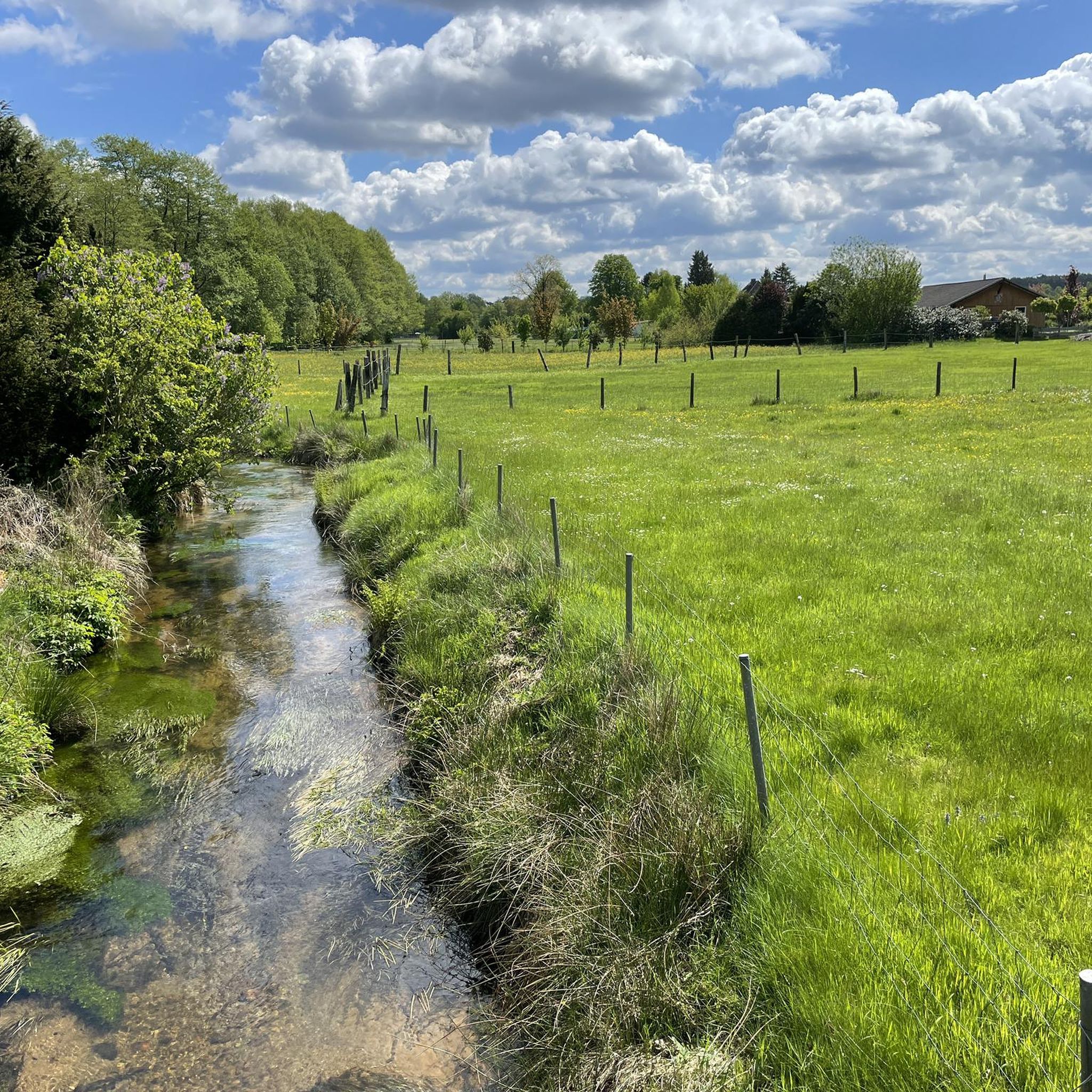
Best attractions and places to see in Weesener Bach include a variety of natural and historical sites within Lower Saxony, Germany. The region is centered around the Weesener Bach stream, a 10.5 km natural feature and nature reserve known for its diverse ecosystems and high water quality. Visitors can explore historical structures such as watermills and farmsteads, alongside natural landscapes. There are 15 attractions and places to see waiting to be explored.
Best attractions and places to see in Weesener…
Last updated: July 5, 2026
Weesener Brook
Highlight • River
Translated by Google •
Tip by

Luttermühle
Highlight • Monument
Translated by Google •
Tip by

Sign up now to discover places like this
Get recommendations on the best single tracks, peaks, & plenty of other exciting outdoor places.
Sign up for free
Lutterbach Watermill
Highlight • Monument
Translated by Google •
Tip by

Through the pine forest
Highlight (Segment) • Forest
Translated by Google •
Tip by
Wading pool on the Weesener Bach
Highlight • Rest Area
Translated by Google •
Tip by

Sign up for free to discover even more attractions in Weesener Bach.
Sign up for free
Already have an account?
Start today with a free account
Your next adventure awaits.
Login or Signup
Other adventures in Weesener Bach

Tips from the Community

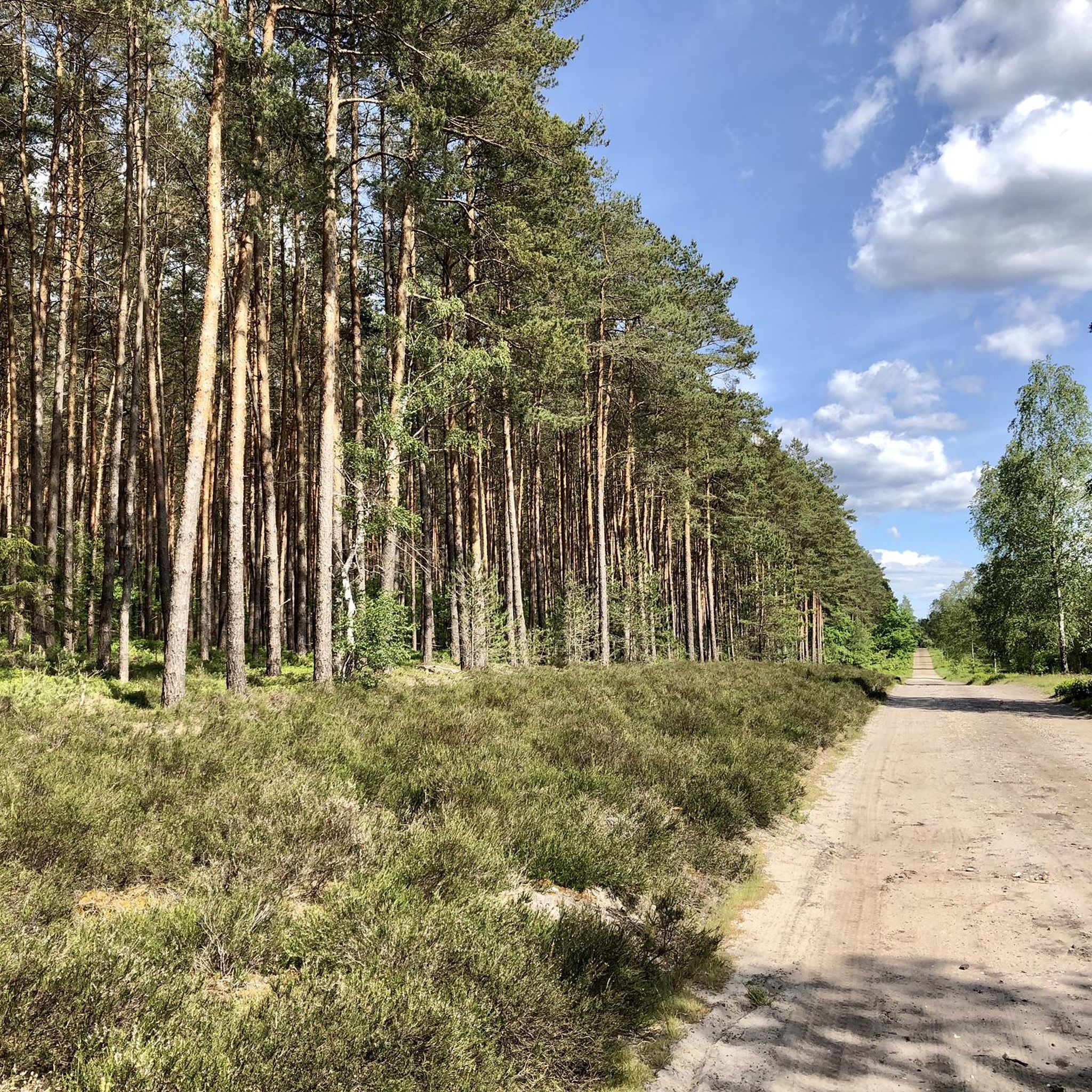
Stinkingly boring section... just straight ahead on a wide forest road
1
0

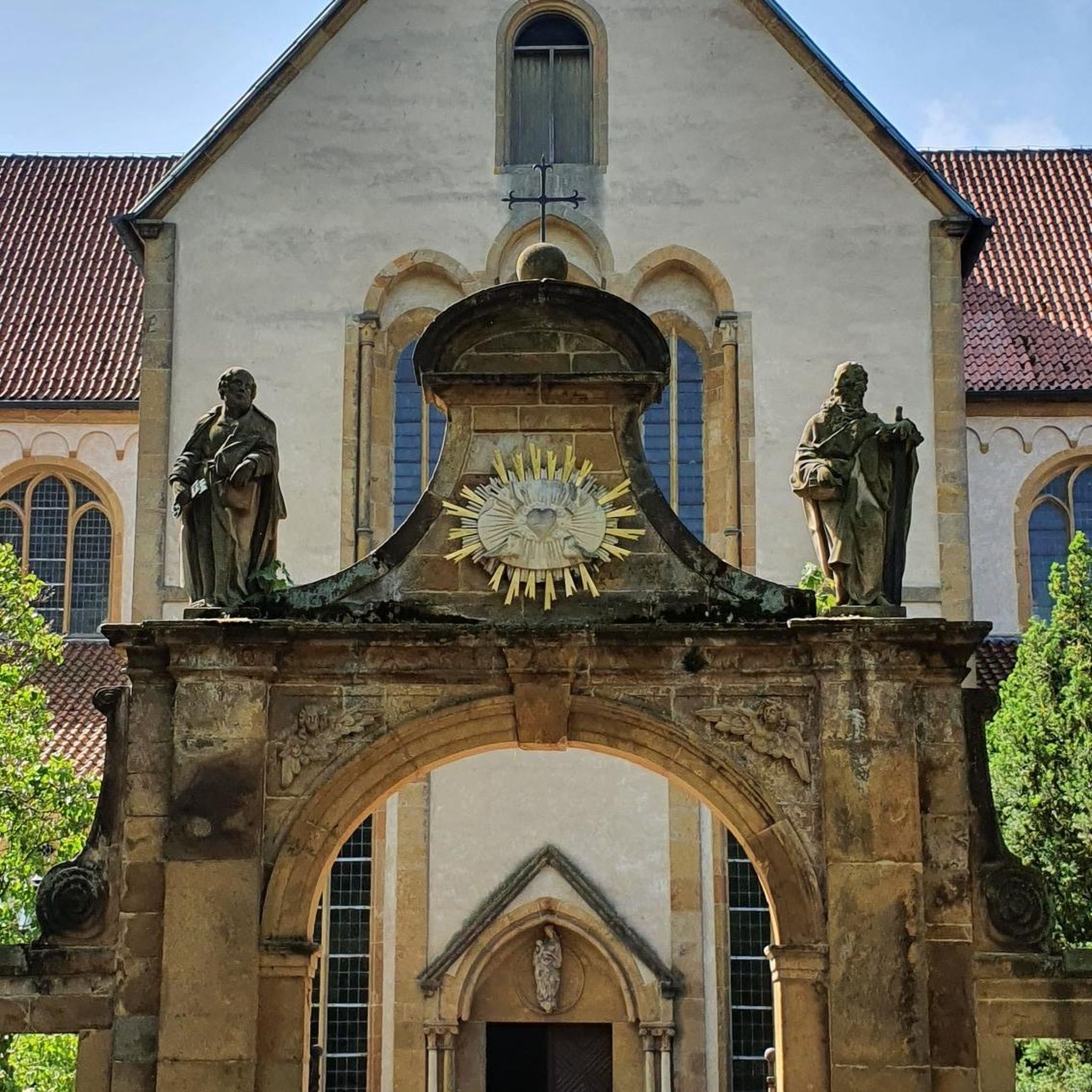
The Lutterbach watermill near Hermannsburg is a cultural-historical testament to the ancient use of water power. In the 18th century, a sawmill was originally built here, powered by a specially constructed mill race. Later, a grain mill and a tannery were added, allowing various businesses to benefit from the power of the water. While the sawmill survived for a long time, the grain mill and an outbuilding fell victim to a fire in 1995. Today, the complex is part of the region's listed heritage and attracts visitors with its idyllic location. Hikers and cyclists often use the site as a stopover, as it impressively combines history, nature, and relaxation.
0
0
The Lutterbach watermill near Hermannsburg is a cultural and historical relic closely linked to the use of the Weesener Bach stream's water power. Originally, a sawmill was built here in the 18th century, powered by a millrace. Later, a grain mill and a tannery were added, allowing several businesses to benefit from the stream's energy. While the sawmill survived for many years, the grain mill and its outbuildings were destroyed by fire in 1995. Today, the site is part of a historical monument ensemble and a popular destination for day trips. Cyclists especially appreciate its idyllic location on the "Weesener Bach Runde" (Weesener Bach Loop), an easy tour through the Südheide Nature Park that, in addition to the watermill, also takes in other scenic highlights such as the Heidesee (Heath Lake). Thus, the Lutterbach watermill uniquely combines history, nature, and recreational opportunities.
0
0

Worth a trip on hot days.
0
0

The Luther Mill is a beautiful testimony to earlier craftsmanship (even if it cannot be visited)
0
0

The 11th stage of the Heidschnuckenweg also runs along here. All information about the Heidschnuckenweg can be found under the following link: https://www.heidschnuckenweg.de/etappen (as of September 6, 2024).
0
1
The region is already well signposted, with signposts at important places. Despite this, and even with Komoot navigation, it is sometimes very helpful to get an overview of the area. It doesn't do any harm, and sometimes you can even find new destinations for a tour.
3
0

Cycle path signs and hiking trail signs They point you to the next place and also show the distance to the next place.
1
0
Frequently Asked Questions
What natural features can I explore in the Weesener Bach area?
The Weesener Bach region is rich in natural beauty. The centerpiece is the Weesener Brook itself, a 10.5 km stream designated as a nature reserve. You'll find diverse ecosystems including floodplains, marsh and moor forests, species-rich grasslands, and heathlands. The scenic Heidesee (Heath Lake) is also a highlight within the Südheide Nature Park, often enjoyed by cyclists.
Are there any historical sites to visit in Weesener Bach?
Yes, the region offers a glimpse into its past with notable historical structures. You can visit the Lutterbach Watermill (also known as Luttermühle), an operational sawmill since 1757 showcasing the ancient use of water power. Another significant site is the Historic Farmstead in Naturpark Südheide in Lutterloh, a listed building with records dating back to 1438, featuring a unique pagoda-like dovecote.
What kind of wildlife can I expect to see along the Weesener Bach?
The high water quality of the Weesener Bach nature reserve supports a rich biodiversity. Keep an eye out for rare animals such as brown trout, bullhead, brook lamprey, and kingfishers. The area is also home to many endangered species of vascular plants, mosses, amphibians, and reptiles. Beavers are also expected to colonize the Weesener Bach from the nearby Örtze river.
Are there family-friendly activities available in Weesener Bach?
Absolutely! A popular spot for families is the Wading pool on the Weesener Bach. This facility offers a direct and enjoyable way to interact with the stream, providing a shallow area for children to splash and a place for anyone to cool their feet after a hike. Many of the natural and historical sites are also suitable for family outings.
What outdoor activities can I do near the Weesener Bach attractions?
The Weesener Bach area is excellent for outdoor enthusiasts. You can enjoy hiking, with trails ranging from easy to difficult. Cycling is also popular, especially the 'Weesener Bach Runde' which takes you through the Südheide Nature Park. For more adventurous riders, there are also MTB trails available. You can find detailed routes and guides for these activities, such as Hiking in Weesener Bach, Easy hikes in Weesener Bach, and MTB Trails in Weesener Bach.
Are there hiking trails suitable for different skill levels?
Yes, the Weesener Bach region offers a variety of hiking trails. You can find easy walks, such as the 'Weesen Village – Hotel Im Wiesengrund loop' (2.4 km), perfect for a leisurely stroll. For those seeking more challenge, moderate trails like the 'Lutterbach water-treading spot – Wehrsteg (Örtze) Bridge loop' (9.4 km) are available, and even difficult routes like the 'Old Watermill Müden (Örtze) – Oertze Trail loop' (26.4 km). Explore options in the Hiking in Weesener Bach guide.
Can I cycle in the Weesener Bach region?
Yes, cycling is a fantastic way to experience the Weesener Bach region. The 'Weesener Bach Runde' is a popular and easy cycling loop that guides you through the idyllic scenery of the Südheide Nature Park, passing by highlights like the Lutterbach Watermill and the Heidesee. There are also various MTB trails for mountain biking enthusiasts.
What is the best time of year to visit Weesener Bach?
The Weesener Bach area is beautiful year-round, but the best time depends on your preferred activities. Spring and summer are ideal for enjoying the lush greenery, wildflowers, and outdoor activities like hiking, cycling, and wading in the stream. Autumn offers stunning foliage, while winter can provide a serene, quiet experience, though some facilities might have reduced hours.
Are dogs allowed on trails or at attractions in Weesener Bach?
The Weesener Bach area is generally dog-friendly, especially on its numerous trails through the nature park. However, it's always recommended to keep dogs on a leash to protect the local wildlife and ensure a pleasant experience for all visitors. Specific rules might apply to certain protected areas or indoor attractions, so check local signage.
Where can I find accommodation or amenities near Weesener Bach?
While the Weesener Bach area itself is primarily natural, you can find amenities, cafes, pubs, and accommodation in nearby towns such as Hermannsburg, Lutterloh, and Weesen (Lower Saxony). These towns serve as excellent bases for exploring the nature reserve and its surrounding attractions.
What do visitors particularly enjoy about the Weesener Bach area?
Visitors frequently praise the pristine natural environment and the tranquility of the Weesener Bach. The Weesener Brook is appreciated for its natural beauty and high water quality. The Wading pool on the Weesener Bach is a favorite for its refreshing experience, especially after a hike. The historical sites, like the Lutterbach Watermill, also offer a charming blend of history and nature.
Is the Weesener Bach stream protected?
Yes, the Weesener Bach stream is highly protected. Its entire 10.5 km course, along with its banks, was declared a nature reserve in 1999, spanning 348 hectares. This designation ensures the preservation of an almost natural and healthy stream with high water quality, supporting its rich diversity of flora and fauna.
Most popular routes in Weesener Bach

Get inspired with the komoot mobile app


Explore more
Still not found the Highlight you’re looking for? See guides of the top attractions in other regions:
