Attractions and Places To See in Obere Wümmeniederung - Top 18
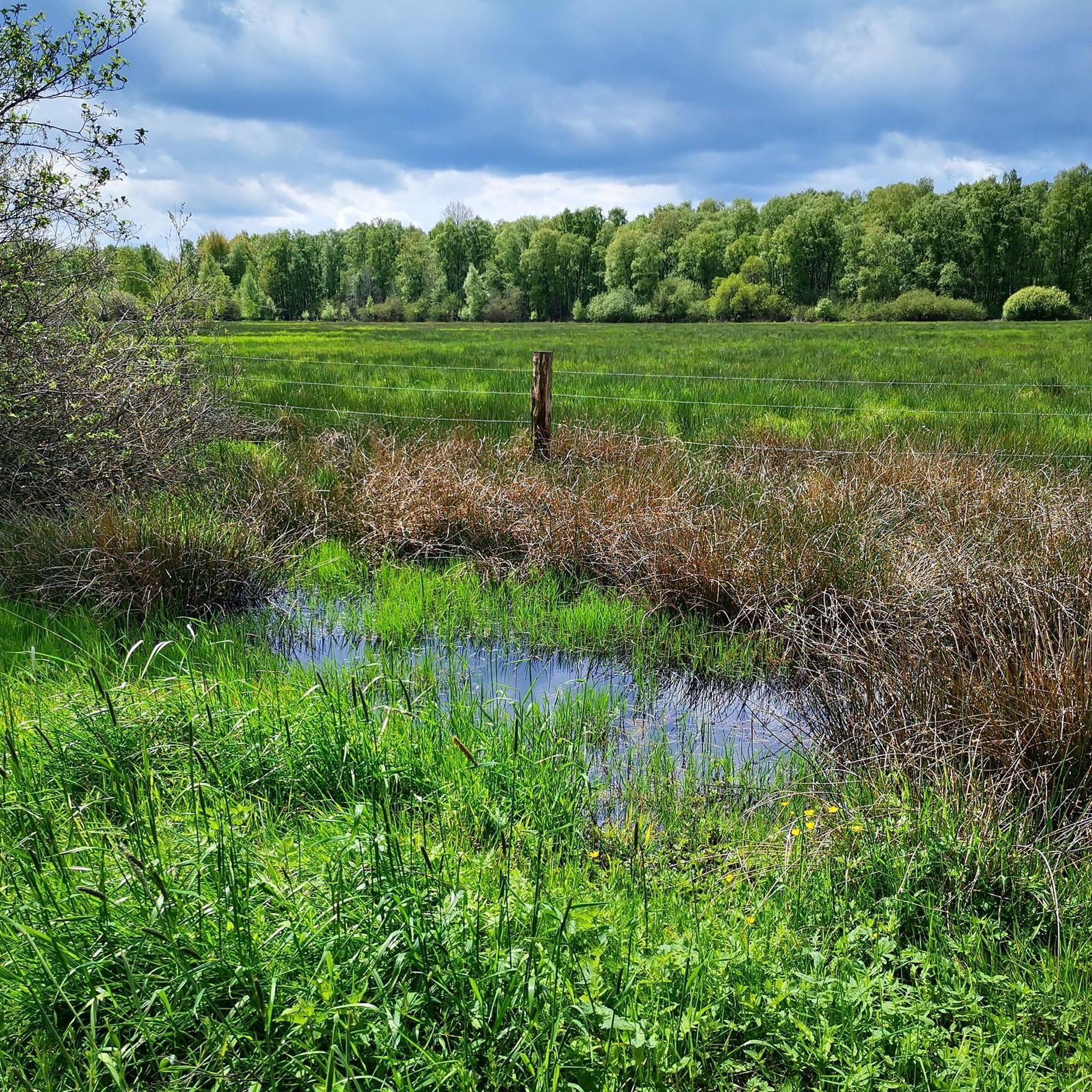
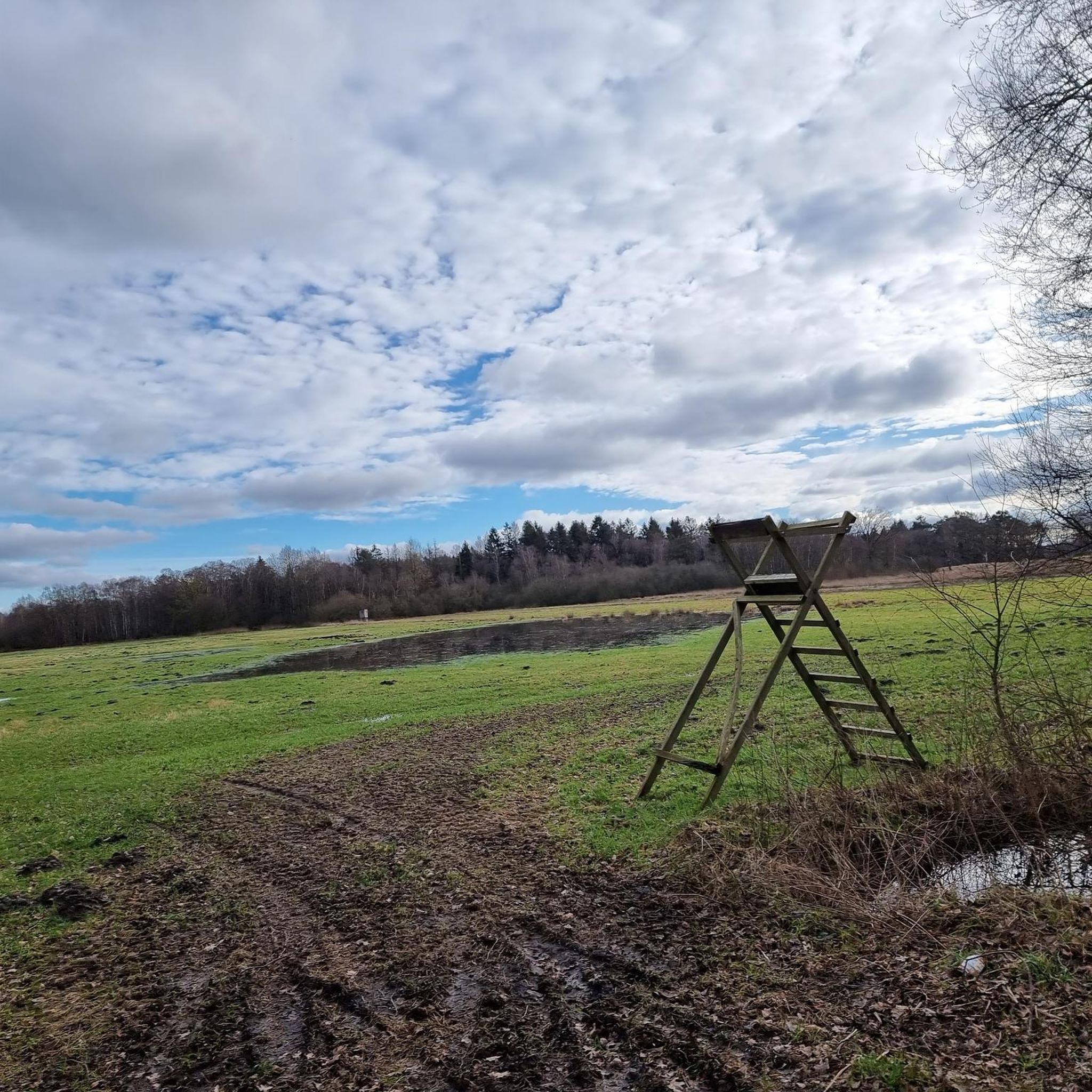
Best attractions and places to see in Obere Wümmeniederung include a significant nature reserve in Lower Saxony, Germany, characterized by the Wümme River and its diverse floodplains. The region features wet meadows, reed beds, and swamp forests, alongside the Großes Torfmoor, a high moor area. It serves as a crucial habitat for various wildlife, including endangered species and numerous bird species. The area also contains historical landmarks reflecting its past as a border region and an old postal route.
Best…
Last updated: July 5, 2026
Rest area at Hauenstein Wintermoor
Highlight • Monument
On the site of the historic Hauenstein (Low German behaven = carved stone), this boulder, which was placed in 2007, is now a reminder of the boundary stone …
Translated by Google •
Tip by

Historic Wümme Crossing
Highlight • Historical Site
Translated by Google •
Tip by

Sign up now to discover places like this
Get recommendations on the best single tracks, peaks, & plenty of other exciting outdoor places.
Sign up for free
Center of the Municipality of Otter
Highlight • Monument
Tip by

Moorgarten in Todtshorn
Highlight • Historical Site
Translated by Google •
Tip by

Cyclists' Garden
Highlight • Rest Area
Translated by Google •
Tip by

Sign up for free to discover even more attractions in Obere Wümmeniederung.
Sign up for free
Already have an account?
Start today with a free account
Your next adventure awaits.
Login or Signup
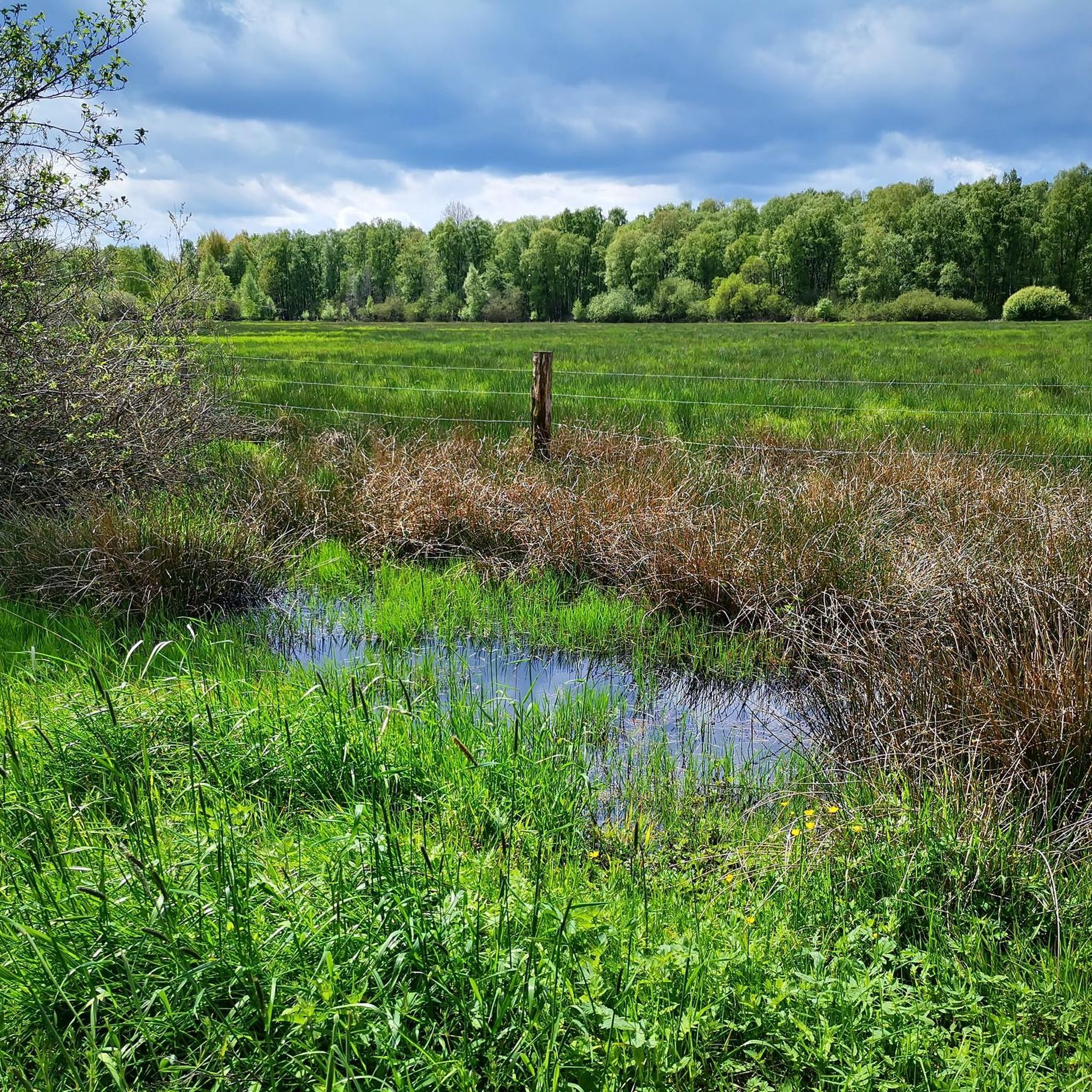
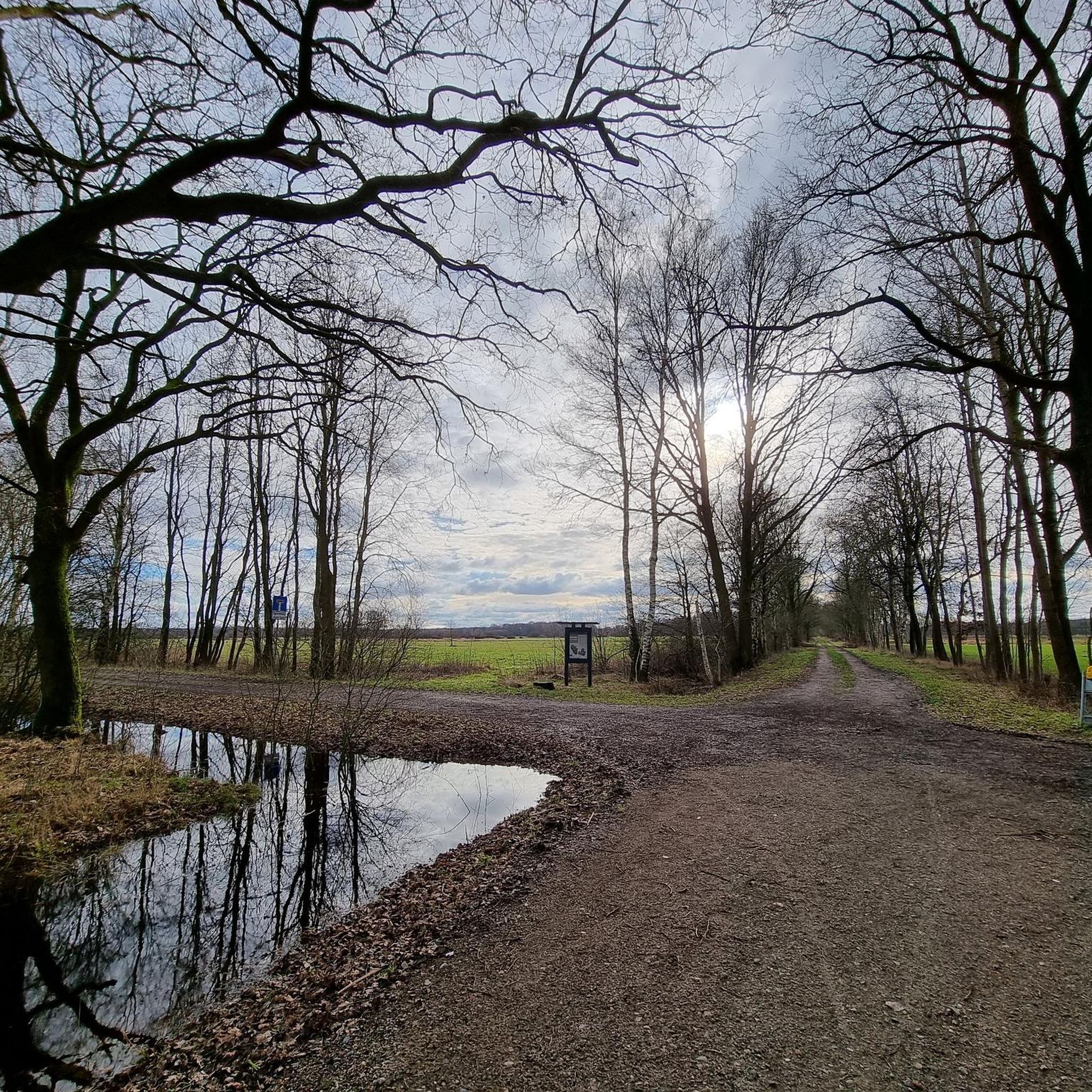
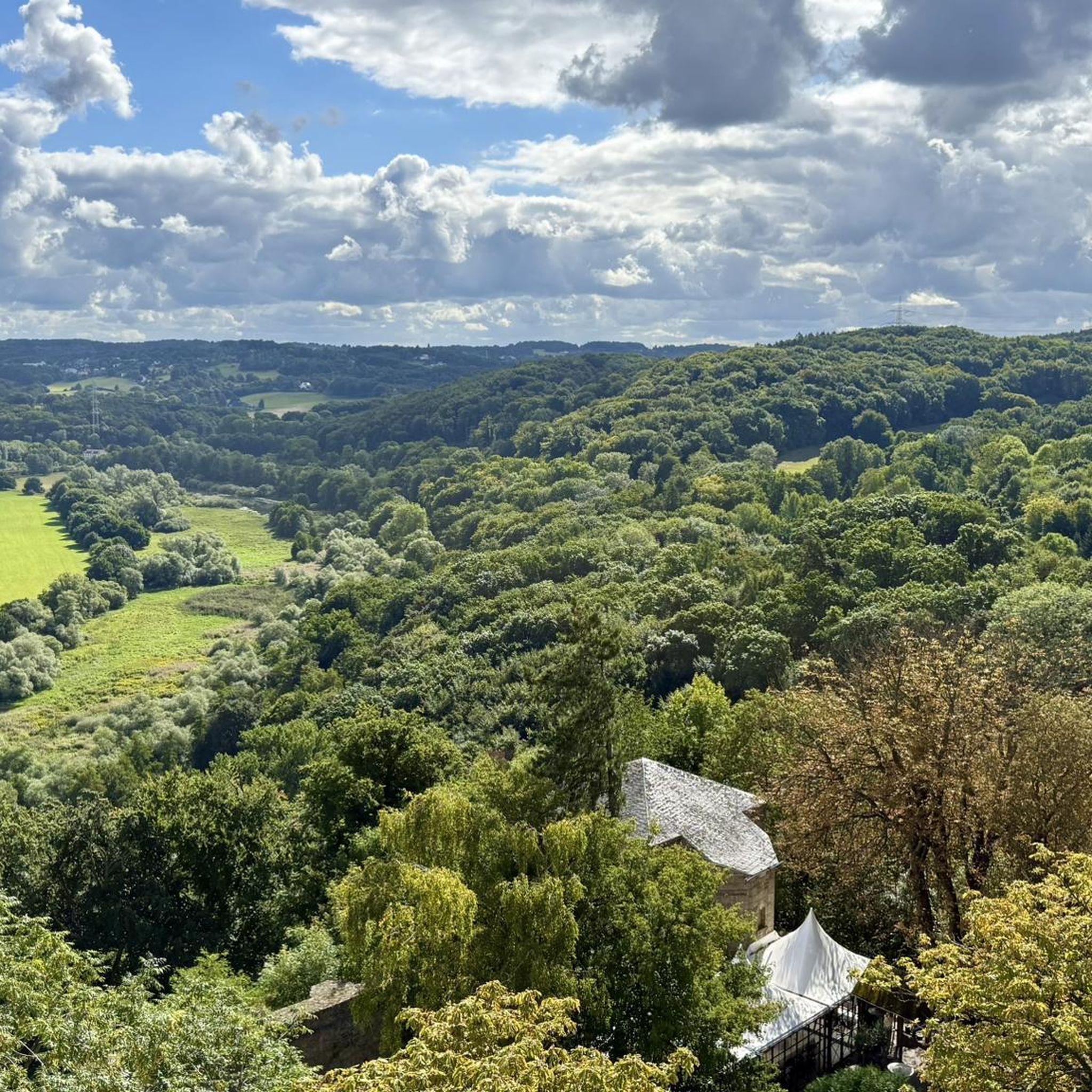
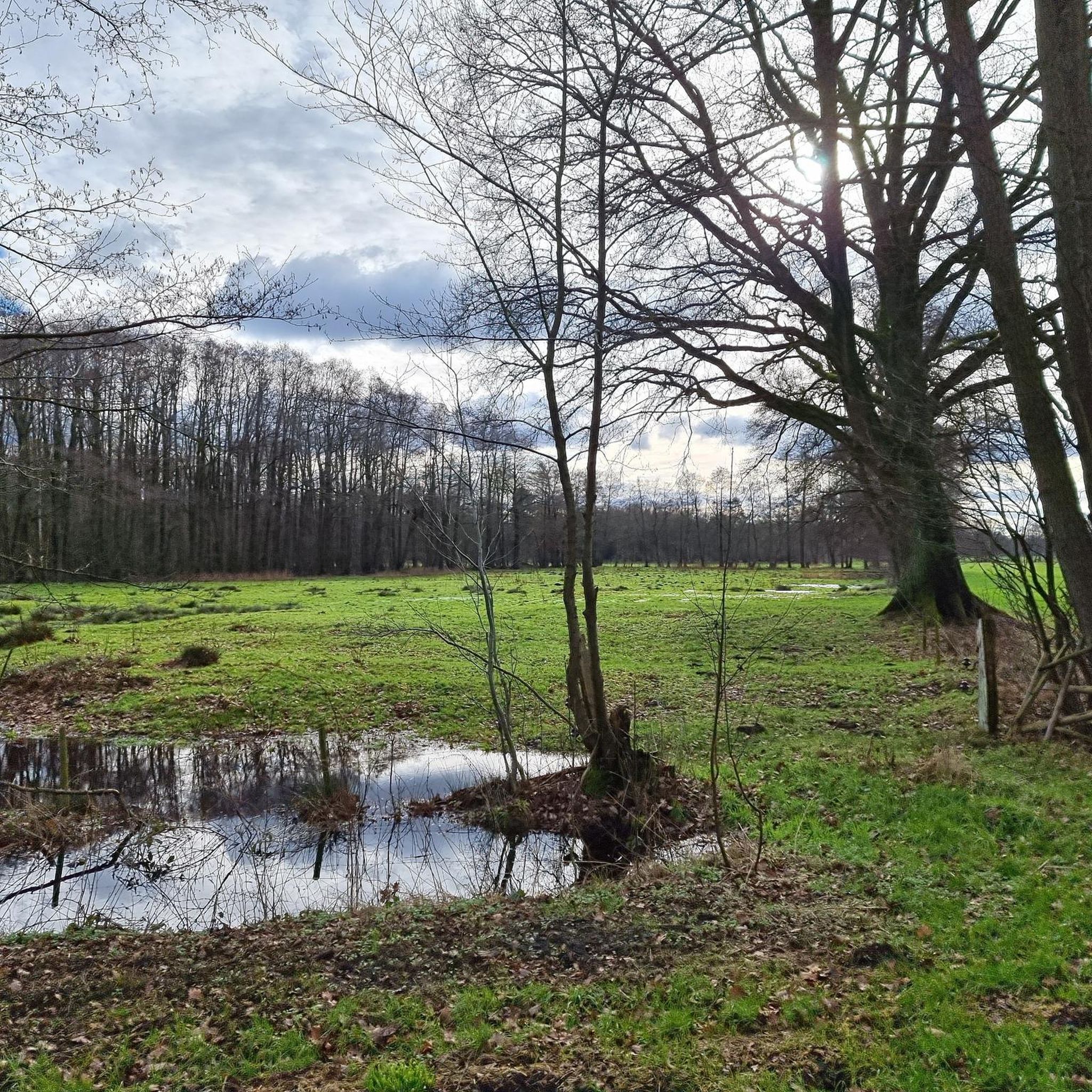
Tips from the Community

An old postal route ran here. The crossing used to be a ford.
0
0

There's actually nothing to see, perhaps it's just been "renaturalized," but a fairly new sign points to it.
1
0
This Wümme crossing even makes history, see picture.
2
0
This Wümme crossing has existed since 1670 as part of the old Harburg-Nienburg-Amsterdam postal route. This crossing connected the stations of Welle and Visselhövede. Source: Information stone at the Wümme crossing
2
0
The Hauenstein marks the meeting point of the former borders of the Tostedt / Amelinghausen / Schneverdingen bailiwicks. The Wümme also flows along here and can be crossed. Benches with tables invite you to rest and rubbish can also be disposed of properly.
1
0


This Wümme crossing has been used since 1670 for the "old postal route" on the Harburg-Nienburg-Amsterdam route between the Welle and Visselhövede stations. At that time it was still a deep ford that served the French troops on their advance in the Seven Years' War from 1756. In 1814, the first wooden bridge with attached ramps was built. The farmers from Todtshorn were always used to maintain this side and those from Wesseloh were used for the other side. The entire complex was washed away in 1830 when the snow melted heavily. The predecessor of today's bridge was built in 1864. Source: https://www.schneverdingen.de
3
0

Invites you to linger. You can watch cranes well.
0
0
Frequently Asked Questions
What natural features can I explore in Obere Wümmeniederung?
The Obere Wümmeniederung is a significant nature reserve, primarily characterized by the Wümme River and its diverse floodplains. You'll find a mosaic of wet meadows, reed beds, sedge meadows, and Bruch- and Auwälder (swamp and riparian forests). A particularly notable natural feature is the Großes Torfmoor (Great Peat Bog) in the eastern part, south of Otter, which features peat mosses, sundews, and bog myrtle.
What kind of wildlife can I expect to see in the Obere Wümmeniederung?
The region is a crucial habitat for a wide array of wildlife. You might spot endangered species like the otter and kingfisher, various bat species, and numerous birds such as the curlew, crane, red kite, and black stork. The Wümme River and its tributaries are home to fish and lamprey species like bullhead and perch, while dragonflies, reptiles, and amphibians also thrive here.
Are there any historical sites to visit in Obere Wümmeniederung?
Yes, the area features several historical sites. You can visit the Historic Wümme Crossing, which was part of an old postal route dating back to 1670. Another significant spot is the Rest area at Hauenstein Wintermoor, a boulder marking a former three-border corner established in 1575. Additionally, the Moorgarten in Todtshorn is a historical field garden from the 16th century, surrounded by earth walls.
What is the significance of the Hauenstein?
The Hauenstein is a historical boulder that marks a former three-border corner. This monument commemorates the formal establishment of a contentious border area of the upper Wümme between the Duchy of Braunschweig-Lüneburg and the Diocese of Verden in 1575, resolving disputes that had existed since the 13th century.
What outdoor activities are popular in Obere Wümmeniederung?
The Obere Wümmeniederung is ideal for outdoor enthusiasts. Popular activities include hiking and cycling. You can find various routes, such as the 'Picnic area on the Wümme River – Historic Wümme Crossing loop' for hiking, or 'Bench Under the Old Oak Tree – Tostedt Town Hall loop' for cycling. For more details on routes, explore the hiking guide and cycling guide for the region.
Are there family-friendly attractions in Obere Wümmeniederung?
Yes, several attractions are suitable for families. The Historic Wümme Crossing offers a glimpse into history, while the Moorgarten in Todtshorn provides an interesting historical garden to explore. The Cyclists' Garden is also a welcoming spot for families to rest and enjoy refreshments.
Where can I find amenities or resting spots for cyclists?
Cyclists will appreciate the unique Cyclists' Garden. This resting place offers amenities like a fridge with chilled drinks and ice cream on a donation basis, created by a local resident for the benefit of passing cyclists. It's a highly recommended stop for a refreshing break.
What is the best time of year to visit Obere Wümmeniederung?
The Obere Wümmeniederung is beautiful throughout the warmer months. Spring and summer are ideal for experiencing the vibrant wet meadows and diverse wildlife, including breeding birds and dragonflies. Early autumn also offers pleasant conditions for hiking and cycling amidst changing foliage.
What makes the Wümme River special?
The Wümme River is central to the region's ecological importance. It flows through northern Lower Saxony and Bremen, maintaining almost continuously a quality class II, making it one of the cleanest rivers in northern Germany. Its floodplains are a mosaic of diverse biotopes, crucial for many rare and endangered species.
What do visitors particularly enjoy about the attractions in Obere Wümmeniederung?
Visitors frequently praise the region's natural beauty and historical significance. The Historic Wümme Crossing is appreciated for its historical context, while the Rest area at Hauenstein Wintermoor offers a peaceful spot with historical markers. The unique Cyclists' Garden is also a community favorite for its thoughtful amenities.
Are there dedicated cycling routes in the Obere Wümmeniederung?
Yes, the Obere Wümmeniederung offers a variety of cycling routes for different preferences. You can find touring bicycle routes like the 'Shelter by the Cycle Path – Moorgarten in Todtshorn loop' or road cycling routes such as the 'Friedenskirche Heber – Rest area at Hauenstein Wintermoor loop'. For a comprehensive overview, check out the cycling guide and road cycling guide.
Can I find quiet places for relaxation and nature observation?
Absolutely. The entire Obere Wümmeniederung, being a nature reserve, offers numerous tranquil spots. The extensive wet meadows, forests, and the Großes Torfmoor provide peaceful environments perfect for nature observation, birdwatching, or simply enjoying the quiet surroundings away from the hustle and bustle.
Most popular routes in Obere Wümmeniederung
Most popular attractions in Obere Wümmeniederung

Get inspired with the komoot mobile app


Explore more
Still not found the Highlight you’re looking for? See guides of the top attractions in other regions:
