Top 13 Caves around Leutenberg
Best caves around Leutenberg are found within the scenic Thuringian Slate Mountains, a region characterized by its rich geological history and diverse natural landscapes. This area offers a variety of subterranean experiences, from natural grottoes to historical mining sites. Leutenberg serves as a gateway to exploring these unique underground formations, which reflect centuries of natural processes and human activity. The surrounding region provides opportunities to discover significant geological features and historical landmarks.
Best caves around Leutenberg
- The most popular caves…
Last updated: June 17, 2026
Saalfeld Fairy Grottoes
Highlight • Cave
Translated by Google •
Tip by

Devil's Bridge on the Gleitsch
Highlight • Natural Monument
Translated by Google •
Tip by

Sign up now to discover places like this
Get recommendations on the best single tracks, peaks, & plenty of other exciting outdoor places.
Sign up for free
Ilsen Cave
Highlight • Cave
Translated by Google •
Tip by

Trailwerk Underground Kamsdorf
Highlight • Cave
trailwerk.bike/unterwelten-mtb
Translated by Google •
Tip by

Rentschenbruch Slate Quarry
Highlight • Cave
Translated by Google •
Tip by

Sign up for free to discover even more caves around Leutenberg.
Sign up for free
Already have an account?
Start today with a free account
Your next adventure awaits.
Login or Signup
Popular around Leutenberg
Play, nature and good fun – family hikes in the Thuringian Forest
Outdoor time – hikes to help you unwind in Thuringia
Thuringia's Primeval Forests of Tomorrow
Die Nationalen Naturlandschaften in Thüringen
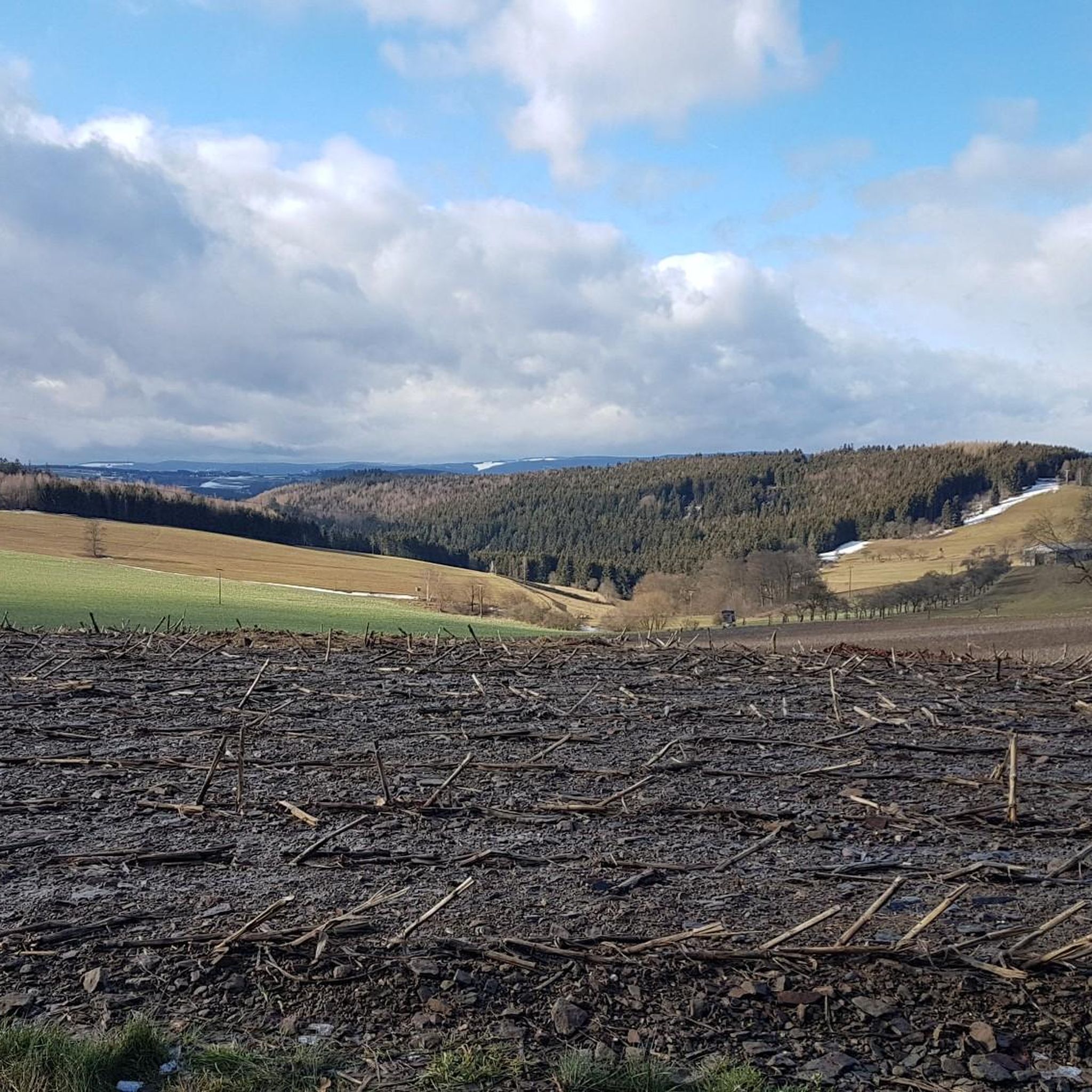
Hiking around Leutenberg
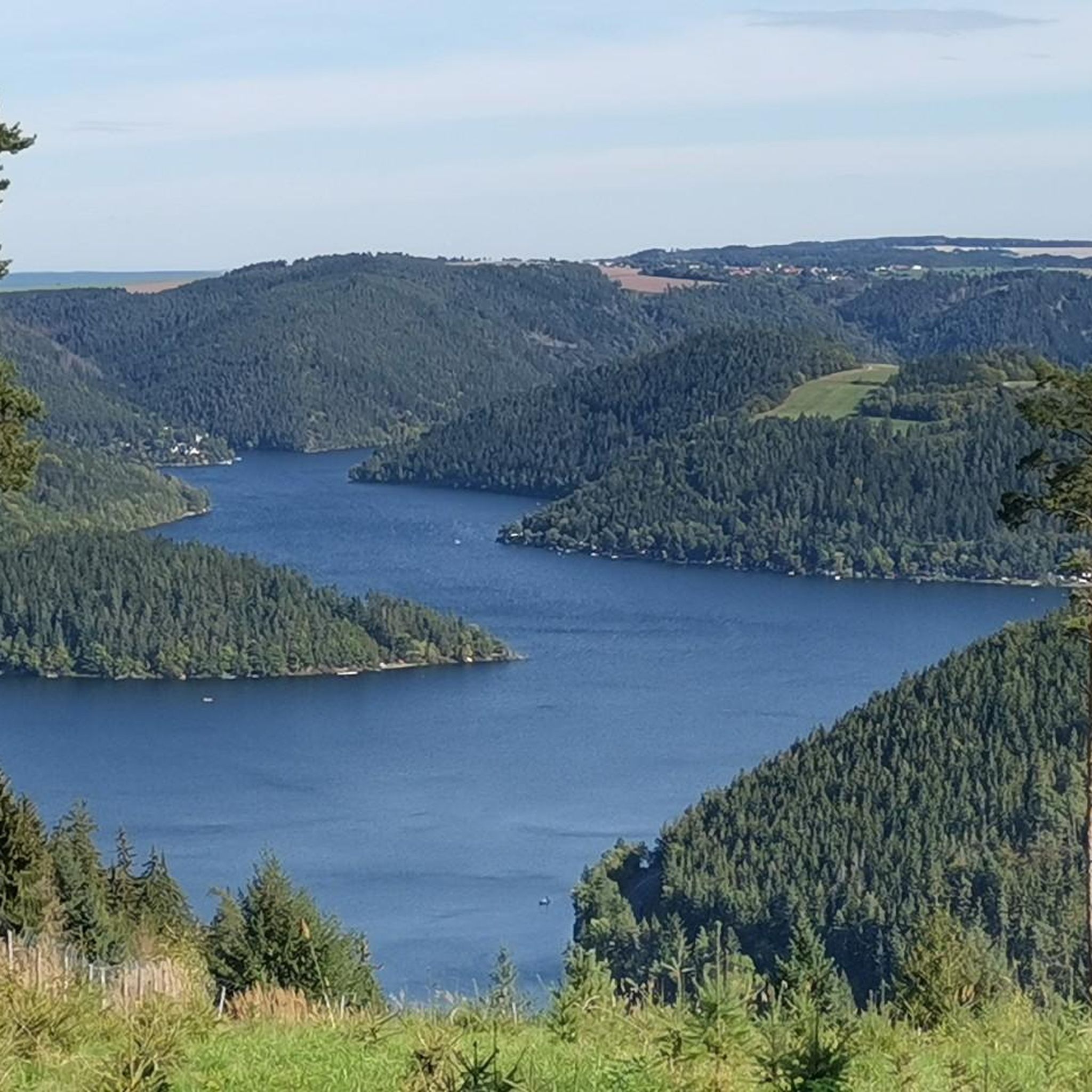
MTB Trails around Leutenberg
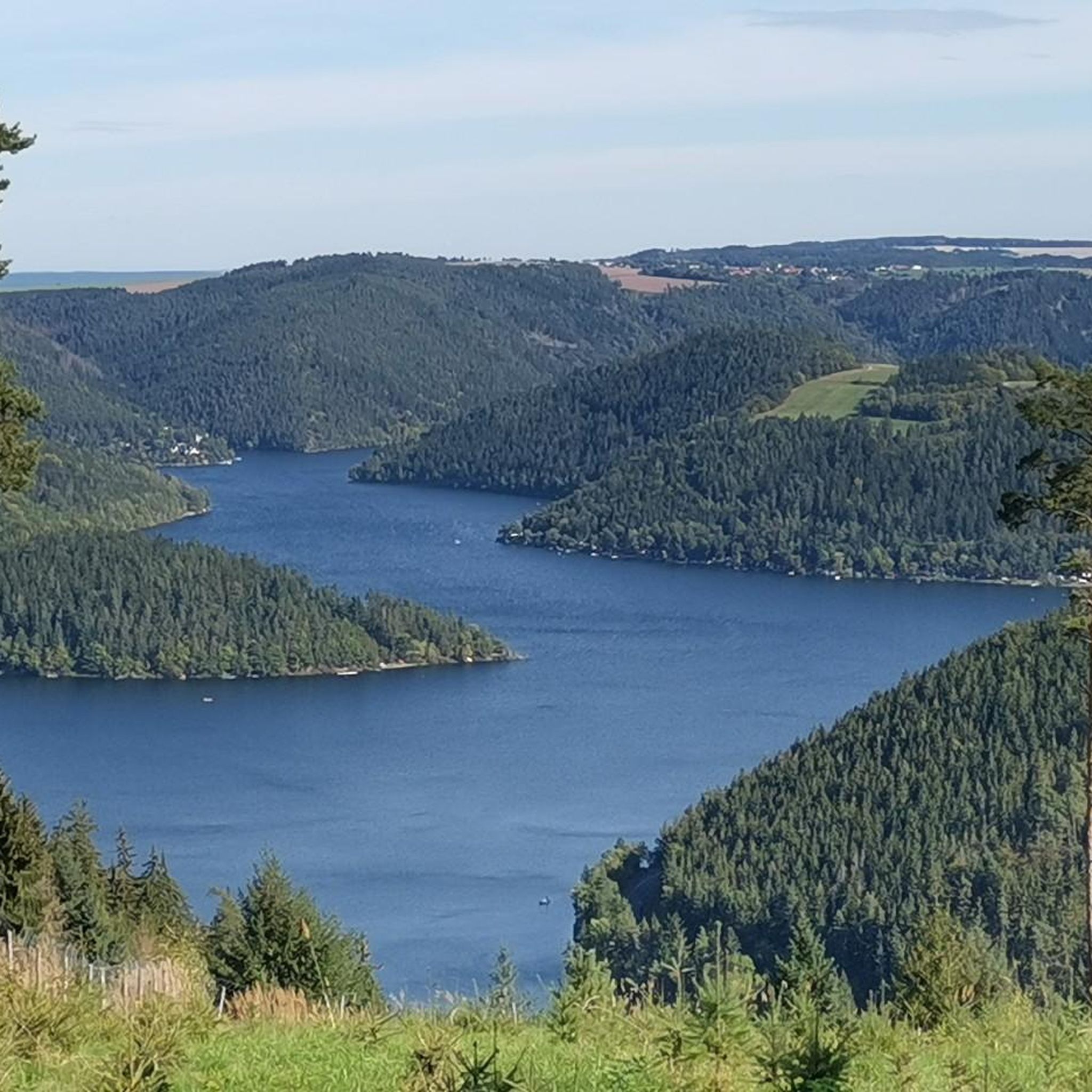
Cycling around Leutenberg
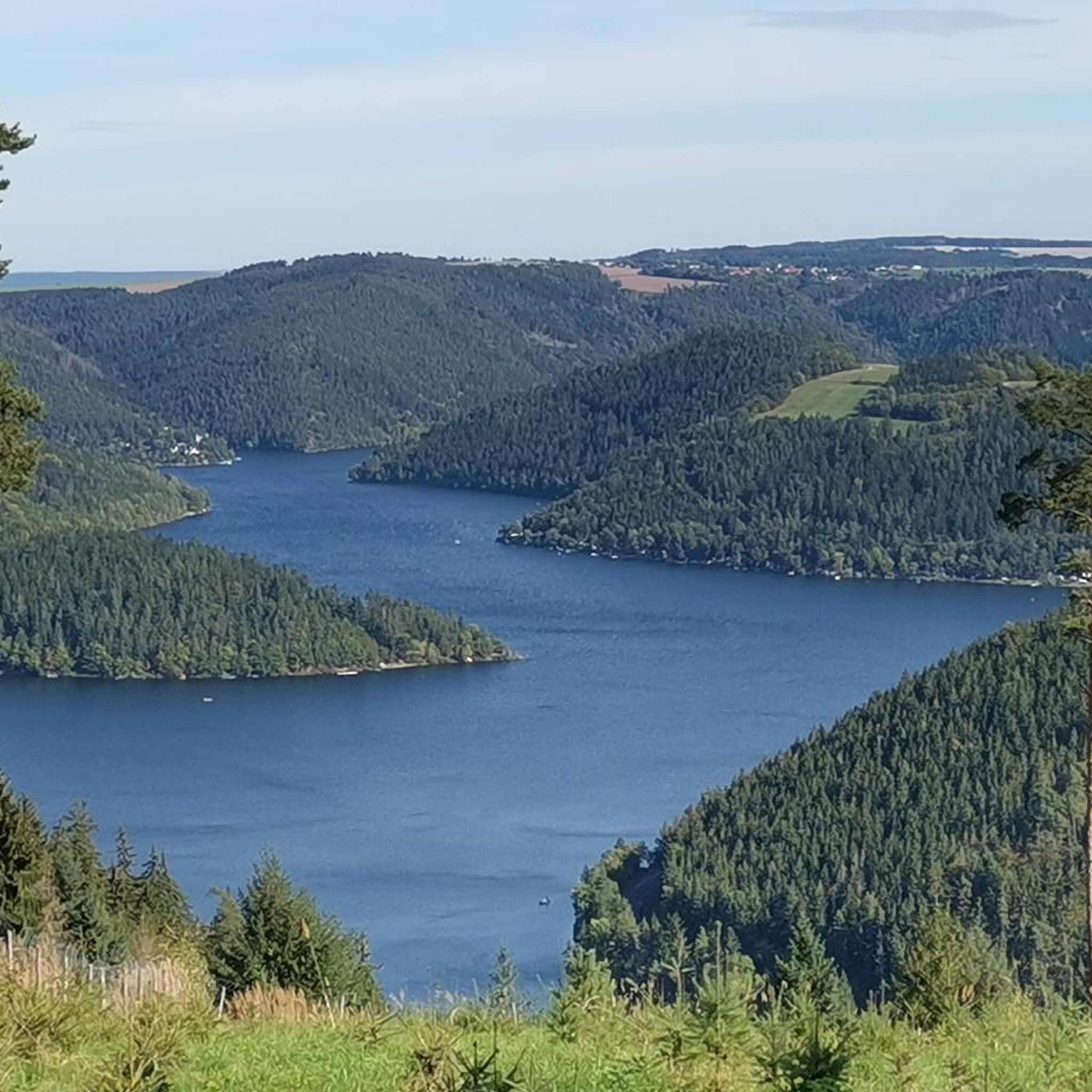
Road Cycling Routes around Leutenberg
Running Trails around Leutenberg

Gravel biking around Leutenberg
Other adventures around Leutenberg


Tips from the Community

After the German armaments factories in Peenemünde on Usedom were severely damaged by the British Operation Hydra, the Nazi government decided to relocate war-critical factories underground. The factories found space primarily in old mines, railway tunnels, or newly constructed galleries. The Rentschen quarry, which had been used for slate mining and closed in 1925, was also designated for the "underground relocation." It was codenamed "Rutte." The Chemnitz-based company Reinecker was supposed to produce armaments on a 3,000-square-meter site. But this never happened. Reinecker found a home in another nearby slate mine. In total, around two dozen underground relocations were occupied or at least planned around Probstzella.
18
0

In the Rentschenbruch near Probstzella, the underground relocation for armaments production was approved under object number 1074, codenamed "Rutte." The Rentschenbruch underground mine had been idle since 1925. A production area of 3,000 square meters was planned for the expansion into an underground armaments factory. A fish name was chosen as the codename, fitting for a mine. The "Rutte" is a critically endangered bony fish from the burbot family and is also called "Trusche" in southern Germany. The Rutte only occurs in freshwater; other names include "Ruppe" or "Aalrutte." But that's just a side note. Originally, the Reinecker company from Chemnitz was supposed to move into the Rentschenbruch slate mine near Probstzella. However, this never happened, so Reinecker was ultimately housed in a bomb-proof slate mine (codenamed Rotfeder) nearby. At times, the Rentschenbruch was also closed for storage purposes by the Wehrmacht. The Geilenberg staff was also interested in the underground cavities of this slate mine. Source: http://www.stollenhausen.de/u-verlagerung-rutte/mobile/
2
0

Also interesting outside opening hours
1
0

The Ilsen Cave was inhabited over 40,000 years ago. Archaeological excavations have uncovered some artifacts from the Stone Age.
26
0

Here you can learn a lot about the mining area; a visit underground ⚒ on foot or by train is worthwhile.
1
0

The excavations in this cave are world famous and date back more than 47,500 years. Unfortunately not accessible.
14
0

You have to do it! Clearly recommended!
1
0

Everyone, just EVERYONE should book one of the underground tours with Trailwerk. Really EVERYONE 👌
3
0
Frequently Asked Questions
What types of caves can I explore near Leutenberg?
Near Leutenberg, you can explore a variety of subterranean sites, including natural grottoes, historical mining sites, and archaeological cave locations. These range from caves with colorful mineral formations to sites with significant historical discoveries.
Which cave near Leutenberg is famous for its vibrant colors and unique formations?
The Saalfeld Fairy Grottoes are renowned for their colored stalactites and vibrant mineral formations. They are often called "the most colorful cave grottoes in the world" and feature the enchanting "Fairy Kingdom" with illuminated mineral deposits.
Are there caves near Leutenberg with historical or archaeological significance?
Yes, the Ilsen Cave is a historical site where archaeological excavations have uncovered artifacts from the Stone Age, dating back over 40,000 years. Additionally, the Rentschenbruch Slate Quarry is a former mining site with a history tied to armaments production during WWII.
What activities are available for families visiting the Saalfeld Fairy Grottoes?
The Saalfeld Fairy Grottoes offer a comprehensive family experience. Besides guided tours through the grottoes, there's the Grottoneum Adventure Museum with interactive exhibits and the Feenweltchen (Fairy World) Adventure Forest, which provides magical outdoor activities for children.
Can I visit former mining sites near Leutenberg?
Yes, the Rentschenbruch Slate Quarry is a historical mining site that was used for slate mining and later had a role in WWII. Another unique mining experience is Trailwerk Underground Kamsdorf, which offers underground tours and even mountain biking.
Are there other notable caves in Thuringia that are further from Leutenberg but worth visiting?
Beyond the immediate vicinity, Thuringia offers other remarkable underground experiences. The Marienglashöhle Friedrichroda features one of Europe's most beautiful gypsum crystal grottoes. Further west, the Merkers Adventure Mine provides a deep dive into mining history with unique attractions like an underground concert hall and a crystal grotto.
What unique natural features can be found at the Marienglashöhle Friedrichroda?
The Marienglashöhle Friedrichroda is a former gypsum mine known for its stunning gypsum crystal grottoes, where crystals can reach up to 90 cm in length. It also features a cave lake with beautiful reflections and is recognized for its excellent acoustics, sometimes hosting concerts.
What unique experiences does the Merkers Adventure Mine offer?
The Merkers Adventure Mine, a former potash mine, allows visitors to descend over 500 meters underground. Highlights include an underground mining museum, the historic "Gold Room" where Nazi gold was hidden, the world's largest underground concert hall, and an 18-million-year-old crystal grotto with large salt crystals. You can learn more about its history on Wikipedia.
Are there hiking opportunities near the caves around Leutenberg?
Yes, the region around Leutenberg offers various hiking opportunities. For example, the Devil's Bridge on the Gleitsch is a notable hiking destination with wide views. You can find easy hikes around Leutenberg, including routes like "On the trail of the fire salamander" or "Cronebrunnen – Save Nature Forest House loop," by exploring the Easy hikes around Leutenberg guide.
What is the best time to visit the Saalfeld Fairy Grottoes?
The Saalfeld Fairy Grottoes are an indoor attraction, making them suitable for visits year-round. However, it's always advisable to check their official website for current opening times and any seasonal variations before planning your trip.
Can I go mountain biking in an underground setting near Leutenberg?
Yes, Trailwerk Underground Kamsdorf offers a unique experience where you can go mountain biking "differently" in an underground setting. It's a highly recommended activity for those looking for an adventurous twist on traditional mountain biking.
What is the "Devil's Bridge on the Gleitsch"?
The Devil's Bridge on the Gleitsch is a natural monument where a bridge structure was formed by the collapse of a cave in the Zechstein. It's a popular hiking destination offering scenic views high above the valley, and bones of prehistoric humans were found there in the 1970s.
Are there any health benefits associated with visiting caves in the region?
Yes, the Saalfeld Fairy Grottoes have a recognized "healing gallery." The air within the mines is known to be free of dust, allergens, pollen, and germs, offering potential health benefits, particularly for individuals with chronic respiratory conditions.
Most popular routes around Leutenberg
Most popular attractions around Leutenberg

Get inspired with the komoot mobile app


Explore more
Extend your search for the best caves by checking out these guides of the top ones around Leutenberg:
