Attractions and Places To See in Bockhorner Moor - Top 7
Best attractions and places to see in Bockhorner Moor include a nature reserve in the Friesland district of Lower Saxony, Germany. This area preserves a 321-hectare remnant of a high moor landscape, characterized by diverse habitats such as peat bogs, birch-pine moor forests, and nutrient-poor still waters. Conservation efforts are underway to re-naturalize parts of the moor, enhancing its ecological value for typical high moor habitats and species. The region also holds historical significance as the discovery site of the…
Last updated: July 5, 2026
Man from Jührdenerfeld (Bockhorner Moor Bog Body)
Highlight • Historical Site
Translated by Google •
Tip by

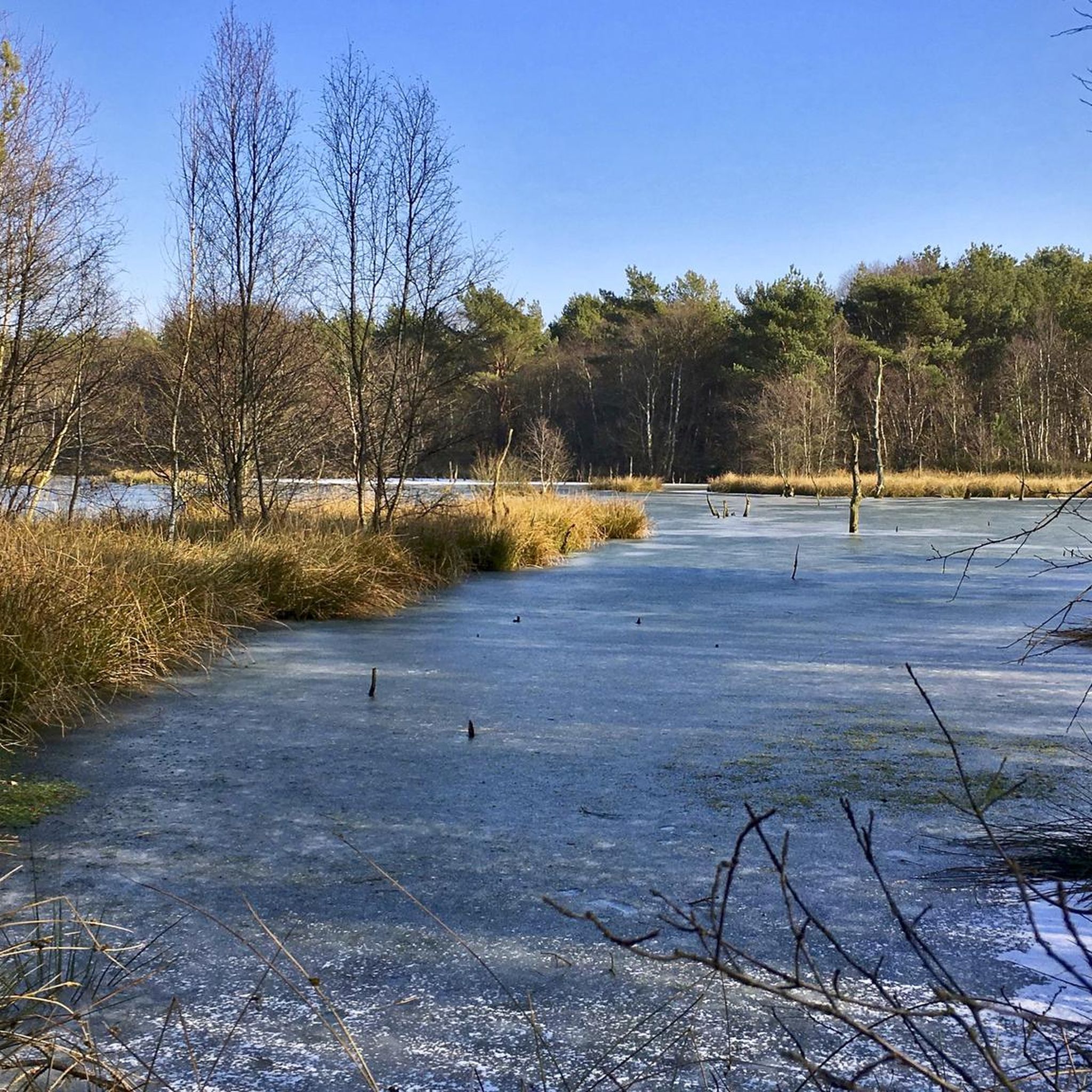
Moor Lake in Bockhorner Moor
Highlight • Lake
Tip by

Sign up now to discover places like this
Get recommendations on the best single tracks, peaks, & plenty of other exciting outdoor places.
Sign up for free
Großer Querdamm Through Bockhorner Moor
Highlight (Segment) • Natural
Translated by Google •
Tip by

Bog Body Discovery Site (Southern Friesland)
Highlight • Historical Site
Translated by Google •
Tip by

Querdamm Moor Trail
Highlight • Trail
Translated by Google •
Tip by

Start today with a free account
Your next adventure awaits.
Login or Signup

Tips from the Community

During the peat removal of the moor, preserved bog bodies from the time before Christ were often found here. An information board tells the story.
0
0
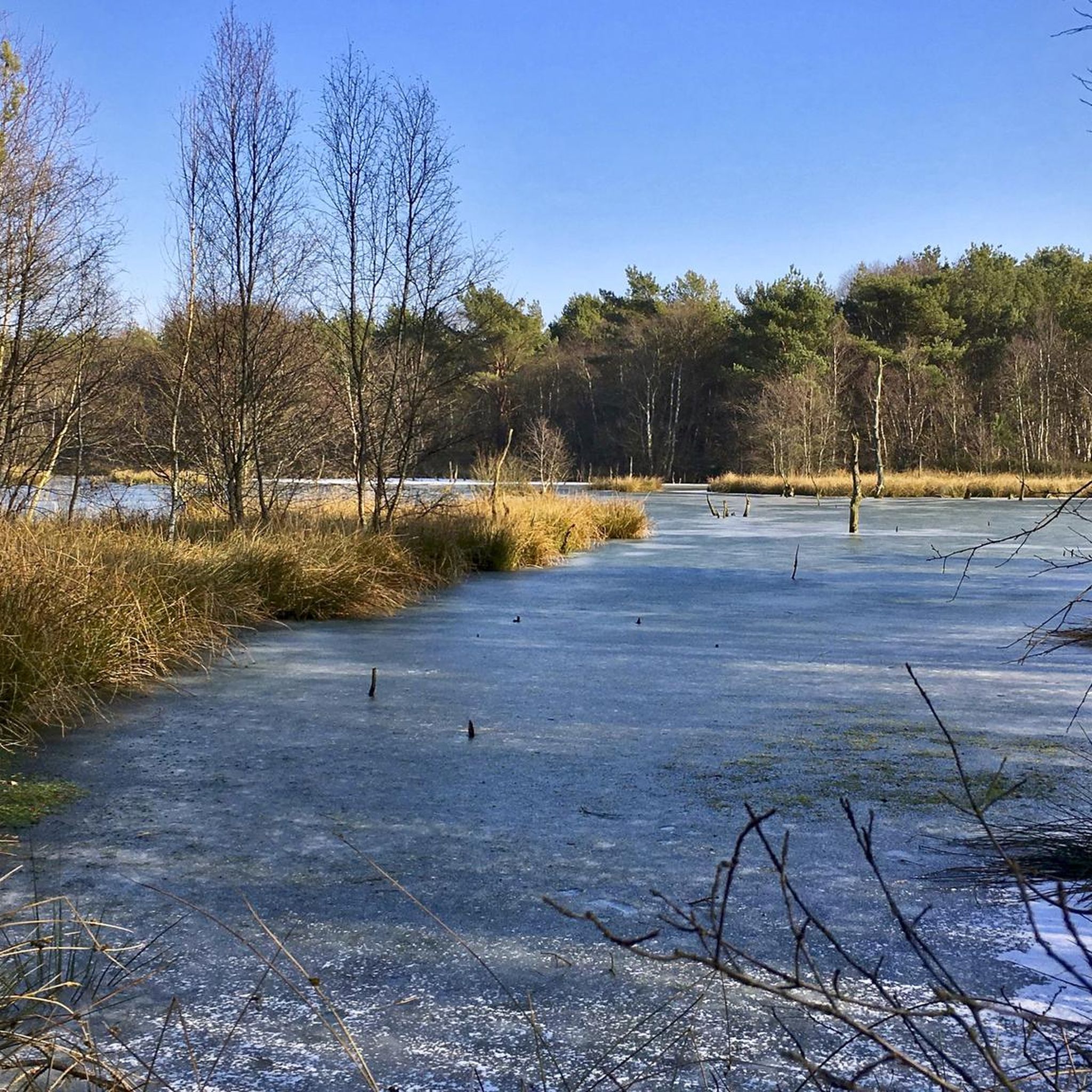
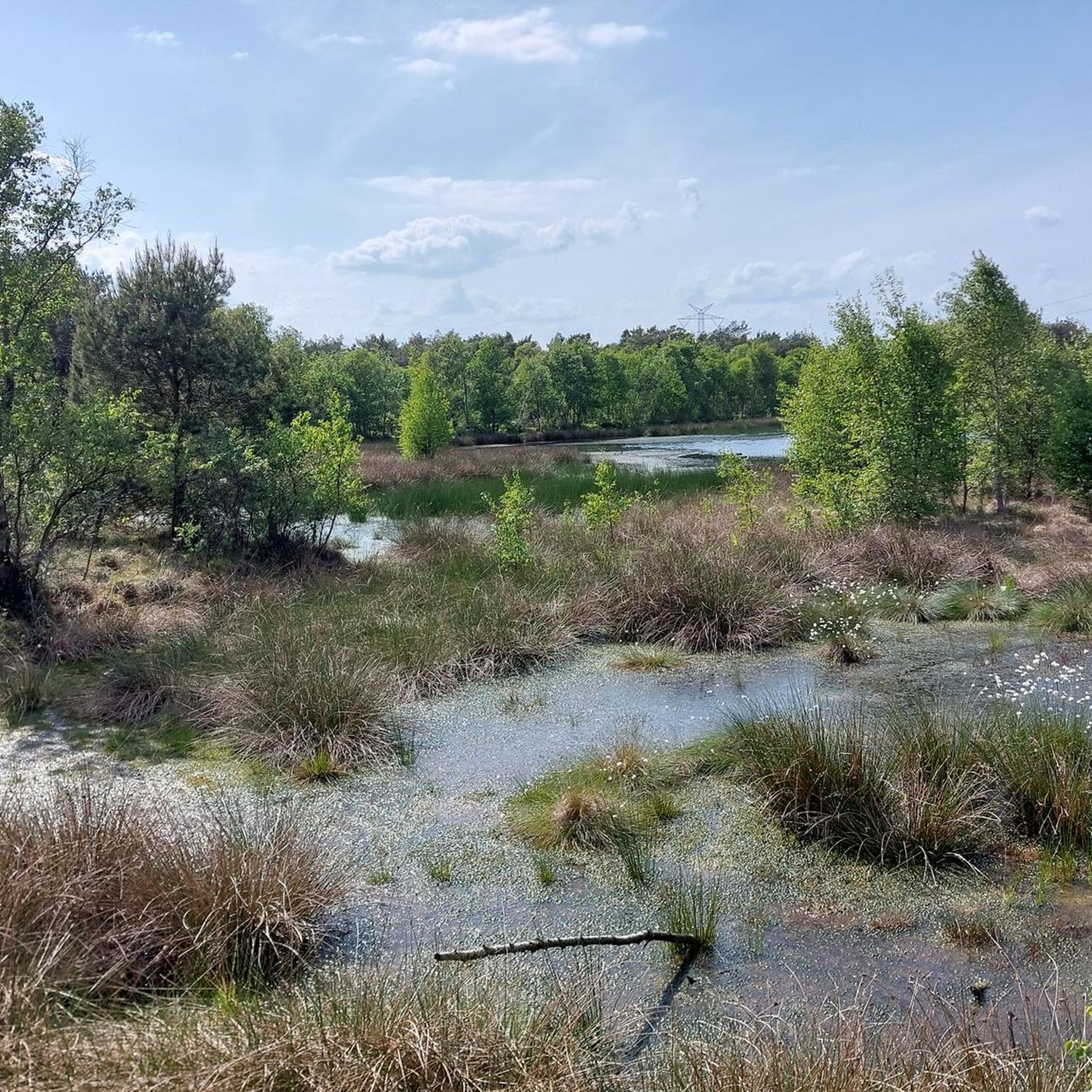
The 322 hectare protected area preserves a comparatively small part of the formerly huge raised moor that covered large parts of the East Frisian Geest. A relatively large part of the species inventory of plants and animals typical of raised bogs has been preserved here. The path (which you should stay on) leads directly along the moor.
0
0

Exciting and fascinating for children
1
0
You hop and jump and feel the moorland beneath you. Fascinating
1
0

BOCKHORNERFELD - Diedrich Loers from Bockhornerfeld has always been interested in local history. And the Bockhorner Moor has always attracted special attention. Loers looks back: "Today's Bockhorner Moor was also called 'dat grode Jührdener Moor' by ancestors. It was only accessible on small isolated paths. There was water, mud and swamp everywhere.” Nevertheless, people would have tried to explore the moor early on. Evidence is a bog body that was found near Reindersdamm in the 1930s and, according to Diedrich Loers, "lay there for over 1000 years". When peat was dug later, trees were discovered, all of which lay with their crowns from north to south - an indication of the formation of the moor during the Ice Age.
1
0

"Oh it's scary to walk across the moor" wrote Annette von Droste-Hülshoff. - Today the peat area has largely been removed, various types of heather, moss and grass have settled and birch trees, for example, grow on the Geesthumps. Some areas are now wet again and the dead birch trunks form a bizarre sight. Plants and animals typical of raised bogs find protection and a habitat here. The Bockhorner Moor is an approx. 322 ha large protected area and preserves a comparatively small part of the formerly huge raised bog that covered large parts of the East Frisian Geest. The Großer Querdamm runs through the middle, the path can be driven on with caution and in a few places you have the opportunity to take a few steps left and right into the moor on natural paths.
3
0
The nature reserve with the sign NSG WE 171 is 321 hectares in size. It has been under protection since June 7, 1986. The competent lower nature conservation authority is the district of Friesland. The nature reserve protects a small part of the formerly huge raised bog. Uncultivated parts of the moor are being renatured. In the peripheral areas, some grassland that is used for agriculture is included in the nature reserve.
3
0

Should not be missing on any gravel tour in the area
4
0
Frequently Asked Questions
What unique natural features can I explore in Bockhorner Moor?
Bockhorner Moor is primarily known for its unique high moor ecosystem, a 321-hectare remnant of a once-vast landscape. You can observe diverse habitats, including birch-pine bog forests, moorland heath, and areas dominated by purple moor grass. The moor also features nutrient-poor standing waters in former peat cuttings and a beautiful "Moorsee" (moor lake).
Are there any historical or cultural sites to visit in Bockhorner Moor?
Yes, a significant historical point of interest is the discovery site of the Man from Jührdenerfeld (Bockhorner Moor Bog Body). An information board at the site narrates the story of this archaeological find, which was unearthed in 1934. Another related site is the Bog Body Discovery Site (Southern Friesland), where an information board also tells the story of preserved bog bodies found during peat removal.
What kind of outdoor activities can I do in Bockhorner Moor?
Bockhorner Moor offers an excellent network of routes for various outdoor activities. You can enjoy hiking, cycling, and mountain biking. For specific routes, you can explore options like Cycling in Bockhorner Moor, MTB Trails in Bockhorner Moor, and Running Trails in Bockhorner Moor.
Are there specific hiking trails recommended in Bockhorner Moor?
Yes, a nature trail has been developed, allowing visitors to explore the moor independently with the aid of a brochure. This trail features various stations providing detailed information about the moor's formation, history, flora, and fauna. The Querdamm Moor Trail is also a popular option for experiencing the natural moorland.
Is Bockhorner Moor a good destination for families with children?
Yes, Bockhorner Moor is considered family-friendly. The nature reserve offers easy trails suitable for walks, and the educational nature trail can be engaging for children. Highlights like the Bockhorner Moor Nature Reserve and the Moor Hut Bockhorner Moor are categorized as family-friendly, providing opportunities for exploration and rest.
Can I bring my dog to Bockhorner Moor?
Yes, Bockhorner Moor is dog-friendly. However, to protect the sensitive ecosystem and wildlife, visitors are asked to stay on the designated paths and keep dogs on a leash. This ensures a pleasant experience for all visitors and minimizes disturbance to the natural environment.
When is the best time of year to visit Bockhorner Moor?
Bockhorner Moor offers beauty in every season. The re-wetted areas and diverse flora provide interesting sights year-round. For wildlife viewing, spring and summer might be particularly rewarding to spot rare plants like bog orchids and sundew, or birds like cranes and teal. The moor is also described as worthwhile to visit in summer, and beautiful in every season by visitors.
Where can I find shelter or a resting spot during my visit to Bockhorner Moor?
Within the nature reserve, you can find the Moor Hut Bockhorner Moor. This rustic hut offers a convenient resting spot and provides shelter, especially useful during unexpected rain, as noted by visitors.
What kind of wildlife can I expect to see in Bockhorner Moor?
Bockhorner Moor is a vital sanctuary for numerous endangered plant and animal species. Birdwatchers may spot species like cranes, hobbies, teal, snipe, grasshopper warblers, reed warblers, lapwings, and curlews. The area also supports diverse fauna, including the moor frog and the large white-faced darter dragonfly. Botanists can find rare plants such as bog orchids, bog asphodel, sundew, and various types of cotton grass.
What do visitors particularly enjoy about Bockhorner Moor?
Visitors appreciate the tranquility and natural beauty of Bockhorner Moor. Many enjoy the unique moorland landscape, the opportunity to walk and feel the moorland beneath them, and the well-preserved ecosystem. The informative nature trail and the historical significance of the bog body discovery site also add to the visitor experience.
Are there any specific viewpoints or observation points in the moor?
While there isn't a dedicated observation tower mentioned, the nature trail itself offers various stations that provide detailed information and opportunities to observe the moor's features. The overall landscape of the Bockhorner Moor Nature Reserve provides many scenic spots to take in the unique environment.
How can I get to Bockhorner Moor by public transport, and is there parking available?
The region research indicates that Bockhorner Moor is accessible, but specific public transport routes are not detailed. For those traveling by car, parking areas are typically available near trailheads or main access points to nature reserves. It's advisable to check local signage upon arrival for designated parking.
Are there any cafes or accommodation options near Bockhorner Moor?
While specific cafes or accommodation within the immediate moor area are not detailed, the surrounding towns and villages in the Friesland district of Lower Saxony would offer various amenities. Visitors can find cafes, pubs, and accommodation options in nearby communities, which are easily accessible from the moor.
Most popular routes in Bockhorner Moor

Get inspired with the komoot mobile app


Explore more
Still not found the Highlight you’re looking for? See guides of the top attractions in other regions:
