Attractions and Places To See in Fehntjer Tief Und Umgebung - Top 20
Best attractions and places to see in Fehntjer Tief Und Umgebung include a blend of significant natural landscapes, historical sites, and cultural points of interest. This region, nestled in East Frisia, is characterized by the Fehntjer Tief lowland, an extensive marshy river plain with wet meadows and pastures. It offers diverse habitats and historical landmarks, making it suitable for nature exploration and cultural discovery.
Best attractions and places to see in Fehntjer Tief Und Umgebung
- The most popular attractions is Ihlow Monastery Site, a historical site that features a 12th-century Cistercian monastery. It was once the largest church between Bremen and Groningen, measuring 68 meters long and 35 meters wide.
- Another must-see spot is Frisian Freedom Art Installation Near Ihlow Abbey, a man-made monument. This land art project by Monika Kühling in the Ihlower Forst uses ribbons and flags to represent the fundamental law of Frisian Freedom, guiding hikers to the monastery site.
- Visitors also love Fehnmuseum Eiland and Tea Room in Westgroßefehn, a historical site offering insights into the "Fehntjer Land" culture and history. The museum complex includes various historical buildings.
- Fehntjer Tief Und Umgebung is known for historical sites, natural features, and cultural installations. The region provides a variety of attractions to see and explore, from ancient monasteries to unique art projects and museums.
- The attractions in Fehntjer Tief Und Umgebung are appreciated by the komoot community, with over 1000 upvotes and more than 1100 photos shared across 37 highlights.
Last updated: July 5, 2026
Ihlow Monastery Site
Highlight • Historical Site
With a length of 68 meters and a width of 35 meters, it was the largest church between Bremen and Groningen. On the site there is also a monastery café, which opened in April.
Translated by Google •
Tip by

Fehnmuseum Eiland and Tea Room in Westgroßefehn
Highlight • Historical Site
Translated by Google •
Tip by

Sign up now to discover places like this
Get recommendations on the best single tracks, peaks, & plenty of other exciting outdoor places.
Sign up for free
Frisian Freedom Art Installation Near Ihlow Abbey
Highlight (Segment) • Monument
Translated by Google •
Tip by

Großefehnkanal
Highlight • River
Translated by Google •
Tip by

Land Art Installation 'Friesian Freedom' by Monika Kühling in Ihlower Forest
Highlight • Monument
There, the artist Monika Kühling from Funnix has used ribbons, flags, banners, and cloths to manifest the fundamental law of Frisian Freedom, the so-called "History and Freedom," in the forest. This so-called land art project guides hikers on their way to the monastery site and is intended to symbolize a bridge between the independence of the Frisians and the motto of the Cistercian monks, "ora et labora" (pray and work). Both are inextricably linked to the history of East Frisia and Ihlow. The monastery, located near the "Upstalsboom"—the meeting place of the Free Frisians—served as the chancellery and archive of the all-Frisian "Frisian Freedom" movement. The seal of the monks of Ihlow also became the symbol of the Free Frisians in the Middle Ages.
Translated by Google •
Tip by

Sign up for free to discover even more attractions in Fehntjer Tief Und Umgebung.
Sign up for free
Already have an account?
Start today with a free account
Your next adventure awaits.
Login or Signup
Tips from the Community

Today, Großefehn is still the oldest Fehn settlement in East Frisia, crisscrossed by canals, Wieken and Inwieken, and everywhere you can see the distinctive white bascule bridges that lead across them. Learn more about the unique Fehn culture in the world at the Fehnmuseum "Eiland" in Westgroßefehn. Cycling tour through Großefehn with its 14 villages: Five thatched Dutch windmills can be admired.
0
0

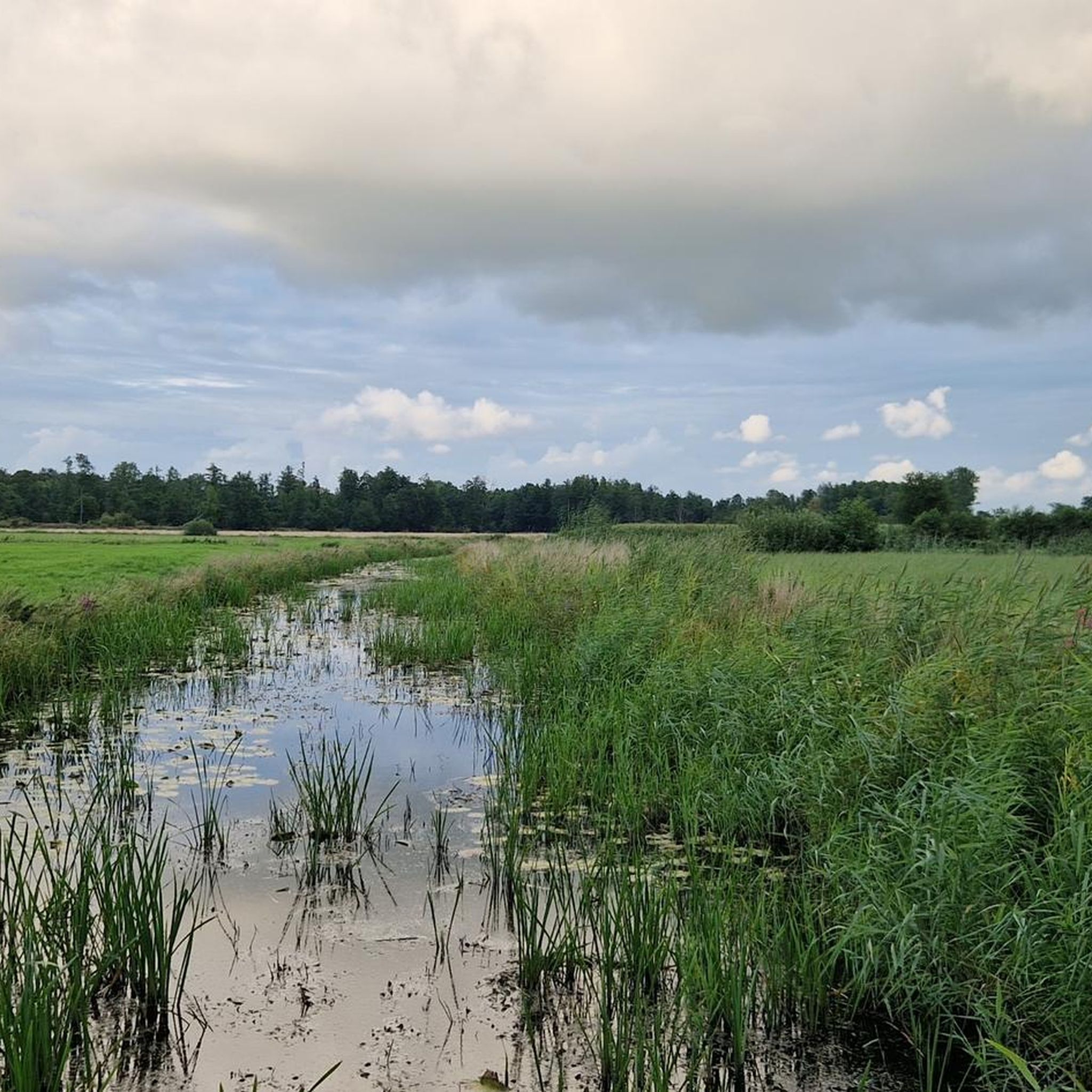
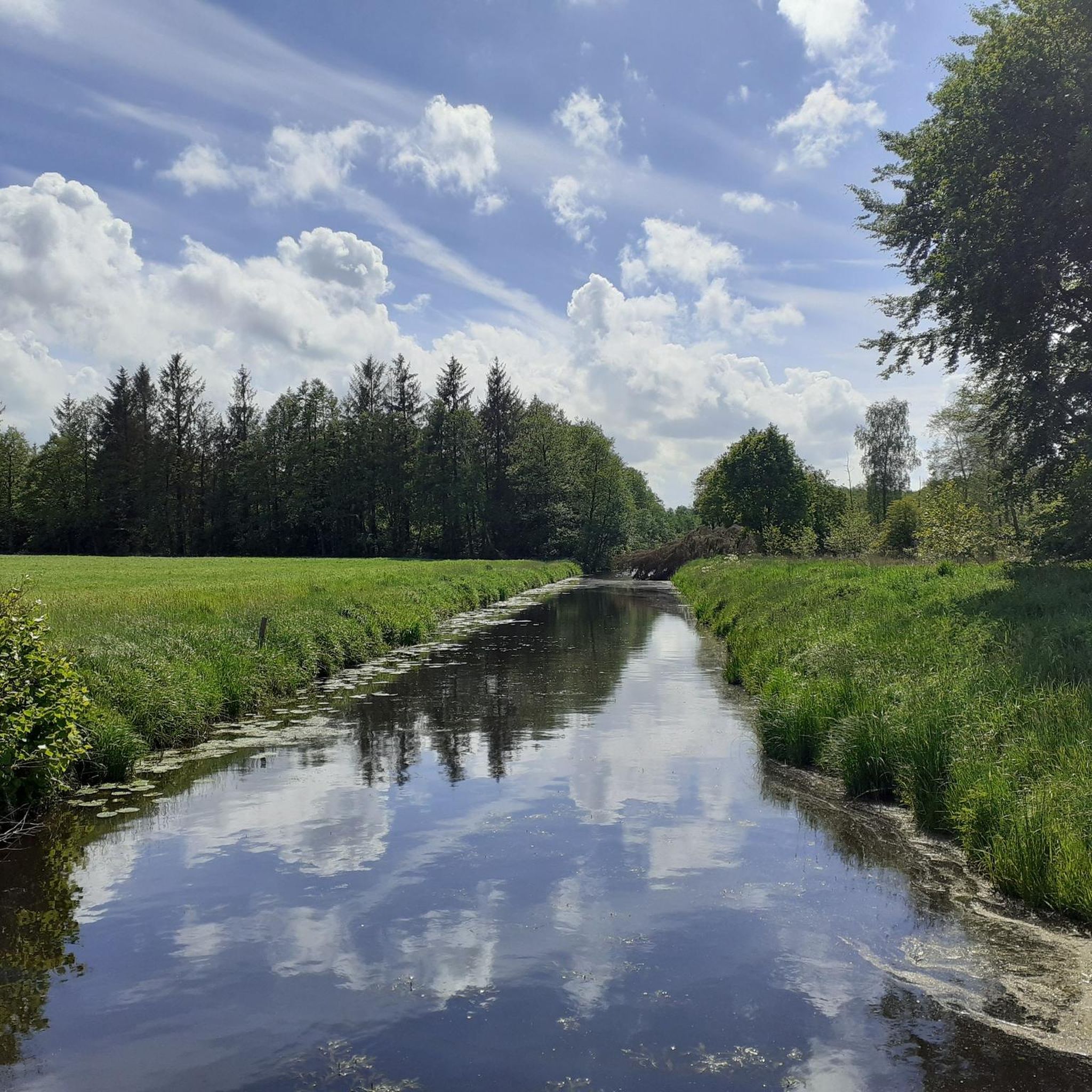
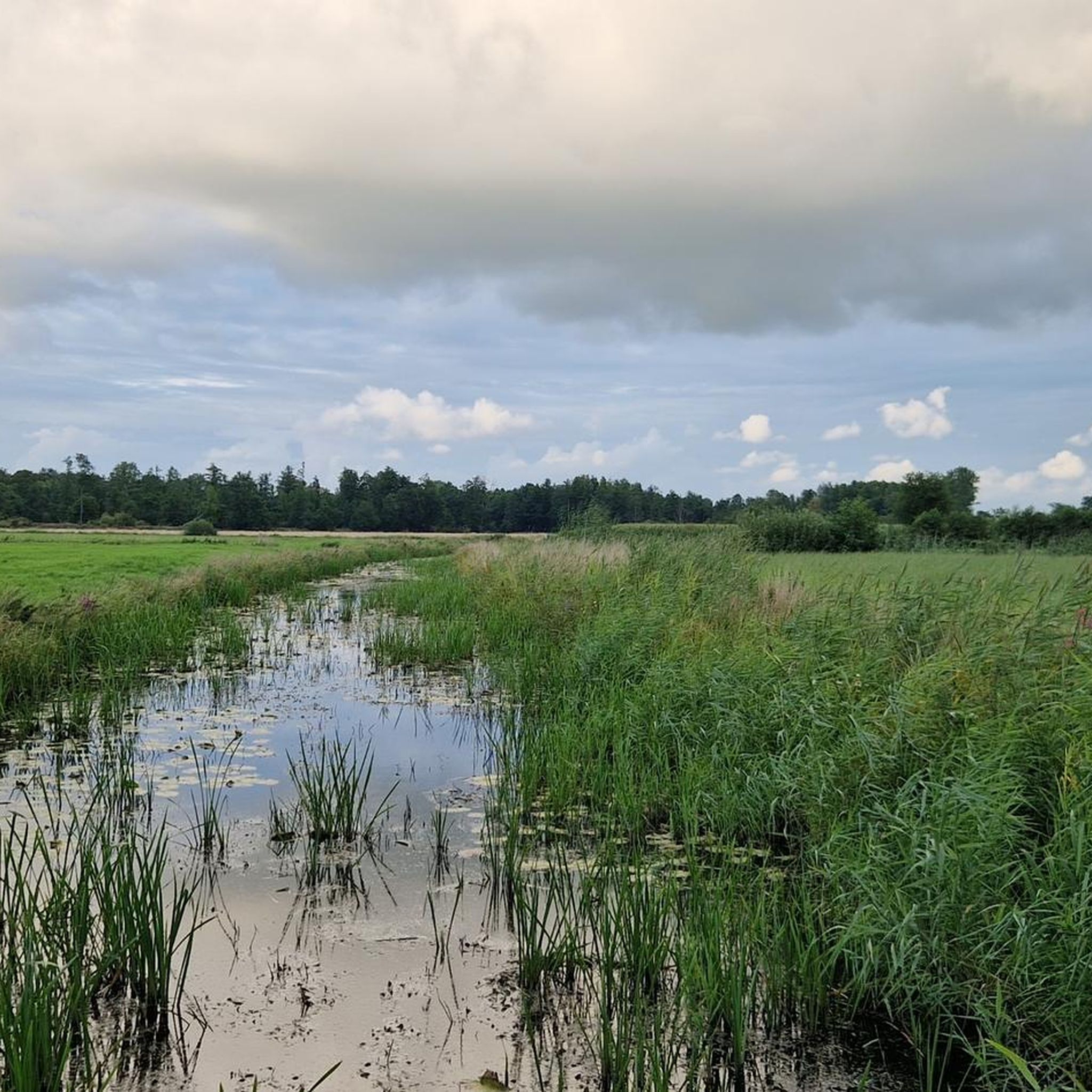
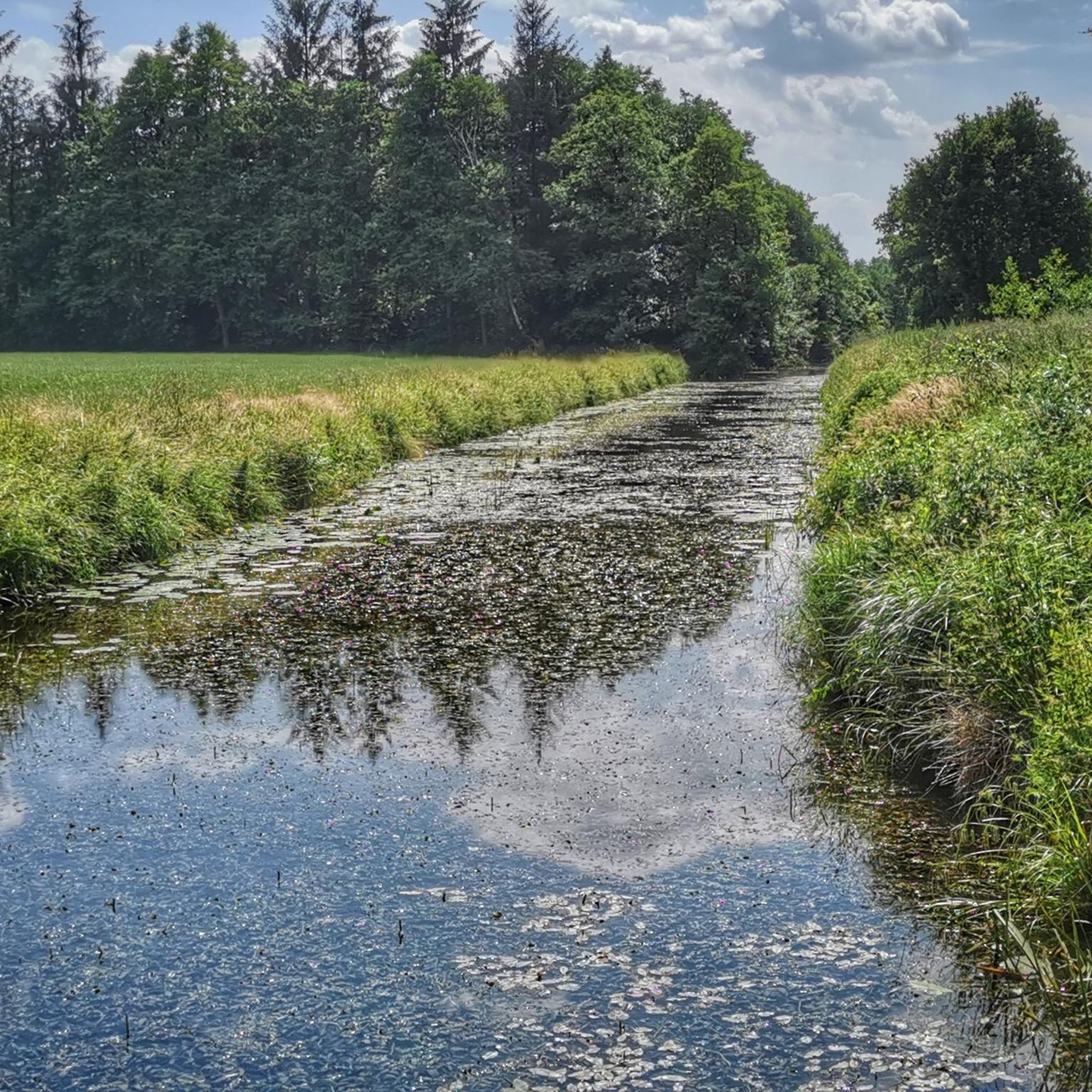
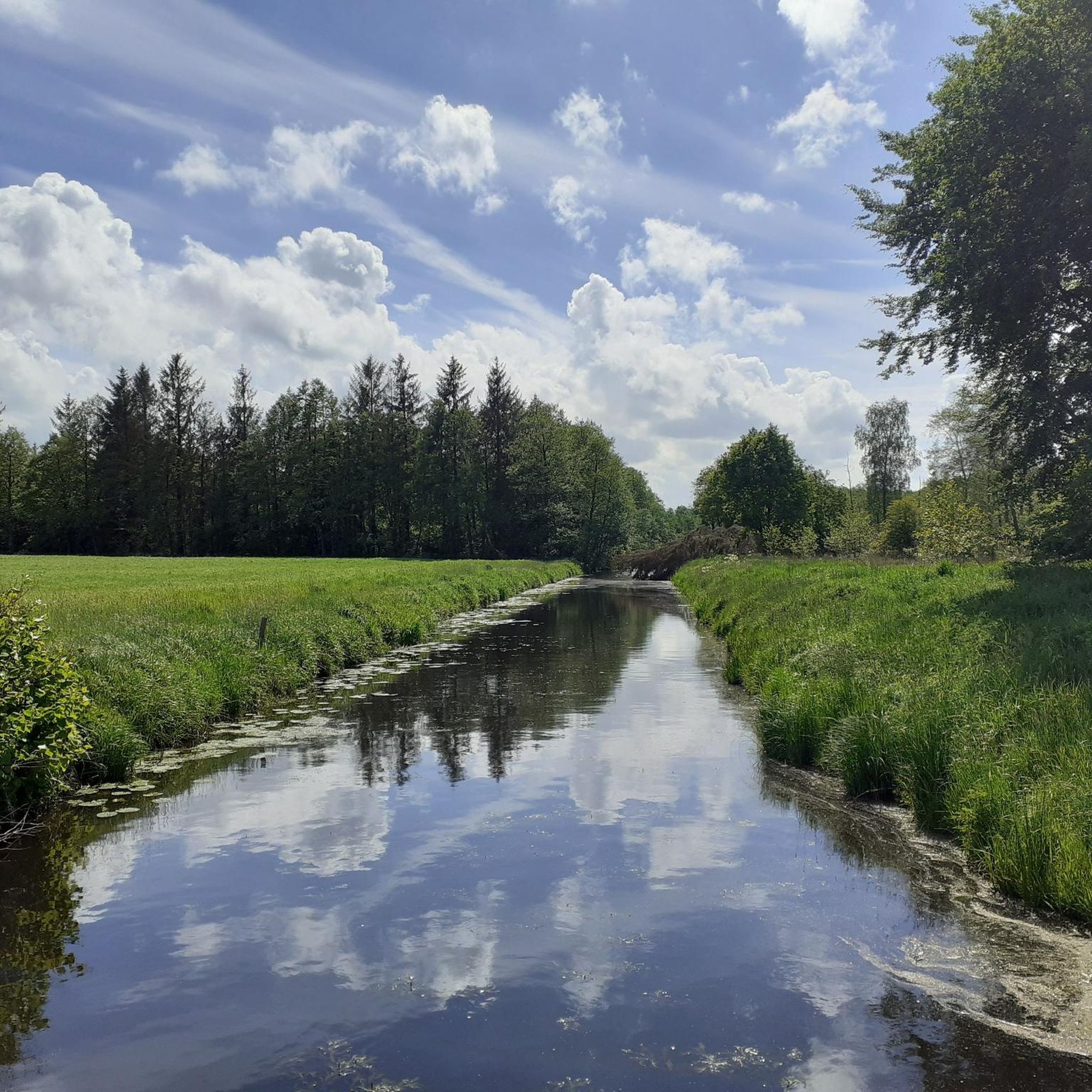
Großefehn Canal Built in 1633 by Emden, this approximately 10 km long moor canal connects to the Fehntjer Tief near Westgroßefehn and has four locks, of which the entrance lock from 1786 was restored in the 1990s. From 1921 to 1934, it was connected to the Nordgeorgsfehn Canal (and the Ems-Jade Canal) via the Großefehnanschlusskanal (Grossfehn Connection Canal) to form the Ringkanal (Ring Canal).
2
0

There you can sit and relax on the lovely benches.
1
0

Frisian freedom means: self-determination, responsibility, collective action, democracy, and tolerance. But also: lightness, color, cosmopolitanism, freedom, and expansiveness. Monika Kühling's land art project conveys all of this with its personal, artistic associations. And so a fantastic interplay of wind and flags, tracks and banners, old trees, and ancient texts emerged. Symbols of vitality and freedom. (Text excerpt by: Uda von der Nahmer/Bernhard Buttjer) See: https://www.ostfriesland.travel/urlaubsthemen/wanderurlaub/wandern-in-wald-wiese/sehenswuerdigkeit/100035081--auf-den-spuren-friesischer-freiheit
1
0
In the Footsteps of Frisian Freedom There, the artist Monika Kühling from Funnix has used ribbons, flags, banners, and cloths to manifest the fundamental law of Frisian Freedom, the so-called "History and Freedom," in the forest. This so-called land art project guides hikers on their way to the monastery site and is intended to symbolize a bridge between the independence of the Frisians and the motto of the Cistercian monks, "ora et labora" (pray and work). Both are inextricably linked to the history of East Frisia and Ihlow. The monastery, located near the "Upstalsboom"—the meeting place of the Free Frisians—served as the chancellery and archive of the all-Frisian "Frisian Freedom" movement. The seal of the monks of Ihlow also became the symbol of the Free Frisians in the Middle Ages.
3
0

The Großefehn Canal (there is only one of this name) begins in Westgroßefehn and runs through Mitteg. and Ostg. to Wiesmoor, where it ends in the Nordgeorgsfehn Canal.
1
0

The Ihlow Monastery in the municipality of the same name eight kilometers south of Aurich is a former Cistercian abbey. The monastery was founded in 1228. Until it was dissolved during the Reformation, Ihlow was one of the most important monasteries in the Dutch-northwest German region.
2
0

Idyllically located but still easy to get to. There is a small car park right next to the museum - on Sundays and public holidays it can get tight. The cake... sensational... 😋
4
0
Frequently Asked Questions
What historical sites can I visit in Fehntjer Tief Und Umgebung?
The region is rich in history. You can explore the Ihlow Monastery Site, a 12th-century Cistercian monastery that was once the largest church between Bremen and Groningen. Another significant historical site is the Fehnmuseum Eiland and Tea Room in Westgroßefehn, which offers insights into the local "Fehntjer Land" culture and history through various historical buildings. Additionally, the Westgroßefehn Windmill stands as a historical landmark.
Are there any unique art installations to see in the area?
Yes, the Frisian Freedom Art Installation Near Ihlow Abbey, also known as the Land Art Installation 'Friesian Freedom' by Monika Kühling in Ihlower Forest, is a notable project. It uses ribbons, flags, and banners to represent the fundamental law of Frisian Freedom, guiding hikers to the monastery site and symbolizing the connection between Frisian independence and the Cistercian motto 'ora et labora'.
What natural features define the Fehntjer Tief Und Umgebung region?
The core of the region is the Fehntjer Tief lowland, an extensive marshy river plain characterized by wet meadows and pastures. It includes the lowlands of the Krummes Tief, Flumm, and Bagbander Tief rivers. You'll also find naturally formed fens like Sandwater and Boekzeteler Meer, and the mixed forest area of Ihlower Forst.
What kind of wildlife and plant species can I expect to see?
The region is crucial for meadow bird populations, including species like the curlew, black-tailed godwit, lapwing, short-eared owl, snipe, and sedge warbler. It's also home to rare and endangered plant species such as fen sedge, frogbit, Arnica, marsh gentian, English thistle, and mud brome, as well as animals like the pond bat, weatherfish, and spined loach.
Are there family-friendly activities or attractions in Fehntjer Tief Und Umgebung?
Many attractions in the region are suitable for families. The Ihlow Monastery Site and the Fehnmuseum Eiland and Tea Room are both marked as family-friendly. The Land Art Installation 'Friesian Freedom' in Ihlower Forest also offers an engaging experience for all ages. The Naturschutzstation Fehntjer Tief provides educational activities and guided tours for environmental studies.
What outdoor activities are popular near these attractions?
The region is well-suited for outdoor activities like hiking, cycling, and running. You can find numerous routes to explore the diverse landscapes. For specific routes, consider exploring the guides for Cycling in Fehntjer Tief Und Umgebung, Easy hikes in Fehntjer Tief Und Umgebung, and Running Trails in Fehntjer Tief Und Umgebung.
Are there easy hiking trails available?
Yes, there are several easy hiking trails, particularly around the Ihlow Monastery Site. Examples include the 'Green Way – Ihlow Monastery Site loop' (4.3 km), 'Kloster Ihlow – Ihlow Monastery Site loop' (2.1 km), and 'Ihlow Monastery Site – Monastery Ponds loop' (2.3 km). You can find more options in the Easy hikes in Fehntjer Tief Und Umgebung guide.
Where can I learn about the local culture and history of the 'Fehntjer Land'?
The best place to learn about the local culture and history is the Fehnmuseum Eiland and Tea Room in Westgroßefehn. This museum complex showcases the development from raised moor to today's cultural landscape and the history of sailing in the East Frisian Fehn areas, featuring various historical buildings like a forge and a gang saw.
Is there a nature conservation center in the area?
Yes, the Naturschutzstation Fehntjer Tief in Lübbertsfehn serves as an educational center for environmental studies and a meeting point for public engagement. It focuses on the specific flora and fauna of the area and traditional land use, housed in a protected Gulfhof from 1843, with exhibitions and a show garden.
What is the Ihlower Forst and what can I do there?
The Ihlower Forst is a mixed forest area covering approximately 350 hectares, primarily composed of beech, oak, and other deciduous trees. It's a great place for hiking and exploring, and it's home to the Frisian Freedom Art Installation, which guides visitors towards the Ihlow Monastery Site.
Are there cafes or places to eat near the attractions?
Yes, both the Ihlow Monastery Site and the Fehnmuseum Eiland have on-site cafes. The monastery café typically opens in April, while the Fehnmuseum Eiland has an independent café for commercial use, offering refreshments and a place to relax.
What makes the Fehntjer Tief-Niederung unique?
The Fehntjer Tief-Niederung is unique as a representative area of a marshy river plain with wet meadows and pastures, influenced by groundwater. It's a low-lying transition area between Geest and Marsch, predominantly used for agriculture, particularly cattle farming and milk production, creating a distinctive expansive greenland landscape.
Can I bring my dog to the attractions?
The Fehnmuseum Eiland and Tea Room in Westgroßefehn is listed as dog-friendly. For other natural areas and trails, it's generally advisable to keep dogs on a leash, especially in nature reserves, to protect local wildlife.
Most popular routes in Fehntjer Tief Und Umgebung
Most popular attractions in Fehntjer Tief Und Umgebung

Get inspired with the komoot mobile app


Explore more
Still not found the Highlight you’re looking for? See guides of the top attractions in other regions:
