Attractions and Places To See in Paleispark Het Loo - Top 20
Best attractions and places to see in Paleispark Het Loo include a sprawling 650-hectare estate adjacent to Paleis Het Loo in Apeldoorn, Netherlands. This area features a blend of historical landmarks, diverse natural features, and cultural attractions. Originally a recreational area for the Dutch royal family, the park is now open to the public, offering extensive woodlands, ponds, and historical structures. It provides numerous points of interest for visitors exploring its varied landscape.
Best attractions and places to see in Paleispark Het Loo
- The most popular attractions is Willem's Temple, a man-made monument that is an impressive wooden structure in the middle of an intersection of footpaths. This folly was conceived by King William III and rebuilt around 1895.
- Another must-see spot is Het Loo Palace, a castle that is a huge baroque palace built near a moated castle at the end of the 17th century. It served as a pleasure palace for William III and Mary II of England, and is now a state museum showcasing 300 years of the House of Orange-Nassau's history.
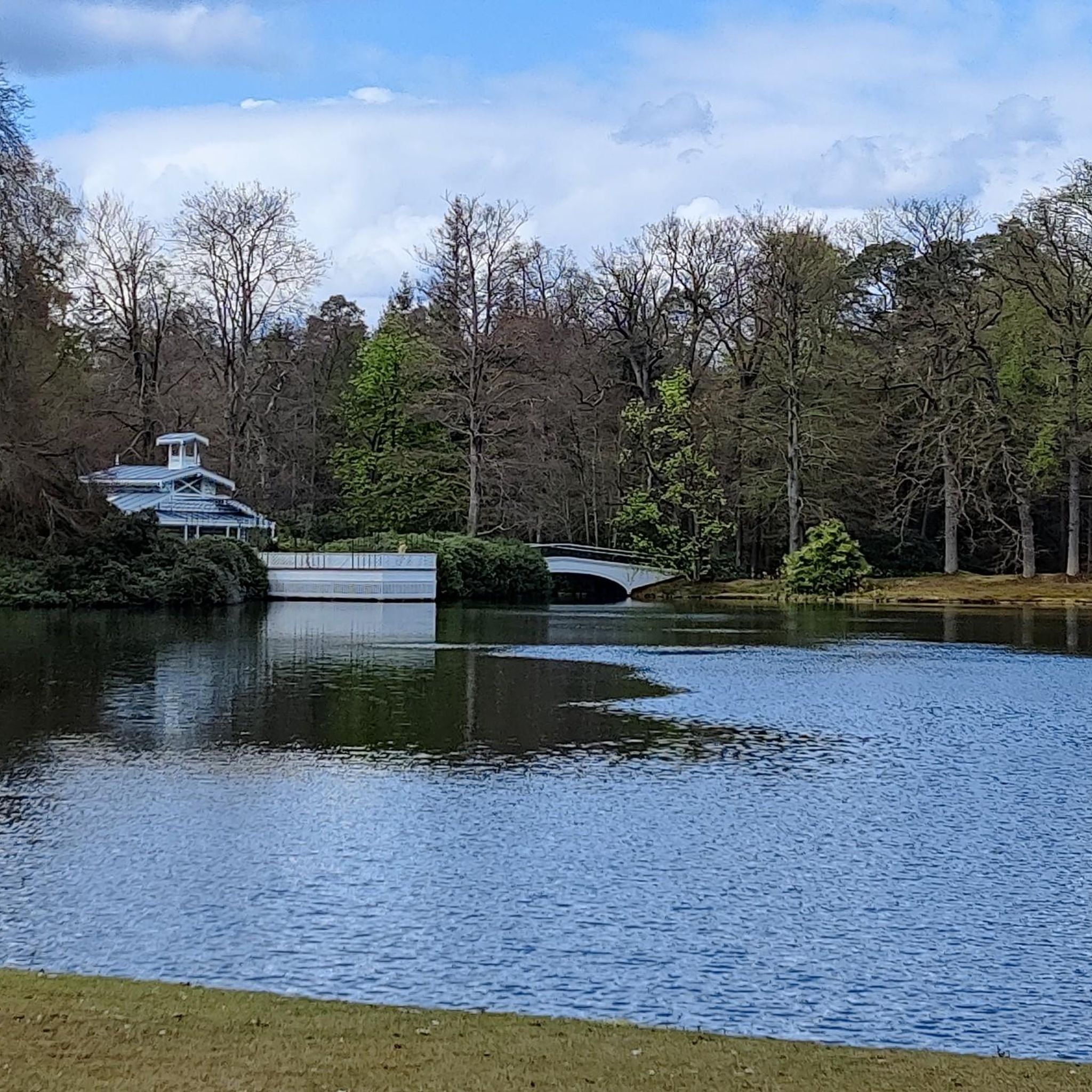
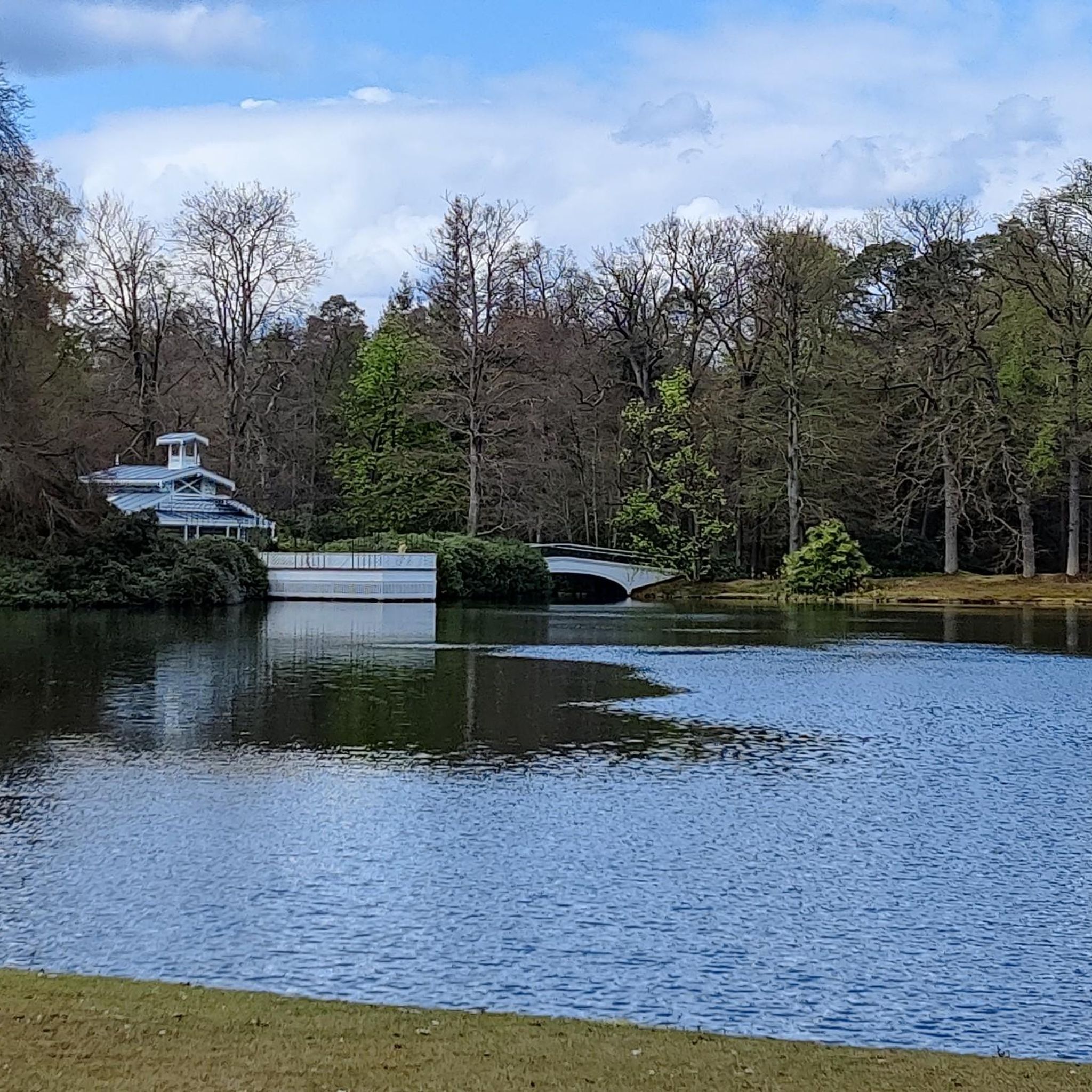
- Visitors also love Trout Pond, a lake that is a long and narrow pond created around 1900. It was historically used as a breeding pond for trout for the palace kitchen and is now a beautiful stretch of water surrounded by plants.
- Paleispark Het Loo is known for its historical sites, natural features, and viewpoints. The region offers a variety of attractions to see and explore, from royal palaces to expansive woodlands and water features.
- The attractions in Paleispark Het Loo are appreciated by the komoot community, with more than 440 upvotes and over 530 photos shared by visitors.
Last updated: August 15, 2026
Het Loo Palace
Highlight • Castle
There is a huge baroque garden around the palace. The "Kroondomein Het Loo" is the largest connected estate in the Netherlands. It used to be used by the residents of the Palais het Loo and their guests as a recreational area, today you can relax wonderfully while cycling through.
Translated by Google •
Tip by

Trout Pond
Highlight • Lake
Translated by Google •
Tip by

Sign up now to discover places like this
Get recommendations on the best single tracks, peaks, & plenty of other exciting outdoor places.
Sign up for free
Willem's Temple
Highlight • Monument
Translated by Google •
Tip by

View of Palace 't Loo
Highlight • Viewpoint
The fountain (called De Koningssprong) was able to continuously spray a jet of water 13 metres into the air. At the time, this was quite a work of art. Louis' fountains had to be cranked by hand.
However, Het Loo got its water from the nearby streams. Because these were higher and lower than the fountain, there was a lot of water pressure. As a result, no one had to turn the fountain on themselves. With his fountain, William III made quite an impression on the nobles of his time. Fountains were often used as a display of power and status, but fountains have had various other meanings throughout the centuries. From the ancient Greeks to modern times - fountains continue to fascinate.
Translated by Google •
Tip by

Royal Pet Cemetery
Highlight • Historical Site
Translated by Google •
Tip by
Sign up for free to discover even more attractions in Paleispark Het Loo.
Sign up for free
Already have an account?
Start today with a free account
Your next adventure awaits.
Login or Signup
Tips from the Community

In the cemetery lie not only horses but also pets of the Oranges. Something is noticeable on the tombstones, namely the years. A number of horses died at the same time in 1939. In 1940, a number of horses were shot to prevent them from falling into the hands of the Germans. The stone says 1939 to mislead the Germans.
0
0

Updated 12/09/2024 Opening hours for Paleis Het Loo: Click through to https://paleishetloo.nl/bezoek/openingstijden?gad_source=1&gclid=CjwKCAjwooq3BhB3EiwAYqYoEpvewXgQkUVTPBBlXa77HZvaD8hiN1HnplZAG9ZRss_saEYjzbsKhhoCv-AQAvD_BwE
6
0
The fountain at Het Loo Palace in Apeldoorn is a masterpiece of seventeenth-century architecture. It is also a monument to the competition between stadtholder William III and Louis XIV of France. The fountain (called De Koningssprong) was able to continuously spray a jet of water 13 metres into the air. At the time, this was quite a work of art. Louis' fountains had to be cranked by hand. However, Het Loo got its water from the nearby streams. Because these were higher and lower than the fountain, there was a lot of water pressure. As a result, no one had to turn the fountain on themselves. With his fountain, William III made quite an impression on the nobles of his time. Fountains were often used as a display of power and status, but fountains have had various other meanings throughout the centuries. From the ancient Greeks to modern times - fountains continue to fascinate.
5
0
Paleis Het Loo is an original 17th century palace of the House of Orange. After the renovation, in which an extension with exhibition spaces was added under the palace, Paleis Het Loo is one of the most beautiful museums in Europe according to Prix Versailles. There are exhibitions about the House of Orange, the origins of the Netherlands and current topics.
6
0

The multi-winged, baroque palace was built between 1685 and 1692 by the architects Jacob Roman and Daniel Marot near a 15th century moated castle, Kasteel Het Oude Loo. It served as a pleasure palace for the Dutch governor William III, who was also King of England under the name William III from 1688 to 1701, and his wife Mary II of England. The Dutch royal family used the palace as a summer residence until 1975. It is one of the most famous baroque palaces in Europe and was an architectural model. It is also famous for its palace park. The grounds are not accessible by bike, but the little detour is definitely worth it.
17
0


Next to the trout pond you will find this mysterious little house. When you peek inside, there doesn't seem to be much inside. Yet it has been widely used in the past. In this house the palace staff collected tipsy game. The dead animals were then put through the meat grinder. Together with some flour they were then fed to the trout. The trout from the pond were served in the palace. For example, the royal family had fresh trout available when there were guests.
1
0
View of the Palace 't Loo. A separate entrance ticket is required for the Palace Garden.
3
0
Frequently Asked Questions
What historical landmarks can I explore in Paleispark Het Loo?
Paleispark Het Loo is rich in history. You can visit the magnificent Het Loo Palace, a 17th-century Baroque masterpiece that now functions as a state museum showcasing 300 years of the House of Orange-Nassau's history. Don't miss the meticulously restored Baroque Gardens with their impressive fountains. Also within the park is Willem's Temple, an impressive wooden folly, and the medieval Slot Het Oude Loo, though parts of its area are periodically accessible. The Stables and Coach Houses also offer a glimpse into royal history, often housing vintage vehicle exhibits.
What natural features can I discover within Paleispark Het Loo?
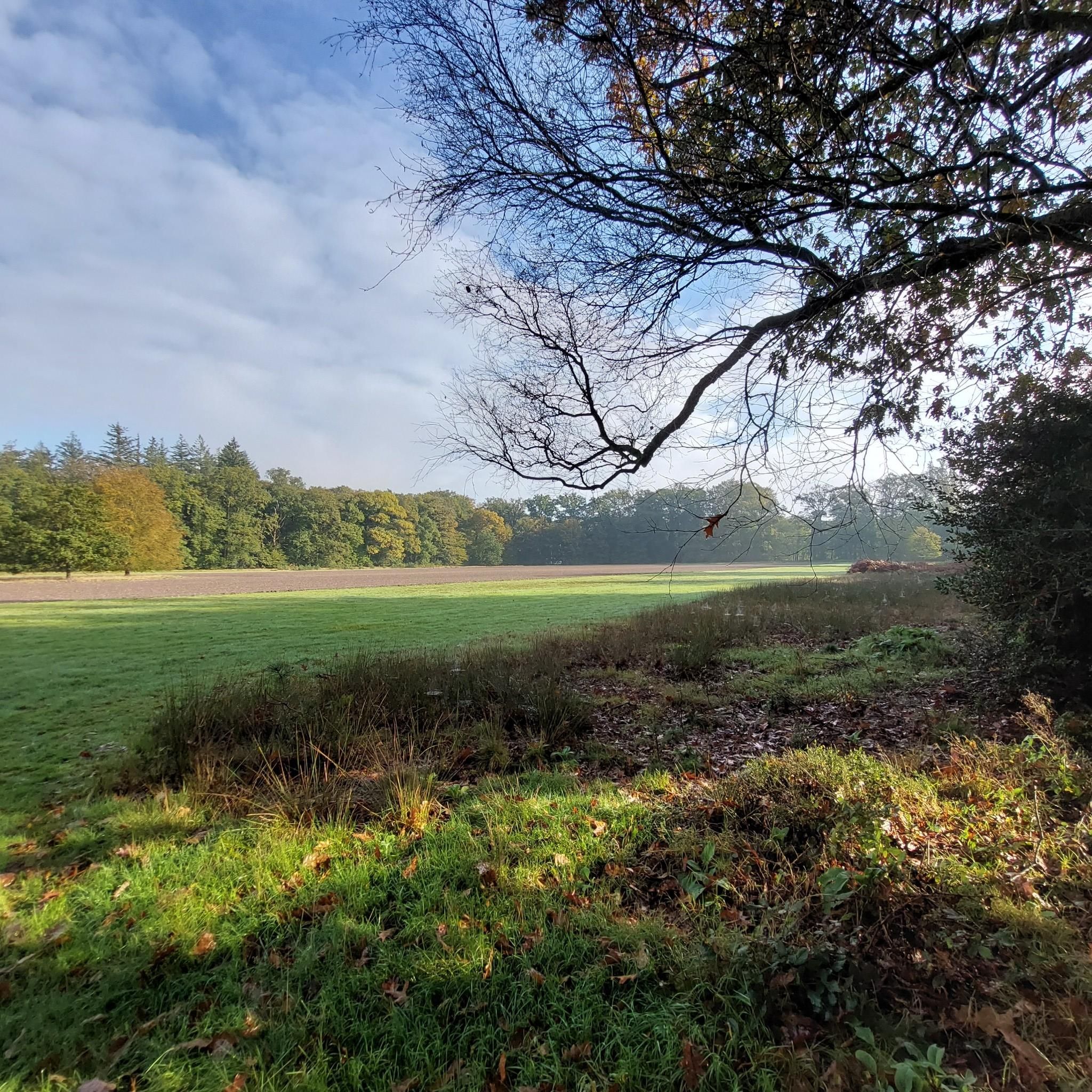
The 650-hectare Paleispark Het Loo boasts diverse natural beauty. You'll find expansive woodlands with numerous walking paths, several ponds, and significant water features, including a network of artificial springs (sprengen) that fed the palace's fountains. The Wilhelminadal, an old meltwater valley from the last ice age, is visible in the western and northern parts of the park, adding to its geological interest. There are also small heathlands, remnants of the area's original landscape.
Are there specific viewpoints offering scenic views of the palace or park?
Yes, the park offers several picturesque spots. You can find a dedicated View of Palace 't Loo, which provides a special impression, especially with the beautiful fountain in the foreground. The palace itself has a rooftop terrace offering panoramic views of the gardens and the wider park. The meticulously designed Baroque Gardens also offer stunning vistas of the palace's architecture.
What activities are available for families with children?
Paleispark Het Loo is family-friendly. Children can enjoy the Junior Palace, a dedicated fantastical area offering interactive experiences. The expansive woodlands and walking paths provide plenty of space for exploration. Many of the highlights, such as Het Loo Palace, Willem's Temple, and Trout Pond, are suitable for families to visit together.
Can I bring my dog to Paleispark Het Loo?
The Paleispark Het Loo is generally dog-friendly, allowing visitors to enjoy the extensive grounds with their canine companions. However, specific rules may apply, especially regarding areas like the palace gardens or certain buildings. It's always advisable to check the official park guidelines upon arrival for any restrictions or leash requirements.
Are there opportunities for cycling in Paleispark Het Loo?
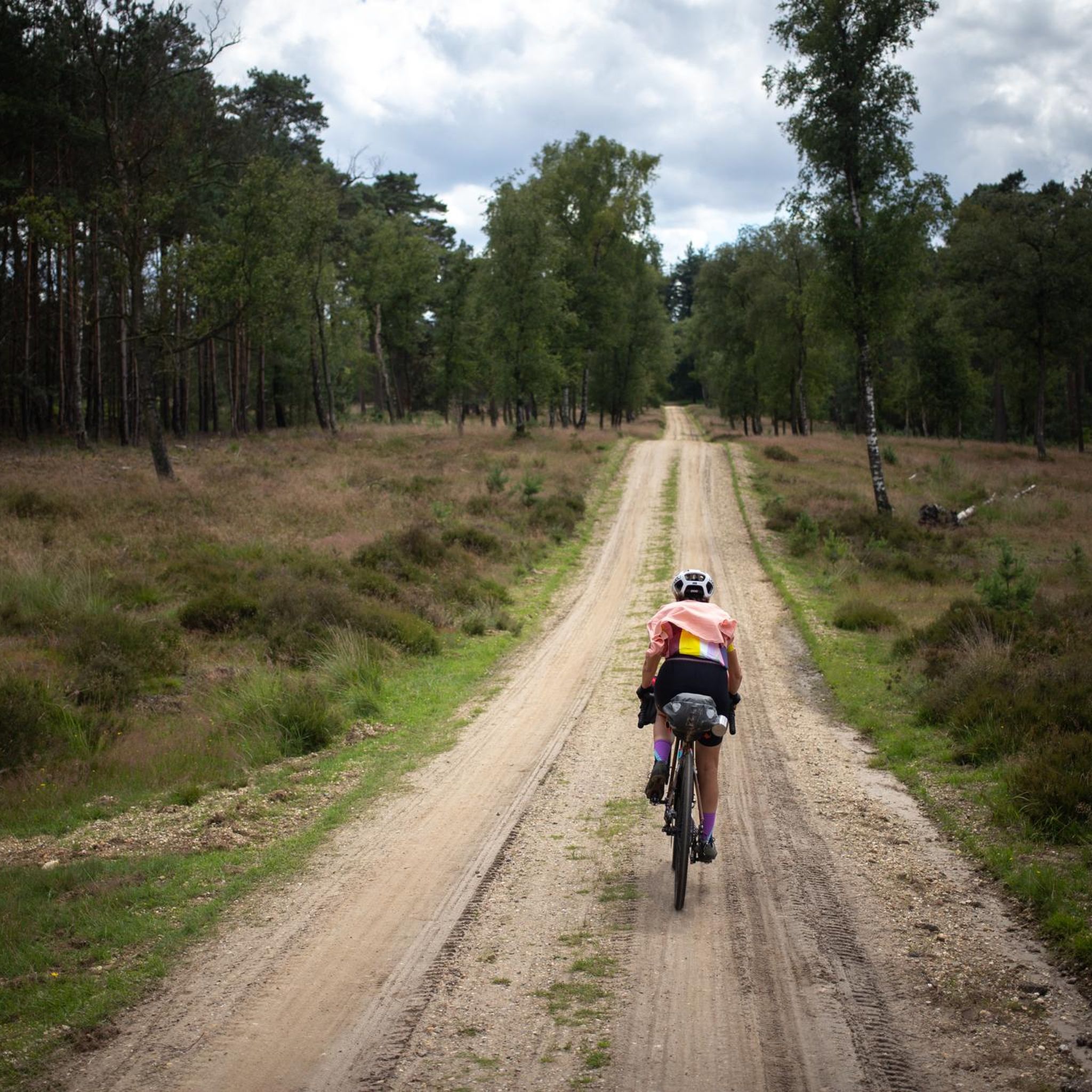
Yes, Paleispark Het Loo offers excellent cycling opportunities. The park's extensive network of paths and roads makes it ideal for touring bicycles. You can explore routes like the 'Descent from Hoog Soeren – Grevenhout Forest Trail loop' or 'The Kleine Loo – De Naald Monument, Apeldoorn loop'. For more options, check out the Cycling in Paleispark Het Loo guide.
What kind of hiking trails can I find in Paleispark Het Loo?
Paleispark Het Loo is perfect for hiking, with numerous routes through its varied landscape. You can enjoy easy hikes such as 'The Kleine Loo – Willem's Temple loop' or 'Fallow Deer Enclosure Veluwe – Willem's Temple loop'. These trails allow you to discover historical sites and natural beauty. For a comprehensive list of options, refer to the Easy hikes in Paleispark Het Loo guide.
Are there mountain biking trails available in the park?
Yes, mountain biking enthusiasts will find trails in Paleispark Het Loo. The park features routes like 'Forest Paths in Veluwe – Singletrack in the Veluwe loop' and 'Heathland of the Veluwe – Naturalist Trail, Veluwe loop'. These trails offer a chance to experience the park's natural terrain on two wheels. Discover more routes in the MTB Trails in Paleispark Het Loo guide.
What is the best time of year to visit Paleispark Het Loo?
Paleispark Het Loo is beautiful year-round, but the best time to visit often depends on your interests. Spring (April-May) offers blooming gardens and pleasant temperatures. Summer (June-August) is ideal for enjoying the outdoor spaces and longer daylight hours, though it can be busier. Autumn (September-October) provides stunning fall foliage, while winter (November-March) offers a quieter, serene experience, especially if you enjoy crisp walks.
Is there parking available at Paleispark Het Loo?
Yes, parking facilities are available for visitors to Paleispark Het Loo. There are designated parking areas near the main entrance to the palace and park, making it convenient for those arriving by car. Specific details regarding parking fees or locations can usually be found on the official Paleis Het Loo website.
How can I reach Paleispark Het Loo by public transport?
Paleispark Het Loo is accessible by public transport. It is located in Apeldoorn, Netherlands, and can typically be reached by bus from Apeldoorn Central Station. Check local bus schedules and routes for the most current information on connections to the palace and park entrance.
Are there places to eat or drink within or near Paleispark Het Loo?
Yes, there are options for refreshments within Paleispark Het Loo. The palace grounds usually feature a café or restaurant where visitors can enjoy a meal or a snack. Additionally, the nearby town of Apeldoorn offers a wider selection of cafes, pubs, and restaurants for dining before or after your visit.
How long should I plan for a visit to Paleispark Het Loo?
To fully experience Paleispark Het Loo, including the palace, Baroque Gardens, and some of the park's natural features, you should plan for at least half a day, or even a full day. Exploring the palace museum can take a few hours, and wandering through the extensive gardens and woodlands will add significant time. If you plan to hike or cycle, allocate even more time.
What wildlife might I encounter in Paleispark Het Loo?
Paleispark Het Loo is home to a variety of wildlife, particularly in its more natural 'Achterpark' section. You might spot roe deer, badgers (with approximately twenty badger setts), and foxes (with about twelve fox earths). There's even a wild observation post available for visitors interested in viewing large game. Keep an eye out, especially during dawn and dusk, for the best chances of sightings.
Most popular routes in Paleispark Het Loo
Most popular attractions in Paleispark Het Loo

Get inspired with the komoot mobile app


Explore more
Still not found the Highlight you’re looking for? See guides of the top attractions in other regions:
