Attractions and Places To See in Molenheide - Top 16
Attractions and places to see in Molenheide encompass a diverse landscape of natural features and family-friendly entertainment. This region in Belgian Limburg is characterized by its dunes, forests, and heathland, which are the result of significant nature restoration efforts. Visitors can explore various walking routes and observe wildlife in these natural settings. The area also features extensive holiday resort facilities offering numerous indoor and outdoor activities.
Best attractions and places to see in Molenheide
- The most popular attraction is Molenheide…
Last updated: July 5, 2026
Molenheide Pond
Highlight • Lake
Translated by Google •
Tip by

Pond
Highlight • Lake
Translated by Google •
Tip by

Sign up now to discover places like this
Get recommendations on the best single tracks, peaks, & plenty of other exciting outdoor places.
Sign up for free
The Heimolen
Highlight • Monument
It is a …
Translated by Google •
Tip by

Molenheide
Highlight • Forest
The …
Translated by Google •
Tip by

Molenheide Nature Reserve
Highlight • Forest
Now the soil has been returned to nature. Here you can see how quickly nature can change it from a bare plain to the way it is today.
Translated by Google •
Tip by

Sign up for free to discover even more attractions in Molenheide.
Sign up for free
Already have an account?
Start today with a free account
Your next adventure awaits.
Login or Signup

Tips from the Community

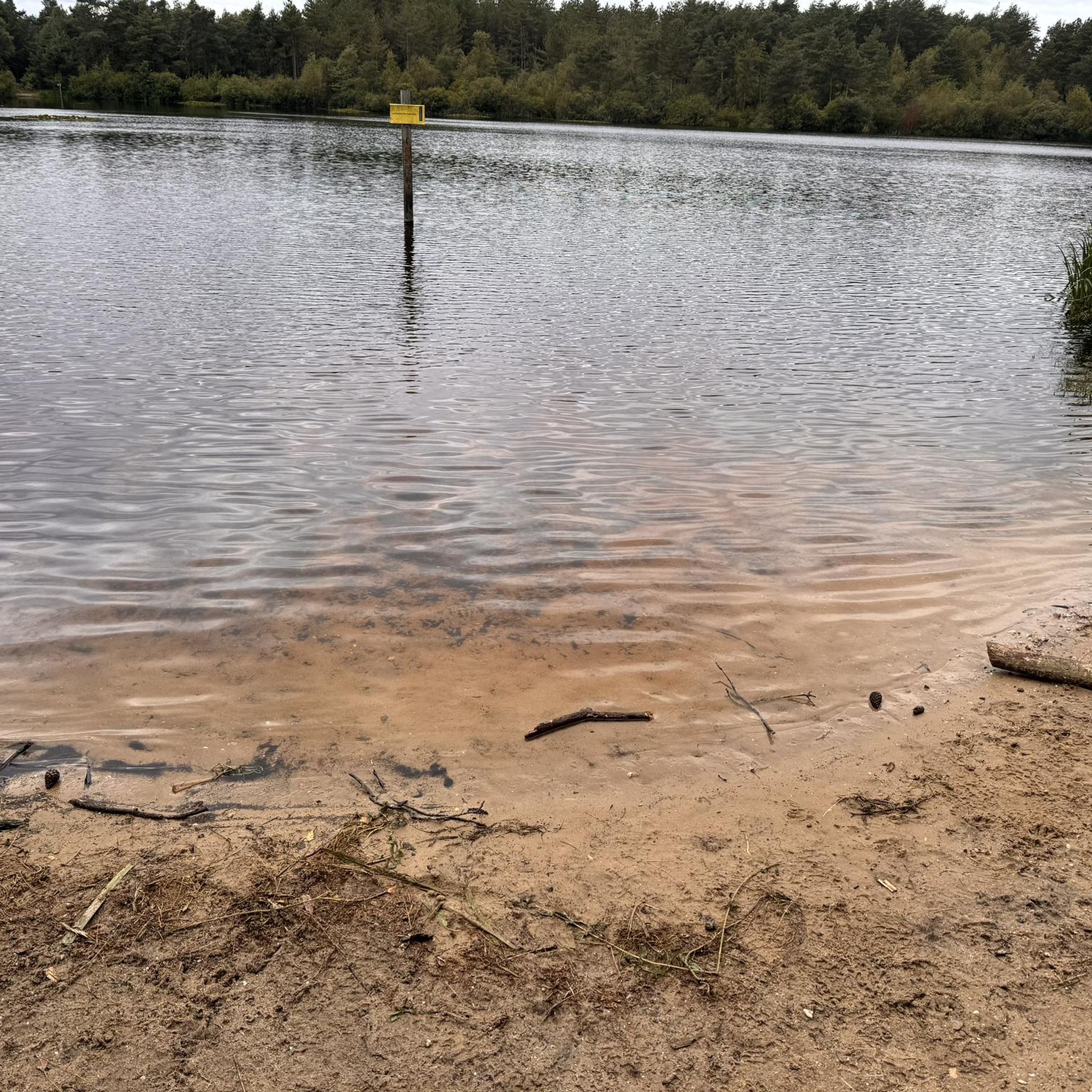
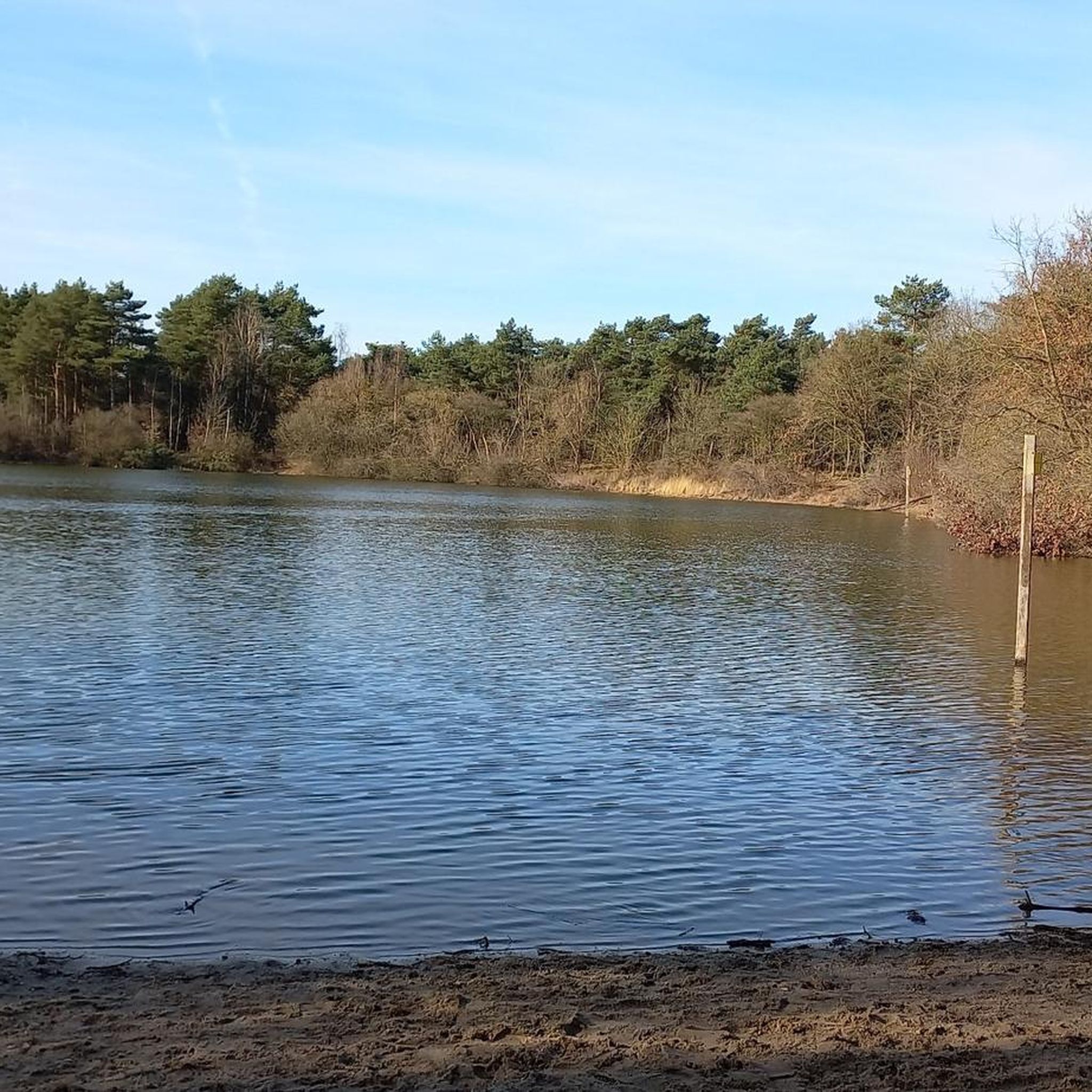
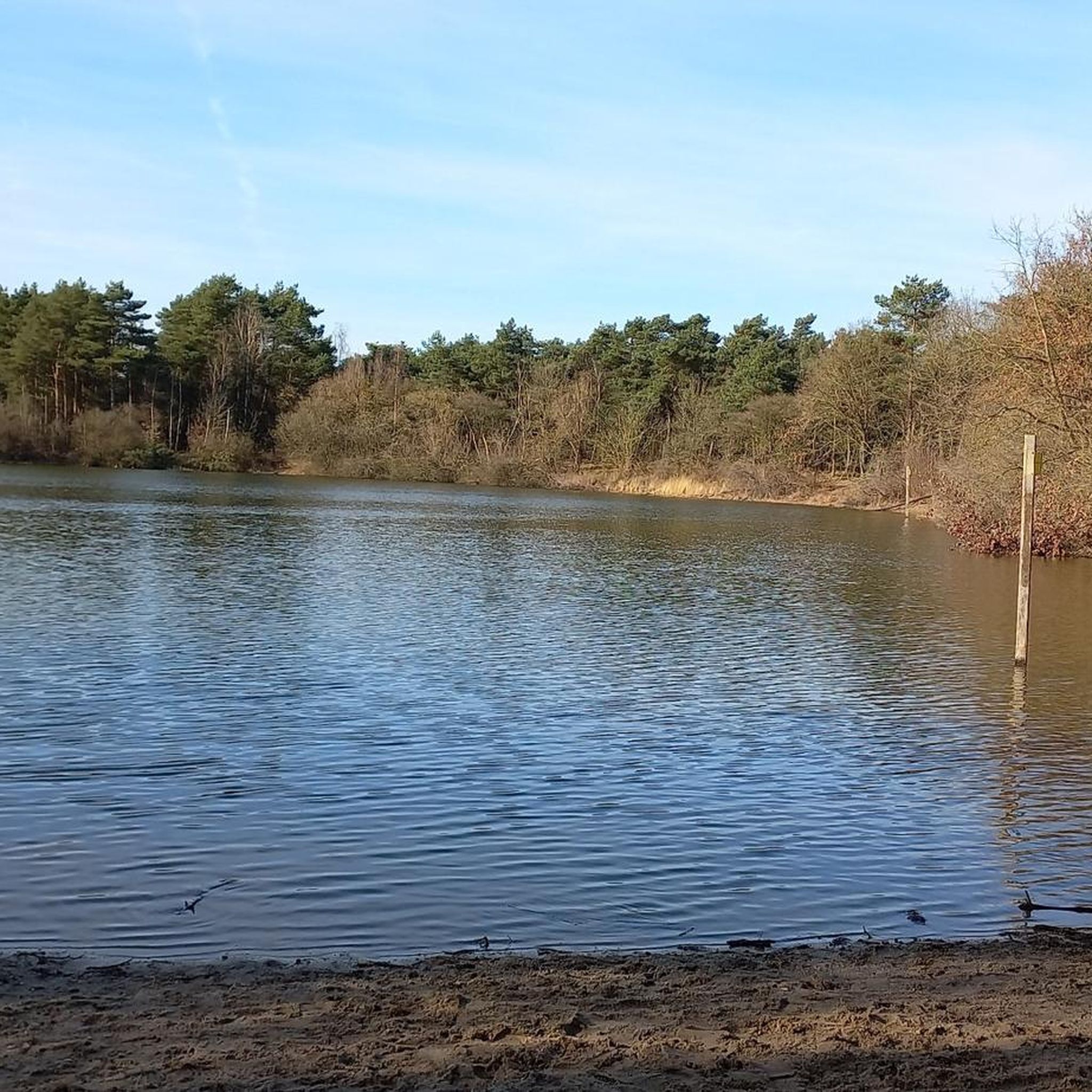
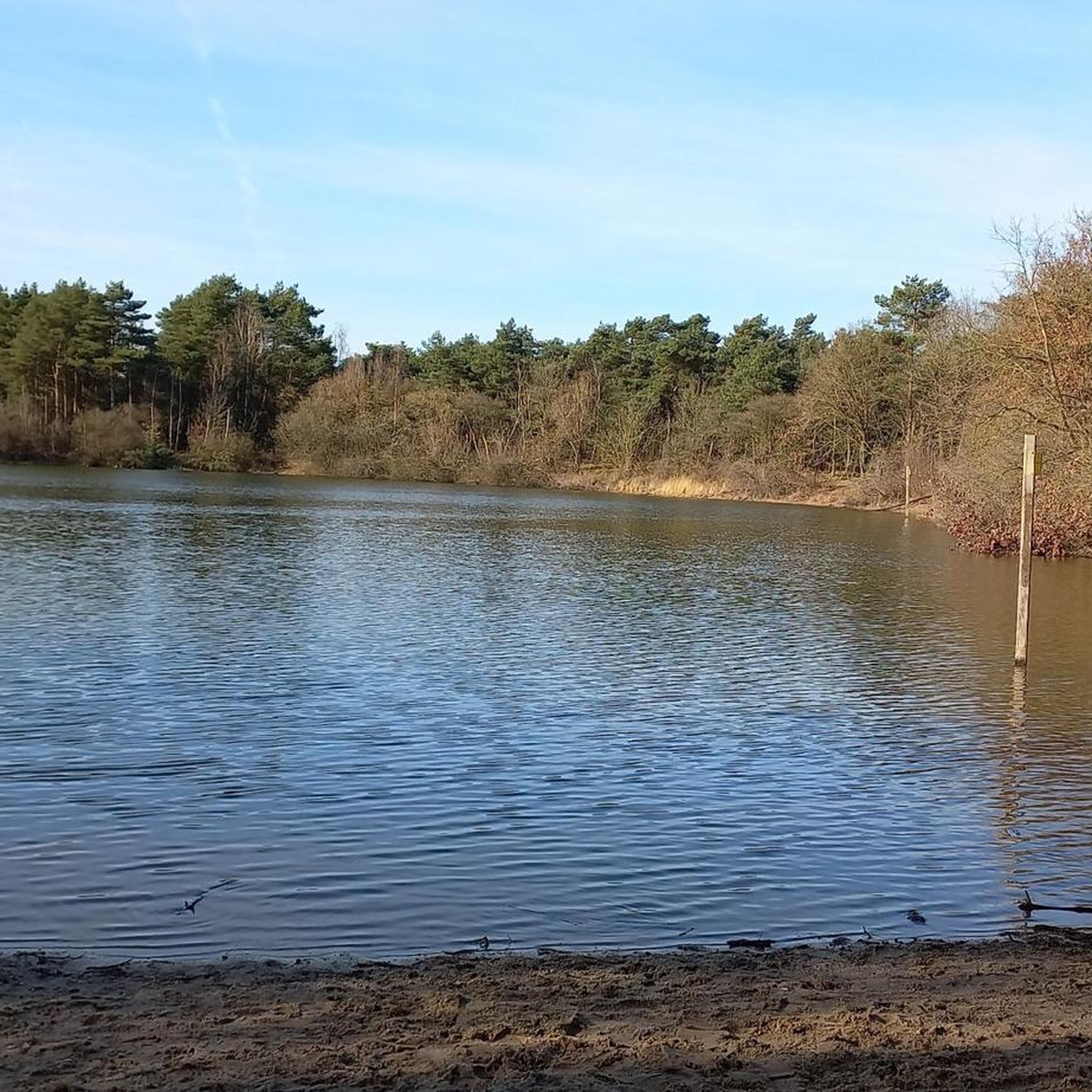
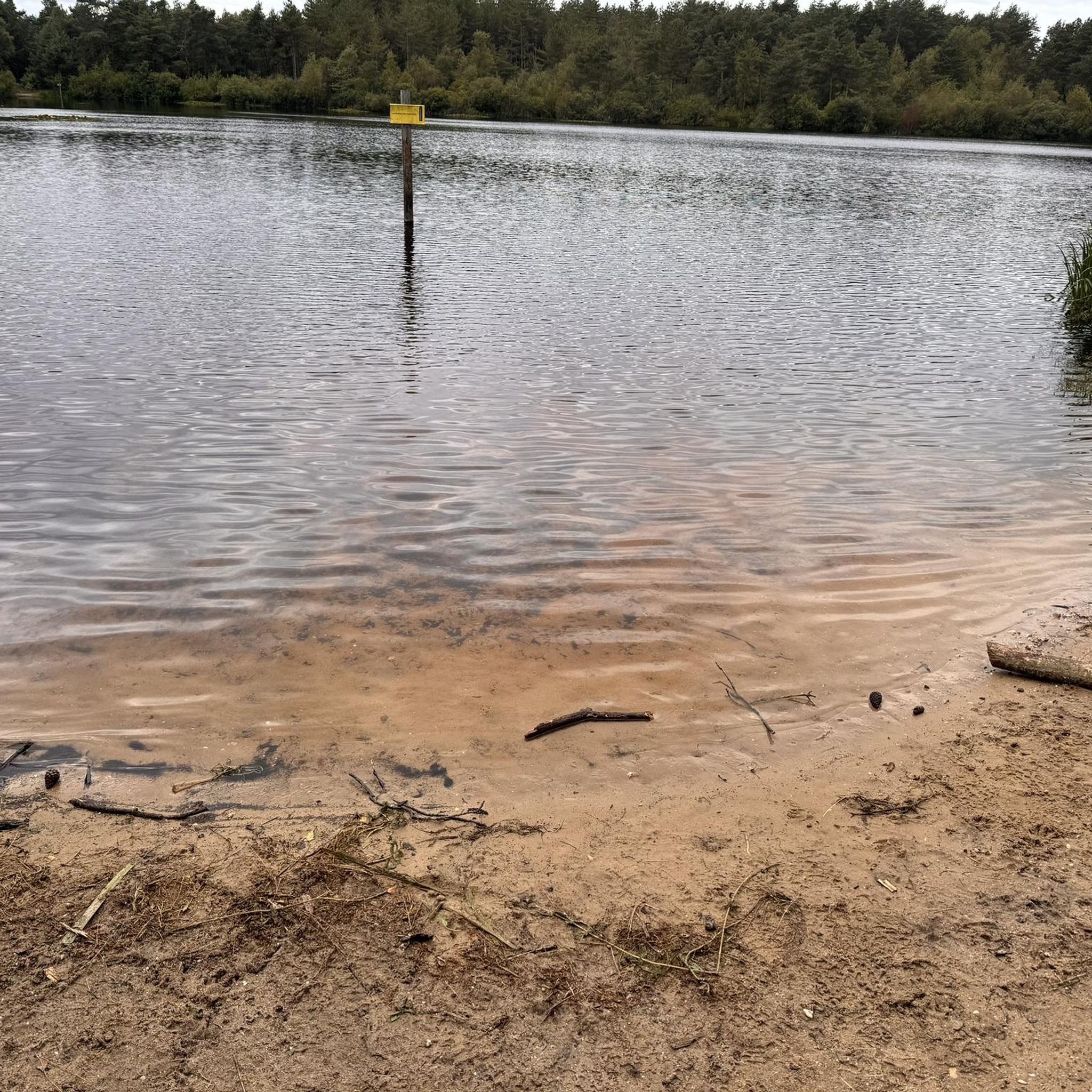
The Molenheide fen lies within the Molenheide nature reserve, a short distance from the village of Wilbertoord, about a ten-minute walk from the town. The fen formed in a wet depression and is fed primarily by rainwater and groundwater, creating a shallow, nutrient-poor body of water typical of original heathlands. Moisture-loving plants grow around the fen, and along the edges, roughs and peaty vegetation develop, important for dragonflies and amphibians. The open water and surrounding transition zones provide an attractive habitat for breeding and foraging birds. The fen is part of a larger heathland and woodland mosaic maintained through management measures such as grazing with Highland cattle and targeted management; this ensures the area remains diverse and valuable for species that depend on an open, light-rich, and slightly moist landscape.
1
0
At the heart of the Molenheide area lies a second, unnamed fen that appears much more natural than its edges suggest. This fen lies deeper in the forest and heathland mosaic and is completely surrounded by mixed coniferous and deciduous forest that gradually transitions into open heathland. The water body is small, shallow, and highly dependent on rainwater and the local groundwater level. As a result, the water level can fluctuate significantly in wet and dry seasons, creating a dynamic peripheral zone with low peat formation, moor grass, and moist heathland vegetation. Due to its protected location, further from the edges and paths, the fen is a peaceful place where dragonflies, green frogs, and birds such as the wren and blackcap like to forage. Mosses and specific fen plants thrive there precisely because there is little human disturbance. The fen is part of the natural diversity that characterizes the Molenheide: open water amidst dense forest, interspersed with heathlands and grassy areas where highland cattle ensure that the landscape remains open.
2
0
The Molenheide fen lies within the Molenheide nature reserve, a short distance from the village of Wilbertoord, about a ten-minute walk from the town. The fen formed in a wet depression and is fed primarily by rainwater and groundwater, creating a shallow, nutrient-poor body of water typical of original heathlands. Moisture-loving plants grow around the fen, and along the edges, roughs and peaty vegetation develop, important for dragonflies and amphibians. The open water and surrounding transition zones provide an attractive habitat for breeding and foraging birds. The fen is part of a larger heathland and woodland mosaic maintained through management measures such as grazing with Highland cattle and targeted management; this ensures the area remains diverse and valuable for species that depend on an open, light-rich, and slightly moist landscape.
1
0


The Heimolen is located in Sint Hubert, municipality of Land van Cuijk, North Brabant. This windmill stands completely free in the landscape approximately 1 km outside the village. It is a large round stone belt mill from 1878, covered with roofing felt, with a span of 25.00 m. In 1944 the mill suffered a lot of damage due to war violence. In 1966/67 the mill was restored and has been operational ever since. The mill is operated by volunteers. Early in 2007 the mill belt next to the entrance of the mill collapsed during work and one of the millers was slightly injured. The mill was reopened at the end of 2007/beginning of 2008 and since then the mill can be visited on Saturday afternoons and by appointment. In 2010 the mill was completely renovated
0
0

The Molenheide is a nature reserve in development, located between Mill, Wanroij and Wilbertoord. The name of the approximately 250 hectare area is reminiscent of the former vast heathlands. The landscape has changed drastically, especially in the past hundred years. The planting of coniferous forests and the construction of a colossal poultry manure farm (33 hectares) will determine the landscape. However, some forty years of exposure to ammonia will take its toll on the entire area. The year 2000 marks a turning point when Natuurmonumenten purchases the area from the then municipality of Mill & St. Hubert. Nature and culture are allowed to coexist again. The heath is given space to recover. The former production forest is being transformed into a more natural, varied forest. This process is in full swing in 2023. The aim is to make the area more attractive for a wide variety of life forms (biodiversity), including for recreational users. Source and more information: ivn.nl
3
0

Beautiful area to walk through.
1
0
Molenheide is a Dutch nature reserve located between Mill, Wanroij and Wilbertoord and owned by the Association of Natural Monuments.
1
0
Frequently Asked Questions
What natural features can I explore in Molenheide?
Molenheide is rich in natural beauty, primarily centered around the Duinenpark Molenheide (Molenheide Nature Reserve). Here you'll find a dynamic landscape of dunes, forests, and heathland, a result of significant nature restoration. Key natural attractions include the Molenheide Pond, a peaceful fen habitat for dragonflies and various birds, and another unnamed Pond deeper within the forest, known for its undisturbed environment where specific fen plants thrive.
Are there walking routes in Molenheide Nature Reserve?
Yes, the Molenheide Nature Reserve offers various walking routes. You can explore the diverse landscape through trails, including a 2.6 km blue loop that highlights the park's natural variety. Longer discovery routes are also available via the De Wijers walking network. For specific routes, you can find options like the "Pond – Molenheide Pond loop from Mill" or "Molenheide Viewpoint – Molenheide Pond loop from Wilbertoord" on komoot's Easy hikes in Molenheide guide.
What kind of wildlife can I expect to see in Molenheide?
The Molenheide Nature Reserve is home to diverse wildlife. In the forests and heathlands, you might spot deer, various birds of prey such as hawks, sparrowhawks, and buzzards, and rare insects. The ponds are rich in dragonflies, green frogs, and birds like the wren and blackcap. The rewilded areas, particularly where the soil has been restored, are seeing the return of species like the blue-winged grasshopper and even badger tracks. Scottish highlanders graze on the heathland to maintain the open landscape.
Are there family-friendly activities in Molenheide?
Molenheide offers a wealth of family-friendly attractions, especially at the Park Molenheide Holiday Resort. This resort features Aquapolis, an indoor swimming paradise with four pools and water slides, and Kids Valley, the largest indoor playground in the Benelux. Families can also enjoy the indoor mini-golf course "De Mijn" and a free Magical Park Show. Additionally, the Molenheide Nature Reserve itself is family-friendly, with adventure playgrounds and wild boars behind a fence at Ter Duinen Helchteren.
What is the difference between Molenheide Nature Reserve and Park Molenheide?
The Molenheide Nature Reserve (also known as Duinenpark Molenheide) is a natural area in Houthalen-Helchteren, characterized by dunes, forests, and heathland, ideal for walking and wildlife observation. In contrast, Park Molenheide Holiday Resort is a commercial holiday park located nearby, offering extensive family-friendly entertainment facilities like swimming pools, indoor playgrounds, and mini-golf, with holiday homes set amidst nature.
Are there any historical landmarks in Molenheide?
Yes, a notable historical landmark near Molenheide is The Heimolen. This large round stone belt mill, dating back to 1878, is located in Sint Hubert. Despite suffering damage during World War II, it was restored and has been milling since the late 1960s, operated by volunteers. It stands freely in the landscape, about 1 km outside the village.
What outdoor activities can I do near Molenheide's attractions?
Beyond walking in the nature reserve, Molenheide and its surroundings offer various outdoor activities. You can find numerous cycling routes, such as those listed in komoot's Road Cycling Routes in Molenheide guide, which include options like the "Boekelsebaan – The Neije Kreiter Windmill loop." There are also running trails, with examples like the "Bergsprint Path loop from Mill" available in the Running Trails in Molenheide guide. The Park Molenheide Holiday Resort also provides outdoor sports options like football, archery, and beach volleyball.
When is the best time of year to visit Molenheide Nature Reserve?
The Molenheide Nature Reserve offers different experiences throughout the year. For enjoying the heathland in bloom, late summer (August to September) is ideal. Spring brings fresh greenery and active wildlife, while autumn showcases beautiful changing foliage. Even in winter, the reserve can be explored, with specific winter hiking routes available. The best time depends on your preferred activities and the natural scenery you wish to experience.
Are there dog-friendly trails in Molenheide?
While specific dog-friendly routes are not detailed, many natural areas in Belgium, including parts of nature reserves, generally allow dogs on a leash. It is advisable to check local signage within the Molenheide Nature Reserve or Duinenpark Molenheide for any specific restrictions or designated dog-friendly paths to ensure a pleasant visit for you and your pet.
Where can I find cafes or restaurants near Molenheide?
Within the Duinenpark Molenheide, the former forest café Ter Duinen Helchteren serves as a perfect spot for a break. It's open on weekends and public holidays, and also on specific days during school holidays. Additionally, the nearby Park Molenheide Holiday Resort offers dining options for its guests. For more choices, you would typically find cafes and restaurants in the surrounding villages of Houthalen-Helchteren or other nearby towns.
How can I access Molenheide Nature Reserve by public transport?
Information regarding specific public transport options directly to the Molenheide Nature Reserve is limited. However, Houthalen-Helchteren, where Duinenpark Molenheide is located, is generally accessible by public transport within Belgian Limburg. It is recommended to check local bus schedules or regional transport websites for the most current routes and stops that would bring you closest to the reserve's access points.
Are there accessible trails for wheelchairs in Molenheide?
While the Molenheide Nature Reserve features a dynamic landscape with dunes, forests, and heathland, which can include varied terrain, specific information on wheelchair-accessible trails is not readily available. Many natural paths might be unpaved or uneven. It is advisable to contact local tourism information centers or the park management directly to inquire about specific accessible routes if you require them.
Most popular routes in Molenheide

Get inspired with the komoot mobile app


Explore more
Still not found the Highlight you’re looking for? See guides of the top attractions in other regions:
