Attractions and Places To See in Momm-Niederung - Top 11
Best attractions and places to see in Momm-Niederung include a significant nature reserve known for its well-preserved Lower Rhine cultural landscape and rich biodiversity. This area, located in the municipality of Voerde, features a former Rhine river arm, hardwood floodplain forests, and ancient pollarded trees. It holds cultural-historical value with evidence of human settlement dating back to the Iron Age and offers numerous opportunities for outdoor activities. The region is also a crucial habitat for various bird species, including Arctic…
Last updated: July 5, 2026
The Old School Voerde
Highlight • Historical Site
Always interesting
Thus, interesting facts on the tour.
Translated by Google •
Tip by

Dinslaken Waterworks
Highlight • Structure
Translated by Google •
Tip by

Sign up now to discover places like this
Get recommendations on the best single tracks, peaks, & plenty of other exciting outdoor places.
Sign up for free
Momm-Niederung Nature Reserve
Highlight (Segment) • Natural
Translated by Google •
Tip by

Rheindamm between Götterswickerhamm and Ork
Highlight (Segment) • Cycleway
Translated by Google •
Tip by

Through the Rhine floodplain Mehrum
Highlight (Segment) • Cycleway
Translated by Google •
Tip by

Sign up for free to discover even more attractions in Momm-Niederung.
Sign up for free
Already have an account?
Start today with a free account
Your next adventure awaits.
Login or Signup
Tips from the Community

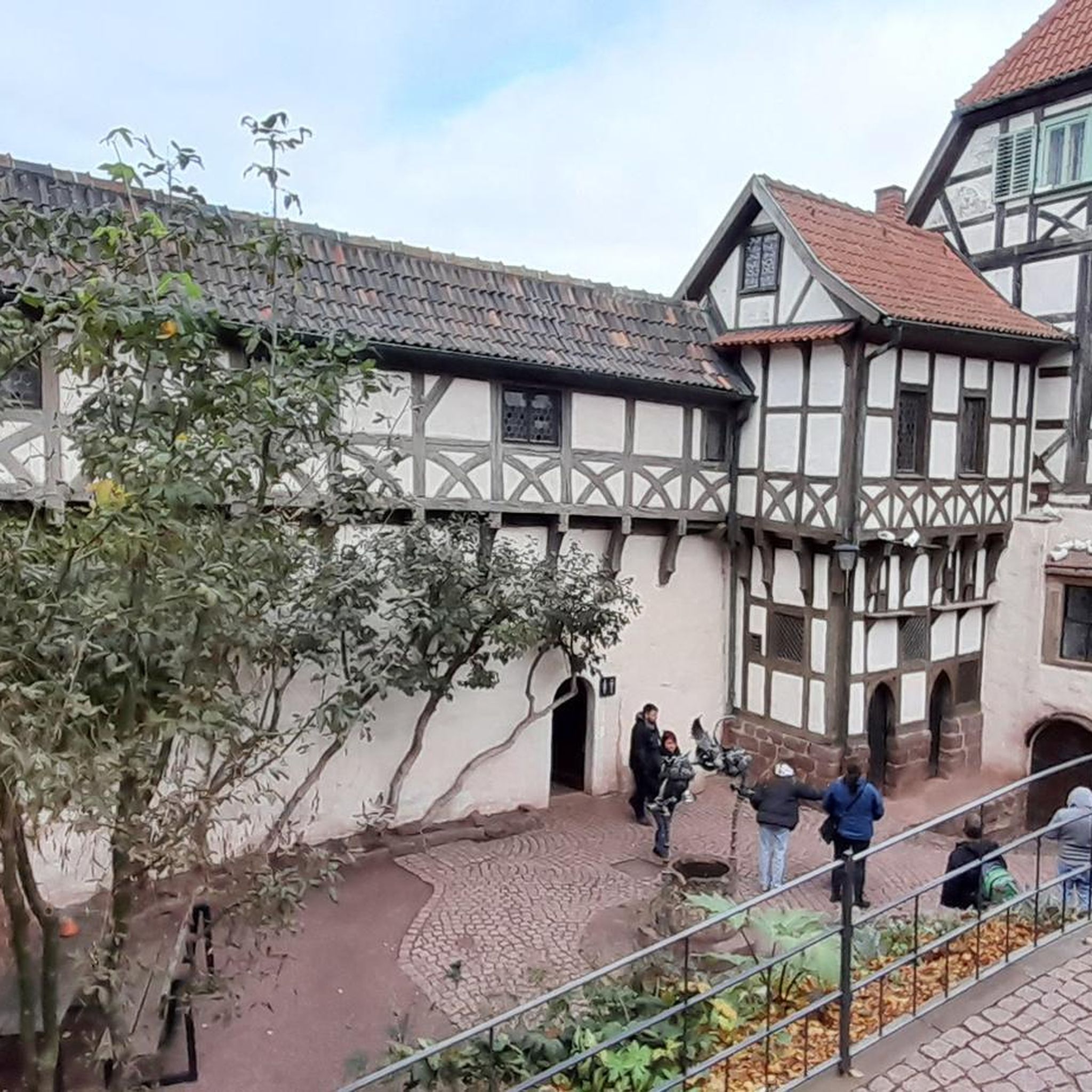
" In 1719, a village school in Löhnen was first mentioned in the Götterswickerhammer church register. The current building, complete with a teacher's apartment, was occupied in 1826. Friedrich Haastert served as the school's first teacher for almost 50 years, until 1871. Löhnen is considered the southernmost terp village in Germany, with individual farms built on small mounds of earth. Löhnen's low elevation repeatedly led to flooding of the entire village whenever the Rhine carried too much water. The last major flood in 1926 caused much fear and anxiety and caused the Löhnen school community considerable material loss. In 1913, work began on modernizing the school building, initially installing electric lighting. The replacement of the old coal heating system with electric heating in 1964 could not prevent the school from closing on June 27, 1968. The 27 Löhnen schoolchildren were transferred to the elementary school on the Rönskenstraße and the secondary school on Alexanderstraße in Voerde Mitte. Due to the great distance from Voerde Mitte – approximately 4.4 km – the city of Voerde provided a school bus. Walter Neuse provides a detailed account of the school's history. Since then, the village school has been converted into a village community center and opened in 1980 as Alde School. The owner is the city of Voerde. The "Vivat" Löhnen Citizens' Rifle Club is the leaseholder and can sublease to an operator. Major renovations were last carried out in 1990. In addition to state subsidies, the "Vivat" Löhnen club contributed 110,000 Deutsche Marks. Many Löhnen residents contributed back then. Today, Alde School forms the center of the village, and many people even remember it poetically. " https://www.hv-voerde.de/standort-11-die-alde-school-in-loehnen/
0
0

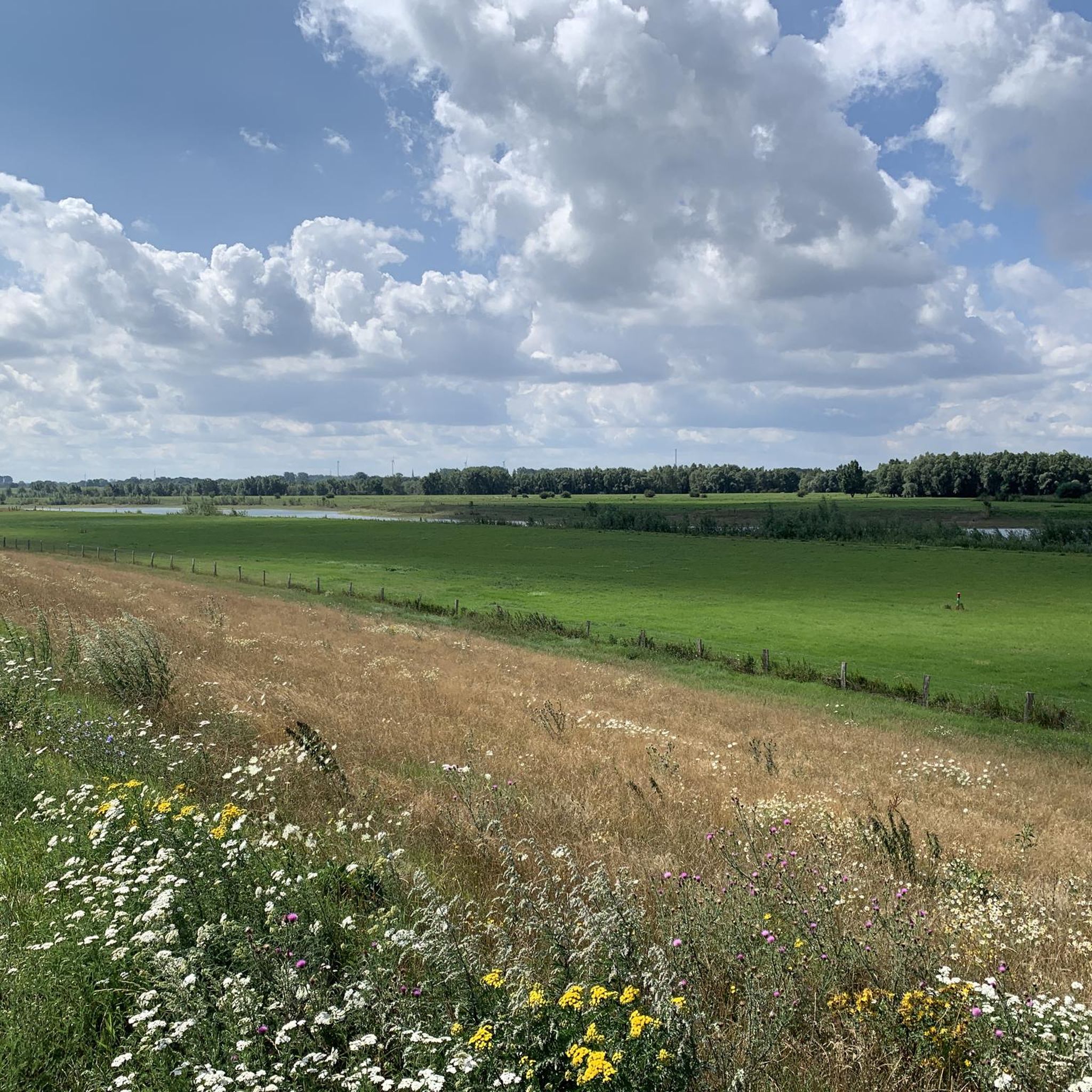
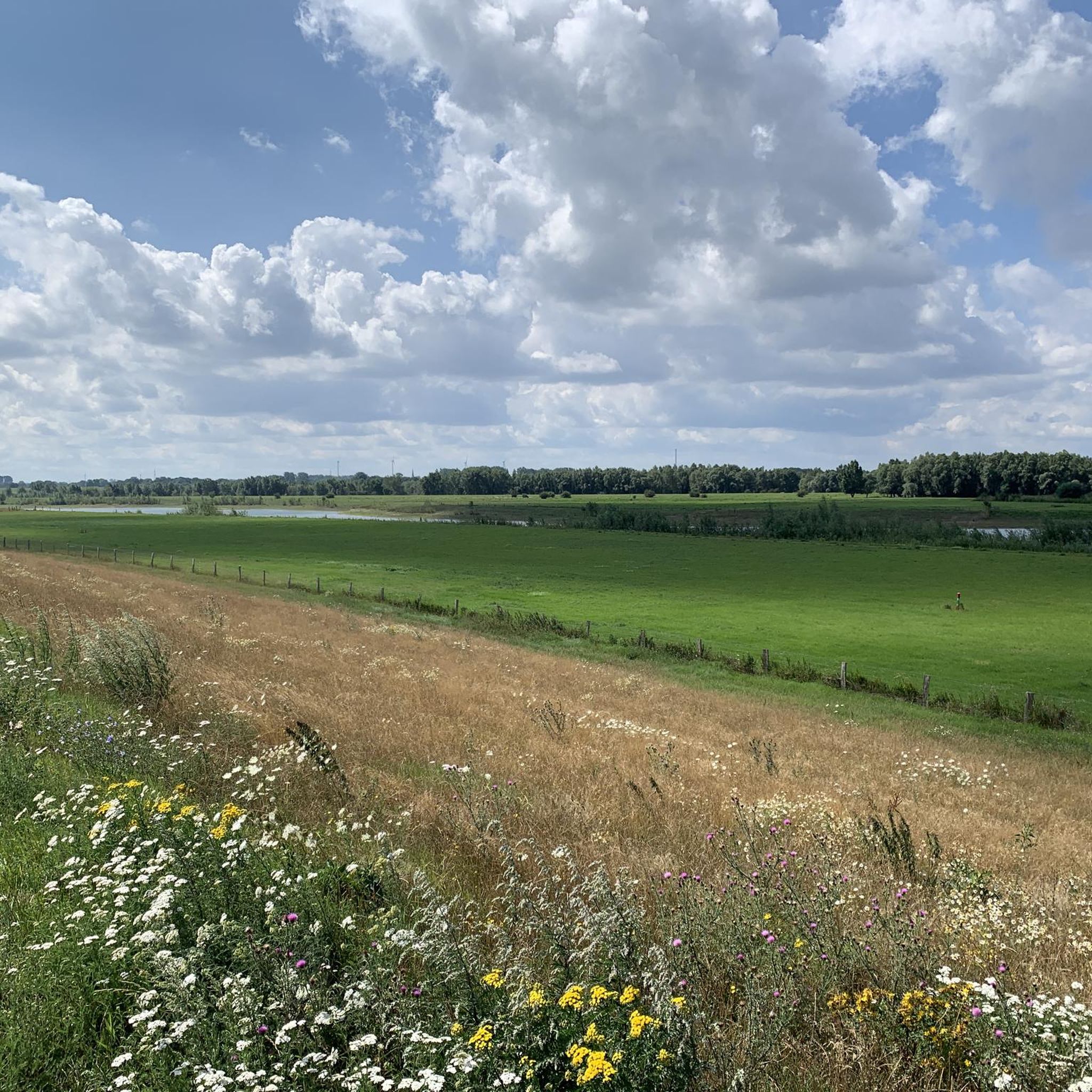
Very nice to ride a bike without cars.
0
0

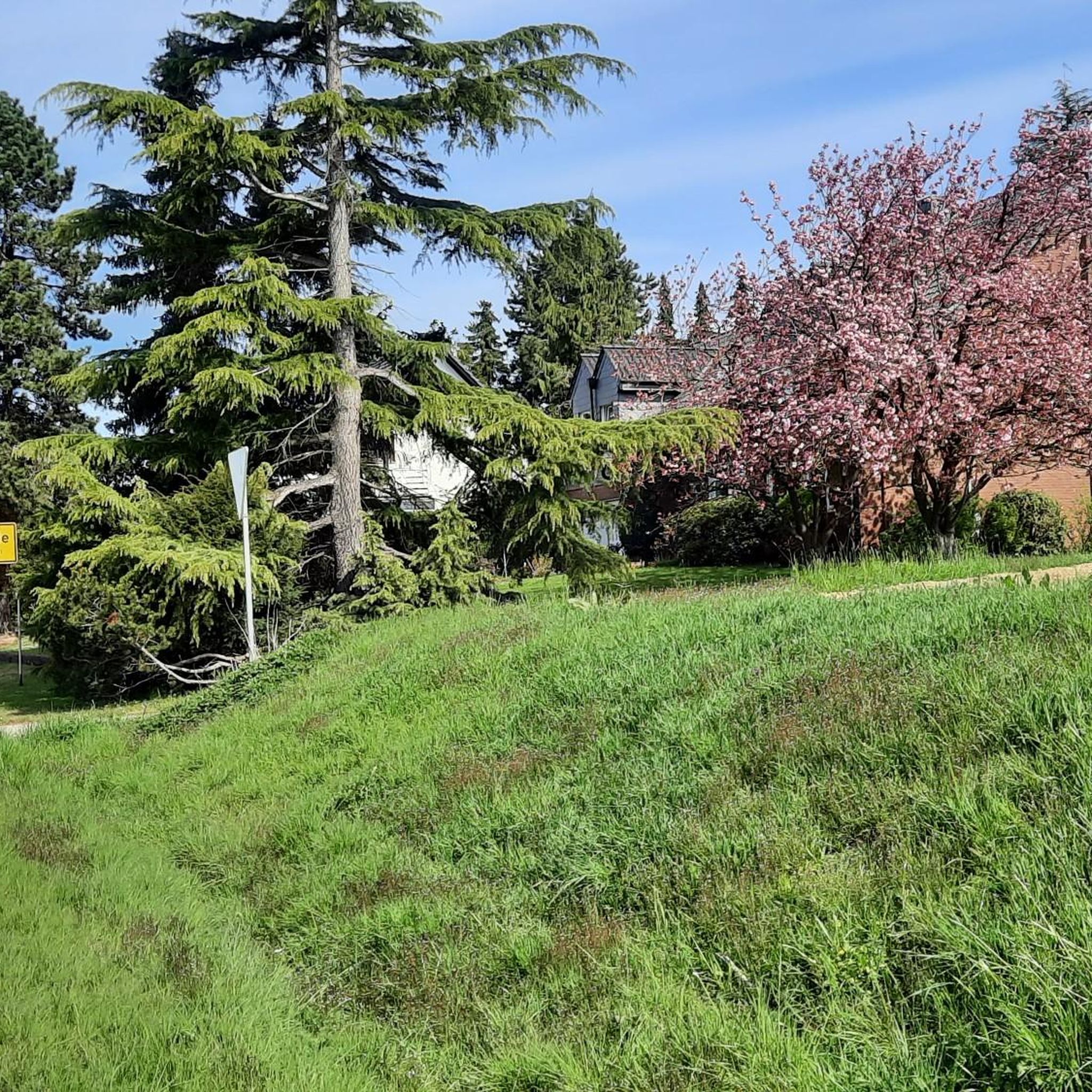
Really nice for a little break in the shade.
0
0

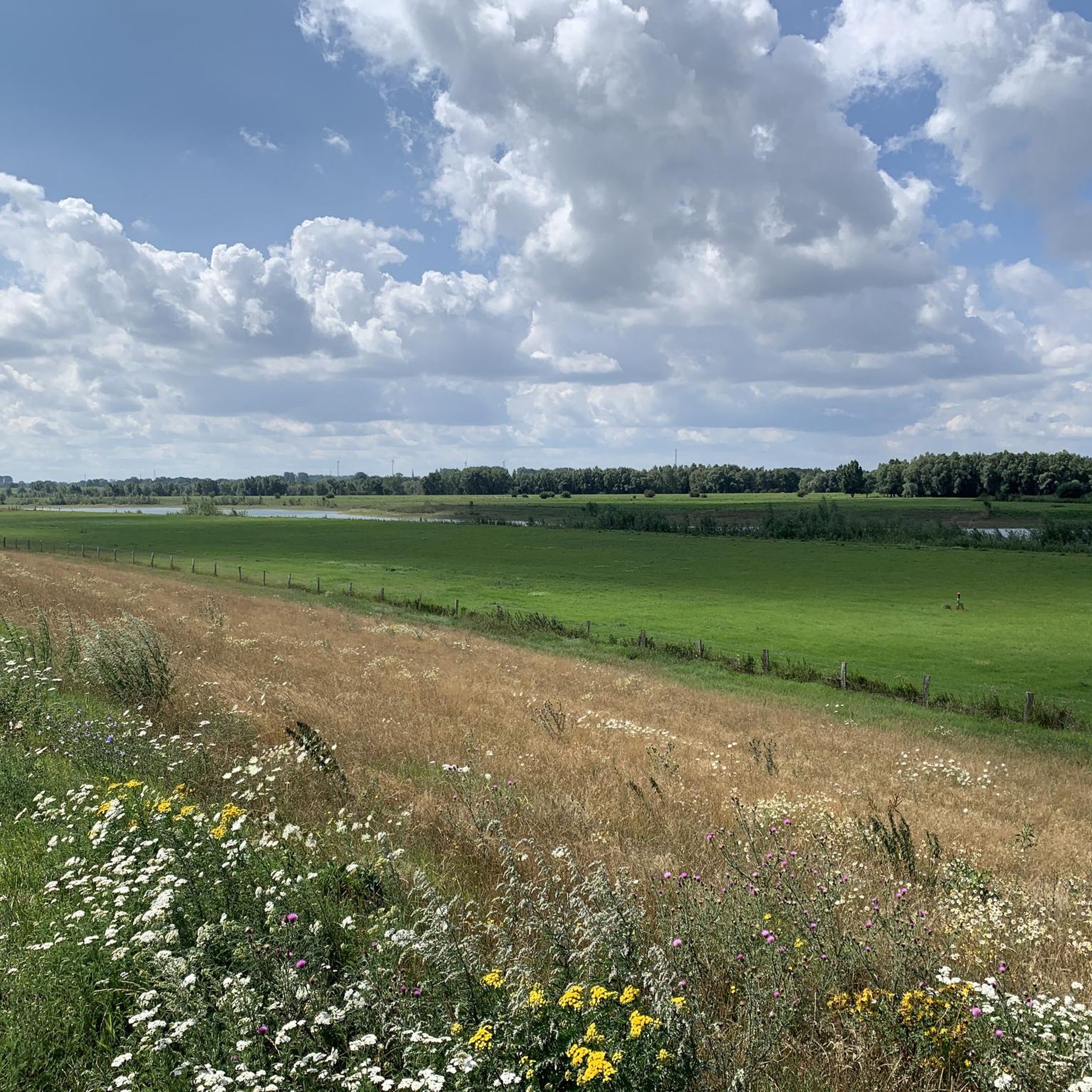
Very nice bike path on the Rhine.
2
0

History of a village ... Always interesting Thus, interesting facts on the tour.
1
0

Small farm roads, easy to drive on and lots of peace and nature
1
0

The citizens of the city of Dinslaken have been supplied with drinking water from the waterworks since 1903. The waterworks in the water protection area in Löhnen has existed since 1961. Here, the raw water obtained from the groundwater in the glacial valley of the Rhine is processed into drinking water using a total of 9 extraction wells and transported directly to households in Dinslaken via a closely meshed pipe network. Every year around 3.8 million cubic meters of pure drinking water are transported to Dinslaken by Wages. In 2009 the waterworks was expanded with a nanofiltration system, which is the largest and most modern drinking water treatment technology in Germany in the field of municipal drinking water supply. Thanks to this technology, a perfect drinking water supply at the highest level can be guaranteed. The legal requirements and regulations for drinking water are stricter than for other foods and thus drinking water is the most strictly controlled food in Germany. In addition, the drinking water from Stadtwerke Dinslaken is now 100% climate-neutral, because there is a photovoltaic system on the roof of the nanofiltration system. This has an output of 125 kilowatts / peak and annually supplies over 100,000 kilowatt hours of electricity for personal use. The remaining electricity demand is completely covered by green electricity. This avoids over 1,500 tons of CO₂ annually.
2
0

Along the Rhine is always nice, even if the headwind annoys us. Just go from Moers to Wesel on the right bank of the Rhine, and via Büderich, Rheinberg back to the starting point.
6
0
Frequently Asked Questions
What natural features define the landscape of Momm-Niederung?
The Momm-Niederung is characterized by its well-preserved Lower Rhine cultural landscape. Key natural features include the Momm-Niederung Nature Reserve, which encompasses a former Rhine meander, the Mommbach stream, and significant hardwood floodplain forests. You'll also find ancient pollarded willows and traditional orchards, contributing to its picturesque appearance. A notable example is the Avenue of Pollarded Willows in Momm-Niederung.
Are there opportunities for birdwatching in Momm-Niederung?
Yes, the Momm-Niederung is an internationally important area for birdwatching. It serves as a crucial habitat and wintering ground, particularly for Arctic geese like Bean Geese and Greater White-fronted Geese. The reserve is also known for one of the largest populations of Little Owls, which find ideal nesting sites in the hollows of the abundant trees.
What historical and cultural sites can I visit in the region?
The Momm-Niederung boasts a rich cultural history, with evidence of human settlement dating back to the Iron Age. You can explore historic 'Warft' villages, which are settlement mounds built to protect against floods, such as Löhnen, Mehrum, and Götterswickerhamm. The Rhine village of Götterswickerhamm, over 1000 years old, features an Evangelical church designed by Karl Friedrich Schinkel and a pleasant Rhine promenade. Additionally, the historic moated castle Haus Löhnen is a notable landmark.
What kind of outdoor activities can I do in Momm-Niederung?
Momm-Niederung is an excellent destination for outdoor enthusiasts. You can enjoy numerous hiking and cycling trails that offer diverse views of the landscape, including the Rheindeich (Rhine dike) and the Mommbach stream. For specific routes, explore options for hiking, cycling, and gravel biking in the area.
Are there family-friendly attractions or activities in Momm-Niederung?
Yes, Momm-Niederung offers several family-friendly options. The Momm-Niederung Nature Reserve has small farm roads that are easy to explore, and the Avenue of Pollarded Willows is a pleasant cycle path suitable for families. The Rheindamm between Götterswickerhamm and Ork also offers a beautiful bike path right on the Rhine, perfect for a family outing.
What is the best time of year to visit Momm-Niederung?
Spring is a particularly beautiful time to visit, as the roadsides are adorned with Lerchensporn (Corydalis) in bloom. The area is also significant in winter as a crucial wintering ground for Arctic geese, offering unique birdwatching opportunities. Generally, the natural beauty and outdoor activities can be enjoyed throughout the warmer months.
Where can I find a scenic viewpoint or a place to relax by the Rhine?
The Rheindamm between Götterswickerhamm and Ork offers a beautiful bike path and promenade directly along the Rhine. In Götterswickerhamm, you can sit at taverns with coffee and cake, watching ships on the river. This area provides excellent views of the river landscape and is ideal for a relaxing break.
What is the significance of the pollarded willows in Momm-Niederung?
The pollarded willows are a characteristic feature of the Lower Rhine region and hold historical significance. These trees were traditionally managed by cutting back their branches regularly, with the harvested branches historically used for weaving baskets. The Avenue of Pollarded Willows in Momm-Niederung is a prime example of this ancient farming practice.
Is there a unique man-made site to visit in the area?
Yes, the Dinslaken Waterworks is a notable man-made site. This facility has supplied drinking water to Dinslaken since 1903 and features modern nanofiltration technology. It operates 100% climate-neutral, utilizing a photovoltaic system on its roof, making it an interesting example of sustainable infrastructure.
Can I observe wildlife in Momm-Niederung?
Absolutely. The Momm-Niederung is a haven for wildlife. Besides being a vital area for various bird species, including Arctic geese and Little Owls, visitors can often observe sheep grazing peacefully on the dikes, adding to the pastoral charm of the landscape.
Are there any historic paths or trails to explore?
Yes, the Rhynumscher Weg is a historic path in the area. This trail once led to a village that has since been lost and submerged, offering a glimpse into the region's past and its dynamic relationship with the Rhine river.
Most popular routes in Momm-Niederung

Get inspired with the komoot mobile app


Explore more
Still not found the Highlight you’re looking for? See guides of the top attractions in other regions:
