Naturpark Hohe Mark - Westmünsterland
Naturpark Hohe Mark - Westmünsterland
Top 20 Natural Monuments in Naturpark Hohe Mark - Westmünsterland
Best natural monuments in Naturpark Hohe Mark - Westmünsterland offer insights into the region's natural and cultural heritage. The park features diverse landscapes, including forests, heathlands, and water bodies, shaped by both natural processes and historical human activity. These sites provide opportunities to observe unique geological formations, ancient structures, and varied ecosystems. The area's natural monuments reflect its rich biodiversity and historical significance.
Best natural monuments in Naturpark Hohe Mark - Westmünsterland
- The most popular natural monuments is Pfingstsee,…
Last updated: May 29, 2026
Halterner Reservoir
Highlight • Lake
Translated by Google •
Tip by

Pfingstsee
Highlight • Lake
Wheel of Fortune Exercise: Inner Developmental Goals 3 - RELATIONSHIP
Translated by Google •
Tip by

Sign up now to discover places like this
Get recommendations on the best single tracks, peaks, & plenty of other exciting outdoor places.
Sign up for free
Hullerner Reservoir
Highlight • Lake
Translated by Google •
Tip by

Alte Fahrt between Datteln and Olfen
Highlight • River
Translated by Google •
Tip by

Westruper Heath
Highlight (Segment) • Natural
Translated by Google •
Tip by

Sign up for free to discover even more natural monuments in Naturpark Hohe Mark - Westmünsterland.
Sign up for free
Already have an account?
Start today with a free account
Your next adventure awaits.
Login or Signup
Popular around Naturpark Hohe Mark - Westmünsterland
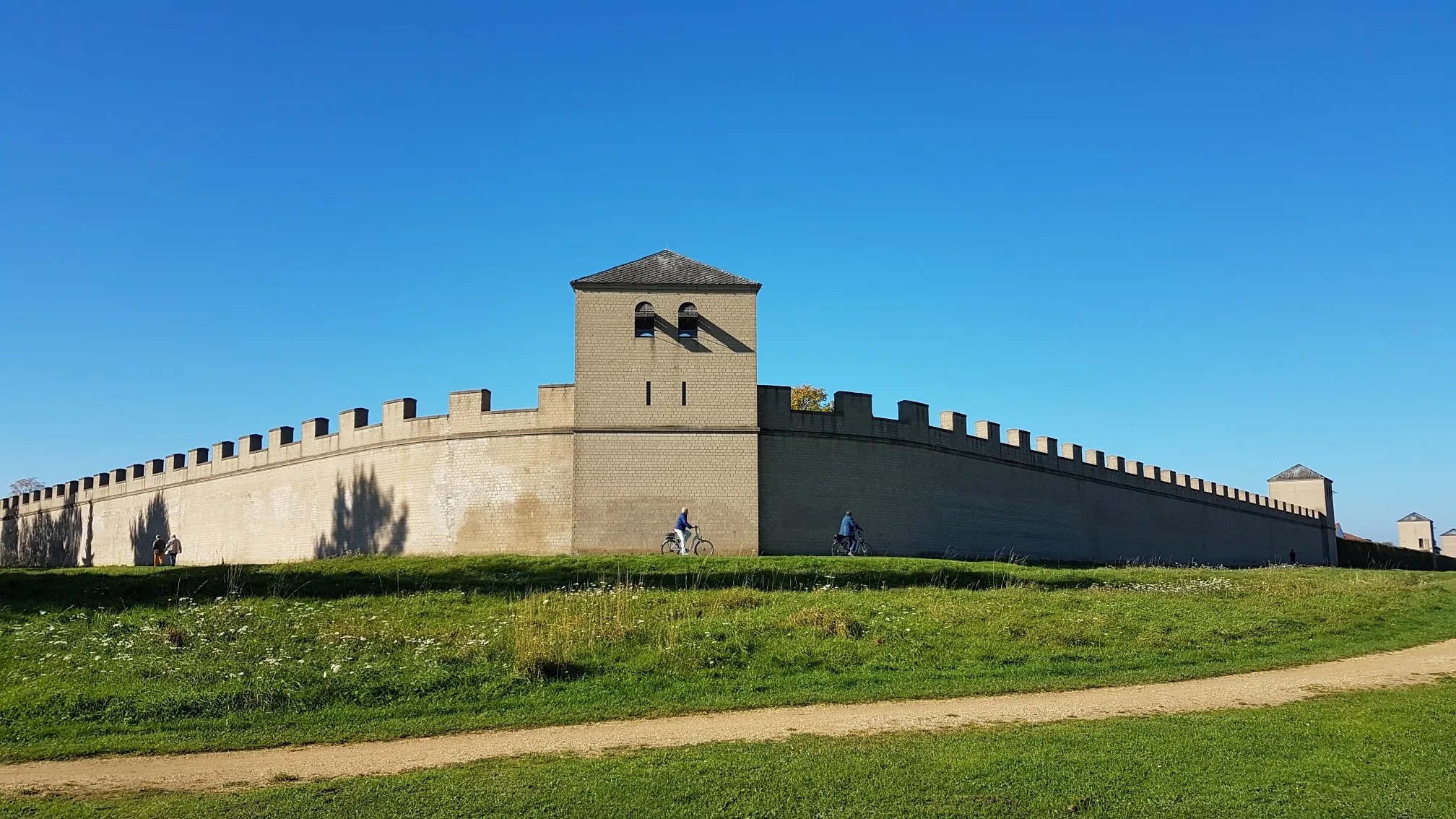
Römer‑Lippe Route – Water and history – 6 days
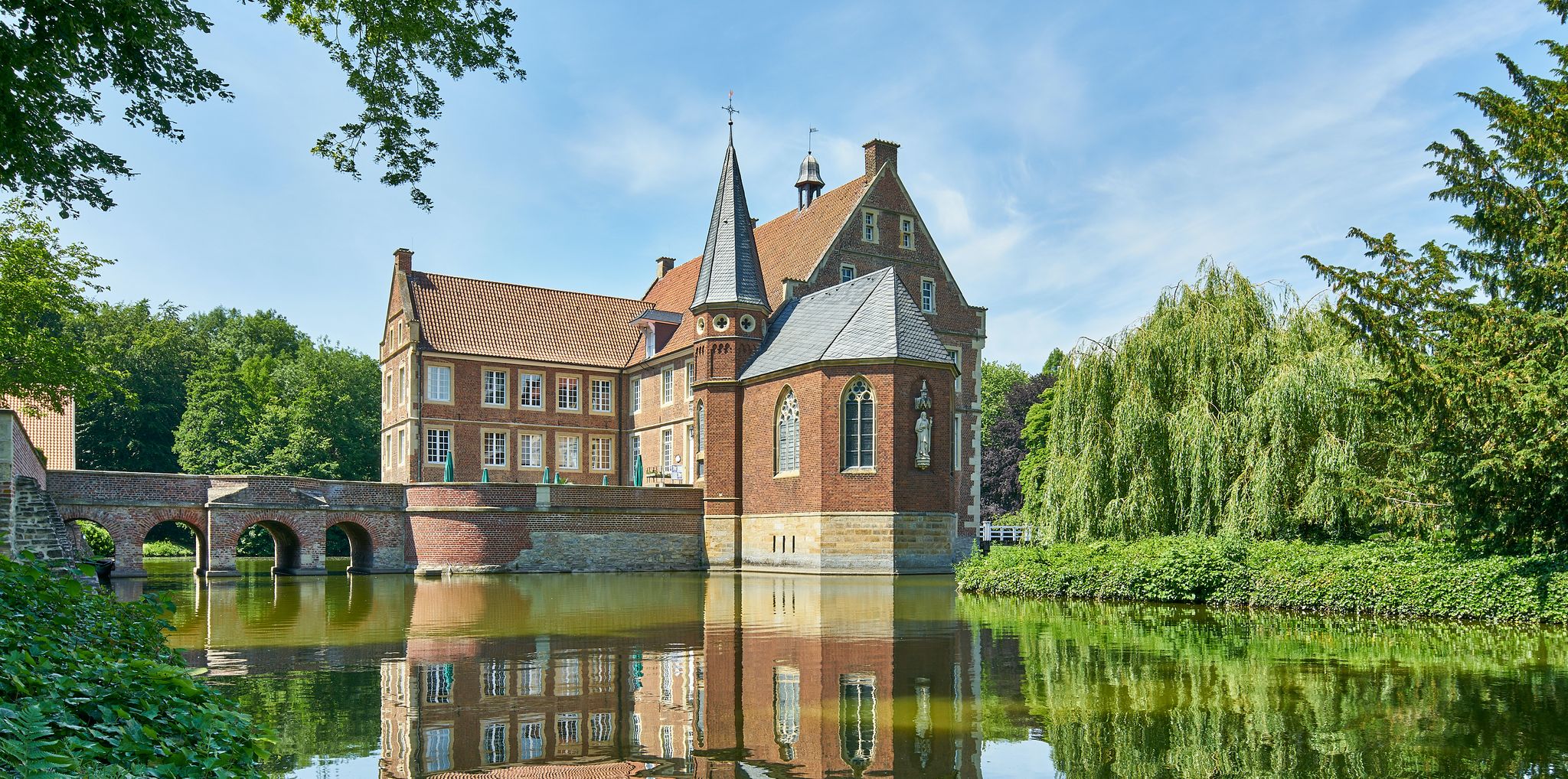
100 Castles Route – Discover the historical treasures of Münsterland by bike
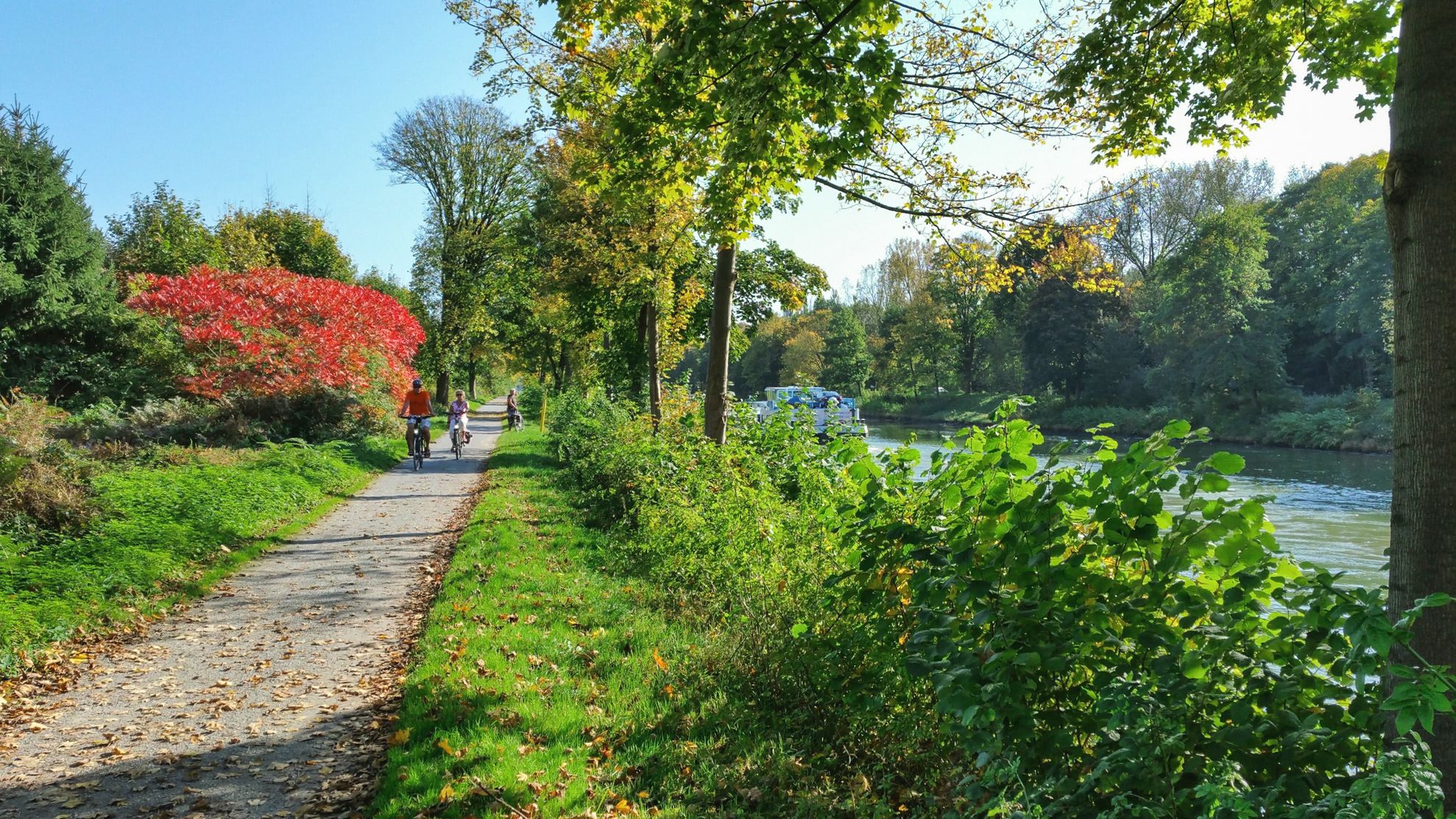
Römer‑Lippe Route – Water & history, 6 days
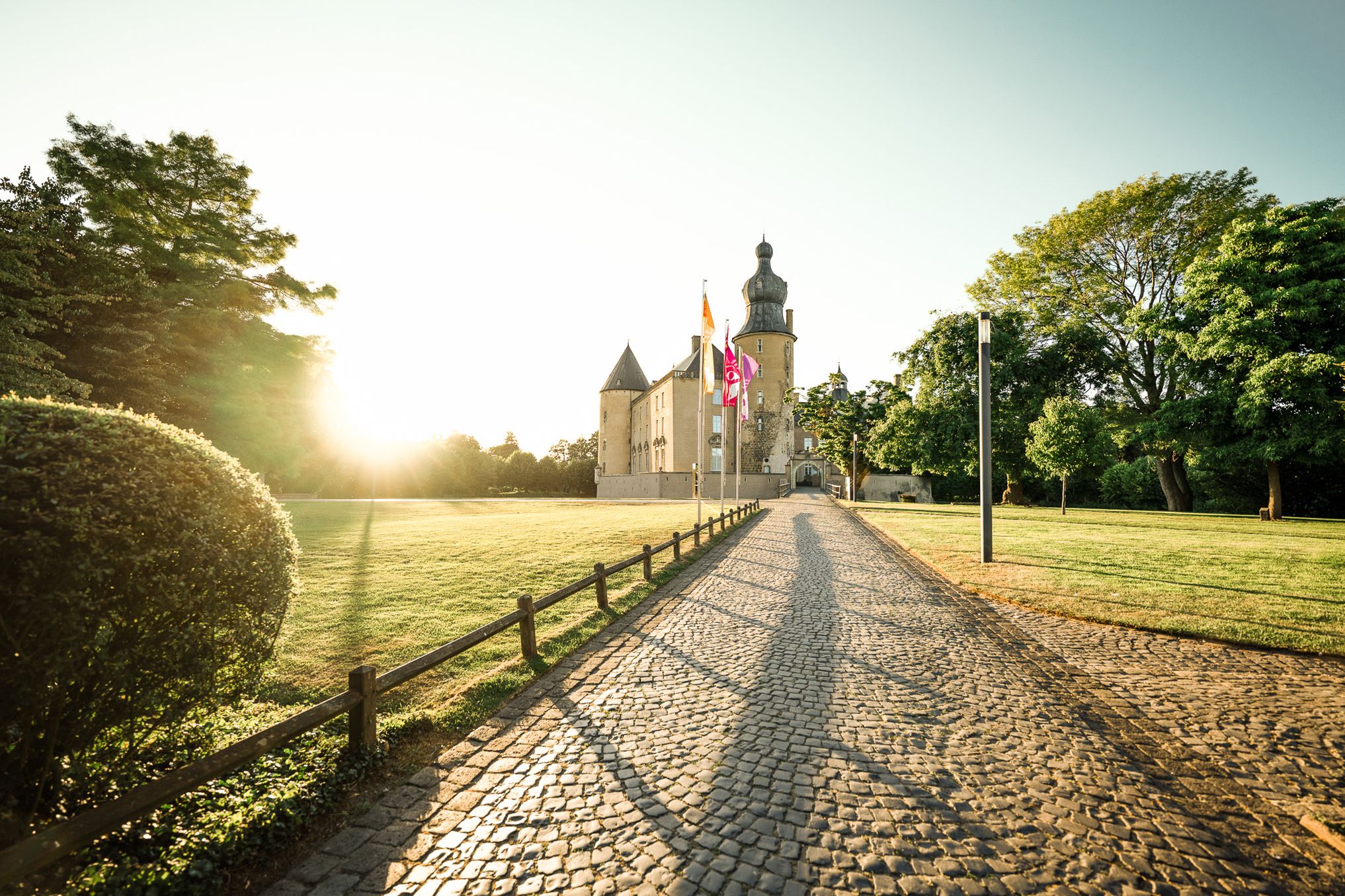
Castles, wild horses and lots of nature – cycling around Reken
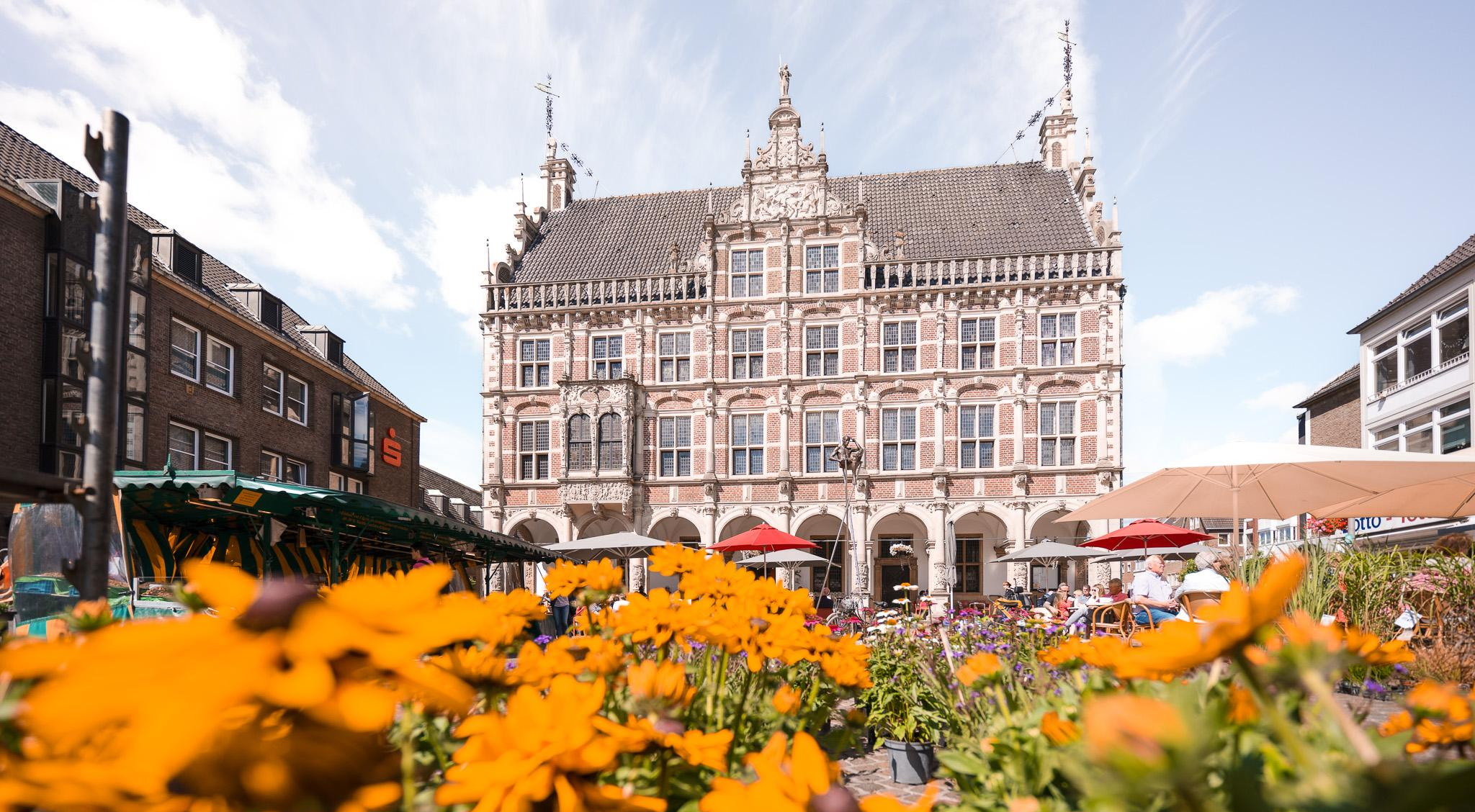
Of castles and smugglers – the Bocholt Star Tours
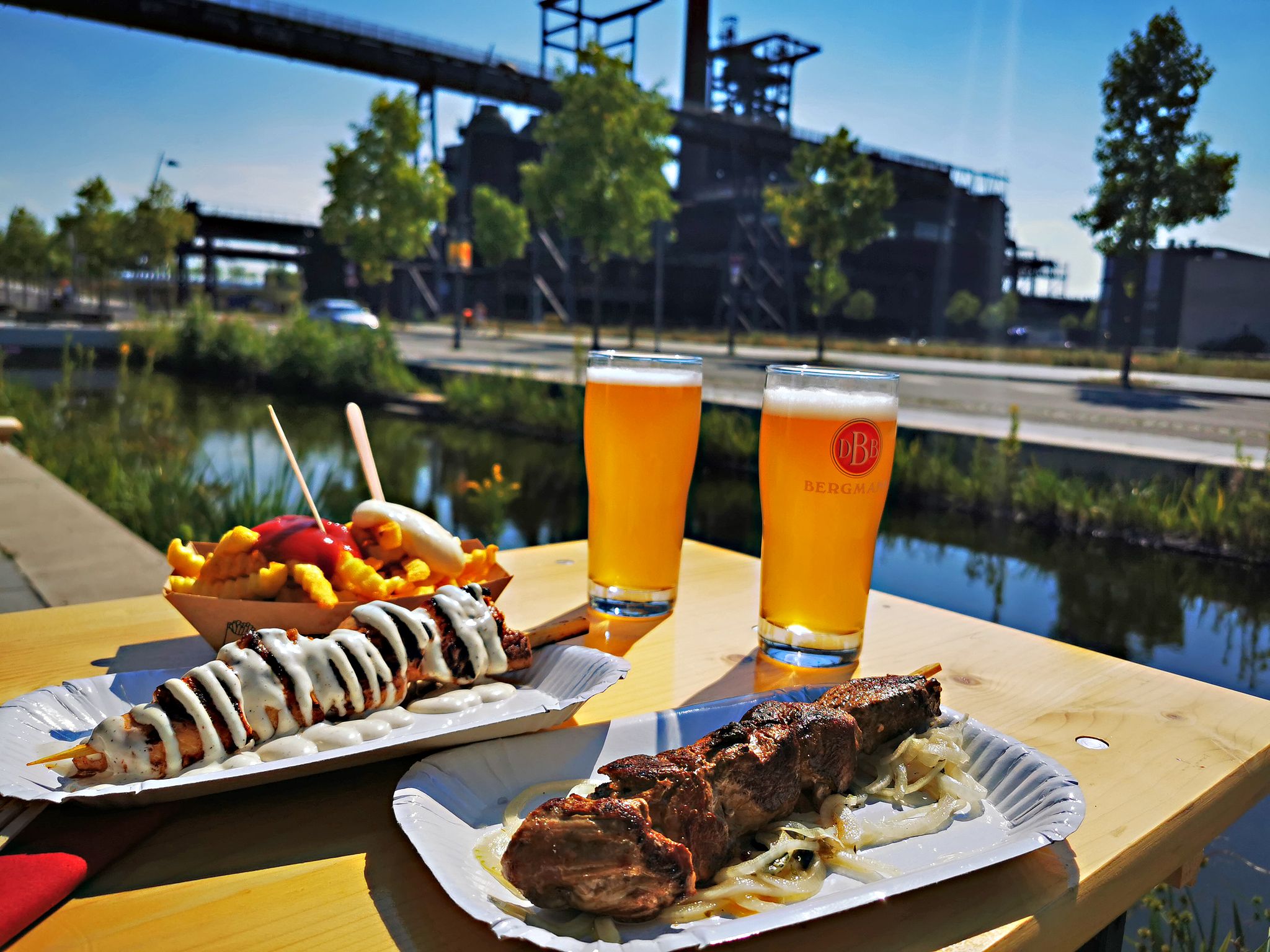
Long live the break – bike tours with beer gardens & culinary delights
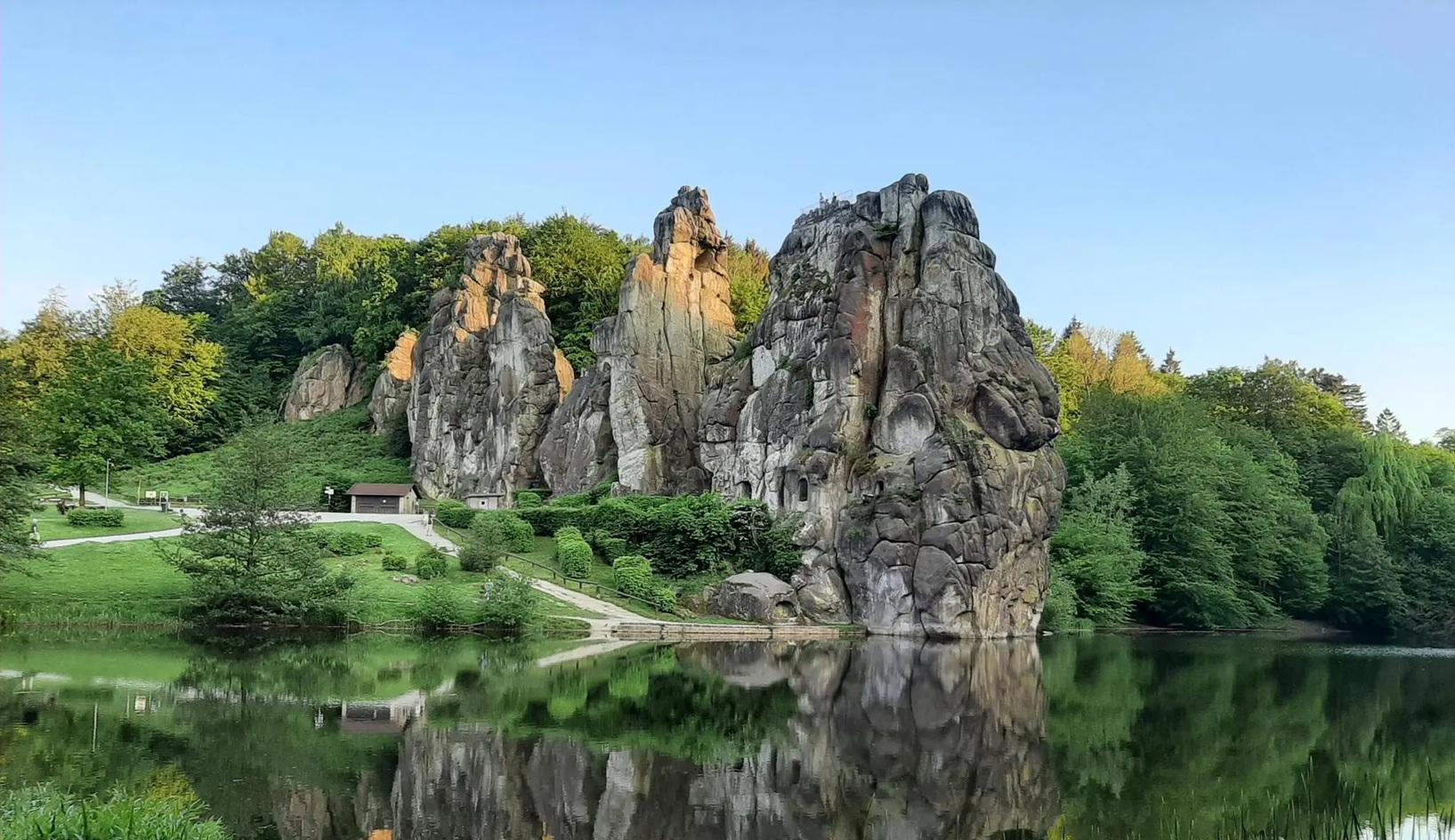
The National Natural Landscapes in Nordrhein-Westfalen
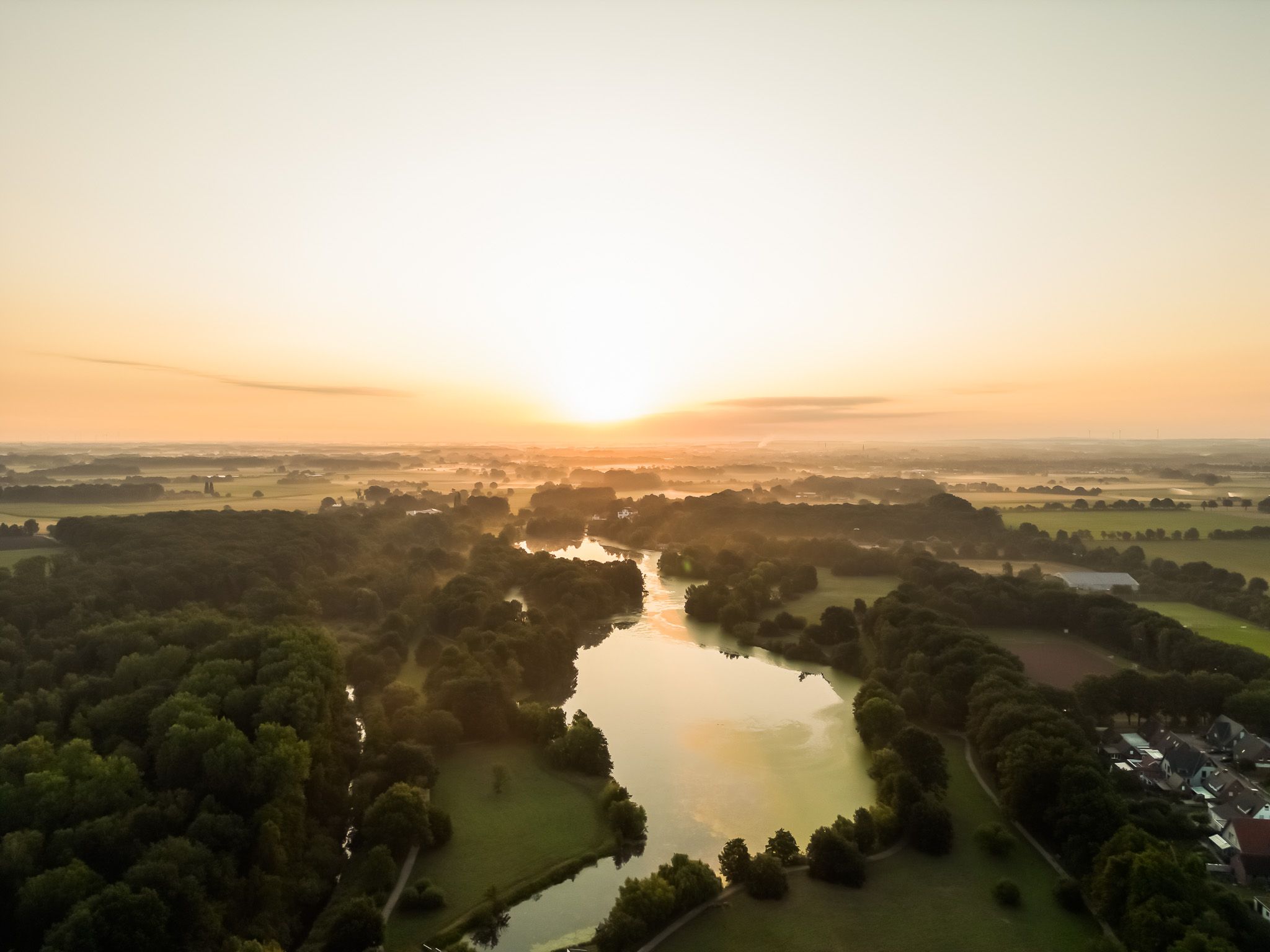
Castles, parks and wildlife – cycling around Bocholt
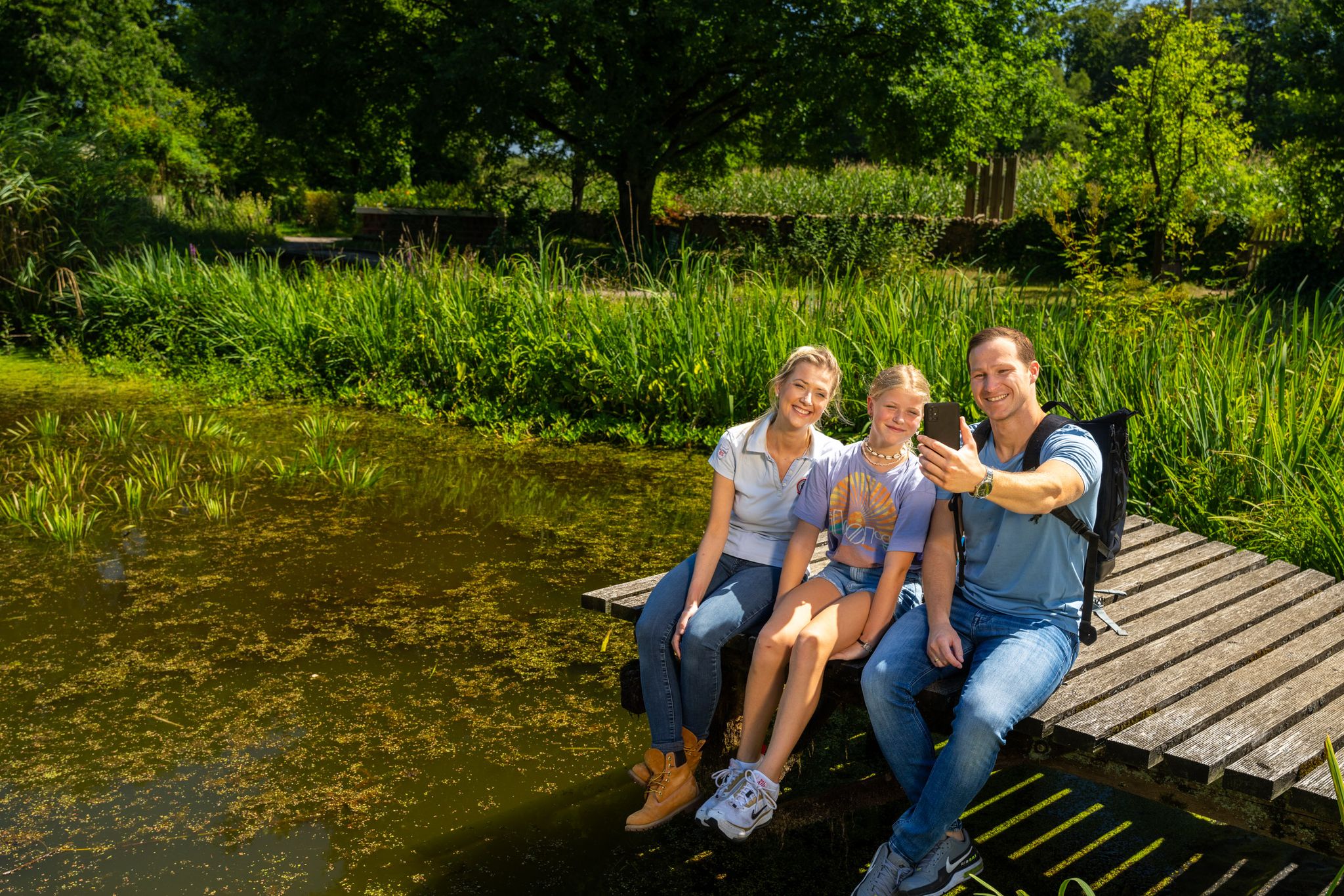
Hiking and discoveries – family walks in the Hohe Mark Nature Park
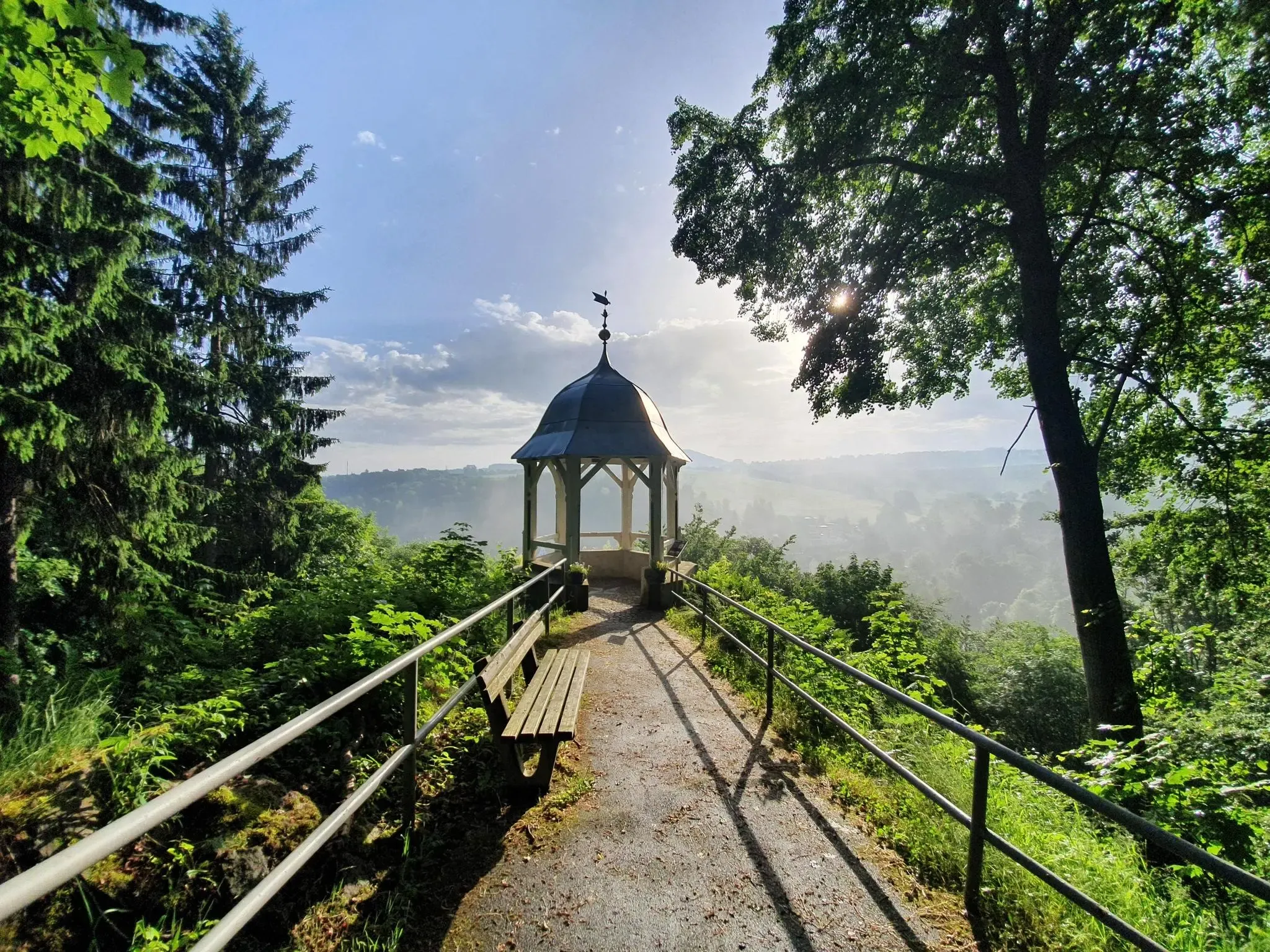
#GoFurther – discover the views of Germany!
Other adventures in Naturpark Hohe Mark - Westmünsterland


Tips from the Community

We feel a special connection to some places. But what does that actually mean? And how does such a relationship differ from one with a person? Wheel of Fortune Exercise: Inner Developmental Goals 3 - RELATIONSHIP As humans, we are born in need of help. Other living beings are capable of survival from birth; we depend on other people to feed us or protect us from cold and heat. And we organize the world so that it benefits and protects us. The fact that we are social, intelligent, and adaptable beings is our recipe for success. Living together is (not) a stroke of luck. Look for examples from your own life where this coexistence works well. And consider how the attitudes and feelings below contribute to this. (1) Appreciation Approach others and the world with a fundamental sense of appreciation, gratitude, and joy. (2) Connectedness A strong sense of being connected to or part of a larger whole, such as a community, humanity, or a global ecosystem. (3) Humility Being able to act in accordance with the needs of the situation without concern for one's own importance. (4) Empathy and Compassion The ability to treat others, oneself, and nature with kindness, empathy, and compassion, and to cope with the associated suffering.
3
1

While large areas of the region were still covered with heathland at the beginning of the 19th century, today the Westruper Heide is a remnant of that time. The approximately 90-hectare heath is in the immediate vicinity of the Haltern reservoir.
21
0

The Hullern reservoir is the Stever dammed for drinking water production. This lake only has a "sandy beach" during long periods of drought, like here in August 2022. The SteverLandRoute runs along the banks of the Hullern and Halterner reservoirs and offers beautiful views of the lake from the cycle path, which is otherwise inaccessible. The fourth stage of the Steverland route always leads along the shore of the lake. The SteverlandRoute is the family bike path in Münsterland. Take a look at our collection! :)
9
0

With its important past as a Roman base around the birth of Christ, Haltern am See has had town rights since 1289 and is a historical, up-and-coming medium-sized town, located at the northernmost point of the Lippe, embedded in the Hohe Mark, Haard and Borkenberge forest areas. The current urban area of Haltern am See was created as part of the municipal territorial reform in North Rhine-Westphalia in 1975. At that time, the town and the Haltern district, consisting of the communities Kirchspiel-Haltern (Holtwick, Lavesum and Sythen), Hullern and Lippramsdorf, were merged and expanded south of the Lippe to include the communities of Flaesheim (formerly part of the Datteln district) and Hamm-Bossendorf (parts of the Hamm community formerly part of the Marl district). The allocation of districts south of the Lippe to Haltern meant crossing a centuries-old border. A border that was the reason and prerequisite for the granting of town rights to Haltern by the sovereign and Prince-Bishop of Münster, Everhard von Diest, in the 13th century. Since 1908, Haltern am See has had a pumping station to pump drinking water for the northern Ruhr area. Water extraction has been steadily expanded; it helped the city to earn its decorative name "Haltern am See" and reached its provisional end point with the completion of the Hullerner Lake in 1985. A side effect of the area-intensive water management is the increased recreational value of the Haltern landscape, which, free of industry, has become even more attractive to visitors and locals thanks to the creation of the lakes. Today, the Haltern lakes with their boathouses, sailing harbor and seaside resort are the destination of many people seeking relaxation. But Haltern am See has more to offer visitors than just the lake. The attractive and varied landscape is often referred to as the lungs of the Ruhr area. The city is the heart of the Hohe Mark Nature Park. The extensive forests of the Haard and the Hohe Mark, as well as the Westruper Heide, Holtwicker Heide and Sebbelheide nature reserves, are accessible via a dense network of hiking, cycling, horse riding and walking trails. The pedestrian zones of the old town and the modern town centers of Sythen, Flaesheim, Lippramsdorf, Hullern and Lavesum are popular shopping and meeting places for residents and visitors alike.
13
1

The Old Ride is a disused section of the Dortmund-Ems Canal. The 8 1/2 km long section extends from the Datteln canal junction to behind Olfen. A beautiful footpath and cycle path leads directly along the water.
10
0

Beautiful section of the route in the direction of Olfen. You should definitely drive down along the water (not up on the road) to really enjoy it.
9
0

Nice resting place, great water playground for children but gastronomy overpriced
10
1

The best time to visit is of course usually August when the heather is in full bloom. But all other seasons are also beautiful in this unique landscape.
21
0
Frequently Asked Questions
What unique natural features can I explore in Naturpark Hohe Mark - Westmünsterland?
The Naturpark Hohe Mark - Westmünsterland offers a diverse range of natural features. You can explore ancient stone chamber tombs like De Düwelsteene, historic trees such as the Femeiche, and extensive wetlands like the Heubachwiesen. The region also features several lakes and reservoirs, including the Halterner Reservoir, which is a popular spot for recreation and offers scenic views.
Are there any historical natural monuments in Naturpark Hohe Mark - Westmünsterland?
Yes, the park is rich in historical natural monuments. The most notable include the De Düwelsteene (Devil's Stones) in Heiden, an ancient stone chamber tomb dating back over 4,000 years. Another significant site is the Femeiche (Feme Oak) in Erle, one of Germany's oldest oaks, which served as a central European court tree. You can learn more about its history on Wikipedia.
Where can I observe wildlife in Naturpark Hohe Mark - Westmünsterland?
For wildlife observation, the Heubachwiesen near Reken is an excellent choice, serving as a vital breeding ground for numerous meadow and water birds, as well as various species of toads and frogs. Another unique opportunity is to visit the Dülmener Wildpferde im Merfelder Bruch, home to the only remaining wild horse population on the European continent. You can find more information about the wild horses on nrw-tourismus.de. Additionally, at Pfingstsee (Whitsun Lake), you can observe wild ducks, geese, and other waterfowl.
What natural monuments are suitable for families with children?
Several natural monuments are family-friendly. The Dülmener Wildpferde im Merfelder Bruch offers a unique experience to see wild horses, with guided tours available. The Pfingstsee is also noted as family-friendly, offering a nice route through a biotope. The Halterner Reservoir and Hullerner Reservoir areas provide opportunities for walks and relaxation by the water.
When is the best time to visit the natural monuments in Naturpark Hohe Mark - Westmünsterland?
The best time to visit varies by monument. The Heubachwiesen are particularly beautiful in spring when the area is in full bloom and bird activity is high. For the Westruper Heath, August is ideal when the heather is in full bloom, though all seasons offer unique beauty. The Dülmener Wildpferde have their traditional wild horse catch on the last Saturday of May, which is a major annual highlight, and the track is open to visitors on weekends and holidays from March/April to November 1.
Are there accessible paths for natural monuments in Naturpark Hohe Mark - Westmünsterland?
Yes, the Westruper Heath is known for having wheelchair-accessible paths. This allows a wider range of visitors to enjoy the unique heathland landscape and its various hiking routes.
What outdoor activities can I do near these natural monuments?
The Naturpark Hohe Mark - Westmünsterland offers a variety of outdoor activities. You can find numerous hiking trails, including easy options like the 'Westruper Heath – Halterner Reservoir loop', which you can explore further in the Easy hikes guide. For cycling and mountain biking, there are extensive routes like the 'Haard On Tour' or 'Stork Nest in Hervester Bruch', detailed in the MTB Trails guide and Gravel biking guide.
Are the natural monuments in Naturpark Hohe Mark - Westmünsterland dog-friendly?
Yes, some natural monuments are dog-friendly. For example, Pfingstsee is listed as dog-friendly, offering a pleasant environment for walks with your canine companion. Always ensure dogs are kept on a leash and follow local regulations to protect wildlife and other visitors.
What do visitors enjoy most about the natural monuments in Naturpark Hohe Mark - Westmünsterland?
Visitors particularly appreciate the tranquility and natural beauty of the region. Locations like the Hullerner Reservoir are favored for being less crowded, offering a peaceful break. The Westruper Heath is loved for its unique landscape and numerous benches for resting. The community has contributed over 300 photos and more than 4200 upvotes, highlighting the appeal of these diverse locations.
Can I find circular walks around the natural monuments?
Yes, many areas around the natural monuments offer circular walks. For instance, the Westruper Heath provides color-coded routes of varying lengths, allowing you to choose a circular walk from 2 km up to over 13 km. The areas around the Halterner and Hullerner Reservoirs also offer excellent opportunities for circular tours.
Are there challenging trails near the natural monuments for experienced hikers or cyclists?
For those seeking more challenging routes, the Naturpark Hohe Mark - Westmünsterland has options. In mountain biking, routes like the 'Hohe Mark cycle route "Runde Mitte"' are classified as difficult. Gravel biking also offers challenging routes such as 'Stork Nest in Hervester Bruch'. You can find more details in the respective MTB Trails and Gravel biking guides.
Most popular routes in Naturpark Hohe Mark - Westmünsterland
Most popular attractions in Naturpark Hohe Mark - Westmünsterland

Get inspired with the komoot mobile app


Explore more
Extend your search for the best caves by checking out these guides of the top ones in Naturpark Hohe Mark - Westmünsterland:
