The best walks and hikes in Rössenbergheide-Külsenmoor
4.4
(855)
3,097
hikers
350
hikes
Hiking trails in Rössenbergheide-Külsenmoor traverse a diverse nature reserve in the Gifhorn district of Lower Saxony, Germany. The region features expansive sand heaths interspersed with pine forests, typically found on higher Geest ridges. These transition into lower marshland areas with unique moor and swamp complexes, including transition bogs and raised bogs. The Oerrelbach river flows through and drains the swampy sections, often flanked by alder forests.
Best hiking trails in Rössenbergheide-Külsenmoor
- The most popular hiking route is Hermann Löns Memorial…
Last updated: October 2, 2026
4.6
(56)
163
hikers
Moderate hike. Good fitness required. Easily-accessible paths. Suitable for all skill levels.
4.0
(8)
27
hikers
Easy hike. Great for any fitness level. Easily-accessible paths. Suitable for all skill levels.

4.0
(2)
14
hikers
Moderate hike. Good fitness required. Easily-accessible paths. Suitable for all skill levels.
4.5
(24)
80
hikers
Easy hike. Great for any fitness level. Easily-accessible paths. Suitable for all skill levels.
4.5
(4)
10
hikers
14.5km
03:44
70m
70m
Moderate hike. Good fitness required. Easily-accessible paths. Suitable for all skill levels.
Get access to more routes and recommendations from other explorers.
Already have an account?
Our route recommendations are based on thousands of hikes, rides, and runs completed by other people on komoot.
Start today with a free account
Your next adventure awaits.
Tips from the Community

Still very beautiful to look at even in early September.
0
0


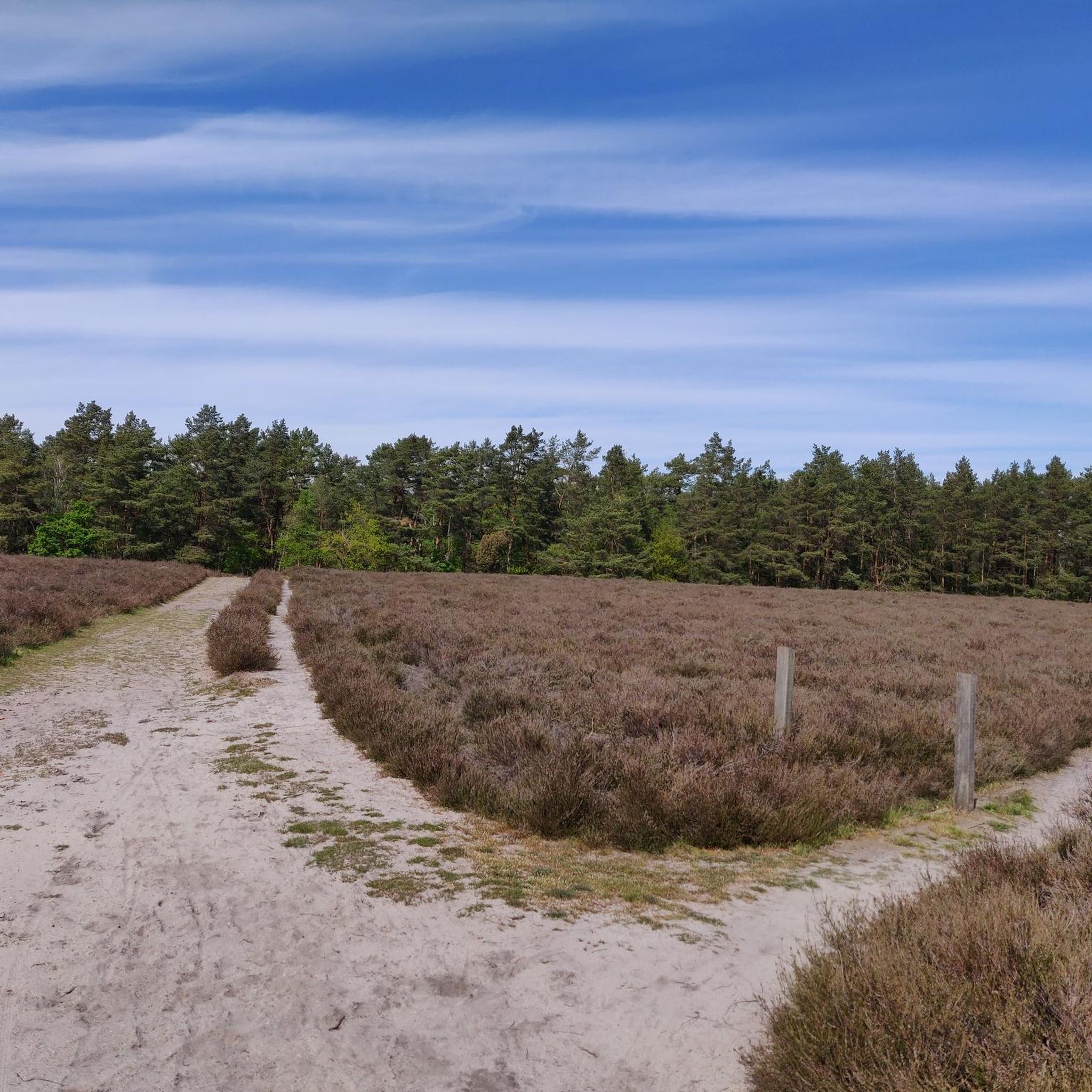
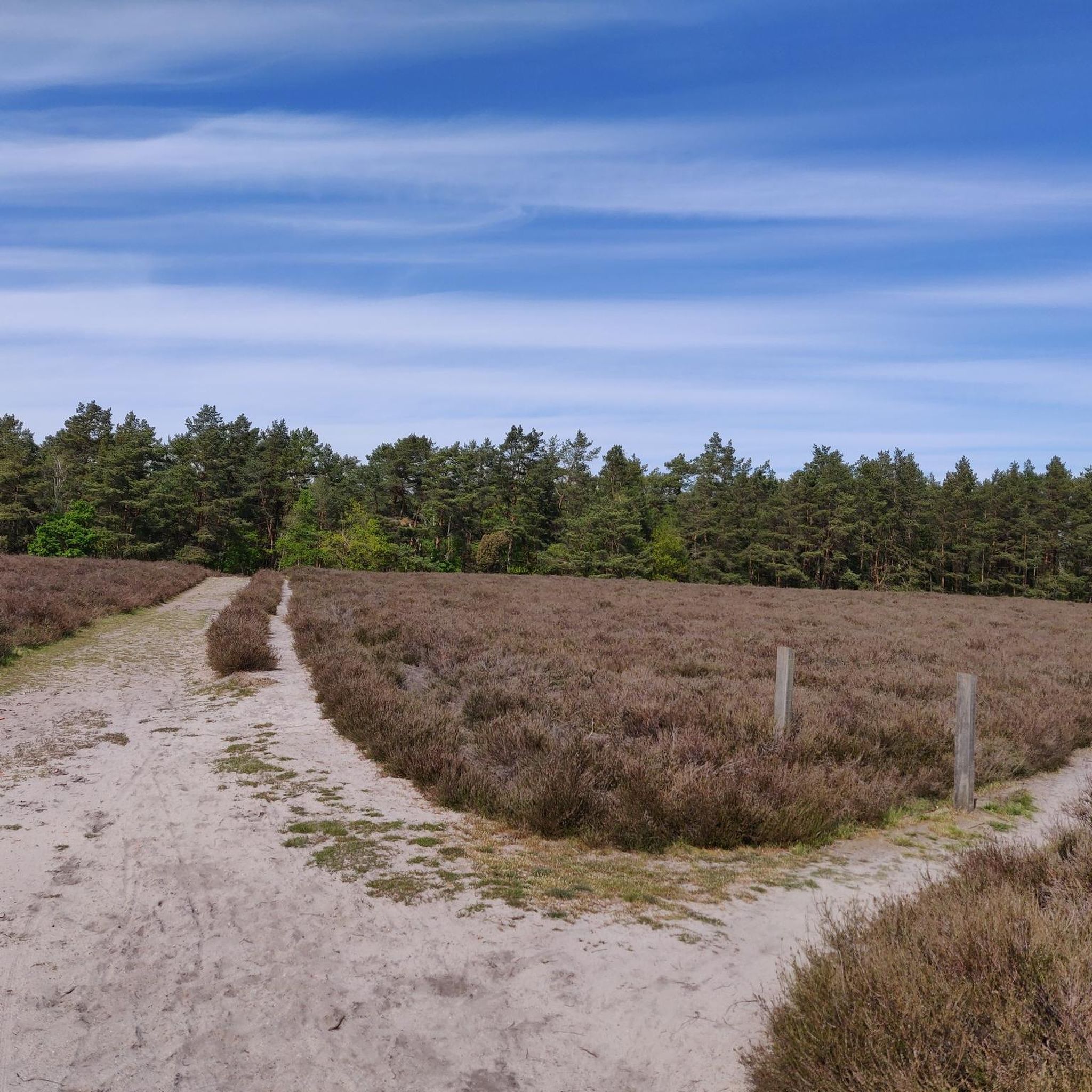
When you are out and about there, it is particularly worthwhile not only to let your gaze wander straight ahead over the landscape, but also to consciously perceive the differences in altitude between moor and geest. Especially in the Külsenmoor, the Ostheide shows itself typically: below, damp, open moorland, above it, slightly elevated, dry sandy heaths and pine forests.
0
0
Follow the signpost to Lingwedel and discover a quiet heath village in the middle of the beautiful Gifhorn Südheide. The surroundings invite you to relaxed walks and bike tours through forests, heathlands and idyllic nature – perfect for enjoying the region off the beaten path.
0
0

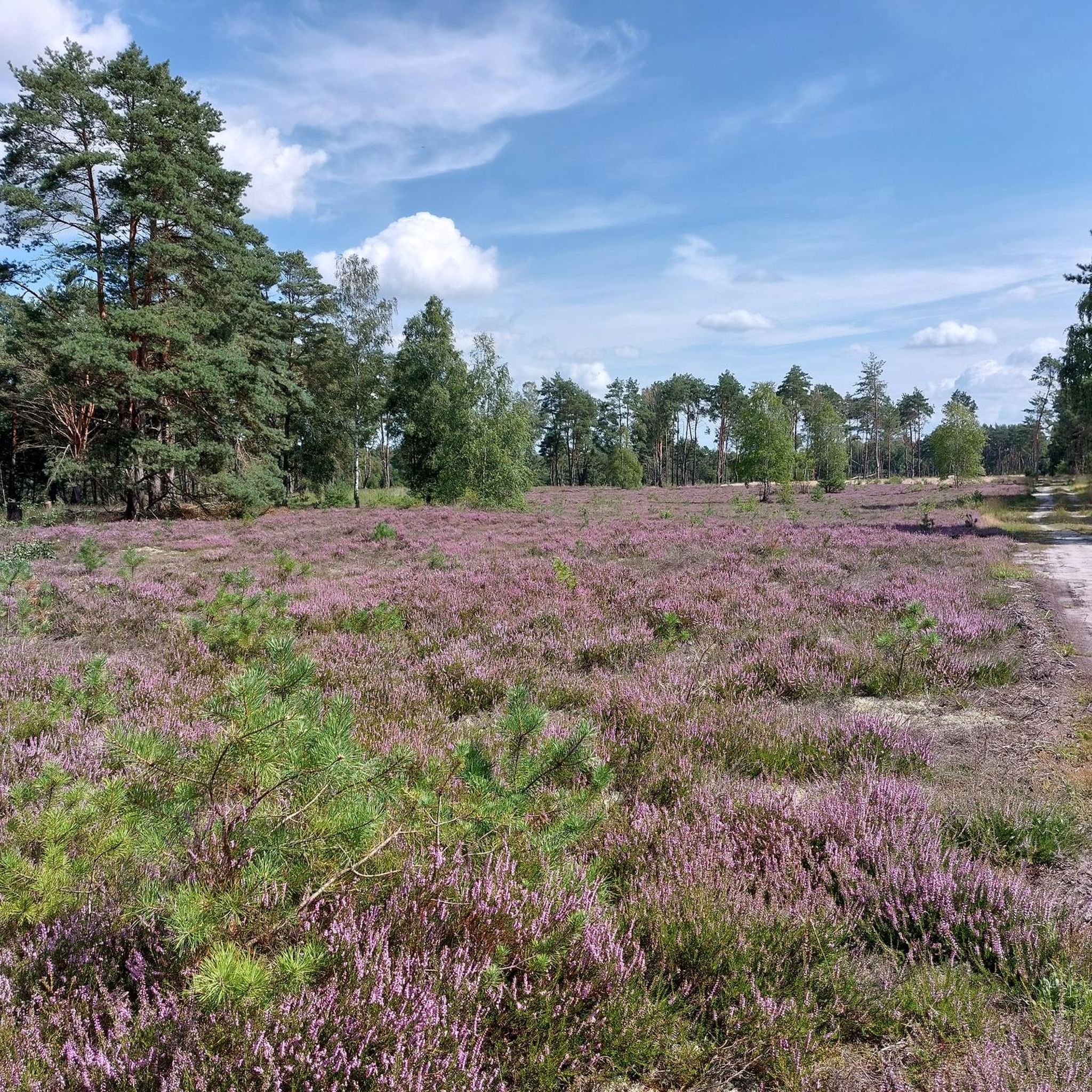
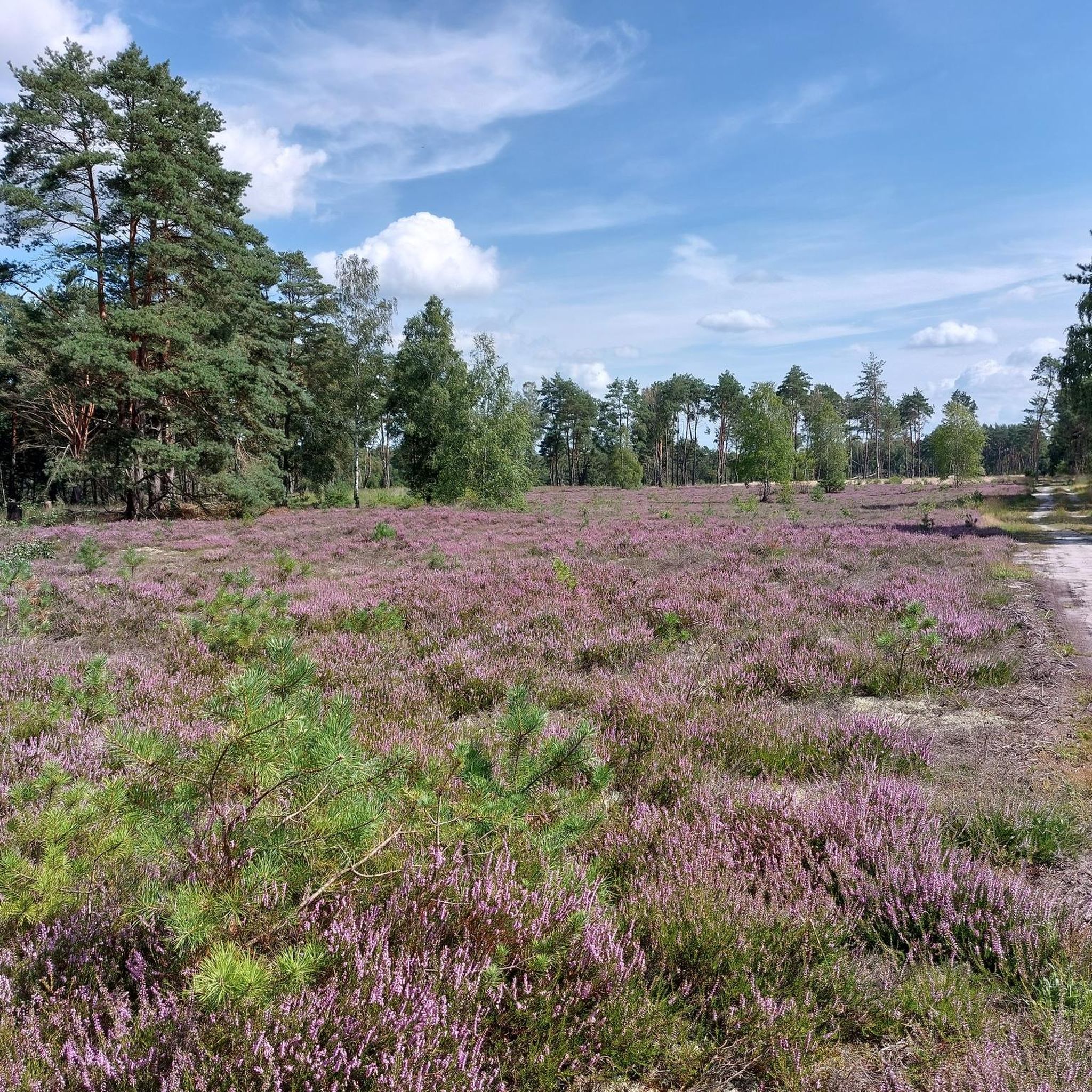
Every year when the heather is in bloom, it is worth walking through the Sacred Grove
2
0
It is always worth a visit when the heather is in bloom.
3
0

The sheepfold at the sacred grove. A must-see. Information boards provide insights into many interesting things about the heath and the sacred grove.
0
0
Frequently Asked Questions
What kind of landscapes can I expect to see while hiking in Rössenbergheide-Külsenmoor?
Rössenbergheide-Külsenmoor offers a diverse range of natural landscapes. You'll encounter expansive sand heaths, often interspersed with pine forests on higher Geest ridges. These areas transition into lower marshland featuring unique moor and swamp complexes, including transition bogs and raised bogs. The Oerrelbach river also flows through, often flanked by alder forests, adding to the varied scenery.
What are the typical difficulty levels of hiking trails in Rössenbergheide-Külsenmoor?
The hiking trails in Rössenbergheide-Külsenmoor are primarily suited for easy to moderate ability levels. Out of over 350 available trails, 221 are rated as easy and 132 as moderate, making the area accessible for a wide range of fitness levels. There are only a few more challenging routes.
Are there any specific landmarks or points of interest to look out for on the trails?
Yes, several interesting points can be found. The Hermann Löns Memorial Stone is a notable monument. You might also come across the Wooden Shelter in Ostheide Conservation Area or explore the Rössenbergheide-Külsenmoor Nature Reserve itself, which is a significant habitat for various species. The Moor Trail in Rössenbergheide-Külsenmoor offers a unique experience of the wetland areas.
What do other hikers enjoy most about the trails in Rössenbergheide-Külsenmoor?
The trails in Rössenbergheide-Külsenmoor are highly regarded by the komoot community, with an average score of 4.5 stars from over 730 reviews. Hikers often praise the varied and appealing experiences, highlighting the diverse natural landscapes, from sand heaths to moor complexes, and the well-maintained paths.
Are there circular hiking routes available in Rössenbergheide-Külsenmoor?
Yes, many of the popular routes in Rössenbergheide-Külsenmoor are circular. For example, the Hermann Löns Memorial Stone – Heiliger Hain Nature Reserve loop offers a comprehensive experience of the region's diversity. Another option is the Hermann Löns Memorial Stone – Sheep Barn at Heiliger Hain loop, which navigates through varied terrain.
Are the hiking trails in Rössenbergheide-Külsenmoor suitable for families with children?
Given that a significant number of trails are rated as easy (221 out of over 350), Rössenbergheide-Külsenmoor is generally suitable for families. These easier routes typically have lower elevation gains and shorter distances, providing an enjoyable outdoor experience for all ages.
Can I bring my dog on the hiking trails in Rössenbergheide-Külsenmoor?
While the guide doesn't specify dog-friendly rules, nature reserves often have regulations regarding dogs to protect wildlife. It's generally advisable to keep dogs on a leash in such areas to respect the local flora and fauna, especially in sensitive moorland and heath habitats.
When is the best time of year to go hiking in Rössenbergheide-Külsenmoor?
The region is beautiful year-round, but it's especially vibrant during the heather bloom, typically in late summer (August to September), when the sand heaths are awash with purple. Spring offers fresh greenery, and autumn brings colorful foliage. Winter hiking is also possible, though conditions may vary.
What are the typical durations for hikes in Rössenbergheide-Külsenmoor?
Hike durations vary depending on the route and your pace. For instance, the Hermann Löns Memorial Stone – Heiliger Hain Nature Reserve loop, which is 7.9 km, typically takes about 2 hours. Shorter routes like the Hermann Löns Memorial Stone – Heiliger Hain Nature Reserve loop from Heiliger Hain (4.9 km) can be completed in under 1.5 hours, while longer ones like the Kühnhauser Weg – Emmerbach loop (14.5 km) might take over 3.5 hours.
Is there parking available near the hiking trailheads in Rössenbergheide-Külsenmoor?
While specific parking locations are not detailed in the guide, nature reserves and popular hiking areas typically provide designated parking facilities near main trailheads to accommodate visitors. It's recommended to check local signage upon arrival for specific parking information.
Can I reach Rössenbergheide-Külsenmoor by public transport?
The guide does not provide specific public transport details. As a nature reserve in a rural district, public transport options might be limited. It's advisable to research local bus or train connections to nearby towns and then plan for the final leg of your journey to the reserve.
Most popular routes in Rössenbergheide-Külsenmoor
Most popular attractions in Rössenbergheide-Külsenmoor

Get inspired with the komoot mobile app


Explore more
Browse the best Hikes in other regions.
