Attractions and Places To See in Rieseberger Moor - Top 9
Best attractions and places to see in Rieseberger Moor include its well-preserved lowland moor ecosystem. This nature reserve is characterized by extensive swamp forests, peat layers, and a 7-meter-high sand island. The area offers opportunities for nature observation and hiking through its unique landscape. It is ecologically significant due to its rare plant and animal species.
Best attractions and places to see in Rieseberger Moor
- The most popular attractions is Rieseberger Moor Trail, a trail that goes through the…
Last updated: May 25, 2026
Rieseberger Moor Trail
Highlight (Segment) • Trail
Translated by Google •
Tip by

Königslutter–Ochsendorf Cycle Path
Highlight (Segment) • Cycleway
Translated by Google •
Tip by

Sign up now to discover places like this
Get recommendations on the best single tracks, peaks, & plenty of other exciting outdoor places.
Sign up for free
Narrow Path Through Elm-Lappwald Moor
Highlight • Trail
Translated by Google •
Tip by

Heath Hill in Naturpark Elm-Lappwald
Highlight • Natural
Translated by Google •
Tip by
Schunter Bridges in Ochsendorf
Highlight • Bridge
Translated by Google •
Tip by

Sign up for free to discover even more attractions in Rieseberger Moor.
Sign up for free
Already have an account?
Start today with a free account
Your next adventure awaits.
Login or Signup
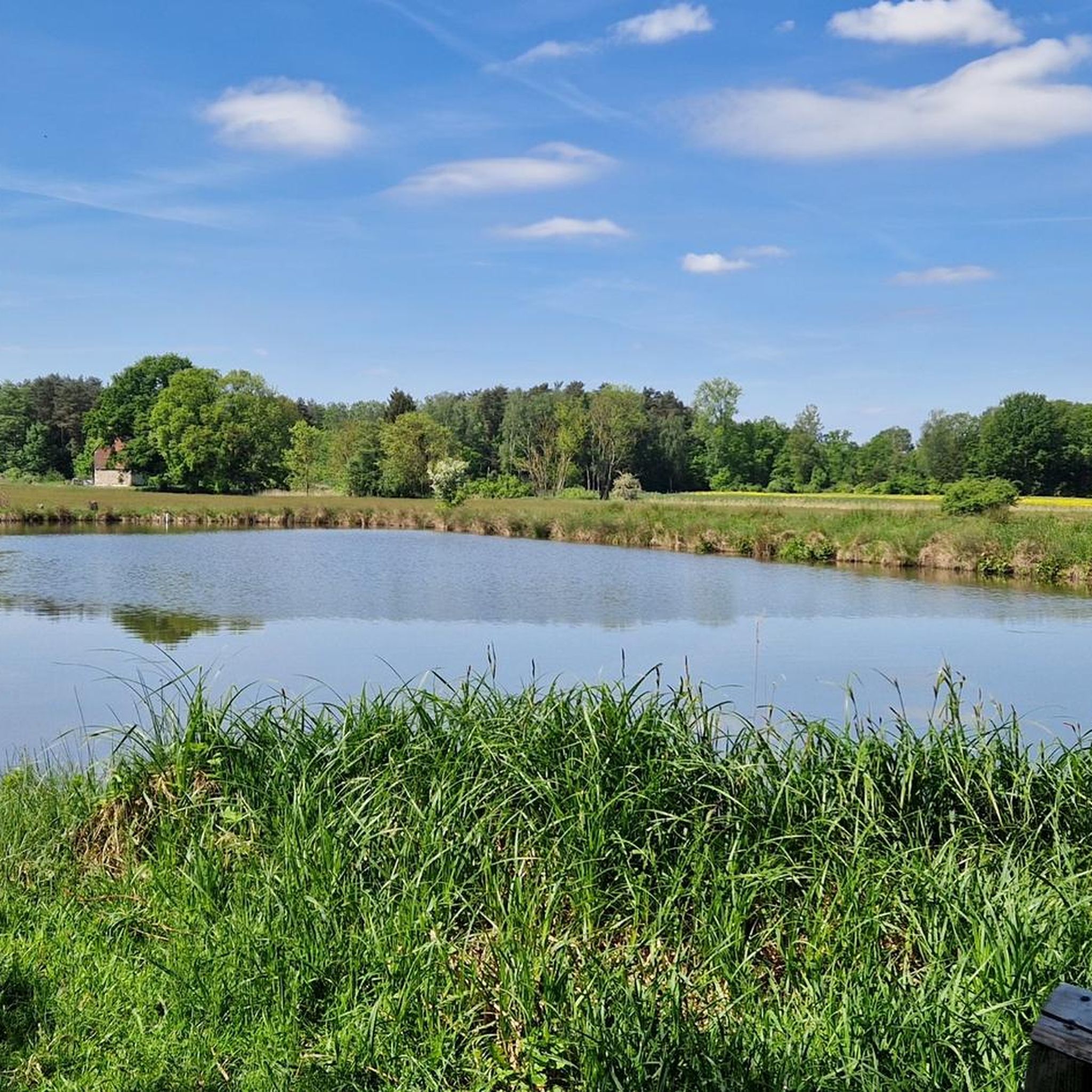
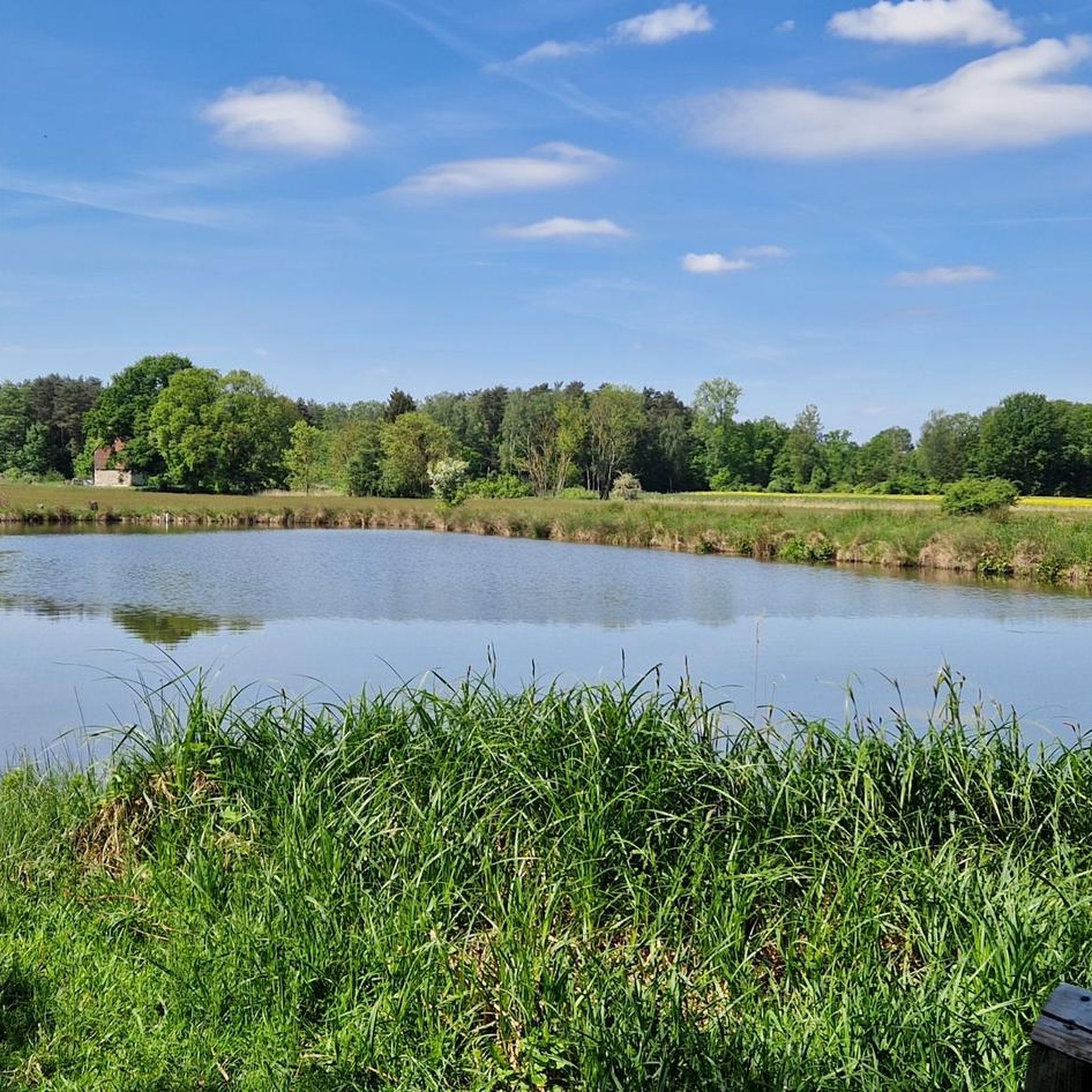
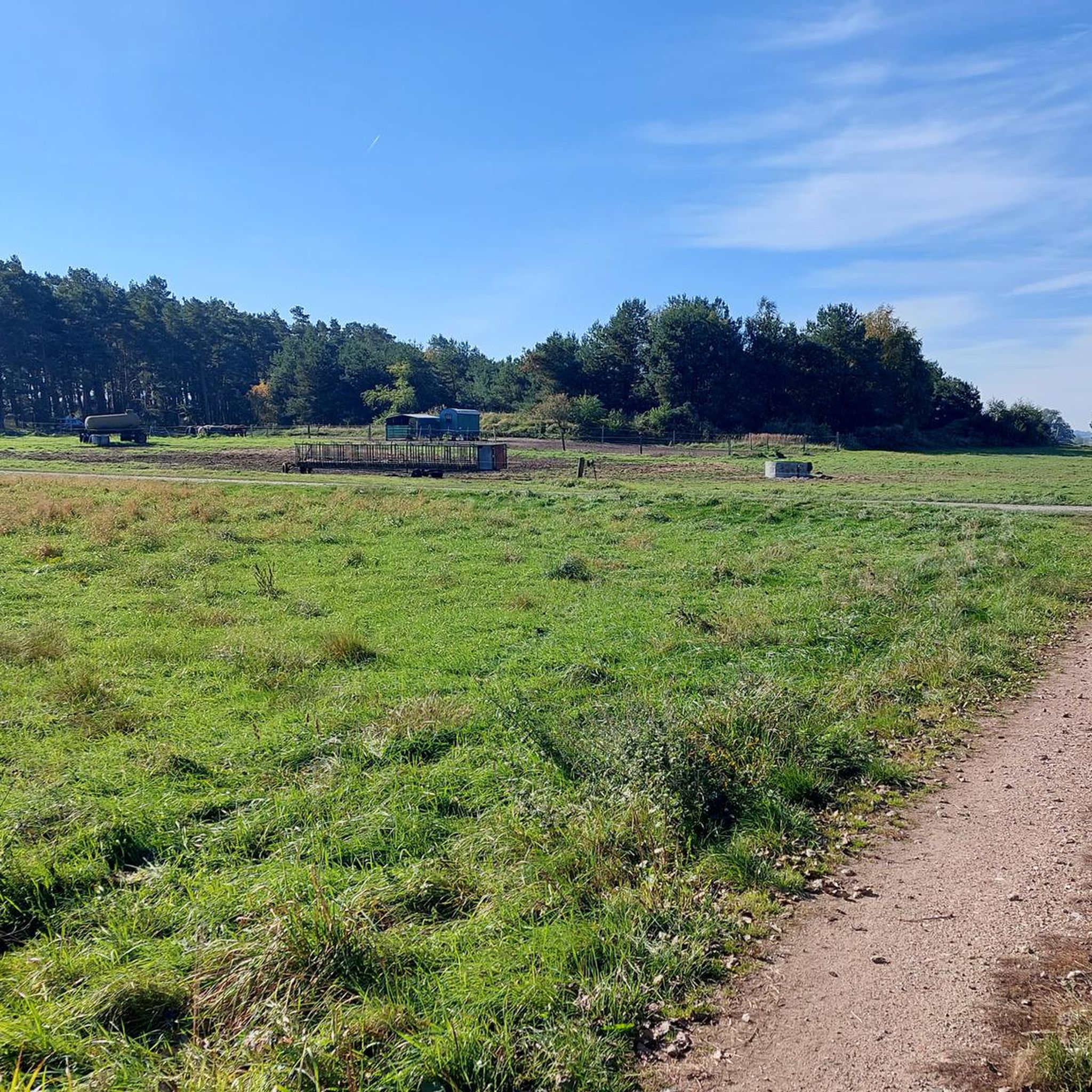
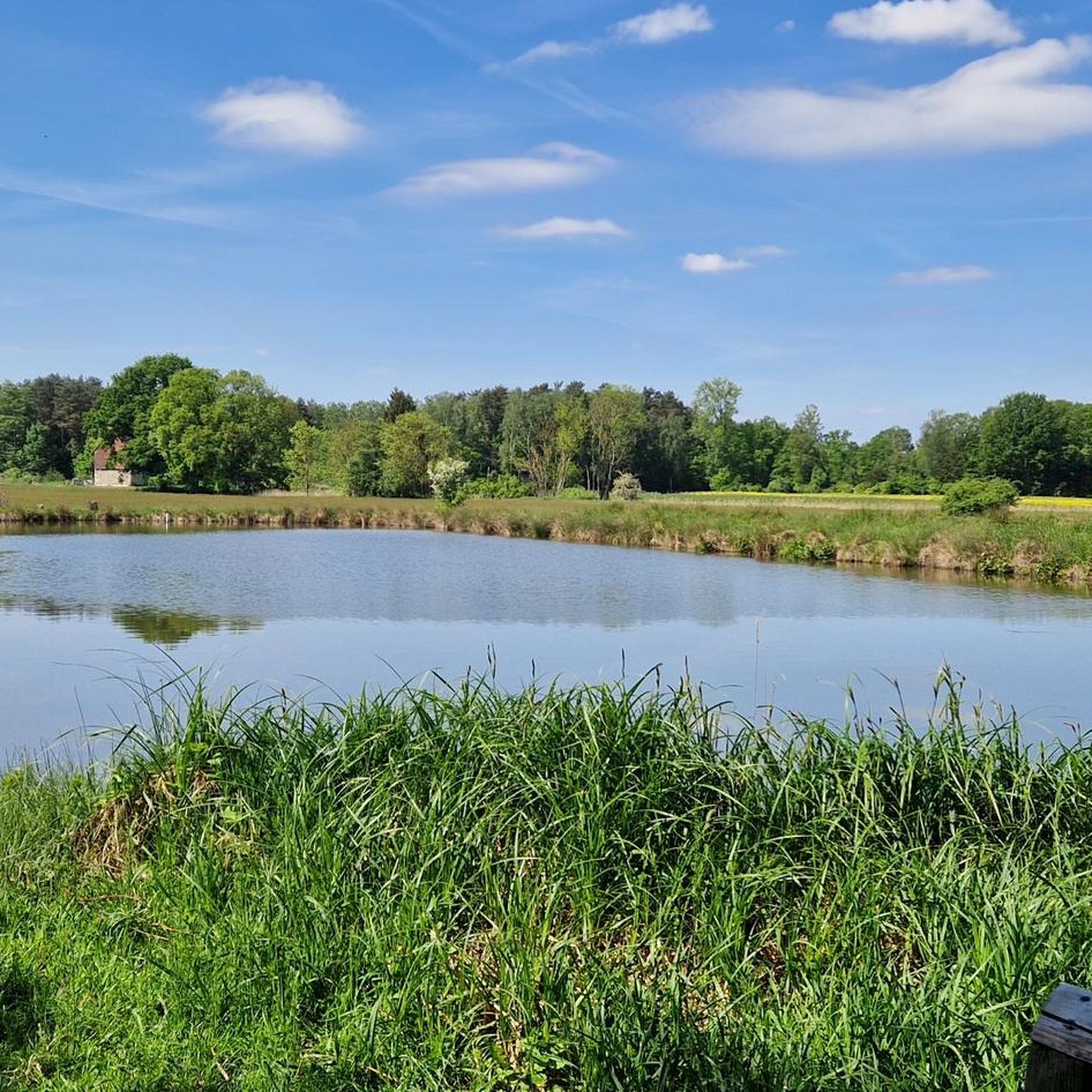

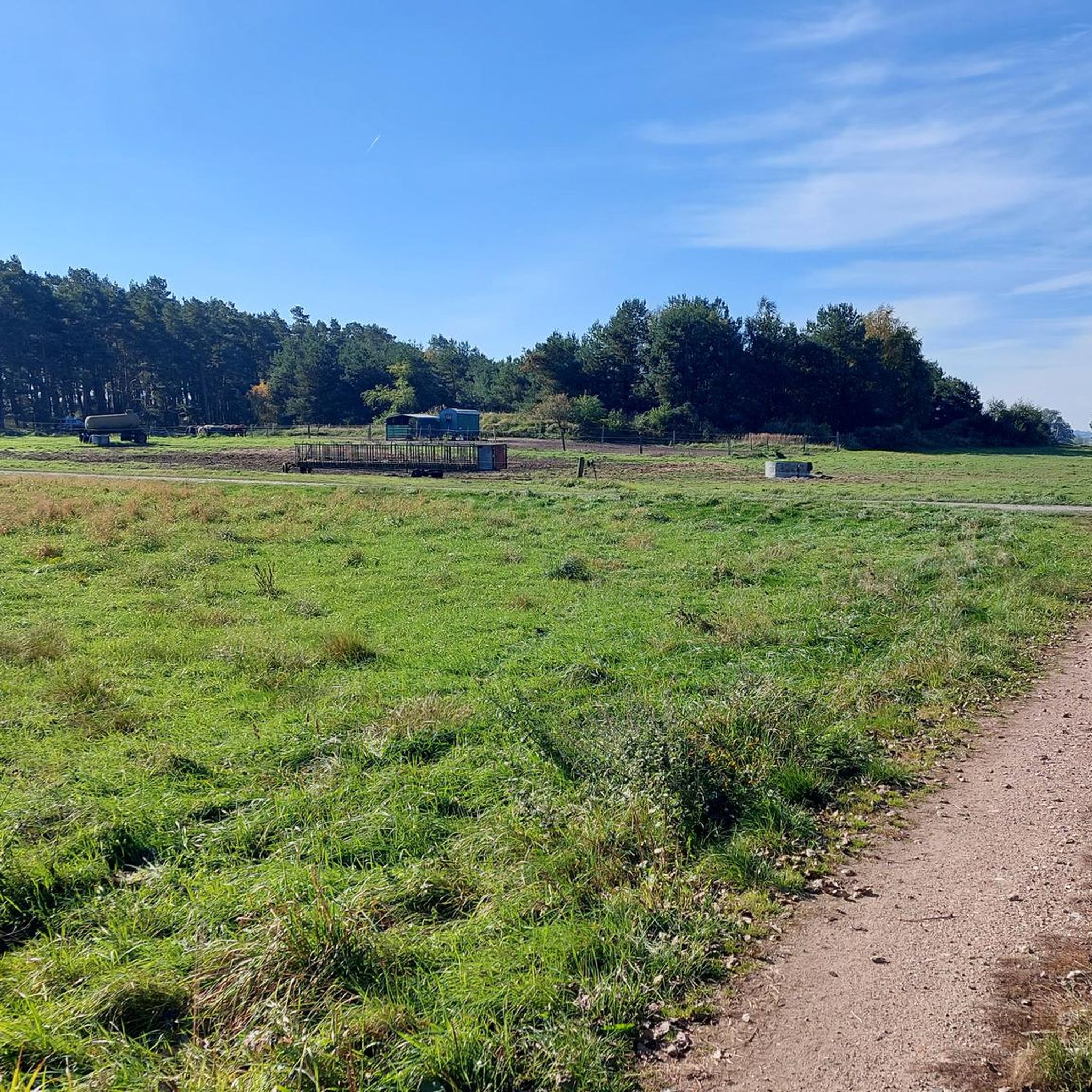
Tips from the Community

We had to turn around today (October 2025) because the path is no longer passable. Completely overgrown.
0
0


If you have to do without a cycle path in Ochsendorf itself, the route between Königslutter and Ochsendorf has a top cycle path. Standard width but resurfaced and it rolls perfectly.
0
0

The Heath Hill is a wonderful oasis and the nearby stone sculpture area is just around the corner
0
0

Strange! I still had barriers set up. Or are they there so that no farmers drive their tractors and trailers on it, for which the asphalt surface is probably not designed and then longitudinal cracks would probably be produced again. The fine-grained and dense asphalt ensures a good, fast run and you are completely decoupled from traffic.
0
0

great asphalt and the bike rolls neatly and even more fun with a tailwind
1
0

We tried it today, the vegetation was too dense and too high. Maybe again in winter...
1
0
Frequently Asked Questions
What unique natural features can I explore in Rieseberger Moor?
Rieseberger Moor is a rare and well-preserved lowland moor ecosystem, featuring extensive swamp forests primarily composed of birch and black alder. You can also find a notable 7-meter-high sand island rising from the center of the moor. The area's unique geographical and climatic position supports a diverse range of plant species.
What kind of wildlife can I expect to see in Rieseberger Moor?
The Rieseberger Moor is home to various rare and endangered plant and animal species due to its unique ecosystem. While specific animals are not detailed, the protected status ensures a rich biodiversity, making it an excellent spot for nature observation.
Are there specific trails for exploring the Rieseberger Moor?
Yes, you can explore the moor via narrow paths. A popular option is the Rieseberger Moor Trail, which goes through the bog. Another challenging option is the Narrow Path Through Elm-Lappwald Moor, which offers an entry point into the moor area, though its visibility can vary with seasons.
What outdoor activities are available near Rieseberger Moor?
Beyond exploring the moor itself, the surrounding area offers various outdoor activities. You can find numerous options for hiking, road cycling, and gravel biking, with routes catering to different difficulty levels.
Are there any challenging trails for experienced hikers in the area?
Yes, for experienced hikers, the Rieseberger Moor Trail is considered challenging due to its boggy terrain and the need to carefully find your way. Similarly, the Narrow Path Through Elm-Lappwald Moor is also challenging, with dense vegetation that can make the path difficult to discern, especially in summer.
Can I go cycling in Rieseberger Moor?
While the core moor trails are generally not suitable for cycling due to boggy terrain and sensitive ecosystems, there are excellent cycling opportunities nearby. The Königslutter–Ochsendorf Cycle Path offers a newly asphalted surface, perfect for a smooth ride. Additionally, you can find various road cycling and gravel biking routes in the broader Rieseberger Moor region.
Are there any wheelchair-accessible paths in Rieseberger Moor?
Yes, some parts of the area offer accessibility. The Königslutter–Ochsendorf Cycle Path is noted as wheelchair-accessible. Additionally, the Schunter Bridges in Ochsendorf are also wheelchair-friendly, providing access to a scenic spot where the Schunter river divides and rejoins.
Are there family-friendly attractions in Rieseberger Moor?
While the moor itself is primarily for nature observation, the Riesberger Moor Honey Stand is a family-friendly spot where you can purchase local honey. The easier hiking and cycling routes in the surrounding area also offer pleasant outings for families.
Is Rieseberger Moor dog-friendly?
Dogs are generally welcome on trails in nature reserves, but it's crucial to keep them on a leash to protect the sensitive ecosystem and wildlife. Always ensure you clean up after your dog to maintain the natural environment.
What is the best time of year to visit Rieseberger Moor?
The best time to visit Rieseberger Moor for hiking and nature observation is typically in autumn or spring. During these seasons, the paths, especially the more challenging ones like the Narrow Path Through Elm-Lappwald Moor, are often more visible and easier to navigate than in summer when vegetation can be very dense.
Where can I park when visiting Rieseberger Moor?
Specific parking areas are not detailed in the guide, but visitors typically find parking at the entry points to the nature reserve or in nearby villages like Rieseberg or Ochsendorf. It is advisable to check local signage upon arrival for designated parking spots.
Are there any historical points of interest in Rieseberger Moor?
While Rieseberger Moor is primarily a natural site, evidence of historical peat cutting, which occurred from 1744 until the area became a nature reserve in the 1950s, can still be seen in the form of water-filled hollows within the moor. This offers a glimpse into the region's past land use.
What do visitors enjoy most about Rieseberger Moor?
Visitors appreciate the unique natural experience of exploring a well-preserved lowland moor. The opportunity to traverse challenging trails like the Rieseberger Moor Trail, observe diverse plant life, and immerse oneself in a rare ecosystem are frequently highlighted. The peacefulness and ecological significance are also major draws.
Most popular routes in Rieseberger Moor

Get inspired with the komoot mobile app


Explore more
Still not found the Highlight you’re looking for? See guides of the top attractions in other regions:
