Attractions and Places To See in Oranienbaumer Heide - Top 11
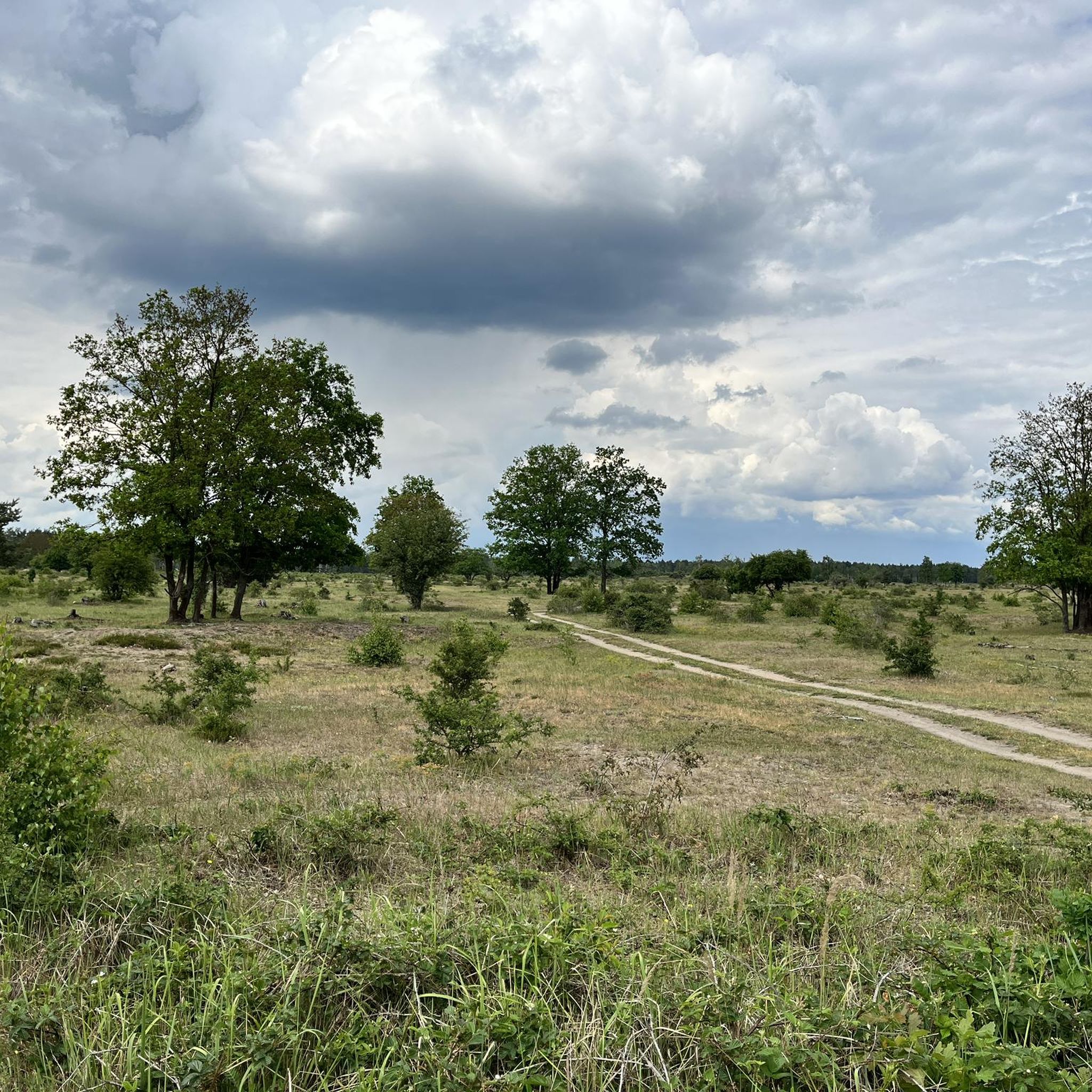
Best attractions and places to see in Oranienbaumer Heide include a diverse nature reserve spanning over 2,000 hectares, known for its unique ecosystems and wildlife. Located between Oranienbaum and Dessau, it forms a significant part of the Middle Elbe Biosphere Reserve. The area features semi-natural mixed deciduous forests, open grasslands, heaths, and dunes, supporting rich birdlife and wild grazing animals like Konik horses and Heck cattle. Historically, central areas served as a military training ground, which inadvertently created the open…
Last updated: July 5, 2026
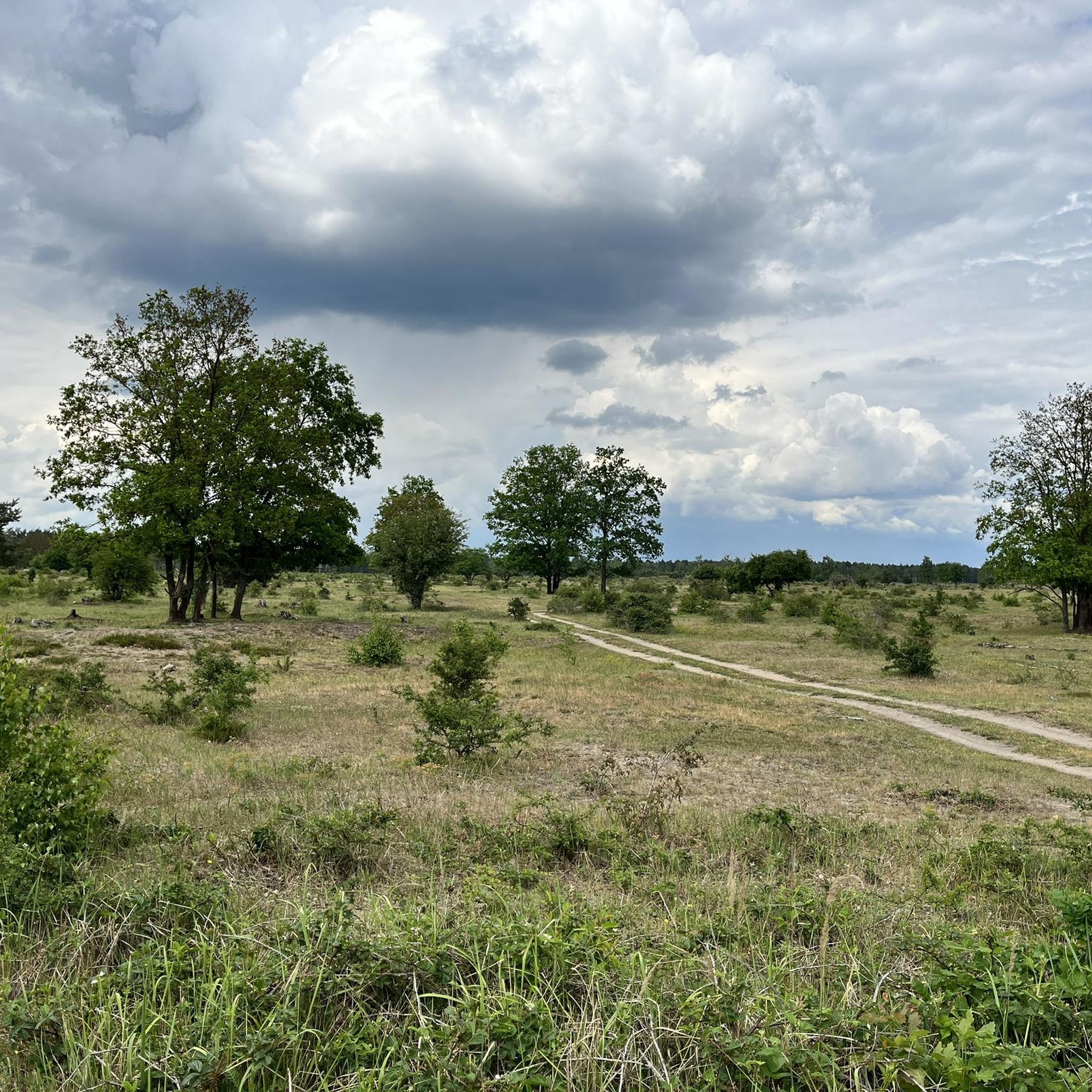
Oranienbaumer Heide Grazing Animals
Highlight • Natural
Translated by Google •
Tip by

Oranienbaumer Heath
Highlight • Natural
Translated by Google •
Tip by

Sign up now to discover places like this
Get recommendations on the best single tracks, peaks, & plenty of other exciting outdoor places.
Sign up for free
Heathland in Dübener Heide
Highlight • Natural
Translated by Google •
Tip by

Road Between Jüdenberg and Möhlau
Highlight (Segment) • Cycleway
Translated by Google •
Tip by
Cycle Path and Quiet Road in Dübener Heide
Highlight (Segment) • Cycleway
Translated by Google •
Tip by
Sign up for free to discover even more attractions in Oranienbaumer Heide.
Sign up for free
Already have an account?
Start today with a free account
Your next adventure awaits.
Login or Signup

Tips from the Community

Excellent for cycling
1
0

A hike through the Oranienbaum Heath is worthwhile, as the many interesting information panels provide a wealth of information. If you're lucky, you might spot a herd of Heck cattle. This breed was bred by the Heck brothers and is descended from the aurochs.
0
0


Visiting the Przewalsky horses, Heck cattle, foxes, sometimes even wolves. Wonderful landscape!
0
0
Quiet side street - nice section
5
0
With a bit of luck you can also see the Heck cattle
5
0


Beautiful landscape. Good tarmac. Hardly any traffic.
1
0
Frequently Asked Questions
What natural features define the Oranienbaumer Heide?
The Oranienbaumer Heide is characterized by a rich mosaic of habitats, including semi-natural mixed deciduous forests, open and semi-open areas with dry grasslands, heaths, and dunes with silver grass meadows. It's part of the Middle Elbe Biosphere Reserve, making it one of the most biodiverse areas in Saxony-Anhalt.
What kind of wildlife can I expect to see in Oranienbaumer Heide?
The Heide is home to diverse wildlife. You might spot wild grazing animals like Konik horses and Heck cattle, which help maintain the landscape. It's also a haven for birdwatchers, with species such as the Common Crane, Red Kite, Eurasian Hoopoe, and Eurasian Nightjar. The area also supports various insects and amphibians like the European tree frog.
Are there family-friendly activities or paths in Oranienbaumer Heide?
Yes, the Oranienbaumer Heide offers easy walking and cycling paths suitable for families. You can explore areas like Oranienbaumer Heath, where children might enjoy spotting Konik horses and Heck cattle. The Road Between Jüdenberg and Möhlau is also a quiet, well-paved option for family cycling.
What is the historical significance of the Oranienbaumer Heide?
The central areas of the Oranienbaumer Heide were used as a military training ground by the Soviet military from 1945 to 1992. This history inadvertently created the open landscapes seen today due to large-scale deforestation and fires. Visitors are advised to stay on marked dirt roads due to the potential presence of unexploded ordnance.
What outdoor activities can I do in Oranienbaumer Heide?
The Oranienbaumer Heide is excellent for hiking, cycling, and mountain biking. You can find various routes, from easy walks to moderate trails. For specific hiking routes, check out the Hiking in Oranienbaumer Heide guide. For cycling, there are well-paved county roads and sandy paths. Mountain bikers can explore routes like the one from Oranienbaum to Gremminer Lake, detailed in the MTB Trails in Oranienbaumer Heide guide.
Are there specific hiking trails recommended in Oranienbaumer Heide?
Yes, there are several recommended hiking trails. Popular options include the Oranienbaumer Heath loop from Jüdenberg (9.2 km, moderate) or the Gräfenhainichener Mühlgraben – Schornicker Pond loop (6.1 km, easy). For more options, including easy hikes, refer to the Hiking in Oranienbaumer Heide guide.
What cultural sites are located near the Oranienbaumer Heide?
Just outside the nature reserve, the town of Oranienbaum offers significant cultural attractions. These include the impressive Oranienbaum Palace and Park, a rare example of Dutch Baroque architecture, and the Chinese House within its English-Chinese Garden. The Orangerie, one of Europe's longest, is also located here. These sites are part of the UNESCO World Heritage Dessau-Wörlitz Garden Kingdom.
What is the best time to visit Oranienbaumer Heide?
The Oranienbaumer Heide is beautiful year-round, but late summer (August/September) is particularly scenic when the heather is in bloom. Spring and early summer are excellent for birdwatching. The easy walking and cycling paths make it accessible for various seasons, though sandy soils can be more challenging after heavy rain.
Are dogs allowed on the trails in Oranienbaumer Heide?
While the guide data doesn't explicitly state dog-friendly policies, nature reserves generally welcome dogs on leash. Given the presence of wild grazing animals and the area's history as a military training ground, keeping dogs on marked paths and under control is highly recommended for their safety and the protection of wildlife.
What should I wear for a walk in Oranienbaumer Heide?
Given the sandy soils and open areas, comfortable walking shoes or hiking boots are advisable. Layers are recommended as the weather can change, and sun protection (hat, sunscreen) is important due to limited shade in some heathland sections. If cycling, appropriate gear for sandy or paved paths is best.
Are there any specific viewpoints or landmarks within the Heide?
While the Heide is more about its expansive natural landscapes, you can find unique natural monuments like Mochhau and Moorteich within its sections. The main attractions are the open heathlands where you can observe the grazing animals, such as at Oranienbaumer Heide Grazing Animals, offering wide views of the unique ecosystem.
How long does it take to walk through Oranienbaumer Heide?
The time it takes depends on the chosen route. Easy loops like the Gräfenhainichener Mühlgraben – Schornicker Pond loop are around 6 km and can take 1.5 to 2 hours. Longer, moderate trails, such as the Oranienbaumer Heath loop from Jüdenberg (9.2 km), might take 2.5 to 3 hours. You can find various routes with estimated durations in the Hiking in Oranienbaumer Heide guide.
Most popular routes in Oranienbaumer Heide
Most popular attractions in Oranienbaumer Heide

Get inspired with the komoot mobile app


Explore more
Still not found the Highlight you’re looking for? See guides of the top attractions in other regions:
