The best walks and hikes in Nedlitzer Niederung
4.8
(23)
61
hikers
34
hikes
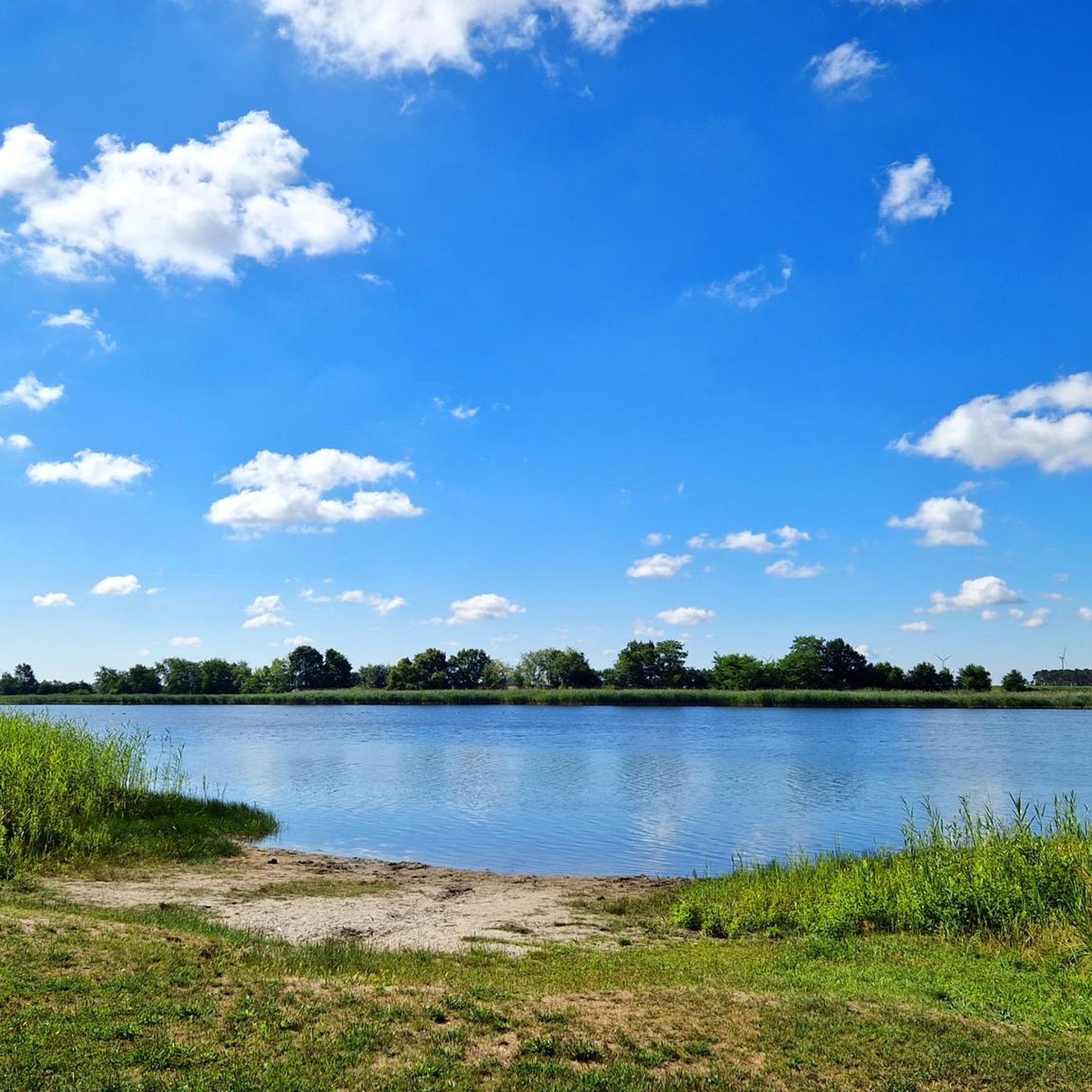
Hiking in Nedlitzer Niederung offers trails through a lowland landscape characterized by open fields, marshland areas, and scattered woodlands. The region features minimal elevation changes, making it suitable for accessible walks. Paths often traverse agricultural areas and connect small villages, providing views of the local rural environment.
Best hiking trails in Nedlitzer Niederung
- The most popular hiking route is Deetz Village Church loop from Deetz, a 2.5 miles (4.0 km) trail that takes 1 hour 1 minute to complete,…
Last updated: June 27, 2026
6
hikers
4.02km
01:02
10m
10m
Easy hike. Great for any fitness level. Easily-accessible paths. Suitable for all skill levels.
5.0
(1)
2
hikers
15.4km
03:54
40m
40m
Moderate hike. Good fitness required. Easily-accessible paths. Suitable for all skill levels.

Sign up for free
8.60km
02:11
20m
20m
Moderate hike. Good fitness required. Easily-accessible paths. Suitable for all skill levels.
5
hikers
15.6km
03:57
30m
30m
Moderate hike. Good fitness required. Easily-accessible paths. Suitable for all skill levels.
3
hikers
2.73km
00:42
10m
10m
Easy hike. Great for any fitness level. Easily-accessible paths. Suitable for all skill levels.
Get access to more routes and recommendations from other explorers.
Sign up for free
Already have an account?
Our route recommendations are based on thousands of hikes, rides, and runs completed by other people on komoot.
Start today with a free account
Your next adventure awaits.
Login or Signup
Popular around Nedlitzer Niederung
Tips from the Community

Half-timbered church from 1717. Western roof turret
0
0

The village church of St. Blasii is a stone church of Romanesque origin in the typical layout with a nave, choir and apse. The church, which presumably dates from the 13th century, was only fitted with a square tower in 1808. The upper part of the tower, originally built in half-timbered construction, was replaced in 1890 by a massive structure with an octagonal, lantern-like tower. A sandstone plaque above the south entrance gives the year 1696 as the date of the remodeling of the church. During this time the windows also got their changed shape. The classical pulpit altar, which completely covers the apse, as well as the horseshoe gallery, also made in the classical style, originate from a further redesign in 1831. The interior is also characterized by a Steinmann organ built in 1808, which was badly damaged by the effects of the war. An oval epitaph was installed in the interior of the church for Hans Rudolph von Kalitsch in 1694. Around three portraits and the depiction of the Entombment of Christ there is a richly carved acanthus ornament, which appears even more imposing through the addition of several colored coats of arms and putti. The lower room with a barrel vault in the tower was the crypt of the von Kalitsch family and is now used as a community room. After a bell had to be dismantled in World War II, the church now only has a bronze bell from 1754. Source: https://entsch seine-kirchen.de/kirchen/dobritz-st-blasii
0
0
Memorial plaque for those who fell in World War I
0
0
The village church of St. Blasii is a stone church of Romanesque origin in the typical layout with a nave, choir and apse. The church, which presumably dates from the 13th century, was only fitted with a square tower in 1808. The upper part of the tower, originally built in half-timbered construction, was replaced in 1890 by a massive structure with an octagonal, lantern-like tower. A sandstone plaque above the south entrance gives the year 1696 as the date of the remodeling of the church. During this time the windows also got their changed shape. The classical pulpit altar, which completely covers the apse, as well as the horseshoe gallery, also made in the classical style, originate from a further redesign in 1831. The interior is also characterized by a Steinmann organ built in 1808, which was badly damaged by the effects of the war. An oval epitaph was installed in the interior of the church for Hans Rudolph von Kalitsch in 1694. Around three portraits and the depiction of the Entombment of Christ there is a richly carved acanthus ornament, which appears even more imposing through the addition of several colored coats of arms and putti. The lower room with a barrel vault in the tower was the crypt of the von Kalitsch family and is now used as a community room. After a bell had to be dismantled in World War II, the church now only has a bronze bell from 1754. Source: https://www.entsch seine-kirchen.de/kirchen/dobritz-st-blasii/
0
0
The core is a late Romanesque stone church with retracted choir and apse. 1808 Addition of a three-storey classical west tower
1
0
Frequently Asked Questions
How many hiking trails are available in Nedlitzer Niederung?
Nedlitzer Niederung offers a diverse network of over 35 hiking trails. These routes are primarily easy to moderate, making the area accessible for various skill levels.
What is the typical terrain like for hiking in Nedlitzer Niederung?
The terrain in Nedlitzer Niederung is characterized by a lowland landscape with minimal elevation changes. You'll find trails traversing open fields, marshland areas, and scattered woodlands, often connecting small villages and offering views of the rural environment.
Are there any easy or beginner-friendly hiking routes in Nedlitzer Niederung?
Yes, Nedlitzer Niederung is well-suited for easy and beginner-friendly hikes. Nearly half of the routes, 17 out of 35, are classified as easy. An example is the Hiking loop from Dobritz, which is 5.6 km (3.5 miles) long and takes about 1 hour 25 minutes to complete.
Can I find circular hiking routes in Nedlitzer Niederung?
Many of the trails in Nedlitzer Niederung are designed as circular routes, allowing you to start and end at the same point. For instance, the Deetz Village Church loop from Deetz is a popular circular option, taking you past local village landmarks.
Is Nedlitzer Niederung suitable for family hikes with children?
Absolutely. The minimal elevation changes and numerous easy trails make Nedlitzer Niederung ideal for family hikes. The paths through open fields and small villages provide a pleasant and manageable experience for children.
Are dogs allowed on the hiking trails in Nedlitzer Niederung?
While specific regulations can vary, generally, dogs are welcome on hiking trails in natural areas like Nedlitzer Niederung. It's always recommended to keep dogs on a leash, especially when passing through agricultural areas or near wildlife habitats, to ensure safety and respect for the local environment.
What kind of natural features or wildlife can I expect to see while hiking?
Nedlitzer Niederung, as a lowland area, offers a landscape of open fields, marshland, and woodlands. Similar 'Niederung' regions are known for flooded meadows, marshland forests, and can be important breeding grounds for birds. Keep an eye out for diverse birdlife, especially near water bodies, and enjoy the tranquil rural scenery.
What is the best time of year to go hiking in Nedlitzer Niederung?
The best time to hike in Nedlitzer Niederung is typically during spring, summer, and early autumn. These seasons offer pleasant weather for exploring the open fields and woodlands. Spring brings blooming flora, while autumn provides colorful foliage. Winter hiking is possible, but paths may be muddy or icy depending on conditions.
Are there options for public transport to access the hiking trails?
Information on specific public transport connections directly to trailheads in Nedlitzer Niederung is limited. However, many trails connect small villages, which may have local bus services. It's advisable to check regional public transport schedules for connections to villages like Deetz or Nedlitz.
Where can I park my car when visiting Nedlitzer Niederung for a hike?
Parking for hikers is generally available in or near the villages that serve as starting points for the trails, such as Deetz, Nedlitz, or Dobritz. Look for designated parking areas or roadside parking that respects local regulations and private property.
What do other hikers say about their experience in Nedlitzer Niederung?
The komoot community highly rates hiking in Nedlitzer Niederung, with an average score of 4.8 stars from over 20 reviews. Hikers often praise the peaceful lowland landscape, the well-maintained paths, and the opportunity to connect with nature and local village charm.
Are there any longer, more challenging hikes available in Nedlitzer Niederung?
While the region is known for its gentle terrain, there are moderate routes for those seeking a longer walk. The Nedlitz Village Church – Deetz Village Church loop from Nedlitz is a moderate 15.4 km (9.5 miles) path, and the Fläming Nature Park Forest loop from Dobritz covers 15.6 km (9.7 miles), offering a more extended experience.
Are there places to eat or stay near the hiking trails in Nedlitzer Niederung?
The hiking trails in Nedlitzer Niederung often connect small villages. While specific establishments are not detailed, these villages may offer local cafes, restaurants, or guesthouses. It's recommended to check in advance for dining and accommodation options in villages like Deetz, Nedlitz, or Dobritz.

Get inspired with the komoot mobile app


Explore more
Browse the best Hikes in other regions.
