The best road cycling routes in Kreuzhorst
4.4
(1166)
14,745
riders
391
rides
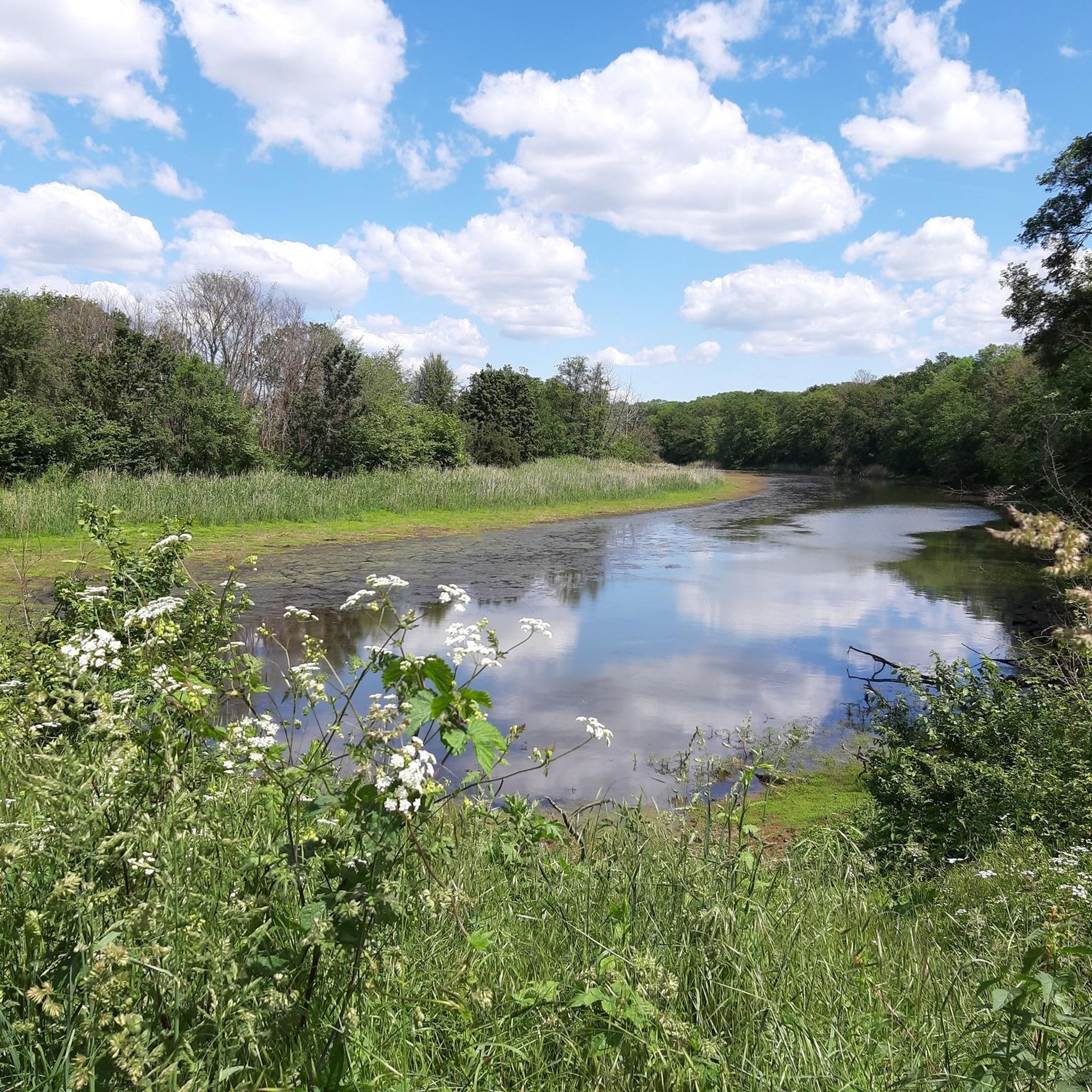
Road cycling in Kreuzhorst, an uninhabited nature reserve within Magdeburg, Germany, offers routes through a significant floodplain forest ecosystem. The terrain is characterized by the middle Elbe lowlands, featuring old Elbe side arms and well-paved surfaces. Routes in this area are generally flat, with minimal elevation changes, making them accessible for various cycling abilities. The region is directly integrated into the Elbe Cycle Route, providing a peaceful natural setting for road cyclists.
Best road cycling routes in Kreuzhorst
- The most…
Last updated: August 20, 2026
2.0
(2)
55
riders
Moderate road ride. Great for any fitness level. Some segments of this route may be unpaved and difficult to ride.
3.0
(1)
7
riders
56.8km
02:21
200m
200m
Moderate road ride. Good fitness required. Mostly well-paved surfaces and easy to ride.

Sign up for free
8
riders
Moderate road ride. Good fitness required. Some segments of this route may be unpaved and difficult to ride.
2
riders
Hard road ride. Good fitness required. You may need to push your bike for some segments of this route.
88.9km
03:45
410m
410m
Moderate road ride. Good fitness required. Some segments of this route may be unpaved and difficult to ride.
Get access to more routes and recommendations from other explorers.
Sign up for free
Already have an account?
Our route recommendations are based on thousands of hikes, rides, and runs completed by other people on komoot.
Start today with a free account
Your next adventure awaits.
Login or Signup
Tips from the Community

The Pfännerturm, built around 1470, was once part of the Great Salzer city wall as a flanking gate tower of the Elmen Gate. It is made of rubble stone and is recognizable by its distinctive pyramid roof. Access is only possible at the level of the former rampart via the first upper floor. In the late Middle Ages, the tower served as a prison. After 1880, all the city gates were demolished. Only the Pfännerturm remained. Parts of the old city wall are still visible today. After the 2nd World War, the tower was even temporarily used for housing. The gatehouse was demolished in 1961 and the tower was extensively renovated in 1994. Guided tours are offered on request. Incidentally, the nearby fire station building in Bad Salzelmen used to house the town hall of Alt Salze. https://www.visitschoenebeck.de/de/pfaennerturm-tourismus.html
2
0
The Schadeleben Castle, also called Schloss Schadeleben or Burghof Salzelmen, is a castle ruin at Burghof 1 in the town of Schönebeck in the Salzlandkreis district of Saxony-Anhalt. The castle was built between 1310 and 1319 by Archbishop Burchard III of Magdeburg, expanded into a castle-like structure in 1533 and 1804, and partially demolished in 1874. The former castle complex still shows the gatehouse with a defensive wall, a castle building (bathhouse), and the still-preserved residential building of the castle, as well as a newer palace building (Haus Mechthild) with the remains of an enclosing wall. During the Second World War, local historian Wilhelm Schulze arranged for the archival documents to be stored in the Schönebeck salt mine and in 1950 organized the relocation of the city archive to the castle building of Burghof Salzelmen, the former Schadeleben Castle. The Burghof temporarily served as a reception center for resettlers from West Germany, and in 1961 the facility became a nursing home. https://veikkos-archiv.com/index.php?title=Burg_Schadeleben
2
0

The tower was part of the medieval city fortifications. A signpost is located at the tower.
0
0

The castle was built between 1310 and 1319 by Archbishop Burchard III of Magdeburg, and was expanded into a palace in 1533 and 1804. The castle was demolished in 1874, leaving only a three-story residential building. With the occupation of Schönebeck on October 22, 1806 by Marshal Ney, the Schadeleben Castle, until then a forced labor institution, was converted into a hospital. The former castle complex still shows the gatehouse with a defensive wall, a castle building (bathhouse) and the still-preserved residential building of the castle, as well as a newer palace building (Haus Mechthild) with the remains of an enclosing wall. https://de.wikipedia.org/wiki/Burg_Schadeleben
0
0
The Inhalatorium has been located in the 38-meter-long extension at the end of the graduation tower since 1999. Meanwhile, the graduation tower now has a length of 300 meters. The former course of the graduation tower is still recognizable, starting at the brine spring and leading up to the ascent to Bierer Berg. A wall runs along this route today, whose well-developed paths between trees and shrubs invite you to take a walk. https://www.visitschoenebeck.de/de/gradierwerk-tourismus.html
0
0
The Pfännerturm, built around 1470, once belonged to the Great Salzer city wall as a flanking gate tower of the Elmener Tor. It is made of rubble stone and is recognizable by its distinctive pyramid roof. Access is only possible at the level of the former rampart via the first upper floor. In the late Middle Ages, the tower served as a prison. https://www.visitschoenebeck.de/de/pfaennerturm-tourismus.html
1
0

Can be used if the Barby ferry is not running?
1
0

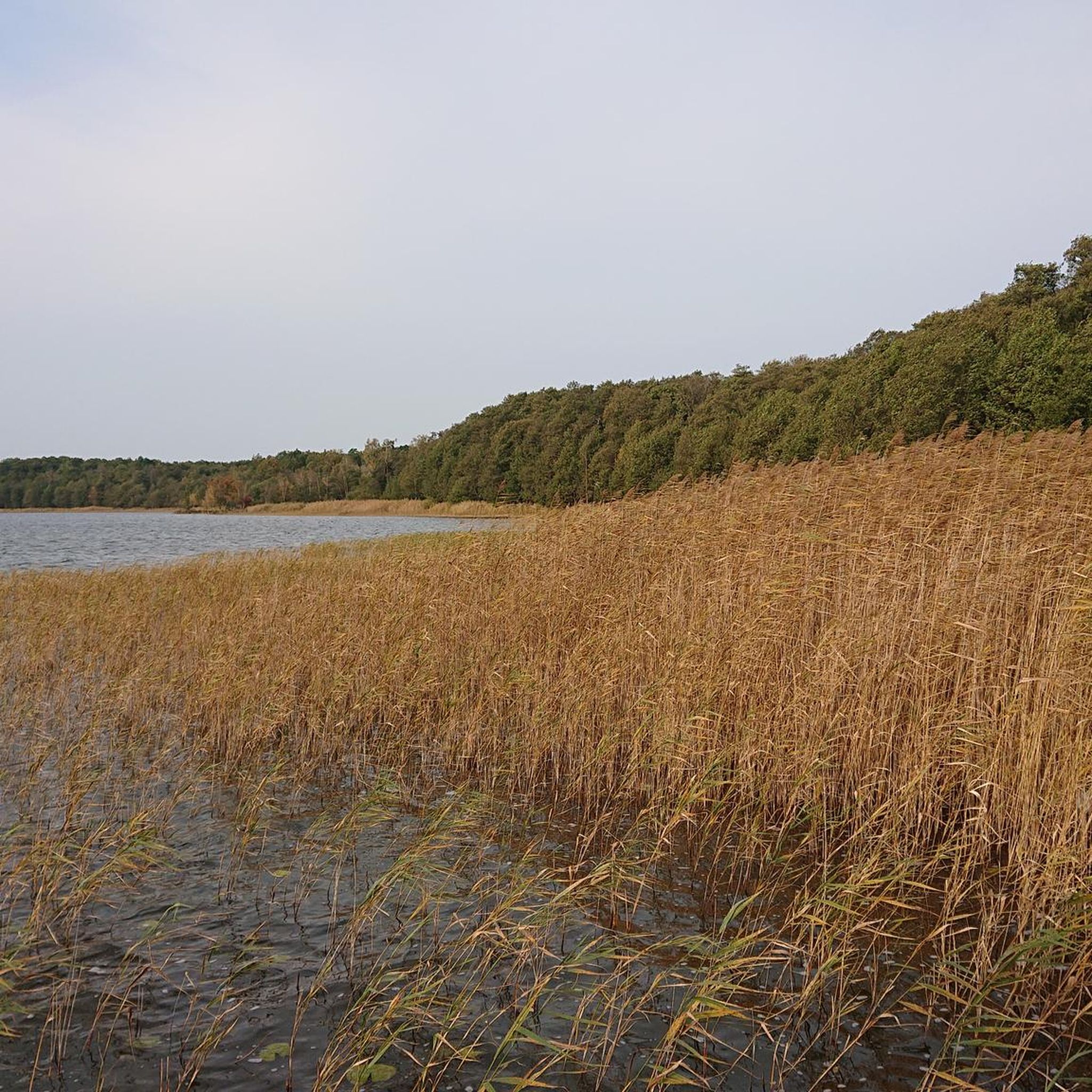
A lovely place to stop for a while along the Elbe River. Several benches with views of the Elbe are available.
0
0
Frequently Asked Questions
How many road cycling routes are available in Kreuzhorst?
Kreuzhorst offers a wide selection of road cycling routes, with over 400 tours available. These range from easy to moderate, catering to various skill levels, with the majority being moderately challenging.
What is the terrain like for road cycling in Kreuzhorst?
The terrain in Kreuzhorst is generally flat, characterized by the middle Elbe lowlands and extensive floodplain forests. You'll find well-paved surfaces suitable for road bikes, with minimal elevation changes, making it accessible for a wide range of cyclists.
Are there any family-friendly road cycling routes in Kreuzhorst?
Yes, Kreuzhorst is integrated into the Elbe Cycle Route, which is known for its family-friendly nature. The flat terrain and well-maintained paths through the natural Elbe meadow landscape provide a peaceful and safe environment for families to cycle together.
Can I bring my dog on road cycling routes in Kreuzhorst?
While Kreuzhorst is a nature reserve, specific regulations for dogs on cycling paths can vary. It's generally advisable to keep dogs on a leash to protect the diverse wildlife, which includes numerous bird species and mammals like the Elbe beaver. Always check local signage for specific rules.
What kind of natural landscapes and wildlife can I expect to see while cycling?
You'll cycle through a rich floodplain forest ecosystem, featuring ancient ash, elm, and oak trees, alongside old Elbe side arms like the Kuhlenhagen and Mönchsseen. The area is a haven for wildlife, including 32 mammal species (like the Elbe beaver), 90 breeding bird species, and diverse insects, offering a tranquil natural experience.
Are there specific landmarks or points of interest along the road cycling routes?
Yes, while cycling, you can explore several points of interest. For example, you might encounter the Kreuzhorst Nature Reserve itself, or historical sites like the Soldier's Grave in Kreuzhorst. Some routes also offer views of the Elbe river landscape and structures like the Hub Bridge.
Are the road cycling paths in Kreuzhorst paved?
Yes, routes in and around Kreuzhorst typically feature well-paved surfaces, making them ideal for road cycling. This ensures a smooth and enjoyable ride through the natural environment.
Are there circular road cycling routes available in Kreuzhorst?
Many of the road cycling routes in Kreuzhorst are designed as loops, allowing you to start and end at the same point. An example is the Stern Bridge, Magdeburg – View of the Hub Bridge loop from Magdeburg-Salbke, which offers a scenic circular tour.
What is the best time of year to go road cycling in Kreuzhorst?
The floodplain forest environment of Kreuzhorst can be particularly appealing during warmer months, as many routes offer shaded areas. Spring and autumn also provide pleasant temperatures and beautiful scenery, making them excellent times to explore the region by road bike.
How can I get to Kreuzhorst by public transport with my bike?
Kreuzhorst is located near Magdeburg, and the Elbe Cycle Path connects it to the city center. Public transport options in Magdeburg, such as trams and regional trains, often allow bikes outside of peak hours. It's best to check the local public transport provider's website for specific rules and schedules regarding bike transport.
Where can I park my car when road cycling in Kreuzhorst?
As Kreuzhorst is an uninhabited nature reserve, direct parking within the reserve might be limited. Cyclists often park in nearby districts like Magdeburg-Südost, Magdeburg-Salbke, or Cracau, which serve as starting points for many routes, such as the View of the Hub Bridge – Stern Bridge, Magdeburg loop from Cracau.
Are there cafes or places to stop for refreshments near the routes?
While Kreuzhorst itself is a nature reserve, the routes often connect to surrounding districts like Prester, Pechau, and Magdeburg's city center. These areas offer various cafes, pubs, and restaurants where you can stop for refreshments before or after your ride.
What makes Kreuzhorst suitable for road cycling, given it's a nature reserve?
Kreuzhorst's designation as a nature reserve ensures a pristine natural environment, offering a peaceful escape from urban bustle. Its integration into the Elbe Cycle Route, combined with well-paved, flat paths through diverse floodplain forests, makes it an ideal and scenic location for road cycling while preserving its unique biodiversity.
What do other cyclists say about road cycling in Kreuzhorst?
The komoot community highly rates road cycling in Kreuzhorst, with an average score of 4.5 stars from over 1000 reviews. Cyclists frequently praise the tranquil natural setting, the well-maintained paths, and the opportunity to experience the unique Elbe floodplain landscape.
Most popular routes in Kreuzhorst
Most popular attractions in Kreuzhorst

Get inspired with the komoot mobile app


Explore more
Browse the best Road cycling routes in other regions.
