The best walks and hikes in Forst Zinna-Jüterbog-Keilberg
4.5
(1182)
4,876
hikers
624
hikes
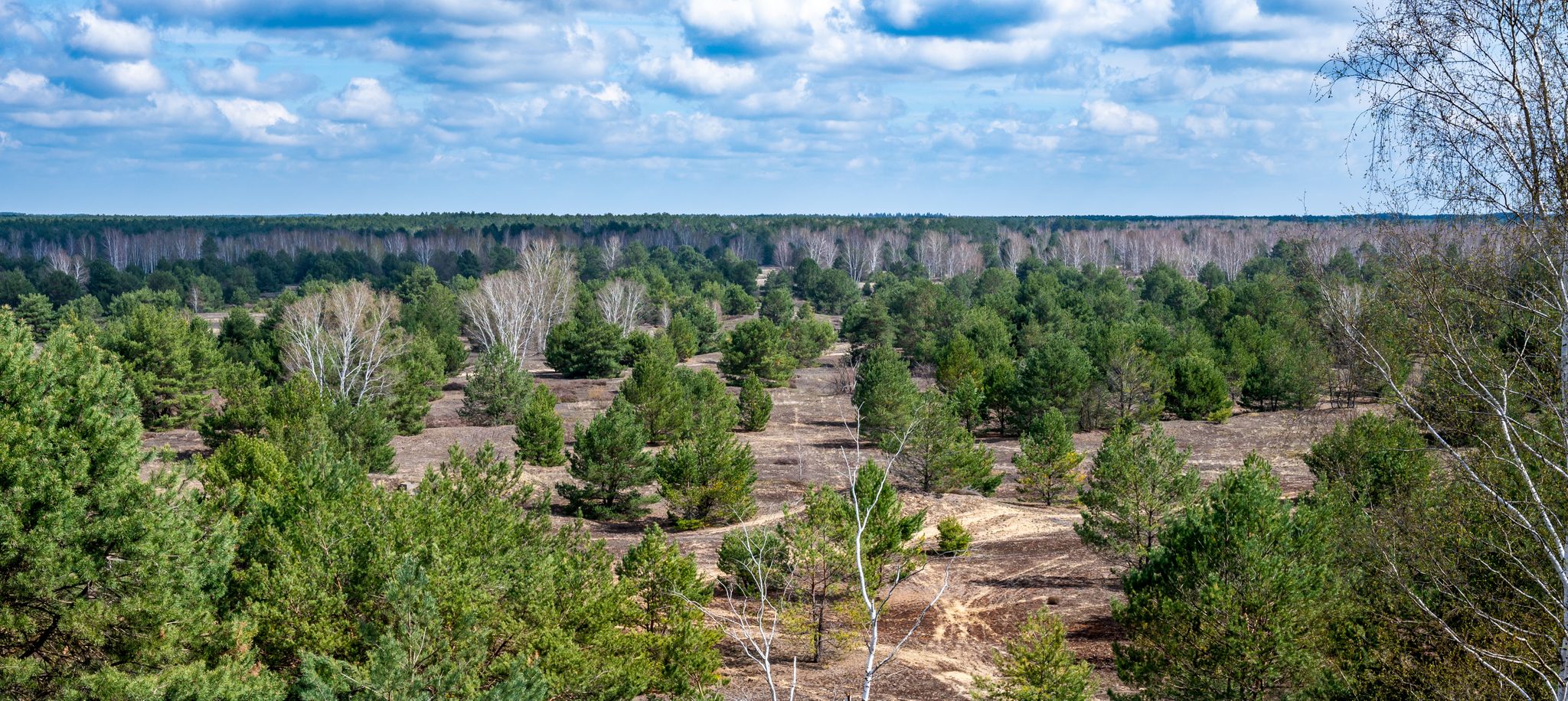
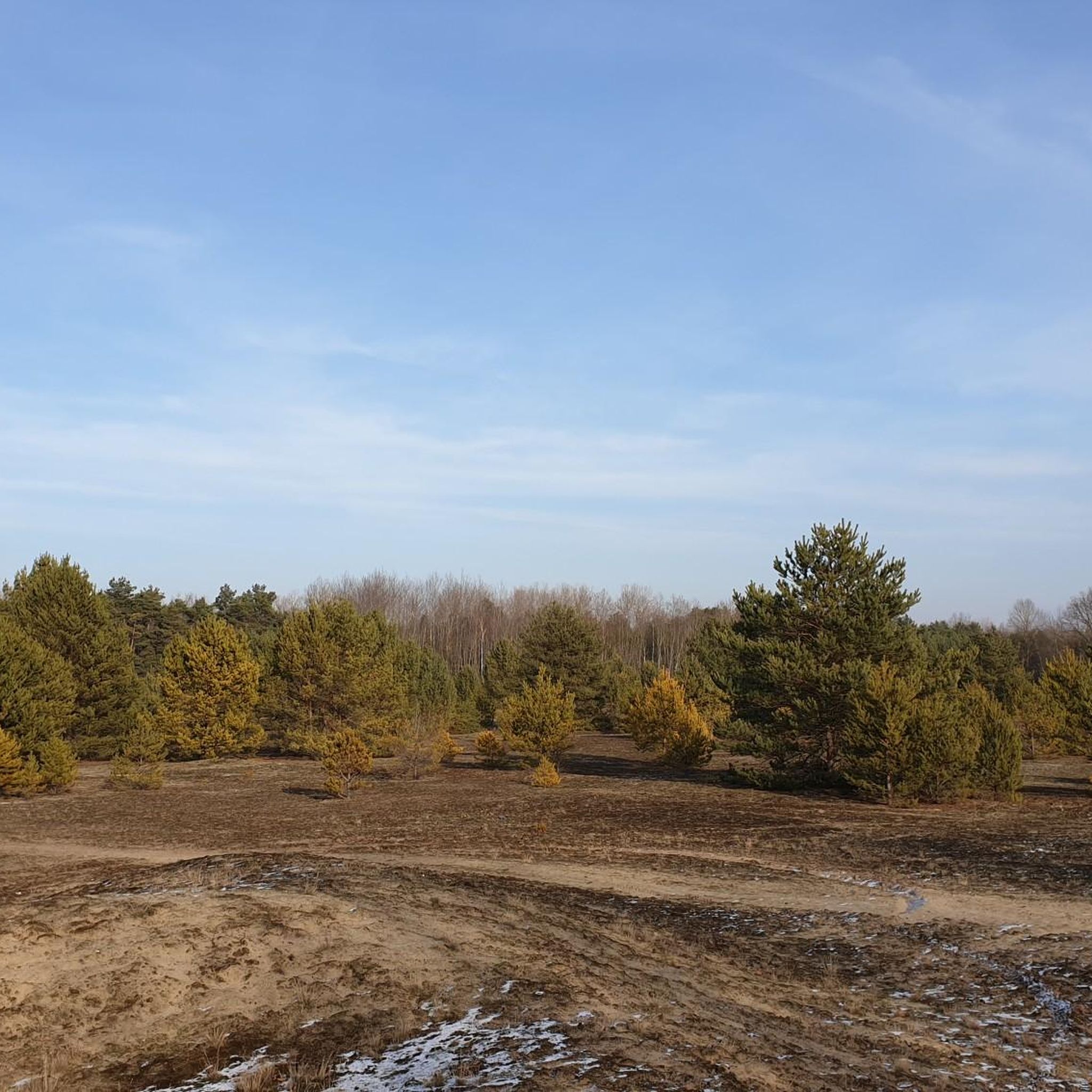
Hiking in Forst Zinna-Jüterbog-Keilberg offers diverse landscapes, including dense forests, picturesque waterways, and expansive heath and dry grassland areas. The region is characterized by unique natural features such as sand dunes and heathland, particularly within the Jüterbog Wilderness Area, which provides a "steppe and desert character." Hikers can explore a variety of terrains, from pioneer forests and wetlands to older forests, with vantage points like Keilberger Höhe offering panoramic views. The area also borders the Nuthe-Nieplitz Nature Park, further enhancing…
Last updated: June 28, 2026
4.5
(68)
241
hikers
Easy hike. Great for any fitness level. Easily-accessible paths. Suitable for all skill levels.
4.4
(10)
34
hikers
Moderate hike. Good fitness required. Easily-accessible paths. Suitable for all skill levels.

Sign up for free
10
hikers
Easy hike. Great for any fitness level. Easily-accessible paths. Suitable for all skill levels.
4.7
(38)
141
hikers
Easy hike. Great for any fitness level. Easily-accessible paths. Suitable for all skill levels.
2.5
(2)
11
hikers
8.45km
02:08
20m
20m
Moderate hike. Good fitness required. Easily-accessible paths. Suitable for all skill levels.
Get access to more routes and recommendations from other explorers.
Sign up for free
Already have an account?
Our route recommendations are based on thousands of hikes, rides, and runs completed by other people on komoot.
Start today with a free account
Your next adventure awaits.
Login or Signup
Popular around Forst Zinna-Jüterbog-Keilberg

Other adventures in Forst Zinna-Jüterbog-Keilberg

Tips from the Community

Beautifully idyllic gravel pit lake located on the former military training area. Pure relaxation and not far away is the small gravel pit lake, which almost reaches the roadside, but is hardly recognizable. The two lakes south of Frankenfelde were created in 2002 during dredging as a compensatory and replacement measure for the construction of the new B 101.
1
0
Three kilometers north of the Jüterbog district of Kloster Zinna is the former military area Forst Zinna, which is bordered on the east by the course of the Nuthe and on the west by the new federal highway 101 and the Berlin-Halle railway line. The former military training area Jüterbog (historical Jüterbog shooting range) extends to the west and beyond the railway line. In 1934, as part of German rearmament, another military camp was set up on the edge of the training area. In addition to the existing camps "Old Camp" and "New Camp", the new military area was given the name "Camp III" in chronological order. A provision store and a train station were installed next to the troop camp. Source https://www.rottenplaces.de/main/panzerkaserne-forst-zinna-34431/
3
0
... The Socialist Unity Party of Germany (SED) claimed from 1947 - according to a decision - some areas of the area for the founded German Administrative Academy (DVA) "Walter Ulbricht". This included cinema and theater halls, restaurant rooms, sports facilities in a pleasing architecture to ensure ideal academy conditions. The facility was intended to train the political elites for the gradual self-government of the Soviet occupation zone and the GDR, which was founded in 1949. Important artists were engaged for the academy and the expansion of the facility, including the Yugoslavian architect Selman Selmanagić (1905-1986), a representative of the Dessau Bauhaus, who designed the furniture for the administration academy in Forst Zinna in 1947. After the administration academy moved to Potsdam-Babelsberg, the Soviet army claimed the area again and built a new facility for a construction battalion. A self-sufficient military area was created, with several administration buildings, farm buildings, a cinema and a zoo. Although Forst Zinna still has numerous buildings on a huge area, most of the military installations and buildings were already removed as part of the conversion. In 2007, demolition work began on the site. In the future, there are plans to completely unseal the area and renaturalize it – potential commercial areas should be kept free. The former provision store from the Wehrmacht era – consisting of two storage buildings, a warehouse, a gatehouse and a residential building – is a listed building. Source http://www.rottenplaces.de/main/panzerkaserne-forst-zinna-34431/
1
1
Three kilometers north of the Jüterbog district of Kloster Zinna is the former military area Forst Zinna, which is bordered on the east by the course of the Nuthe and on the west by the new federal highway 101 and the Berlin-Halle railway line. The former military training area Jüterbog (historical Jüterbog shooting range) extends to the west and beyond the railway line. In 1934, as part of German rearmament, another military camp was set up on the edge of the training area. In addition to the existing camps "Old Camp" and "New Camp", the new military area was given the name "Camp III" in chronological order. A provision store and a train station were installed next to the troop camp. According to several sources, the Schutzstaffel (SS) was the first user of the area. The Jüterbog artillery school used the camp to set up observation departments for the artillery troops from 1935. The Lehrstab T, which trained drivers for tracked vehicles, was also stationed here from 1949. "Lager III" was supplemented by a preparation department for the assault gun developed in Jüterbog (full-track armored vehicles of the assault artillery equipped with an artillery gun). Until the end of the Nazi dictatorship, parts of the RAD Infantry Division "Friedrich Ludwig Jahn" stationed in Jüterbog were quartered on the site. After the end of the Second World War, the Soviet occupying power operated a DP camp (DP = Displaced Persons) on the former Wehrmacht military premises, an internment camp in which members of different countries were collected, often against their will, and then deported to their countries of origin... Source http://www.rottenplaces.de/main/panzerkaserne-forst-zinna-34431/
1
0
The source of the Pfefferfliess is approx. 100 m away
0
0

You need to be in good physical condition to get here, because the sandy path to get there is very strenuous. But once you get there, the view is rewarding and the silence is glorious. There are no benches to rest, take enough water with you.
0
0

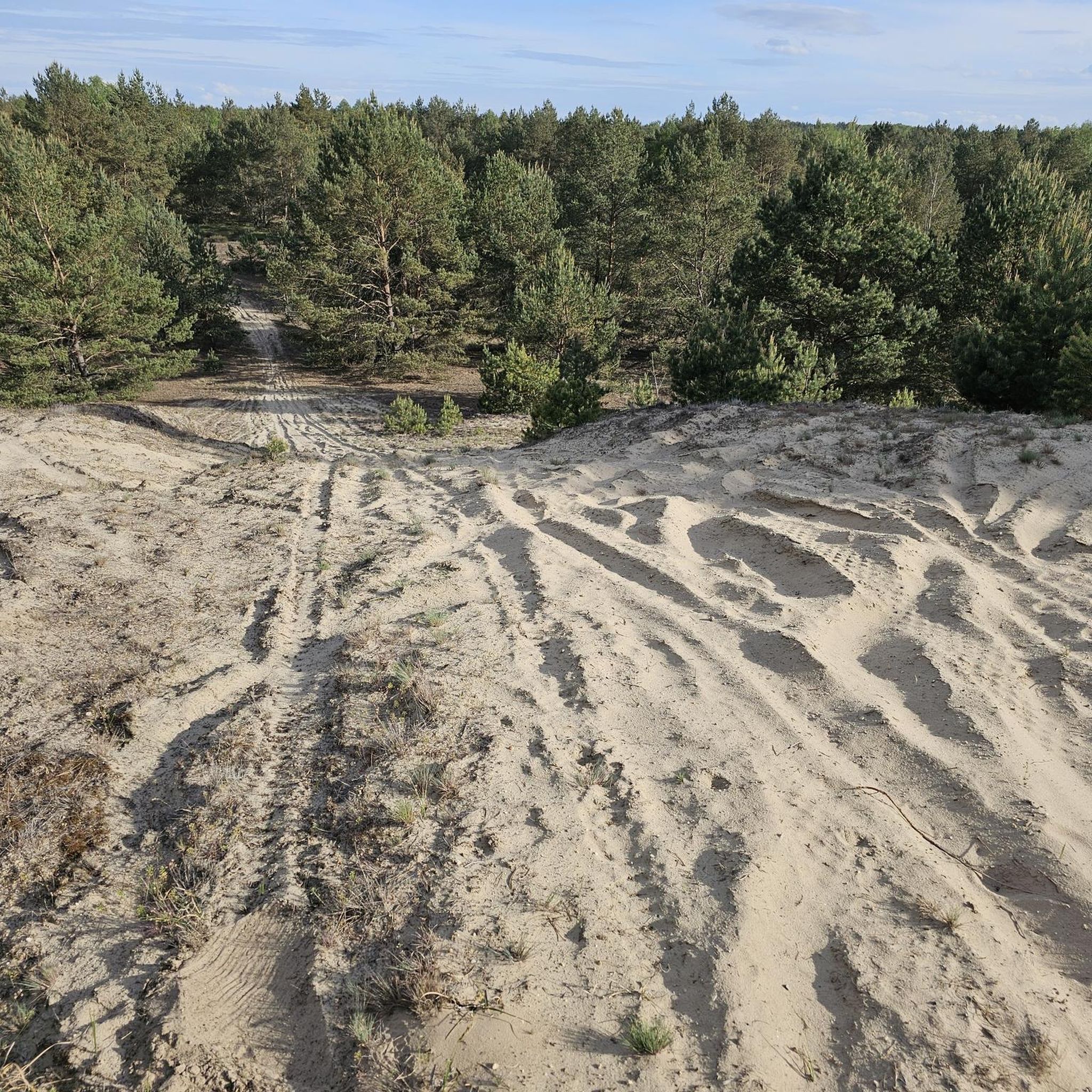
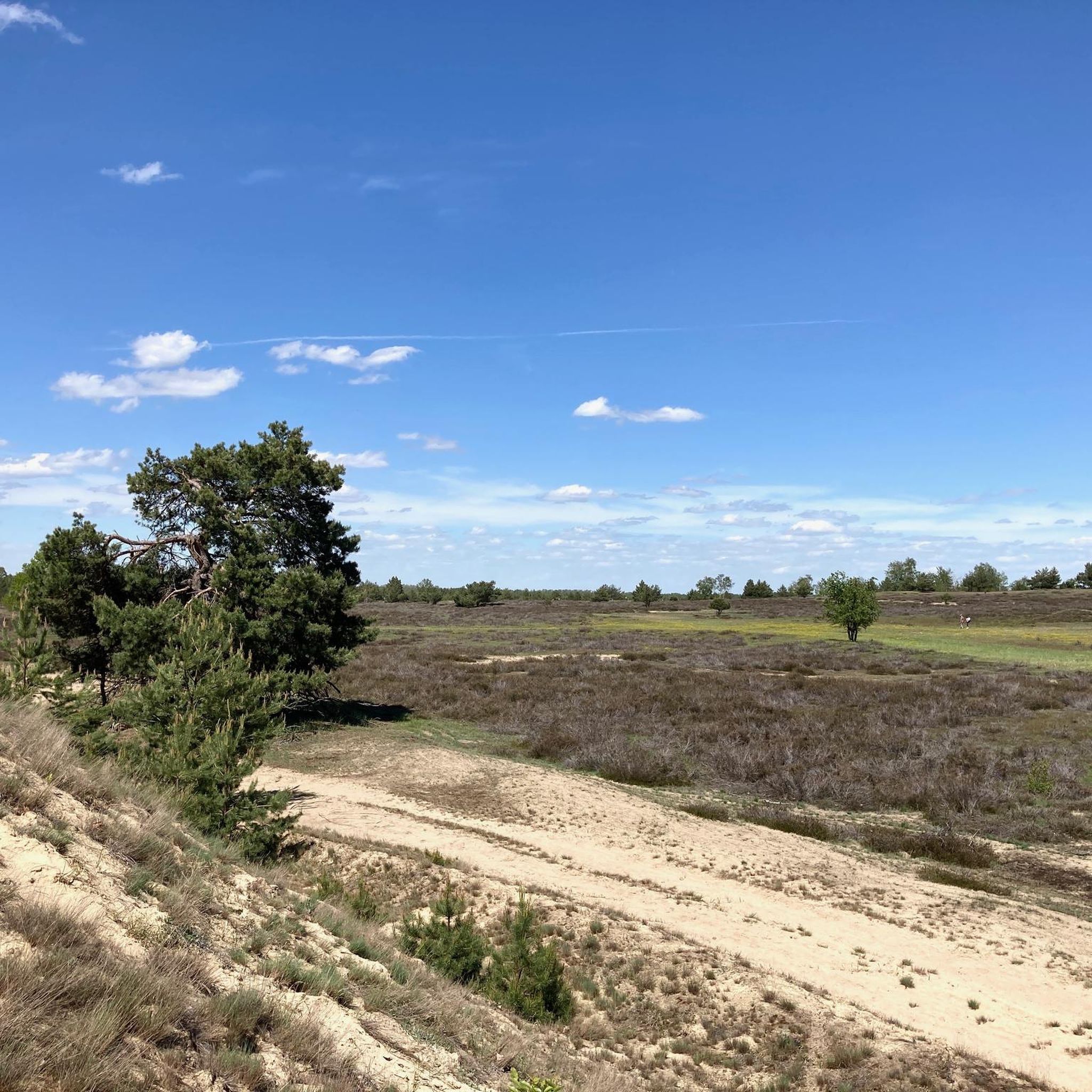
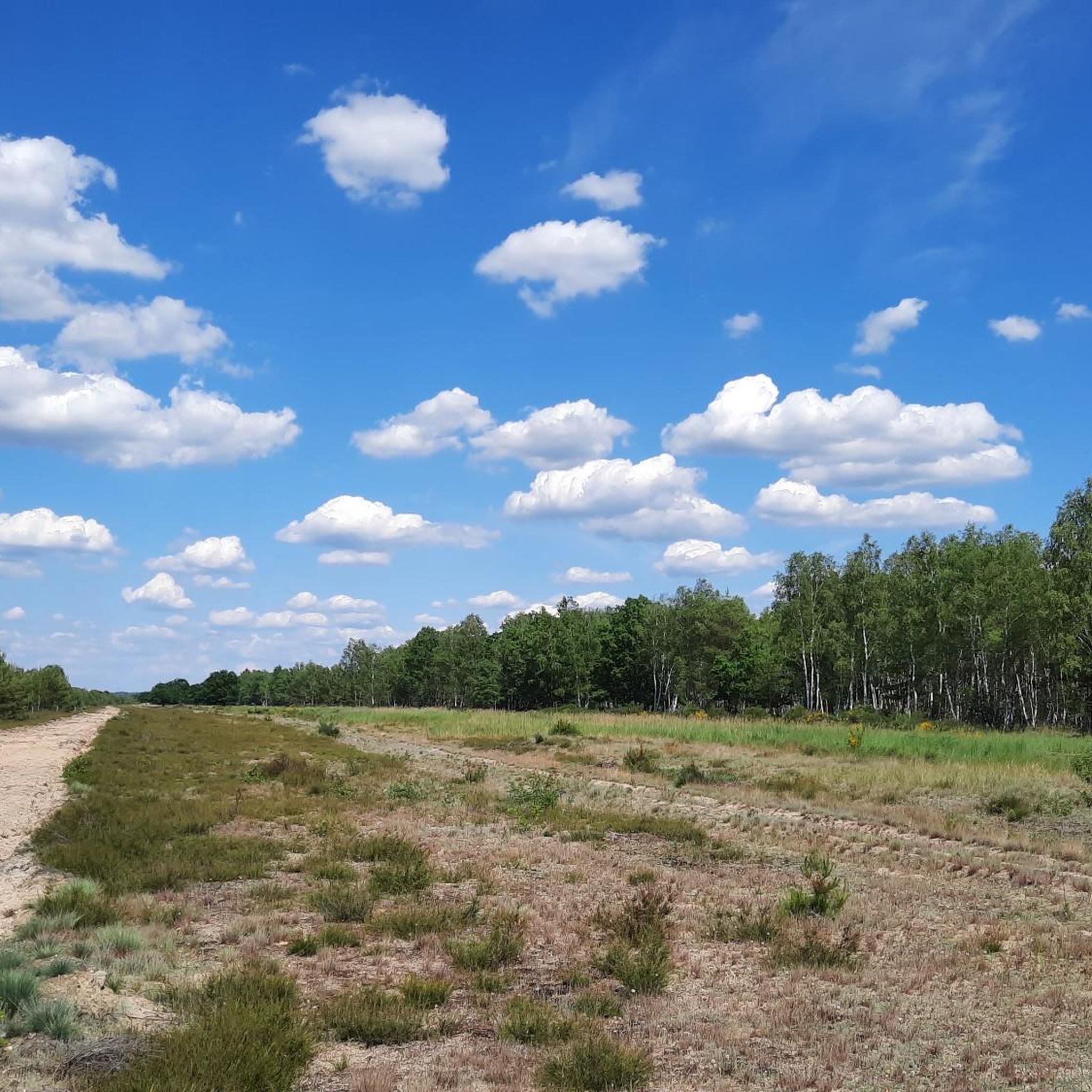
The Jüterbog Wilderness Area was used for military purposes for over 150 years. What remained was a huge, contiguous area that is uninhabited and without roads. Today it is a nature reserve and offers a habitat for rare species such as wolves, Bechstein's bats, and hoopoes. The landscape diversity in the wilderness area ranges from sand dunes, heathland, and pioneer forests in the central area to wetlands and older forests in the peripheral zones. On this trail, you can discover how nature can develop dynamically without human intervention. The sparse sandy soils are prepared by grasses, mosses, and lichens. Gradually, heathland spreads over the barren ground, providing a habitat for many rare insect and bird species. Without further disturbance, a semi-open landscape can develop, and it doesn't take long for the first small pioneer trees to settle among the heathland. Over the years, the trees grow steadily larger, so that the primeval forests of tomorrow are slowly developing in the wilderness area. In the wilderness areas, development is never complete. Storms, for example, create open spaces in different places, where natural growth begins anew. This is what constitutes the special character of wilderness.
1
0
Frequently Asked Questions
How many hiking trails are available in Forst Zinna-Jüterbog-Keilberg?
Forst Zinna-Jüterbog-Keilberg offers a wide variety of hiking experiences, with over 630 routes available. These trails cater to all skill levels, from easy strolls to more challenging excursions.
What kind of terrain can I expect when hiking in Forst Zinna-Jüterbog-Keilberg?
The region boasts a remarkably diverse landscape. You'll encounter dense forests, picturesque waterways, and expansive heath and dry grassland areas. A unique feature is the presence of sand dunes and heathland, particularly within the Jüterbog Wilderness Area, which offers a distinctive "steppe and desert character." You can also explore pioneer forests, wetlands, and older forests.
Are there any easy or family-friendly hiking options?
Yes, the area is well-suited for families and those seeking easier walks. There are over 350 easy routes available. For example, The hiking trail Wurzelberg - experience the wilderness area Jüterbog is an easy 4.6-mile trail that allows you to explore the unique wilderness area, including an actively migrating inland dune. Another great option is The Felgentreu circular hiking trail - experience the Jüterbog wilderness area, which is 3.8 miles long and leads through varied natural features.
Can I bring my dog on the trails in Forst Zinna-Jüterbog-Keilberg?
Many trails in Forst Zinna-Jüterbog-Keilberg are dog-friendly, allowing you to enjoy the diverse landscapes with your canine companion. However, as much of the area is a protected nature reserve, it's always recommended to keep dogs on a leash to protect local wildlife and ensure a pleasant experience for all hikers. Check individual route details on komoot for specific restrictions or recommendations.
Are there circular hiking routes available in the region?
Yes, circular routes are a popular way to explore the area. A notable option is The Frankenförde circular hiking trail - experience the Jüterbog wilderness area, a moderate 6.7-mile path that offers an immersive experience through the diverse landscapes of the Jüterbog wilderness. The nearby Nuthe-Nieplitz Nature Park also features circular hiking trails through forests and along waterways.
What unique natural features can I see while hiking?
The region is rich in unique natural features. You can discover one of Europe's last actively migrating inland dunes, accessible via the Wurzelberg hiking trail, which also features a viewing platform. The Jüterbog Wilderness Area, a former military training ground, is now a protected nature reserve with sand dunes, heathland, pioneer forests, and wetlands. You might also spot rare species like wolves, Bechstein's bats, and hoopoes.
Are there any specific viewpoints or panoramic spots?
Yes, for rewarding panoramic vistas, you can head to the Keilberger Höhe, which offers fantastic views over the surrounding countryside. Additionally, the Wurzelberg hiking trail provides access to a viewing platform overlooking the unique inland dunes. The Keilberg rest area is also a great spot for views.
What are some interesting landmarks or attractions to see along the trails?
Beyond the natural beauty, you can explore several interesting points. The Wandering dune in Naturpark Nuthe-Nieplitz is a must-see natural monument. You can also visit the Heathland near Jüterbog or the Relief at Wurzelberg. The Entrance to the Jüterbog Wilderness Area (Wurzelberg Trail) marks the beginning of a fascinating exploration into this unique landscape.
Is parking available near the trailheads?
Yes, parking facilities are generally available near popular trailheads and access points to the hiking areas in Forst Zinna-Jüterbog-Keilberg. Specific parking information can often be found in the details of individual komoot tours, helping you plan your starting point effectively.
What do other hikers enjoy the most about hiking in Forst Zinna-Jüterbog-Keilberg?
The area is highly rated by the komoot community, with an average score of 4.5 stars from over 1100 reviews. Reviewers often praise the unique blend of natural environments, particularly the sand dunes and heathland, as well as the well-signposted paths and the sense of wilderness in the former military training areas. The diverse trails catering to all ability levels are also frequently highlighted.
What is the best time of year to go hiking in Forst Zinna-Jüterbog-Keilberg?
Forst Zinna-Jüterbog-Keilberg offers enjoyable hiking experiences throughout the year. Spring brings blooming heathland and fresh forest greens, while autumn showcases vibrant foliage. Summer is ideal for longer days, though some areas can be exposed. Even winter hiking is possible, offering a serene and unique perspective on the landscape, especially in the quiet wilderness areas.
Most popular routes in Forst Zinna-Jüterbog-Keilberg
Most popular attractions in Forst Zinna-Jüterbog-Keilberg

Get inspired with the komoot mobile app


Explore more
Browse the best Hikes in other regions.
