The best cycling routes in Klebitz-Rahnsdorfer Feldsölle
4.5
(188)
632
riders
85
rides
Touring cycling routes in Klebitz-Rahnsdorfer Feldsölle traverse a distinctive natural environment characterized by "Feldsölle," which are small, often temporary bodies of water situated amidst agricultural fields. This area, designated as a Natura 2000 site, is known for its flat terrain, making it accessible for various cycling abilities. The region connects to the Elbe Cycle Path, offering extended routes through Elbe floodplains and natural meadow landscapes. Cyclists can expect peaceful rides through rural settings, observing the interplay between agriculture and protected…
Last updated: June 27, 2026
5.0
(8)
28
riders
34.2km
02:03
120m
120m
Moderate bike ride. Good fitness required. Mostly paved surfaces. Suitable for all skill levels.
5.0
(1)
7
riders
12.4km
00:42
40m
40m
Easy bike ride. Great for any fitness level. Mostly paved surfaces. Suitable for all skill levels.

Sign up for free
8
riders
11.7km
00:40
30m
30m
Easy bike ride. Great for any fitness level. Mostly paved surfaces. Suitable for all skill levels.
5.0
(1)
5
riders
Easy bike ride. Great for any fitness level. Mostly paved surfaces. Suitable for all skill levels.
5.0
(2)
6
riders
23.3km
01:21
80m
80m
Hard bike ride. Great for any fitness level. You may need to push your bike for some segments of this route.
Get access to more routes and recommendations from other explorers.
Sign up for free
Already have an account?
Our route recommendations are based on thousands of hikes, rides, and runs completed by other people on komoot.
Start today with a free account
Your next adventure awaits.
Login or Signup
Tips from the Community

The St. Mary's Church (Sankt-Marien-Kirche) in Zahna is a protected cultural monument with a history dating back to around 1200. Some of its original structures, including the transept, chancel square, and tower foundation, have been preserved. 🏛️ Historical Highlights: Thirty Years' War: The church suffered partial destruction. Post-War Reconstruction: A simplified rebuild followed, altering the medieval layout. 💡 Did you know? Originally designed with side aisles and additional apses, parts of the medieval structure were lost over time, reshaping its architectural form. 📜 Heritage Status: Listed as a monument in Saxony-Anhalt, this church remains an important piece of local history
0
0
Founded in 1336 by Duke Rudolf I of Saxony-Wittenberg, the Hospital of the Holy Spirit is a historic cultural monument in Zahna. Originally built as a care institution, the hospital faced multiple reconstructions due to fires, particularly in 1547 and 1637 during times of conflict. 🏛️ Architectural Highlights: 1754: The current Bohemian Baroque-style hospital building was constructed. 1878: A collegiate chapel was added. 1906-1907: The institution was expanded to its present form. 💡 Did you know? This site once served as a nursing home, continuing its charitable mission until 1997. Today, the foundation upholds its legacy of elderly care. 📜 Heritage Status: Registered as a monument of Saxony-Anhalt (No. 094 36087), with the chapel designated as a sub-object
0
0

Since June 2024, instead of the obligatory Ratskeller, the Café im Ratshaus has been located in the town hall. Here you can get small snacks, coffee, ice cream and cake.
0
0
This is the church of St. Mary in Zahna.
0
0

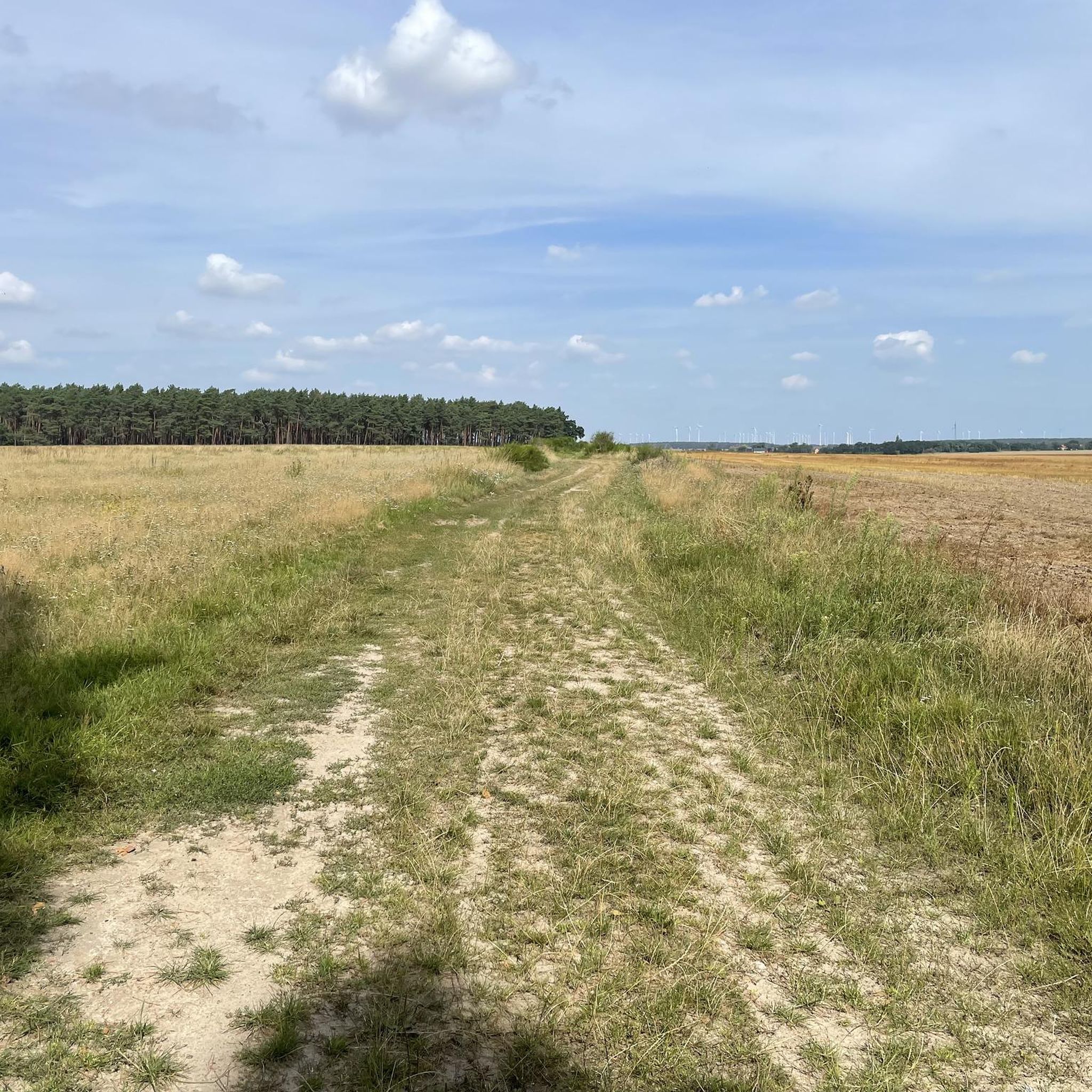
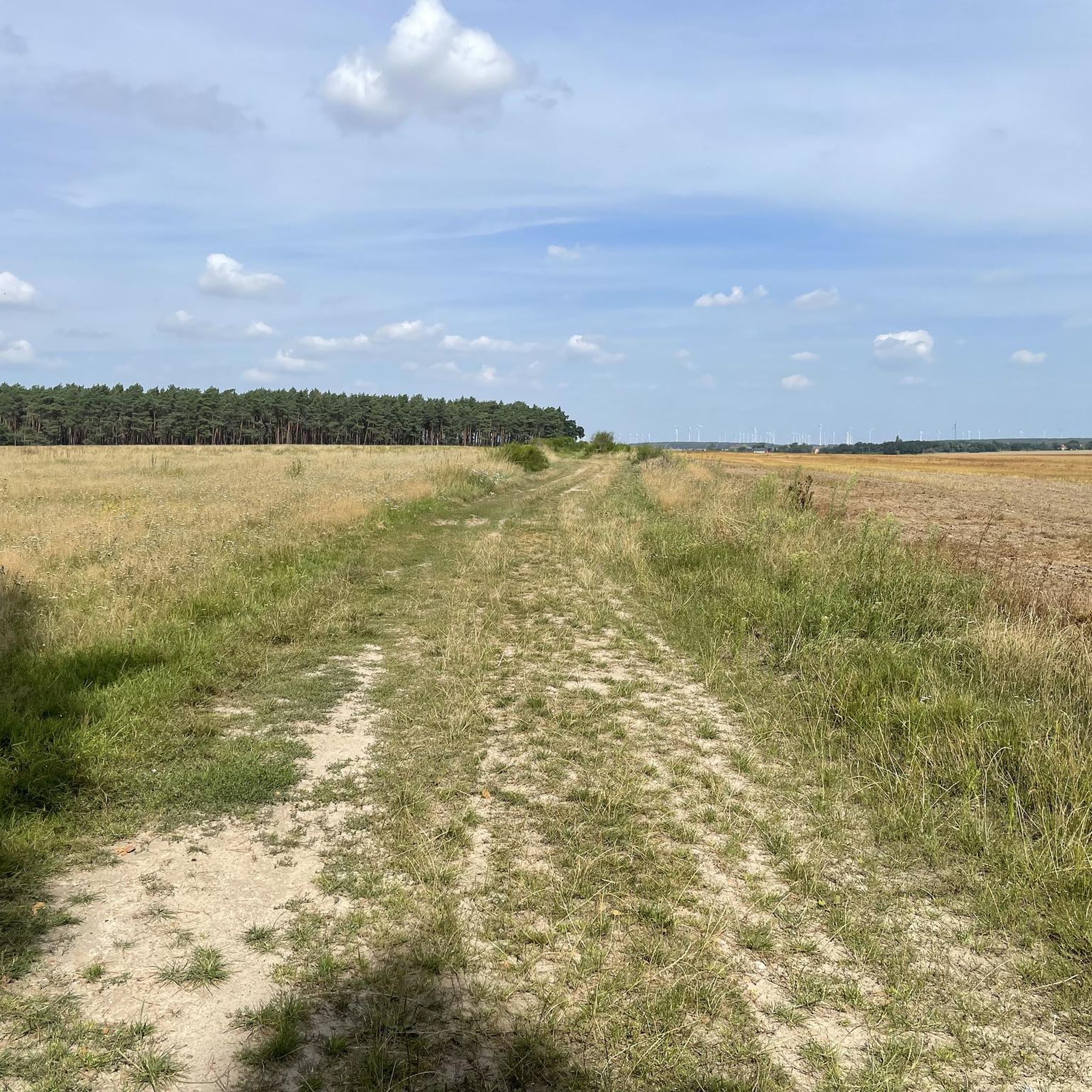
From Jüterbog to Zahna it was a beautiful and relaxed tour without any car traffic, mostly on very well paved cycle paths and cycle roads through stunningly beautiful landscapes. Unfortunately, the last third of the route led over a busy road without a cycle path, where cars drove past us at 100 km/h.
0
0

Soft ice cream and coffee available Tuesday to Sunday ☕️
0
0

The Luther House was built in 1504 as an Augustinian monastery. At that time it was still known as the "Black Monastery", the name alluding to the color of the Augustinian monks' robes. Martin Luther also lived here as a monk from 1508. During the Reformation the monastery was dissolved. Luther was given ownership of the house in 1532 and lived there with his family and his wife Katharina von Bora. After Luther's death the Leucorea University took over the building and converted it into a scholarship house. The front building, built in the mid-1580s, was named the Augusteum in memory of the university's patron, August I of Saxony. In 1844 the Luther House was completely renovated by Friedrich August Stüler over a period of 30 years. Until 1937 there was a Luther school on the ground floor of the house, and in 1883 the first rooms were used for museum purposes. The Augusteum of the Leucorea is now used as the central location of the Luther Museums for the presentation of special exhibitions. The Luther House has been a UNESCO World Heritage Site since 1996. Source https://lutherstadt-wittenberg.de/sehen-entdecken/sehenswuerdigkeiten/lutherhaus
5
0

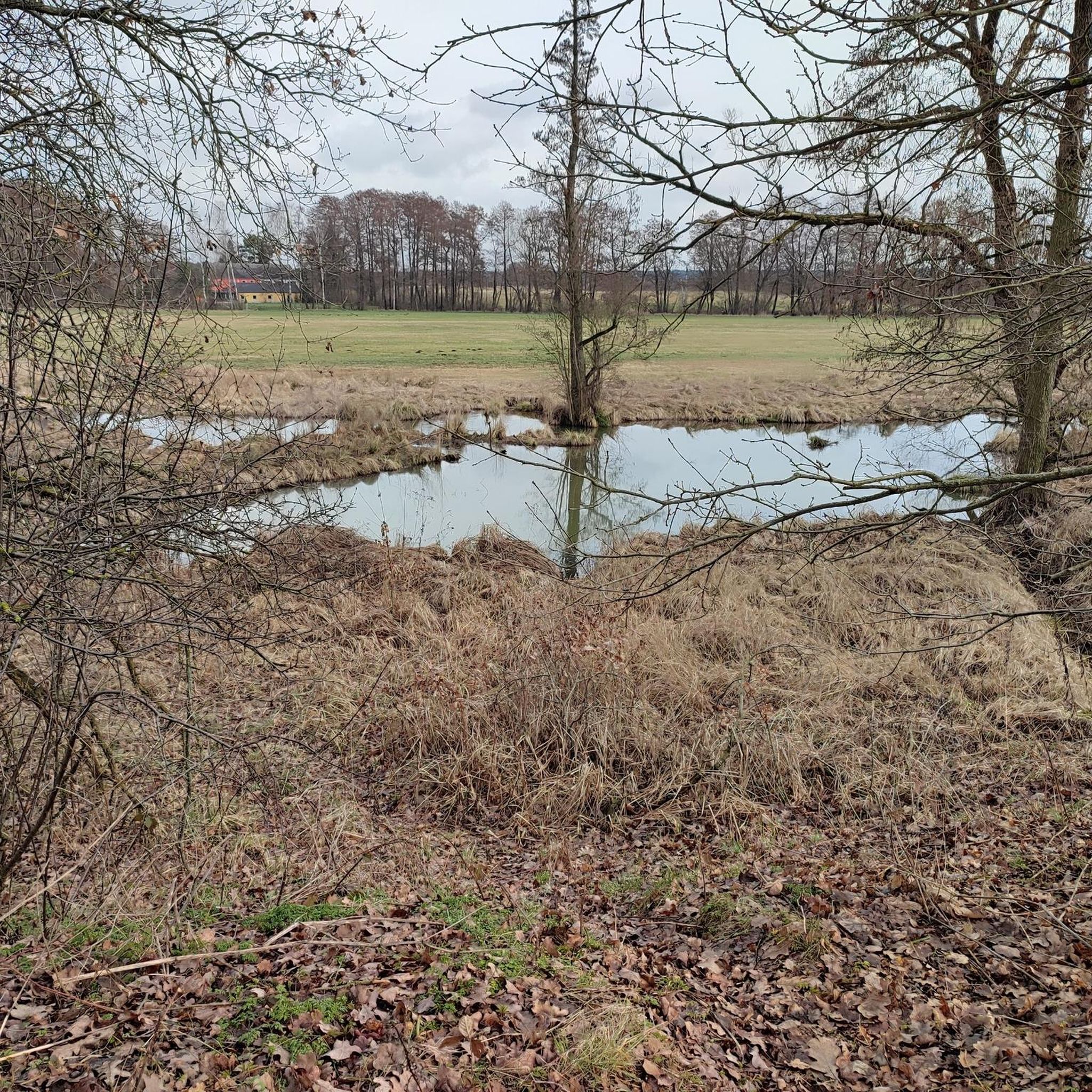
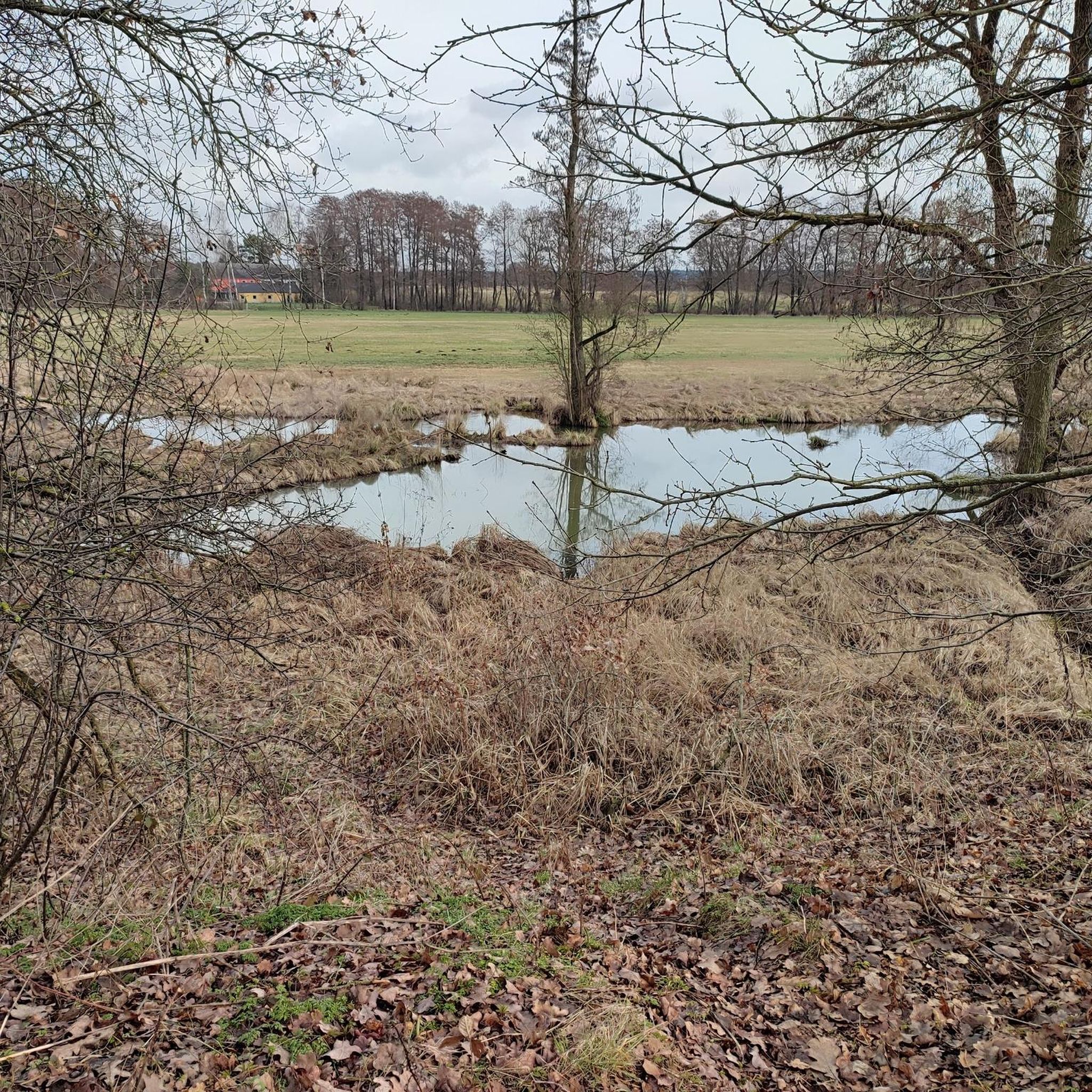
Cozy pond with a bench to take a break
0
1
Frequently Asked Questions
How many touring cycling routes are available in Klebitz-Rahnsdorfer Feldsölle?
There are over 80 touring cycling routes in Klebitz-Rahnsdorfer Feldsölle, offering a variety of options for different skill levels and preferences. You'll find a good mix of easy, moderate, and difficult trails.
What is the terrain like for touring cyclists in this region?
The terrain in Klebitz-Rahnsdorfer Feldsölle is largely flat, making it accessible for cyclists of varying fitness levels. The routes feature mostly good road surfaces, traversing expansive agricultural fields and unique natural meadow landscapes. This area is also connected to the renowned Elbe Cycle Path, known for its gentle gradients.
Are there easy touring cycling routes suitable for beginners or families?
Yes, Klebitz-Rahnsdorfer Feldsölle offers numerous easy touring cycling routes perfect for beginners and families. For instance, the Rahnsdorf Oil Mill loop from Rahnsdorf is an easy 8.0-mile (12.9 km) path that provides a pleasant ride through the rural landscape, featuring the distinctive Feldsölle and agricultural fields.
Can I find circular touring routes in Klebitz-Rahnsdorfer Feldsölle?
Many of the touring cycling routes in Klebitz-Rahnsdorfer Feldsölle are designed as loops, allowing you to start and end at the same point. An example is the St. Mary's Church (Zahna) – Zahna Town Hall loop from Rahnsdorf, an easy 7.3-mile (11.7 km) trail that takes you through agricultural fields and local villages.
What natural features or landmarks can I expect to see while cycling?
While cycling in Klebitz-Rahnsdorfer Feldsölle, you'll encounter the region's distinctive "Feldsölle" – small, often temporary bodies of water nestled amidst agricultural fields. These are crucial habitats for various amphibian species. The area is also a Natura 2000 site, highlighting its ecological significance. You'll experience peaceful rides through rural settings, observing the interplay between agriculture and protected wetlands. The Bülzig Sculpture Park – Luther House, Wittenberg loop from Rahnsdorf also connects you to historical sites in Lutherstadt Wittenberg.
Are there any longer touring routes for experienced cyclists?
Yes, for more experienced cyclists looking for a longer ride, the region offers routes that connect to the broader Elbe Cycle Path. The Bülzig Sculpture Park – Luther House, Wittenberg loop from Rahnsdorf is a moderate 21.4-mile (34.5 km) route that provides a good challenge and connects to Lutherstadt Wittenberg.
What is the best time of year to go touring cycling here?
The region is generally pleasant for touring cycling from spring through autumn. The largely flat terrain and good road surfaces make it enjoyable in milder weather. Spring and early summer are ideal for observing the natural features, including the Feldsölle and their amphibian inhabitants, while autumn offers beautiful rural scenery.
Where can I find refreshments or places to rest along the routes?
Along the cycling paths in and around Klebitz-Rahnsdorfer Feldsölle, you can find places for refreshments and breaks. The "Gasthaus Zum Schiffchen" is one such recommended spot. Additionally, routes that connect to Lutherstadt Wittenberg or pass through local villages like those on the Foundation of the Holy Spirit Zahna – Zahna Farm Museum loop from Rahnsdorf will offer more options for stops.
How can I get to the starting points of the cycling routes using public transport?
Given the region's proximity to Lutherstadt Wittenberg and its connection to the Elbe Cycle Path, public transport options are generally available to reach the wider area. For specific starting points within Klebitz-Rahnsdorfer Feldsölle, it's advisable to check local bus or train schedules connecting to villages like Rahnsdorf or Zahna, which serve as common starting points for many routes.
What do other touring cyclists enjoy most about touring cycling in Klebitz-Rahnsdorfer Feldsölle?
The touring cycling routes in Klebitz-Rahnsdorfer Feldsölle are highly rated by the komoot community, with an average score of 4.5 stars from over 200 reviews. Cyclists often praise the peaceful rides through rural settings, the unique natural environment of the Feldsölle, and the well-maintained road surfaces. The connection to the Elbe Cycle Path and the accessibility of the flat terrain are also frequently highlighted.
Are there any challenging routes for advanced touring cyclists?
While much of the region is flat, there are routes that offer a more challenging experience. For instance, the St. Mary's Church (Zahna) – Zahna Town Hall loop from Wergzahna is a difficult 23.1-mile (37.2 km) route that provides a longer and more demanding ride for advanced touring cyclists.
Most popular routes in Klebitz-Rahnsdorfer Feldsölle

Get inspired with the komoot mobile app


Explore more
Browse the best Cycling routes in other regions.
