The best cycling routes in Großer Streng
4.5
(2552)
11,612
riders
179
rides
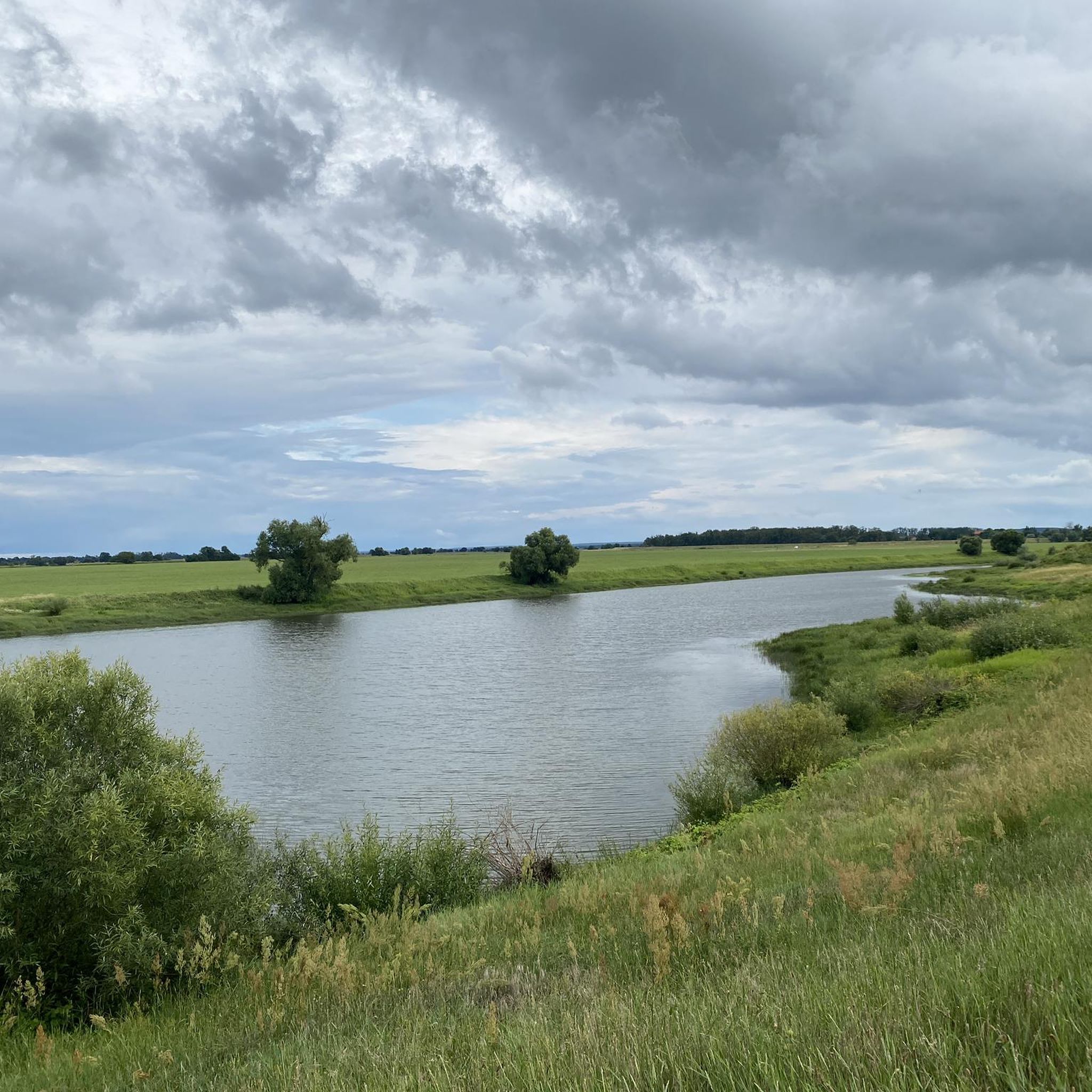
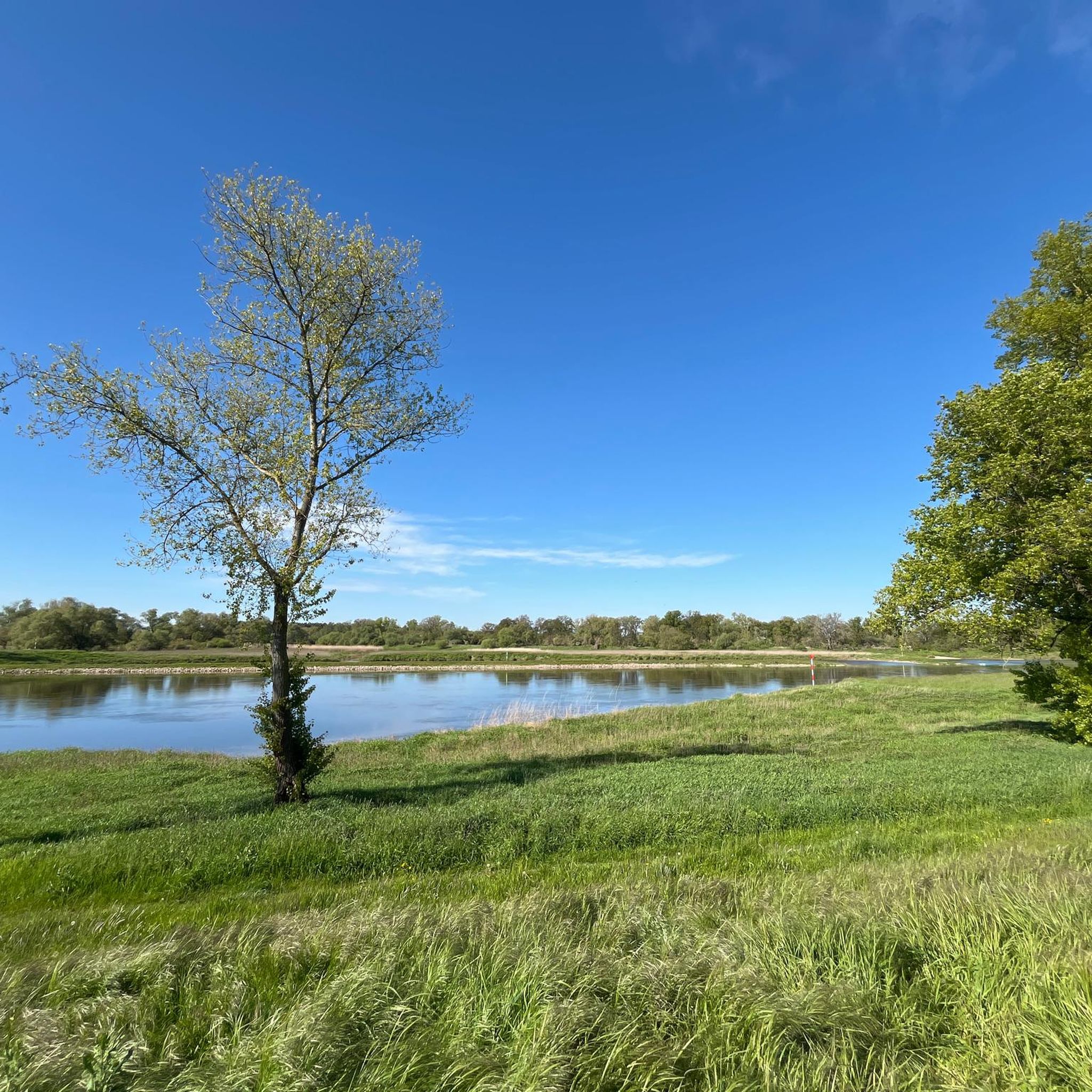
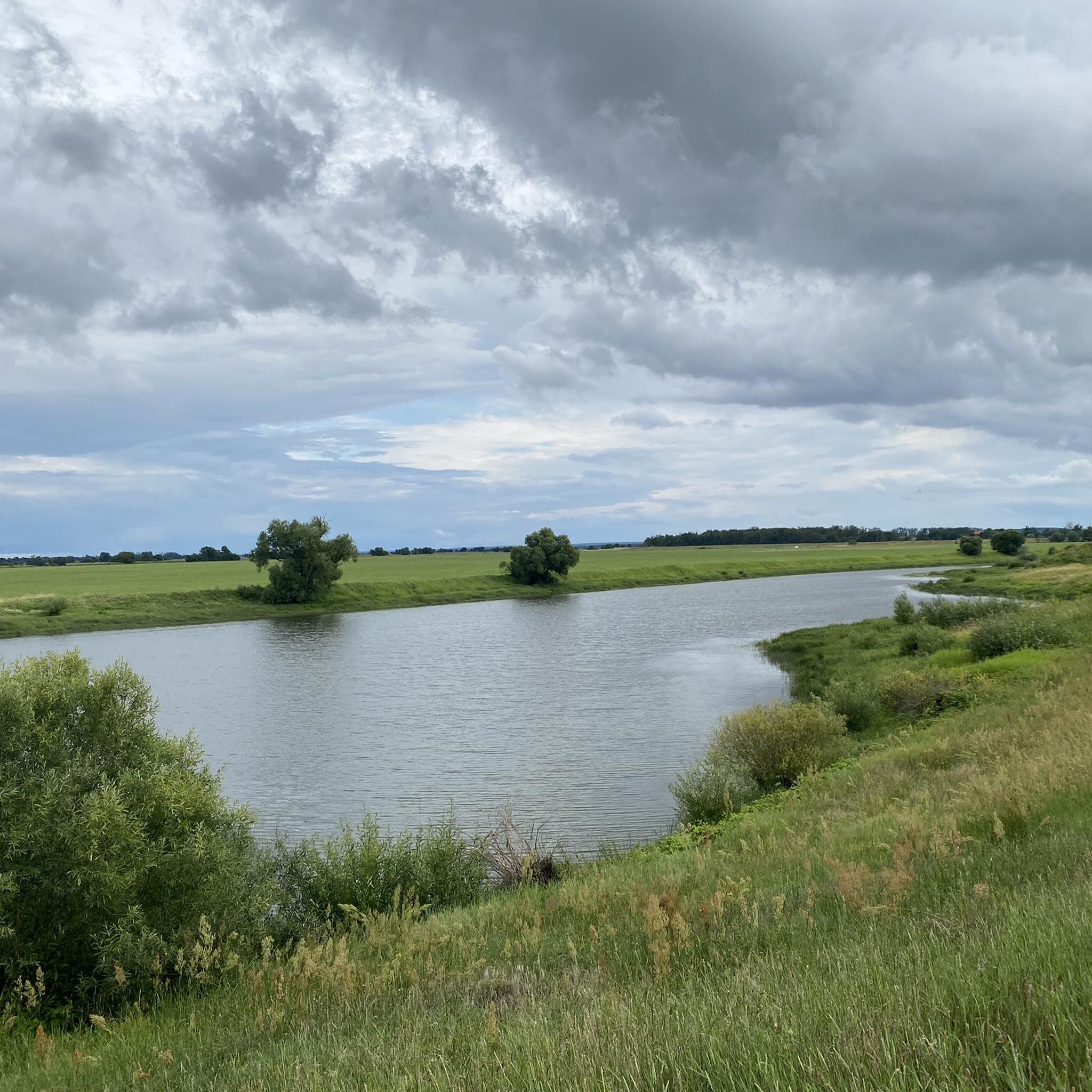
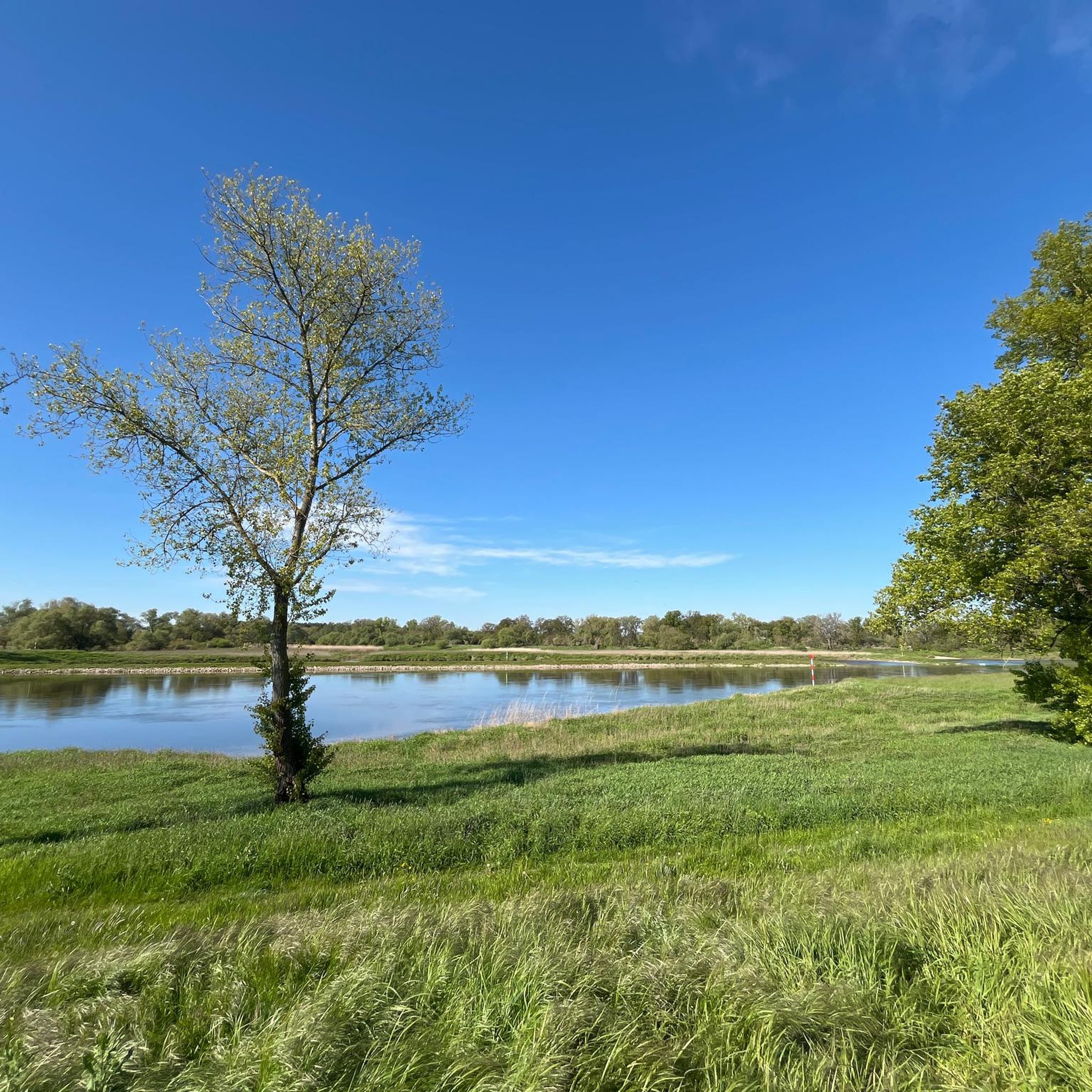
Touring cycling in Großer Streng, located in Saxony-Anhalt, Germany, is characterized by its flat Elbe floodplain landscape. The region features an open terrain with several oxbow lakes, such as the Alte Elbe, and extensive grasslands. Near Wartenburg, inland dunes, including the Fuchsberg hill at 77.2 meters, offer a slight elevation contrast to the otherwise level ground. This topography makes the area highly suitable for touring cycling.
Best touring cycling routes in Großer Streng
- The most popular touring cycling route is…
Last updated: June 27, 2026
3.0
(1)
4
riders
19.3km
01:07
40m
40m
Easy bike ride. Great for any fitness level. Mostly paved surfaces. Suitable for all skill levels.
4.3
(3)
36
riders
Easy bike ride. Great for any fitness level. Mostly paved surfaces. Suitable for all skill levels.

Sign up for free
3
riders
17.7km
01:18
10m
10m
Hard bike ride. Great for any fitness level. You may need to push your bike for some segments of this route.
4.0
(2)
3
riders
11.6km
00:44
10m
10m
Hard bike ride. Great for any fitness level. You may need to push your bike for some segments of this route.
4.5
(4)
9
riders
15.1km
00:54
10m
10m
Easy bike ride. Great for any fitness level. Mostly paved surfaces. Suitable for all skill levels.
Get access to more routes and recommendations from other explorers.
Sign up for free
Already have an account?
Our route recommendations are based on thousands of hikes, rides, and runs completed by other people on komoot.
Start today with a free account
Your next adventure awaits.
Login or Signup
Tips from the Community

The church and the estate across the street were filming locations for the four-part series "Liebesau" (2002). Many other filming locations are in the area, including Bösewig, Trebitz, and Gommlo. (https://de.wikipedia.org/wiki/Liebesau_%E2%80%93_Die_andere_Heimat)
0
0

Church History 13th century: Construction of the first church in Wartenburg. 1727: The church tower was built with a square base, octagonal top, and a triple-bulged spire and lantern in the Baroque style. This tower is considered a masterpiece of Baroque sacred architecture in the Wittenberg district. 1875: Due to dilapidation, the old church was demolished. A neo-Gothic brick building was built in its place and consecrated in 1876. Architecture and Furnishings Church tower: Baroque tower from 1727 with an octagonal top and lantern. Nave: Neo-Gothic brick building from 1875/76. Interior: Baptismal font with shell and coat of arms reliefs. Two portraits of pastors. Three bells in the tower, including a medieval bronze bell with reliefs from the 13th or 14th century. Horseshoe gallery. Organ by Nicolaus Schrickel, inaugurated in 1875.
0
0
History of Wartenburg Castle The castle's origins date back to the 11th century. The village was first documented as "Wardenberch" in 1176. In 1603, a Renaissance castle was built on the remains of the old castle. In 1748, Count Friedrich Wilhelm von Brühl acquired the castle and had it rebuilt into a fort-like, Baroque four-wing complex. During the Wars of Liberation, Wartenburg Castle served as the headquarters of the Silesian Army under Field Marshal Blücher from October 3 to 5, 1813. The Battle of Wartenburg was decisive in Napoleon's eventual defeat. In 1921, the north wing of the castle was demolished. After the Second World War, the castle was nationalized by the Soviet occupying forces. In 1947, a reformatory was established there. Since 1994, the castle has been operated by the Evangelical Youth and Welfare Association (EJF) and serves as a child and youth welfare facility. Today, Wartenburg Castle is not a tourist attraction. It serves as a child and youth welfare facility, where children and young people are cared for. However, small-scale tours of the castle are possible for pre-arranged groups. Sights in the Surrounding Area Evangelical Church of St. Peter: The first church in Wartenburg was built in the 13th century. In 1875, it was demolished due to dilapidation and replaced by a new Gothic brick building in 1876. Brühl's Garden House: In 1748, Count Friedrich Wilhelm von Brühl had a garden house built in the castle garden. After 1945, it was converted into a boiler house and fell into disrepair. In the 1990s, the remains were salvaged and re-erected opposite the church. Memorial to the Battle of Wartenburg: A memorial was erected in 1913 to mark the 100th anniversary of the battle. It was demolished in the early 1960s and replaced by a memorial stone in 1963.
0
0

Paved. Unfortunately, parts of it are right next to a road.
0
0

Iserbegka is an idyllic district of Zahna-Elster near Lutherstadt Wittenberge in Saxony-Anhalt, nestled in the Elbe floodplains near the Elbe River. Its tranquil location makes it an ideal destination for those seeking relaxation and cycling along the Elbe Cycle Path.
1
0

This is a bicycle repair shop, by the way. But the opening hours weren't posted on the door...
0
0

Cozy pond with a bench to take a break
0
1
Frequently Asked Questions
What kind of landscape can I expect when touring cycling in Großer Streng?
Großer Streng is characterized by its flat Elbe floodplain landscape. You'll cycle through open terrain, past several oxbow lakes like the Alte Elbe, and extensive grasslands. Near Wartenburg, you might encounter inland dunes, with the Fuchsberg hill offering a slight elevation contrast to the otherwise level ground. This unique environment is part of a protected area, making it ideal for nature observation.
How many touring cycling routes are available in Großer Streng?
There are over 180 touring cycling routes available in Großer Streng, catering to various preferences and skill levels. The komoot community has explored this diverse terrain over 11,000 times.
What is the general difficulty level of touring cycling routes in Großer Streng?
The routes in Großer Streng offer a range of difficulties. You'll find over 100 easy routes, around 48 moderate routes, and about 32 more difficult options, ensuring there's something for every cyclist.
Are there easy touring cycling routes suitable for beginners or leisurely rides?
Yes, Großer Streng is very well-suited for easy rides due to its flat topography. For example, the Elster Post Mill (Elbe) – View of the Elbe loop from Elster (Elbe) is an easy 6.0-mile (9.6 km) path that follows the Elbe, providing scenic river views. Another great option is the Elberadweg loop from Wittenberg, an easy 15.1-mile (24.3 km) route.
Are there more challenging touring cycling routes in Großer Streng?
While much of the region is flat, there are routes classified as difficult for those seeking more of a challenge. An example is the Wartenburg Castle – Alte Elbe Near Bleddin loop from Wartenburg, an 11.0-mile (17.7 km) trail that leads through oxbow lakes and grasslands.
Are there any circular touring cycling routes in Großer Streng?
Yes, many routes in Großer Streng are designed as loops, allowing you to start and end at the same point. Popular circular routes include the Bülziger Pond – Schloss Bülzig loop from Mühlanger, which is 12.0 miles (19.3 km), and the Alte Elbe Near Bleddin – Wartenburg Castle loop from Wartenburg, covering 11.6 miles (18.7 km).
What natural features or landmarks can I see along the cycling routes?
The routes often take you alongside the Elbe River and its distinctive oxbow lakes, which are rich in aquatic vegetation and home to diverse wildlife, including the Elbe beaver. You might also spot various migratory waterfowl, as the area is an EU bird sanctuary. Near Wartenburg, the Fuchsberg, an inland dune, offers a unique natural landmark.
Is Großer Streng suitable for family cycling trips?
Absolutely. The predominantly flat topography of the Elbe floodplain makes Großer Streng highly suitable for family cycling. There are over 100 easy routes, many of which are short and offer gentle terrain, perfect for cyclists of all ages and abilities.
What do other touring cyclists enjoy the most about touring cycling in Großer Streng?
The area is highly rated by the komoot community, with an average score of 4.5 stars from over 2,400 reviews. Reviewers often praise the tranquil and ecologically rich environment, the scenic views of the Elbe and its oxbow lakes, and the well-maintained paths that make for enjoyable, leisurely rides.
What is the best time of year for cycling in Großer Streng?
The flat topography makes Großer Streng enjoyable for cycling through much of the year. Spring and autumn offer pleasant temperatures and beautiful natural scenery, especially with migratory birds passing through. Summer is also popular, but it's always wise to check local weather conditions, particularly regarding potential Elbe River flooding, which can occur at various times of the year.
Are there options for public transport access to cycling routes in Großer Streng?
Großer Streng is located in Saxony-Anhalt, a region with an extensive network of cycle paths. While specific public transport options directly into the nature reserve might be limited, the broader region is well-connected. You can often find train stations in nearby towns like Wittenberg, which provide access to the wider cycling network, including sections of the Elbe Cycle Path.
Are there any cafes or places to rest along the touring cycling routes?
While the immediate nature reserve focuses on ecological preservation, the surrounding towns and villages along the Elbe, such as Elster (Elbe) or Wartenburg, often provide amenities like cafes, restaurants, and guesthouses where you can rest and refuel during your ride. It's a good idea to plan your route to include these stops.
Most popular routes in Großer Streng

Get inspired with the komoot mobile app


Explore more
Browse the best Cycling routes in other regions.
