Attractions and Places To See in Sorbisches Siedlungsgebiet - Top 20
Best attractions and places to see in Sorbisches Siedlungsgebiet is a region located in eastern Saxony and southern Brandenburg, Germany. This area, also known as Lusatia, is characterized by its Sorbian culture, history, and diverse natural landscapes. It features the Spreewald Biosphere Reserve with its network of waterways and the developing Lusatian Lake District. The region offers a blend of cultural sites and natural features for exploration.
Best attractions and places to see in Sorbisches Siedlungsgebiet
- The most popular attractions…
Last updated: July 5, 2026
Gurkenradweg between Lübbenau and Leipe
Highlight (Segment) • Cycleway
Translated by Google •
Tip by

Great Spreewald Harbor, Lübbenau
Highlight • Rest Area
Food and drink are also available everywhere.
Translated by Google •
Tip by

Sign up now to discover places like this
Get recommendations on the best single tracks, peaks, & plenty of other exciting outdoor places.
Sign up for free
Lutki Fountain and Market Square, Lübbenau
Highlight • Monument
Translated by Google •
Tip by

Rusty Nail Observation Tower
Highlight • Viewpoint
Translated by Google •
Tip by
Koschener Kanal Lock
Highlight • Monument
Translated by Google •
Tip by
Sign up for free to discover even more attractions in Sorbisches Siedlungsgebiet.
Sign up for free
Already have an account?
Start today with a free account
Your next adventure awaits.
Login or Signup
Popular around Sorbisches Siedlungsgebiet
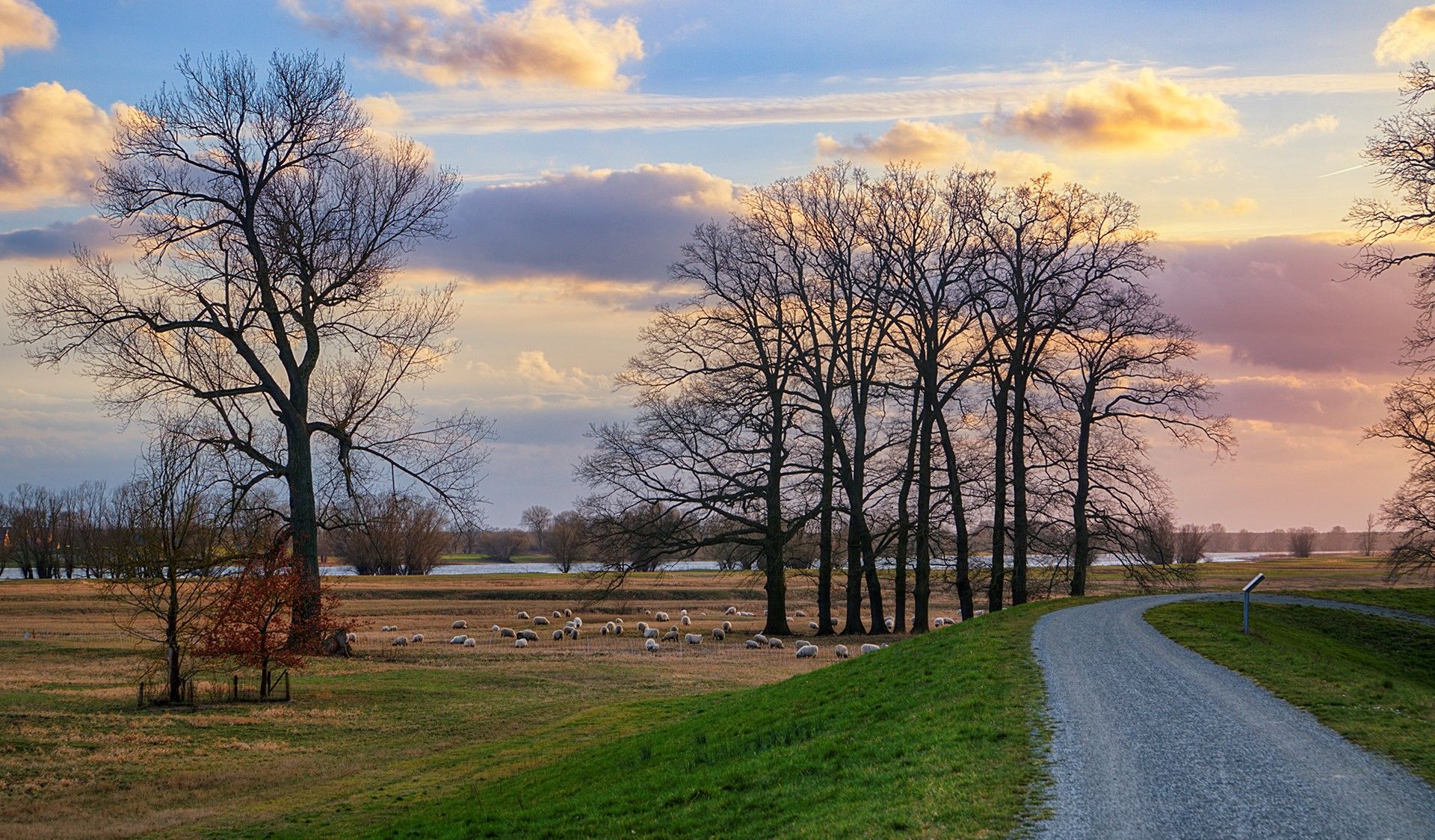
Tour Brandenburg – Cycle around Berlin in 18 stages
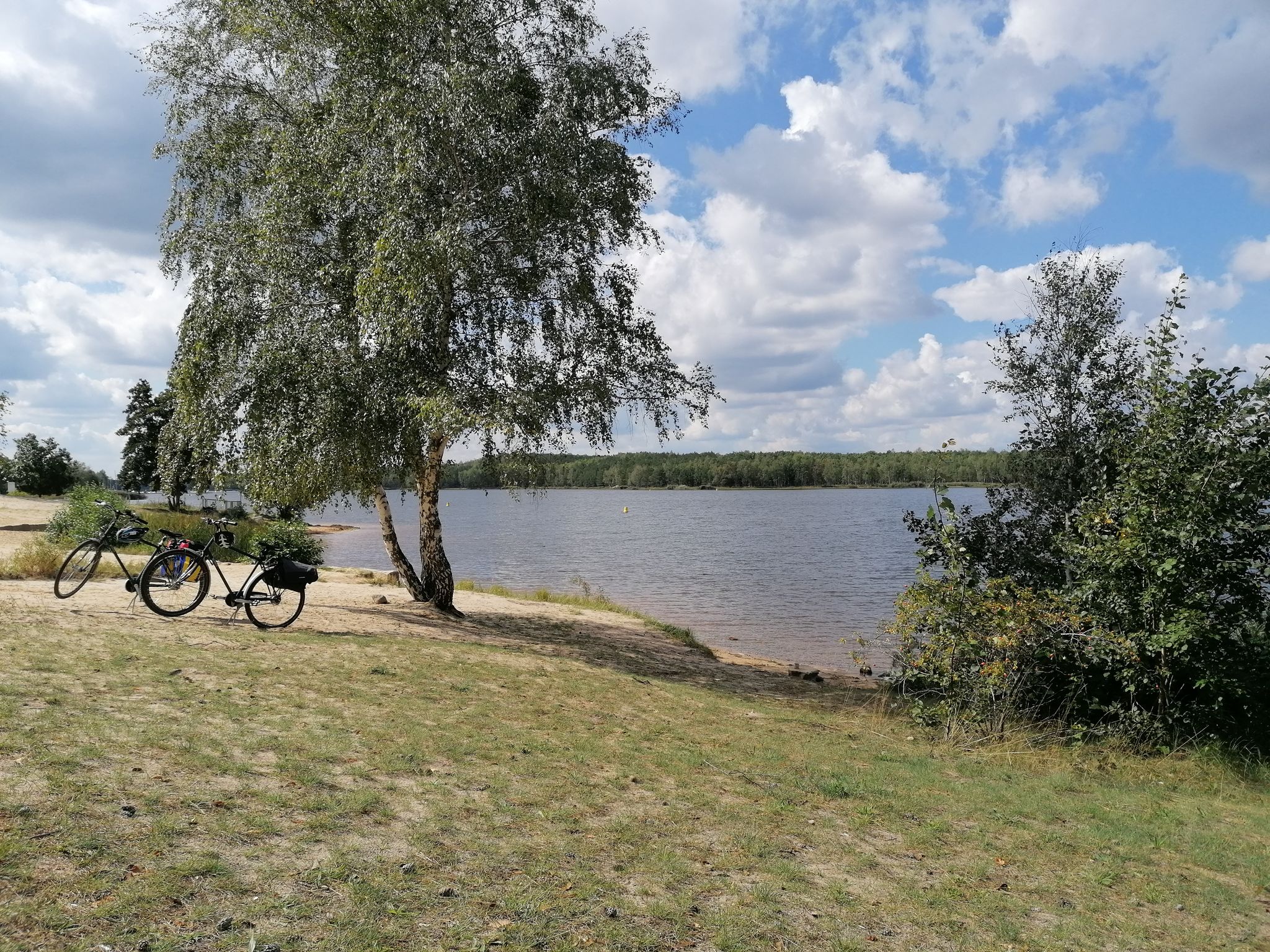
Cycling from Dresden to Berlin – lakes, nature and Sorbian culture
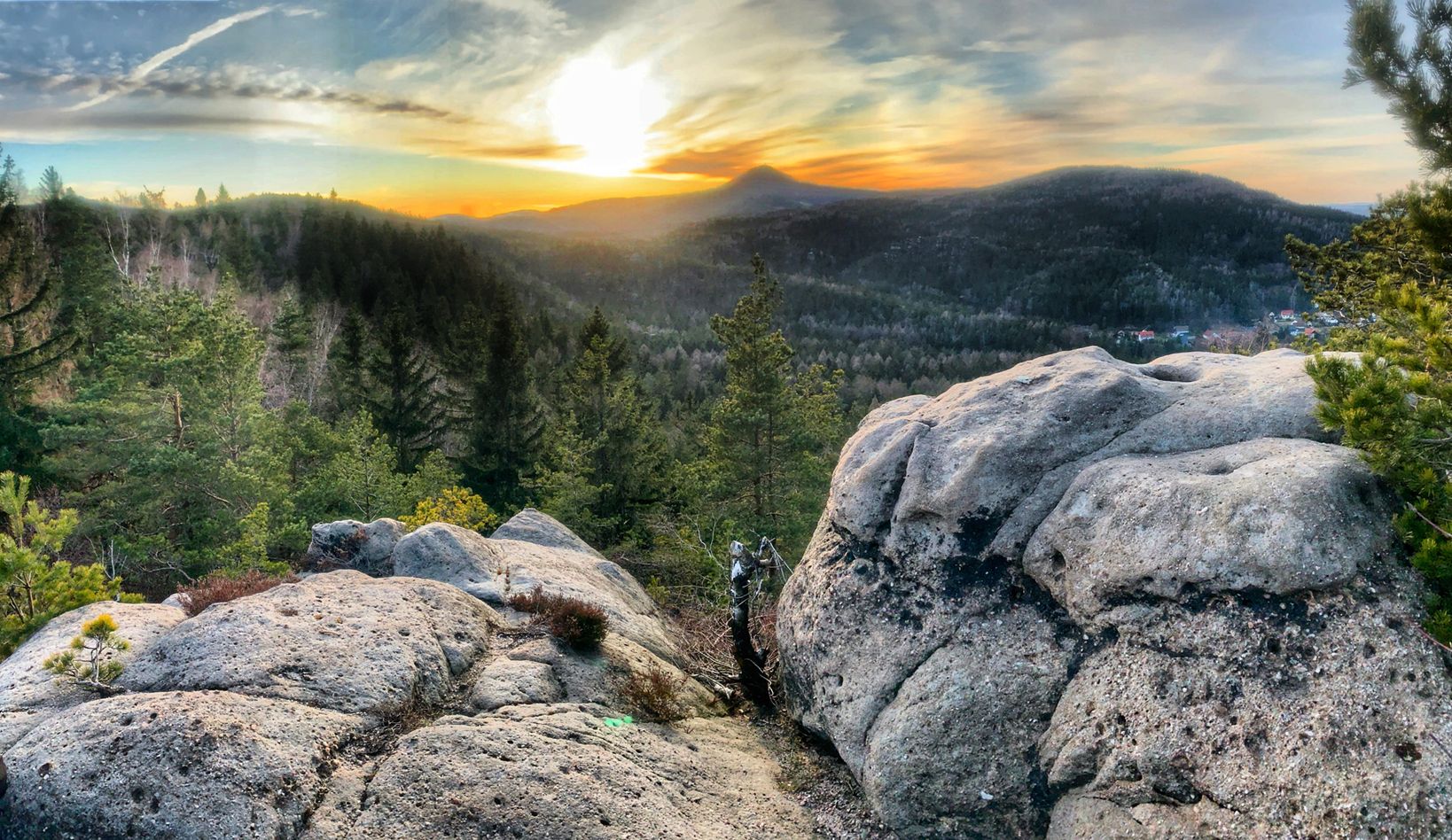
Mountains, heaths & lakes – hiking in Lusatia
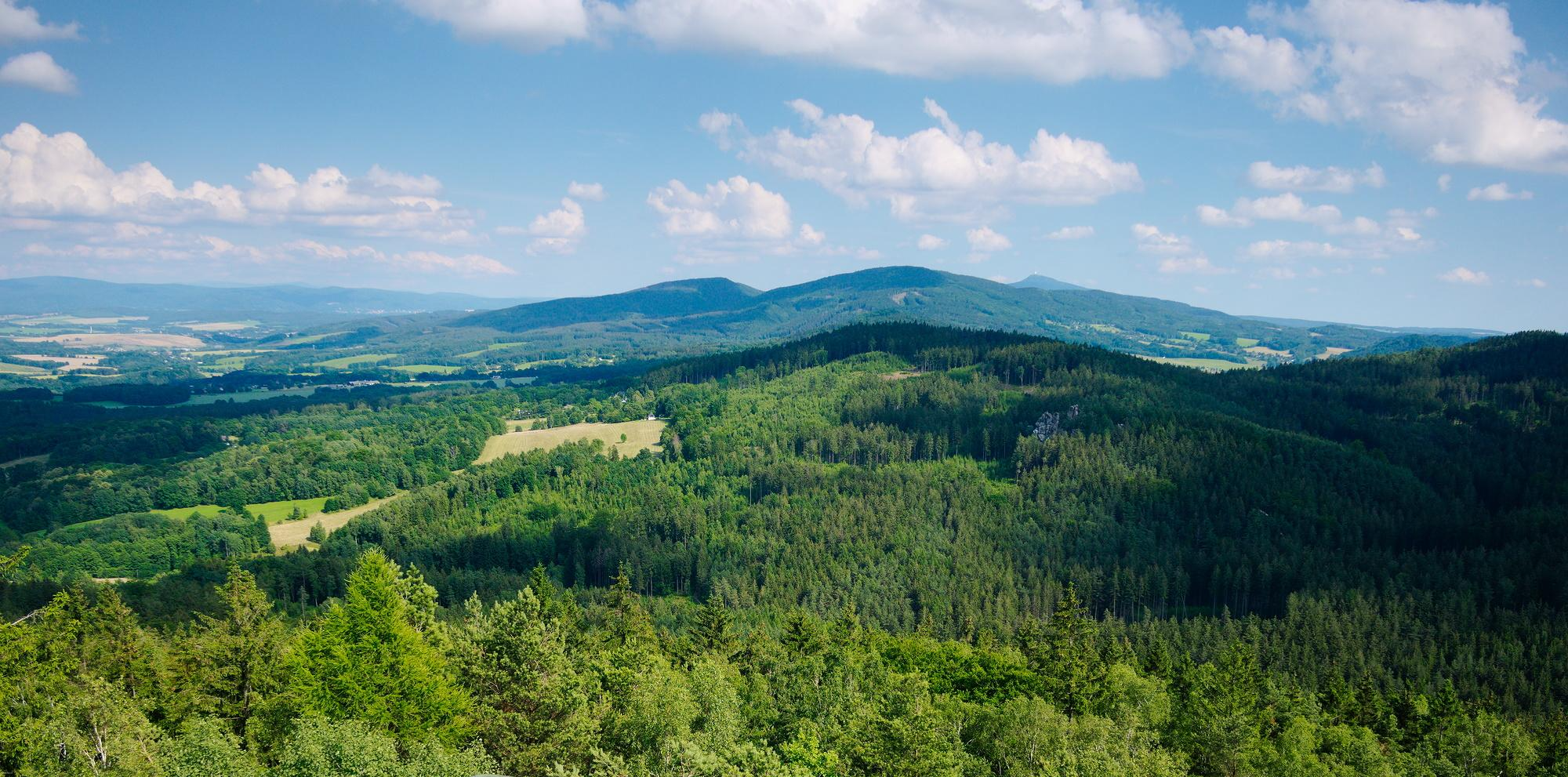
The National Natural Landscapes in Saxony
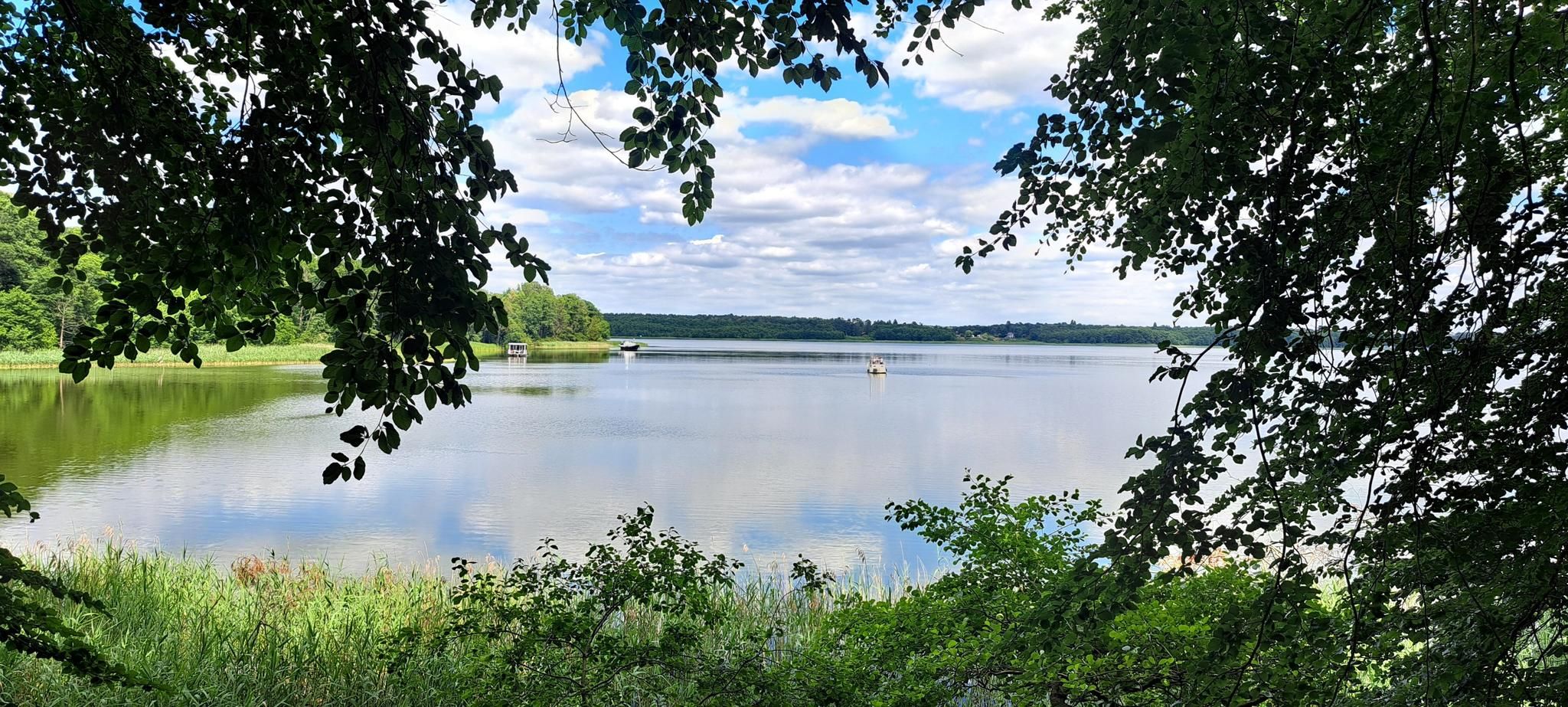
The National Natural Landscapes in Brandenburg
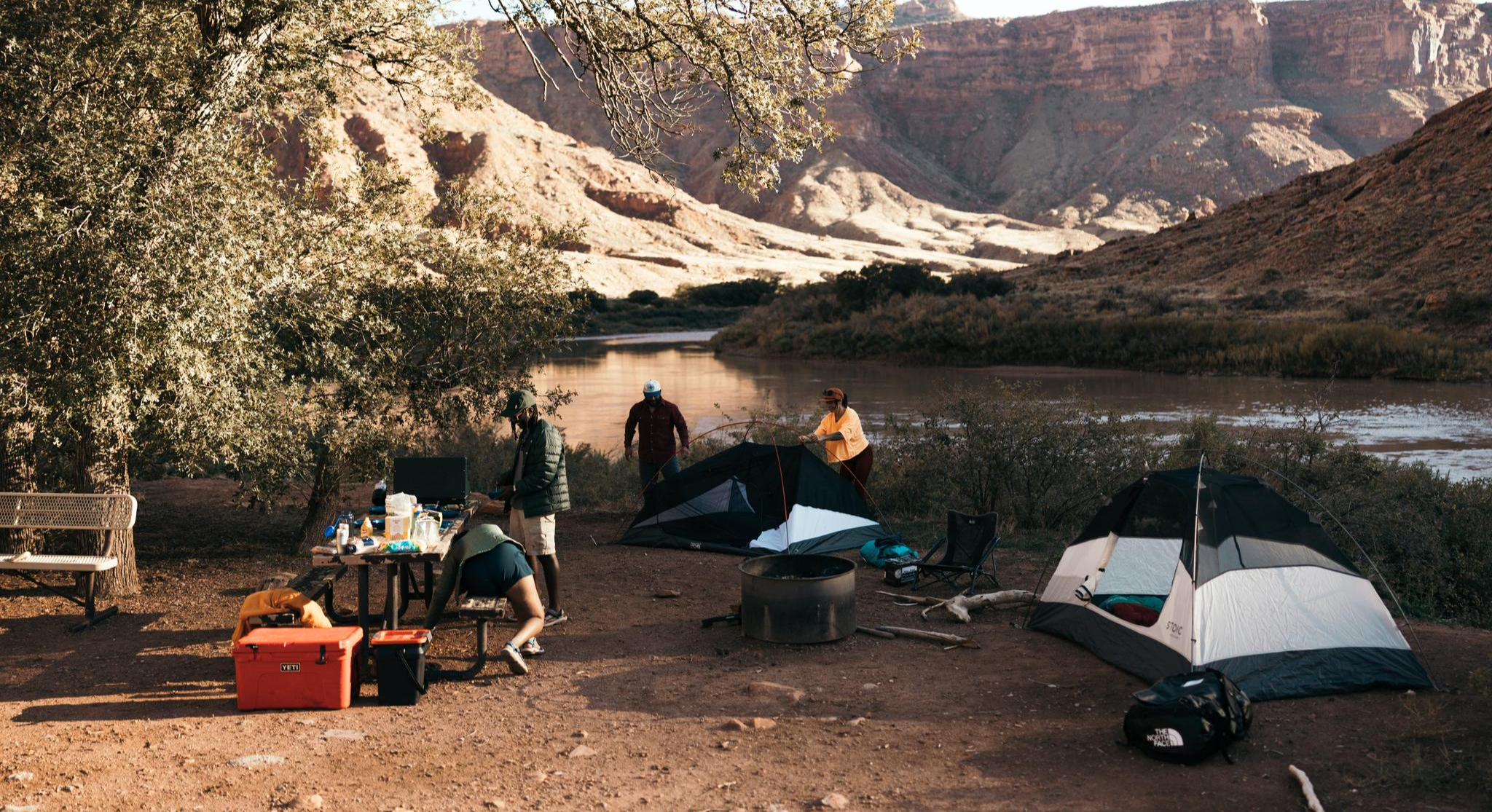
Glamping Adventures on Foot
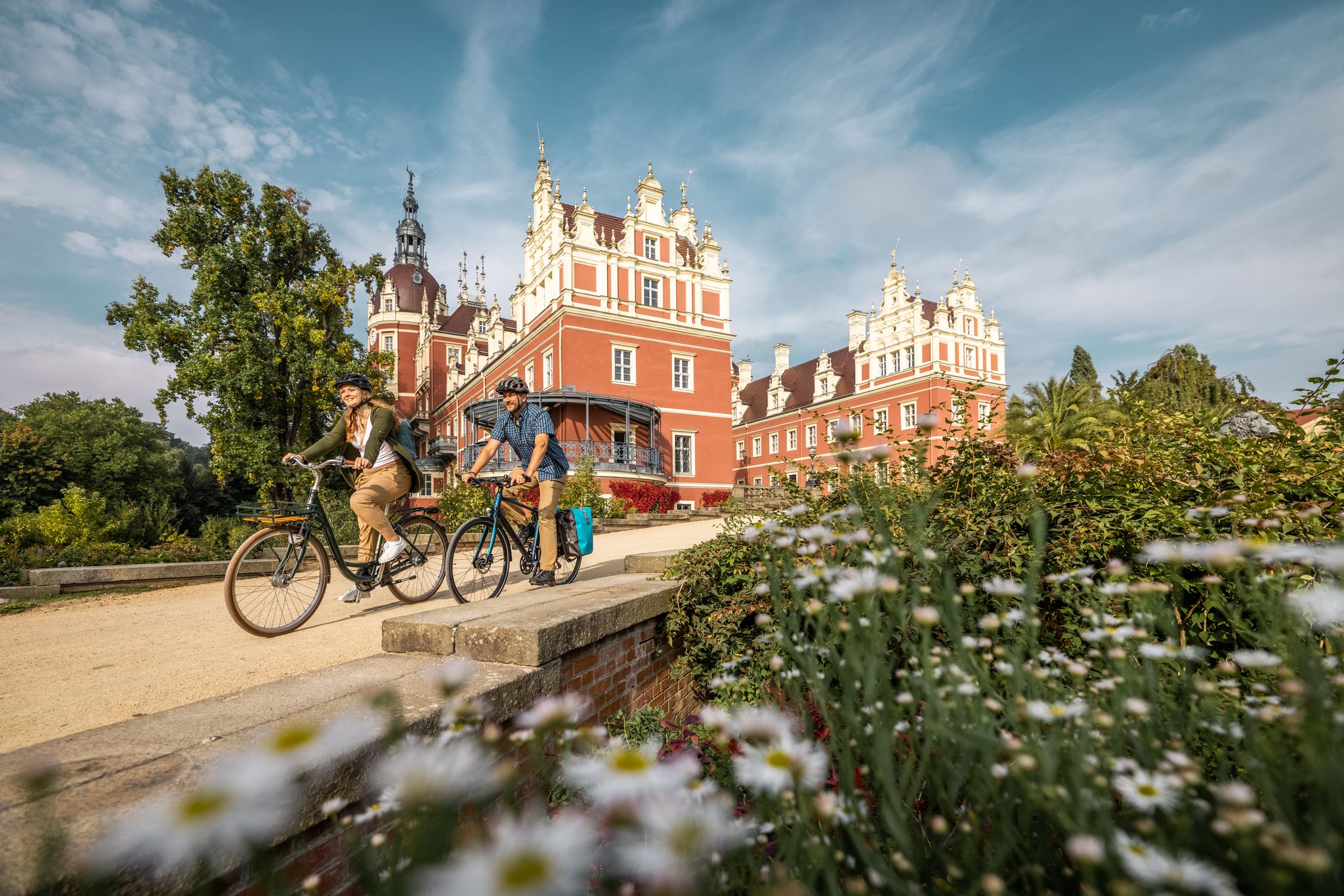
Oberlausitz Cycling Region – 18 superb routes in Upper Lusatia
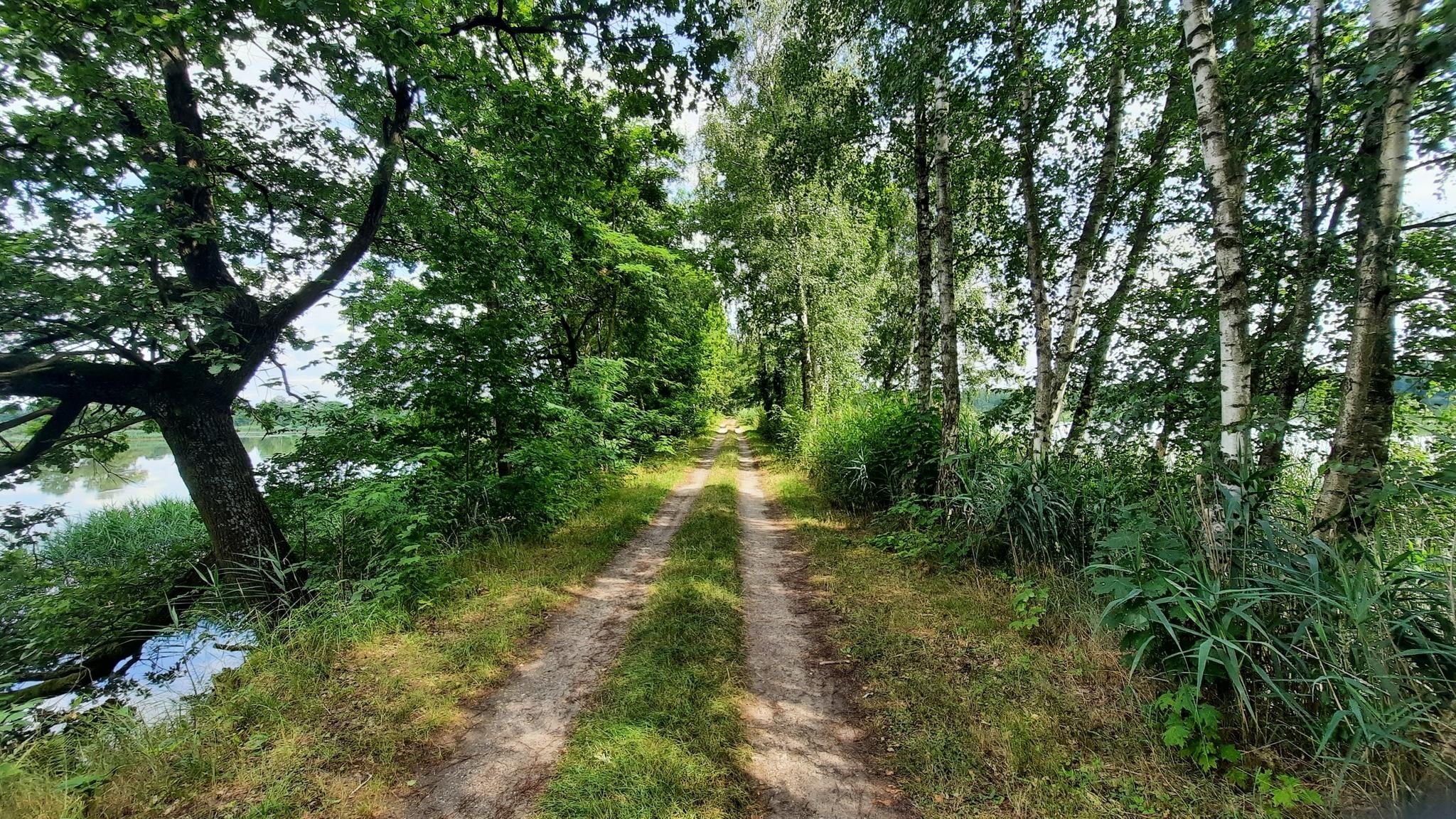
On two wheels through the ponds – Neißeland Tour
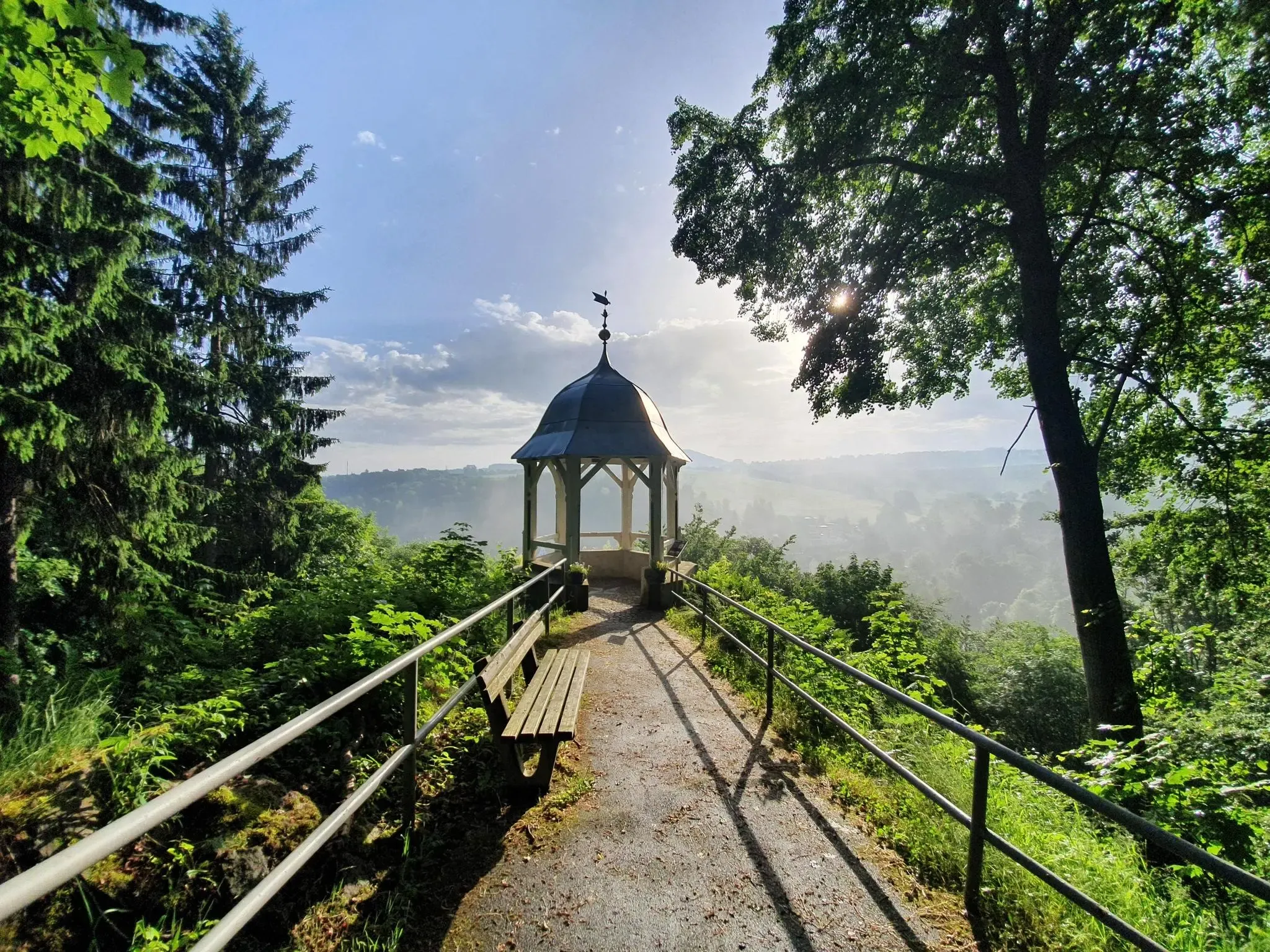
#GoFurther – discover the views of Germany!
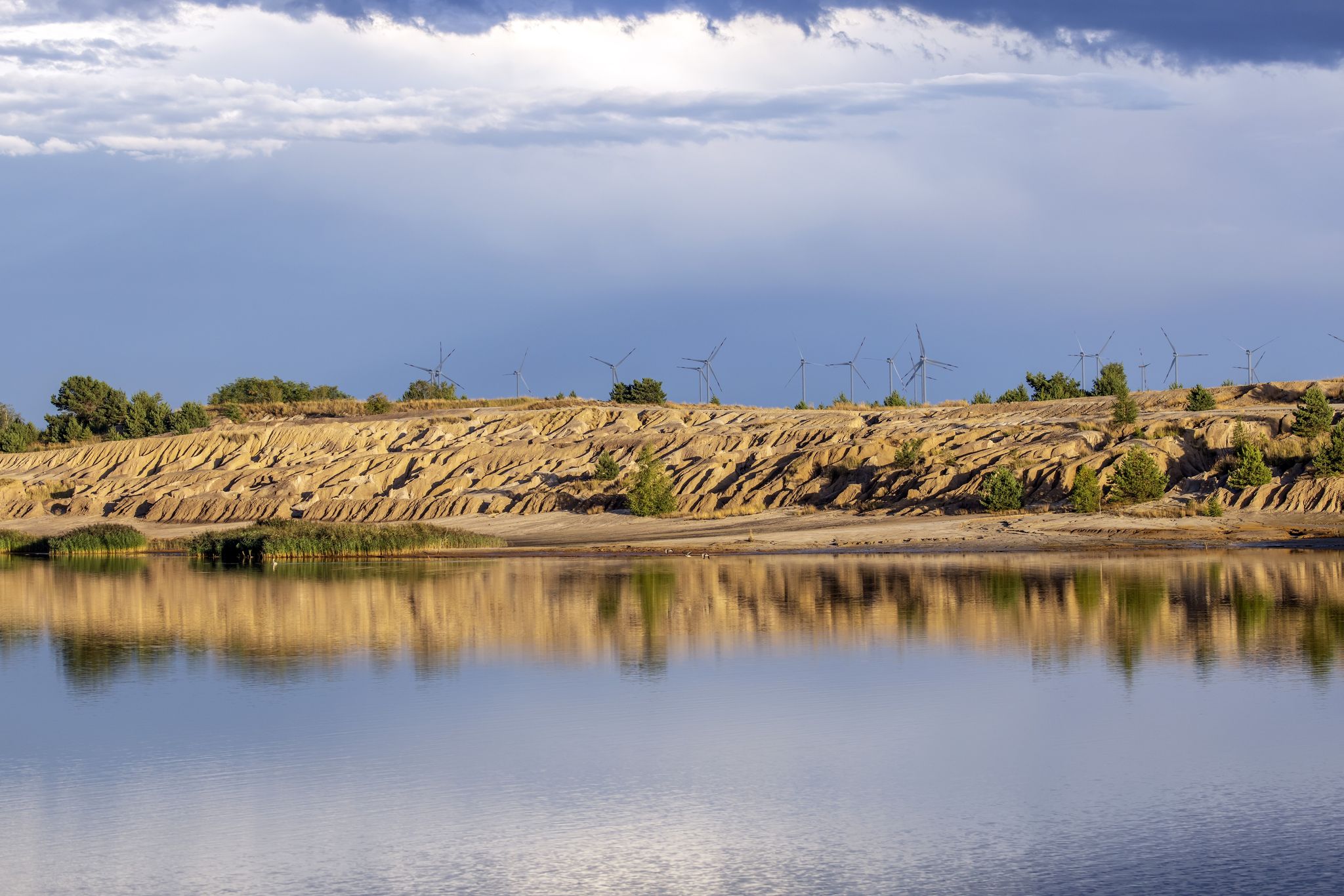
Landscape change, bird chirping and fieldstone churches - Paths around Wanninchen
Other adventures in Sorbisches Siedlungsgebiet


Tips from the Community

Great lock with a café. Unfortunately I was there too early and the café was still closed.
6
0

A structure that is definitely worth seeing, the landmark "Rusty Nail". From the top, at a height of about 30 meters, you have a wonderful view over the Lusatian Lake District. The observation tower is a highlight and attraction in this region.
14
0

Creatively furnished small restaurant with terrace, directly at the lock! delicious fish rolls to go! good recommendation for cyclists
6
0

Very impressive and what a great view - even in completely rainy weather and the snack bar was still open.... ;-)
15
0

A brunnenite sculptures that can be found all over Lübbenau
10
0

Great view from the top over the surrounding countryside. There is a snack bar and public toilets next door.
25
1
Connection of Geierswalder and Senftenberger See. Not only interesting for children when there is funneling.
14
0

A building towers over the town of Lübbenau, visible from afar, revealing that this place has a centuries-old tradition. The baroque church of St. Nikolai seems to be the heart of the city, which is also confirmed by the immediately adjacent market square. This is where people have met over the years to trade or just to chat. Well-dressed houses, some of them half-timbered, and the town hall adorn the market square and the central Ehm-Welk-Straße. This extends to the castle park on one side and to a three-story brick building with a distinctive archway on the other, which now houses the Spreewald Museum. Anyone who has the opportunity to linger a little here or to stroll around a little is guaranteed to meet one of the townspeople who can tell the visitor more about Lübbenau and the Spreewald. The church itself was built between 1738 and 1741. Lübbenau once belonged to the rule of the Saxons, which the hood tower and the Electoral Saxon post mile column in front of the church prove today. The Nikolaikirche is considered one of the rarest and most beautiful examples of Dresden Baroque and was built on the initiative of the lord of the estate, Moritz Carl Graf von Lynar, and according to plans by the Dresden master fortress mason, Gottfried Findeisen. The tower is 57 meters high and was built in 1777/78. Source: http://www.stadtmagazinverlag.de/orte/luebbenau-spreewald05/marktplatz-luebbenau.htm
10
0
Frequently Asked Questions
What are the unique cultural aspects of the Sorbisches Siedlungsgebiet?
The Sorbisches Siedlungsgebiet is rich in Sorbian culture, a recognized national minority in Germany. You'll find a strong presence of Sorbian language, often seen in bilingual German and Sorbian street signs. The region celebrates vibrant traditions, including intricate Sorbian Easter eggs and colorful traditional costumes worn during festivals. Museums like the Sorbian Museum Bautzen and the Wendish Museum Cottbus offer deep insights into Sorbian history and way of life.
Where can I experience Sorbian traditions and heritage firsthand?
To experience Sorbian traditions, visit the Krabat-Mühle Schwarzkollm, which brings the legend of the Sorbian sorcerer Krabat to life with traditional craftsmanship and cuisine. You can also witness events like the famous Easter egg markets or the Johannisreiten (St. John's Ride) in Casel. The Sorbian Cultural Center Schleife provides further insight into the unique culture of the local villages.
Are there any historical castles or fortresses to visit in the region?
Yes, the region features several historical sites. The Slawenburg Raddusch is a reconstructed Slavic castle offering insights into the Slavic settlement history of the Spreewald. Additionally, Lübbenau Castle, with its orangery and castle park, is a notable example of the area's heritage, particularly in the context of the Spreewald.
What natural landscapes can I explore in the Sorbisches Siedlungsgebiet?
The region boasts two distinct natural landscapes. The Spreewald Biosphere Reserve is characterized by its labyrinthine network of waterways, ideal for traditional punt tours. The Lusatian Lake District, formed from former open-pit mines, offers emerging recreational opportunities and panoramic views, such as those from the Rusty Nail Observation Tower.
Are there good cycling routes near the attractions?
Absolutely. The Gurkenradweg between Lübbenau and Leipe is a highly recommended scenic cycle path running along canals and through forests in the Spreewald. For more extensive cycling, you can explore various routes, including those in the Lusatian Lake District. You can find more cycling options in the MTB Trails in Sorbisches Siedlungsgebiet guide.
What kind of hiking trails are available in Sorbisches Siedlungsgebiet?
The region offers a variety of hiking experiences. You can find easy walks through the Spreewald's unique landscapes, such as the 'Wooden Bridge to Lehde – Leiper Weggraben loop from Lübbenau'. For those seeking more challenging terrain, there are also mountain hikes available. Explore options in the Easy hikes in Sorbisches Siedlungsgebiet guide or the Mountain Hikes in Sorbisches Siedlungsgebiet guide.
Are there family-friendly attractions in Sorbisches Siedlungsgebiet?
Yes, many attractions are suitable for families. The Great Spreewald Harbor, Lübbenau is a perfect starting point for traditional punt tours, which are popular with all ages. Children often enjoy the sculptures at the Lutki Fountain and Market Square, Lübbenau, which depict legends of the Spreewald. The Koschener Kanal Lock is also interesting for children to watch when boats are funneling through.
Where can I find panoramic views of the landscape?
For breathtaking panoramic views, head to the Rusty Nail Observation Tower. This 30-meter Corten steel tower offers expansive vistas over the Lusatian Lakeland, including the Sedlitz, Geierswalder, and Partwitzer lakes. It's a popular spot for cyclists and visitors to appreciate the transformed landscape.
What is the best way to explore the Spreewald Biosphere Reserve?
The most iconic way to explore the Spreewald Biosphere Reserve is by taking a traditional punt tour (Kahnfahrt). The Great Spreewald Harbor, Lübbenau is known as the gateway to the Spreewald and is a prime starting point for these tours. Alternatively, cycling along paths like the Gurkenradweg offers a different perspective of the waterways and forests.
What is the Lusatian Lake District known for?
The Lusatian Lake District is an emerging recreational area, transformed from former open-pit mines into a vast lake landscape. It's known for its diverse water sports, cycling paths, and unique viewpoints like the Rusty Nail Observation Tower, which provides a perspective on this man-made natural wonder. It offers a blend of industrial heritage and new natural beauty.
Are there any unique cultural legends associated with the area?
Yes, the Sorbisches Siedlungsgebiet is rich in folklore. The legend of Krabat, a Sorbian sorcerer, is particularly prominent and brought to life at the Krabat-Mühle Schwarzkollm. In Lübbenau, the Lutki Fountain and Market Square features sculptures depicting various legends and myths of the Spreewald, including the tree king, will-o'-the-wisp, and the world of the Lutken (dwarves).
What is the best time of year to visit Sorbisches Siedlungsgebiet?
The best time to visit largely depends on your interests. Spring and summer are ideal for exploring the natural landscapes of the Spreewald and Lusatian Lake District, with punt tours, cycling, and hiking in full swing. Many Sorbian festivals and outdoor events also take place during these warmer months. Autumn offers beautiful foliage, while winter can provide a quiet, serene experience, though some attractions may have reduced hours.
How can I learn more about the Sorbian language and its presence in the region?
You can observe the enduring presence of the Sorbian language through the bilingual German and Sorbian street and place signs found throughout the core settlement regions. To delve deeper, visit the Sorbian Museum Bautzen or the Wendish Museum Cottbus, which often feature exhibits on the Sorbian language and its cultural significance. You can also find more general information about the Sorbs on Wikipedia.
Most popular routes in Sorbisches Siedlungsgebiet
Most popular attractions in Sorbisches Siedlungsgebiet

Get inspired with the komoot mobile app


Explore more
Still not found the Highlight you’re looking for? See guides of the top attractions in other regions:
