The best running trails in Biotopverbund Welsengraben
4.8
(51)
543
runners
69
runs
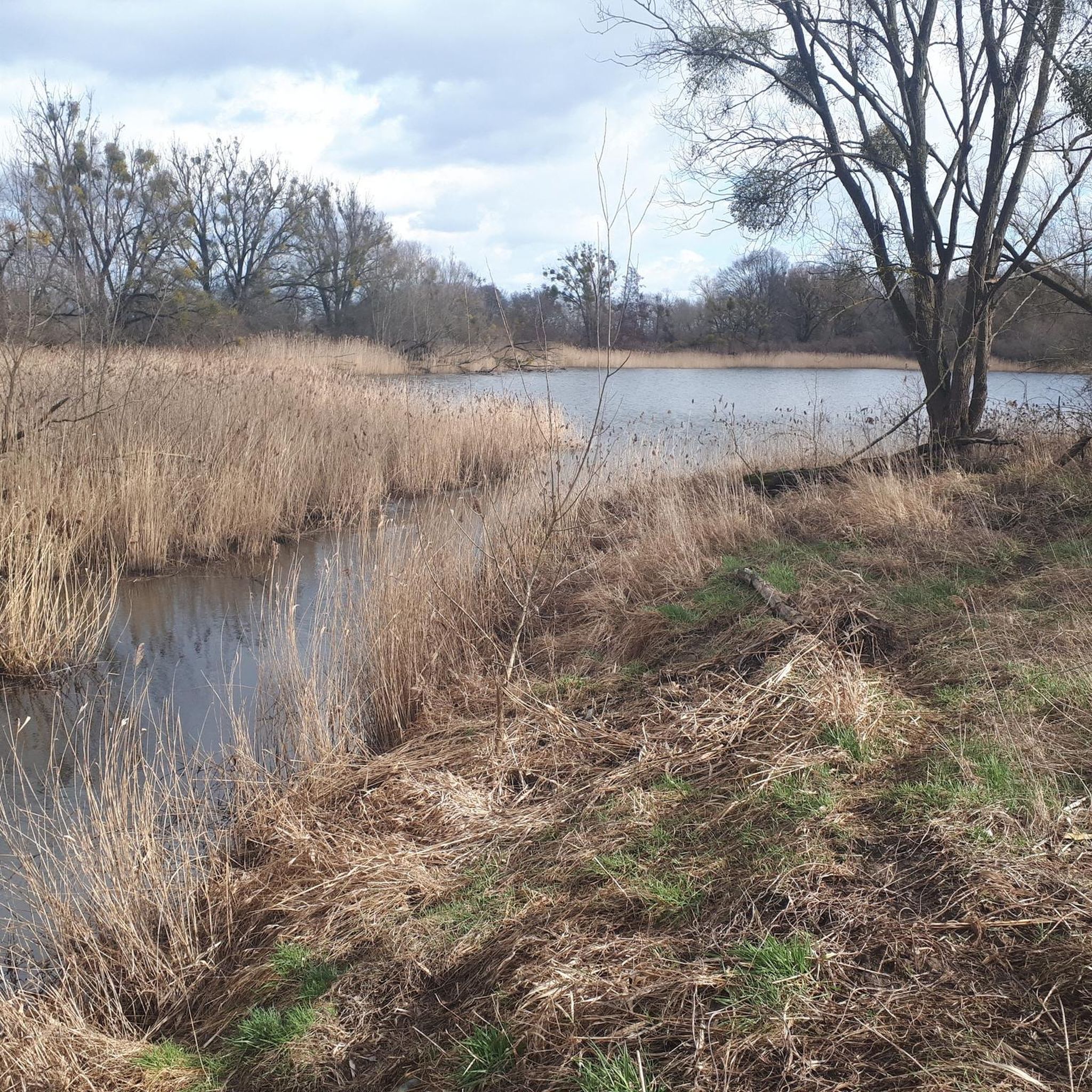
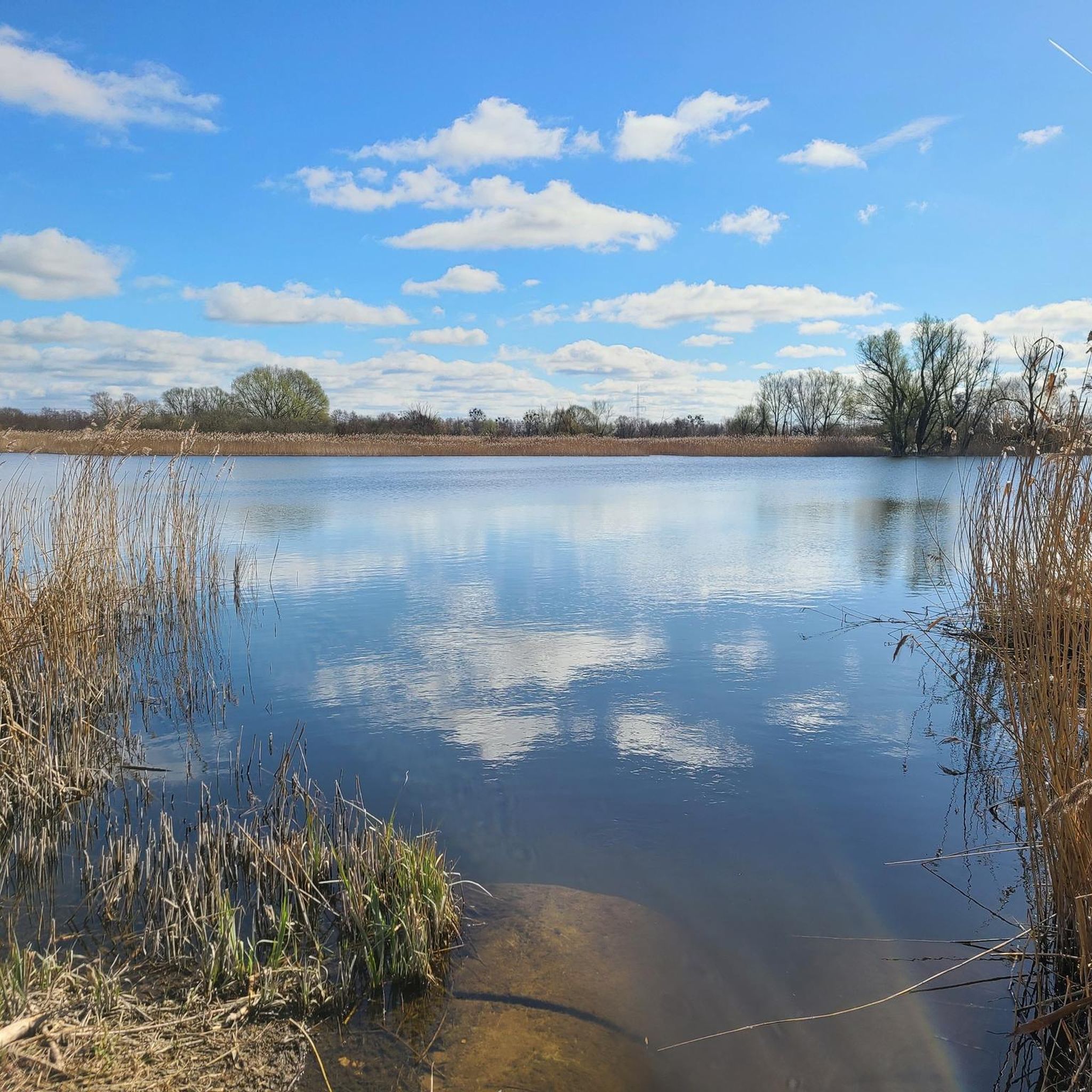
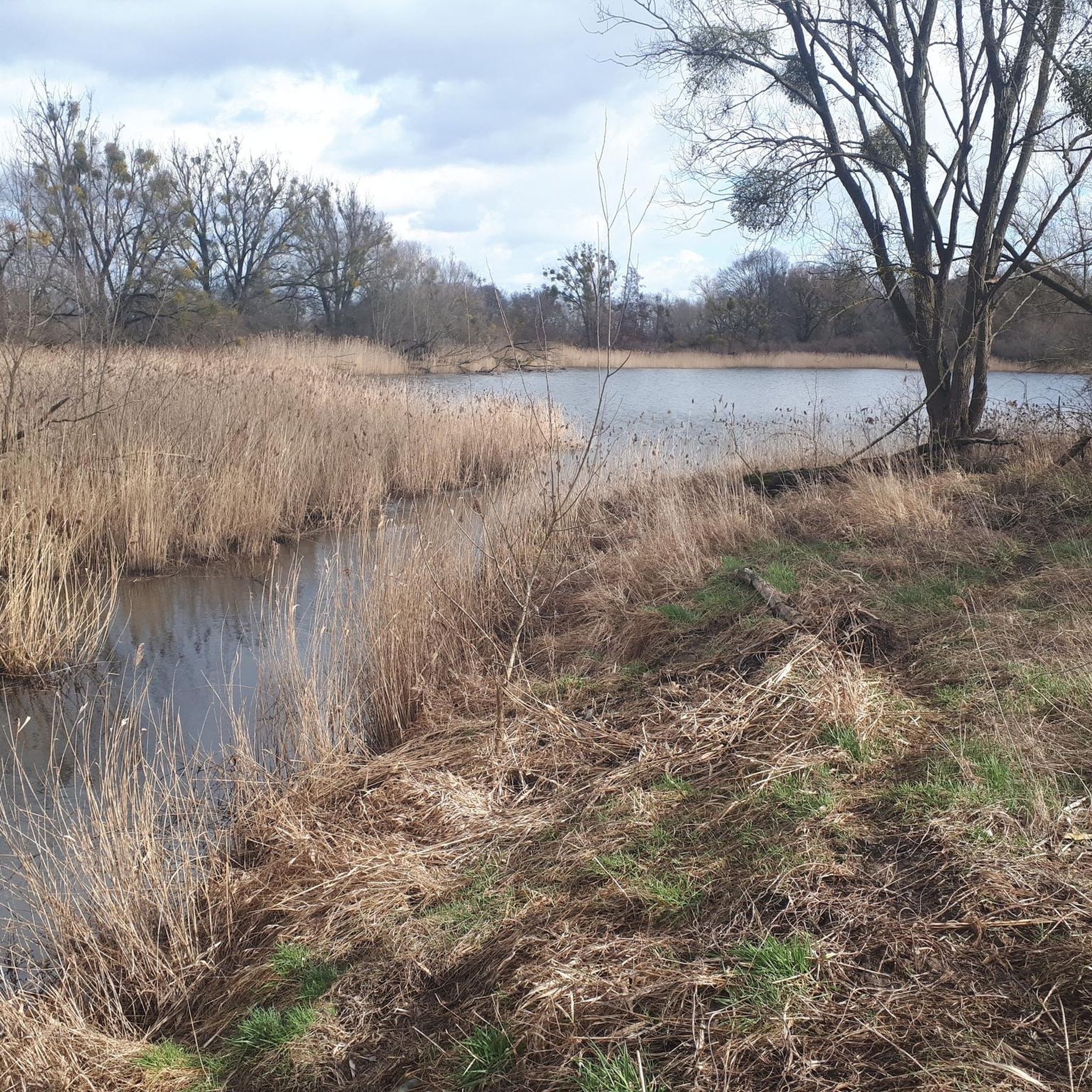
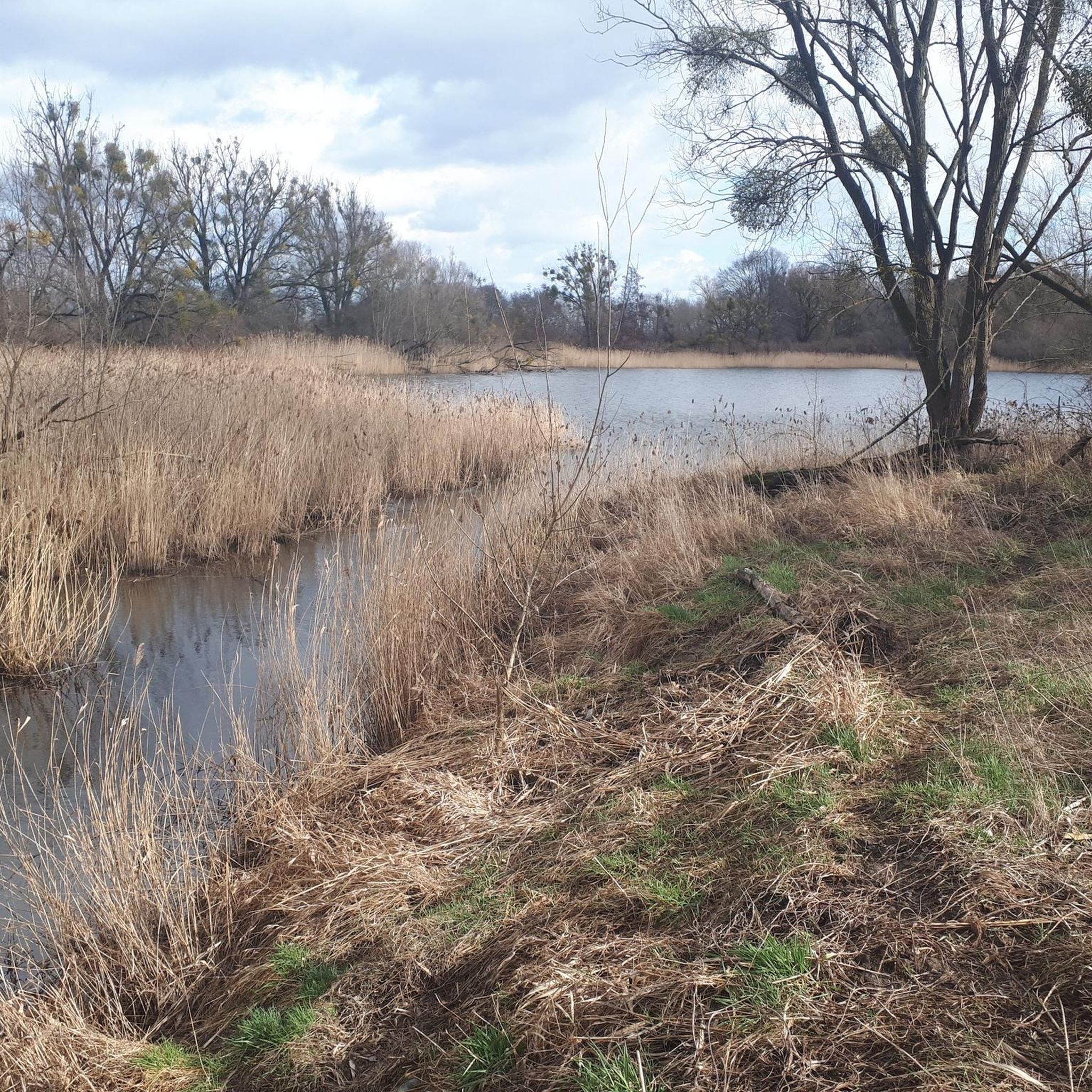
Jogging in Biotopverbund Welsengraben offers a unique experience through a landscape transformed from former clay mining areas into a diverse biotope. This nature reserve, located in Brandenburg, Germany, features numerous lakes, including the Bösenhagener Stich and Baumgrabenstich, which provide scenic backdrops for running. The terrain includes reed beds, meadow areas, and willow bushes, creating varied environments for outdoor activity. The area's extensive network of jogging routes in Biotopverbund Welsengraben caters to different fitness levels.
Best jogging routes in Biotopverbund Welsengraben
…Last updated: July 11, 2026
2
runners
9.02km
00:58
30m
30m
Moderate run. Good fitness required. Mostly paved surfaces. Suitable for all skill levels.
8
runners
9.99km
01:02
20m
20m
Moderate run. Good fitness required. Mostly paved surfaces. Suitable for all skill levels.

Sign up for free
5
runners
14.0km
01:29
40m
40m
Moderate run. Good fitness required. Mostly paved surfaces. Suitable for all skill levels.
25
runners
33.7km
03:48
230m
230m
Hard run. Very good fitness required. Mostly paved surfaces. Suitable for all skill levels.
10
runners
16.8km
01:45
40m
40m
Hard run. Very good fitness required. Mostly paved surfaces. Suitable for all skill levels.
Get access to more routes and recommendations from other explorers.
Sign up for free
Already have an account?
Our route recommendations are based on thousands of hikes, rides, and runs completed by other people on komoot.
Start today with a free account
Your next adventure awaits.
Login or Signup
Tips from the Community


The mill was first documented in 1530 and originally belonged to the Lindow convent (later the Lindow ladies' convent and office). It is one of the last remaining water and windmills in the region. In the Middle Ages, it served the monastery, which was one of the richest in the March of Brandenburg. Fires destroyed parts of the complex in 1805 and 1846; it was rebuilt afterwards. The current two-story main building dates from 1848 (or reconstruction after 1846) and is an example of Prussian rural architecture.
0
0

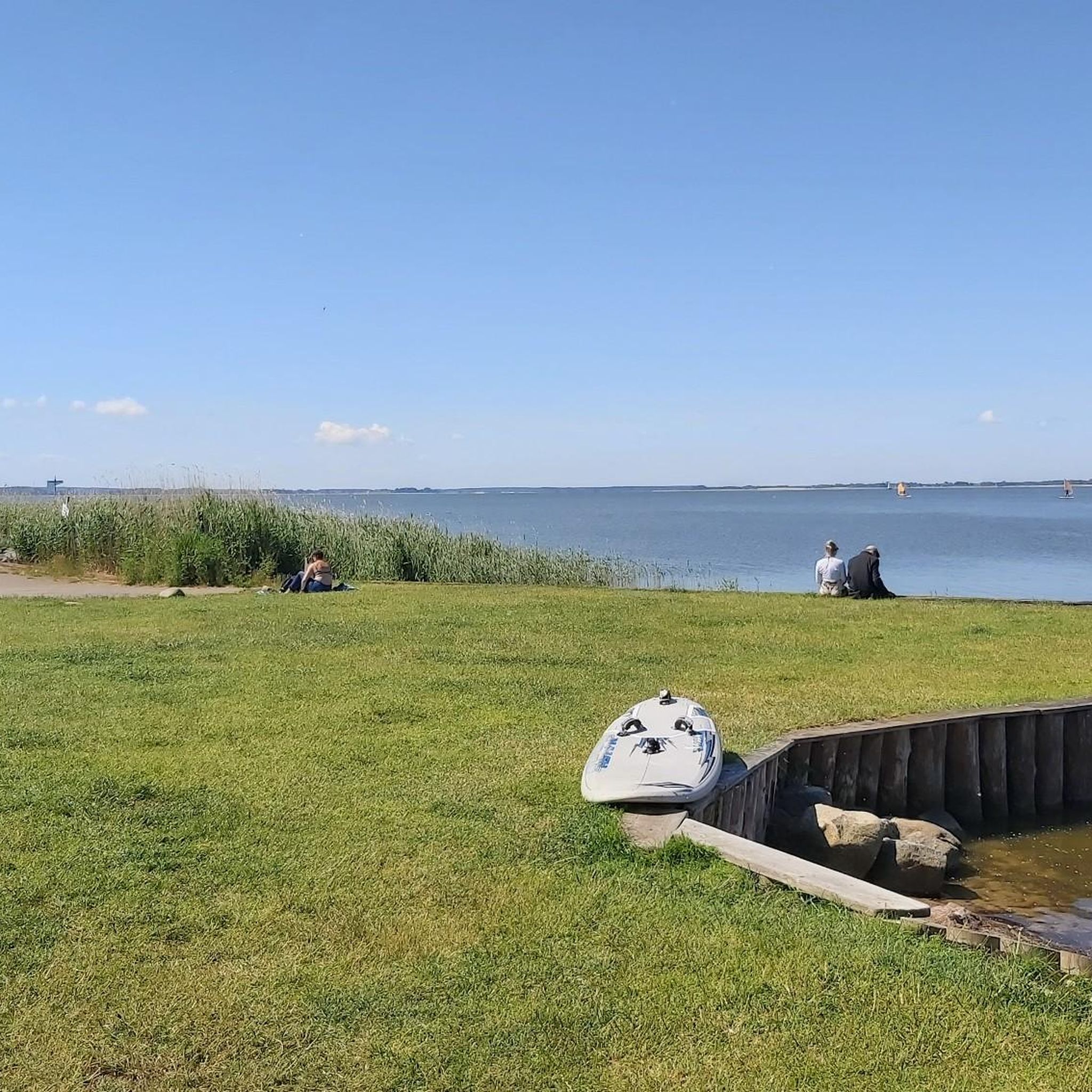
The mostly natural path around the lake is about 6km long and lined with many benches, pure nature. There is also a boat landing and a natural swimming spot next to it.
0
0
The memorial consists of a stone base with a cast-iron sarcophagus, surmounted by a delicate, column-supported cast-iron canopy. Reminiscent of medieval reliquaries, this symbolizes both the queen's strength and delicacy. Lotus flowers are placed at the corners of the sarcophagus, and a gilded crown sits at the top. The inscriptions on the memorial honor her life and capture the emotional response of the people.
1
0

Louise of Mecklenburg-Strelitz died on July 19, 1810, at Hohenzieritz Palace at the age of 34. Her final burial was to take place in Charlottenburg. The transfer of the beloved Queen Louise was accompanied by popular expressions of sympathy. On the night of July 25-26, 1810, Louise's coffin was laid out on what was then the market square, today's Schinkelplatz, in the town of Gransee, with great public sympathy. Soon after, the citizens of Gransee applied to King Frederick William III for permission to erect a memorial to commemorate this memorable event. The king agreed, but public funds were not approved. Under the leadership of the district administrator of the Ruppin District, Friedrich Christian Ludwig Emil von Zieten, a successful fundraising campaign began, raising 2,000 thalers. Ziethen had contacts with the Royal Prussian Iron Foundry in Berlin, which presumably introduced him to Schinkel. Schinkel's submitted design for a cast-iron monument was approved by the king and inaugurated on October 19, 1811. https://de.wikipedia.org/wiki/Luisendenkmal_(Gransee)
1
0
Is a memorial site that commemorates the victims of Nazi tyranny.
0
0
commemorates the persecution and murder of people during the Nazi era
0
0

Nice place to take a break in the adjacent bakery/café
0
0
Frequently Asked Questions
How many running routes are available in Biotopverbund Welsengraben?
Biotopverbund Welsengraben offers a wide selection of running routes, with over 70 different trails to explore. These routes cater to various fitness levels, ranging from easy paths to more challenging runs.
What kind of landscape can I expect while running in Biotopverbund Welsengraben?
You'll experience a diverse landscape transformed from former clay mining areas into a rich biotope. The routes feature picturesque lakes, including the prominent Bösenhagener Stich and Baumgrabenstich, alongside reed beds, large sedge communities, meadow areas, and willow bushes. This variety creates an engaging and tranquil natural environment for your run.
Are there any specific points of interest or natural features to look out for on the trails?
Absolutely! The area is rich in natural beauty. Key features include the serene Bösenhagener Stich and Baumgrabenstich lakes, which are central attractions. You might also spot diverse wildlife, including various bird species, amphibians, and insects, thanks to the reserve's focus on ecological preservation. The Biotopverbund Welsengraben Dirt Path offers a classic trail experience.
Are the running routes in Biotopverbund Welsengraben suitable for beginners?
Yes, there are several routes suitable for beginners. While many routes are moderate, there are at least 4 easy trails available. These paths generally feature gentle elevation changes and consistent running surfaces, perfect for those new to trail running or looking for a relaxed jog.
Can I bring my dog on the jogging trails in Biotopverbund Welsengraben?
As a nature reserve, the Biotopverbund Welsengraben generally welcomes dogs, but it's crucial to keep them on a leash to protect the diverse wildlife and sensitive ecosystems. Always check local signage for specific regulations on individual trails.
Are there any family-friendly running options in the area?
The peaceful atmosphere and varied terrain make many of the easier and moderate routes suitable for families. The focus on nature observation can also add an enriching dimension for children. Look for shorter, less challenging circular routes that offer scenic views without being too strenuous.
What are the parking options for accessing the running routes?
While specific parking lots aren't detailed in the guide, the area around Zehdenick and Gransee, which encompasses Biotopverbund Welsengraben, typically offers designated parking areas for nature visitors. It's advisable to check maps or local information for parking near trailheads before your visit.
Is Biotopverbund Welsengraben accessible by public transport?
The Biotopverbund Welsengraben is located within the municipalities of Zehdenick and Gransee in Brandenburg, Germany. Both towns have public transport connections, which can provide access points close to the nature reserve. We recommend checking local bus or train schedules to plan your journey to the trailheads.
What do other runners say about their experience in Biotopverbund Welsengraben?
The running routes in Biotopverbund Welsengraben are highly rated by the komoot community, with an average score of 4.7 stars from over 50 reviews. Runners often praise the scenic lakes, the diverse biotope landscapes, and the well-maintained trails that offer a peaceful and engaging experience.
Are there any circular running routes available?
Yes, circular routes are a popular feature in Biotopverbund Welsengraben. For example, the Ruppiner Pfuhl loop from Badingen is a great option, offering a 5.6-mile (9.0 km) run with gentle elevation changes. Many other trails are designed as loops, allowing you to start and finish at the same point.
What is the best time of year to go jogging in Biotopverbund Welsengraben?
Biotopverbund Welsengraben offers a rewarding experience year-round. Spring and autumn provide pleasant temperatures and vibrant natural colors. Summer is ideal for enjoying the lakes, while winter can offer a unique, tranquil experience, though some paths might be more challenging due to weather conditions. The diverse biotopes ensure there's always something interesting to see.
Are there any longer or more challenging running routes for experienced runners?
Certainly! For those seeking a greater challenge, Biotopverbund Welsengraben offers 26 difficult routes. A notable example is the Huwenowsee Lakeside Trail – Meseberg Palace loop from Gransee, a substantial 21.3-mile (34.2 km) trail with significant elevation changes, perfect for experienced runners looking for a long-distance effort.
Where can I find refreshments or places to eat near the running trails?
While the nature reserve itself focuses on conservation, the nearby towns of Zehdenick and Gransee offer various cafes, pubs, and restaurants where you can find refreshments and meals after your run. These towns are easily accessible from the reserve's access points.
Most popular routes in Biotopverbund Welsengraben
Most popular attractions in Biotopverbund Welsengraben

Get inspired with the komoot mobile app


Explore more
Browse the best Running Trails & Routes in other regions.
