The 20 Most Amazing Peaks around Tiefenort
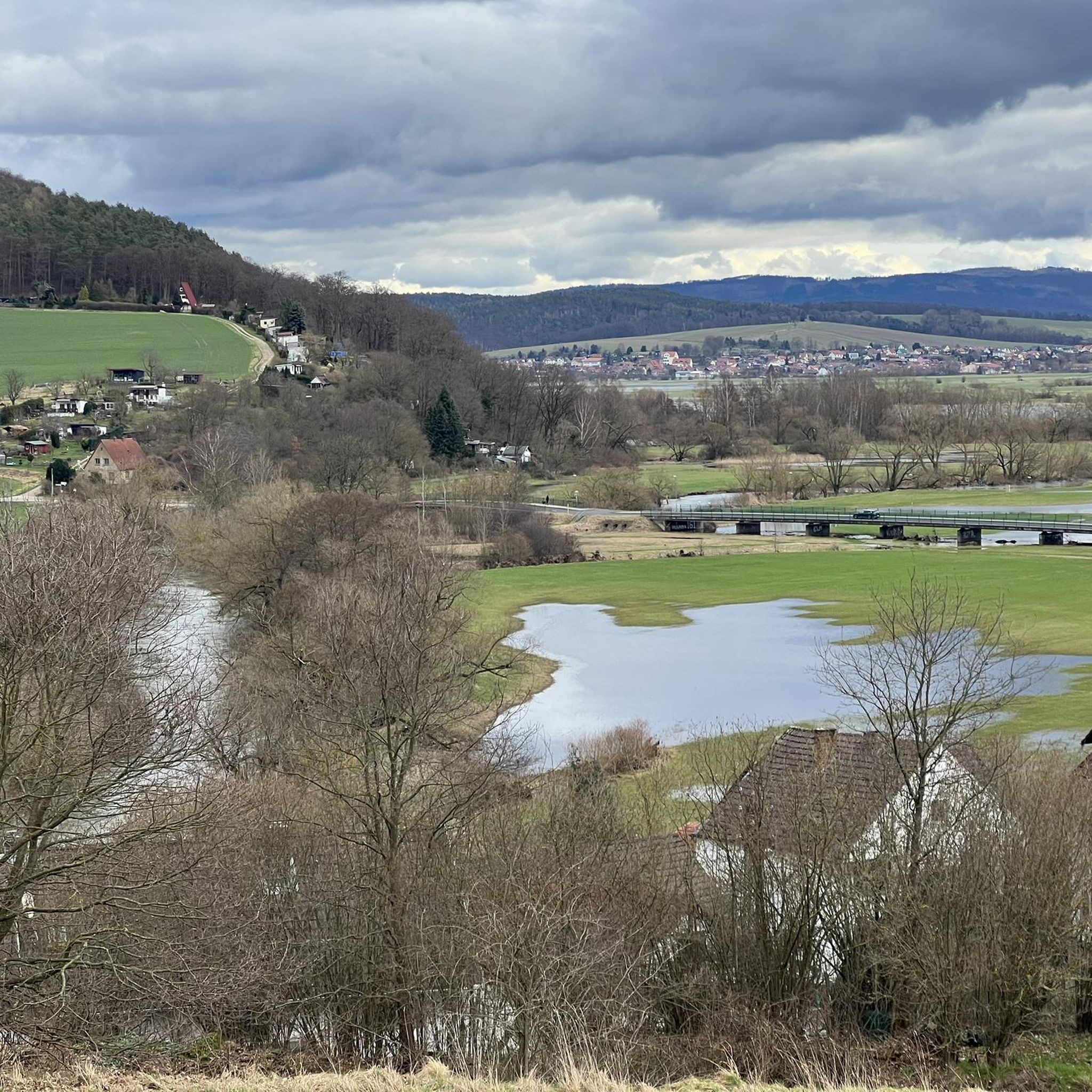
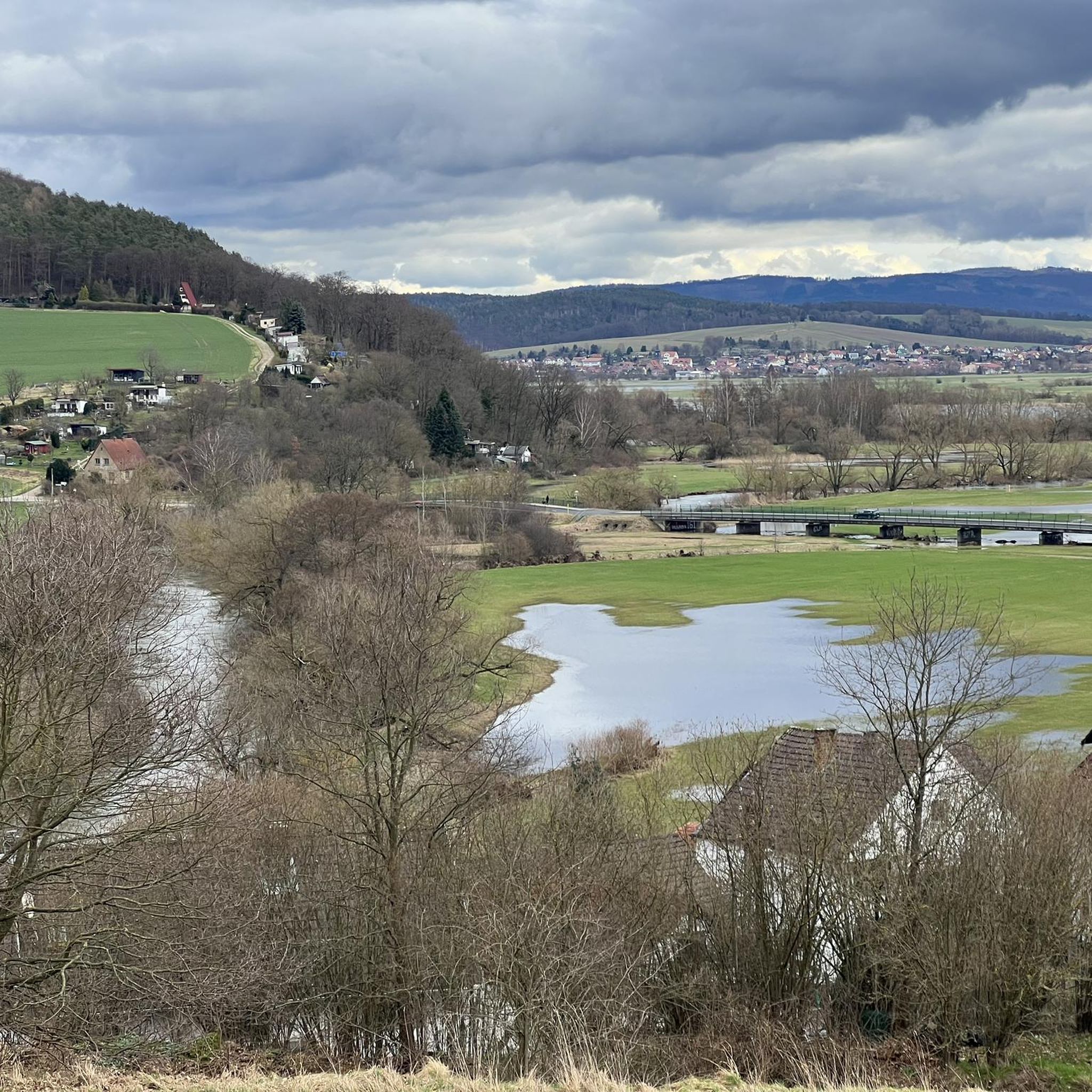
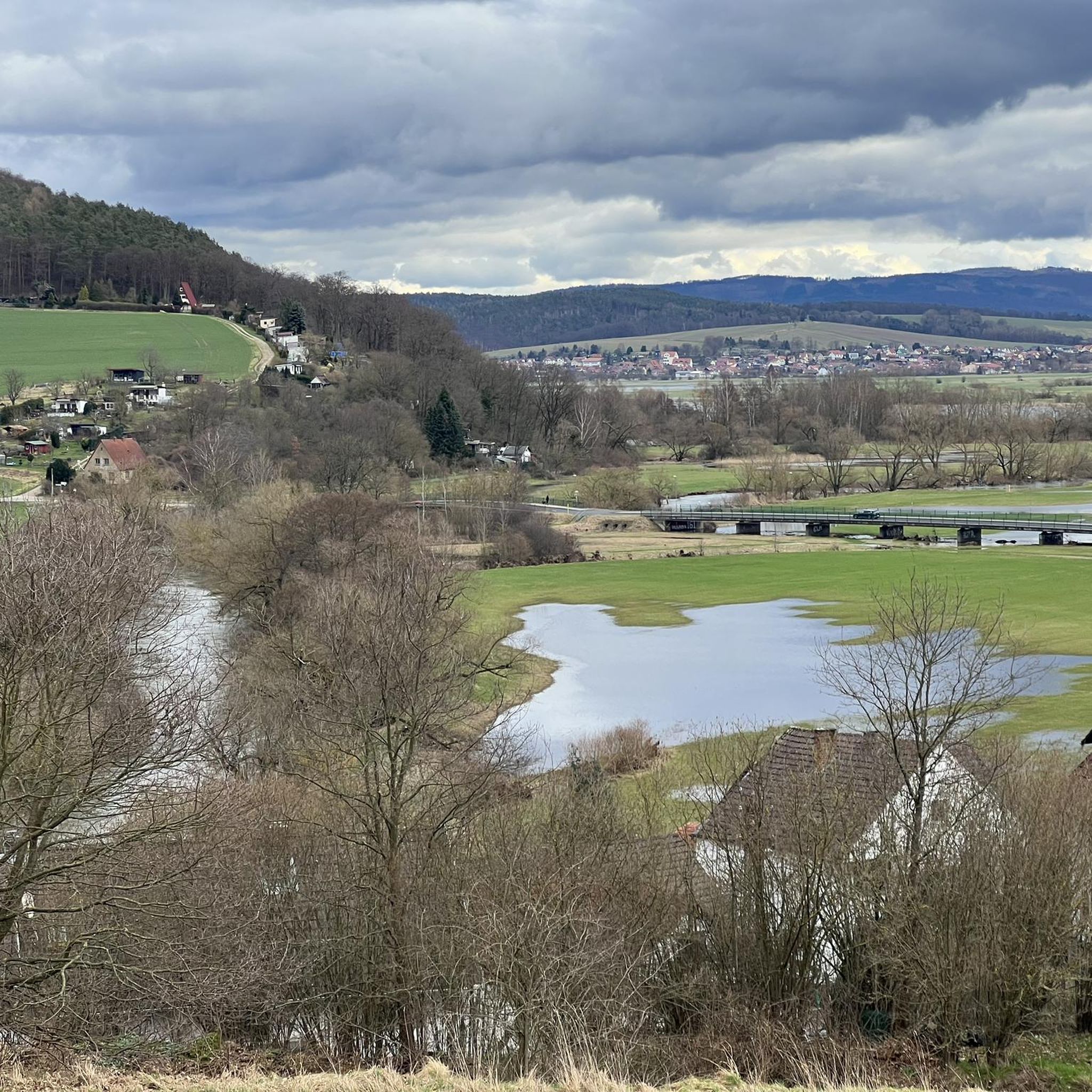
Best mountain peaks around Tiefenort are found in a region characterized by its location between the northern foothills of the Rhön Mountains and the western edge of the Thuringian Forest. This area in Thuringia, Germany, features elevated areas and hills that are popular for hiking and offer scenic views. The landscape provides diverse opportunities for exploration, ranging from gentle hills to dense forests and river valleys.
Best mountain peaks around Tiefenort
- The most popular mountain peaks is Pleß Tower,…
Last updated: May 10, 2026
Pleß Tower
Highlight • Viewpoint
Translated by Google •
Tip by

Öchsenberg Summit and Celtic Cross
Highlight • Summit
Translated by Google •
Tip by

Sign up now to discover places like this
Get recommendations on the best single tracks, peaks, & plenty of other exciting outdoor places.
Sign up for free
Oechsenberg Hut (Öchsenberg Summit Hut)
Highlight • Mountain Hut
Translated by Google •
Tip by

Geiskopf Blockfield and Summit
Highlight • Summit
Translated by Google •
Tip by

Krayenburg Castle Ruins
Highlight • Castle
Translated by Google •
Tip by

Sign up for free to discover even more peaks around Tiefenort.
Sign up for free
Already have an account?
Start today with a free account
Your next adventure awaits.
Login or Signup
Tips from the Community

The hut is open every Sunday from April to October, as well as on all Thuringian holidays, from 10 a.m. to 6 p.m. If the crowds that gather up here in good weather are too much and too loud for you, it's better to go up on other days.
0
0

Magnificent summit with a bench to rest and enjoy the view
1
0

Next to the ruins of the old Krayenburg is the new Krayenburg. Unfortunately, it is only open on a few weekends.
5
0
The ruins of the Krayenburg on the Krayenberg are a place with ancient history. The ruins are not directly accessible, but can be viewed.
5
0

To the west of Tiefenort, the conical hill of the 431 m high Krayenberg rises above the Werra valley. The ruins of Krayenburg castle stand on the summit
17
0


Even without catering, the Krayenburg is worth a trip. The paths are easy to hike and don't require any major skills
4
0

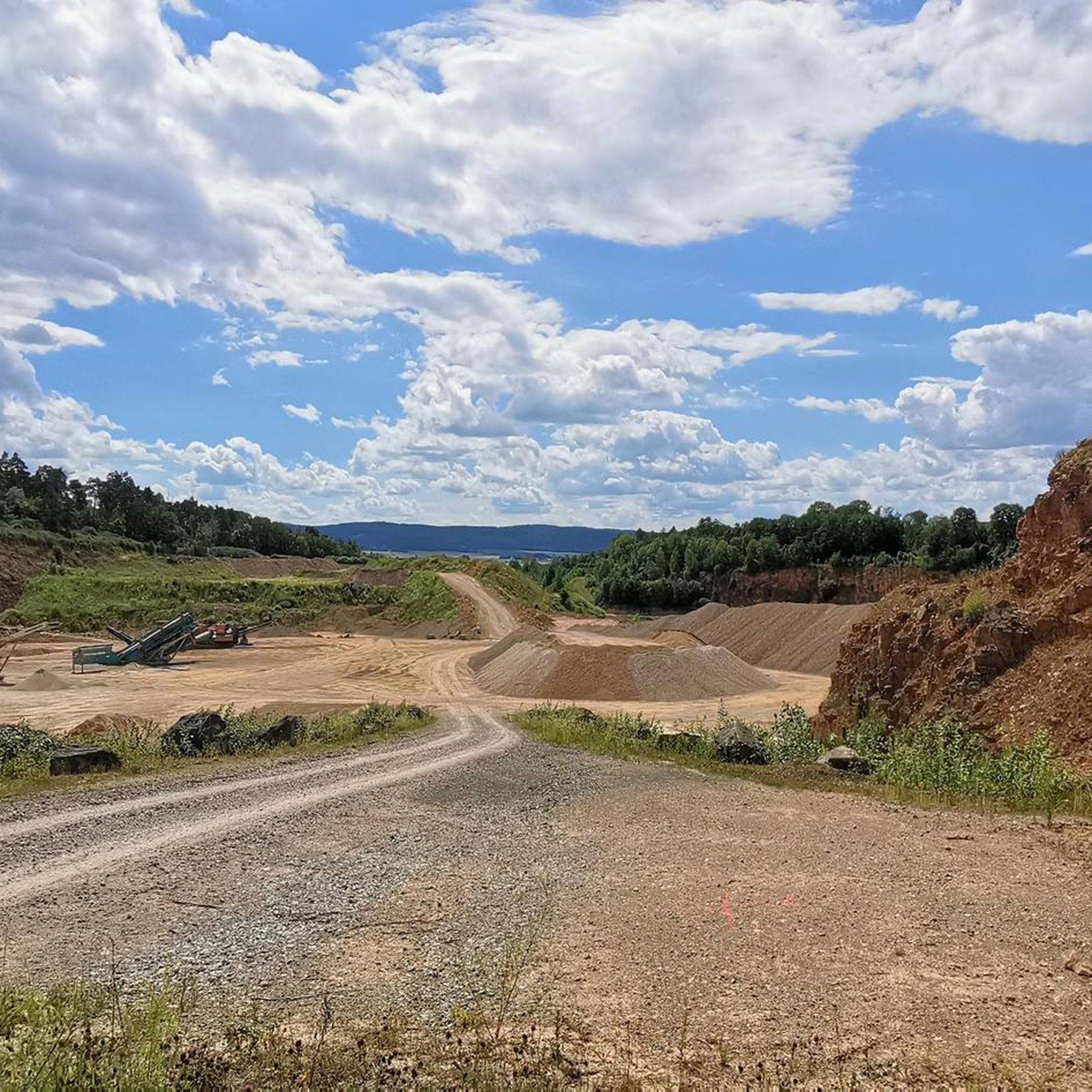
A sea of stones.
3
0
Frequently Asked Questions
What historical sites can I explore on the mountain peaks near Tiefenort?
The most prominent historical site is the Krayenburg Castle Ruins. Located on the 431 m high Krayenberg, these ruins date back to at least 786 and offer a deep dive into regional history, including visits by Johann Wolfgang von Goethe. A hermitage was also built next to the old watchtower remains.
Are there good viewpoints among the peaks around Tiefenort?
Yes, several peaks offer excellent panoramic views. The Pleß Tower on the Pleßberg provides a wonderful all-round view with benches and tables for resting. The Öchsenberg Summit and Celtic Cross also offers a panoramic view shaped by basalt mining. Additionally, the Geiskopf Blockfield and Summit provides fantastic views of the Rhön region.
What kind of natural landscapes can I expect to see when visiting the peaks around Tiefenort?
The region around Tiefenort is characterized by diverse landscapes, ranging from gentle hills to dense forests and river valleys. You'll find elevated areas like the Seebigsrain, Sperlingsberg, and Lichtberg, offering scenic walks. The Hundskopf near Hämbach is part of a route featuring the 'Naturdenkmal Blaue Grotte' (Blue Grotto Natural Monument), showcasing unique geological features.
Are there specific hiking trails recommended for the peaks near Tiefenort?
Yes, there are well-regarded hiking trails. For instance, a 6.7 km path called 'Steiler Pfad zur Krayenburg – Burgruine Krayenburg Rundweg ab Tiefenort' leads to the Krayenburg castle ruins. The Öchsenberg Summit and Celtic Cross is a highlight along the 'Keltenpfad' (Celtic Path), offering a rewarding hiking experience.
What other outdoor activities are available near the mountain peaks of Tiefenort?
Beyond hiking, the area offers various cycling and mountain biking opportunities. You can explore routes like the 'Werra Cycle Route' for touring bicycles or challenging trails for mountain bikes. For more details on routes, you can check the Cycling around Tiefenort, Gravel biking around Tiefenort, and MTB Trails around Tiefenort guides.
Are there family-friendly options for exploring the peaks near Tiefenort?
Absolutely. The Pleß Tower is considered family-friendly, offering a lookout tower, a hut, and benches for resting. The historical Krayenburg Castle Ruins can also be a fascinating destination for families, with relatively accessible trails leading to it.
Can I find places to eat or rest near the mountain peaks?
Yes, some peaks offer facilities. Near the Pleß Tower, there's a hut managed by the Rhönclub Zweigverein Breitungen on weekends, providing a place to rest. The Oechsenberg Hut, located on the lower plateau of the Öchsenberg, also offers food and drinks on Sundays and public holidays from April to October.
What is the best time of year to hike the peaks near Tiefenort?
The region's diverse landscapes, from gentle hills to dense forests, are enjoyable throughout the warmer months. Spring and autumn offer pleasant temperatures and beautiful scenery, with autumn providing vibrant foliage. While some huts, like the Oechsenberg Hut, operate from April to October, hiking is generally possible outside of heavy snow periods.
Are the mountain peaks around Tiefenort suitable for dog owners?
Many of the trails and peaks in the region are suitable for dog owners. For example, the Pleß Tower is listed as dog-friendly, making it a good option for walks with your canine companion. Always ensure your dog is on a leash where required and respect local wildlife.
What makes the Krayenburg a significant peak to visit?
The Krayenburg is significant due to its rich history, being home to the Krayenburg Castle Ruins which date back to 786. It offers not only historical insight but also scenic views over the Werra valley. The site's connection to Johann Wolfgang von Goethe and its role in the region's past make it a culturally important destination.
What is special about the Öchsenberg Summit?
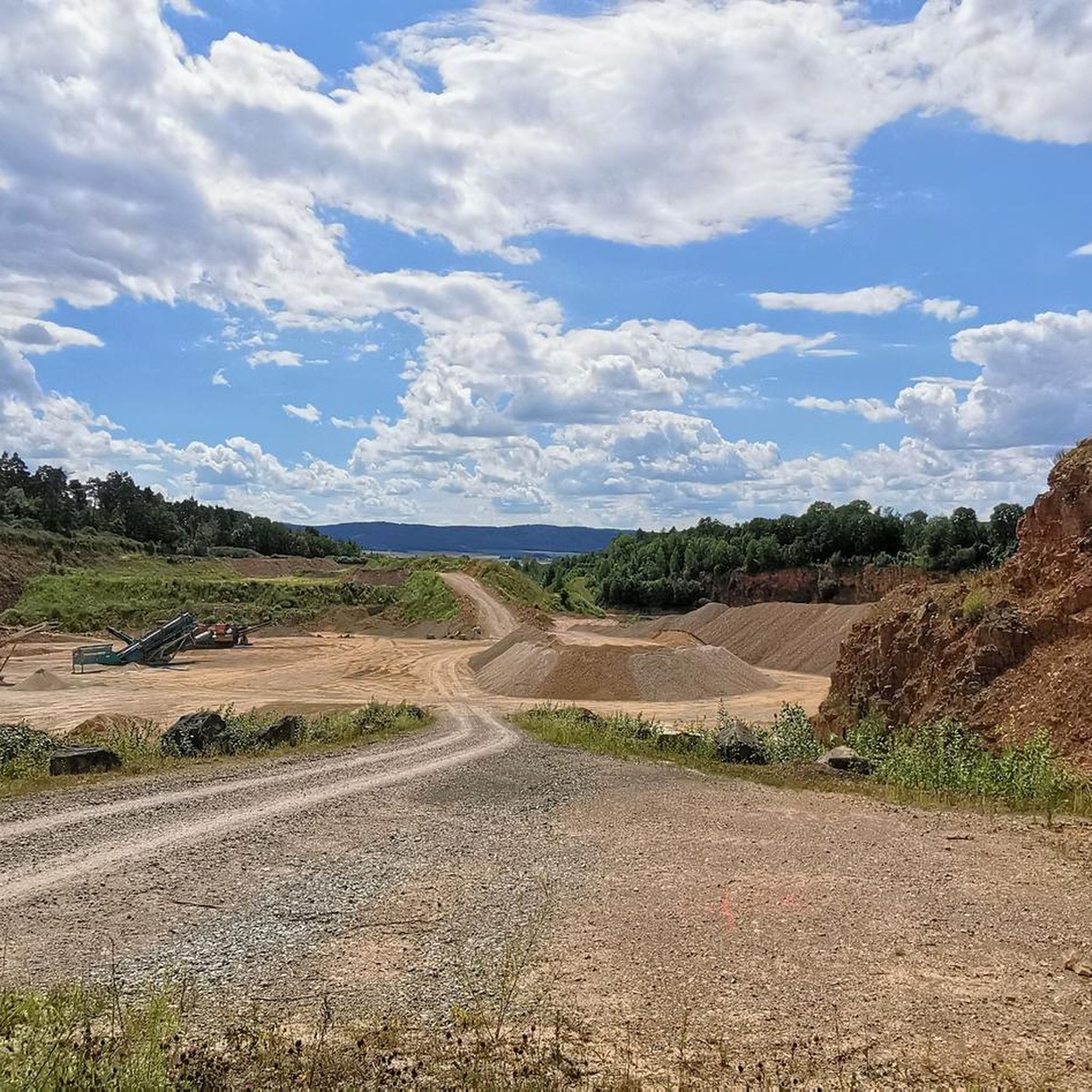
The Öchsenberg Summit is notable for its panoramic views, which have been shaped by decades of basalt mining. It features a distinctive Celtic cross and several benches for visitors. There's also the Oechsenberg Hut nearby, providing refreshments on weekends during the season.
Is it possible to visit the peaks around Tiefenort using public transport?
While specific public transport routes directly to all peak summits might be limited, Tiefenort itself is accessible. From the village, you can often find hiking trails leading to nearby elevated areas like the Krayenberg. For more remote peaks, a combination of public transport to a nearby town and then hiking or cycling might be necessary.
Where can I find parking when visiting the mountain peaks near Tiefenort?
Parking information for specific trailheads or peaks is often available locally. For popular spots like the Krayenburg, there are usually designated parking areas near the starting points of hiking trails in or around Tiefenort. It's advisable to check local signage or trail descriptions for precise parking locations.
Most popular routes around Tiefenort
Most popular attractions around Tiefenort

Get inspired with the komoot mobile app


Explore more
See even more amazing summits around Tiefenort with these guides:
