Attractions and Places To See in Nemuno Deltos Regioninis Parkas - Top 13
Best attractions and places to see in Nemuno Deltos Regioninis Parkas are found in a unique natural landscape in western Lithuania, where the Nemunas River forms an intricate delta before flowing into the Curonian Lagoon. This region is characterized by its extensive network of rivers, lakes, and wetlands, including Rusnė Island and the internationally recognized Aukštumala High Bog. The park preserves a rich cultural heritage, featuring distinctive polders and villages like Minija, often referred to as "Lithuanian Venice." It offers diverse natural features and cultural sites for exploration.
Best attractions and places to see in Nemuno Deltos Regioninis Parkas
- The most popular attractions is Ventes Ragas Lighthouse, a man-made monument that stands 11 meters high and was built in 1863. It is notable for its historical significance and its location near a bird research center at Ventė Cape, a crucial stop on the Western Palearctic-Europe-Africa bird migration route.
- Another must-see spot is Uostadvaris Lighthouse, a historical man-made monument. Visitors can expect to see an octagonal red brick lighthouse built between 1873 and 1876, which is now a technical monument no longer used for navigation.
- Visitors also love Rusnė Observation Tower, a viewpoint offering extensive views of the surrounding delta landscape. It is special for providing panoramic perspectives over the flat terrain of the Nemunas Delta.
- Nemuno Deltos Regioninis Parkas is known for its lighthouses, observation towers, and natural trails. The region offers a variety of attractions to see and explore, from historical landmarks to unique wetland ecosystems.
- The attractions in Nemuno Deltos Regioninis Parkas are appreciated by the komoot community, with more than 40 upvotes and over 20 photos shared by visitors.
Last updated: July 5, 2026
Uostadvaris Lighthouse
Highlight • Monument
The lighthouse was built between 1873 and 1876 when the Memel delta was still part of the German Empire. It has the shape of a regular octagon and is made of red brick masonry. The outer wall is decorated with green glazed bricks. Inside, a spiral staircase leads to the lantern room and observation deck. Next door is the house of the lighthouse keeper. The beacon was extinguished in 1986 and is now no longer used for navigation as a technical monument.
wikiwand.com/de/Lighthouse_Uostadvaris
Translated by Google •
Tip by

Ventes Ragas Lighthouse
Highlight • Monument
Translated by Google •
Tip by

Sign up now to discover places like this
Get recommendations on the best single tracks, peaks, & plenty of other exciting outdoor places.
Sign up for free
Aukštumala Raised Bog Nature Trail
Highlight • Trail
Didžiulį, net 2500 hektarų, plotą užimanti Aukštumalos pelkė yra unikali savo prigimtimi – tai deltinio tipo atvira aukštapelkė, o vandeniu ji pasipildo ne tik iš kritulių, bet dar ir iš potvynių. Ši ypatinga vieta taip pat laikoma pasaulio pelkėtyros mokslo lopšiu. Aukštumalos, kūlgrinda vingiuojantis, pažintinis takas buvo nutiestas dar 18-ame amžiuje ir jungė keletą, dabar jau nebeegzistuojančių, pelkinių kaimų. Šiandien takas keliautojus vilioja smaragdinėmis pelkinių ežerėlių akimis, minkštais, raustančių spanguolių karoliais, kreivomis nykštukinėmis pušaitėmis ir paslaptingomis paukščių giesmėmis. Deja, iki mūsų tik trečdalis pelkės – vakarinė jos dalis – išlaikė natūralius bruožus ir 1995-aisiais buvo paskelbta telmologiniu draustiniu. 1993-aisiais metais Aukštumalos pelkė įrašyta į Ramsaro konvencijos tarptautinės svarbos teritorijų sąrašą, o nuo 2004-ųjų išlikusi pelkės dalis tapo Europos ekologinio tinklo "Natura 2000" dalimi.
Daugiau nei kilometro ilgio pažintinis takas lankytojams atskleidžia visas aukštapelkės grožio paslaptis, jos formavimosi istoriją bei padeda atverti pelkės gamtos lobių skrynelę: pažinti tik jai būdingas buveines, augalus ir gyvūnus, suprasti, kuo vertinga ši paslaptinga ekosistema, kaip lengvai galima ją pažeisti ir kaip sudėtinga gydyti padarytas žaizdas. Informaciniai stendai pasakoja ir kadaise buvusius, bet mūsų dienų nesulaukusius pelkininkų kaimus, pirmuosius Aukštumalos pelkės mokslinius tyrimus, aukštapelkių reljefo ypatybes ir durpių klodų metraščiuose slypinčią istorinę medžiagą. Pažintinio tako pabaigoje, prie pelkinio ežerėlio, įrengta 3 metrų aukščio apžvalgos platforma, nuo kurios atsiveria ypatingo grožio misteriška pelkės panorama. Aukštumalos pažintinis takas, neabejotinai, yra vienas gražiausių Šilutės rajone. Kito tokio tako, kuris vestų lankytojus į paslaptingą pelkės širdį, aukštapelkės plynę su tyvuliuojančiais ežerėliais, daugiau nėra.
Tip by

Statue of Mahatma Gandhi and Hermann Kallenbach
Highlight • Monument
Translated by Google •
Tip by

Rusnė Observation Tower
Highlight • Viewpoint
Translated by Google •
Tip by

Sign up for free to discover even more attractions in Nemuno Deltos Regioninis Parkas.
Sign up for free
Already have an account?
Start today with a free account
Your next adventure awaits.
Login or Signup
Popular around Nemuno Deltos Regioninis Parkas
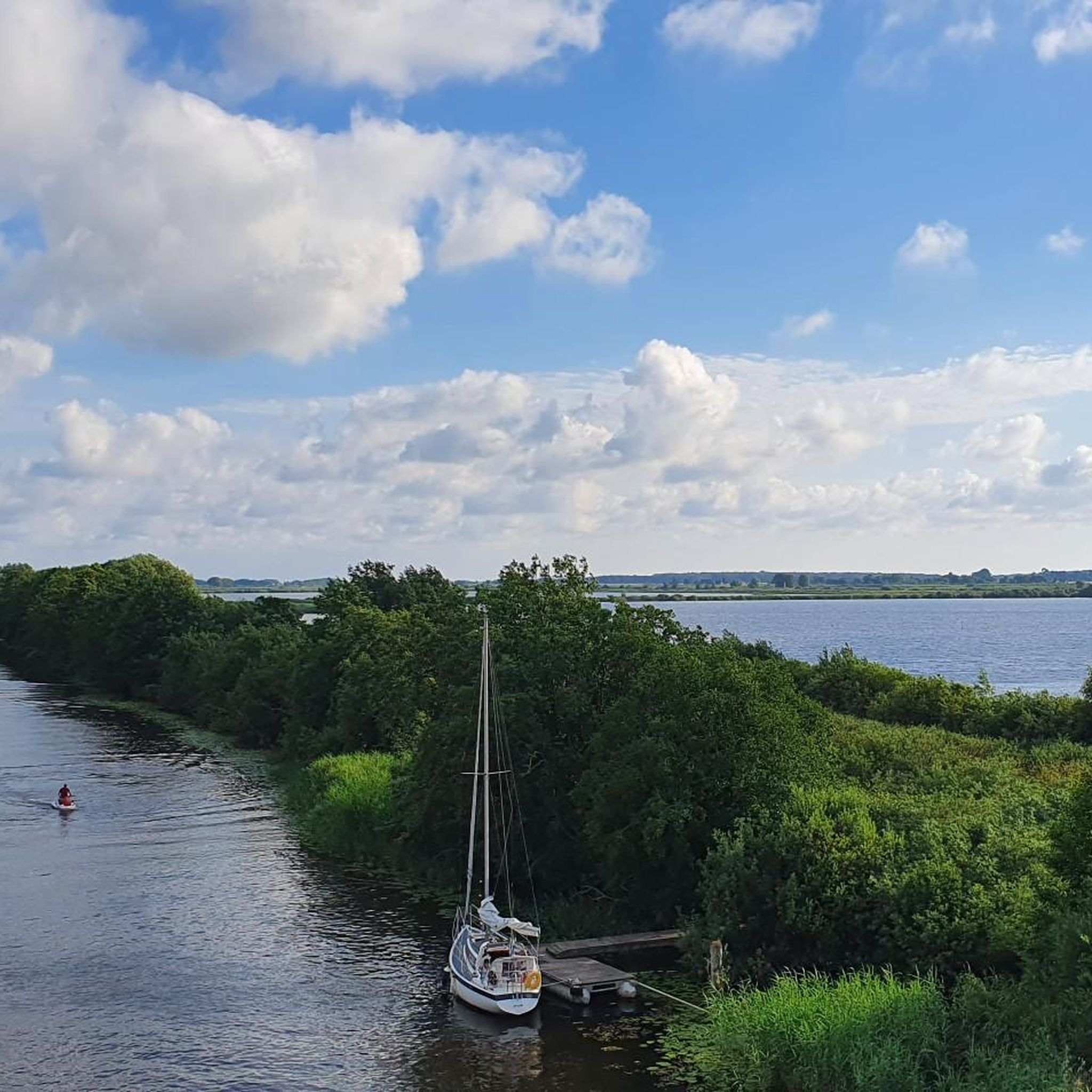
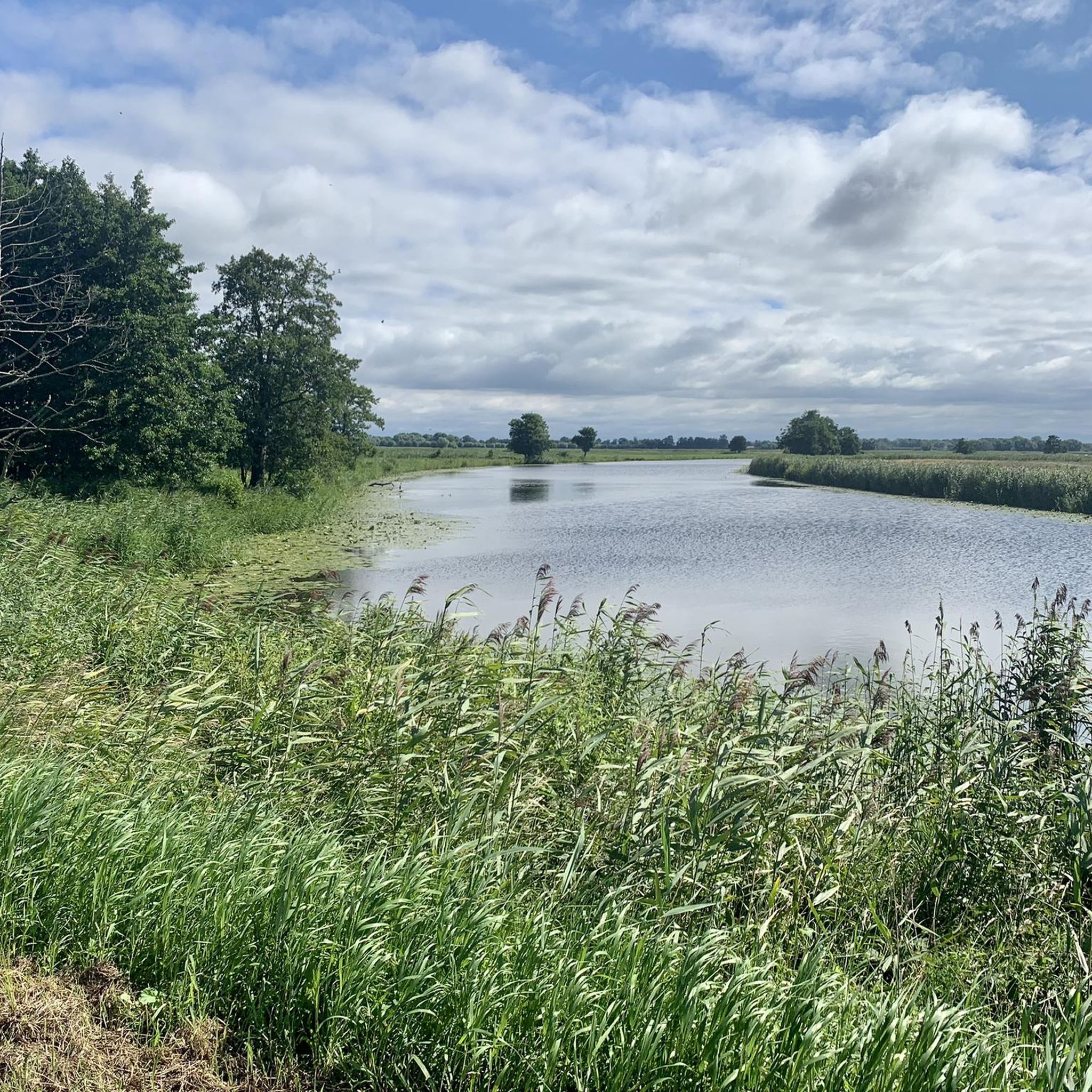
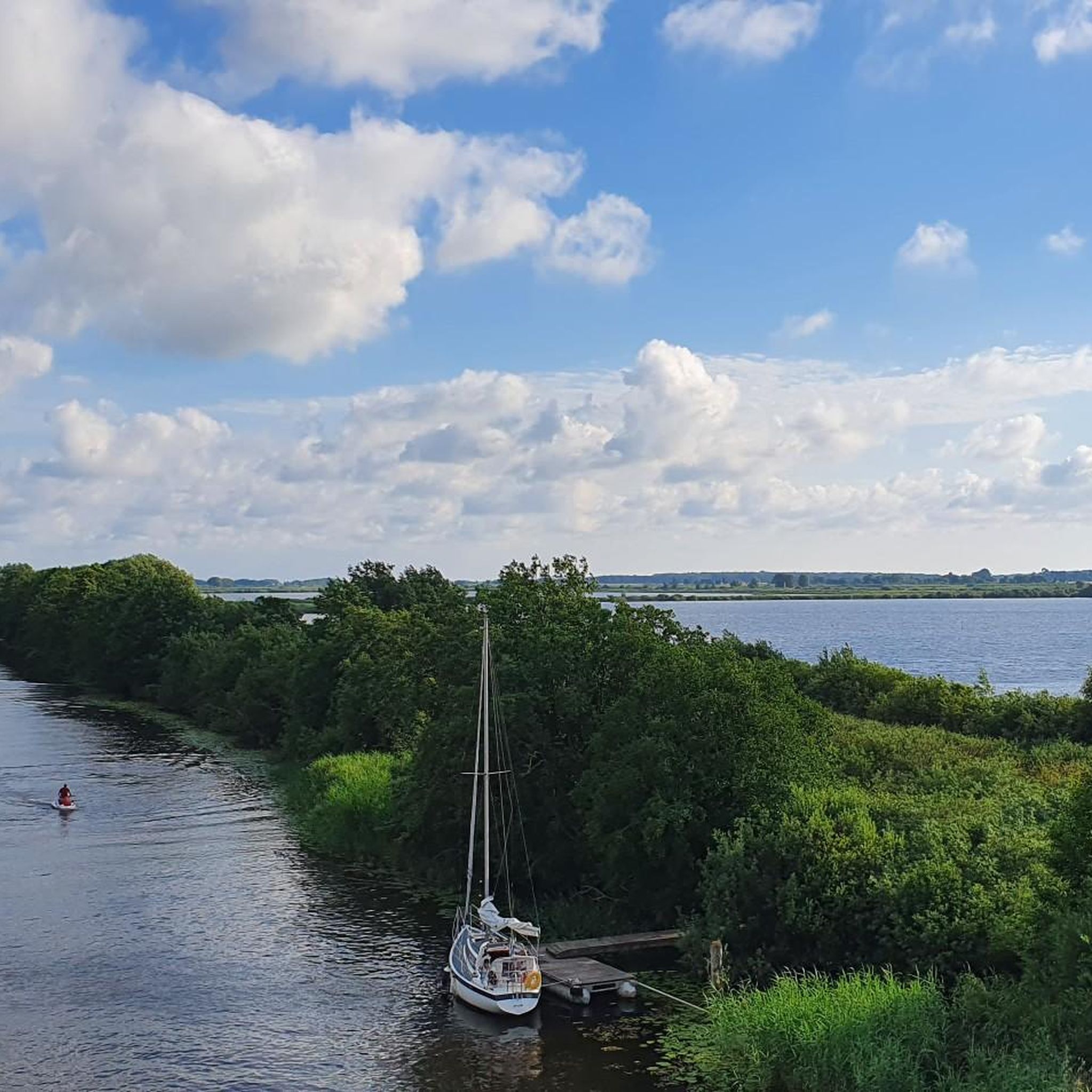
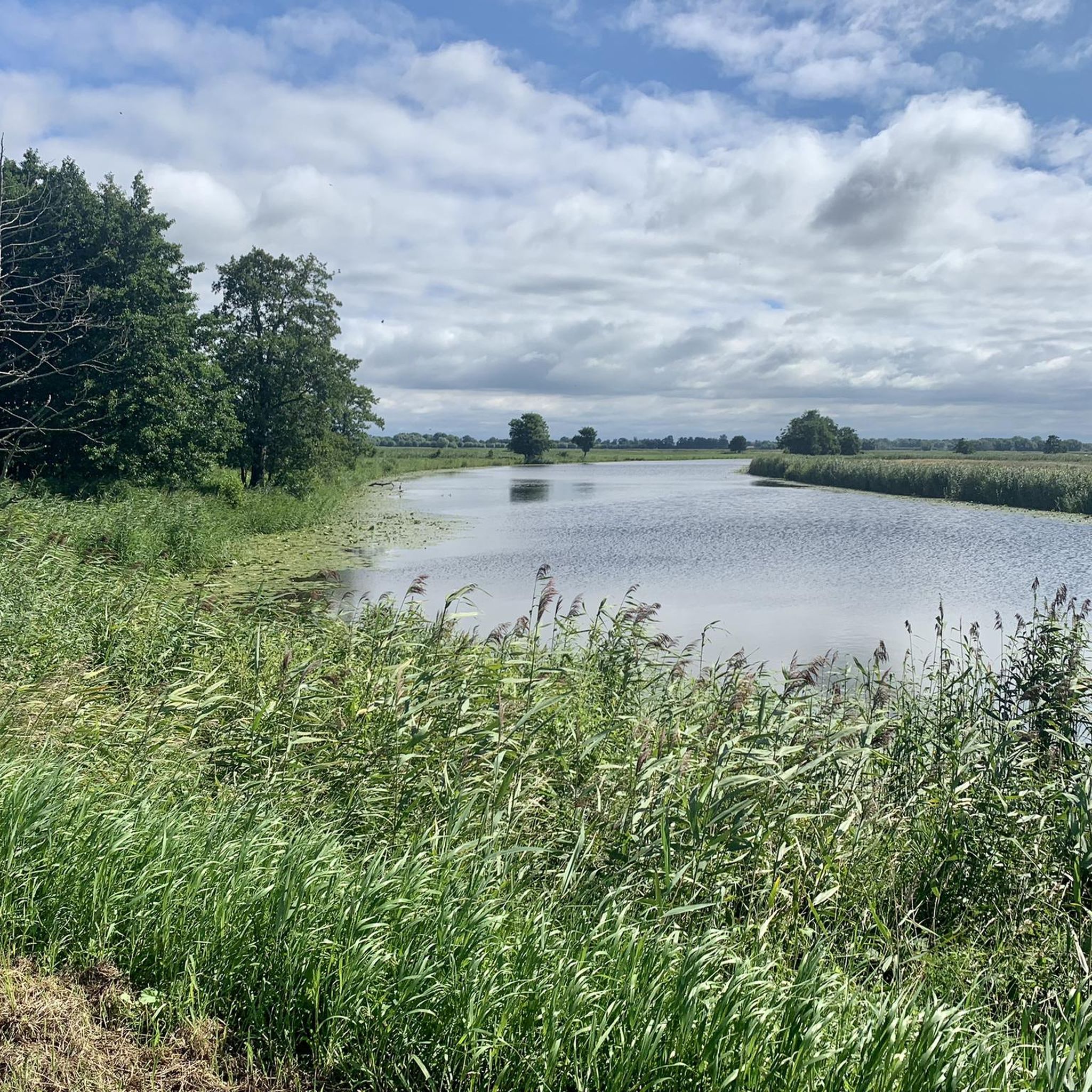
Tips from the Community

Inside is a very beautiful iron spiral staircase.
1
0

Lighthouse at Vente Cape The first wooden lighthouse at Vente Cape was built in 1837. It was illuminated by an oil-burning lamp. Today's red brick lighthouse was built in 1852. It is 11 metres high. The Vente Cape Lighthouse is one of the few Lithuanian lighthouses that you can freely enter and look around. An old iron staircase, decorated with original ornaments, leads to the lighthouse's viewing platform. The important viewing platform overlooks the Curonian Lagoon, and you can even see the Curonian Spit and Rusne Island. From this spot, you can see Nida and the golden dunes in the Curonian Spit 12 to 13 kilometres to the southwest and Preila 8.5 kilometres to the west. The Atmata, the main tributary of the Nemunas 3.6 kilometres to the east, flows into the Curonian Lagoon. The Vente Cape Lighthouse is a state-protected technical monument.
0
0

The lighthouse is 11 meters high and was built in 1863. It is no longer in operation. The climb is free.
1
0
Memorial to the two friends Mahatma Gandhi and Hermann Kallenbach, who comes from Rusnė.
1
0
The lighthouse was completed in 1876. It's free to climb and offers a beautiful view.
1
0

While the name Mahatma Gandhi is certainly familiar to many people of various nationalities and religions, the second person depicted, Hermann Kallenbach—including me personally—was completely unknown until I encountered this monument depicting the two companions. + Mahatma (actually Mohandas Karamchand) Gandhi, 1869 to 1948 (nominated for the Nobel Peace Prize at the time of his assassination) was a pioneer of India's independence from Great Britain, always and uncompromisingly advocating non-violent resistance and decisively rejecting armed struggle. + Hermann Kallenbach, 1871 (in Lithuania, then part of Russia) to 1945 (South Africa), was the son of Jewish parents and emigrated to South Africa. There he met Gandhi and became a friend and supporter of his cause.
0
0

The story of Gandhi and Kallenbach is a deeply intimate and personal one. But it also has historical and academic significance. This story is fascinating for another reason, because it proves and highlights the possibility of cross-cultural influences leading to much greater results, as manifested in Gandhi's impact on world history.
2
0

The lighthouse Uostadvaris (Lithuanian Uostadvario švyturys, German Kuwertshof ) is a lighthouse in Lithuania. It is located in the Neman Delta, on the southern bank of the Atamata, in the village of Uostadvaris, Šilutė Municipality, Klaipėda District. The lighthouse was built between 1873 and 1876 when the Memel delta was still part of the German Empire. It has the shape of a regular octagon and is made of red brick masonry. The outer wall is decorated with green glazed bricks. Inside, a spiral staircase leads to the lantern room and observation deck. Next door is the house of the lighthouse keeper. The beacon was extinguished in 1986 and is now no longer used for navigation as a technical monument. https://www.wikiwand.com/de/Lighthouse_Uostadvaris
3
1
Frequently Asked Questions
What natural features can I explore in Nemuno Deltos Regioninis Parkas?
The park is renowned for its unique natural landscapes. You can explore the intricate Nemunas Delta, including the large Rusnė Island, and the internationally recognized Aukštumala High Bog. Ventė Cape is a crucial stop for birdwatchers, especially during migration. The delta also features extensive floodplain meadows, wetland forests, and distinctive polders. Don't miss the Aukštumala Raised Bog Nature Trail for an immersive experience.
Are there any historical or cultural sites to visit in the Nemunas Delta region?
Yes, the region is rich in cultural heritage. You can visit Minija Village, often called the 'Lithuanian Venice,' where the river serves as the main street. Rusnė Town offers pre-war German architecture, including its old town, church, and the K. Banys Ethnographic Fisherman's Homestead-Museum. Historic lighthouses like Uostadvaris Lighthouse and Ventes Ragas Lighthouse are prominent landmarks. The Statue of Mahatma Gandhi and Hermann Kallenbach in Rusnė also marks a unique historical connection.
What outdoor activities can I do near the attractions in Nemuno Deltos Regioninis Parkas?
The flat terrain and extensive waterways make the Nemunas Delta ideal for various outdoor activities. You can enjoy water tourism with boat trips, kayaking, or canoeing. Cycling is very popular, with routes connecting key attractions. Hiking is also a great option, with nature trails like the Pakalnė walkway. For more detailed routes, explore the guides for Cycling in Nemuno Deltos Regioninis Parkas, MTB Trails in Nemuno Deltos Regioninis Parkas, and Hiking in Nemuno Deltos Regioninis Parkas.
Are there family-friendly attractions or activities in Nemuno Deltos Regioninis Parkas?
Yes, many attractions are suitable for families. The Uostadvaris Lighthouse and Ventes Ragas Lighthouse are interesting historical sites. The Aukštumala Raised Bog Nature Trail offers an educational walk through unique wetlands. The Rusnė Observation Tower provides panoramic views that children often enjoy. Gentle cycling routes and boat trips through the delta are also excellent family activities.
Where can I find the best viewpoints to observe the Nemunas Delta landscape?
For expansive views of the delta, the Rusnė Observation Tower is highly recommended, offering panoramic perspectives over the flat terrain. The Aukštumala Raised Bog Nature Trail also features a 3-meter high observation platform at its end, providing a beautiful view of the bog's mysterious landscape. Additionally, the historic lighthouses, such as Ventes Ragas Lighthouse, offer elevated vantage points.
What is the significance of Ventė Cape for birdwatching?
Ventė Cape (Ventės Ragas) is internationally recognized as a crucial stop on the Western Palearctic-Europe-Africa bird migration route. It hosts an ornithological station where birds, including globally endangered species like white-tailed eagles and barnacle geese, are caught and tagged. It's an exceptional place for birdwatchers to observe a wide variety of species, especially during migration seasons.
Can I learn about the Nemunas Delta's unique ecosystem and hydrology?
Yes, the Nemuno Delta Regional Park Visitor Center in Šilutė offers an exhibition titled 'Where the Nemunas Branches Out.' This exhibition provides an excellent introduction to the park's unique values, its intricate hydrological network, and the diverse ecosystem of the Nemunas Delta. It's a great starting point to understand the region's natural wonders.
Are there easy hiking trails suitable for beginners in the park?
Yes, the park offers several easy hiking trails. The Aukštumala Raised Bog Nature Trail is a well-known easy option, allowing visitors to explore the unique bog ecosystem. Many forest paths in the Žalgiriai area are also suitable for leisurely walks. You can find more easy routes in the Hiking in Nemuno Deltos Regioninis Parkas guide, such as the 'Aukštumala Educational Trail – Aukštumala Observation Tower loop from Rūgaliai' which is just over 2.5 km.
What is special about Rusnė Island and its town?
Rusnė Island is the largest island in Lithuania, formed by the Nemunas River splitting into numerous branches. Rusnė Town, located on the island, boasts a rich architectural heritage, including distinctive pre-war German buildings. It's a great place to experience the delta's unique island life, explore its old town, and visit the K. Banys Ethnographic Fisherman's Homestead-Museum.
What is the best time to visit Nemuno Deltos Regioninis Parkas?
The best time to visit largely depends on your interests. Spring and autumn are ideal for birdwatching at Ventė Cape due to migration. Summer offers pleasant weather for cycling, hiking, and water tourism. The unique landscapes, including the polders and delta branches, can be appreciated throughout the warmer months. Always check local weather conditions before your visit.
What makes the polders in Nemuno Deltos Regioninis Parkas unique?
The polders are a distinctive man-made feature of the Nemunas Delta. These low-lying meadows are protected by embankments from constant or seasonal flooding, showcasing ingenious engineering solutions to manage the delta's water levels. They are an integral part of the landscape and reflect the historical interaction between humans and the natural environment in the region.
Are there opportunities for cycling in the Nemunas Delta?
Absolutely! The flat terrain of the Nemunas Delta is perfect for cycling. There are numerous routes connecting key attractions like Rusnė Island, Minija village, Ventė Cape, and Uostadvaris. You can find many easy cycling loops, such as the 'Uostadvaris Lighthouse loop from Pakalnė' or the 'Gandhi-Kallenbach Memorial loop from Rusnė'. For more options, refer to the Cycling in Nemuno Deltos Regioninis Parkas guide.
What do visitors enjoy most about Nemuno Deltos Regioninis Parkas?
Visitors particularly appreciate the unique natural beauty and tranquility of the delta landscape. The panoramic views from observation towers like Rusnė Observation Tower are highly rated. The historical lighthouses, such as Uostadvaris Lighthouse, are also popular for their charm and the insights they offer into the region's past. Many enjoy the easy access to nature trails and the opportunities for birdwatching.
Most popular routes in Nemuno Deltos Regioninis Parkas

Get inspired with the komoot mobile app


Explore more
Still not found the Highlight you’re looking for? See guides of the top attractions in other regions:
