The best walks and hikes in Rezerwat Gązwa
4.5
(714)
1,117
hikers
96
hikes
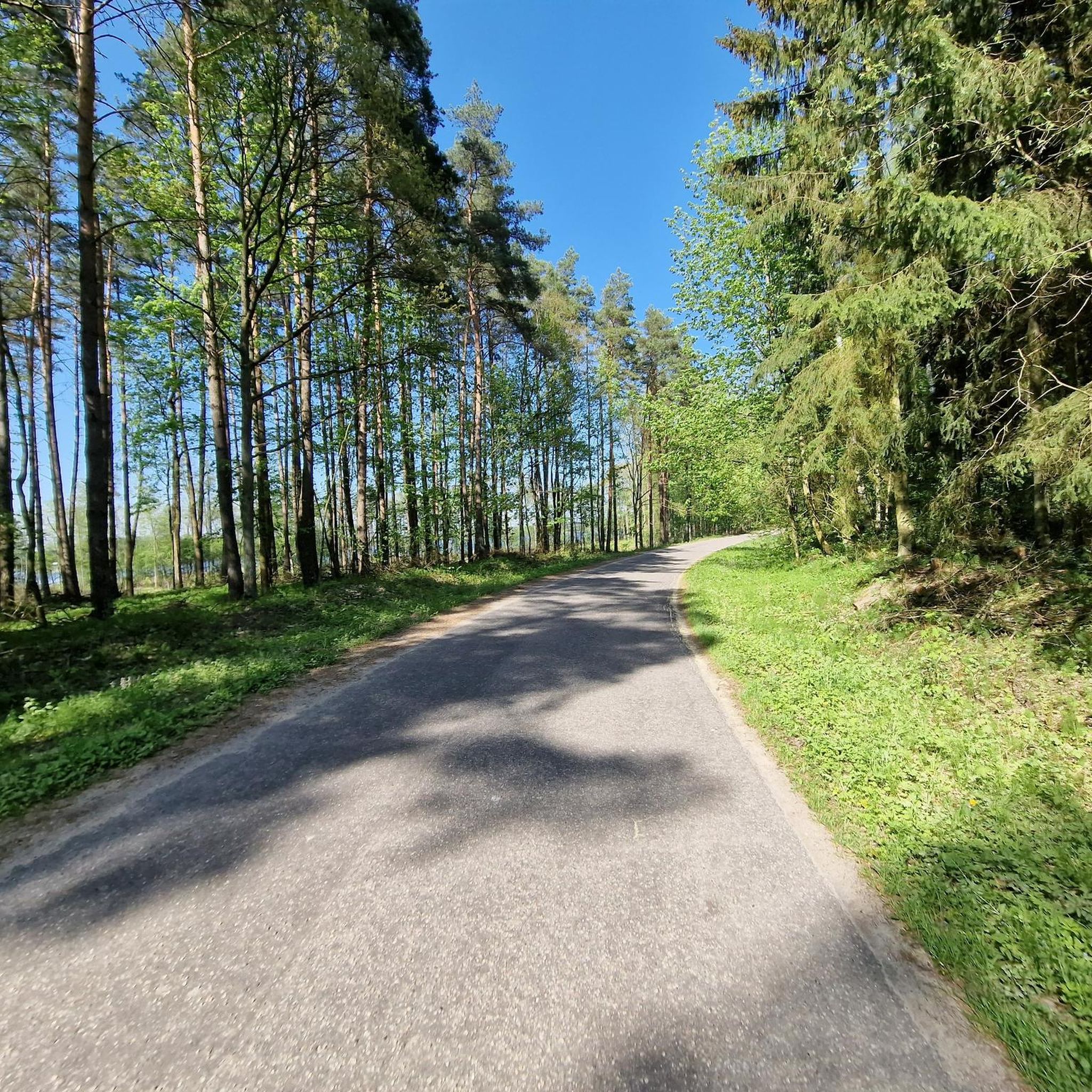
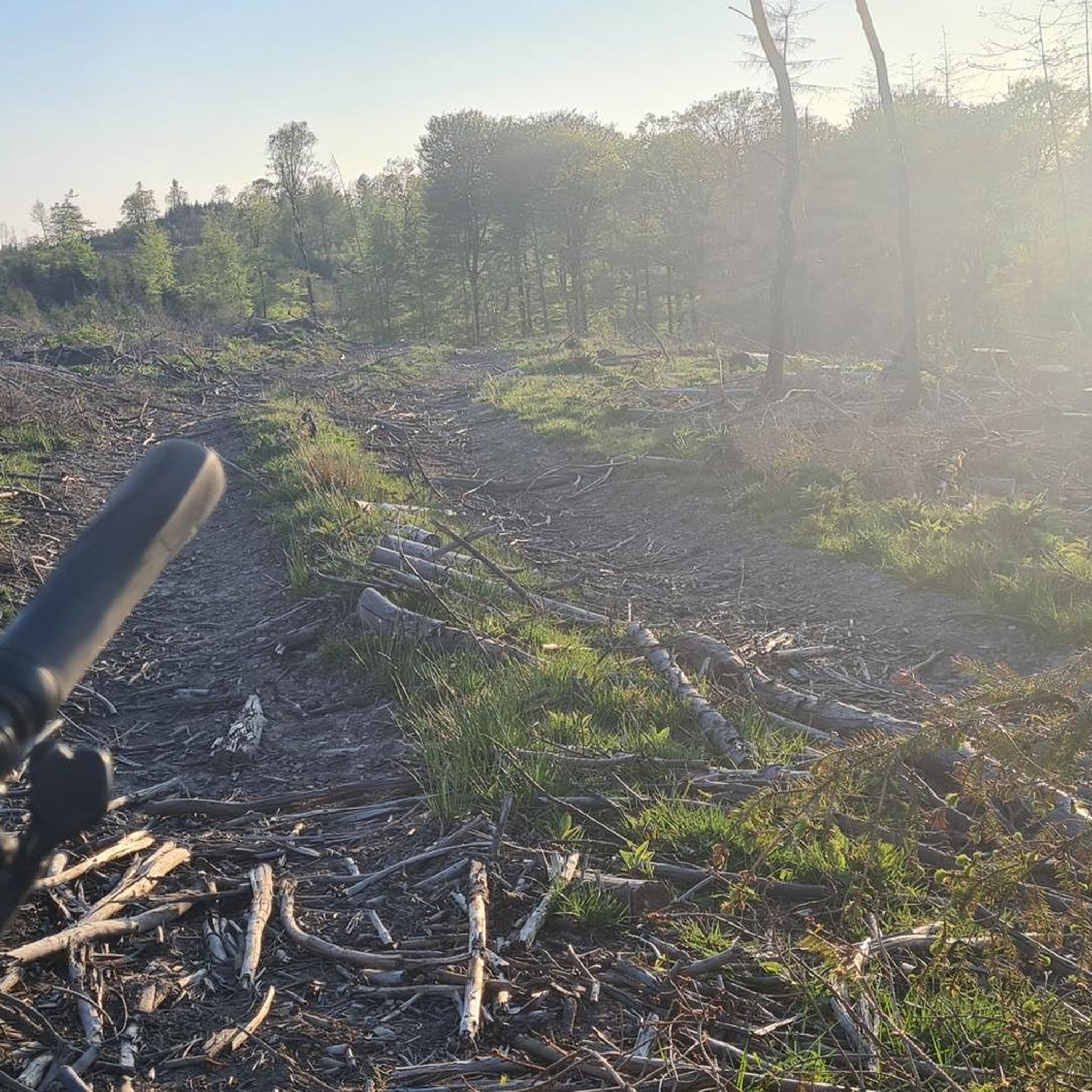
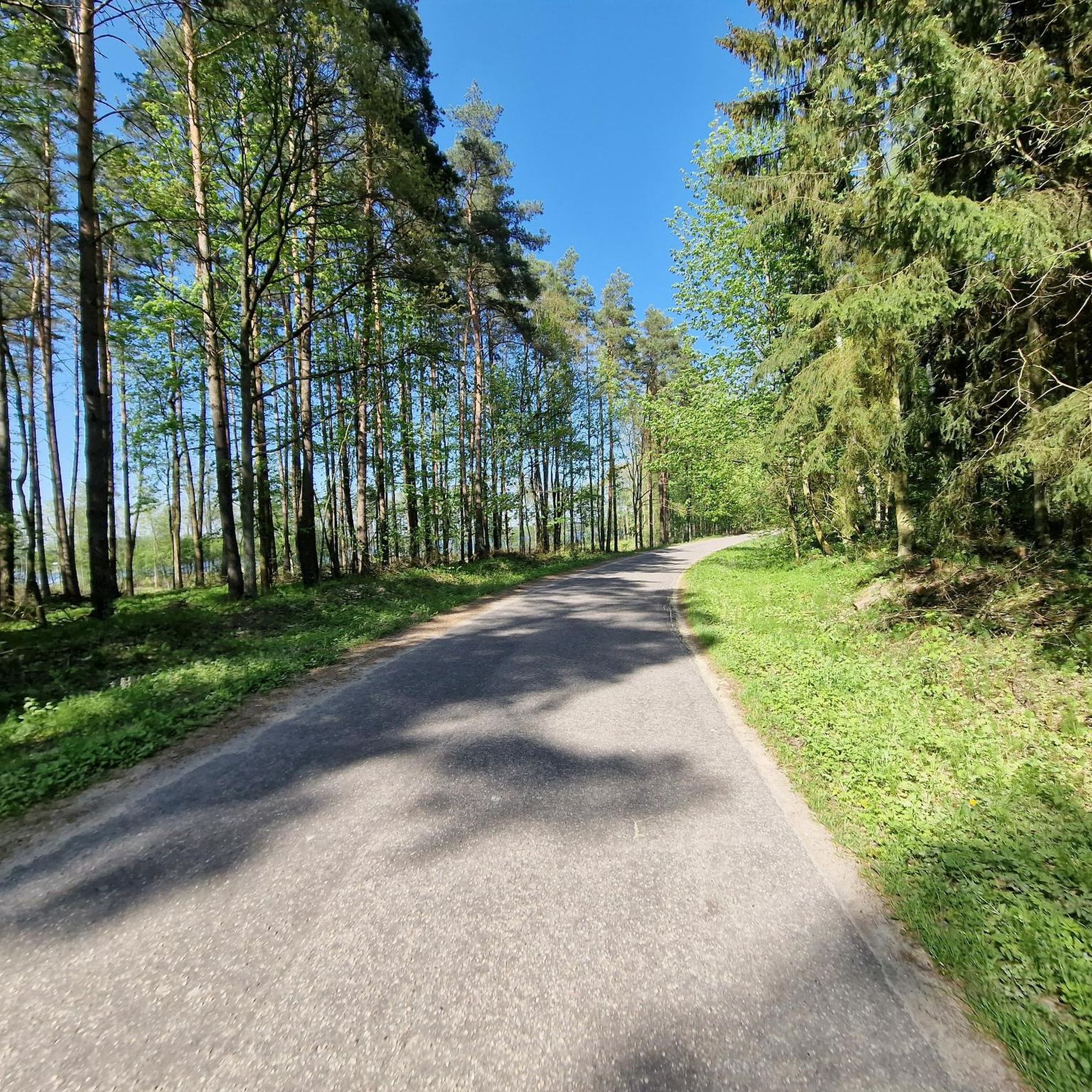
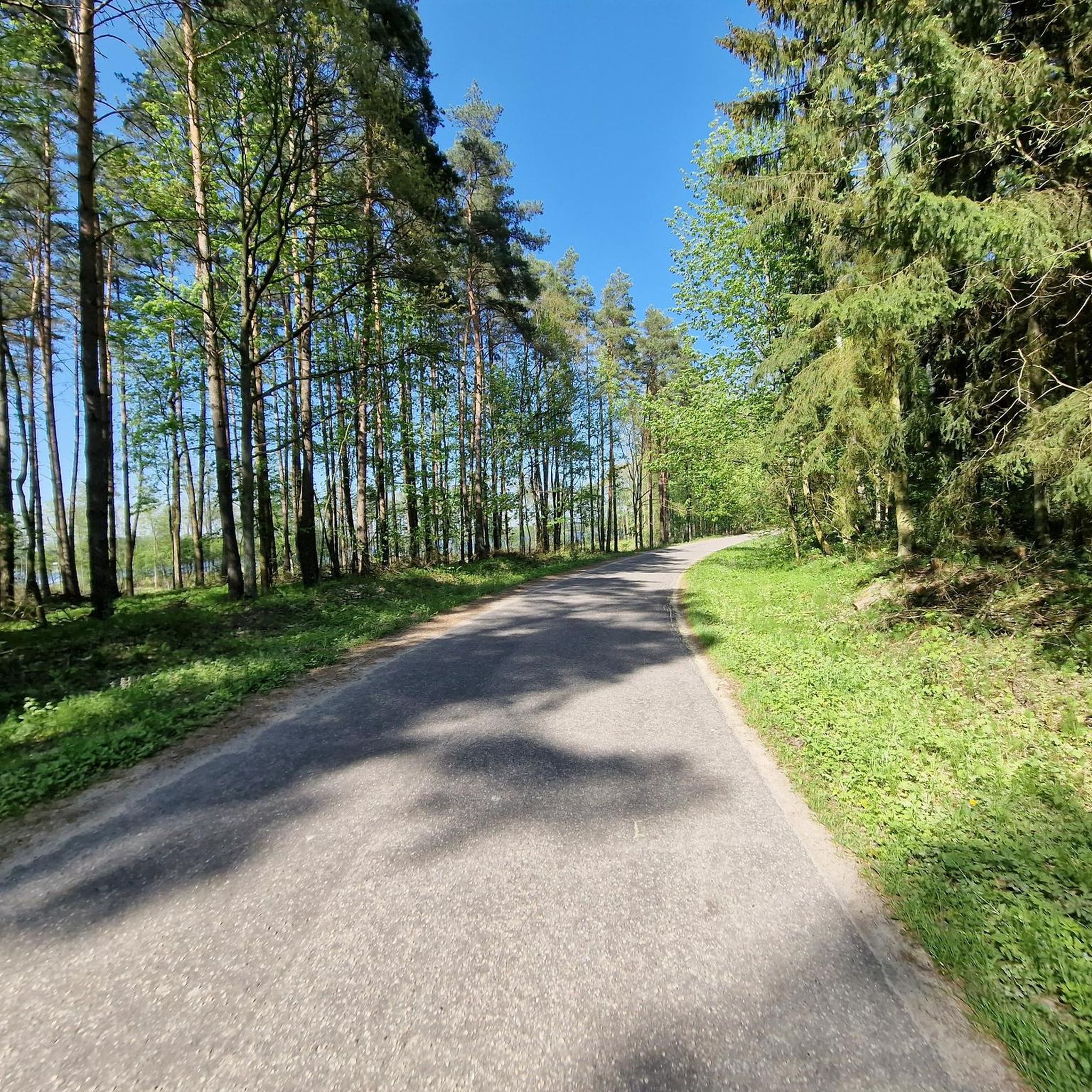
Hiking in Rezerwat Gązwa offers a network of trails through a landscape characterized by forests, lakes, and gently rolling terrain. The nature reserve provides diverse environments for outdoor exploration, from tranquil woodland paths to routes skirting the edges of water bodies. These hiking trails in Rezerwat Gązwa cater to various preferences, with options ranging from short, easy walking routes to longer, more challenging excursions.
Best hiking trails in Rezerwat Gązwa
- The most popular hiking route is Restaurant – Fish Farm…
Last updated: July 9, 2026
5.0
(8)
10
hikers
15.9km
04:07
90m
90m
Moderate hike. Good fitness required. Easily-accessible paths. Suitable for all skill levels.
5.0
(9)
3
hikers
24.4km
06:19
140m
140m
Hard hike. Very good fitness required. Easily-accessible paths. Suitable for all skill levels.

Sign up for free
5.0
(1)
5
hikers
6.05km
01:34
30m
30m
Easy hike. Great for any fitness level. Easily-accessible paths. Suitable for all skill levels.
4
hikers
12.3km
03:10
70m
70m
Moderate hike. Good fitness required. Easily-accessible paths. Suitable for all skill levels.
4.0
(1)
9
hikers
6.06km
01:35
50m
50m
Easy hike. Great for any fitness level. Easily-accessible paths. Suitable for all skill levels.
Get access to more routes and recommendations from other explorers.
Sign up for free
Already have an account?
Our route recommendations are based on thousands of hikes, rides, and runs completed by other people on komoot.
Start today with a free account
Your next adventure awaits.
Login or Signup
Tips from the Community

In the mid-1980s, thanks to the efforts of the then-pastor of the Blessed Honorat Koźmiński Parish in Mrągowo, Father Henryk Darasewicz, a small wooden church was built in the village. The chapel was built by the villagers as a community effort on land donated for this purpose by one of their number, Mr. Popielarz.
1
0
The first mention of the church in Sorkwity dates back to 1470. Initially, it was a half-timbered building with a thatched roof.[1] The church was patronized by the owners of the existing knightly estates, which included the von Schlieben family.[2] The church was demolished at the turn of the 16th and 17th centuries, and a new church was built in its place in the Baroque style, while partially retaining the Gothic architectural character. The initiative for the construction of the current church building is associated with Dietrich von Schlieben, and work was carried out in four stages. The eastern part of the nave, along with the sacristy, was built between 1593 and 1607. The expansion was completed in 1698-1699 at the initiative of Sigismund von Egloffstein, the next owner of the Sorkwity estate. The tower was added between 1701 and 1712, and the final construction phase spanned 1750–1777, when the appearance of the windows in the nave was standardized. This Evangelical church is located on Lake Gielądzkie in the village of Sorkwity, in the Warmian-Masurian Voivodeship.
1
0

At the northern end of Lake Lampackie stands a castle built in 1788 for the then lord of the manor, Johann Sigismund von Oppeln-Bronikowski. This unfinished brick building was once the center of the Sorquitten estate. Between 1850 and 1856, under the lord of the manor, Julius von Mirbach, it was rebuilt in the neo-Gothic castle style of an English manor house. The castle walls have since been crowned with battlements. Next to the main building stands the so-called carriage house, a separate building. The castle includes an English-style landscape park, whose form dates back to the 19th century. It is characterized by ancient oaks and several other protected tree species. During the First World War, on August 26, 1914, the first day of the Battle of Tannenberg between the invading Samsonov Army and the German defenders, Russian soldiers spent the night in the castle. The castle caught fire and burned down on the night of August 27-28, 1914, along with all its valuable furnishings. In 1922/1923, it was rebuilt by the last German lord of the manor under the supervision of the Berlin architect Otto Rüger. The building survived the Second World War largely unscathed; only the interior furnishings were lost through looting in 1945. After 1945, the castle was used as an administrative building and warehouse for the now Polish estate administration. In 1957, it became a convalescent home for the Warsaw Ursus machine factory. Today, the castle and park are once again privately owned; the castle houses the two-star Hotel Pałac Sorkwity. In June 2012, the castle appeared unoccupied, and there was no evidence of a hotel operation. Source: wikipedia.org
1
0
A church in Sorkwity was first mentioned in 1470. It was a thatched, half-timbered church. It was demolished in 1600 and replaced by a fieldstone church: a choirless, plastered building, the eastern part of which was built between 1593 and 1607, and the western part in 1689/99. The west tower, with its faced brickwork, was built between 1701 and 1721. It supports a tarmac roof with a weather vane from 1777 – commemorating the reconstruction work in 1776/77. At that time, the dilapidated upper section had to be removed by 35 feet. It was then restored as it stands today. In 1754, the church interior received a barrel vault in the nave and flat planked ceilings on the sides; the semicircular windows were also installed. The church's appearance has remained unchanged since then. The church's interior was carefully restored in the 1930s. Between 1935 and 1944, it was painted, new roof tiles and gutters were installed, and the doors and arched windows were replaced. In the years after 1945, the church was restored several times, most recently in 2010 and 2012. Source: wikipedia.org
2
0

The football club’s stadium is currently being renovated.
0
0
Beautiful little park in Mrągowo.
0
0
Beautiful statue. I was lucky that it was beautifully illuminated by the sun. (See picture 😀)
0
0

Frequently Asked Questions
What is the general difficulty level of hiking trails in Rezerwat Gązwa?
Rezerwat Gązwa offers a range of trails suitable for various fitness levels. You'll find a good mix, with approximately 57 easy routes, 27 moderate routes, and 4 more challenging options, ensuring there's something for everyone.
What is the typical length of hikes in Rezerwat Gązwa?
Hikes in Rezerwat Gązwa vary significantly in length. Many trails are shorter, around 6-10 km, perfect for a few hours of exploration. However, there are also longer routes, such as the difficult PTTK Sorkwity Station – Fish Farm at Gielądzkie Lake loop from Młynik, which spans over 24 km.
Are there any family-friendly hiking options in Rezerwat Gązwa?
Yes, Rezerwat Gązwa has numerous family-friendly trails, particularly among its 57 easy routes. These often feature gentle terrain through woodlands and along lake shores. A good example is the Hiking loop from Wólka Bagnowska, which is about 6 km long and takes less than two hours to complete.
Are dogs allowed on the hiking trails in Rezerwat Gązwa?
Generally, dogs are welcome on trails in Rezerwat Gązwa, provided they are kept on a leash and owners clean up after them. As it's a nature reserve, respecting wildlife and other hikers is paramount. Always check local signage for any specific restrictions on certain paths.
Are there circular hiking routes available in Rezerwat Gązwa?
Yes, Rezerwat Gązwa features several excellent circular hiking routes, which are popular for their convenience. An example is the John Paul II Park and Monument – Lake Czos loop from Mrągowo, an easy 6 km loop that starts and ends in the same location.
What is the best time of year to hike in Rezerwat Gązwa?
The best time to hike in Rezerwat Gązwa is typically from spring through autumn (April to October). During these months, the weather is generally pleasant, and the natural scenery, from lush forests to vibrant lake views, is at its most appealing. Winter hiking is possible but requires appropriate gear for snow and ice.
What kind of scenery can I expect while hiking in Rezerwat Gązwa?
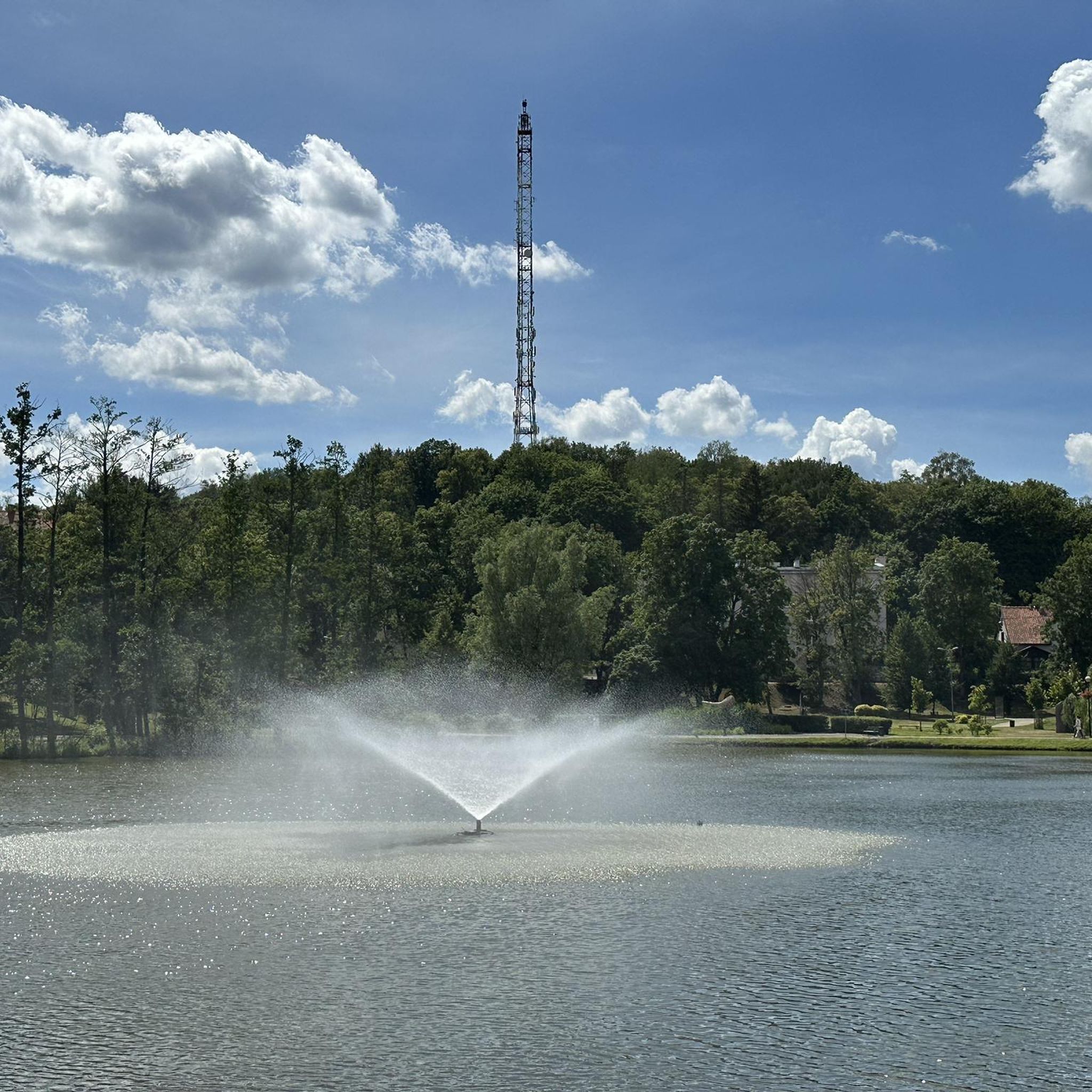
Rezerwat Gązwa is characterized by its diverse natural beauty. Hikers can expect to traverse tranquil forests, walk along the edges of picturesque lakes like Gielądzkie Lake, and experience gently rolling terrain. The landscape offers a peaceful escape into nature.
Are there any scenic viewpoints or notable landmarks along the trails?
While specific named viewpoints are not highlighted, many trails offer beautiful vistas, particularly those that skirt the edges of lakes. For instance, the Restaurant – Fish Farm at Gielądzkie Lake loop from Młynik provides continuous views of Gielądzkie Lake. The region also features areas like John Paul II Park and Monument, which can be incorporated into hikes, such as the John Paul II Park and Monument – Monument to Pope John Paul II loop from Polska Wieś.
What do other hikers enjoy most about Rezerwat Gązwa?
The komoot community highly rates Rezerwat Gązwa, with an average score of 4.4 stars from over 600 reviews. Hikers often praise the peaceful forest paths, the scenic lake views, and the variety of trails that cater to different abilities, making it a versatile destination for outdoor enthusiasts.
How many hiking trails are available in Rezerwat Gązwa?
There are over 80 hiking trails available in Rezerwat Gązwa, offering a wide selection of routes through its forests, around its lakes, and across its varied terrain.
Is public transport available to access hiking trails in Rezerwat Gązwa?
Access to Rezerwat Gązwa's trails primarily relies on local road networks. While some larger towns nearby might have bus connections, direct public transport to specific trailheads within the reserve can be limited. It's advisable to check local bus schedules if you plan to rely on public transport, or consider driving to a starting point.
Where can I find parking for hiking in Rezerwat Gązwa?
Parking is generally available at common starting points for trails, often near villages or designated recreational areas bordering the reserve. For routes starting from places like Młynik or Wólka Bagnowska, you can usually find roadside parking or small designated lots. Always park responsibly and respect local regulations.
Most popular routes in Rezerwat Gązwa

Get inspired with the komoot mobile app


Explore more
Browse the best Hikes in other regions.
