Attractions and Places To See in Park Krajobrazowy Wzgórz Dylewskich - Top 10
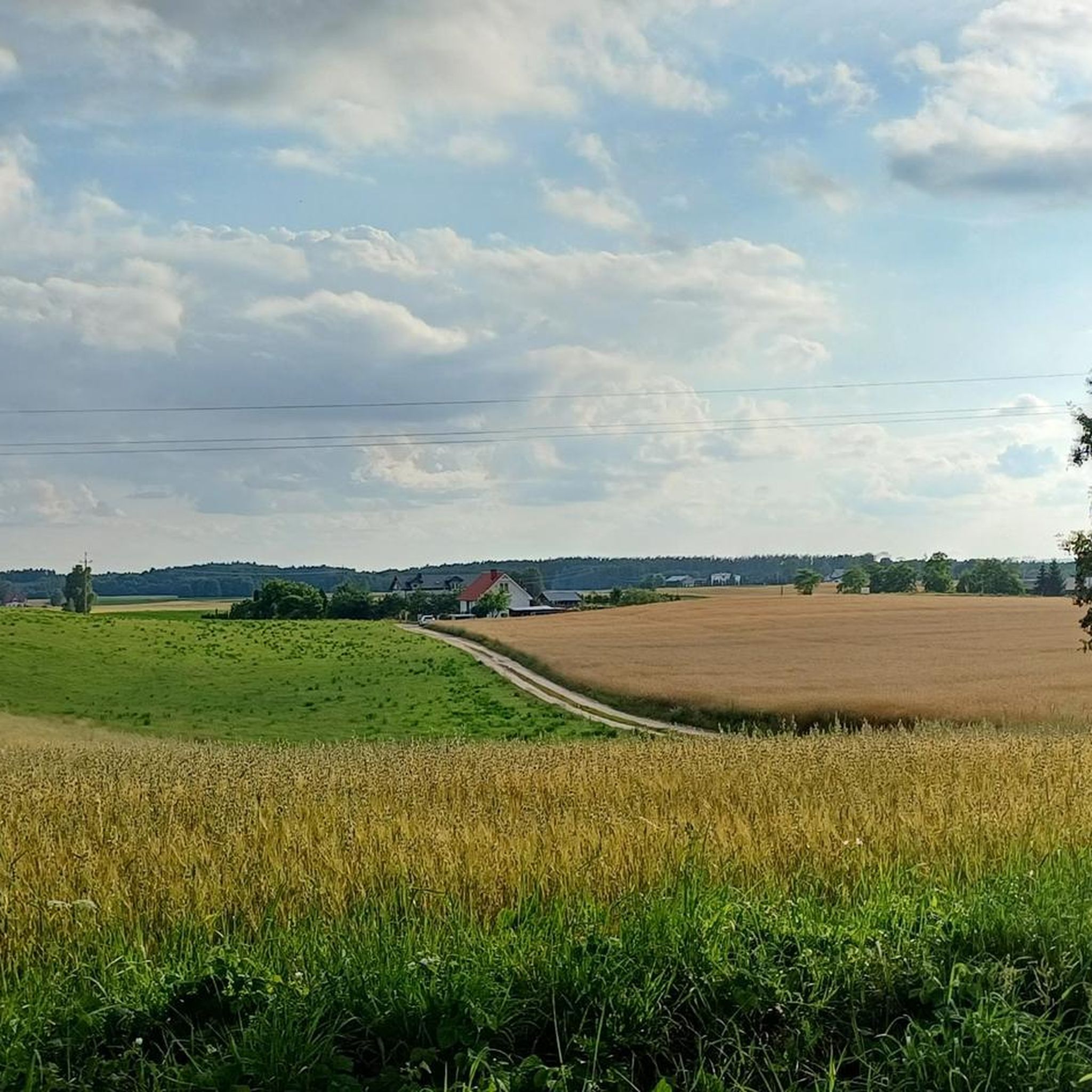
Best attractions and places to see in Park Krajobrazowy Wzgórz Dylewskich include a diverse range of natural and historical sites. This region in Western Masuria is characterized by its post-glacial landscape, featuring rolling hills, deep valleys, and expansive forests. It is home to Dylewska Góra, the highest point in Warmia and Mazury, and offers insights into both its unique geology and rich cultural past. The park provides opportunities to explore diverse ecosystems and historical landmarks.
Best attractions and places to…
Last updated: July 5, 2026
Observation Tower in Park Krajobrazowy Wzgórz Dylewskich
Highlight • Viewpoint
Translated by Google •
Tip by

Jezioro Francuskie
Highlight • Lake
The name of the lake comes from Napoleonic …
Translated by Google •
Tip by

Sign up now to discover places like this
Get recommendations on the best single tracks, peaks, & plenty of other exciting outdoor places.
Sign up for free
Wysoka Wieś Trail Junction
Highlight • Trail
Translated by Google •
Tip by
Ludwik's Stone in Dylewo
Highlight • Monument
The von Rose family made Dylewo …
Translated by Google •
Tip by
Glaznoty Railway Viaduct
Highlight • Bridge
Translated by Google •
Tip by
Sign up for free to discover even more attractions in Park Krajobrazowy Wzgórz Dylewskich.
Sign up for free
Already have an account?
Start today with a free account
Your next adventure awaits.
Login or Signup
Popular around Park Krajobrazowy Wzgórz Dylewskich
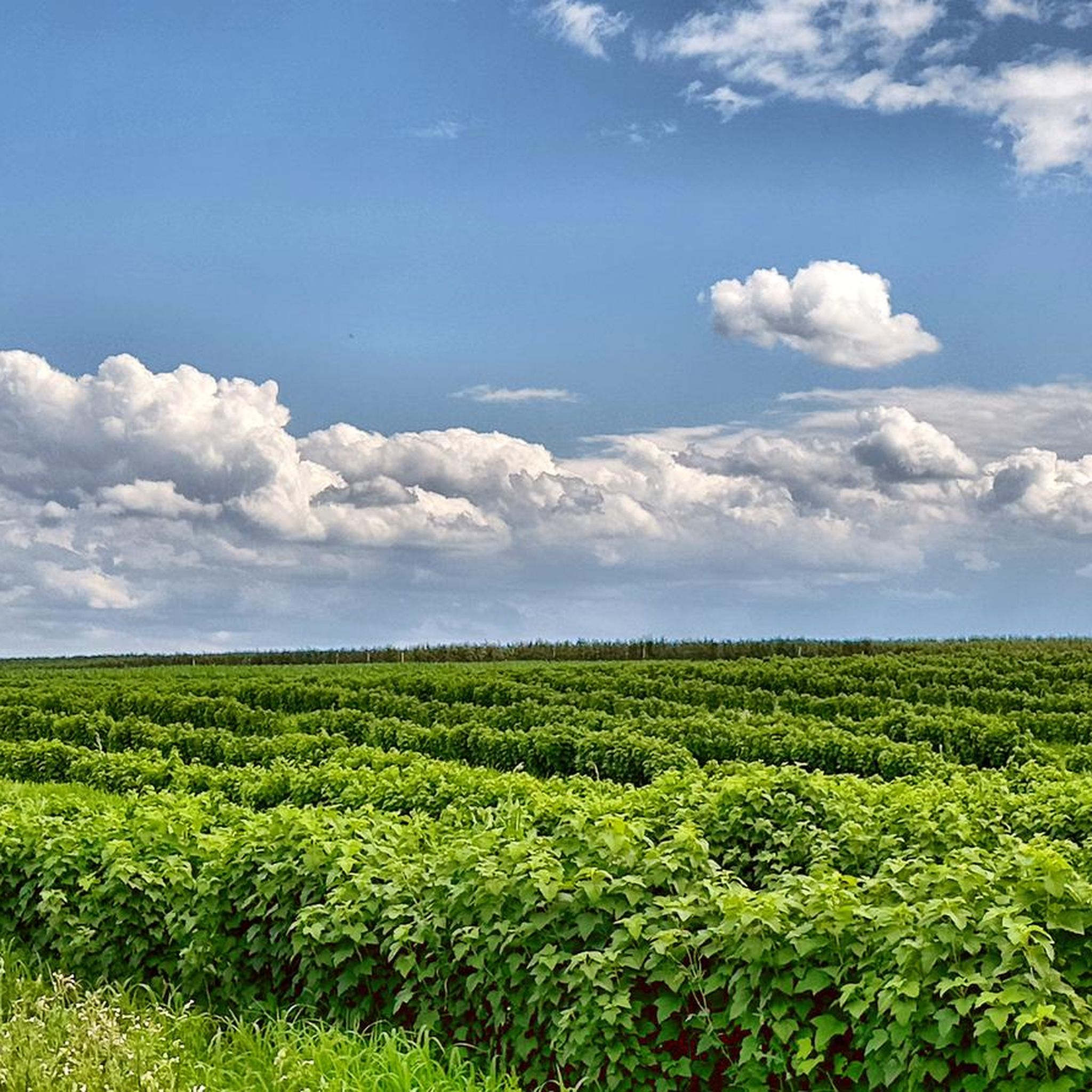
Road Cycling Routes in Park Krajobrazowy Wzgórz Dylewskich
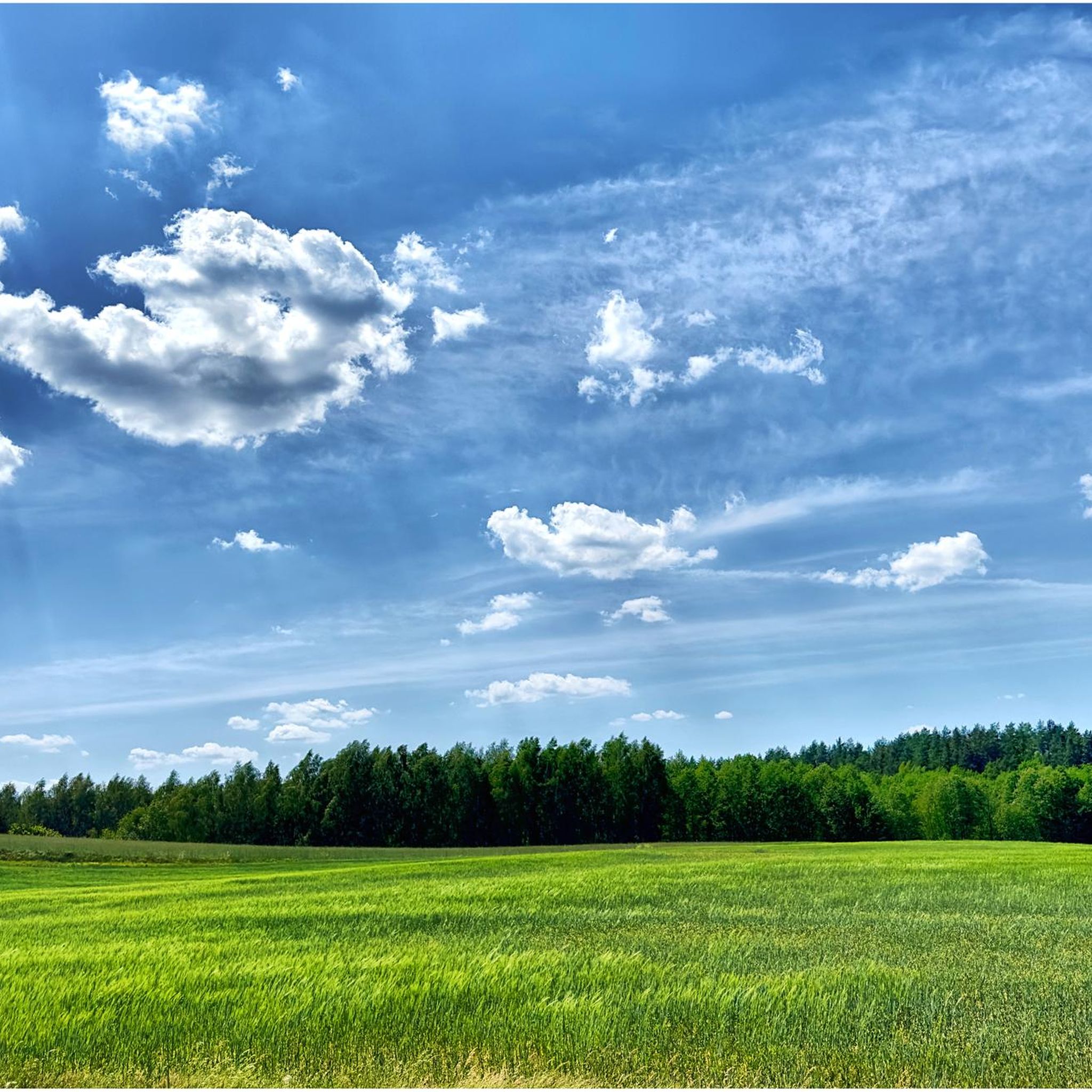
Cycling in Park Krajobrazowy Wzgórz Dylewskich
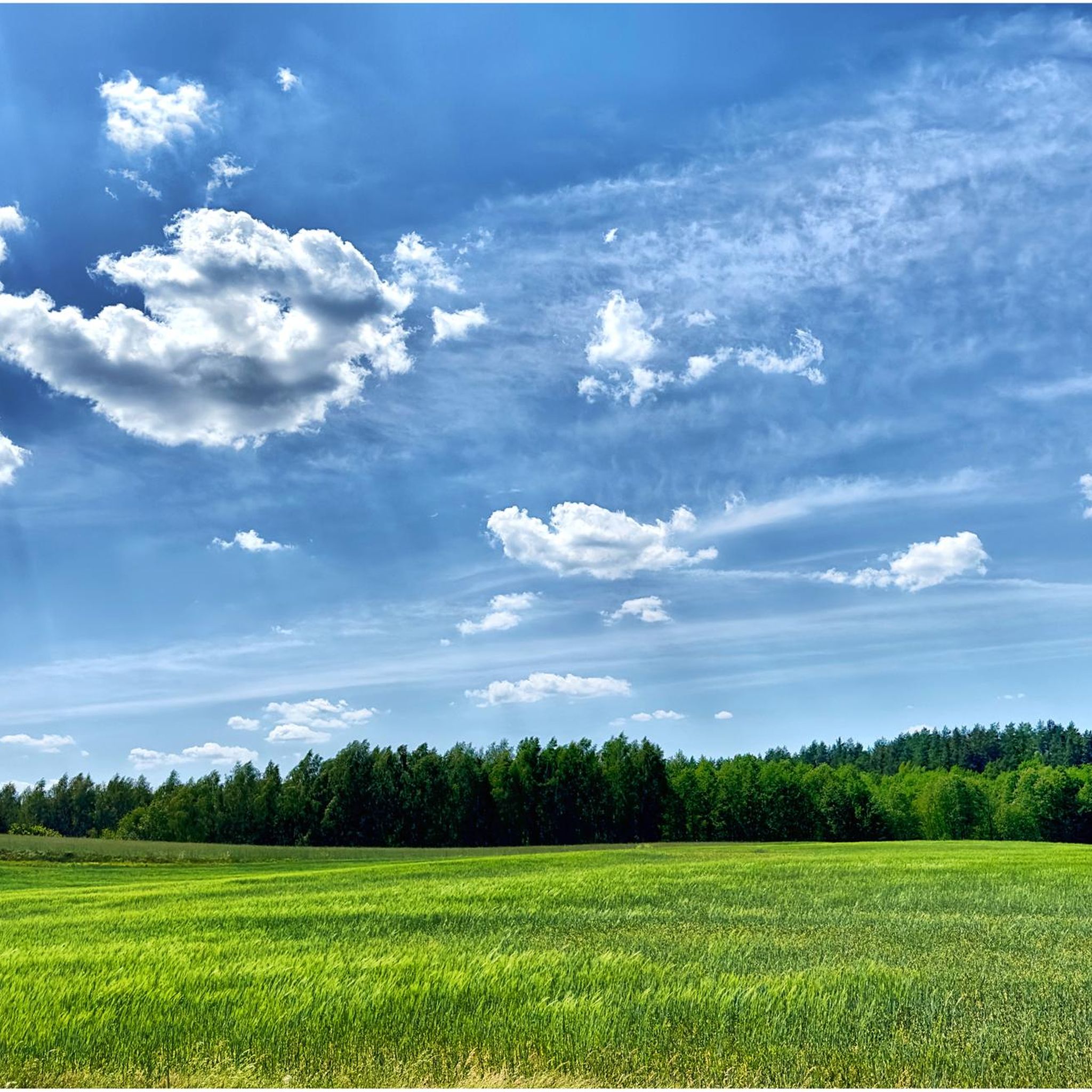
MTB Trails in Park Krajobrazowy Wzgórz Dylewskich
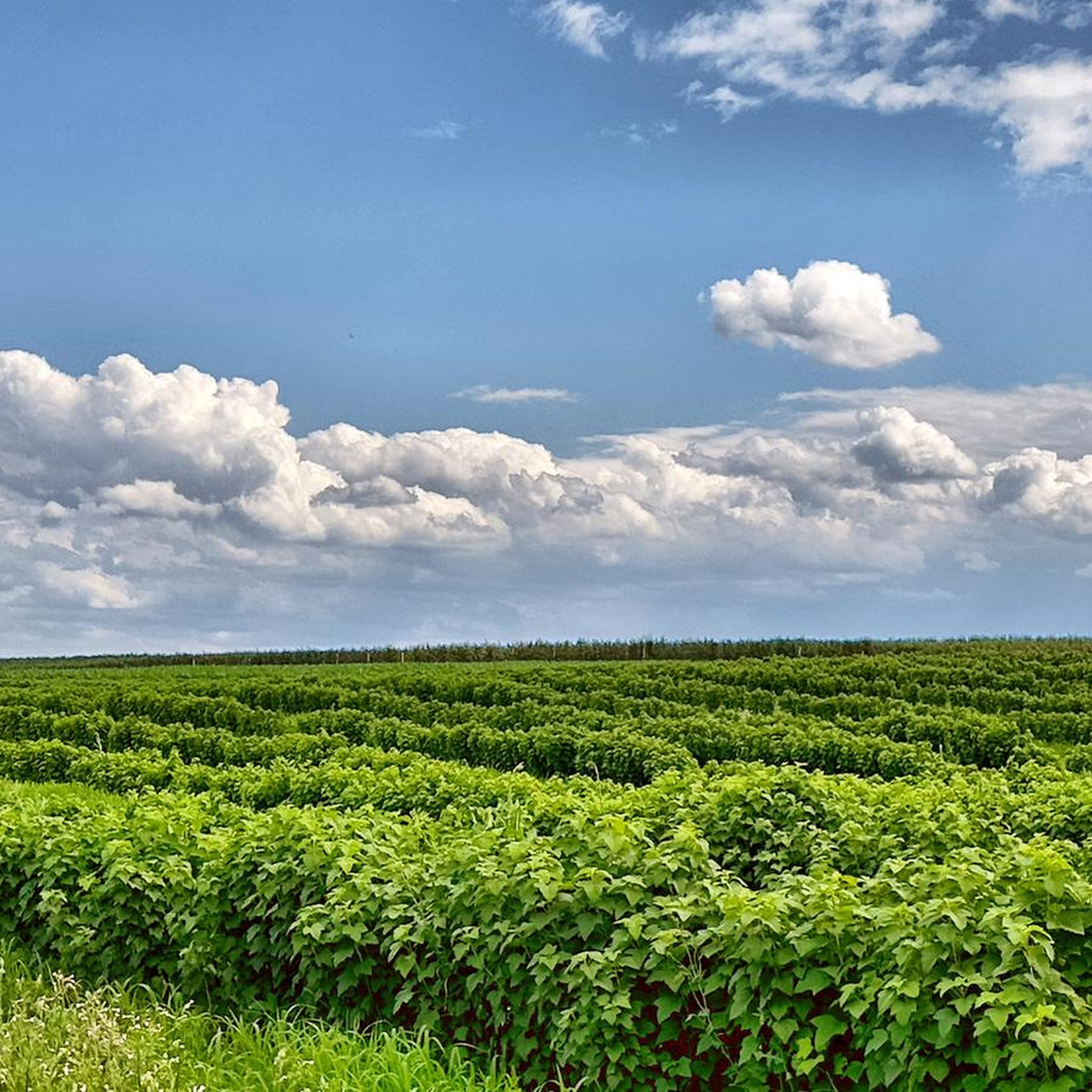
Hiking in Park Krajobrazowy Wzgórz Dylewskich
Running Trails in Park Krajobrazowy Wzgórz Dylewskich

Gravel biking in Park Krajobrazowy Wzgórz Dylewskich
Tips from the Community

It is not only the highest elevation in this region, but also in the whole of north-eastern Poland - 312 m above sea level. From the observation tower here there is a wonderful panorama, so it is not to be missed.
0
0

The observation tower here offers a beautiful panoramic view of the hilly landscape. The wooden stairs creak a little, which gives the tower a certain charm. Once you reach the top, you will be rewarded with a view that offers you a wide view over fields and forests - in good weather, all the way to the horizon. The information board on site will help you identify the surrounding villages and landscape features. In combination with the neighboring boulder gallery, which consists of interesting stone sculptures, this makes a worthwhile destination. The details in the stonemasonry are particularly exciting and give the place a certain mystique. Ideally, you should combine the visit with a hike through the surrounding forests to enjoy nature in all its diversity. The climb is definitely worth it. You should just be a little careful on the steps - they are sturdy, but one or two of the steps have seen better days.
0
0

The highest point in former East Prussia with a lookout tower that offers a view of the country from this terminal moraine.
0
0

The view from the tower is amazing. My favorite attraction in the area of the Dylewo hills - an opportunity to rest after a tiring climb.
0
0
Wysoka Wieś is the highest village in northern Poland (247.5 m above sea level). The village is located near Mount Dylewska.
0
0
French Lake - the highest located lake in north-eastern Poland (247.7 m above sea level), which is part of the flora reserve. The name of the lake comes from Napoleonic times. A group of Napoleonic army soldiers staying in the village of Pietrzwałd raped the inhabitants. Out of revenge, the local peasants drowned 17 soldiers in the depths of the lake. The village was pacified and the peasants guilty of the murder were executed.
0
0
Ludwik Rose's stone in Dylewo - made to commemorate the purchase of Dylewo estates by Ludwik Rose in 1858, when they flourished the most. The von Rose family made Dylewo (Döhlau) one of the most modern and best-managed estates in East Prussia (at the end of the 19th century it had electricity and waterworks), with a beautiful park designed by Johann Larass. The park and the palace were decorated with works of art by Adolfo Wildt, one of the Italian sculptors of the modernism era. Some of them were destroyed by Red Army soldiers, the rest were destroyed and stolen during the period of the Polish People's Republic and the Third Polish Republic. Today, we can only visit nearby Dylewo and look for the sad remnants of what was irretrievably lost there.
1
0

The viaduct has been renovated. At the bottom there is a parking space with benches. You can go upstairs by stairs. Only trains, if there weren't any, there aren't any.
0
0
Frequently Asked Questions
What are the most impressive natural viewpoints in Park Krajobrazowy Wzgórz Dylewskich?
For breathtaking panoramic views, head to the Observation Tower in Park Krajobrazowy Wzgórz Dylewskich. Located on Dylewska Góra, the highest point in Warmia and Mazury at 312 meters above sea level, it offers expansive vistas of the surrounding area, including Ostróda, Lake Drwęckie, and even Jeziorak on clear days.
Are there any unique geological sites to explore in the park?
Yes, the region's unique post-glacial landscape is showcased at the Geological Lapidarium (Skalne Museum) near Dylewska Góra. This outdoor museum features over 30 erratic boulders, each with an informational plate detailing its origin and journey during the last ice age.
What historical sites related to the Prussian landed gentry can I visit?
The park is rich with historic courts and manors of the Prussian landed gentry. You can explore these sites by following the dedicated "Prussian Landed Gentry's Residences Trail," a 42 km cycling route with information panels. One notable example is the area around Dylewo, where Ludwik Rose's stone commemorates the flourishing estates of the von Rose family.
Are there any ancient or archaeological sites in the Park Krajobrazowy Wzgórz Dylewskich?
Absolutely. You can visit Sassenpile, a fortified settlement believed to be the capital of the Prussian Sasna tribe, featuring visible earthworks like an 8-meter-high embankment. Additionally, an Early Iron Age Curgan (burial mound) in the area provides archaeological insights, with 20 burials discovered in 1933. Another intriguing spot is the Prussian Sacrificial Stone, a granite boulder hidden in the forest near Wysoka Wieś, steeped in local legend.
What kind of outdoor activities can I do in Park Krajobrazowy Wzgórz Dylewskich?
The park is ideal for active leisure. You'll find numerous trails for hiking, biking, and horseback riding. In winter, it transforms into a great spot for cross-country skiing. For specific routes, you can explore running trails, MTB trails, and easy hiking routes available in the region.
Are there any family-friendly attractions or activities in the park?
Families can enjoy exploring the diverse natural landscapes and historical sites. The Glaznoty Railway Viaduct, a monumental construction from the early 20th century, is an impressive sight with a parking space and benches nearby. Didactic paths, such as the one on "Dylewskie Hills," offer educational opportunities about the natural environment, suitable for all ages.
Where can I find unique natural reserves or lakes in the area?
The park is home to several nature reserves. Jezioro Francuskie (French Lake) is a secluded forest lake and part of a flora reserve, known for its unique plant life, especially in spring. Other significant reserves include Bukowa Góra and Rumian Lake, contributing to the park's protected natural heritage.
What kind of wildlife can I expect to see in Park Krajobrazowy Wzgórz Dylewskich?
The park boasts a rich variety of flora and fauna. It is home to mouflons, introduced in the 1970s, as well as protected species of beetles, bumblebees, butterflies, amphibians, reptiles, and numerous bird and mammal species. Endangered species like the otter, wolf, and lesser spotted eagle can also be found here, particularly in the "Dylewo" forest reserve.
What is the significance of Wysoka Wieś in the region?
Wysoka Wieś holds the distinction of being the highest village in northern Poland, situated at 247.5 meters above sea level. The Wysoka Wieś Trail Junction serves as an excellent starting point for exploring the surrounding trails and natural features near Mount Dylewska.
Are there any cultural or traditional experiences available?
Yes, you can visit the Truszczyński Apiary "Dylewskie Hills" to experience traditional beekeeping passed down through generations. Additionally, some agritourism farms in the region offer traditional regional cuisine and culinary workshops, providing a taste of local culture.
What is the best time of year to visit Park Krajobrazowy Wzgórz Dylewskich?
The park offers attractions year-round. Spring is particularly beautiful for its unique flora, especially around Jezioro Francuskie. Summer is ideal for hiking, biking, and water sports on nearby Lake Drwęckie. Autumn brings vibrant colors to the forests, and in winter, the park transforms into a picturesque landscape perfect for cross-country skiing.
Most popular routes in Park Krajobrazowy Wzgórz Dylewskich
Most popular attractions in Park Krajobrazowy Wzgórz Dylewskich

Get inspired with the komoot mobile app


Explore more
Still not found the Highlight you’re looking for? See guides of the top attractions in other regions:
