Attractions and Places To See in Zespół Przyrodniczo-Krajobrazowy „Ruda Willowa” - Top 4
Best attractions and places to see in Zespół Przyrodniczo-Krajobrazowy „Ruda Willowa” include a diverse landscape spanning approximately 225 hectares in Łódź, Poland. This complex protects the valuable natural and cultural landscape of the upper Ner river valley and a portion of the Gadka valley. It encompasses the Ruda-Popioły forest, May 1st Park, and Stefański Ponds, recognized for their aesthetic and scenic values. The area also features historical architecture, including 19th and 20th-century summer villas.
Best attractions and places to see…
Last updated: July 5, 2026
Stefański Ponds – Northern Bridge
Highlight • Lake
Translated by Google •
Tip by

Stefański Ponds – South Bridge
Highlight • Lake
Translated by Google •
Tip by
Sign up now to discover places like this
Get recommendations on the best single tracks, peaks, & plenty of other exciting outdoor places.
Sign up for free
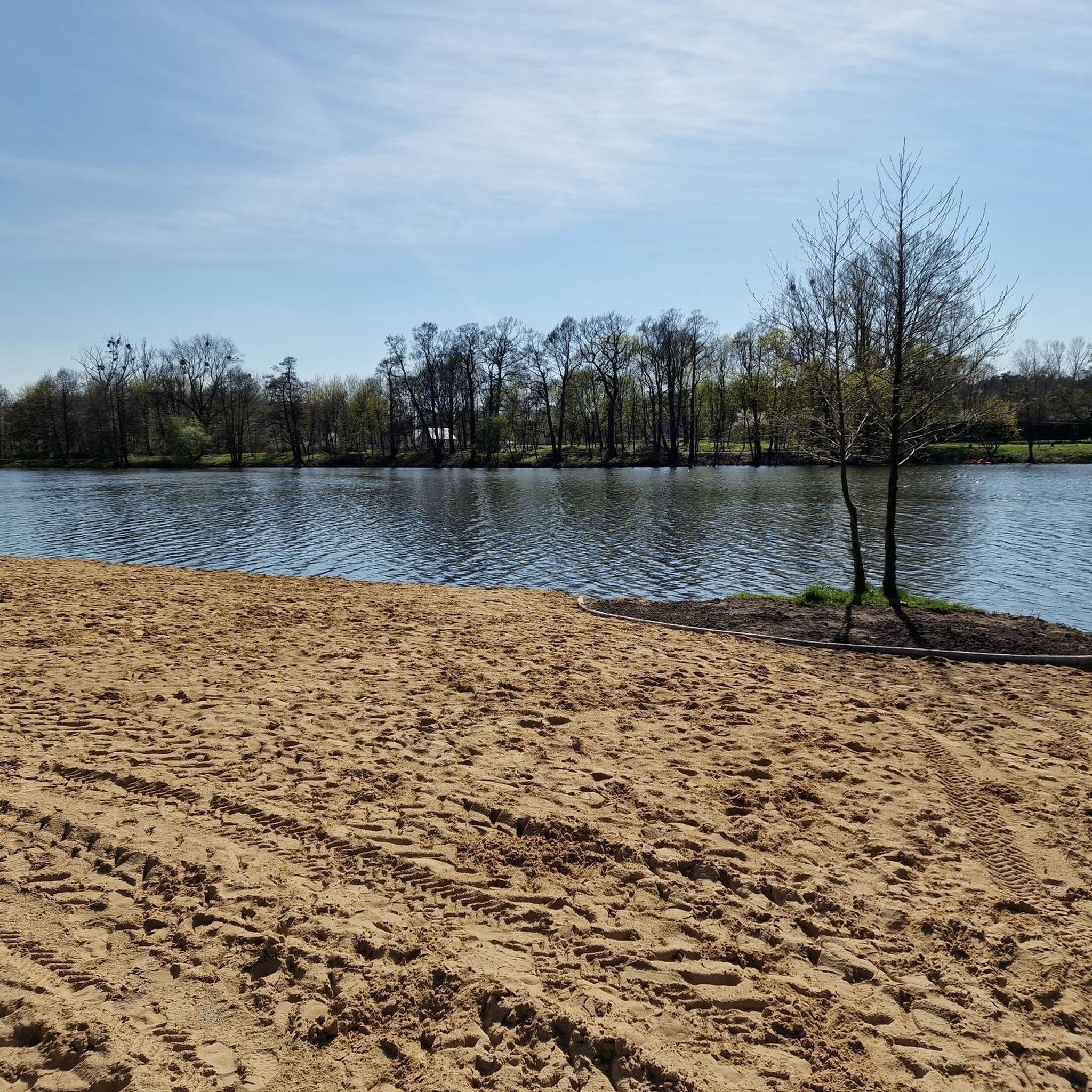
Stawy Stefańskiego Beach
Highlight • Beach
There is a pond with an area of 11.4 ha in the park, which is an extension of the Ner …
Translated by Google •
Tip by

Steigert Wooden Guesthouse, Popioły Forest
Highlight • Structure
Translated by Google •
Tip by

Historic Wooden Summer House, ul. Popioły 7/9
Highlight • Historical Site
Translated by Google •
Tip by

Sign up for free to discover even more attractions in Zespół Przyrodniczo-Krajobrazowy „Ruda Willowa”.
Sign up for free
Already have an account?
Start today with a free account
Your next adventure awaits.
Login or Signup
Popular around Zespół Przyrodniczo-Krajobrazowy „Ruda Willowa”
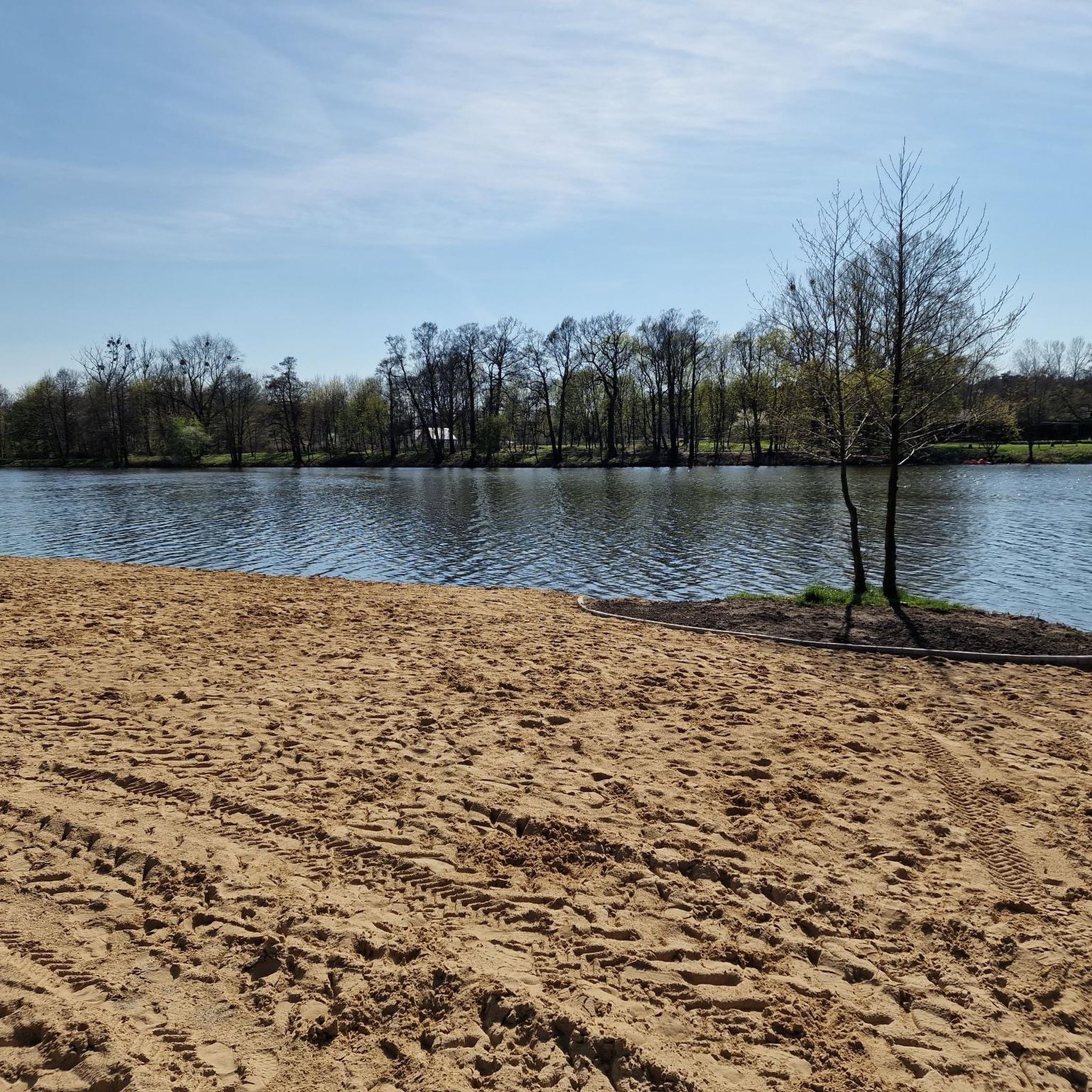
Road Cycling Routes in Zespół Przyrodniczo-Krajobrazowy „Ruda Willowa”
Cycling in Zespół Przyrodniczo-Krajobrazowy „Ruda Willowa”
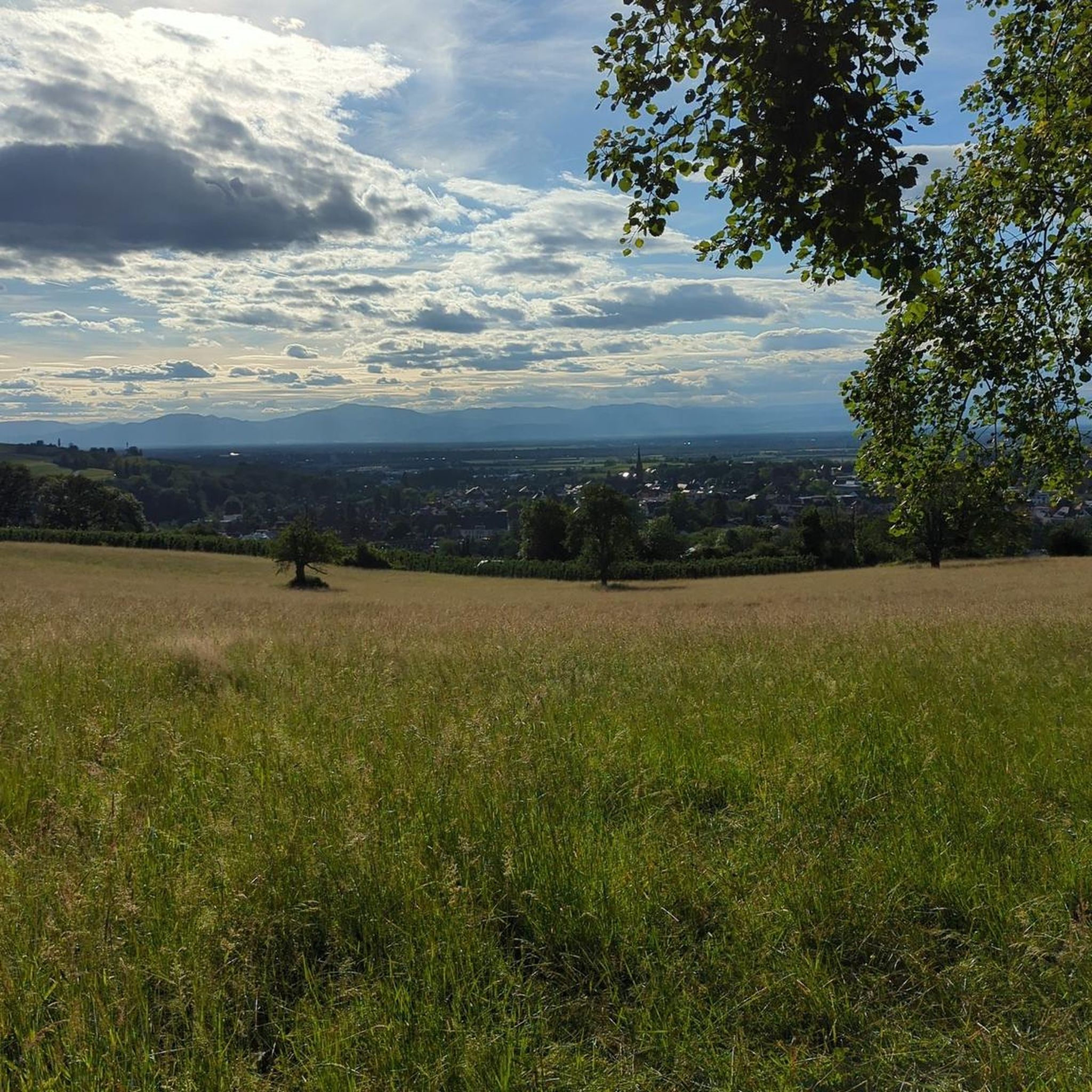
Gravel biking in Zespół Przyrodniczo-Krajobrazowy „Ruda Willowa”
Hiking in Zespół Przyrodniczo-Krajobrazowy „Ruda Willowa”
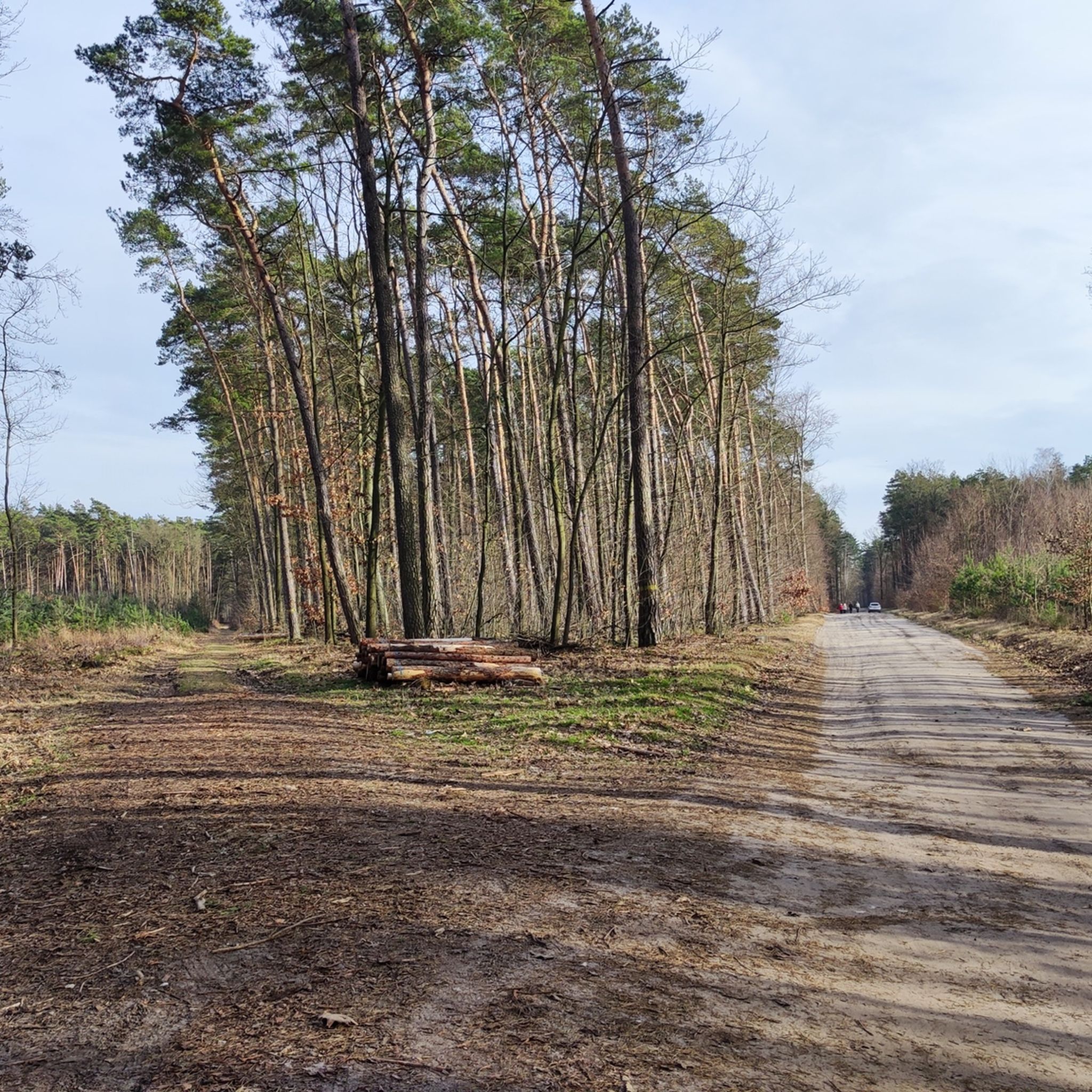
MTB Trails in Zespół Przyrodniczo-Krajobrazowy „Ruda Willowa”
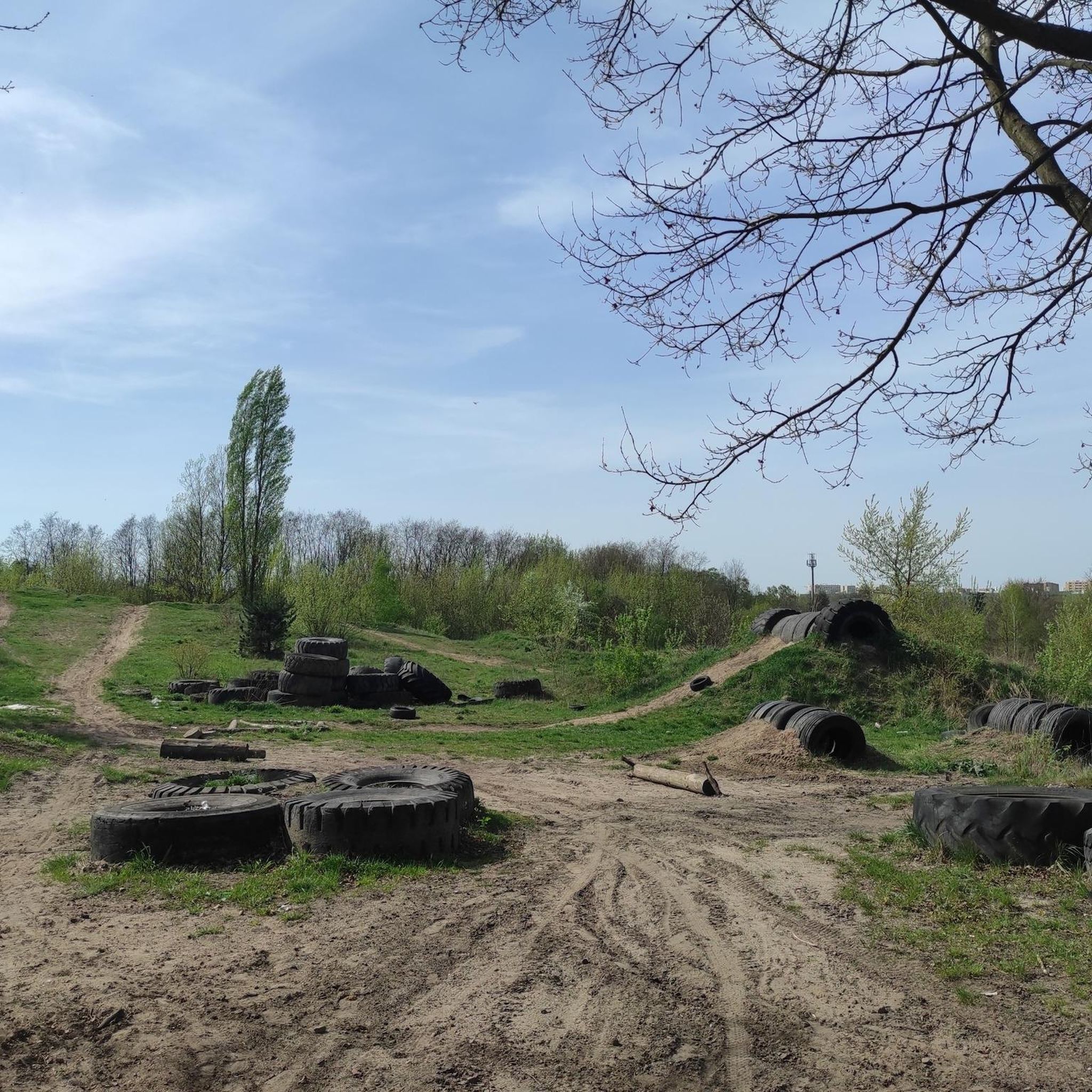
Running Trails in Zespół Przyrodniczo-Krajobrazowy „Ruda Willowa”
Tips from the Community

Beautiful photos, thank you for sharing. 🙏
0
0

It's a pity about this villa, unfortunately today (07/03/2026) the ruin is already in danger of collapse.
0
0

Park im. 1 Maja, Stawy Stefańskiego is a recreational facility There is a pond with an area of 11.4 ha in the park, which is an extension of the Ner riverbed. The pond was once privately owned and part of the Ruda farm. There was a manor house nearby. After World War I, the pond was bought by a private entrepreneur, Stefański. As a result of exploitative management, most of the animals living here died out or left the area. Year by year, the pollution of the pond increased and it required thorough cleaning. This was later done by the occupiers. After the end of World War II, Ruda Pabianicka found itself within the city limits of Łódź, and the park became the subject of interest of the city authorities. A few years after the war, it was decided to build a recreation center in Ruda Pabianicka. Part of the area on the western side was designated for the park. Roads were built, trees and shrubs were planted. In 1949, construction of a swimming pool began. The pond was deepened, and a sleigh hill was built from the excavated sand, while the stables from the former farm were transformed into changing rooms for guests spending time by the water. A second, smaller pond was also created, acting as a settling pond and stocked with fish. The work was completed in 1951. A bituminous surface was laid in the park alleys, restaurants and other buildings were renovated. The pond overlaps the riverbed of the Ner, stretches for 2.5 km and is up to 165 m wide, with a depth of 1 m to 4 m.
1
0
Park im. 1 Maja, Stawy Stefańskiego is a recreational facility There is a pond with an area of 11.4 ha in the park, which is an extension of the Ner riverbed. The pond was once privately owned and part of the Ruda farm. There was a manor house nearby. After World War I, the pond was bought by a private entrepreneur, Stefański. As a result of exploitative management, most of the animals living here died out or left the area. Year by year, the pollution of the pond increased and it required thorough cleaning. This was later done by the occupiers. After the end of World War II, Ruda Pabianicka found itself within the city limits of Łódź, and the park became the subject of interest of the city authorities. A few years after the war, it was decided to build a recreation center in Ruda Pabianicka. Part of the area on the western side was designated for the park. Roads were built, trees and shrubs were planted. In 1949, construction of a swimming pool began. The pond was deepened, and a sleigh hill was built from the excavated sand, while the stables from the former farm were transformed into changing rooms for guests spending time by the water. A second, smaller pond was also created, acting as a settling pond and stocked with fish. The work was completed in 1951. A bituminous surface was laid in the park alleys, restaurants and other buildings were renovated. The pond overlaps the riverbed of the Ner, stretches for 2.5 km and is up to 165 m wide, with a depth of 1 m to 4 m.
0
0
Stefański Ponds, or 1st May Park, is a recreational facility The park includes a pond with an area of 11.4 ha, which is an extension of the Ner riverbed. The pond was once privately owned and part of the Ruda farm. There was a manor house nearby. After World War I, the pond was bought by a private entrepreneur, Stefański. As a result of exploitative management, most of the animals living here died out or left the area. Year by year, the pollution of the pond increased and it required thorough cleaning. This was later done by the occupiers. After the end of World War II, Ruda Pabianicka found itself within the city limits of Łódź, and the park became the subject of interest of the city authorities. A few years after the war, it was decided to build a recreation center in Ruda Pabianicka. Part of the area on the western side was designated for the park. Roads were built, trees and shrubs were planted. In 1949, construction of a swimming pool began. The pond was deepened, and a sleigh hill was built from the excavated sand, while the stables from the former farm were transformed into changing rooms for guests spending time by the water. A second, smaller pond was also created, acting as a settling pond and stocked with fish. The work was completed in 1951. A bituminous surface was laid in the park alleys, restaurants and other buildings were renovated. The pond overlaps the riverbed of the Ner, stretches for 2.5 km and is up to 165 m wide, with a depth of 1 m to 4 m.
2
0

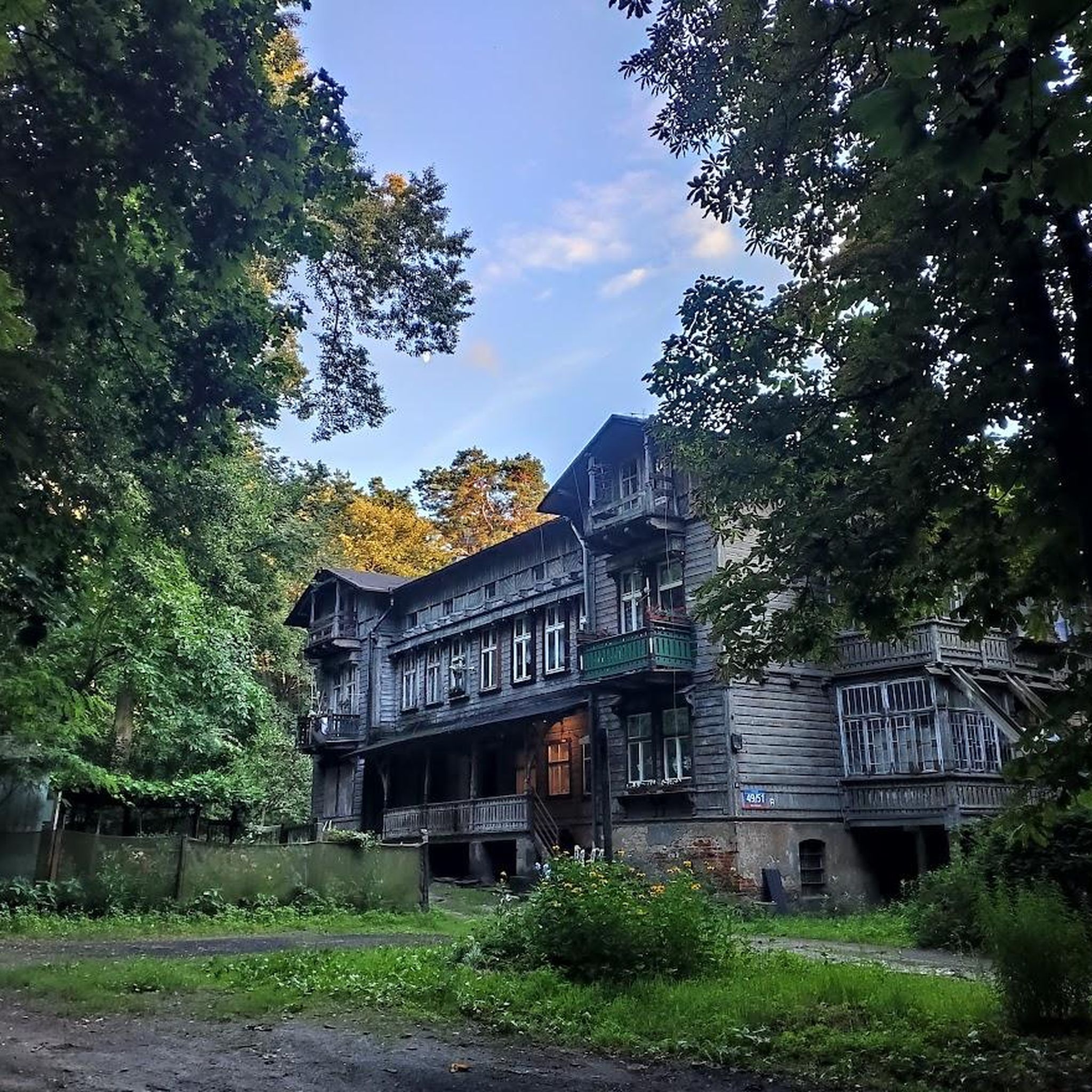
ul. Popioły 7/9 - wooden, two-story summer house. Probably built around 1914
0
0
Quite a nice atmosphere. Probably even more 'interesting' on a gloomy and foggy autumn afternoon.
1
0

It's worth watching before it collapses. Few buildings of this type still exist.
3
0
Frequently Asked Questions
What natural features can I explore in Zespół Przyrodniczo-Krajobrazowy „Ruda Willowa”?
The complex is rich in natural beauty, centered around the upper Ner river valley and a portion of the Gadka valley. Key features include the Ruda-Popioły forest, the recreational Stefański Ponds, and the May 1st Park. You can also find a magnificent stand of common ivy at the intersection of Letniskowa and Popioły streets, and the post-glacial kames known as the Rudzkie Hills.
Are there historical sites or cultural landmarks to visit in the area?
Yes, the area is notable for its historical architecture, particularly 19th and 20th-century summer villas once owned by Łódź industrialists. Examples include the Kindermann Family Villas ("Laura" and "Klara" at ul. Letniskowa 20), the Karol Goeppert Villa Complex at ul. Popioły 52/58, and Teodor Steigert's Summer House at ul. Popioły 49/51, known for its Swiss style and rich carving.
What kind of outdoor activities are available near these attractions?
The Zespół Przyrodniczo-Krajobrazowy „Ruda Willowa” offers various recreational opportunities. You can enjoy hiking and walking trails suitable for all skill levels. Cycling, mountain biking, and road biking are also popular in the broader region. For specific routes, you can explore easy hikes, MTB trails, and running trails in the area.
Are there family-friendly spots in Zespół Przyrodniczo-Krajobrazowy „Ruda Willowa”?
Absolutely. The Stefański Ponds and Stawy Stefańskiego Beach are excellent for families. The ponds are a popular spot for feeding ducks, and the beach area provides recreational facilities within May 1st Park, offering access to the extensive ponds.
Where can I go for a relaxing walk or an easy hike?
The Ruda-Popioły forest and the areas around May 1st Park and Stefański Ponds provide numerous opportunities for relaxing walks. For easy hikes, you can find several routes, such as the 'Stawy Jana loop from Chojny' or a 'Hiking loop from Archidiecezja łódzka'. More options are available in the easy hikes guide.
What do visitors particularly enjoy about the Stefański Ponds?
Visitors appreciate the Stefański Ponds as a beautiful place to accumulate water on the River Ner, often noting it as a popular spot for feeding ducks. The area, including Stawy Stefańskiego Beach, is recognized as a recreational facility with a pond stretching 2.5 km, offering scenic views and a pleasant atmosphere in every season.
Can I find any unique architectural gems in the Popioły Forest?
Yes, the Popioły Forest is home to unique architectural gems. A notable example is the Steigert Wooden Guesthouse at ul. Popioły 49/51. This historical wooden house, built around 1900, features a distinctive Swiss style with rich carving. Another is the Villa Klara at ul. Letniskowa 20, also dating back to around 1914.
Are there any viewpoints in Zespół Przyrodniczo-Krajobrazowy „Ruda Willowa”?
While not explicitly designated as viewpoints, areas around the Stefański Ponds – Northern Bridge offer scenic perspectives of the water and surrounding natural landscape. The Rudzkie Hills, a group of post-glacial kames, also provide elevated spots within the complex.
What is the best time of year to visit Zespół Przyrodniczo-Krajobrazowy „Ruda Willowa”?
The Zespół Przyrodniczo-Krajobrazowy „Ruda Willowa” is enjoyable throughout the year. Spring and summer are ideal for outdoor activities like hiking, cycling, and enjoying the ponds. Autumn offers beautiful foliage in the Ruda-Popioły forest, while winter can provide a serene, picturesque landscape, especially around the frozen ponds.
What kind of terrain can I expect on trails in the region?
The terrain in Zespół Przyrodniczo-Krajobrazowy „Ruda Willowa” is generally varied, encompassing the river valleys of the Ner and Gadka, the Ruda-Popioły forest, and the post-glacial Rudzkie Hills. Trails range from easy, flat paths around the ponds and through parks to more undulating routes within the forest and hills, suitable for walking, running, and cycling.
Are there options for mountain biking in the area?
Yes, mountain biking is a popular activity in the broader region. You can find dedicated MTB trails, including routes like the 'Villa Klara in the Popioły Forest – Stefański Ponds loop from Chojny' and the 'John's Ponds Park loop from Chojny', offering various difficulty levels.
What are some of the lesser-known historical villas worth seeing?
Beyond the more prominent ones, you can discover other historical villas that contribute to the area's unique character. For instance, there's a Historic Wooden Summer House at ul. Popioły 7/9, likely built around 1914, which showcases the traditional architecture of the era. Many of these structures, though some are in disrepair, offer a glimpse into the past.
Most popular routes in Zespół Przyrodniczo-Krajobrazowy „Ruda Willowa”

Get inspired with the komoot mobile app


Explore more
Still not found the Highlight you’re looking for? See guides of the top attractions in other regions:
