The best walks and hikes in Saale-Elster-Aue Bei Halle
4.5
(4881)
25,309
hikers
1,346
hikes
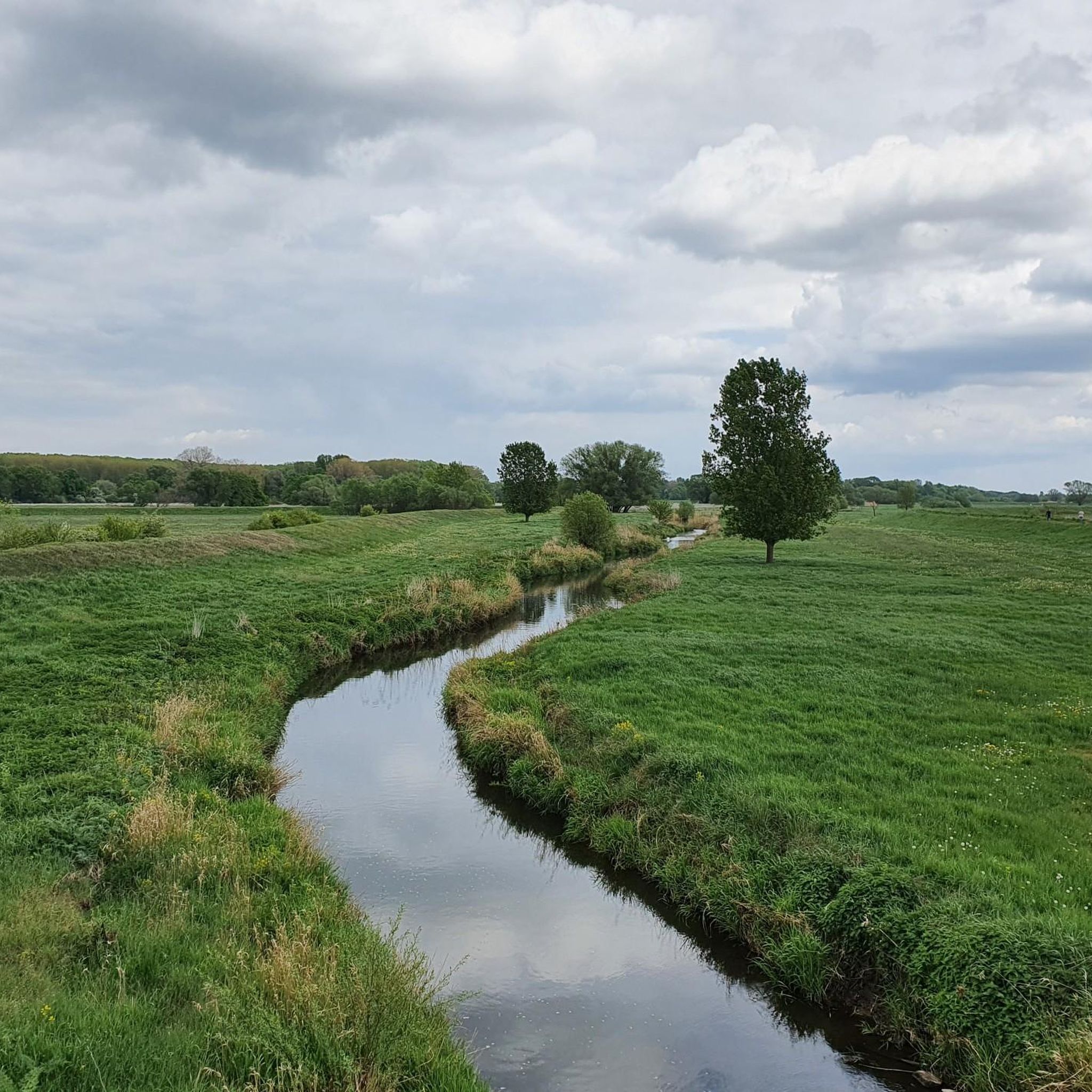
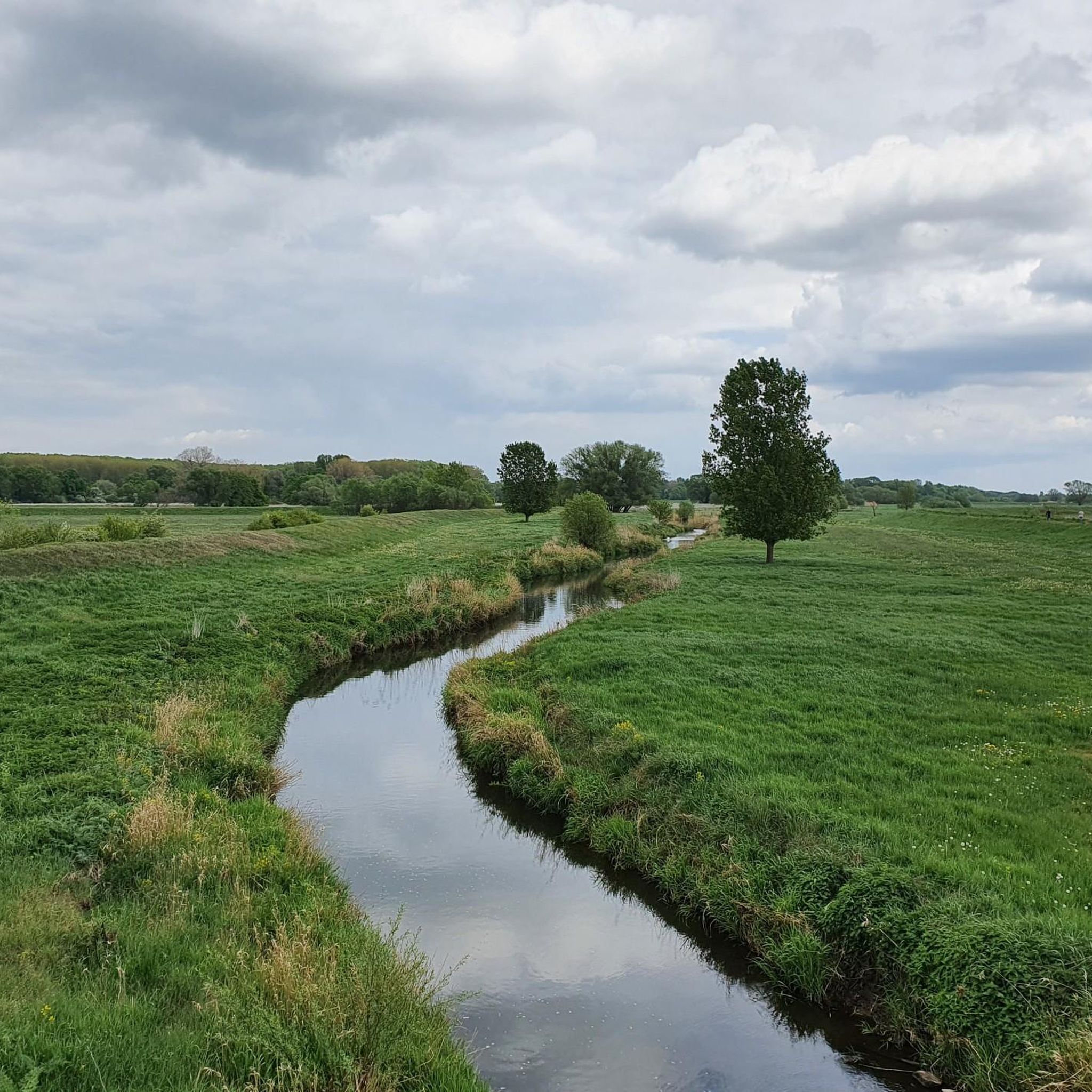
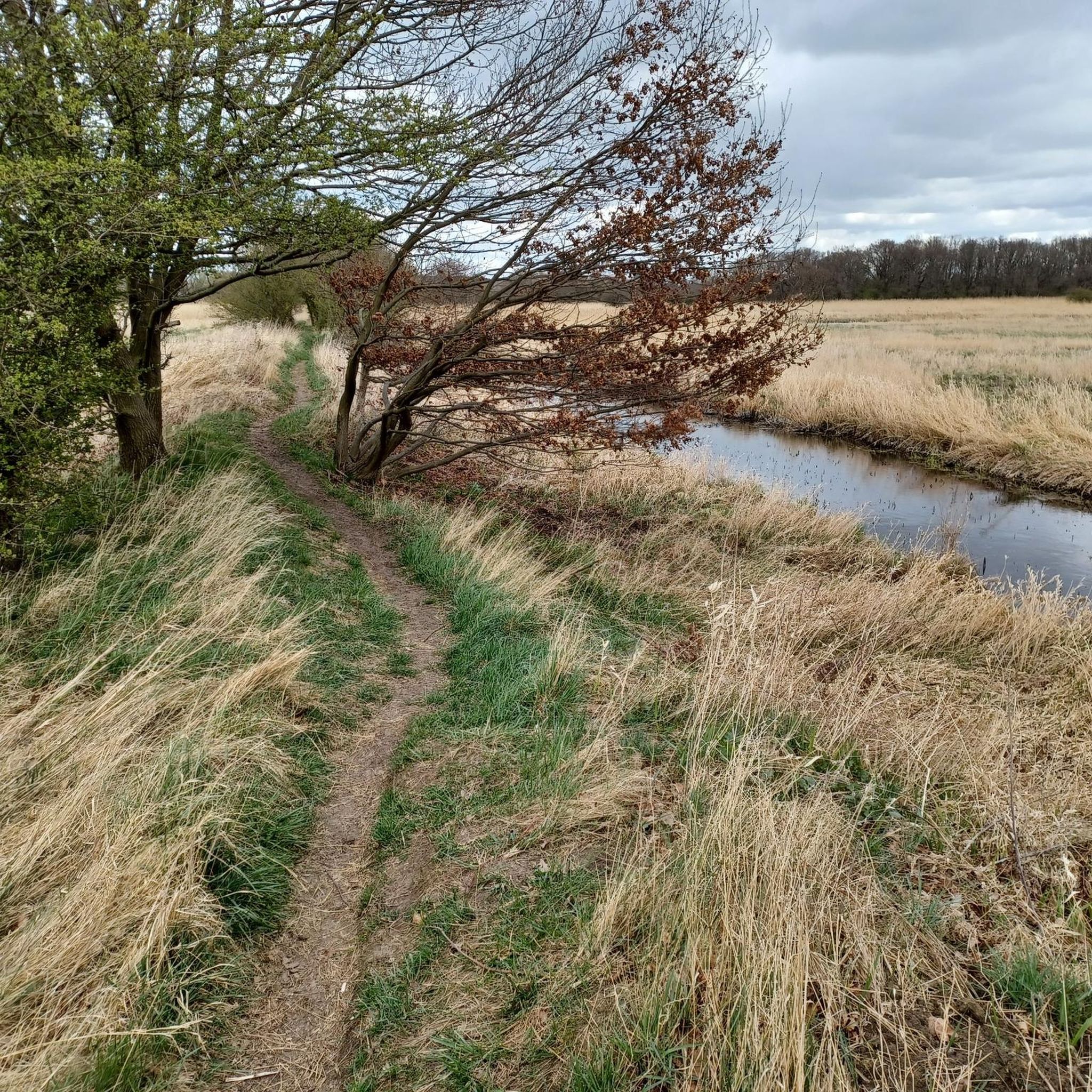
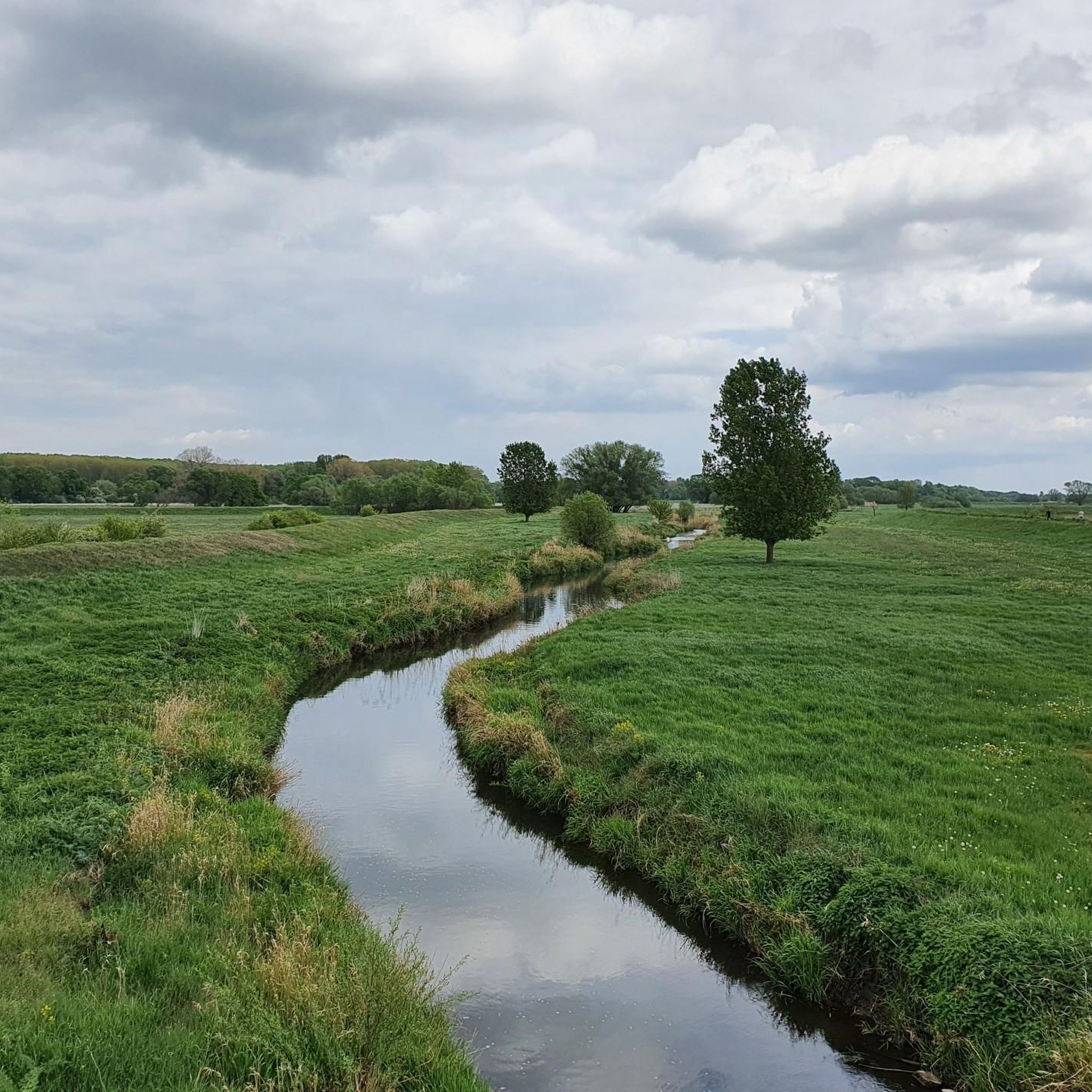
Hiking in Saale-Elster-Aue Bei Halle offers diverse experiences within a unique floodplain landscape. This region is characterized by the confluence of the White Elster and Saale rivers, creating an "Auenlandschaft" with numerous waterways, meadows, and riparian forests. The terrain features wetlands, flood channels, and near-natural hardwood floodplain forests, providing varied environments for exploration. Geomorphologically, it is a salt leaching depression, influenced by the Saale Ice Age.
Best hiking trails in Saale-Elster-Aue Bei Halle
- The most popular hiking route is Large…
Last updated: July 11, 2026
4.7
(69)
220
hikers
13.6km
03:28
40m
40m
Moderate hike. Good fitness required. Easily-accessible paths. Suitable for all skill levels.
4.3
(14)
41
hikers
Moderate hike. Good fitness required. Easily-accessible paths. Suitable for all skill levels.

Sign up for free
4.5
(10)
39
hikers
Easy hike. Great for any fitness level. Easily-accessible paths. Suitable for all skill levels.
4.8
(9)
44
hikers
Easy hike. Great for any fitness level. Easily-accessible paths. Suitable for all skill levels.
4.5
(12)
39
hikers
Moderate hike. Good fitness required. Easily-accessible paths. Suitable for all skill levels.
Get access to more routes and recommendations from other explorers.
Sign up for free
Already have an account?
Our route recommendations are based on thousands of hikes, rides, and runs completed by other people on komoot.
Start today with a free account
Your next adventure awaits.
Login or Signup

Tips from the Community

It's always nice to preserve such buildings.
4
0

My beloved meadow!
1
0

The Merseburg Lock is an important hydraulic engineering site, part of the region's waterway and shipping network. It serves to regulate the water level on the Saale River and facilitate shipping between different waterways. The Merseburg Lock facilitates the transport of goods and people on the waterway and contributes to connecting the region with other parts of Germany.
0
0

Frequently Asked Questions
How many hiking trails are available in Saale-Elster-Aue Bei Halle?
There are over 1300 hiking routes in Saale-Elster-Aue Bei Halle. The majority, more than 960, are classified as easy, making the area accessible for various fitness levels. You'll also find over 330 moderate trails and a few more challenging options.
What kind of terrain can I expect on the hiking trails?
The Saale-Elster-Aue Bei Halle is characterized by its unique floodplain landscape at the confluence of the White Elster and Saale rivers. You can expect diverse terrain including wetlands with flood channels, water bodies, extensive meadows, and riparian forests featuring silver willows, elms, oaks, and ashes. The area's dynamic environment creates a mosaic of habitats.
Are there easy hiking trails suitable for beginners or families?
Yes, the region offers many easy trails perfect for beginners and families. For example, the Old Elster Weir near Döllnitz – Ruins of the Old Döllnitz Mill loop from Lochau is an easy 3.8-mile (6.1 km) path that leads through the Elster floodplain, passing historical sites and natural riverine scenery.
Can I bring my dog on the hiking trails?
While the guide data doesn't specify dog-friendly routes, the natural floodplain environment with its extensive trails is generally suitable for walks with dogs. However, as a nature reserve and European bird sanctuary, it's important to keep dogs on a leash, especially during nesting seasons, to protect local wildlife.
Are there any circular hiking routes in the area?
Yes, many routes in Saale-Elster-Aue Bei Halle are designed as loops. An example is the Saaleaue Nature Reserve – Schießhaus Pond loop from Halle-Ammendorf, which is a moderate 8.5 km (5.3 miles) hike offering views of the nature reserve.
What natural attractions or landmarks can I see while hiking?
The area is rich in natural beauty and historical points. You can explore the diverse floodplain ecosystem, observe unique flora and fauna, and pass by historical sites. Notable landmarks include the Schkopau Railway Bridge over the River Saale, the Saale-Elster Viaduct, and the St. Nikolaus Church Kollenbey. You might also encounter the historical Old Malt House and Gose Brewery, Rittergut Döllnitz.
What do other hikers say about the trails in Saale-Elster-Aue Bei Halle?
The trails in Saale-Elster-Aue Bei Halle are highly rated by the komoot community, with an average score of 4.5 stars from over 4400 reviews. Hikers often praise the diverse floodplain landscape, the well-maintained paths, and the opportunities for wildlife observation in this unique natural setting.
Is there public transport access to the hiking areas?
While specific public transport connections to trailheads are not detailed in the guide data, the region is accessible, and many starting points for hikes are located near towns and villages. It is advisable to check local public transport schedules for connections to specific trail access points like Schkopau, Lochau, or Halle-Ammendorf.
Where can I park my car when visiting the hiking trails?
Parking availability varies by trailhead. Many routes start from or pass through towns like Schkopau, Lochau, or Halle-Ammendorf, where public parking options may be available. It is recommended to check specific route details on komoot for parking information near your chosen starting point.
What is the best time of year to go hiking in Saale-Elster-Aue Bei Halle?
The Saale-Elster-Aue Bei Halle offers enjoyable hiking experiences throughout much of the year. Spring and summer are particularly good for observing the rich birdlife and diverse flora, including the Siberian iris and great burnet. The floodplain landscape can be dynamic, so checking local conditions, especially after heavy rainfall, is always a good idea.
Are there opportunities for birdwatching or wildlife observation?
Absolutely. The Saale-Elster-Aue is a vital habitat and a European bird sanctuary, making it excellent for birdwatching. You might spot species like the whinchat, lapwing, snipe, corncrake, and yellow wagtail in open areas, or the great bittern, reed bunting, and marsh harrier in wetlands. A grey heron colony near Kollenbey also provides great observation opportunities, especially in spring and summer.
Are there any historical sites along the trails?
Yes, the trails often lead past historical points. You can encounter sites such as the former Broihanschenke on the Elsterhang, cross the historic Schafbrücke (a stone bridge built in 1733), and see the protected hardwood floodplains near the Planena lock. The Old Malt House and Gose Brewery, Rittergut Döllnitz is another notable historical landmark.
What makes the Saale-Elster-Aue Bei Halle unique for hiking?
Its uniqueness stems from being an expansive floodplain ecosystem at the confluence of two major rivers, creating a dynamic 'Auenlandschaft.' This results in a rich mosaic of habitats, from wetlands and flood channels to near-natural hardwood forests. The area is a designated nature reserve and NATURA 2000 site, protecting its rare flora and fauna, and offering a distinct natural experience not commonly found elsewhere.
Most popular routes in Saale-Elster-Aue Bei Halle
Most popular attractions in Saale-Elster-Aue Bei Halle

Get inspired with the komoot mobile app


Explore more
Browse the best Hikes in other regions.
