Naturpark Nördlicher Oberpfälzer Wald
Naturpark Nördlicher Oberpfälzer Wald
Top 20 Natural Monuments in Naturpark Nördlicher Oberpfälzer Wald
Best natural monuments in Naturpark Nördlicher Oberpfälzer Wald showcase a diverse array of geological features and landscapes in northeast Bavaria. The region is characterized by striking rock formations, ancient geological processes, and serene natural beauty. These sites offer insights into the area's geological past, including granite, gneiss, and basalt formations. The park provides varied landscapes, from quiet pond areas to extensive forests and distinctive rock formations.
Best natural monuments in Naturpark Nördlicher Oberpfälzer Wald
- The most popular natural monuments is…
Last updated: July 10, 2026
Waldnaab Valley
Highlight • Gorge
Translated by Google •
Tip by

Table Rock
Highlight • Natural Monument
Translated by Google •
Tip by

Sign up now to discover places like this
Get recommendations on the best single tracks, peaks, & plenty of other exciting outdoor places.
Sign up for free
Schellenberg Castle Ruins and Observation Tower
Highlight • Castle
Translated by Google •
Tip by

Rauher Kulm Lookout Tower
Highlight • Viewpoint
Nicolaus Apel built a wooden observation tower as early as 1807. There was a movable gold-plated sun above …
Translated by Google •
Tip by

Lerau Valley
Highlight (Segment) • Gorge
Translated by Google •
Tip by

Sign up for free to discover even more natural monuments in Naturpark Nördlicher Oberpfälzer Wald.
Sign up for free
Already have an account?
Start today with a free account
Your next adventure awaits.
Login or Signup
Popular around Naturpark Nördlicher Oberpfälzer Wald
Bavaria-Bohemia long-distance cycling trail – Crossing borders
Nurtschweg – Hiking along the German-Czech border
Bikepacking in the Upper Palatinate Forest
The Goldsteig – 38 stages between Upper Palatinate and Passau
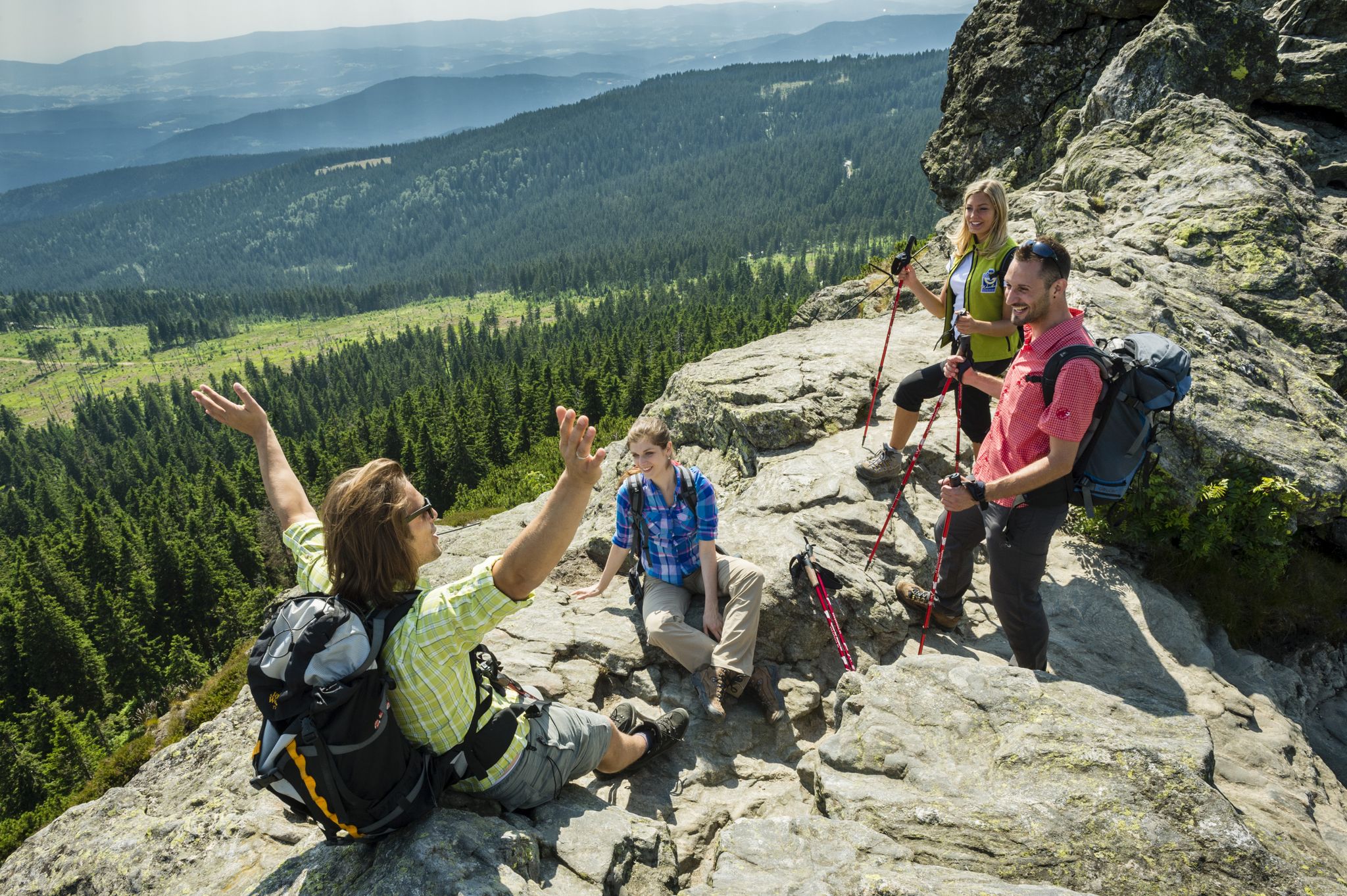
Goldsteig — The best routes for long distance hiking in Eastern Bavaria
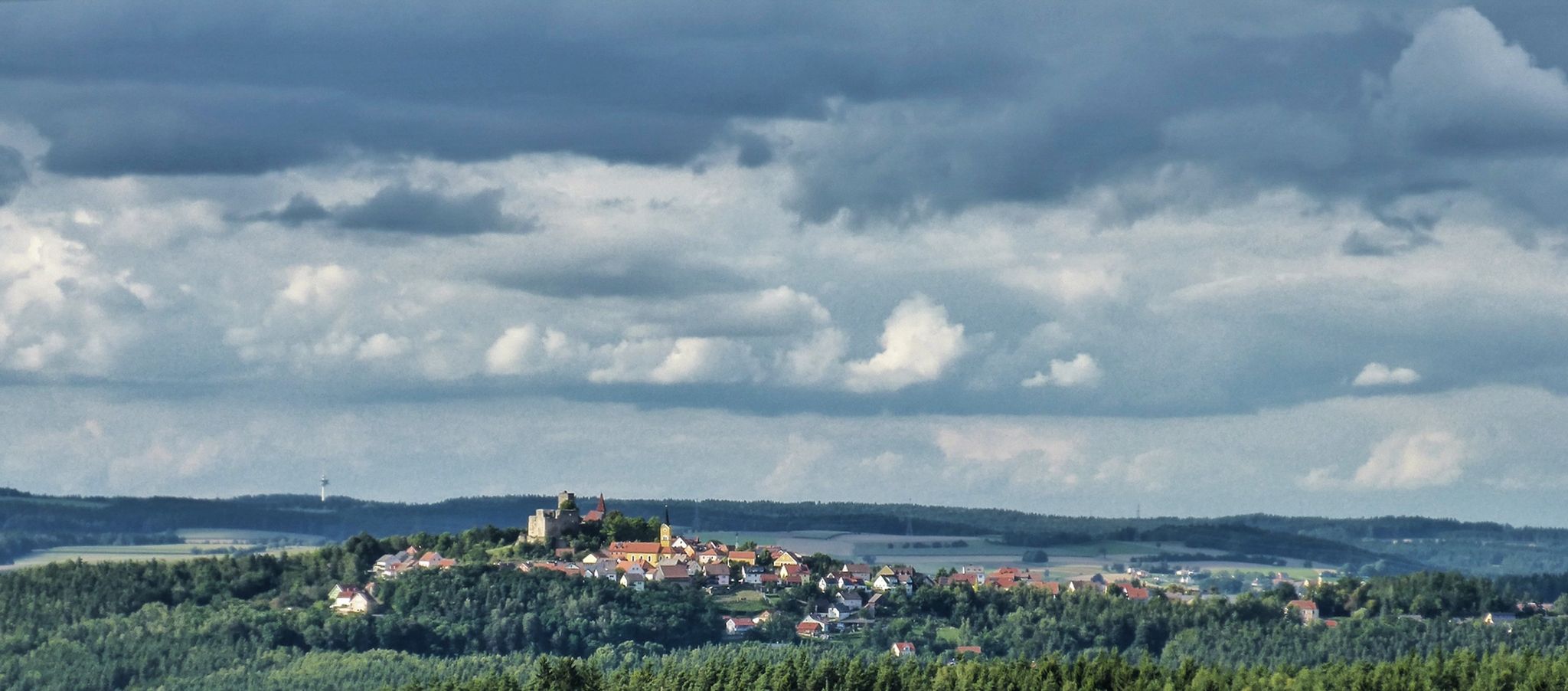
The Upper Palatinate Castle Trail — 9 days in picturesque northern Bavaria
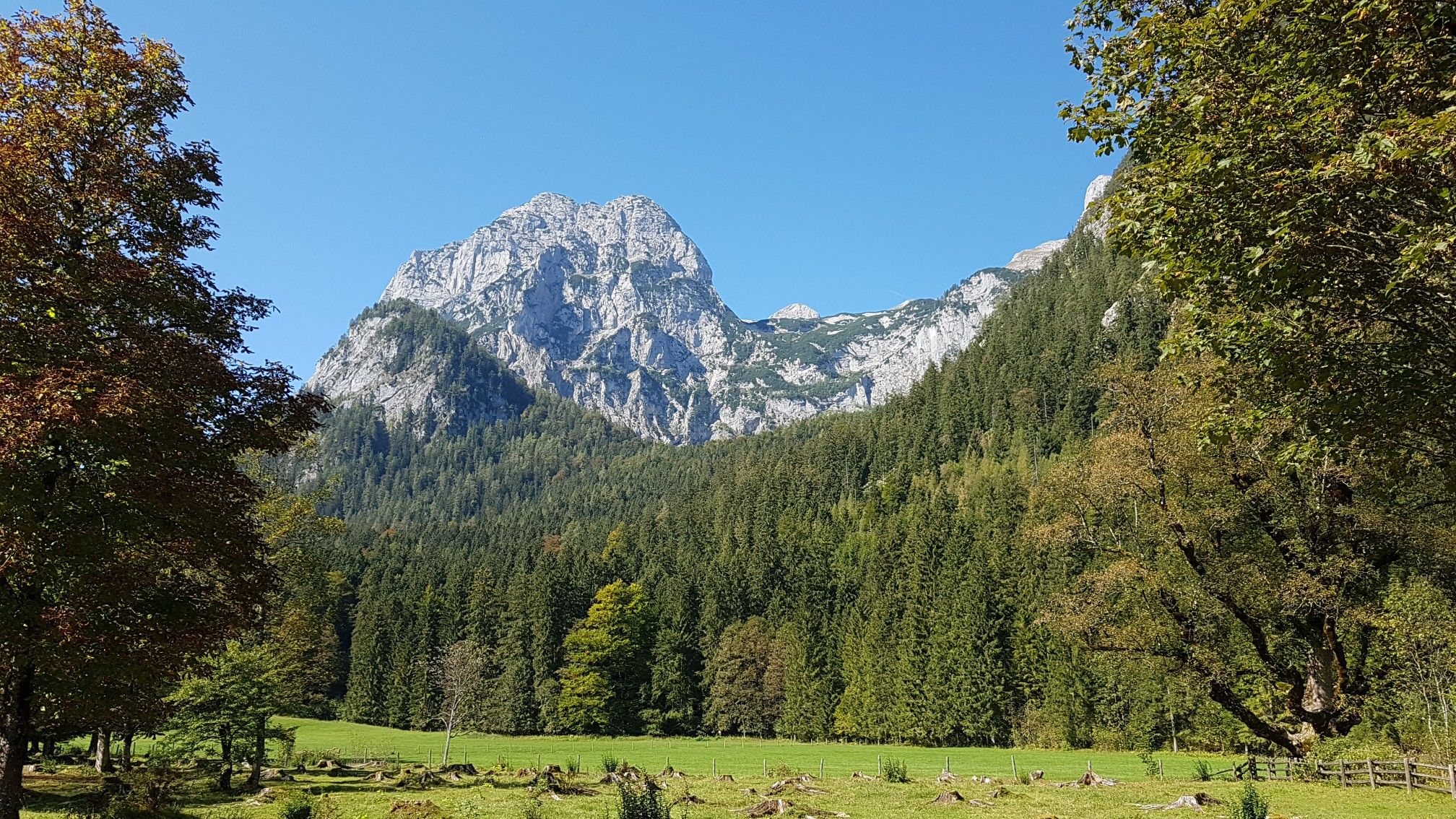
The National Natural Landscapes in Bavaria
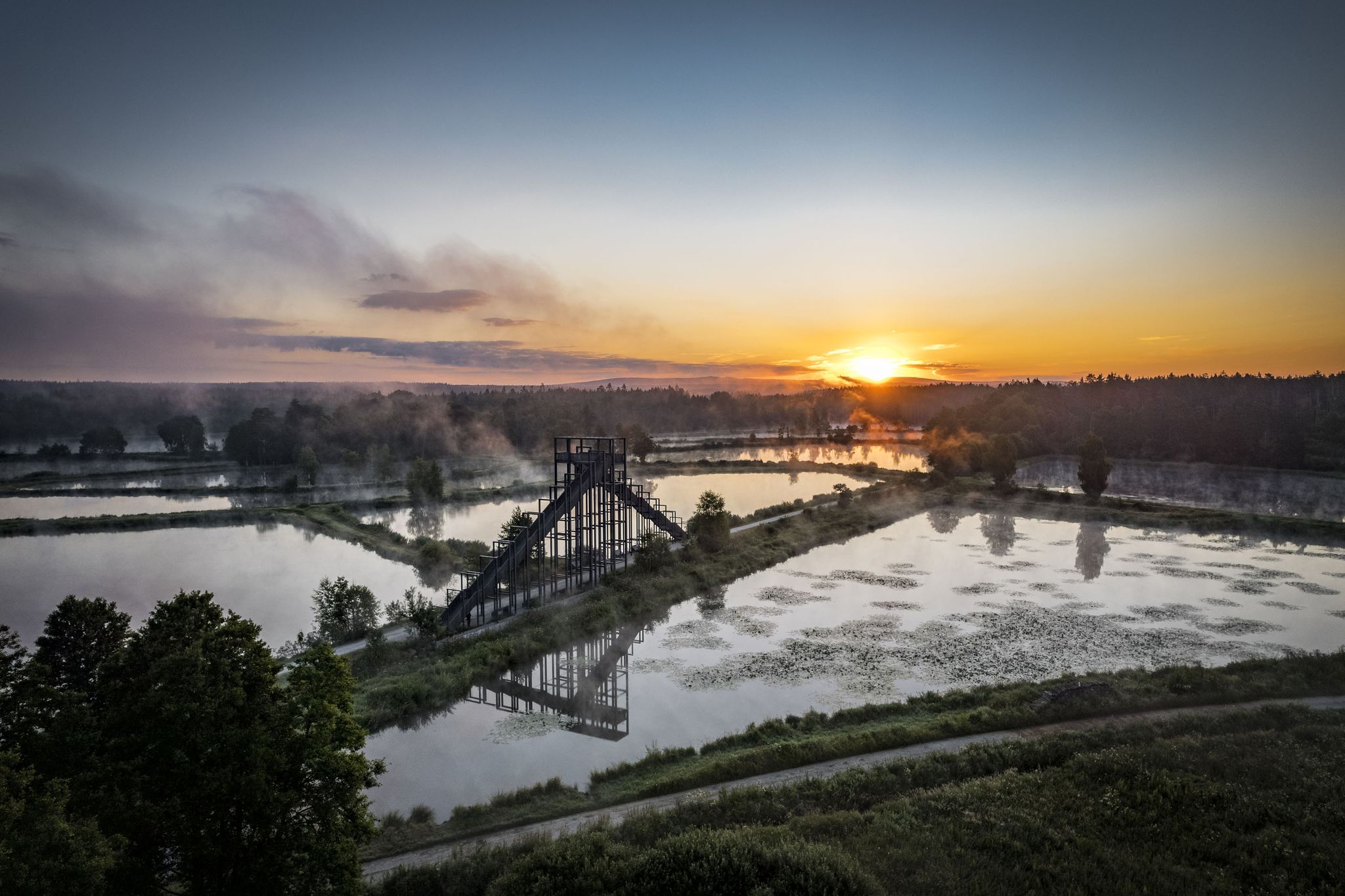
How refreshing! Trails by the water in the Upper Palatinate Forest
#GoFurther – discover the views of Germany!
On the 'Kultouren' through the Upper Palatine Forest
Other adventures in Naturpark Nördlicher Oberpfälzer Wald


Tips from the Community

The Rauhe Kulm rises 682 metres high from the middle of the landscape and is visible from all directions. It is surrounded by the Fichtel Mountains to the north, the Steinwald to the east, the heights of the Franconian Jura to the south and the Franconian Switzerland to the west. It owes its striking shape to its volcanic origins around 20 million years ago. The exposed basalt slopes are a valuable habitat for numerous animals and rare plants. Around 90 different lichens and mosses grow and thrive on the heat-storing basalt boulders. The Rauhe Kulm has been protected as a natural monument since 1909 and has been a nature reserve in accordance with European standards (FFH) for several years. In 2013, the Rauhe Kulm was voted Germany's most beautiful natural wonder.
9
1

On the west side from the log cabin to the south runs the bank path, which is very rustic and natural. The Goldsteig, a popular long-distance hiking trail, runs from Falkenstein to the Blockhütte on the east side and from the hut on the west side. The surrounding paths are great for walking around.
3
0
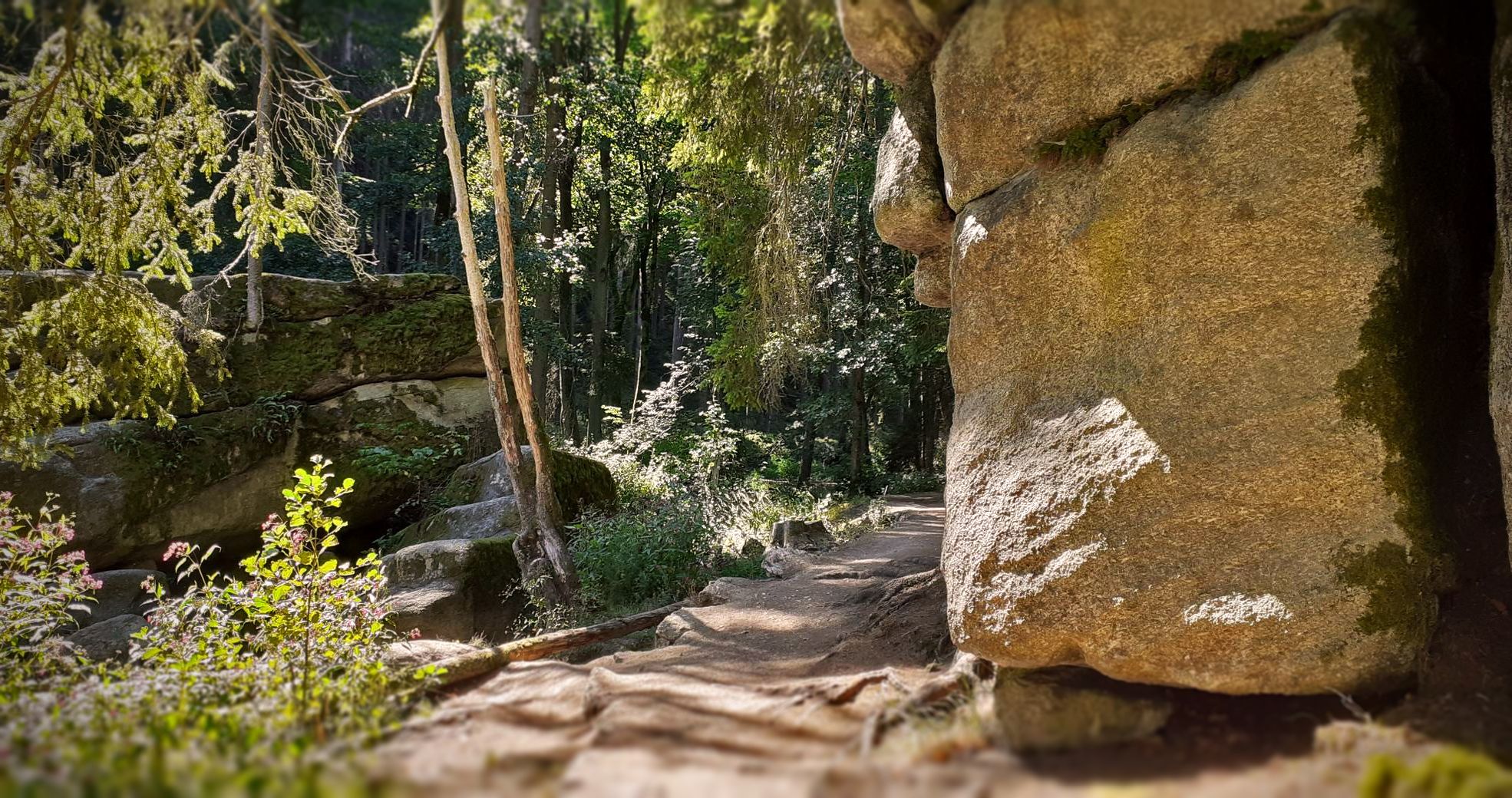
The table stone is really impressive. Crossing the Naab is easily possible here due to the many boulders in the water. The bank path leads past the rocks, which is why you can look at the table stone from there. Small plants and moss grow on the table.
5
0

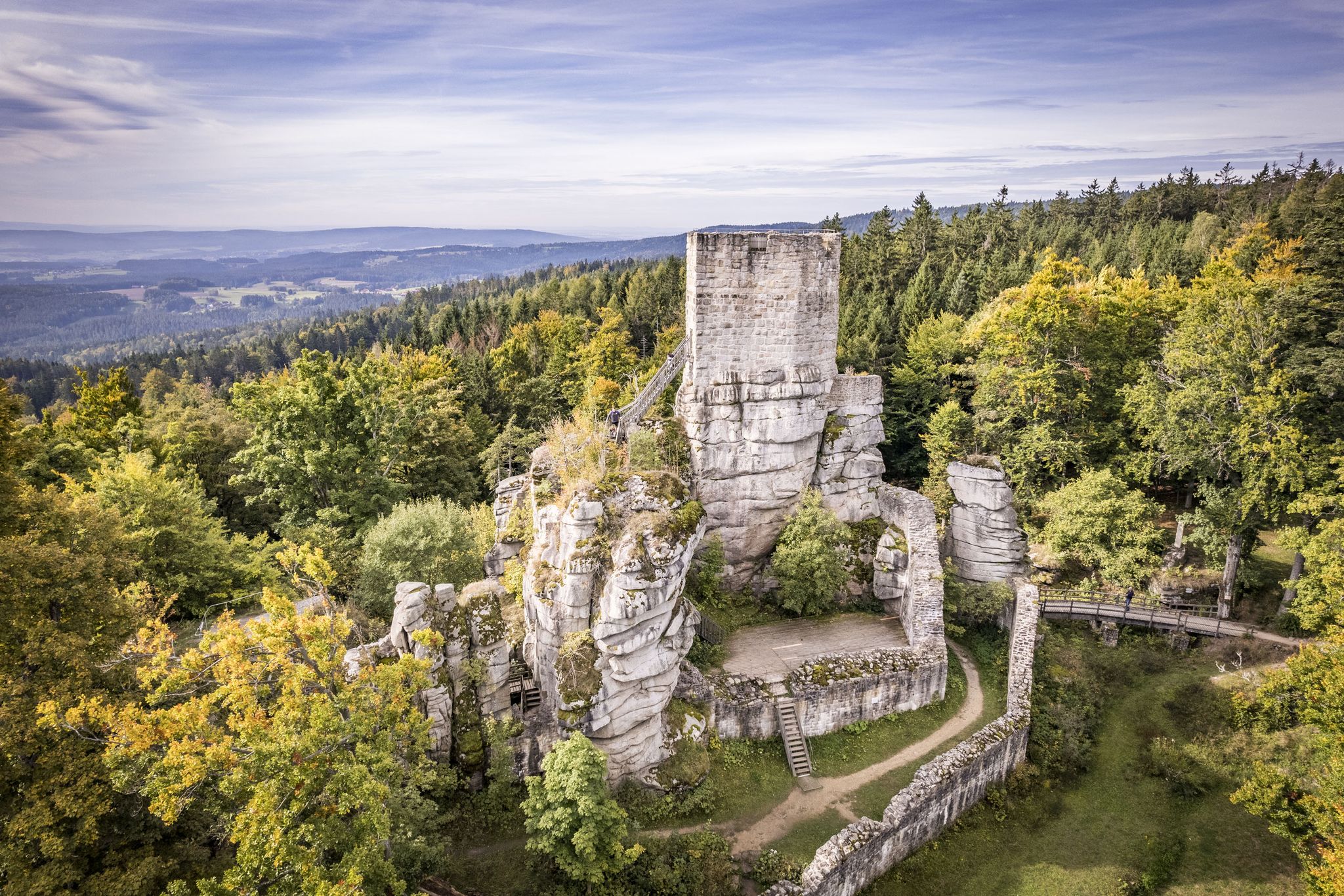
In 1347, Emperor Ludwig the Bavarian had Schellenberg Castle, which was then called "Lug ins Land", built to protect against attacks from Bohemia. On July 12, 1498, the castle was stormed under the leadership of Captain Konrad von Wirsberg, who was in the service of the Margrave of Brandenburg. The castle was partially destroyed. Their owner, Knight Moritz von Guttenberg, was captured. The castle was never rebuilt.
9
0


The Waldnaabtal Nature Reserve has a wow factor for me. The mighty rock formations simply leave you in awe, and the paths are well-secured, partly with wooden walkways and metal stairs. There's a very popular log cabin restaurant here with regional cuisine and a beer garden. Since there's a hiking parking lot nearby, it's a good starting point for many hikes.
17
0

Sturdy shoes and sure-footedness are essential on the shore path. On the other side you can easily walk on a forest road, but also close to the river.
4
0

The ascent should be done in good weather and with sturdy shoes so that you can also enjoy the beautiful view from the top of the tower. I couldn't see a cash register or anything like that. It's best to pack a little something for a snack and enjoy a rest with a gigantic view at the seating area (just below the lookout tower). You always pass this seating group no matter which side you come from.
10
1
Frequently Asked Questions
What kind of geological features can I expect to see among the natural monuments in Naturpark Nördlicher Oberpfälzer Wald?
The region is rich in diverse geological formations. You'll encounter striking rock formations, including impressive granite and gneiss structures, as well as unique basalt cones. These are remnants of ancient geological processes, such as Tertiary volcanism, which shaped the landscape.
Are there any family-friendly natural monuments suitable for children?
Yes, several natural monuments are great for families. The Waldnaab Valley offers an adventurous experience for all ages, with well-secured paths, wooden walkways, and metal stairs. The Schellenberg Castle Ruins and Observation Tower is also considered family-friendly and provides historical interest alongside natural beauty.
Which natural monuments offer the best panoramic views?
For breathtaking panoramic views, the Schellenberg Castle Ruins and Observation Tower is an excellent choice, being the highest vantage point in the Upper Palatinate. Additionally, the Rauher Kulm, a prominent basalt cone, is known for its stunning vistas from the summit.
What outdoor activities can I do near these natural monuments?
The Naturpark Nördlicher Oberpfälzer Wald offers a variety of outdoor activities. You can enjoy hiking and cycling, especially in areas like the Waldnaab Valley. For more specific routes, you can explore options for gravel biking, road cycling, and running trails throughout the natural park.
Are there any natural monuments with unique or unusual rock formations?
Absolutely. The Table Rock in the Waldnaabtal is a fascinating natural monument with a distinctive plate-like top. Another remarkable site is the Bread Rock, a granite formation known for its unique shape resembling stacked loaves, a result of cushion or mattress weathering.
Which natural monument is recognized as a significant natural wonder?
The Rauher Kulm, a prominent basalt cone, was recognized as Germany's most beautiful natural wonder in 2013. Its unique formation and geological history make it a must-see for those interested in natural marvels.
Where can I find a peaceful and tranquil natural monument away from crowds?
For tranquility and immersion in nature, the Lerau Valley and Doost are excellent choices. These areas are known for their wild and romantic charm, picturesque rock formations, and serene creek valleys, offering a peaceful setting to enjoy untouched flora and fauna.
Are there dining options or places to rest near the natural monuments?
Yes, for instance, the Waldnaab Valley features a well-regarded log cabin restaurant with regional cuisine and a beer garden, making it a comfortable base for exploration. The Table Rock also has rest areas around it where you can pause.
What is the best time of year to visit the natural monuments in Naturpark Nördlicher Oberpfälzer Wald?
The natural monuments can be enjoyed throughout the year, but spring and autumn often offer pleasant temperatures for hiking and vibrant natural colors. Summer is also popular, especially with the availability of outdoor dining options. Winter can provide a unique, serene experience, though some paths might require appropriate gear.
What makes the Hoher Parkstein a significant natural monument?
The Hoher Parkstein is often celebrated as Europe's most beautiful basalt cone. It's another impressive result of Tertiary volcanism in Bavaria's southernmost volcanic region, showcasing distinctive basalt columns. It's considered a key example of the park's 'Energietäler und Kraftberge' (energy valleys and power mountains) concept.
Are there any natural monuments that combine natural beauty with historical elements?
Yes, the Schellenberg Castle Ruins and Observation Tower is a perfect example. It's a historical site with castle ruins that also functions as a natural monument and offers an observation tower with stunning views, blending cultural heritage with the natural landscape.
Most popular routes in Naturpark Nördlicher Oberpfälzer Wald
Most popular attractions in Naturpark Nördlicher Oberpfälzer Wald

Get inspired with the komoot mobile app


