Attractions and Places To See in Naturpark Hirschwald - Top 20
Best attractions and places to see in Naturpark Hirschwald include diverse landscapes of expansive forests, rolling hills, and river valleys. This Bavarian Nature Park covers nearly 28,000 hectares, featuring varied scenery from juniper heathlands to dolomite peaks. The region is characterized by its rich biodiversity, supporting unique ecosystems along the Vils and Lauterach valleys. It also offers numerous cultural sites, including historic towns and industrial heritage museums.
Best attractions and places to see in Naturpark Hirschwald
- The most popular attractions…
Last updated: October 9, 2026
Amberg's "Stadtbrille"
Highlight • Bridge
Translated by Google •
Tip by

Five Rivers Cycle Route: Amberg–Schmidmühlen section along the Vils
Highlight (Segment) • Cycleway
Translated by Google •
Tip by

Sign up now to discover places like this
Get recommendations on the best single tracks, peaks, & plenty of other exciting outdoor places.
Beer garden "Old Station" Theuern
Highlight • Pub
Translated by Google •
Tip by

Amberg Market Square
Highlight • Historical Site
Translated by Google •
Tip by
Lauterach River
Highlight • River
Translated by Google •
Tip by

Sign up for free to discover even more attractions in Naturpark Hirschwald.
Already have an account?
Start today with a free account
Your next adventure awaits.
Popular around Naturpark Hirschwald
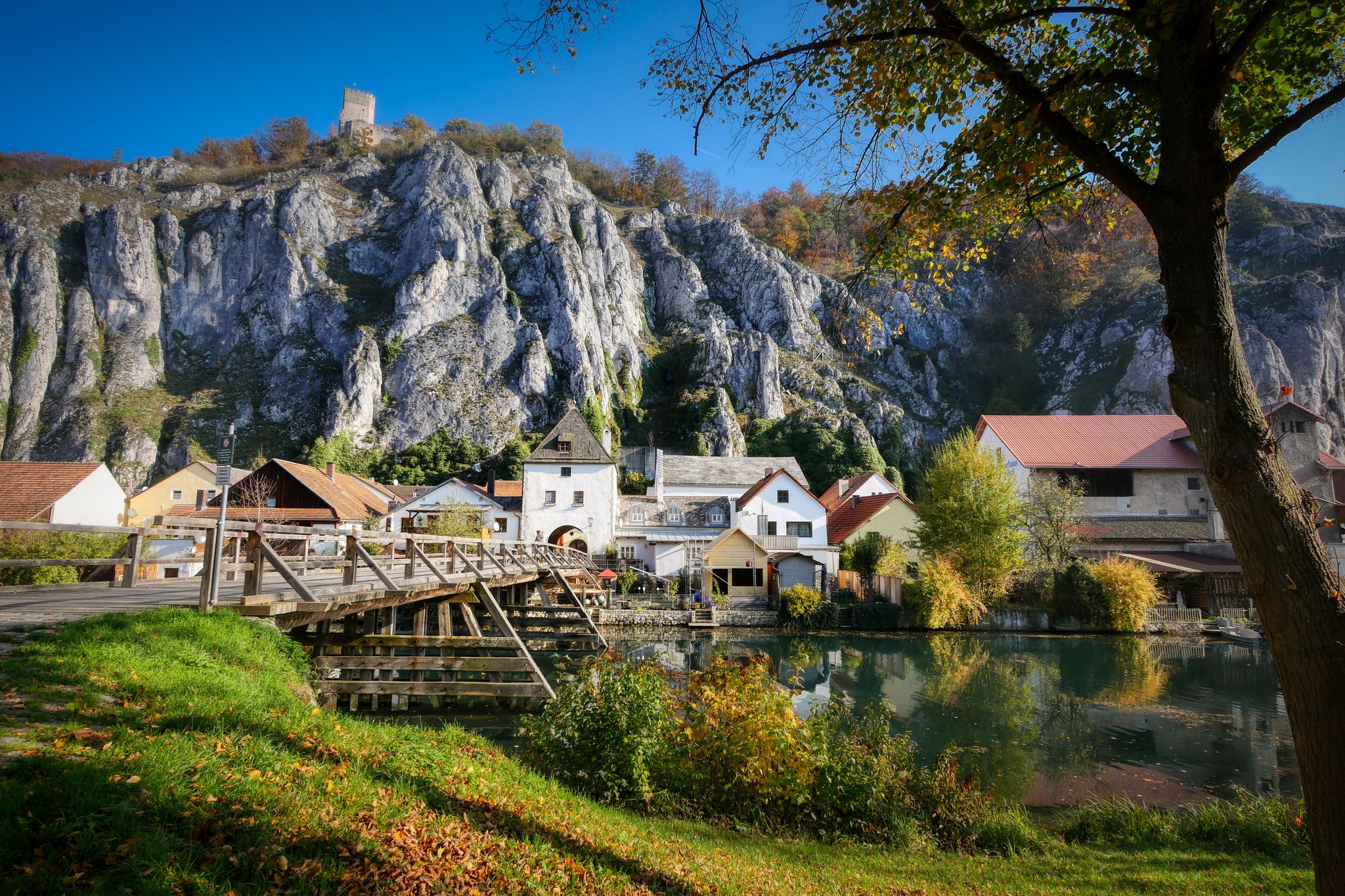
Jurasteig — hiking in the heart of Bavaria
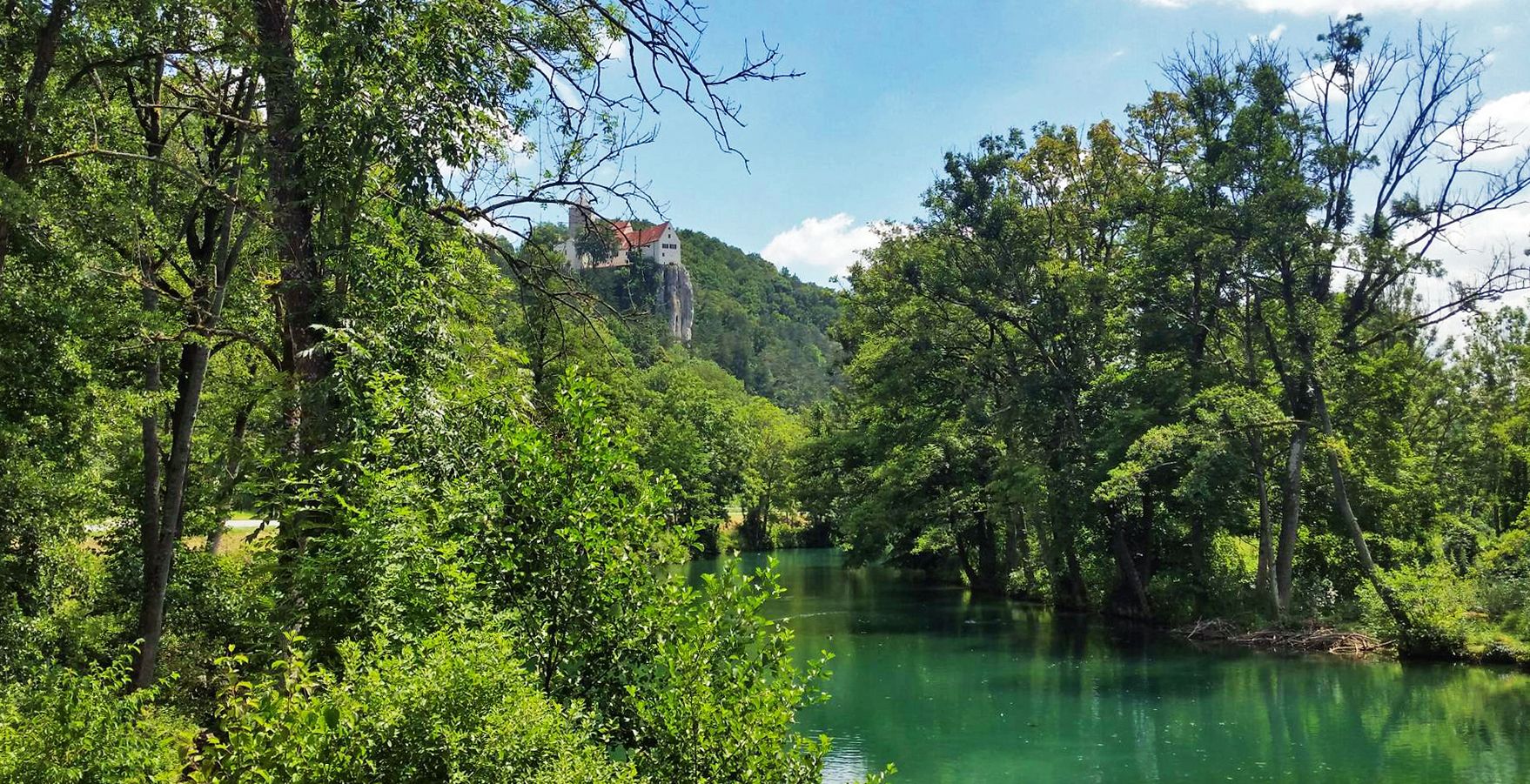
Five Rivers Cycle Path — 5 stages along Bavaria's most beautiful rivers
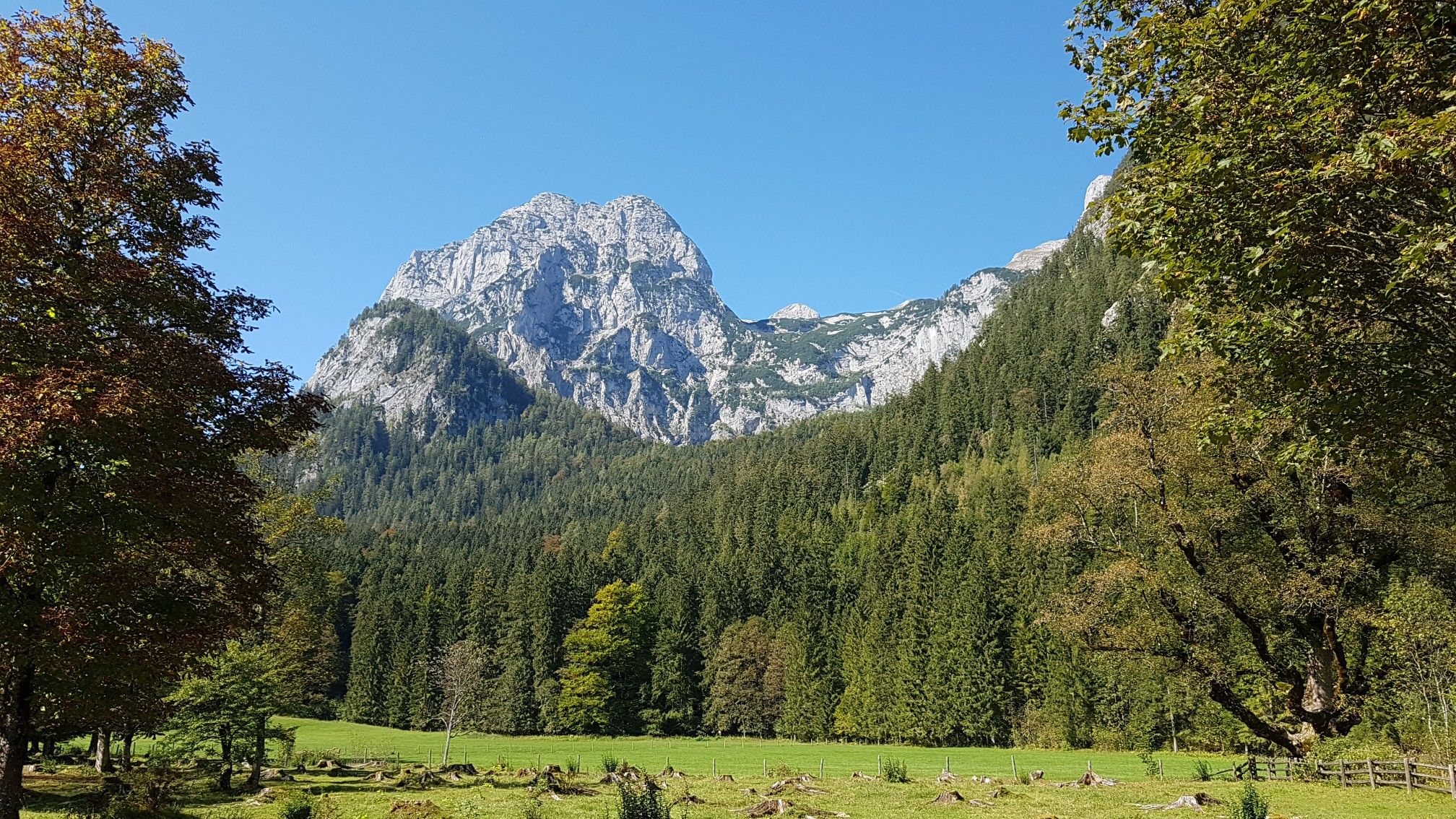
The National Natural Landscapes in Bavaria
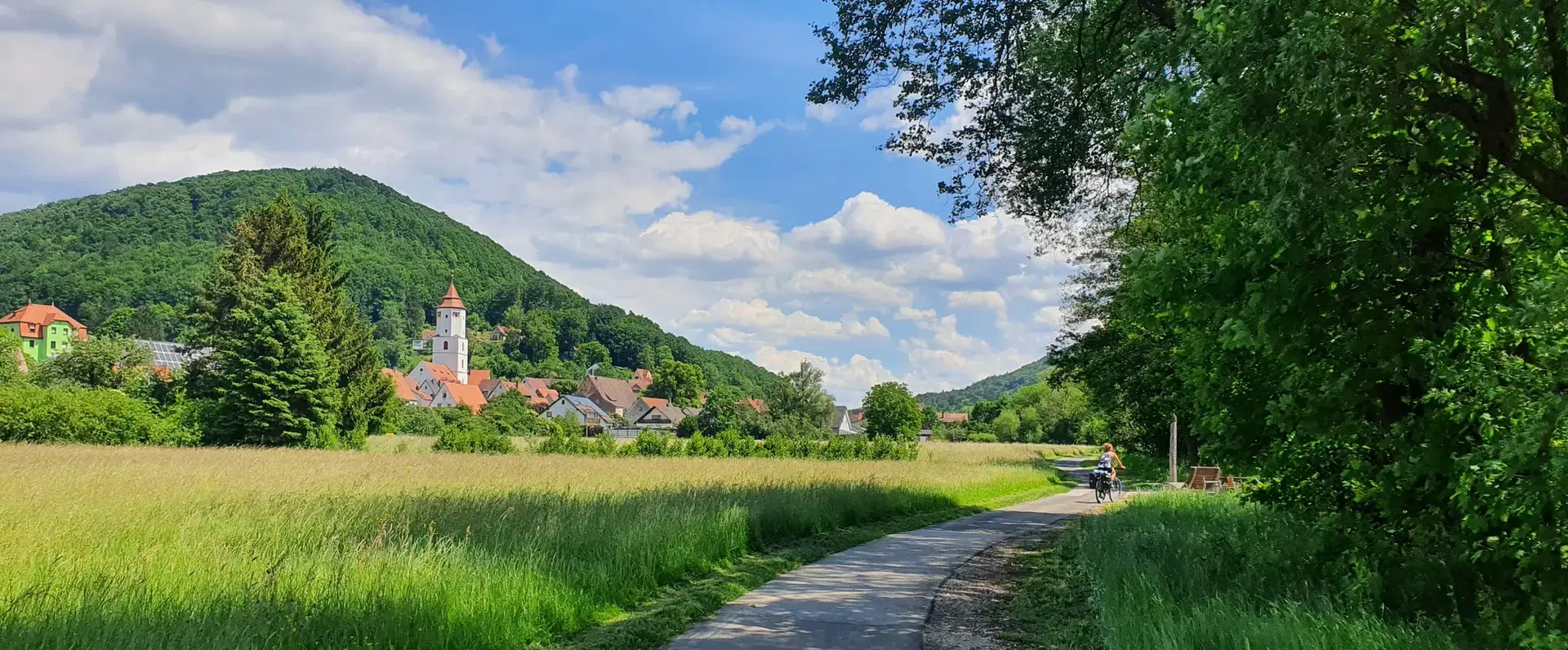
Cycling through the Nuremberg metropolitan region – nature & enjoyment
City, country, lake – VGN leisure tips 2025
11 Days on the Erzweg Quality Hiking Trail
VGN presents 8 cycling day trips around Nuremberg
Culinary delights on the road – VGN Pleasure Tours
Auf dem Erzweg im Naturpark Hirschwald
Tauche in die Geschichte ein! – Stadtrundgänge in Bayern
Other adventures in Naturpark Hirschwald


Tips from the Community

Stop at the Schweppermann in Pfaffenhofen: great food (good, plentiful, and reasonably priced), large selection, friendly family business, nice to linger inside or outside, tip!
1
0


Very nice bike path
2
0

During Advent there is a cozy Christmas market on the market square.
7
0

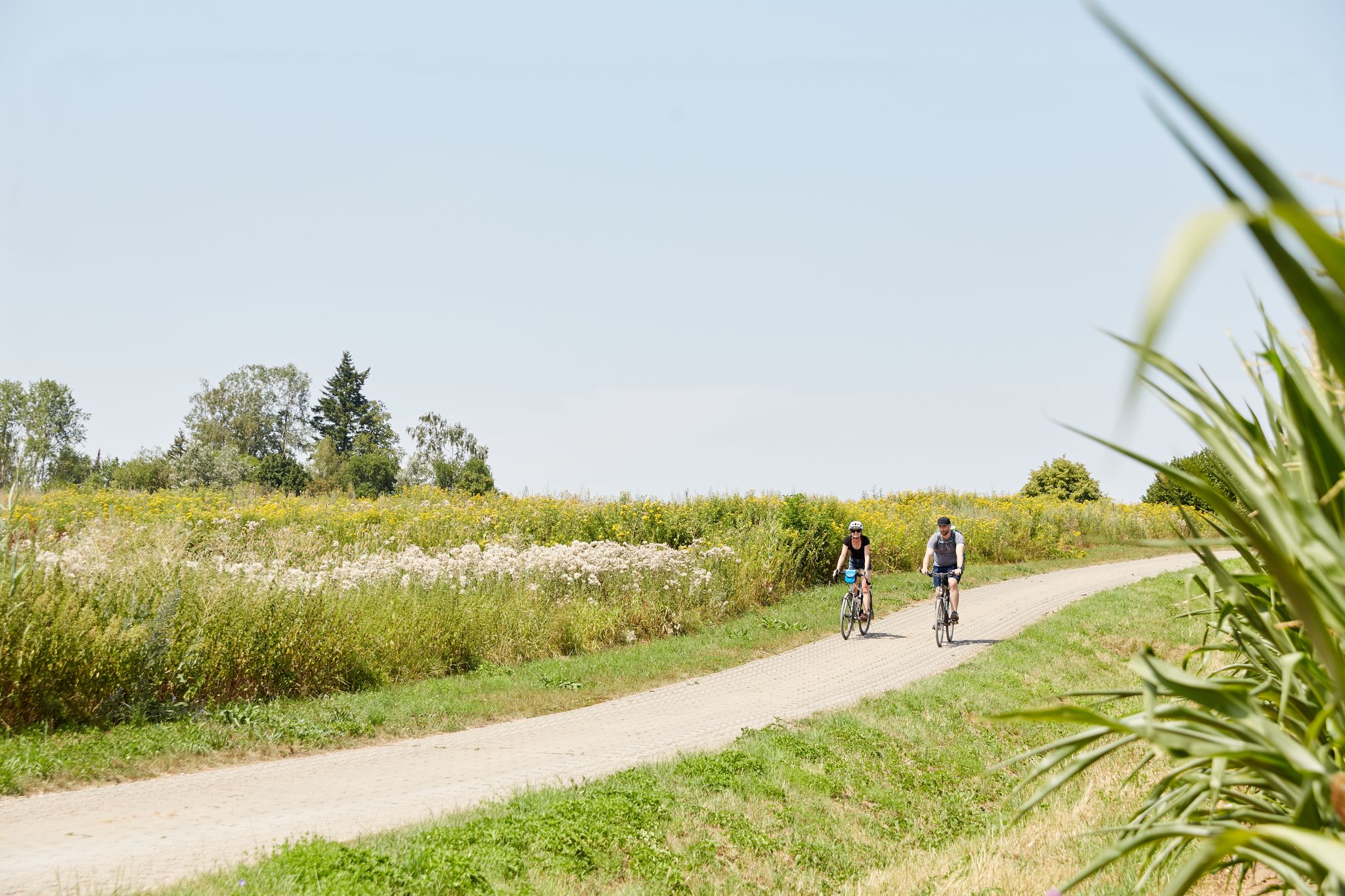
The cycle path runs mainly on water-bound paths, with occasional longer sections being asphalted. The surface is in good condition and is very easy to ride on.
2
0

Natural river sections where the Lauterach can meander freely. Beautiful in all seasons.
1
0

The Lauterach Valley is a very quiet place. The water is clear. From Mühldorf to Lauterhofen, the cycle path always runs near the water.
1
1

Finally another stop!
5
0
Frequently Asked Questions
What natural features can I explore in Naturpark Hirschwald?
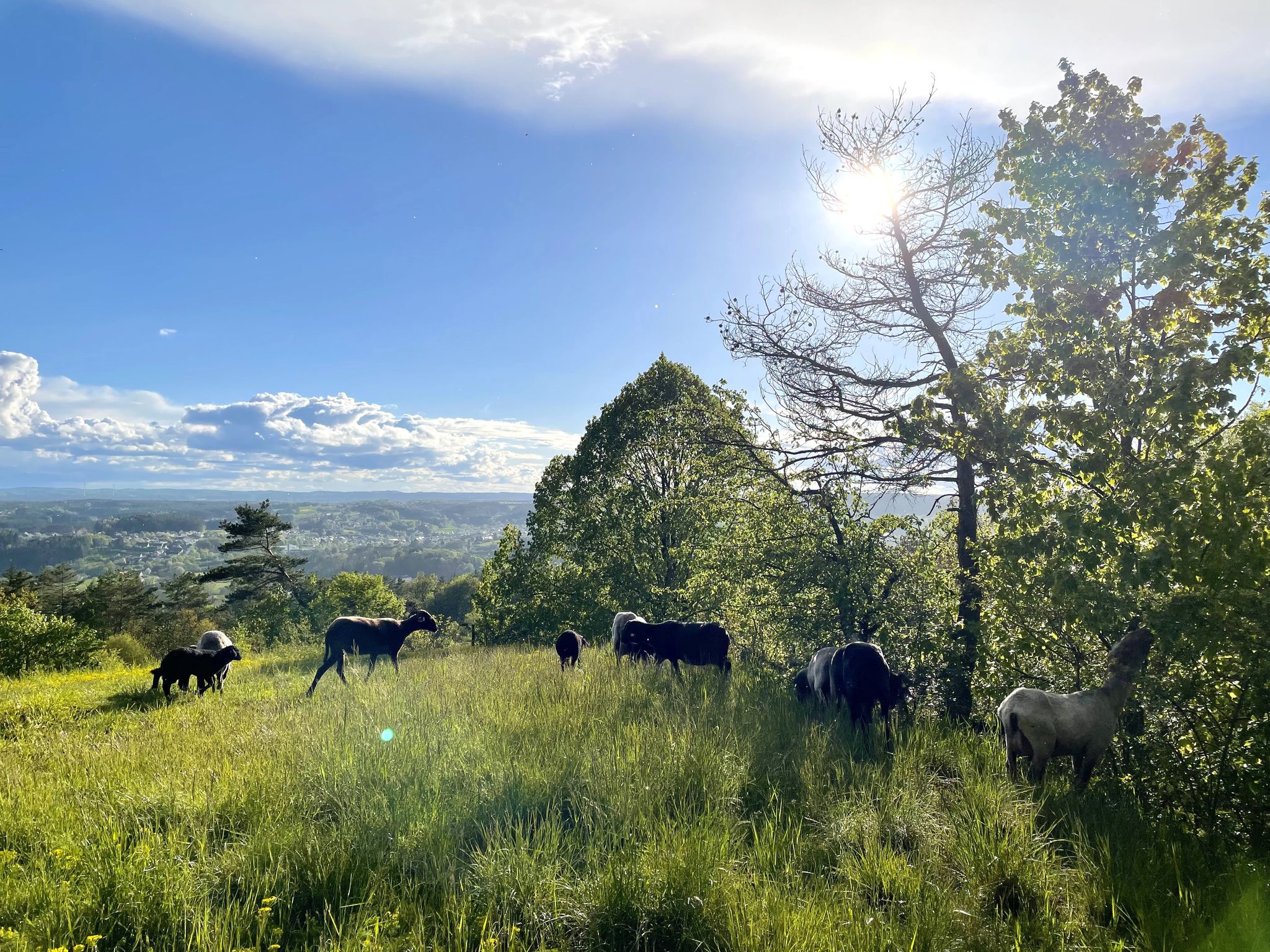
Naturpark Hirschwald boasts diverse natural features, including expansive forests, rolling hills, and unique juniper heathlands. The Lauterach River and Vils valleys are particularly notable for their nearly Mediterranean climate, supporting distinctive vegetation like wild orchids and rare butterfly species. You can also find steep rock formations and gentle meadows throughout the park.
Are there any historical or cultural sites to visit in the park?
Yes, Naturpark Hirschwald offers several historical and cultural sites. The historic city of Amberg, partially within the park, features a nearly preserved city wall, the electoral castle, and the iconic Amberg's "Stadtbrille". Other significant sites include Kulturschloss and Museum Theuern, which delves into the region's iron industry past, Kloster Ensdorf, and the publicly accessible Burgruine Roßstein.
What activities are available for families in Naturpark Hirschwald?
Naturpark Hirschwald is very family-friendly. You can enjoy cycling on routes like the Five Rivers Cycle Route: Amberg–Schmidmühlen section along the Vils, which follows an old railway line. The park also features wild animal enclosures with wild boars, fallow deer, and red deer. The Fledermaushaus Hohenburg offers a unique opportunity to observe bats, and the Planetarium and Observatory Ursensollen provides astronomical insights.
Where can I observe wildlife in Naturpark Hirschwald?
For wildlife observation, the Fledermaushaus Hohenburg is nationally significant, hosting Germany's last nursery colony of the critically endangered Greater Horseshoe Bat, which you can observe during their evening flights. Additionally, the park has several wild animal enclosures, including a wild boar enclosure at Waldhaus near Amberg, a fallow deer enclosure in Kreuth bei Rieden, and a red deer enclosure in Heinzhof.
What hiking trails are recommended in Naturpark Hirschwald?
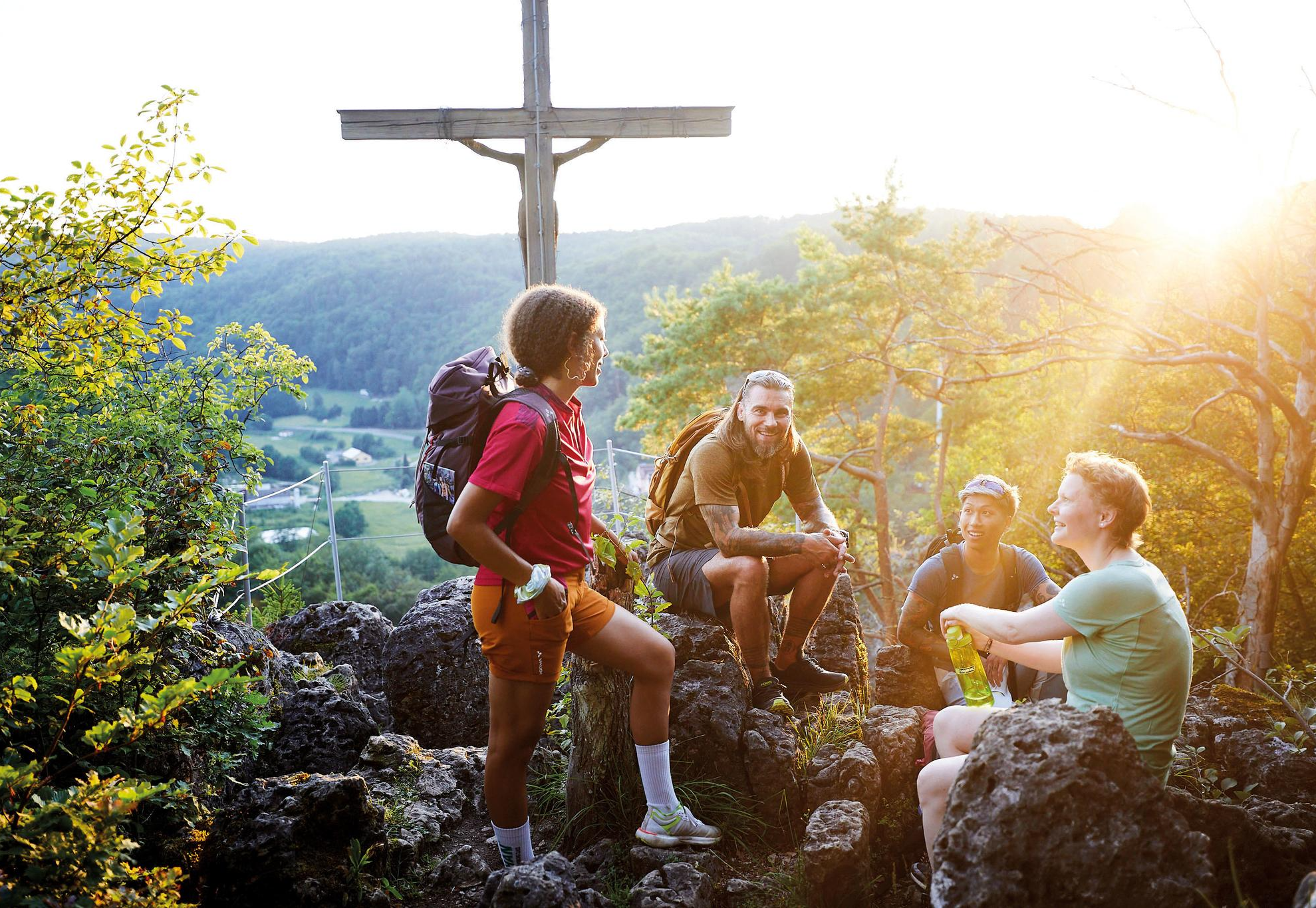
Naturpark Hirschwald is a hiker's paradise. Popular trails include the long-distance Jurasteig and Erzweg. For scenic views, try the Wacholderwanderweg (Juniper Hiking Trail) which leads through fragrant juniper heaths. Parts of the historic Jakobsweg also pass through the park. You can find many easy hiking options, such as the Lauterach River near Hohenburg loop, on the Easy hikes in Naturpark Hirschwald guide.
Are there cycling routes suitable for all skill levels?
Yes, the park offers a variety of cycling routes. The Five Rivers Cycle Route: Amberg–Schmidmühlen section along the Vils is particularly family-friendly, following an old railway line. Other popular paths include the Lauterachtalradweg and Schweppermann-Radweg. For more challenging rides, explore the MTB Trails in Naturpark Hirschwald or Road Cycling Routes in Naturpark Hirschwald guides.
What is the 'Stadtbrille' in Amberg?
The Amberg's "Stadtbrille" is a historic bridge over the Vils River, first documented in 1454. When the water is calm and clear, the reflection of its two arches in the Vils creates a spectacle-like image, giving it its popular name, which translates to 'city spectacles'.
Are there accessible attractions for visitors with mobility needs?
Naturpark Hirschwald is committed to accessibility. The Fledermaushaus Hohenburg, where you can observe bats, is barrier-free. The Planetarium and Observatory Ursensollen also features an accessible reflecting telescope for wheelchair users. The park aims to provide barrier-free experiences, including accessible fishing spots.
What is the significance of the Vils and Lauterach valleys?
The Vils and Lauterach valleys are ecologically significant due to their nearly Mediterranean climate on south-facing hillsides, particularly between Kastl and Schmidmühlen. This unique microclimate supports a distinctive vegetation, including wild orchids and juniper bushes, and is home to rare butterfly and lacewing species, making it a biodiversity hotspot in Bavaria.
Where can I learn about the region's industrial history?
You can explore the region's industrial heritage at Kulturschloss and Museum Theuern, which provides insights into the medieval and early modern iron industry. The Bergbau- und Industriemuseum Ostbayern (Mining and Industrial Museum East Bavaria) in Theuern also focuses on this aspect. Additionally, the Schaukohlenmeiler in Ebermannsdorf offers a display on traditional charcoal production.
What do visitors enjoy most about Naturpark Hirschwald?
Visitors particularly appreciate the diverse landscapes, from deep forests to open countryside and steep rock formations. The extensive network of hiking and cycling trails, such as the Five Rivers Cycle Route: Amberg–Schmidmühlen section along the Vils, is highly valued for its scenic views and family-friendly nature. The historic charm of Amberg, with landmarks like the Amberg's "Stadtbrille" and Nabburger Gate, also receives high praise.
Most popular routes in Naturpark Hirschwald
Most popular attractions in Naturpark Hirschwald

Get inspired with the komoot mobile app


