Attractions and Places To See in Die Wachau (Buffer Melk) - Top 19
Attractions and places to see in Die Wachau (Buffer Melk) encompass a region rich in historical landmarks, natural beauty, and cultural experiences. Situated along the Danube River, this area is known for its terraced vineyards, significant abbeys, and picturesque villages. It offers a diverse landscape with both man-made monuments and natural features. The region provides opportunities to explore historical sites and scenic viewpoints.
Best attractions and places to see in Die Wachau (Buffer Melk)
- The most popular attractions is View…
Last updated: October 9, 2026
Melk Abbey
Highlight • Religious Site
Translated by Google •
Tip by

Mole Melk – Restaurant & Guesthouse on the Danube
Highlight • Restaurant
Translated by Google •
Tip by

Sign up now to discover places like this
Get recommendations on the best single tracks, peaks, & plenty of other exciting outdoor places.
Town Fountain
Highlight • Monument
In 1722, Abbot Berthold Dietmayr donated the Kolomani fountain, which was created in 1687 for the prelate's courtyard of the monastery, to …
Translated by Google •
Tip by

Luberegg Castle
Highlight • Castle
Translated by Google •
Tip by

Wachau World Heritage Site
Highlight (Segment) • Historical Site
Translated by Google •
Tip by

Sign up for free to discover even more attractions in Die Wachau (Buffer Melk).
Already have an account?
Start today with a free account
Your next adventure awaits.
Popular around Die Wachau (Buffer Melk)
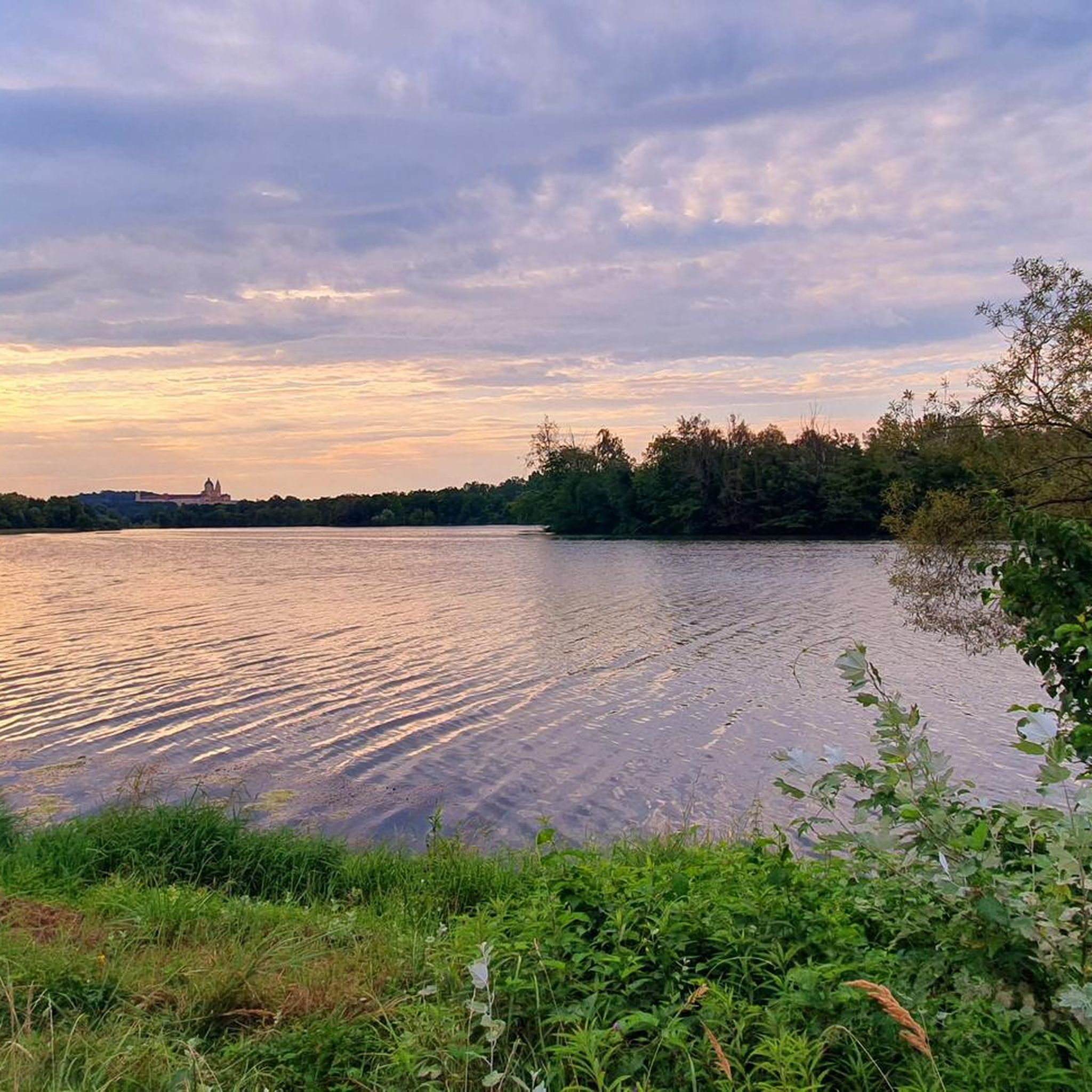
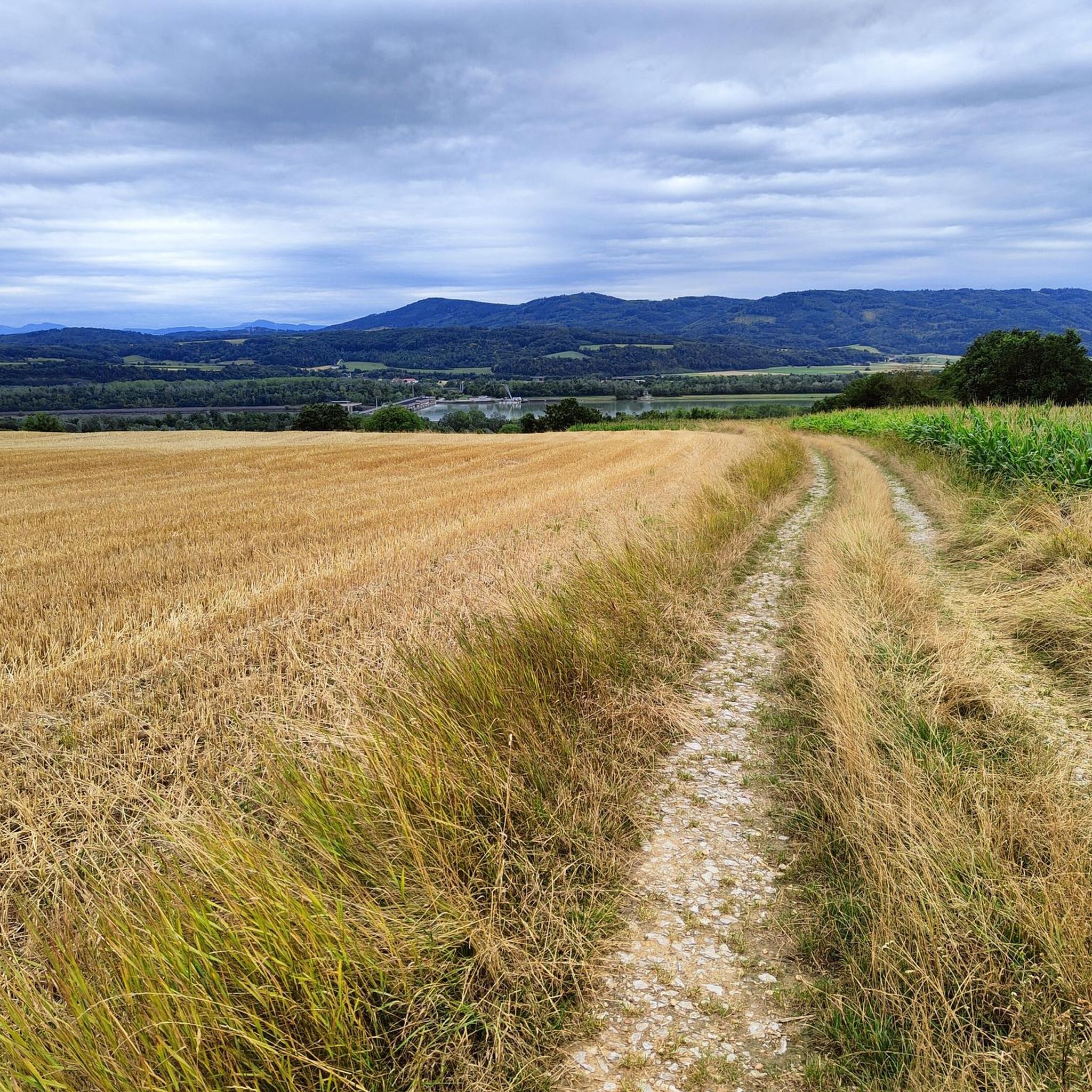
Other adventures in Die Wachau (Buffer Melk)

Tips from the Community

On the website for the television series – which is unreservedly recommendable from my point of view – 'Treasures of the World – Heritage of Mankind', it says: 'The Wachau is, first and foremost, a roughly 30 km long Danube breakthrough between Melk and Krems in Lower Austria. The river forms a narrow rocky valley here. A landmark of the Wachau and actually the staging of this landscape is Melk Abbey ...' The quarter-hour contribution about this highlight, which has been awarded the 'World Heritage' designation by UNESCO, can be accessed in the ARD media library via the following link =>> https://www.ardmediathek.de/video/schaetze-der-welt/die-wachau-oesterreich-folge-282/swr/Y3JpZDovL3N3ci5kZS82ODcyNjk0
0
0

The Melk Ferry House, formerly known as the “Fährhaus Jensch”, has been extensively renovated in recent years and converted into the Melk Mole. It offers a large terrace with a beautiful view of the river and is a popular stop for cyclists along the Danube Cycle Path. The nearby Melk 31 Danube Station serves as a boat dock and connects the town to the river. Cyclists can take a break here, enjoy the view and enjoy some culinary delights. The Melk Mole is open daily from 11:00 a.m. Thanks to its good location, it is an ideal starting point for further cycling tours in the Wachau.
8
0

The town of Melk with its small pedestrian zone is also worth seeing.
5
2

The town fountain in Melk, also known as the Koloman Fountain, is a historical monument located in front of the town hall. The fountain was gifted to the town in 1722 by Abbot Berthold Dietmayr, as it no longer fit the Baroque design of the monastery. It was originally commissioned in 1687 for the abbot's residence at Melk Abbey. The fountain depicts Saint Koloman, wearing a pilgrim's hat and carrying a pilgrim's staff, standing on a pedestal supported by four water-spouting dolphins. The inscription "BDAM 1722" refers to the donor, Bertholdus Dietmayr, Abbas Mellicensis.
8
1

Chic building with an impressive and interesting history that dates back to 1774. Luberegg was last flooded during the severe Danube floods of 2002, so the walls had to dry out for years. In 2003, the hotel owner Josef Pichler from Emmersdorf acquired the property and built flood protection in 2005. Luberegg Castle has been used for gastronomy for years, and the western corner house houses a wine tavern. The property is now primarily used as an event hotel. Description on the website: Historically high-profile location. True!
0
0

Town fountain - Kolomani fountain (year 1687), Melk In 1722, Abbot Berthold Dietmayr donated the Kolomani fountain, which was created in 1687 for the prelate's courtyard of the monastery, to the market. Saint Koloman stands on a column made of four water-spouting dolphins with a staff and pilgrim's hat. The Irish king's son was suspected of being a spy on the pilgrimage to Jerusalem near Stockerau and was hanged on an elderberry bush. The Babenbergs brought his incorrupt corpse to their residence in Melk on October 13, 1014. The Kolomani festival still takes place on this day. Text / Source: Melk Municipality, Rathausplatz 11, 3390 Melk https://www.stadt-melk.at/de/LEBEN_in_MELK/Der_Rote_Faden/Rundgang/8_-_Stadtbrunnen
18
1

Today a beautiful event hotel with historical charm. https://www.pichler-wachau.com/luberegg/schloss-uebersicht-wachau.html
0
0
Frequently Asked Questions
What historical landmarks can I explore in the Wachau Valley near Melk?
The region is rich in history. A prominent landmark is Melk Abbey, a magnificent Benedictine monastery and a UNESCO World Heritage site. You can also visit Town Fountain in Melk, also known as the Koloman Fountain, which dates back to 1687. Further afield, consider the Dürnstein Castle Ruins, famous for its connection to Richard the Lionheart, or the impressive Göttweig Abbey.
Are there family-friendly activities or attractions in Die Wachau (Buffer Melk)?
Yes, several attractions are suitable for families. Melk Abbey offers an engaging experience for all ages with its opulent architecture and historical significance. The View of Melk Abbey from Sankt Leopold Bridge is also a great spot for a family photo. Additionally, exploring charming villages like Dürnstein or Spitz an der Donau can be enjoyable for families.
What natural features define the landscape around Melk?
The landscape is dominated by the Danube River, which flows through centuries-old terraced vineyards. These vineyards are renowned for producing excellent Riesling and Grüner Veltliner wines. The region is also famous for its apricot orchards, especially beautiful during spring blossoms. You'll find diverse habitats including dry grasslands and near-natural forests, home to various plant and animal species.
What outdoor activities can I do near these attractions?
The Wachau Valley offers numerous outdoor activities. You can explore the region by bike on the well-maintained Danube Cycle Path. For hiking enthusiasts, the 180-kilometer Wachau World Heritage Trail provides stunning views. There are also specific routes for cycling and hiking near Melk, such as those found in the Cycling in Die Wachau (Buffer Melk) and Hiking in Die Wachau (Buffer Melk) guides.
Are there specific hiking trails near Melk Abbey?
Yes, there are several hiking opportunities around Melk. For instance, you can find an easy 4.4 km loop trail from Melk Abbey (Stift Melk) to its East entrance. More hiking routes are available in the Hiking in Die Wachau (Buffer Melk) guide, including options like the 'Danube Lake – Luberegg Bathing Pond loop'.
What do visitors enjoy most about the attractions in Die Wachau (Buffer Melk)?
Visitors frequently praise the impressive views and historical significance. The View of Melk Abbey from Sankt Leopold Bridge is often highlighted as an 'impressive experience' and a 'wonderful sight' after a long walk. The Abbey itself is considered the 'highlight of the city par excellence' and one of the most beautiful monasteries in Austria, known for its magnificent Baroque architecture.
Where can I find places to eat or stay near the attractions?
In Melk, you can find various options. The Mole Melk – Restaurant & Guesthouse on the Danube is a popular stop, especially for cyclists, offering a large terrace with river views and culinary delights. It also provides accommodation. The historic Melk Town Square (Rathausplatz) is lined with cafes and shops, offering more choices.
Is there public transport access to attractions in the Wachau Valley?
The Wachau Valley is generally well-connected by public transport, including boat services on the Danube and local buses. Melk, as a gateway to the Wachau, is accessible by train. These services can help you reach various towns and attractions throughout the region, making it possible to explore without a car.
What is the best time of year to visit the Wachau Valley for sightseeing and outdoor activities?
The Wachau Valley is beautiful year-round, but spring (April-May) is ideal for apricot blossoms and pleasant hiking weather, while autumn (September-October) offers vibrant fall foliage and wine harvest festivals. Summer (June-August) is great for boat cruises and cycling, though it can be warmer. Winter provides a quieter, often snowy, charm.
Are there any wheelchair-accessible attractions in the Melk area?
Yes, the Town Fountain in Melk, also known as the Koloman Fountain, is noted as wheelchair accessible. While historical sites often present challenges, some parts of Melk town center and specific viewing points may offer accessibility. It's advisable to check specific accessibility details for individual sites like Melk Abbey prior to your visit.
Can I find cycling routes that pass by these attractions?
Absolutely. The Danube Cycle Path runs directly through the Wachau Valley, connecting many towns and attractions. For specific routes near Melk, you can explore options like 'View of Pöchlarn – Pöchlarn Danube Bridge loop from Melk' or 'St. Leopold Bridge, Melk – View of Melk Abbey loop from Melk' in the Cycling in Die Wachau (Buffer Melk) guide.
How long should I plan for a visit to Melk Abbey?
To fully appreciate Melk Abbey, including its church, library, and Baroque gardens, it is recommended to allocate at least 2-3 hours. This allows time to explore the interiors, enjoy the views, and absorb the historical atmosphere without rushing.
Most popular routes in Die Wachau (Buffer Melk)

Get inspired with the komoot mobile app


Explore more
Still not found the Highlight you’re looking for? See guides of the top attractions in other regions:
