Přírodní Rezeravce Losí Blato U Mirochova
Přírodní Rezeravce Losí Blato U Mirochova
The best road cycling routes in Přírodní Rezeravce Losí Blato U Mirochova
4.6
(5)
245
riders
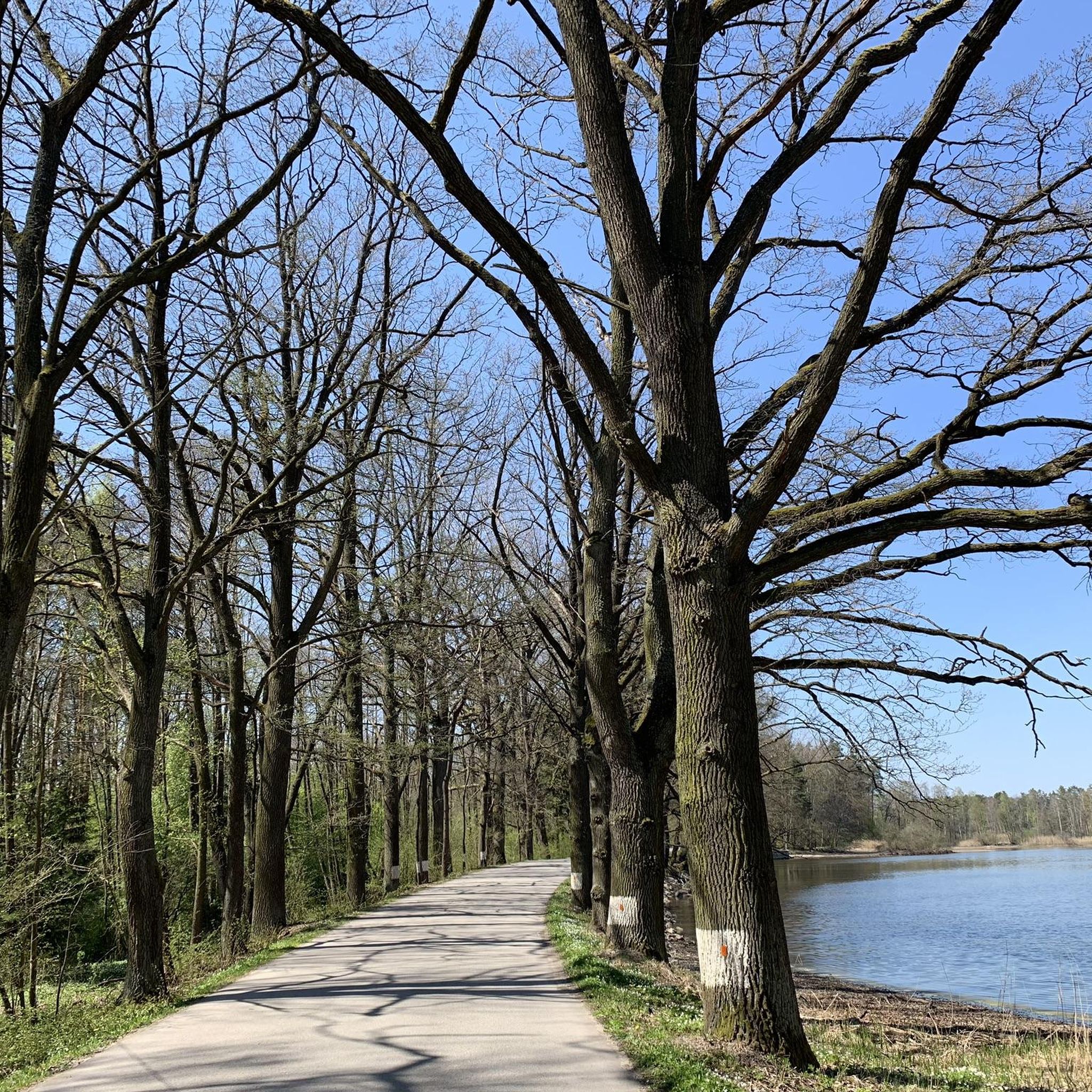
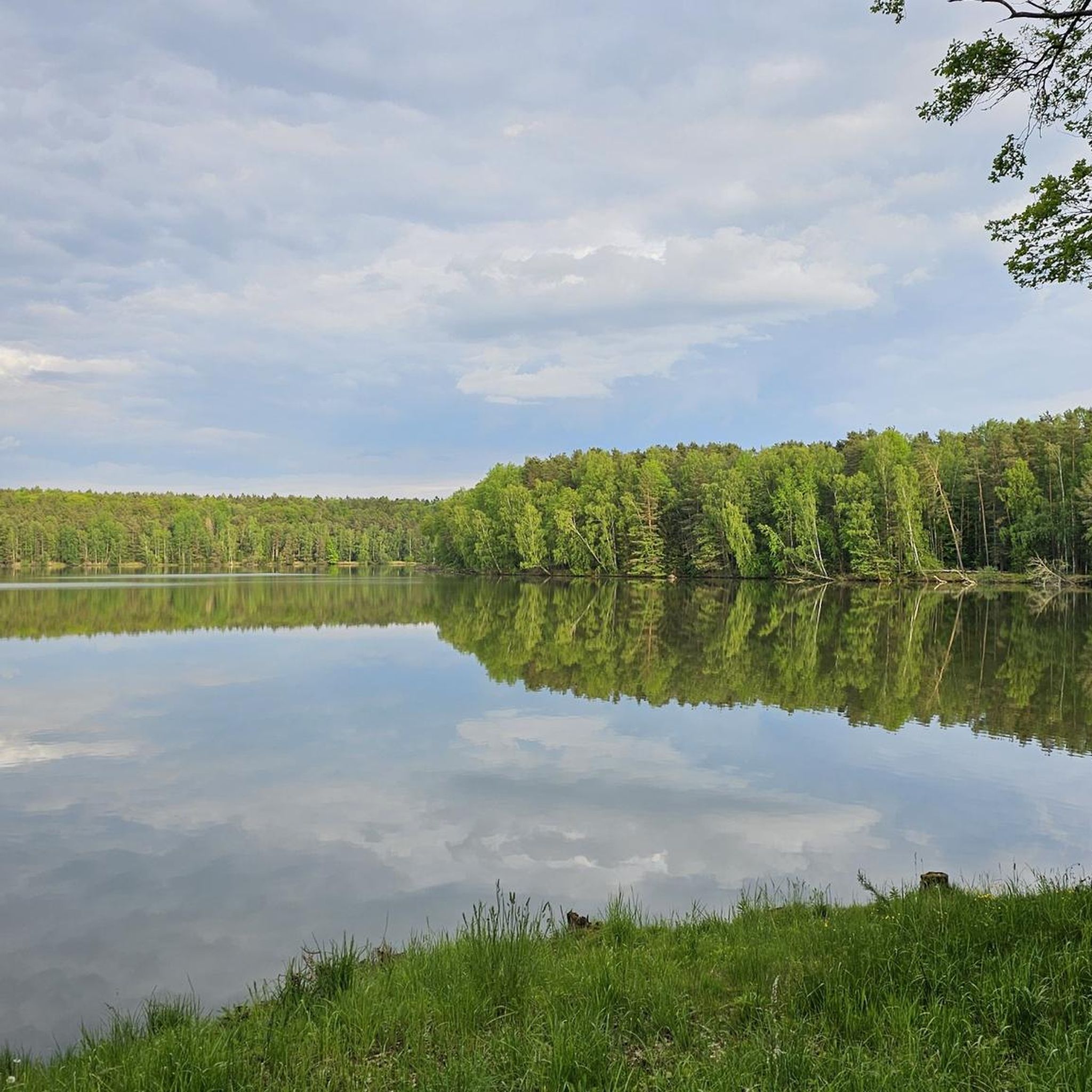
Road cycling routes in Přírodní Rezeravce Losí Blato U Mirochova are situated within the Třeboňsko Protected Landscape Area, a region characterized by predominantly flat to gently rolling terrain. The landscape features an extensive network of fishponds, wetlands, and diverse forest ecosystems, including peat bogs. While the core of Přírodní Rezeravce Losí Blato U Mirochova is a sensitive peat bog, road cycling is prominent on peripheral routes and throughout the surrounding Třeboňsko region, offering views of distinctive natural features and a…
Last updated: July 2, 2026
4.6
(5)
190
riders
128km
05:57
1,480m
1,480m
Hard road ride. Very good fitness required. Some segments of this route may be unpaved and difficult to ride.
5.0
(1)
8
riders
54.3km
02:26
490m
490m
Moderate road ride. Good fitness required. Some segments of this route may be unpaved and difficult to ride.

Sign up for free
6
riders
61.3km
03:03
560m
560m
Moderate road ride. Good fitness required. Mostly well-paved surfaces and easy to ride.
8
riders
14.3km
00:42
160m
160m
Easy road ride. Great for any fitness level. Mostly well-paved surfaces and easy to ride.
4
riders
82.6km
03:33
530m
530m
Moderate road ride. Good fitness required. Some segments of this route may be unpaved and difficult to ride.
Our route recommendations are based on thousands of hikes, rides, and runs completed by other people on komoot.
Start today with a free account
Your next adventure awaits.
Login or Signup
Popular around Přírodní Rezeravce Losí Blato U Mirochova
Tips from the Community

You can also stay overnight here, even with breakfast if I remember correctly. Surely a nice experience for the whole family.
0
0

Europe's largest Waldrapp aviary in Waidhofen an der Thaya
0
0
Take a break at the main square in Waidhofen/Thaya. Enjoy a short stroll along the southern promenade or treat yourself to an ice cream or coffee at one of the pastry shops in Böhmgasse or Niederleutnerstraße.
0
0

Karlstein was first mentioned in 1112 as "Chadelstain." As a fiefdom, Karlstein belonged to the respective territorial princes, who granted this rule to knightly families, although no continuous dynasty established itself here. Since the castle was never owned by a single family for an extended period, it was continually rebuilt and expanded. Practically nothing remains of the original castle. In the following centuries, the border region was repeatedly raided by enemy armies (Ottokar, Hussites, Matthias Corvinus). After the suppression of the Peasants' Revolt in 1597, the leader, Andreas Schrembser, was presumably imprisoned in Karlstein Castle. In 1645, the Swedes besieged Karlstein Castle in vain. In 1663, it served as a refuge during the Turkish threat. In 1914, an internment camp was established in the castle, despite it being uninhabitable. The Montenegrin General Staff was also imprisoned there. After the war, the Hungarian communist leader Béla Kun was interned here. Later, the castle was used as a youth hostel, and in the 1960s, it also served as a guesthouse. The castle is now privately owned and no longer open to the public.
0
0
You used to be able to park your car here. That's no longer possible. You now have to park a few hundred meters further toward Staňkov 😉.
0
1

Tip: You can find travel guides (free shipping) for the Czech Republic at: https://www.reise-karhu.de/reisebuecher.html
0
0

If you're planning to explore this area by bike, on a run, or while hiking, make sure to bring your own Merlot. The region is known for its stunning views and outdoor activities, but finding a good spot to enjoy a glass of wine can be a challenge. Packing your favorite Merlot ensures you can savor a well-deserved drink after your adventure!
0
0
If you're planning to explore this area by bike, on a run, or while hiking, make sure to bring your own Merlot. The region is known for its stunning views and outdoor activities, but finding a good spot to enjoy a glass of wine can be a challenge. Packing your favorite Merlot ensures you can savor a well-deserved drink after your adventure!
0
0
Frequently Asked Questions
What kind of terrain can I expect for road cycling in the Přírodní Rezeravce Losí Blato U Mirochova area?
The Třeboňsko Protected Landscape Area, which encompasses Přírodní Rezeravce Losí Blato U Mirochova, is renowned for its generally flat to gently rolling terrain. This makes it ideal for road cycling, with extensive networks of smooth paths and roads. You'll primarily encounter routes winding through vast pond systems, diverse forests, and open meadows.
What unique natural features will I see while cycling near Přírodní Rezeravce Losí Blato U Mirochova?
While the core of Přírodní Rezeravce Losí Blato U Mirochova is a sensitive peat bog, peripheral routes and the wider Třeboňsko region offer views of its unique ecosystems. You'll cycle past historic pond systems, such as the prominent Rožmberk Pond, and through varied forest types, including peat pine forests. The area is also known for its diverse flora and fauna, and you might spot rare bog plants or various bird species.
Are there road cycling routes suitable for beginners or those looking for an easier ride?
Yes, the Třeboňsko region offers routes for various ability levels. For an easier ride, consider the Großer Teich loop from Litschau, which is 14.3 km long and has minimal elevation gain. Another accessible option is the Litschau Castle – Genusswelt Riedl loop from Litschau, covering 24.1 km.
What are the options for longer or more challenging road cycling routes in the area?
For experienced road cyclists seeking a challenge, the region offers longer routes with more significant elevation. The Drinking Water Fountain – Karlstein Castle loop from Litschau is a difficult 128.5 km route with substantial climbing, typically taking almost 6 hours to complete. Other moderate options include the Litschau Castle – Chlum Castle loop from Litschau (54.1 km) and the Litschau Castle – Border crossing loop from Litschau (62.0 km).
What is the best time of year to go road cycling in the Třeboňsko region?
The Třeboňsko region is generally best for road cycling from spring through early autumn. During these seasons, the weather is typically mild, and the landscapes are vibrant. Spring brings blooming nature, while summer offers warm days perfect for longer rides. Autumn provides beautiful foliage and comfortable temperatures. Winter cycling is possible but may be affected by colder temperatures and potential ice or snow on paths.
Are there any circular road cycling routes available?
Yes, many of the road cycling routes in the Třeboňsko region are designed as loops, allowing you to start and end at the same point. Examples include the challenging Drinking Water Fountain – Karlstein Castle loop from Litschau, the moderate Litschau Castle – Chlum Castle loop from Litschau, and the easier Großer Teich loop from Litschau.
What do other road cyclists enjoy most about cycling in Přírodní Rezeravce Losí Blato U Mirochova?
The area is highly rated by the komoot community, with an average score of 4.6 stars from 5 reviews. Road cyclists often praise the region's extensive network of well-maintained paths, the serene beauty of the pond systems, and the varied landscapes that offer both relaxing and challenging rides. Many appreciate the opportunity to explore the unique natural and cultural heritage of the Třeboňsko Protected Landscape Area.
Can I find places to eat or stay near the road cycling routes?
The Třeboňsko region, including areas around Přírodní Rezeravce Losí Blato U Mirochova, features charming towns and villages like Třeboň. These hubs often provide various amenities, including cafes, pubs, and accommodation options. Cyclists can easily incorporate stops for refreshments or overnight stays into their routes, especially when passing through or near these settlements.
Is the Třeboňsko region suitable for family-friendly road cycling?
Absolutely. The generally flat terrain and extensive network of well-marked cycling paths in the Třeboňsko region make it very suitable for family-friendly road cycling. Many routes are relatively easy and offer safe, scenic rides away from heavy traffic, allowing families to enjoy the natural beauty and cultural landscape together.
Are there any specific rules or permits required for cycling in the Třeboňsko Protected Landscape Area?
While general cycling is encouraged on designated paths and roads within the Třeboňsko Protected Landscape Area, it's important to respect the natural environment. Specific core areas, like the sensitive peat bog of Přírodní Rezeravce Losí Blato U Mirochova, may have restrictions on direct access to protect their unique ecosystems. Always stick to marked cycling routes and observe any local signage regarding protected zones.
Where can I park my car when planning a road cycling trip in the area?
Parking is generally available in the towns and villages that serve as common starting points for cycling routes in the Třeboňsko region, such as Třeboň or Litschau. Look for designated parking areas within these communities, which are often conveniently located near trailheads or access points to the cycling network.
Can I reach the road cycling routes using public transport?
Public transport options, such as buses or trains, connect various towns and villages within the Třeboňsko region. While direct access to every trailhead might not be available, you can often reach central locations like Třeboň or Chlum u Třeboně, which serve as excellent starting points for exploring the cycling network. It's advisable to check local public transport schedules and bike carriage policies in advance.
Most popular routes in Přírodní Rezeravce Losí Blato U Mirochova

Get inspired with the komoot mobile app


Explore more
Browse the best Road cycling routes in other regions.
